Origin Verification
Rules defining where flax fibre and woven cloth achieve economic nationality for customs declarations differ from standard quality grading because non preferential origin classification measures the geographic source of raw harvested stems rather than physical properties like fineness or tensile strength. Flax harvested in Heilongjiang province and processed into yarn within a regional spinning mill attains its legal identity through the location of agricultural cultivation rather than through the subsequent mechanical interventions of hackling or combing. Customs authorities inspect certificates of origin alongside bills of lading to establish tariff liabilities before bales enter international maritime shipping lanes.
This administrative determination operates independently of buyer acceptance criteria and mill quality standards, which focus strictly on staple length, moisture regain and particulate contamination.
Customs Documentation
Commercial invoices and certificates of origin submitted during border clearance must correspond with processing logs maintained by spinning mills to prevent misdeclaration penalties. Importers present these dossiers to fiscal agencies to calculate duties without relying on preferential trade agreements or bilateral tariff reductions. Border officials audit the transition from raw flax straw to carded sliver by reconciling weight ratios declared in export permits with production yields recorded inside industrial spinning facilities.
Discrepancies between harvested tonnage and finished yarn output trigger detentions at the port of entry until the originating agricultural cooperative verifies the farming location.
Production Audit
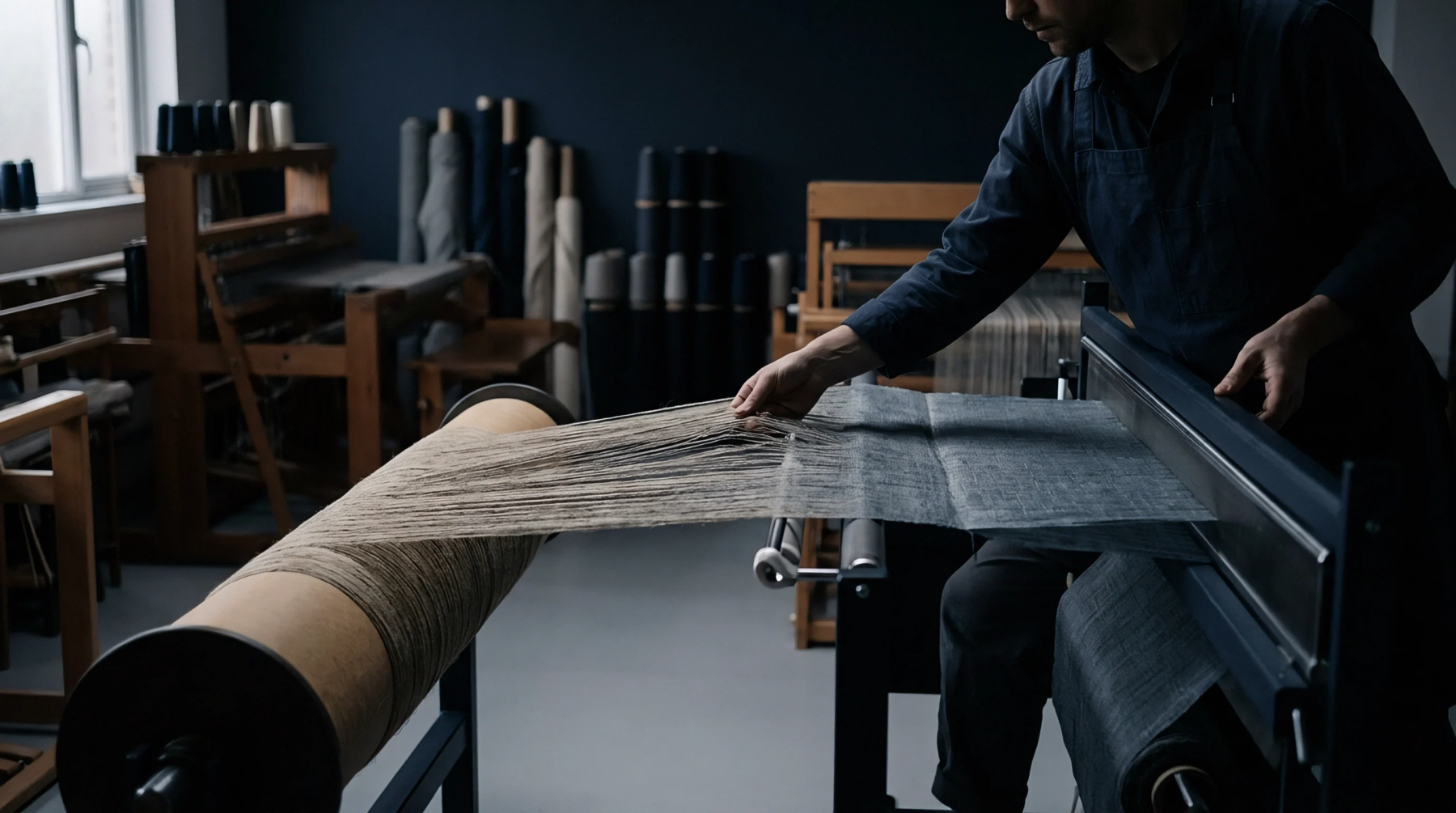
Regulatory inspectors verify the geographical integrity of textile supplies by tracing grey fabric back to individual weaving sheds through production records and mill registers. Weaving mills maintain separate inventories for domestic flax fibres and imported raw materials to preserve verifiable supply chains for customs verification. Auditors examine sizing agents applied during warp preparation alongside loom state specifications to confirm that manufacturing steps occurred within the declared jurisdiction.
This procedural validation ensures that finished linen cloth satisfies statutory thresholds for domestic content without referencing the subjective aesthetic preferences of downstream garment buyers.