Verifying European Flax Transaction Certificates across Multi-Tier Spinning Operations
Verify European Flax certificates by balancing scutched flax intake against spinning yields, matching lot numbers, and confirming valid Transaction Certificates.
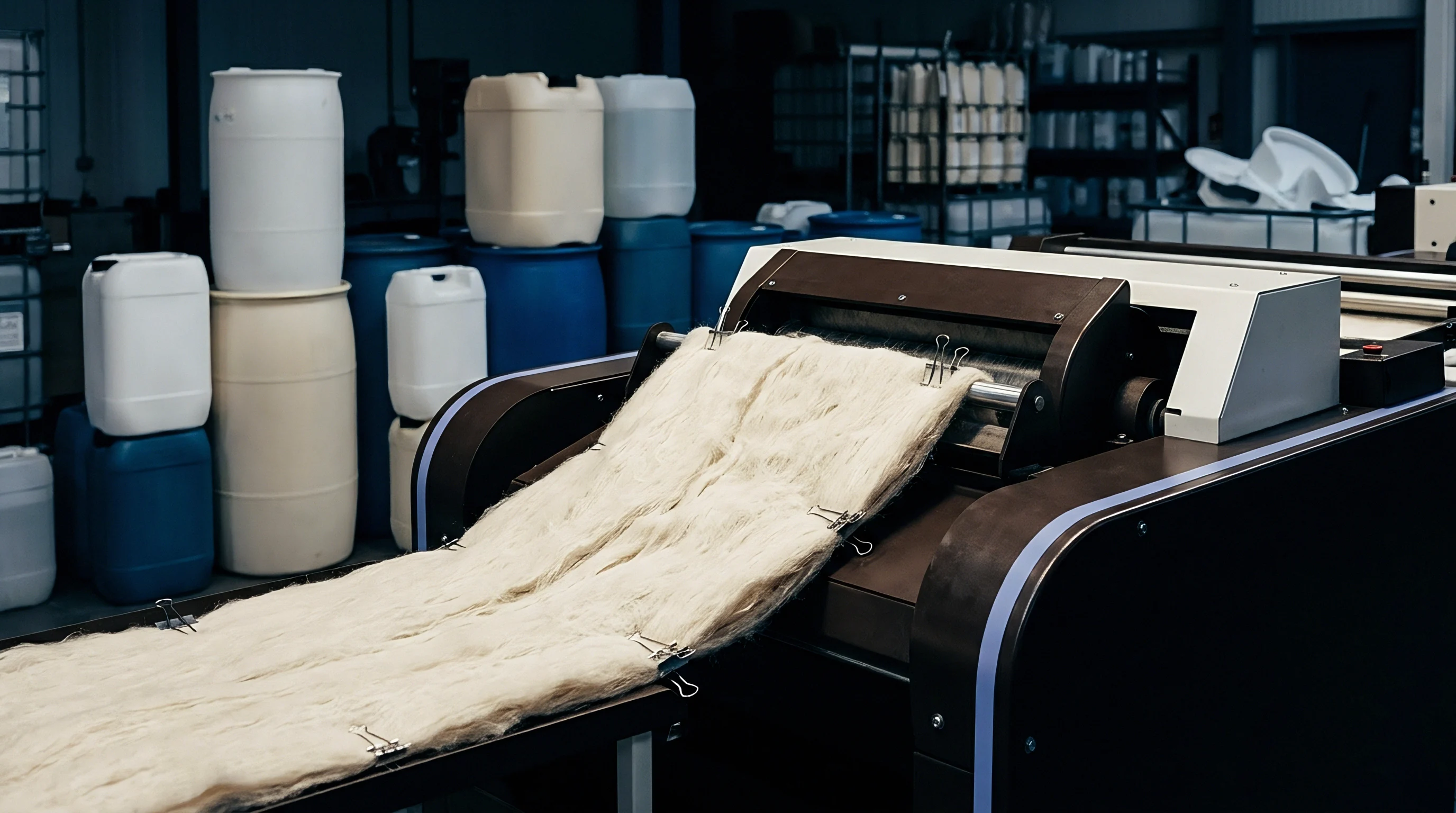

Paperwork
Linen provenance depends on the documentary boundary between a corporate certification and a batch-specific transaction declaration. A Scope Certificate confirms only that a mill holds the mechanical capability and administrative systems to process certified material under Alliance for European Flax-Linen and Hemp standards. The operational qualification of real yarn rests entirely on the Transaction Certificate, issued by accredited bodies such as Control Union or Bureau Veritas.
This commercial instrument tracks a declared mass of scutched flax or sliver through each physical conversion point. A valid transaction record identifies the seller, the buyer, the gross and net weights, the dispatch date, the transport document number, and the specific European Flax certificate reference of the incoming lot.
Downstream spinning supply chains frequently obscure the distinction between raw fibre certification and spun yarn validation. A European Flax certificate covering unspun scutched line flax grown in Normandy or Flanders loses legal authority over finished yarn if the spinning mill operates outside an active Scope Certificate. When spinning takes place across decentralized sub-contractors, each processing tier must generate its own matching Transaction Certificate.
The incoming weight on the spinner’s certificate must align with the dispatch weight recorded by the European scutching co-operative, adjusted for standard moisture regain and mechanical extraction losses.
A Transaction Certificate forfeits validity the calendar day its parent Scope Certificate lapses.
Auditing the document trail demands systematic cross-referencing of every shipment identifier against the issuing body database. Discrepancies between invoice descriptions, bills of lading, and certificate lot schedules signal chain-of-custody breaks. Mill administrators occasionally present an overarching annual Scope Certificate as proof of batch compliance, concealing the absence of a dedicated Transaction Certificate for the specified delivery.

Certificate Scope Boundaries across Processing Stages
Certification schemes define distinct parameters across each tier of transformation. European Flax guarantees Western European origin exclusively for the agricultural and scutching phases, allowing subsequent mechanical spinning to take place globally under monitored custody. Masters of Linen mandates that every transformation stage from scutching through wet spinning, weaving, and finishing occurs on European territory.
| Scheme Name | Geographic Scope | Covered Transformation Tier | Chain Custody Model | Primary Issuing Body |
|---|---|---|---|---|
| European Flax | Fibre grown in France, Belgium, Netherlands; spun globally | Scutching to finished yarn or textile | Physical segregation with batch traceability | Bureau Veritas, Control Union |
| Masters of Linen | 100 percent European footprint | Field, scutching, spinning, weaving, finishing | Dedicated European industrial perimeter | Alliance for European Flax-Linen and Hemp |
| OEKO-TEX Standard 100 | Global processing facilities | Chemical residues on fibre, yarn, or cloth | Toxicological safety testing | OEKO-TEX Member Institutes |
OEKO-TEX Standard 100 confirms toxicological safety rather than geographic origin. Presenting a chemical safety certificate to support a European cultivation claim represents a commercial evasion. The document packages submitted by foreign yarn exporters demand rigorous separation: origin documentation belongs to European Flax or Masters of Linen protocols, while eco-toxicological data resides under separate testing regimes.

Documentary Verification Sequence for Sourcing Desks
A structured intake review eliminates invalid documentation before financial settlement:
- Scope Certificate Authentication establishes that the issuing body listed on the certificate maintains valid accreditation on the date of transaction.
- Transaction Certificate Reconciliation pairs the declared net dry mass against the commercial packing list and bill of lading numbers.
- Lot Schedule Validation links the individual bale numbers on the mill delivery note directly to the primary scutching dispatch list.
- Standard Moisture Verification adjusts the commercial mass to the normative twelve percent moisture allowance specified under ISO 6741.
Every commercial sales contract incorporating certified yarn benefits from explicit documentary language: “Payment remains contingent upon delivery of an authentic, non-revoked Transaction Certificate issued by an accredited certification body, naming the buyer as consignee and referencing the exact lot identifiers declared on the commercial invoice.”

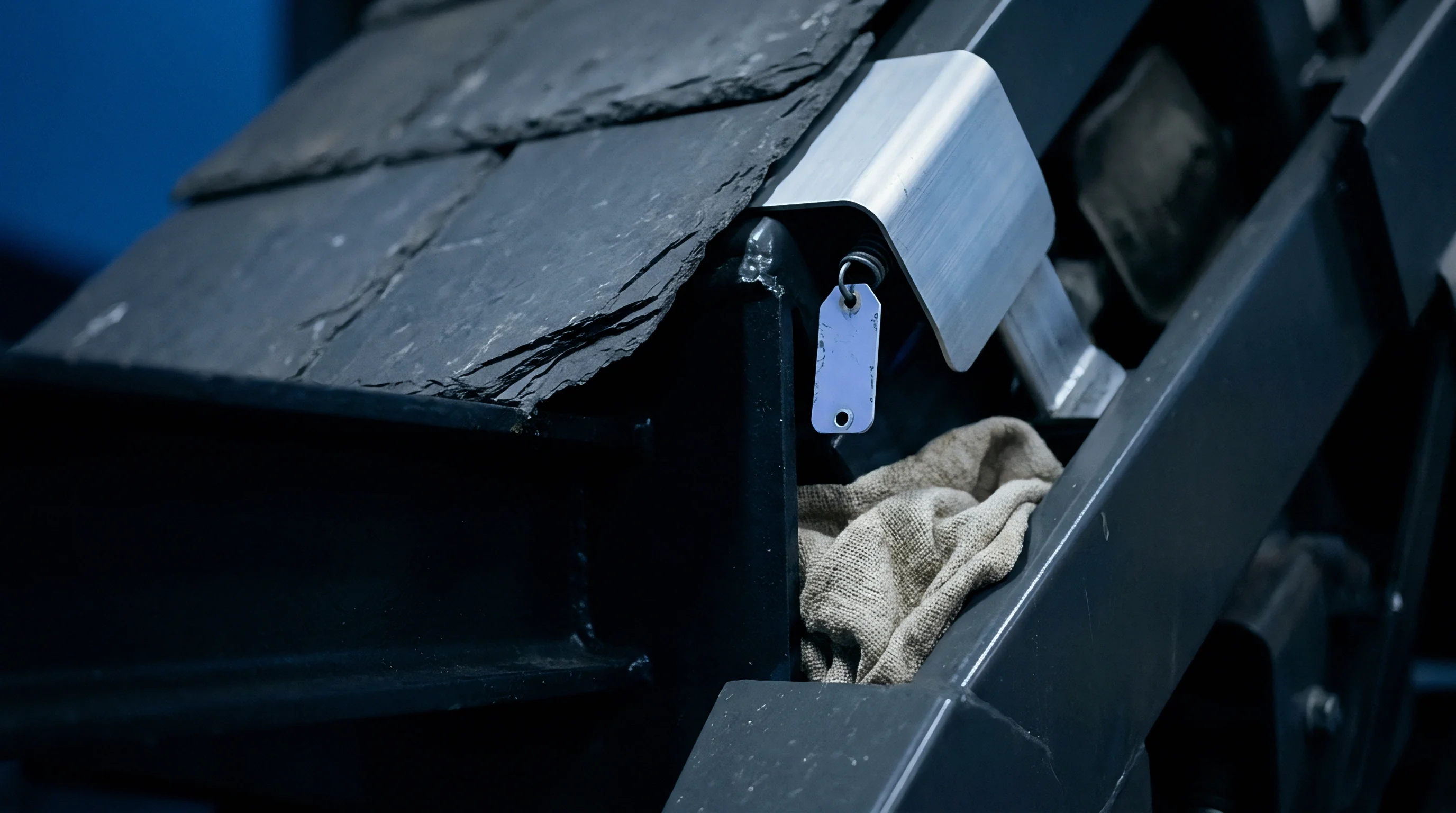
Bale
Physical verification begins in the raw warehouse before blending or opening machines touch the fibre. Incoming scutched line flax arrives in compressed units bearing weather-resistant tags affixed at the European scutching facility. These tags record the cooperative code, scotching lot number, crop harvest year, and classification grade.
If a spinner receives containerized flax with missing, defaced, or generic mill tags, the physical chain of custody breaks at the warehouse threshold.
Fibre intake logs must record the gross scale weight, the tare of strapping and timber bases, and core moisture readings taken with a calibrated electronic probe. Scutched flax absorbs ambient humidity readily. A raw consignment dispatched from Northern France at ten percent moisture content can arrive at a coastal spinning facility in Jiangsu Province measuring fourteen percent moisture content.
This gain adds unearned water weight to the declared mass balance. Spinning technicians inspect the bale ties for signs of tampering, re-banding, or split packaging that would allow blending uncertified domestic bast fibres into the batch.
Commercial flax invoicing allows a maximum legal moisture regain of twelve percent under standard atmospheric conditions.
Fibre length classification dictates spinning performance and mechanical processing routes. Long line flax scutched by traditional turbine extraction yields bundles ranging from sixty to ninety centimetres in length. Tow flax consists of short, tangled fibres extracted during scutching waste recovery or through hackling tow collectors.
Scutched line flax commands a significant market price surcharge over tow. Fraudulent substitutions often mix lower-priced uncertified tow into certified line flax slivers during early stage drawing operations.

Intake Deficiencies and Physical Indicators
Spinning mill audits reveal systematic vulnerabilities during raw material intake and staging:
- Missing Cooperating Scutcher Tags indicates raw inventory repackaged at intermediate freight hubs without certifier supervision.
- Discrepant Core Moisture Levels creates artificial mass balance surpluses that allow uncertified raw fibre additions.
- Mixed Harvest Crop Years suggests consolidation of obsolete warehouse stock to satisfy modern volume commitments.
- Fibre Bundle Length Variance signals unauthorized blending of carded tow fibres into high-count long line flax slivers.
Uncertified bale tags are often attributed to European scutching cooperatives discarding primary packaging during maritime container stuffing to maximize shipping density.


Spinning
Mechanical yarn production transforms raw flax into spun packages through distinctly separate manufacturing tracks. Wet spinning produces fine, lustrous counts by passing hackled line flax roves through a heated water bath at fifty to seventy degrees Celsius. This hot water dissolves natural pectins, allowing individual ultimate fibres to slide smoothly past each other during final drafting.
Dry spinning operates without a softening bath, generating coarser, hairy yarns suited for heavy furnishing fabrics or industrial cordage. Tow spinning utilizes short fibres processed on carding drums, followed by combing and ring spinning.
Subcontracting creates severe verification blind spots across decentralized operations. Primary spinning mills frequently outsource preparatory hackling, roving preparation, or tow carding to external satellite facilities. Each transfer of roving bobbins or drawn sliver between external mills introduces physical contamination risks.
Uncertified mills lack segregated production lines, causing certified slivers to pass through the same drawing frames alongside uncertified local flax, hemp, or synthetic fibres.

Do Multi-Tier Tolling Mills Preserve Fibre Identity?
Tolling arrangements require dedicated material segregation protocols to prevent certified flax from merging with standard production runs. Industrial mills utilize physical perimeter boundaries, colour-coded bobbin holders, and dedicated sliver cans stamped with European Flax identification numbers. Certified production schedules demand complete line clearings: machines are blown clean of residual fly lint, card clothing is stripped, and drawing drafting zones are inspected before certified lots run.
| Spinning Method | Input Fibre Grade | Target Yarn Count (Nm) | Mean Process Waste (%) | Primary Waste Product |
|---|---|---|---|---|
| Wet Spun Line | Hackled Long Line | Nm 26 to Nm 60 | 32 to 42 | Hackling tow, roving lint, pectin liquor |
| Wet Spun Tow | Carded/Combed Tow | Nm 10 to Nm 26 | 22 to 30 | Carding drop, noils, spin waste |
| Dry Spun Bast | Scutched Tow/Short Line | Nm 6 to Nm 14 | 14 to 20 | Dust, short broken fibres |
| Siro Spun Blend | Refined Sliver / Modal | Nm 30 to Nm 50 | 8 to 15 | Pneumafil waste, fly lint |
High-speed ring frames run under constant mechanical tension. Breakages generate pneumafil suction waste, collected in central vacuum compartments. If a mill reintroduces uncertified pneumafil waste back into the primary blowroom hopper, the origin integrity of the resulting roving collapses.
Auditors inspect waste recycling hoppers to confirm that reclaimed fibre enters separate industrial non-woven or paper-grade channels rather than certified apparel lines.
The operational dispute remains whether modern high-speed optical sortation and digital camera inspections on winding frames can ever fully detect uncertified short-bast blends once pectins cross-link during wet drafting.
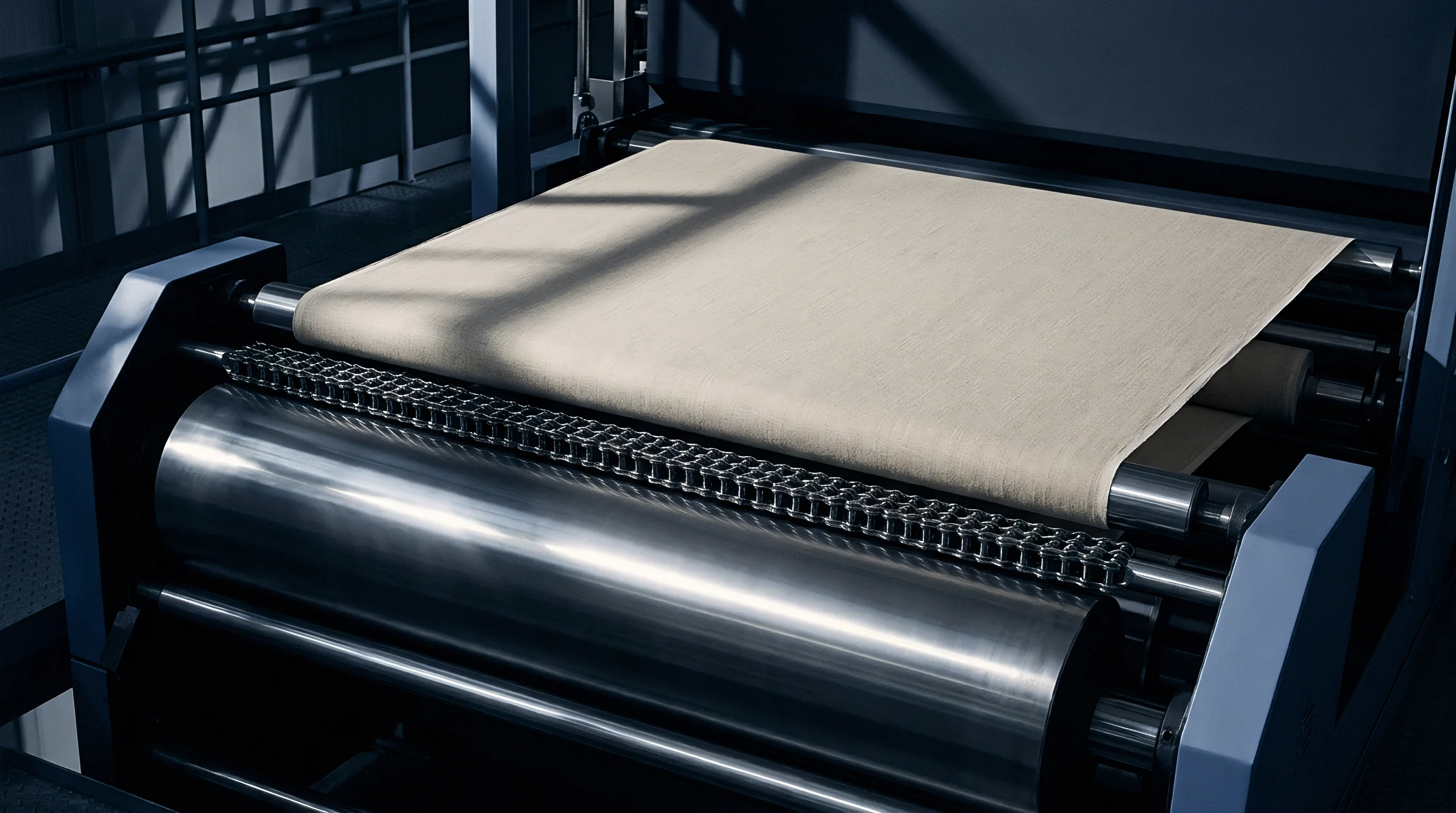

Mass
Verifying multi-tier operations relies on quantitative mass balance reconciliation across every conversion stage. Raw fibre weights entering the blowroom must balance with the finished yarn output plus documented processing losses, moisture adjustments, and solid waste streams. An impossible yield indicates raw material manipulation or uncertified fibre substitution.
Physical yields exceeding sixty-eight percent on wet spun long line flax signal illicit fibre substitution.
Consider a standard production run processing 10,000 kilograms of certified scutched line flax at an input moisture content of 10.5 percent. The standardized commercial weight under ISO 6741 at 12.0 percent regain calculates to 10,134 kilograms. Hackling processes extract thirty-five percent hackling tow, leaving 6,587 kilograms of long line hackled sliver.
Wet roving and ring spinning extract an additional eight percent solid waste through roving preparation and ring room breakages, while chemical pectin dissolution in the hot water trough accounts for four percent soluble weight loss. The theoretical maximum output of finished wet-spun yarn sits at 5,796 kilograms of clean, conditioned yarn on cones.

Which Operational Losses Invalidate Transaction Certificates?
Mass balance reconciliations fail when mills declare unrealistic production yields to inflate certified yarn output. The discrepancy between certified inputs and commercial declarations reveals systemic leakage:
- Excessive Conversion Yields occurs when a spinner declares 7,500 kilograms of finished yarn from a 10,000 kilogram raw line flax input, revealing the unrecorded addition of cheap domestic tow or viscose.
- Unregistered Tow Off-Take takes place when the short fibre tow generated during hackling is sold on undocumented local markets while its certification credits remain applied to fine yarn.
- Moisture Manipulation emerges when finished cones are packed in high-humidity conditioning rooms exceeding thirteen percent regain to inflate invoice weight.
- Pneumafil Re-Feeding occurs when vacuum waste from uncertified ring spinning frames is reintroduced into certified roving lots.
Customs officials and market surveillance authorities seize non-compliant consignments, revoke import tariff concessions, and impose severe financial penalties when certified declarations exceed verified physical mass balances.

Clearance
Destination markets enforce strict legal boundaries between raw fibre provenance, yarn transformation, and country-of-origin labelling. Under European Union Regulation 1007/2011 on textile fibre names and related labelling, products labelled as linen must contain one hundred percent pure bast fibre extracted from the flax plant. Geographic claims such as European Flax are commercial certifications of origin that require unbroken Transaction Certificate documentation across every intermediate processing tier.
The United States Federal Trade Commission enforces origin rules under the Textile Fiber Products Identification Act, mandating that the declared country of origin reflects the territory where the most substantial mechanical transformation occurred.
A yarn spun in China from French scutched flax carries Chinese origin for non-preferential customs clearance under Harmonized System tariff heading 5306. The commercial invoice must reflect this exact distinction. Sourcing offices must never conflate the European Flax certification mark with non-preferential customs origin declarations.
The physical fibre grew in Europe, but the yarn origin remains Chinese.
| HS Code | Merchandise Description | Primary Supporting Document | Origin Determining Process |
|---|---|---|---|
| 5301.10 – 5301.29 | Flax, raw, retted, scutched, or hackled | Scutching Co-op Transaction Certificate | Agricultural cultivation and scutching |
| 5306.10 | Single flax yarn (linen) | Spinning Mill Transaction Certificate | Mechanical drafting and ring spinning |
| 5306.20 | Multiple or cabled flax yarn | Doubling and Twisting Certificate | Assembly, twisting, and winding |
| 5309.11 – 5309.19 | Woven fabrics of flax, 85 percent or more | Weaving Mill Transaction Certificate | Loom weaving and fabric inspection |
Audit costs vary according to supply chain complexity. Independent third-party chain-of-custody audits across multi-tier spinning networks add approximately fifteen to thirty-five Euro cents per kilogram of spun yarn. Long line European Flax carries a raw fibre price premium of twenty to forty percent over domestic or non-certified alternatives.
Buyers secure their commercial positions by implementing contractual audit rights, establishing independent laboratory testing protocols, and retaining ten percent payment holdbacks pending the delivery of validated Transaction Certificates.
Unverified documentation always defaults to standard commercial grades upon arrival.