
Thermo Mechanical Interfacial Shear Modeling in Stressed Bast Fibre Slivers
Thermal softening of pectic middle lamellae reduces sliver interfacial shear stress, eliminating stick-slip defects and lowering yarn end breakage rates.
Thermal softening of pectic middle lamellae reduces sliver interfacial shear stress, eliminating stick-slip defects and lowering yarn end breakage rates.

Controlled thermal and solvent extraction reduces flax bundle fineness below 9 dtex, raising the wet spinning limit to Nm 42 while avoiding fibre degradation.
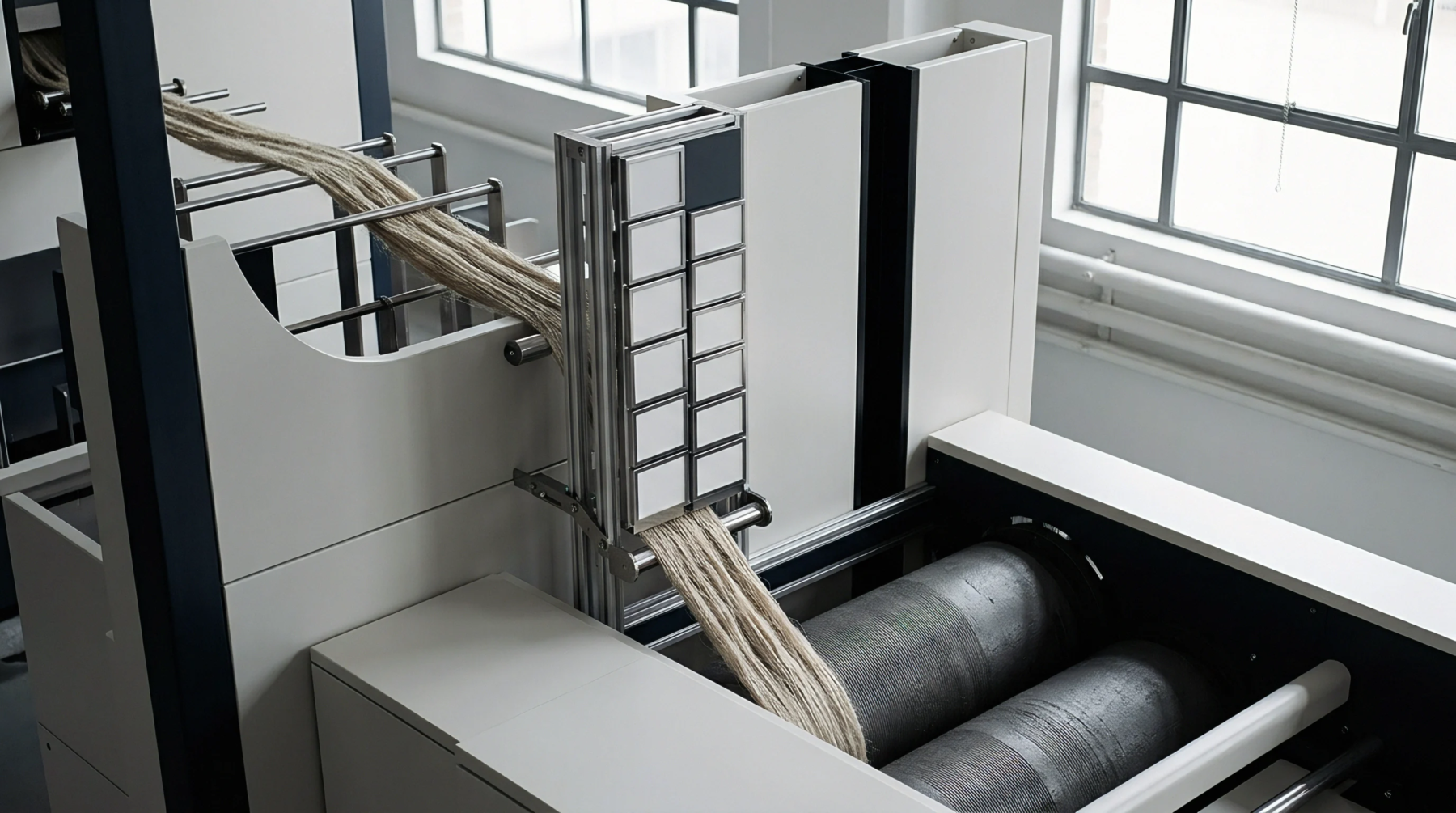
Discrete length distribution transformations control drafting breakage, wet trough bundle dissociation, and finished spinning margins in flax yarn production.

Wet drafting speed limits in bast fibre spinning depend on non-isothermal viscous heating and extensional pectin film strain hardening.

Optimal pectin degradation (1.8-2.4%) balances middle lamella splitting and cell integrity, maximising hackling line yield and wet-spun yarn tenacity.
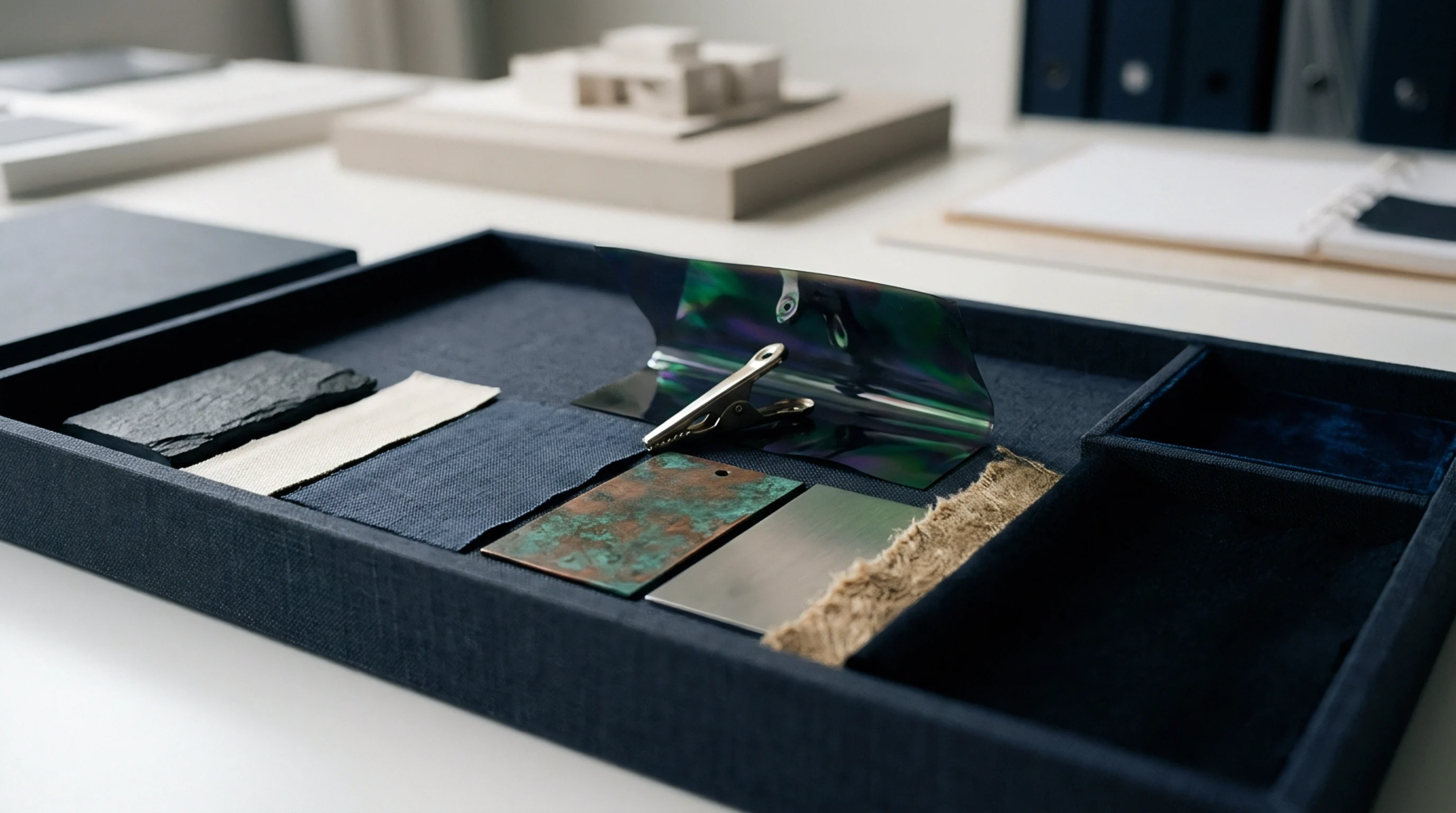
Azimuthal XRD peak deconvolution isolates microfibril angle and crystallite alignment, exposing climate-degraded bast fibers before mill processing.

Non-cellulosic thermogravimetric kinetic analysis quantifies binder levels to prevent hackling yield losses and wet-spinning breakage.

Auditing flax transformation ledgers requires mass-reconciliation across combing, spinning, and weaving nodes to verify customs origin declarations.
Expertise is a utility, not a secret. sentiention™ publishes its working knowledge as open reference: intelligence layer covering the materials it sources, the markets it enters, and the reference that serves both.