
Ends and Picks That Deliver a Target Weight in Linen
Target linen weight depends on yarn tex, ends, picks, and crimp contraction; calculating raw count without finishing shrinkage overshoots mass targets.
Target linen weight depends on yarn tex, ends, picks, and crimp contraction; calculating raw count without finishing shrinkage overshoots mass targets.
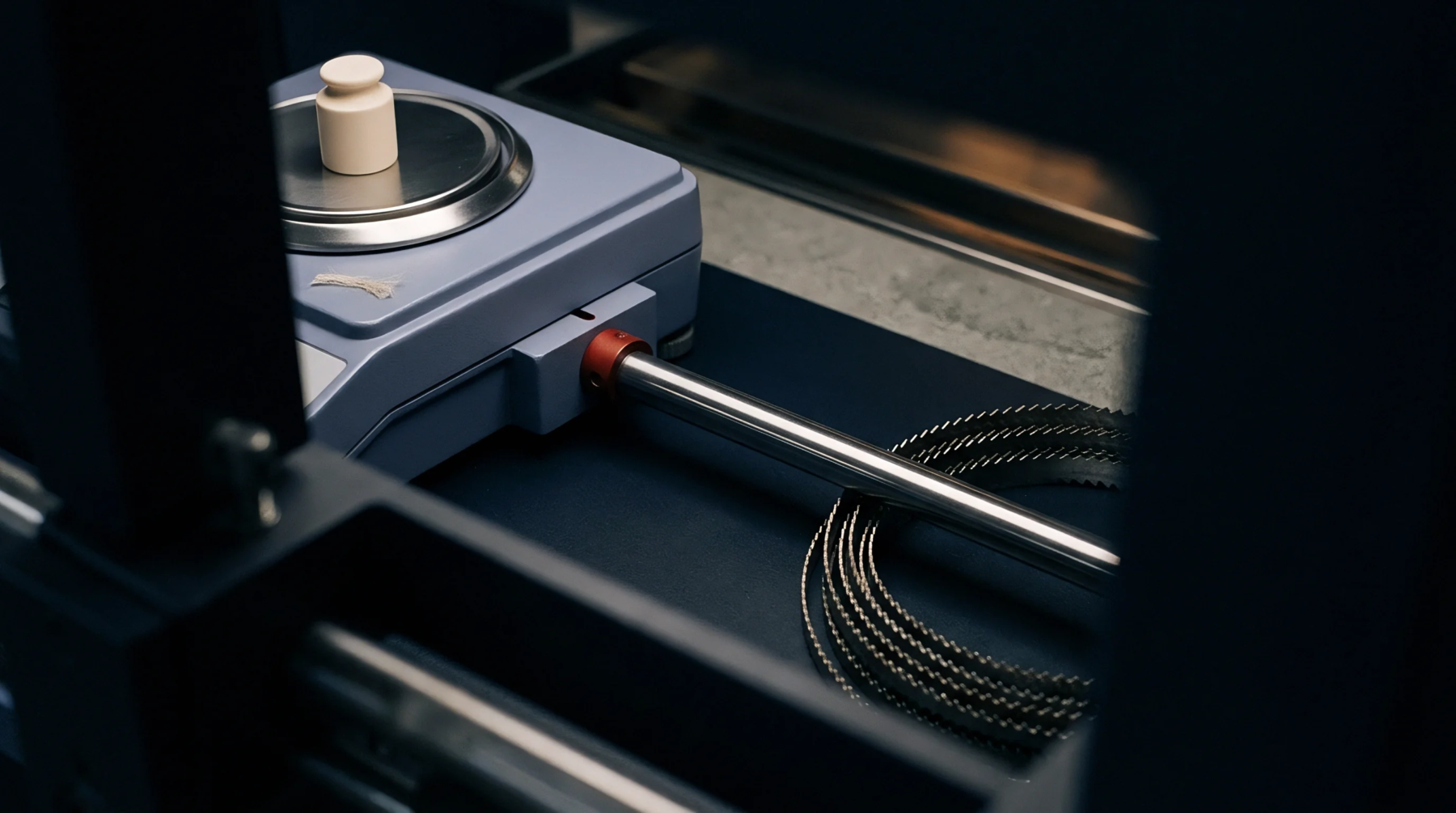
Conditioned middle-cut bundle weighing under ISO 2370 delivers precise flax line fibre linear density data for wet-spinning count calculations.

Standardized air permeability methods convert differential pressure across compressed flax plugs into specific surface area to predict spinnable yarn counts.
Classification between Chapter 53 flax and Chapter 63 made-up linen depends strictly on Section XI Note 7 edge finishing, sewing, and structural shape criteria.
Linen yarn counts and cloth weight must be verified against dry fiber mass plus standard 12 percent moisture regain to eliminate costly moisture billing errors.

Verify flax linear density using ISO 2370 cut length gravimetry on conditioned 50 mm bundles to prevent spinning end breaks and landed metre yield loss.

Gravimetric cut-length linear density variance above twelve percent CV drives wet-spinning breaks and triggers contractual invoice debits up to lot rejection.

Evaluating scutched flax length distributions using comb arrays identifies short fiber fractions and predicts hackling line yield before spinning.

Reconciling warp crimp and waste factors prevents yarn budget deficits by capturing cumulative process losses across landed fabric cost models.
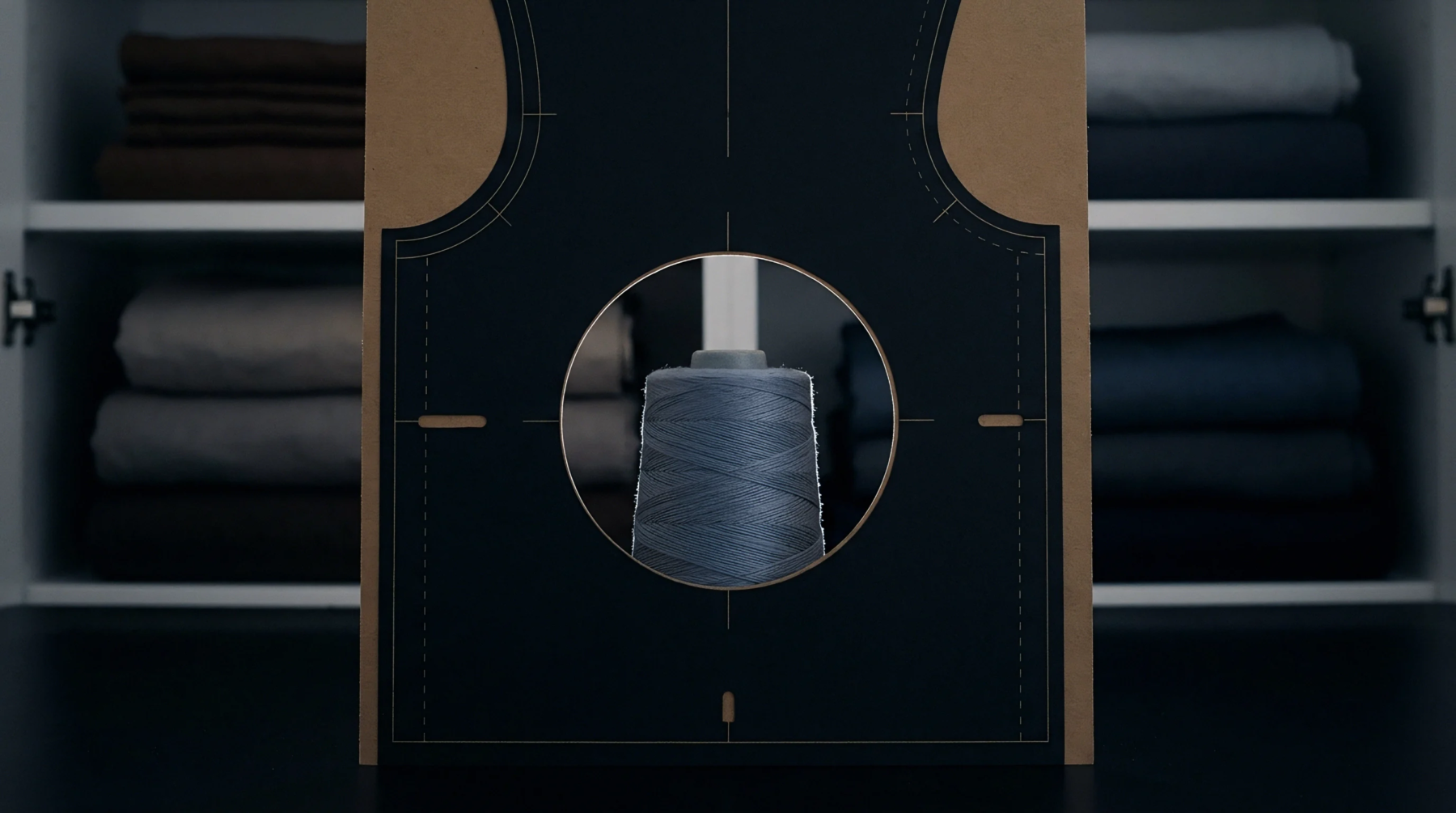
Wet spun flax linear density and mechanical properties depend on strict moisture regain control, hot water pectin drafting, and CRE tensile evaluation.

Optimal long line flax wet spinning recovery requires raw fiber Klason lignin held between 1.8 and 2.5 wt% to maximize hackling yield and prevent end breakage.
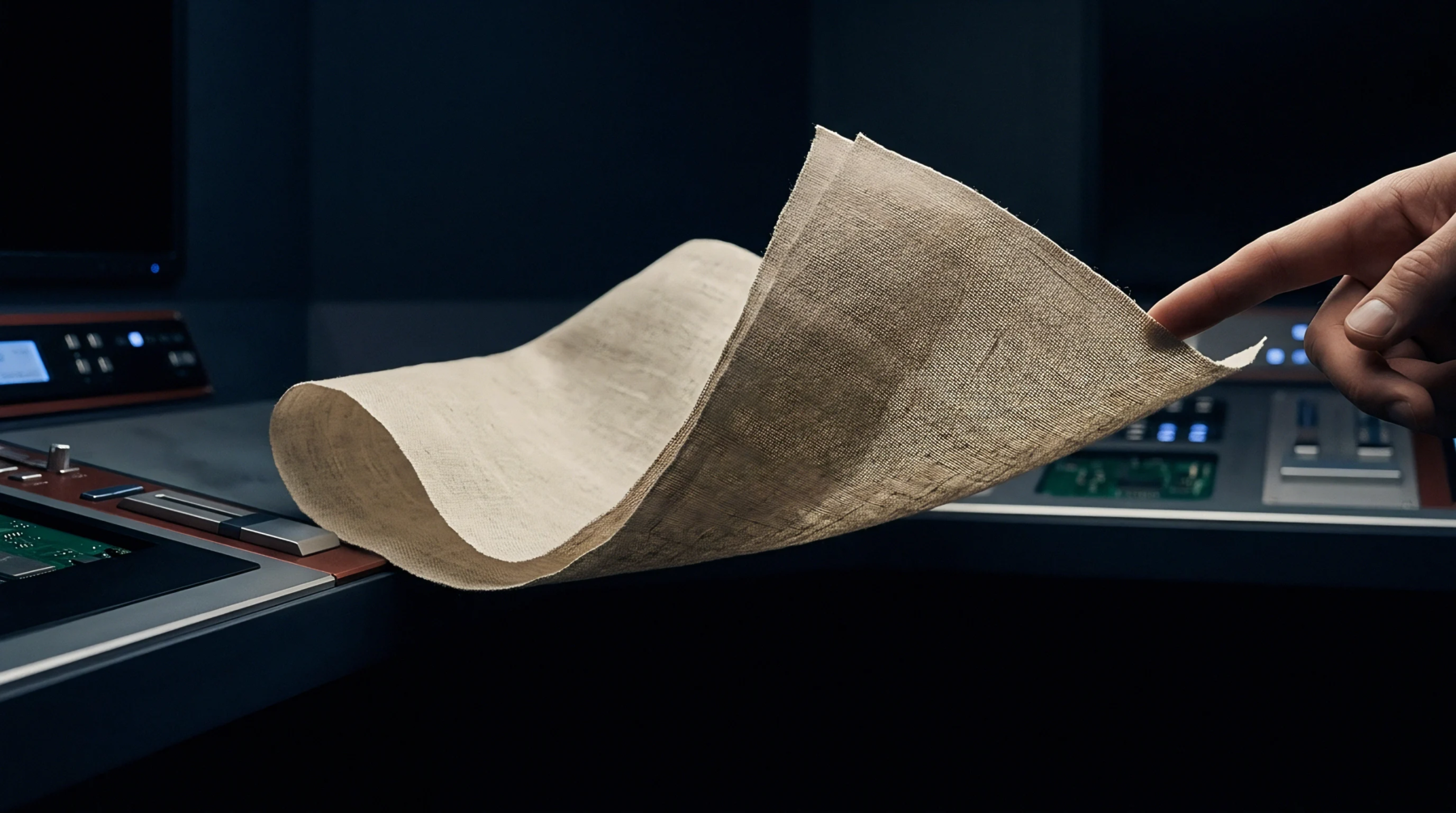
Standard flax yarn linear density determination mandates motorized skein reeling under 0.5 cN/tex tension combined with ISO 6741 oven-dry commercial mass correction.

Specify long-staple line flax and wet spinning in purchase contracts to prevent spinners from substituting short tow fibre into ambiguous metric yarn orders.
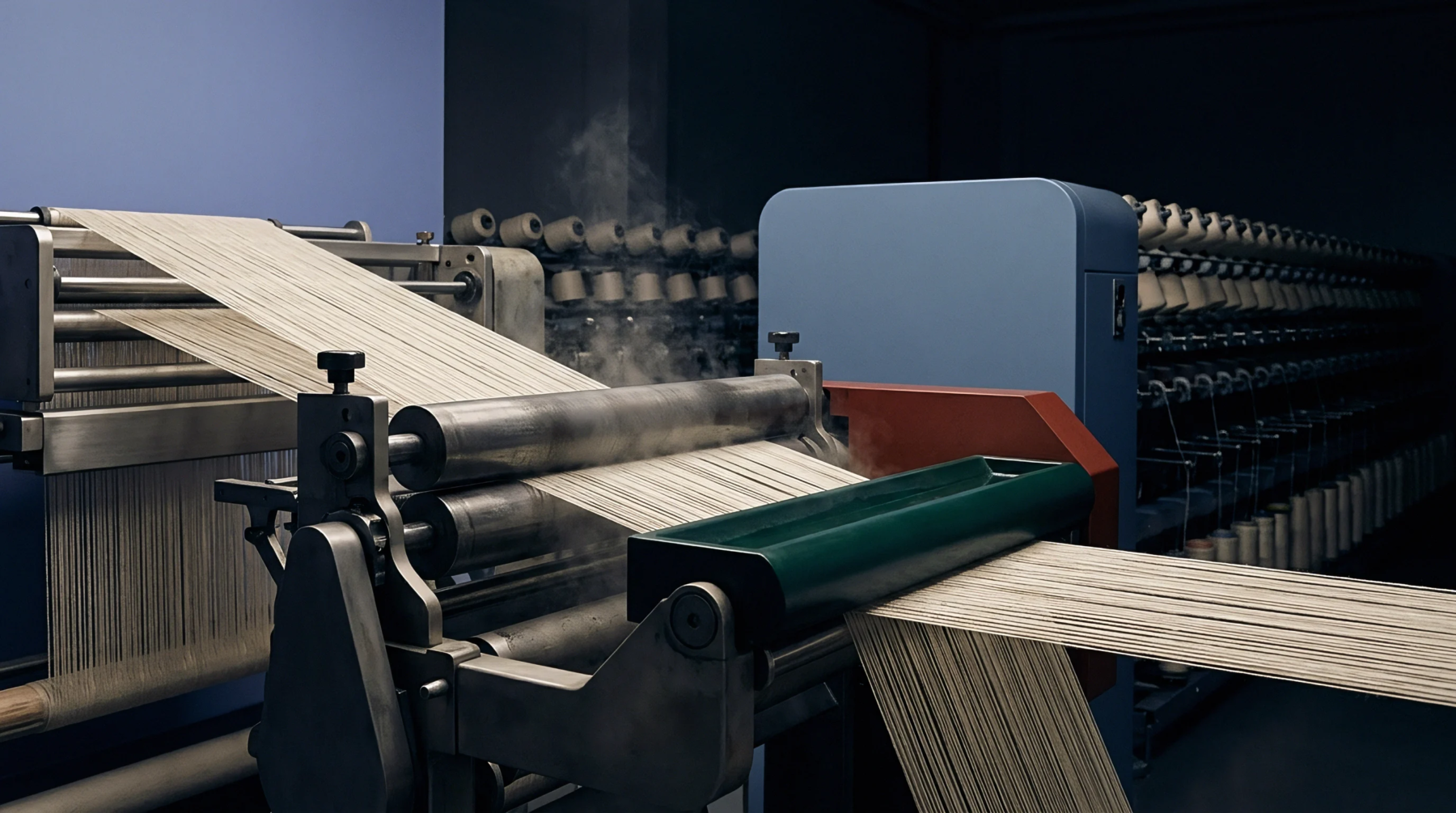
Commercial mass calculations based on ISO 6741 oven-drying protocols protect buyers from paying landed mass prices on sea-transit moisture uptake in flax.

Exact yarn mass calculation for plain weave greige linen requires converting Lea to Tex, factoring warp crimp, reed width, and 12% standard moisture regain.

Gravimetric flax fineness testing requires correcting bone dry bundle mass to 12% standard regain to prevent count errors and landed cost distortions

Optimizing wet spinning trough temperature and bath chemistry based on flax lignin metrics stabilizes drafting forces, drops end breaks, and cuts yarn cost.

Optimize wet ring frame trough temperatures to 72°C and hold draft ratios below 17 for Heilongjiang dew-retted line flax to limit end breaks.
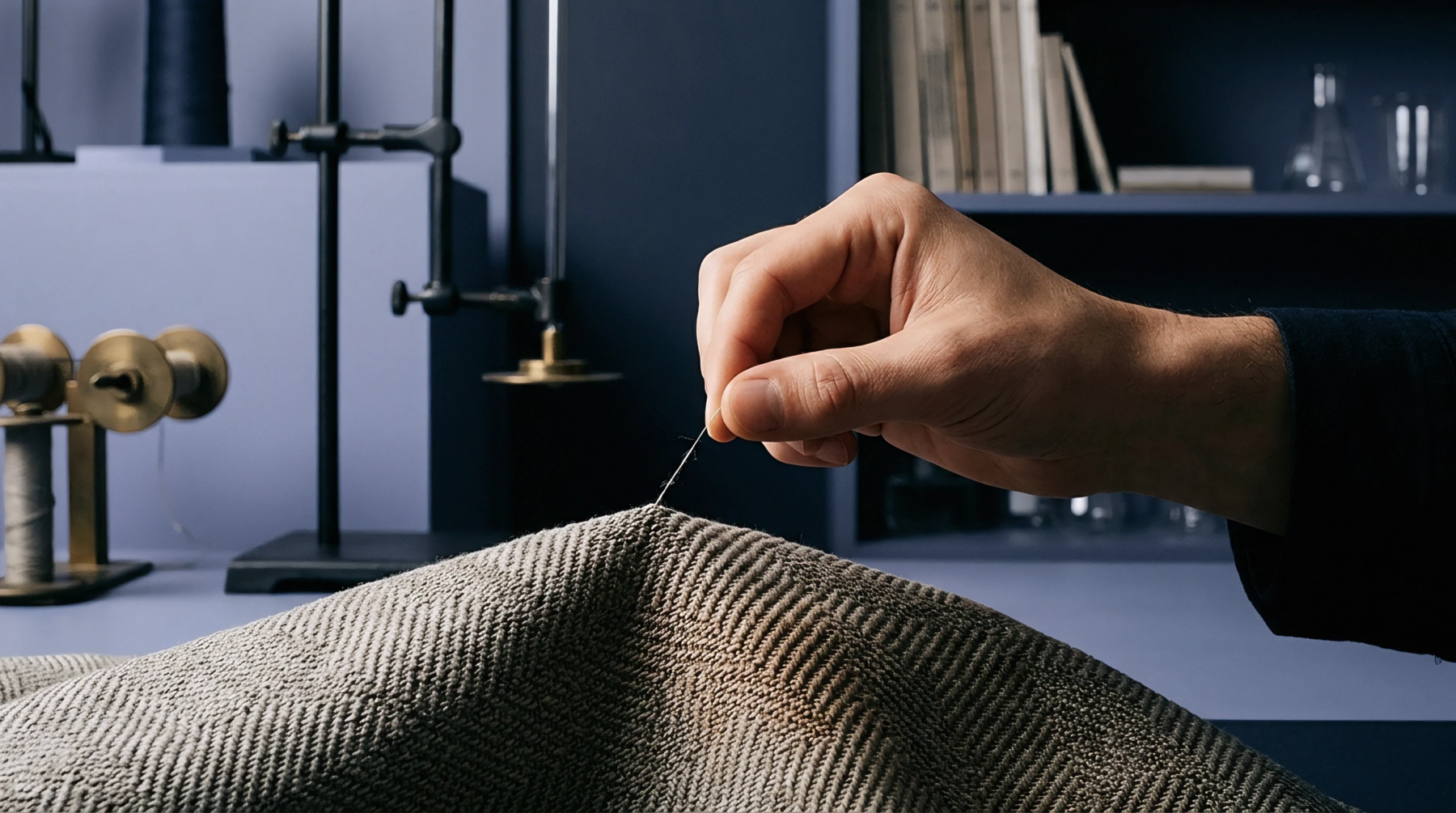
Multi-spectral optical image analysis of raw flax sliver enables real-time hackling comb adjustments, increasing long line yield by over 7 percent.

Verify conditioned skein count, capacitive CVm evenness, and cone hardness against ISO tolerances to stop defective flax yarn before freight release.
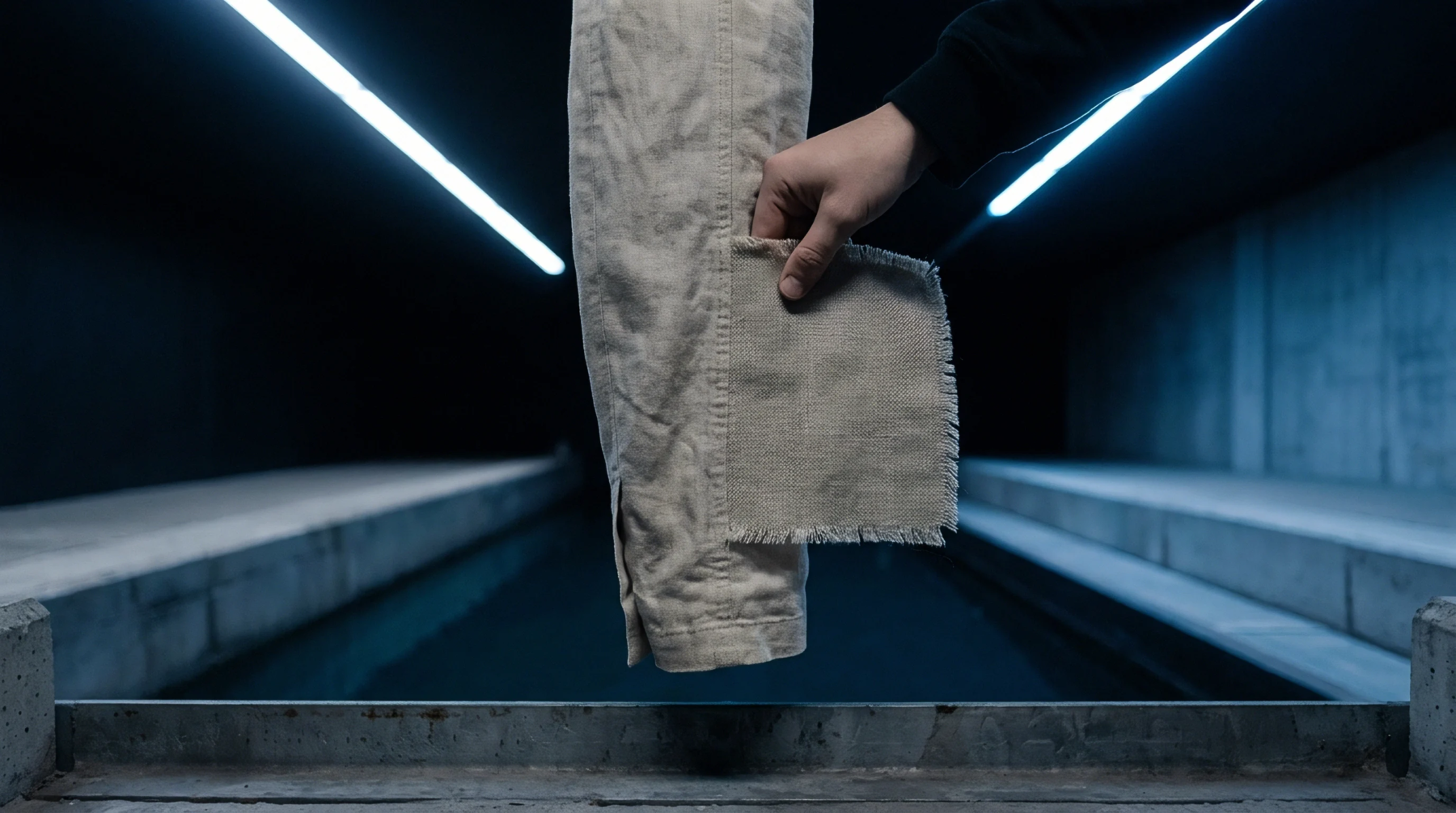
Flax moisture regain directly alters measured yarn count and fabric mass; accurate verification requires oven-drying to normalize weights against standard commercial regain allowances.
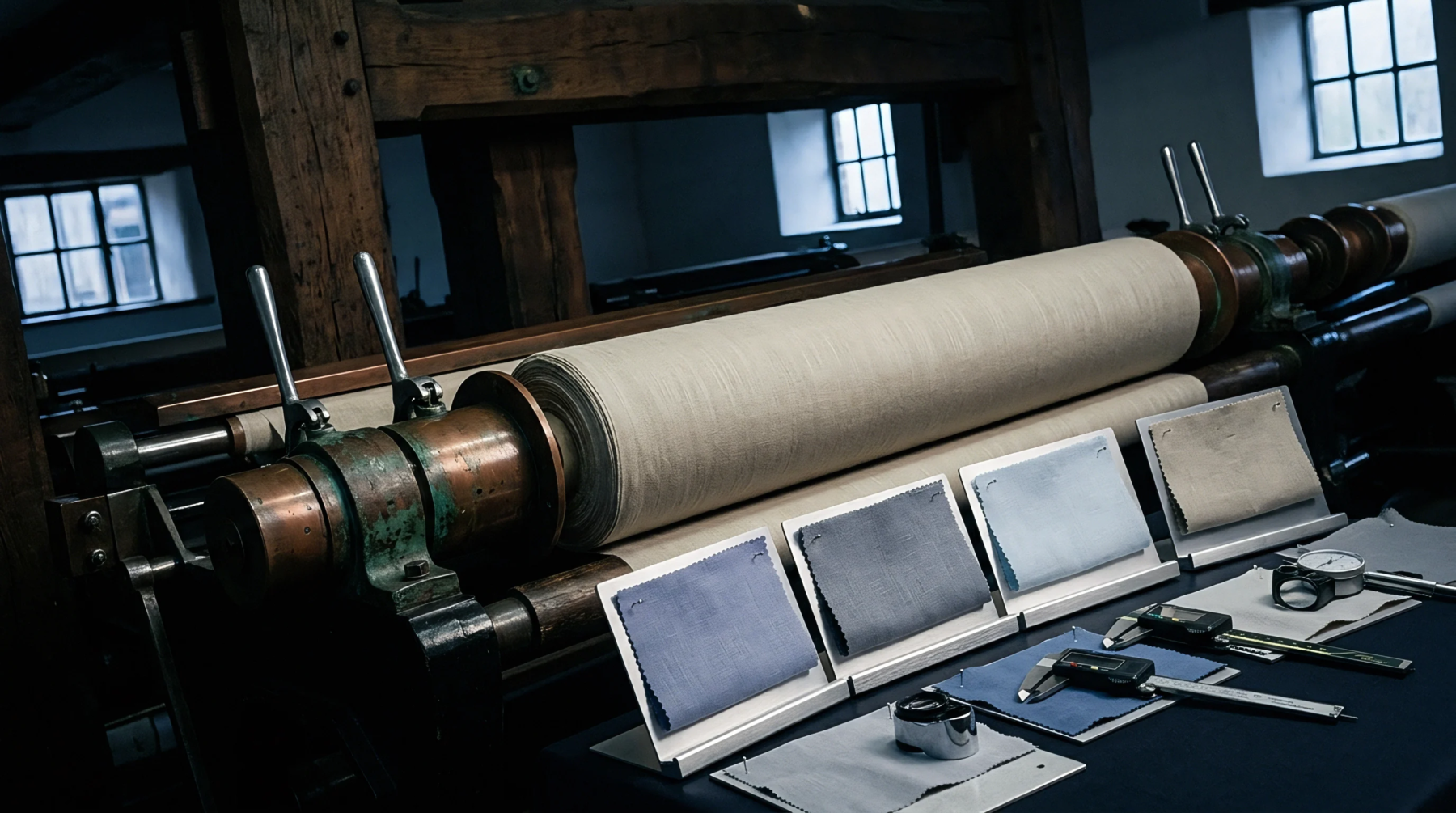
Airflow fineness measurement requires strict thermodynamic equilibrium and morphology calibration to avoid deceptive linear density readings in bast fiber trading.

Gravimetric testing determines hackled flax sliver dry mass, moisture regain, and linear density to lock in fair commercial yarn pricing.

Standard moisture regain correction normalizes hackled flax linear density back to twelve percent regain, preventing draw frame drafting errors and financial overpayment.
Ammonium oxalate extraction at ninety degrees solubilizes middle lamella pectins to isolate elementary flax fibres for accurate microbalance decitex audits.
Microfibrillar thermal degradation reduces line flax tenacity, requiring adjusted gauge testing, lower wet-spinning temperatures, and recalibrated contract thresholds.

Klason lignin testing combined with wet spinning draft analysis establishes raw flax mill suitability and prevents costly frame end breaks.

Flax roving wet spinning attenuation defects stem from improper hot-water pectin softening and front roller nip slip, manageable through precise temperature and pressure control.

Azimuthal XRD peak deconvolution isolates microfibril angle and crystallite alignment, exposing climate-degraded bast fibers before mill processing.
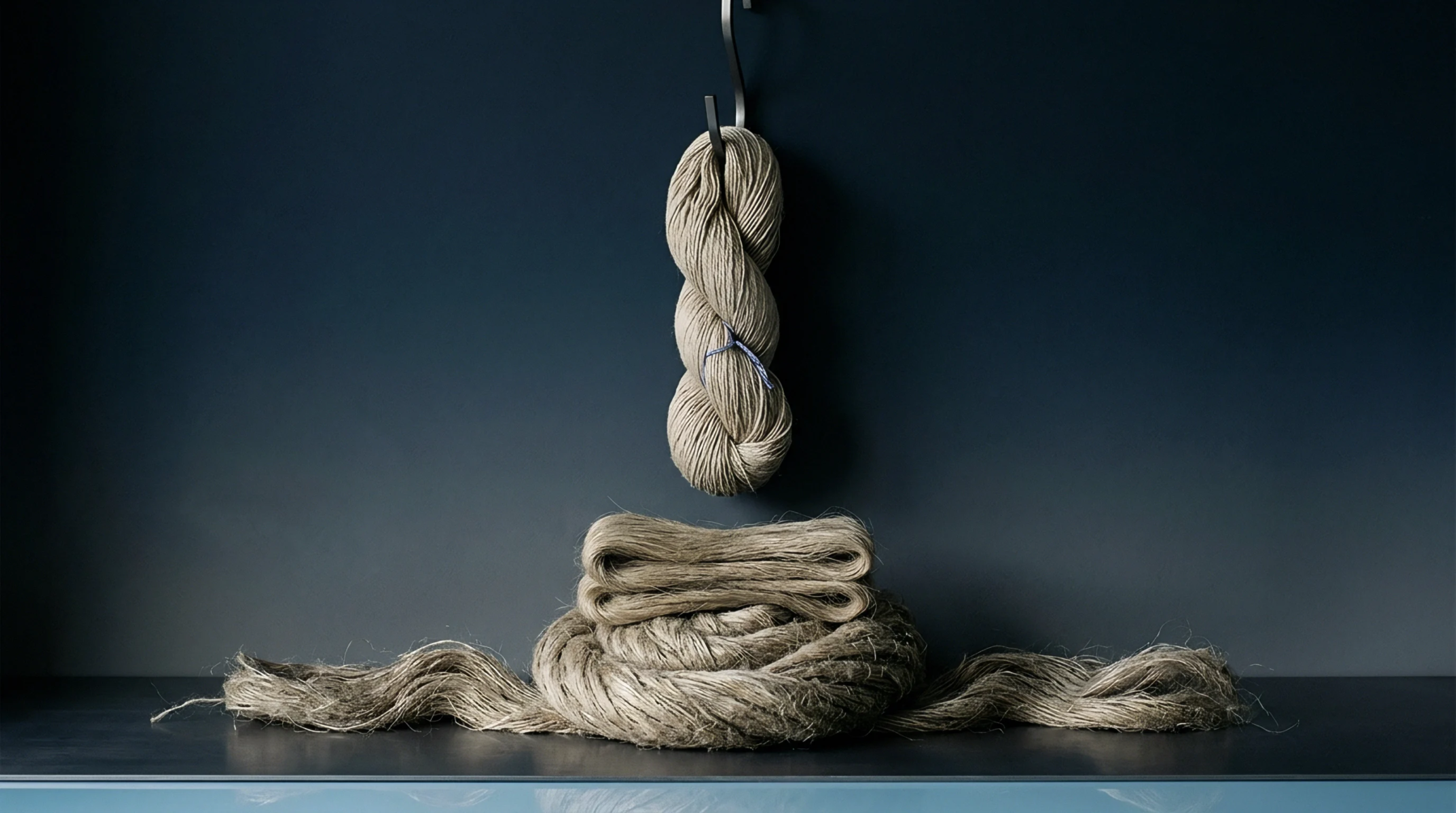
Fine wet-spun flax yarn tenacity depends on controlled pectin softening in the trough, allowing technical bundles to divide into fine elementary cells during draft.
Expertise is a utility, not a secret. sentiention™ publishes its working knowledge as open reference: intelligence layer covering the materials it sources, the markets it enters, and the reference that serves both.