Flax Roving Wet Spinning Attenuation Defect Mechanisms
Flax roving wet spinning attenuation defects stem from improper hot-water pectin softening and front roller nip slip, manageable through precise temperature and pressure control.
Drafting
Mechanical Forces in Hot Water Attenuation
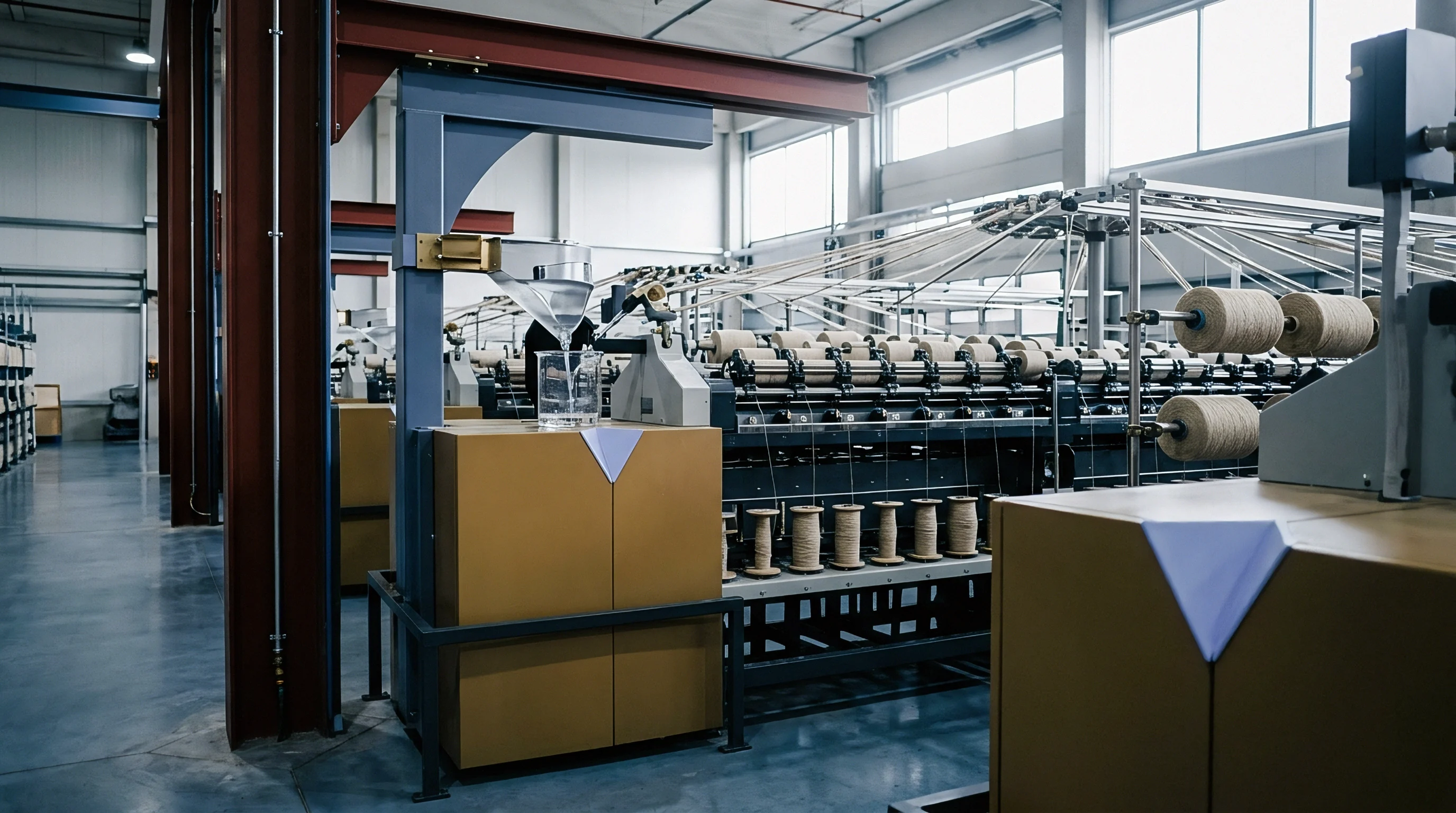
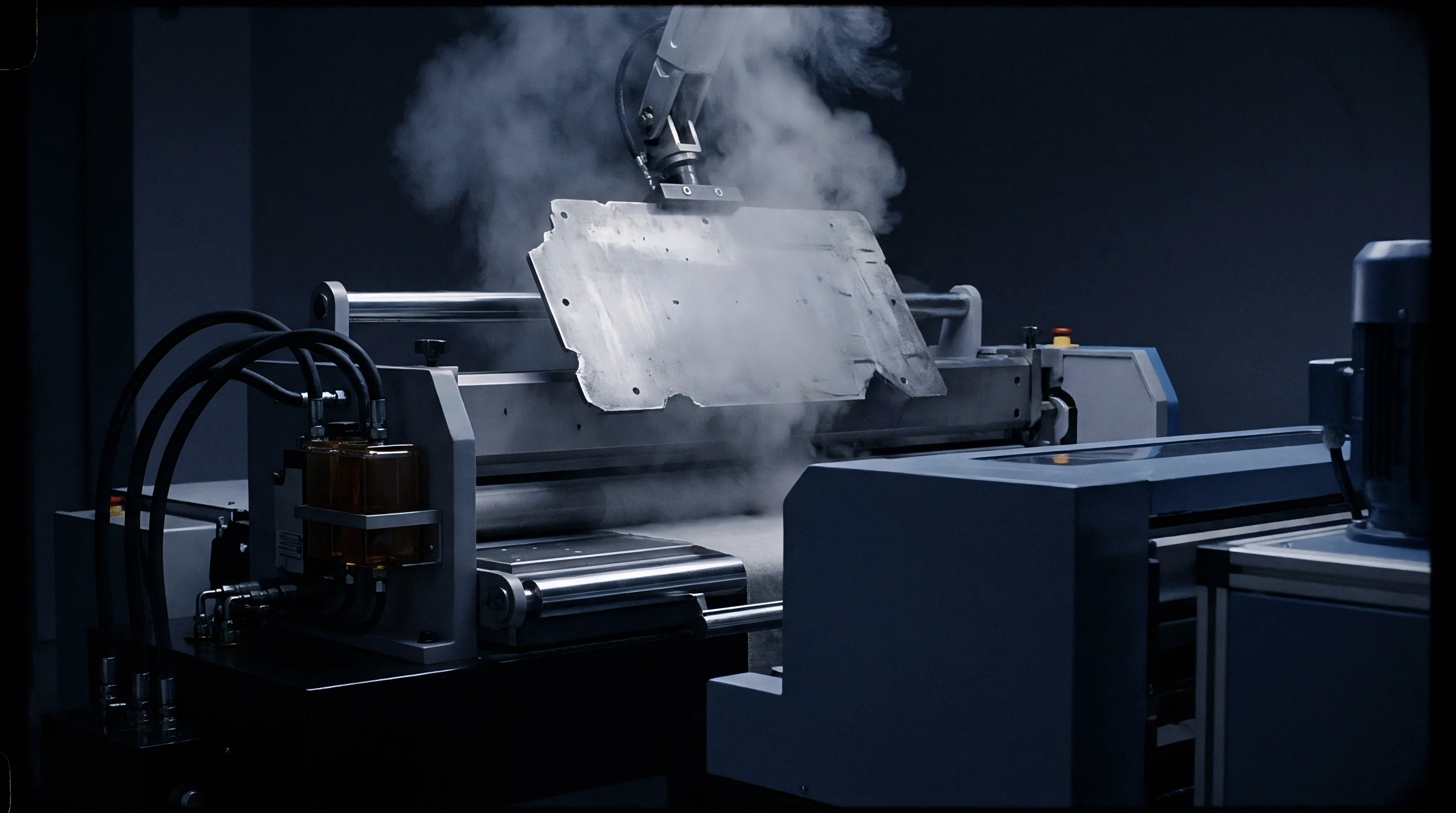
Reducing flax roving down to fine yarn relies on a heated liquid bath set right before the drafting zone. Individual technical flax fibers, 10 to 40 millimeters long, are held together in bundles by an intercellular matrix of pectins, hemicelluloses, and lignin. Drafting untwisted or low-twist roving dry creates heavy inter-fiber friction, causing severe mass variation and bundle shear.
Immersing the roving in water at 60°C to 70°C softens the pectic binder so individual fibers slide smoothly under controlled tension.
Linear attenuation depends on the surface speed gap between the back retaining rollers and the front delivery rollers. In wet spinning lines, a draft ratio between 10 and 20 sets the degree of bundle thinning. The back rollers grip the wet roving while the delivery pair turns at a multiple of that intake speed.
A middle reach zone between the roller sets uses control pressers or gill pins to guide the strand. In the drafting nip, water serves as both a thermal plasticizer and a hydraulic fluid, exerting viscous drag that stabilizes the strand before it hits the front nip pressure line.
Viscous drag forces generated inside a 65°C water bath lower inter-fiber friction by forty percent compared to ambient dry drafting.
Maintaining constant linear density requires careful control over the forces applied to the strand. Too much front-roller pressure crushes softened fiber bundles and fragments individual fibers, while too little allows the strand to slip under the roller face, triggering erratic draft spikes. Front roller nip force is usually set between 15 and 25 decanewtons per centimeter of contact length.
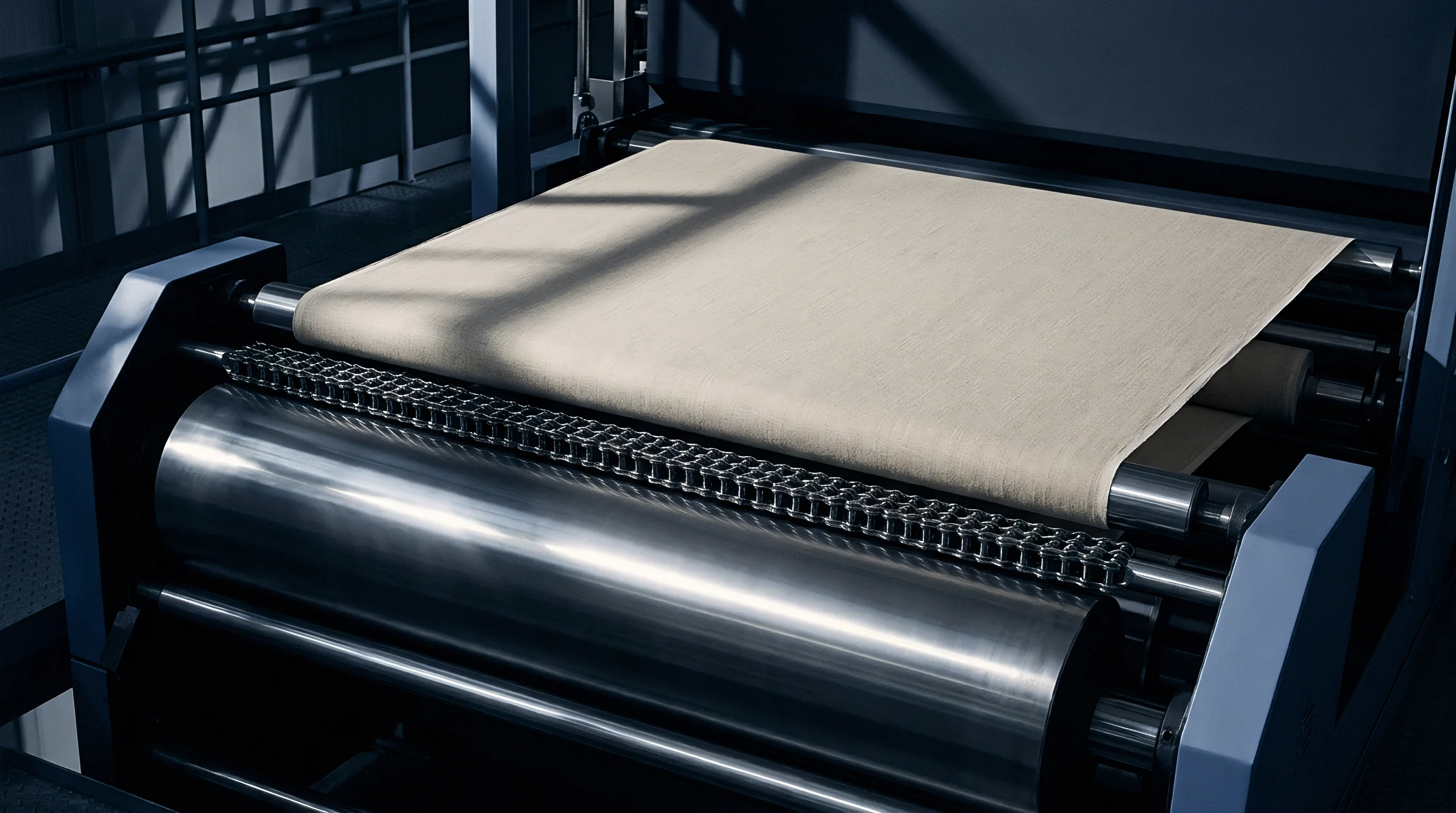
Synthetic rubber aprons or elastomeric top-roller covers rated at 75 to 85 Shore A maintain even pressure over the liquid film, while fluted steel bottom rollers grip the underside of the wet roving to drive it into the twist zone.
Roller Nip Slip and Drafting Wave Dynamics
Uneven clamping at the front roller nip creates periodic weight variations known as drafting waves. As wet roving enters the front delivery zone, short fibers without mechanical restraint speed up to match the front rollers before their tail ends leave the back retaining zone. This early acceleration leaves thin spots directly ahead of dense, unattenuated fiber clumps.
Floating fibers ~ those shorter than the distance between the front and back nip lines ~ drift unchecked through the drafting reach. Machine speed, roller spacing, and bath temperature determine the wavelength of these mass fluctuations.
| Process Variable | Target Range | Sub-Optimal Condition | Primary Defect Mechanism |
|---|---|---|---|
| Trough Water Temperature | 60°C to 68°C | Below 52°C | Incomplete pectin softening, leading to high draft force and snapped fiber bundles |
| Drafting Ratio | 10.5 to 18.0 | Above 22.0 | Drafting wave formation and frequent thin places |
| Front Nip Pressure | 18 to 22 daN/cm | Below 12 daN/cm | Nip line slippage creating thick, unattenuated slubs |
| Roller Shore Hardness | 78 to 82 Shore A | Above 90 Shore A | Point contact stress causing localized fiber crushing |
Nip slip occurs when fluid pressure in the wet contact zone overcomes the clamping load applied by the weighting arms. Liquid piling up behind the top delivery roller forms a hydroplaning wedge, momentarily stalling the roving while the front rollers keep spinning. Fiber builds up behind the stall until clamping pressure grabs the strand again, pulling a heavy lump through to the traveler thread guide.
Routine roller buffing removes micro-grooves left by coarse flax bundles, keeping roller surfaces smooth through thousands of operating hours.
Drafting flax roving beyond its mechanical limit breaks technical filaments rather than sliding them apart. These broken filaments wrap around top aprons or accumulate on bottom cleaning rolls, building heavy laps that force immediate line shutdowns.
Solvent
Pectin Softening Kinetics and Water Bath Dynamics
Softening intercellular adhesives in the wet spinning trough depends on bath temperature, immersion time, and chemical pH balance. Native flax pectin consists mainly of homogalacturonan chains cross-linked by calcium and magnesium ions. Unprocessed retting residues hold highly esterified pectins that resist water penetration under 50°C. Heating the trough above 60°C triggers a thermal shift that mobilizes amorphous pectin domains, turning the rigid gel into a viscous liquid so technical fibers slide easily during drafting.
Adding chemicals to the spinning water alters how pectin softens. Keeping the bath neutral or slightly alkaline, between pH 7.2 and 8.0, prevents hard calcium soaps from precipitating onto drafting rollers. Additives like sodium tripolyphosphate or ethylenediaminetetraacetic acid bind free calcium ions leached from the roving.
Removing this calcium breaks ionic bridges in the homogalacturonan backbone and speeds up middle lamella softening. Overly aggressive chelating agents strip pectin completely, causing fibers to separate entirely in the drafting zone and yielding weak, hairy yarn.
Water turnover rates in the trough control contaminant levels. Recirculated spinning fluid quickly accumulates dissolved organic matter, retting salts, and loose micro-fibers. As these contaminants build up, fluid viscosity rises and changes the drag on passing roving.
Trough overflow rules require a renewal rate of 1.5 to 3.0 liters per kilogram of processed fiber. Continuous replacement stops sticky pectin sludge from settling on drafting rolls and keeps bath temperature variations across the frame within 1.5°C.
Middle Lamella Separation Boundaries
Getting pectin softening wrong shifts how the roving behaves under draft. Consistent yarn weight requires bundles to yield by shearing along the middle lamella. Under-softened roving stays too stiff, resisting draft forces until the intact strand pulls through the rollers and bogs down the spindle.
Over-softened roving loses cohesion in the trough and breaks under its own weight before ever reaching the drafting rollers.
Twist levels in the roving dictate how fast water penetrates the strand. High twist shields the inner core from the hot bath, leaving a hard center that refuses to draft evenly. Low twist lets water in quickly but weakens transport strength, raising the risk of pre-draft breaks in the trough.
Mill operations typically keep roving twist multipliers between 0.8 and 1.2 turns per inch, depending on fiber coarseness and retting consistency.
Differences in retting across raw flax lots change the required soaking time. Dew-retted flax from dry seasons carries more insoluble, hydrophobic waxes, requiring longer immersion or hotter water. By contrast, water-retted or heavily dew-retted fiber has degraded pectin that softens almost immediately on contact with water.
Mills sort incoming roving packages by retting origin and chemical profile to maintain consistent softening across frames.
Allowing bath temperature to drift across a multi-spindle frame causes direct yarn count variations throughout the bobbin lot.

Anomalies

Categorization of Mass Irregularities and Slubs
Weight variation in wet-spun flax yarn shows up in distinct defect categories during high-speed capacitive or optical mass testing. These irregularities divide into random and periodic variations. Random variations come from natural fiber length differences and material batch variations.
Periodic variations stem directly from mechanical defects in the drafting system, including eccentric rollers, damaged gear teeth, or worn aprons.
Thick places and slubs form when unattenuated fiber bundles pass through drafting without separating. A typical wet-spinning slub has an intact roving core wrapped in thin, tightly twisted surface fibers. Thin places happen when drafting waves drag a cluster of fibers ahead, thinning out the strand behind them.
Severe thin spots lack enough fibers to hold twist, causing end-breaks at the ring rail.
Spectrogram Analysis for Periodic Defect Tracing
Tracing the source of drafting flaws relies on Fourier transform spectrograms from capacitive yarn testers. The spectrogram plots mass variation amplitude against defect wavelength. Mechanical defects on the frame produce sharp spikes at repeatable wavelengths along the yarn.
Matching a peak wavelength to the circumference of a rotating part identifies the exact source of the defect.
Drafting waves show up as broad, hill-shaped curves on the spectrogram rather than narrow spikes. The center wavelength of a drafting wave usually sits at 2.5 to 3.0 times the average length of technical fibers in the strand. Incomplete pectin softening pushes this hill toward longer wavelengths, signaling that unseparated fiber bundles are passing through as rigid units.

How Does Water Temperature Shift Attenuation Wave Length?
Dropping the bath temperature slows pectin mobilization, effectively increasing the length of cohesive fiber bundles. These coarser units push the drafting wave center to longer spatial wavelengths along the yarn. Operators spot this on the spectrogram when the hill peak shifts to the right, showing that heating systems need immediate adjustment or descaling.
Pinpointing defect root causes requires categorizing machine and material behaviors across the spinning line.
- Drafting Roller Eccentricity produces short-period mass spikes matching the outer circumference of the top or bottom front drafting roll.
- Pectin Slubbing Agglomeration leaves dense, sticky fiber clusters with high residual calcium that cause dark dye spots in finished cloth.
- Roller Apron Chipping creates repeating thin-and-thick pairs spaced at intervals equal to the total belt loop length of the apron assembly.
- Slippage Draft Failure yields long sections of heavy, unattenuated roving that bypass twist insertion and collapse the traveler.
- Floating Fiber Accumulation forms irregular slubs without a distinct core that peel off easily under friction.
Raw flax fiber length variability inherently limits drafting uniformity across high-speed wet spinning frames.
Reconciliation
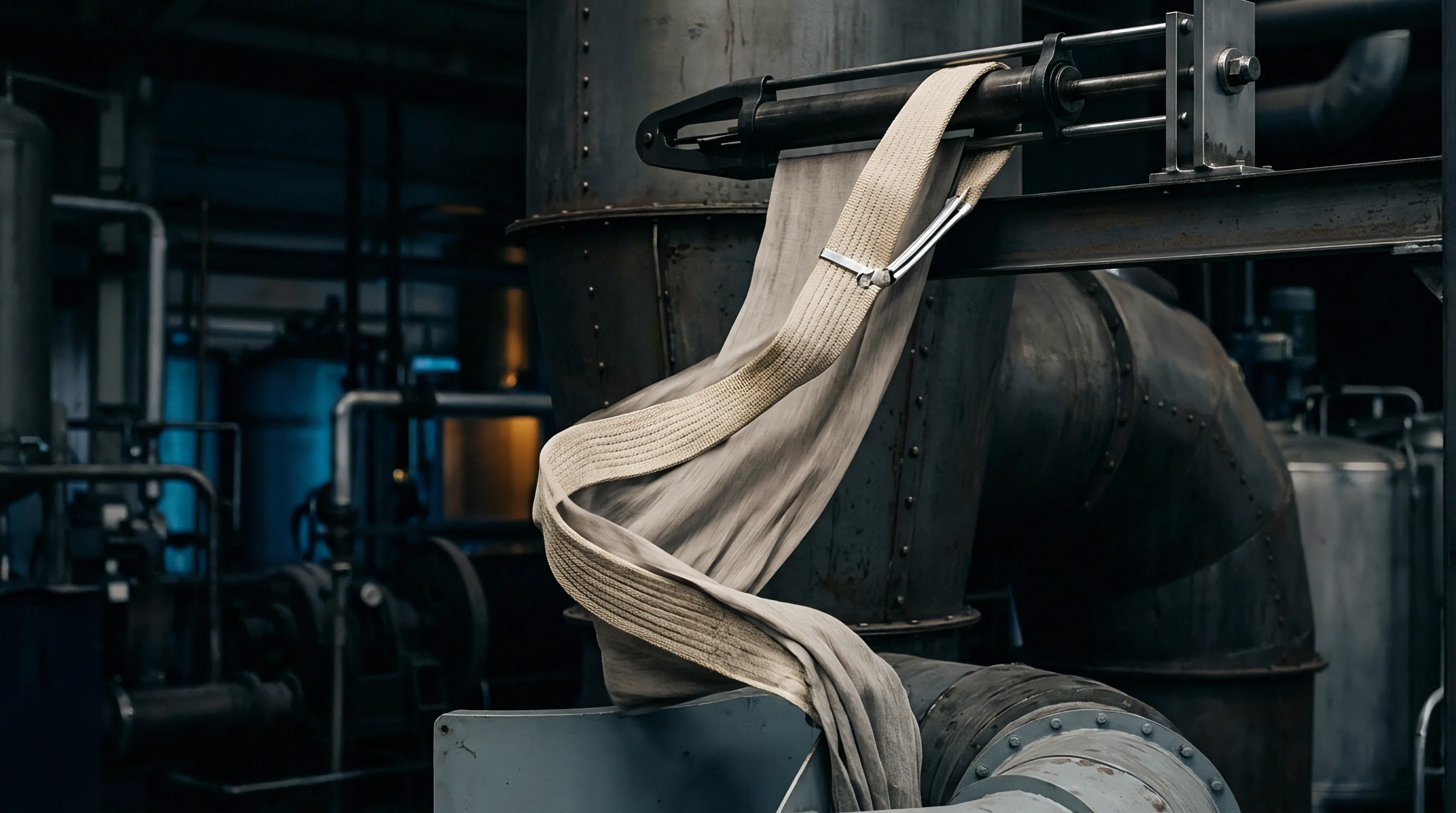
Roving Tex to Yarn Count Mass Balance
Verifying origin and material integrity in a wet-spun linen order requires mass balance tracking from incoming roving to finished yarn bobbins. Raw flax roving arrives at the mill with a specified linear density, measured in tex or metric count (Nm). During wet attenuation, the strand elongates while losing mass to chemical leaching in the hot water bath, which strips soluble extractives, pectin, wax, and micro-shives.
Tracking this mass loss allows auditors to confirm genuine fiber yields and spot unrecorded batch substitutions or low-grade blending.
For example, a production lot starting with 1,000 kilograms of certified European Flax roving at 1,250 tex (0.8 Nm) and aiming for a spun yarn count of 26 Nm (38.5 tex) requires a mechanical draft factor of 32.5. Hot-water trough processing leaches roughly 3.5 percent of dry fiber mass into the effluent. Unattenuated roving waste discarded during creeling and splicing adds another 1.8 percent material loss.
Theoretical yarn output must account for these extraction losses along with standard commercial moisture regain allowances.
| Processing Stage | Input Mass (kg) | Loss Mechanism | Stage Yield (%) | Cumulative Mass (kg) |
|---|---|---|---|---|
| Creeling & Creel Waste | 1,000.0 | Handling, packaging, package tails | 98.2% | 982.0 |
| Hot Trough Leaching | 982.0 | Pectin, extractives, soluble solids | 96.5% | 947.6 |
| Drafting & Traveler Fly | 947.6 | Micro-fiber fly, suction waste | 98.8% | 936.2 |
| Winding & Clearer Yield | 936.2 | Slub cutting, knotter tails | 97.5% | 912.8 |
Commercial flax yarn sales depend on conditionable mass calculations. Under ISO 6741 guidelines, dry linen fiber absorbs moisture up to an official commercial regain rate of 12.0 percent. Verifying yield requires drying test samples to a constant oven-dry mass, stripping non-cellulosic impurities, and applying the regain factor.
A discrepancy over 2.0 percent between incoming certified roving dry weight and outgoing yarn dry weight points to unrecorded waste or the inclusion of uncertified filler lots.

Tracking Boiling Loss and Moisture Regain
Boiling roving packages prior to wet spinning changes the net mass balance. Roving loses between 5.0 and 8.0 percent of its dry weight in alkali prep vats before reaching the spinning creel. Pre-boiling yields smoother drafting and higher yarn evenness by removing stubborn pectin complexes before attenuation.
Transaction certificates for boiled roving must state whether reported weights reflect raw grey mass, boiled mass, or conditioned mass.
Standard commercial contracts mandate a twelve percent moisture regain allowance calculated strictly against the oven-dry weight of stripped cellulosic fiber mass.
Cross-border reconciliation requires matching batch codes on mill bale tags with scope certificates from accredited certification bodies. European flax roving shipped to Asian spinning plants loses moisture inside sealed sea containers. A weighbridge ticket at port intake showing a lower weight than the bill of lading does not necessarily mean theft.
Auditors check ambient humidity and package core moisture with capacitive probe meters before reporting a volume discrepancy.
Auditors must verify that spinning waste was not re-carded and re-blended into certified roving lots, which would invalidate the final scope certificate.

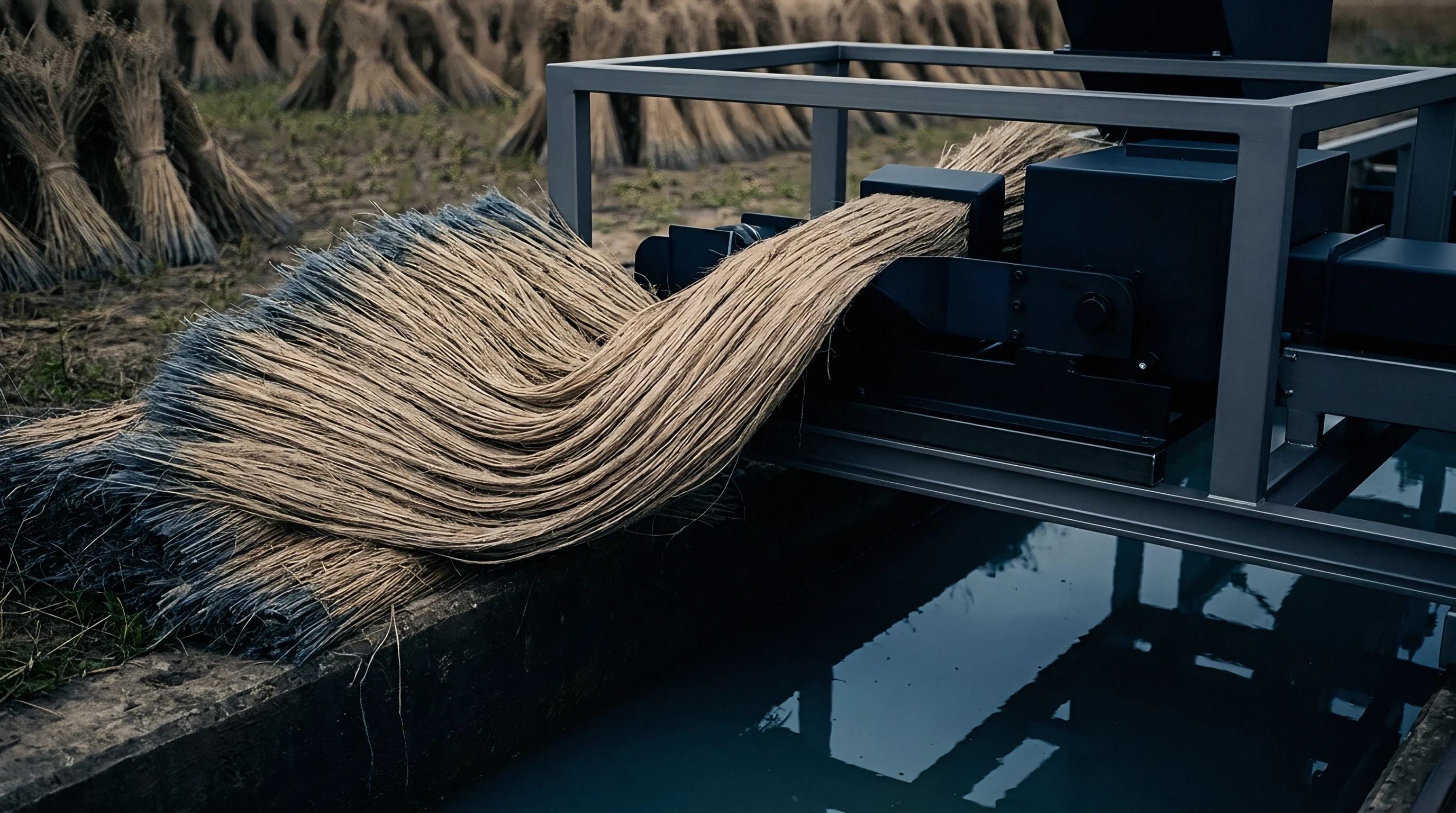
Disputes

Non Preferential Origin Transformation Gates
Importers and brands buying wet-spun linen yarn face strict customs scrutiny around non-preferential rules of origin. Converting raw flax fiber or scutched tow into spun yarn qualifies as a substantial transformation, conferring origin to the country where spinning occurs. Converting imported flax roving into wet-spun yarn sits on a legal boundary, as roving has already been carded, gilled, and drafted, classifying it under Harmonized System heading 5306 or 5301 depending on twist and packaging.
Customs agencies evaluate whether wet-spinning roving into fine yarn meets the tariff shift rules set by regional trade agreements. If authorities determine that drafting and twisting imported roving adds insufficient local value, the yarn retains the origin of the country where the roving was made. Inaccurate origin declarations leave importers vulnerable to retroactive tariffs, anti-dumping penalties, and inventory seizure at the port of entry.
Documenting origin compliance requires an unbroken audit trail connecting raw material inputs to export records. Mill audits verify that wet spinning involved genuine mechanical attenuation rather than simple rewinding or twisting. Complete mill files include daily machine logs, power records matching frame operating hours, water utility bills for attenuation troughs, and floor operator payroll records.
Commercial Valuation of Yarn Mass Defect Claims
High attenuation defects in wet-spun linen cause significant production losses for weavers and knitters. Drafting waves and slubs cause warp end-breaks on high-speed air-jet looms, dragging weaving efficiency below viable levels. Thick slubs catch in reed dents or drop wire eyes, snapping adjacent warp ends and creating horizontal barré bands across the fabric.
These defective lots frequently result in major financial claims against the mill.
Valuing a defect claim relies on standard lab testing protocols. Under ISO 2060 for linear density and ISO 16549 for mass irregularity, buyers sample ten percent of received bobbins per lot. If the coefficient of variation of mass (CV%) exceeds contract tolerances by more than 1.5 percentage points, the buyer may reject the shipment or claim a discount corresponding to lost weaving yield.
- Sample ten bobbins randomly from top, middle, and bottom package layers across three separate shipment crates.
- Condition all test bobbins in a laboratory atmosphere at 20°C and 65 percent relative humidity for twenty-four hours.
- Run five hundred meters of yarn per bobbin through a capacitive mass tester operating at four hundred meters per minute.
- Calculate mass CV%, thin places (-50%), thick places (+50%), and slub count (+280%) per thousand meters.
- Compare measured mean metrics against limits specified in the purchase contract warranty clause.
- Issue a formal notice of non-conformance within fourteen calendar days, attached with raw digital spectrogram files and physical yarn boards.
Standard contract terms cap seller liability for latent attenuation defects at the net invoiced value of the defective lot, excluding consequential losses from weaving, dyeing, or garment manufacturing.

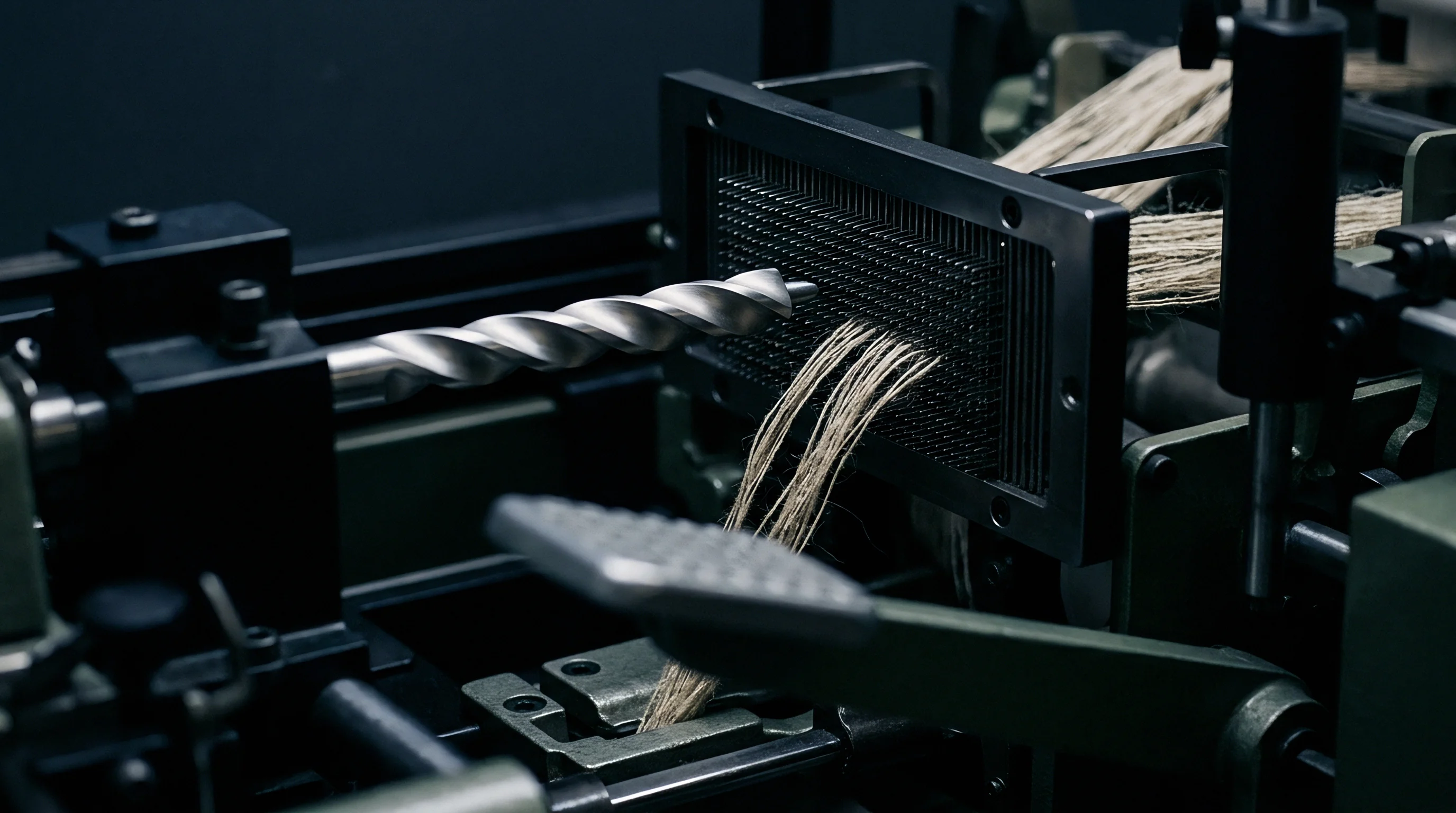
Tolerance

Contractual Quality Specification Limits
Clear specification limits in linen purchasing agreements prevent disputes over yarn quality and drafting performance. Wet-spun linen yarn naturally shows higher mass variation than dry-spun synthetics or cotton because natural flax bundles are irregular. Contracts must reflect this by setting realistic acceptance thresholds based on international benchmarks like Uster Statistics percentile rankings.
When specifying 26 Nm wet-spun linen yarn for dense apparel weaving, buyers set maximum limits for mass variation, thin places, thick places, and slubs. Without defined test methods, atmospheric conditioning parameters, and sample sizes, quality limits become unenforceable in arbitration. Specifications must cite exact standard numbers and state whether capacitive or optical measurement methods govern testing.
| Yarn Quality Metric | High-Grade Apparel (Top 25%) | Standard Commercial (Top 50%) | Utility Home Textile (Top 75%) | Governing Test Standard |
|---|---|---|---|---|
| Mass Variation (CV%) | 19.5% to 21.0% | 21.1% to 23.5% | 23.6% to 26.0% | ISO 16549 / Capacitive |
| Thin Places (-50% / km) | 15 to 35 | 36 to 85 | 86 to 180 | ISO 16549 / Capacitive |
| Thick Places (+50% / km) | 60 to 120 | 121 to 250 | 251 to 450 | ISO 16549 / Capacitive |
| Neps / Slubs (+280% / km) | 10 to 30 | 31 to 75 | 76 to 150 | ISO 16549 / Capacitive |
| Yarn Count Deviation (S-Nm) | ± 2.0% | ± 3.5% | ± 5.0% | ISO 2060 / Skein Method |
Contracts for high-speed weaving yarn enforce strict limits on long-period periodic defects detected on spectrograms. Any periodic peak exceeding 50 percent of the ambient draft wave height triggers automatic lot rejection, protecting buyers from roller flaws that cause diagonal patterning or optical shadows in piece-dyed fabrics.

Audit Verification Files for Certified Line Deliveries
Purchasing certified organic or regional-origin linen yarn requires a traceable verification file before final payment is released. Traceability connects physical drafting parameters to documentary scope and transaction certificates. For European Flax certified yarn, the supplier provides a transaction certificate detailing the roving batch numbers used during spinning.
Auditors check these numbers against mill creel logs to confirm that uncertified tow roving was not substituted during production shifts.
Qualifying a wet spinning supplier involves evaluating machine capabilities and quality control records through a facility audit.
- Trough Temperature Control Automation requires continuous probe monitoring with automated steam injection valves that hold bath temperatures within a one-degree window.
- Drafting Roller Buffing Frequency demands documented grinding logs showing top elastomeric aprons are resurfaced every three hundred operating hours with precision stone grinders.
- Capacitive On-Line Monitoring calls for individual spindle clearer sensors tied to automatic bobbin cutters that stop spinning when slub counts spike.
- Water Demineralization Infrastructure mandates reverse osmosis or ion-exchange systems that keep total dissolved solids in spinning troughs below one hundred parts per million.
- Batch Document Archiving entails keeping physical bobbin test records, temperature charts, and weighbridge receipts for at least five years post-delivery.
A complete traceability file for certified wet-spun linen contains the yarn transaction certificate, lab mass variation reports, water quality logs, and signed country-of-origin affidavits. Sourcing managers withhold final invoice payment until all records match physical carton markings and mill lot tags.