Fiber Boundary
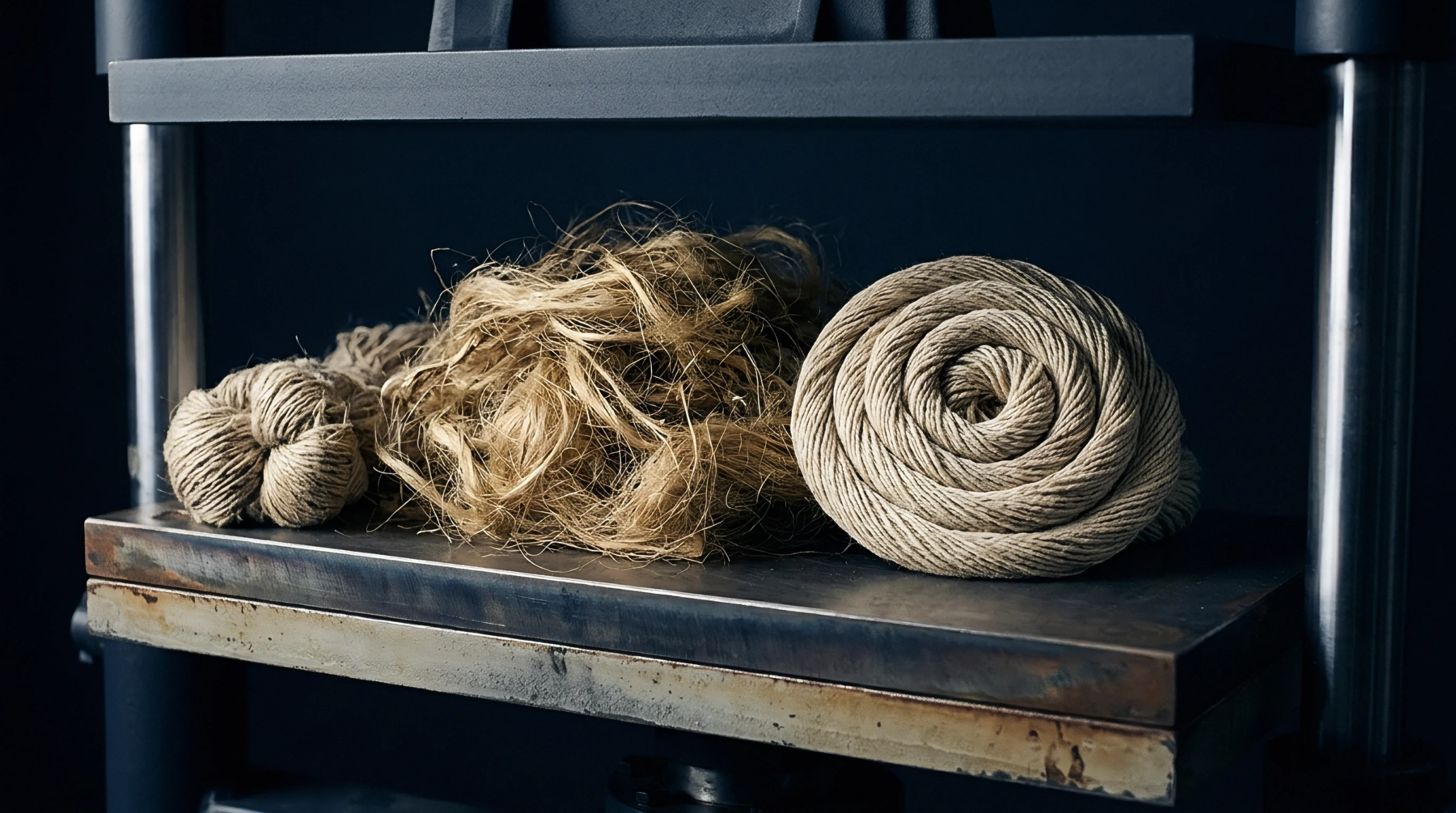
Linen production relies on strict mechanical classifications established in Section XI Note 7 to separate raw bast from seed stalks. Flax stalks entering Chinese mills undergo retting and mechanical breaking to isolate cellulose bundles from woody cores. Scutching machines clean the resulting fiber strands before grading takes place on sorting tables.
Mill operators apply strict visual and tactile standards to measure staple length and fineness. Bast fiber differs significantly from seed hair, requiring distinct mechanical parameters during early processing stages. Moisture content inside the bale dictates subsequent handling limits during carding and drafting.
Foreign matter percentages must remain below strict threshold values before spinning mills accept delivery from primary processors.
Yarn Parameter
Modern spinning frames translate raw bast grades into continuous yarn configurations governed by Section XI Note 7 throughout drafting operations. Drafting rollers attenuate slivers until linear density matches commercial requirements specified in production orders. Twist insertion rates control breaking strength while preserving the natural hand associated with fine linen yarns.
Fine counts demand uniform fiber orientation across every roving package fed into ring spinning frames. Uneven drafting generates weak spots that fail tensile testing during subsequent quality audits. Spinners verify twist multipliers constantly to prevent yarn breakage during high-speed winding operations.
Cloth Standard
Finished woven fabrics face rigorous inspection protocols where Section XI Note 7 determines acceptable commercial grades for export markets. Inspectors check warp and weft density across random surface areas using graduated counting glasses. Mill acceptance criteria tolerate minor slubs while buyer contracts enforce absolute zero tolerance for oil stains or broken picks.
Fabric finishing plants bleach and soften the woven material before final rolling and packaging occur. Finished cloth possesses high tensile strength combined with characteristic surface luster distinguishing genuine flax textiles from synthetic imitations. Export documentation records final grade classifications to protect commercial transactions between mills and overseas buyers.