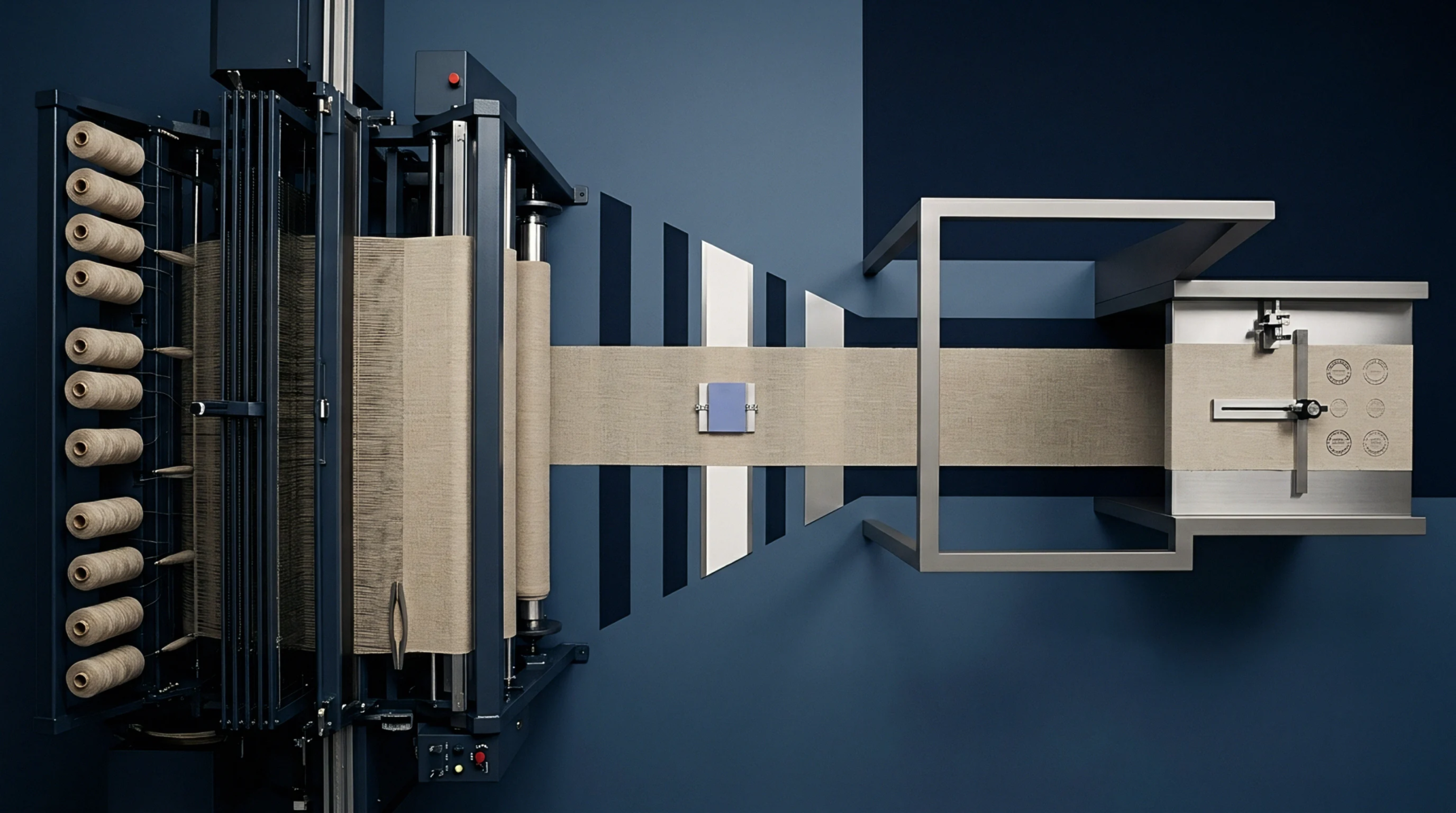
Optimizing Wet Spinning Trough Parameters for Fine Linen Yarns
Fine linen wet spinning demands trough water at 65 to 75 degrees Celsius with controlled surfactants to dissolve middle lamella pectins before the drafting nip.
Fine linen wet spinning demands trough water at 65 to 75 degrees Celsius with controlled surfactants to dissolve middle lamella pectins before the drafting nip.
Deriving greige linen count requires dividing target finished linear density by chemical yield and adjusting for warp crimp, reed spread, and sizing loss.
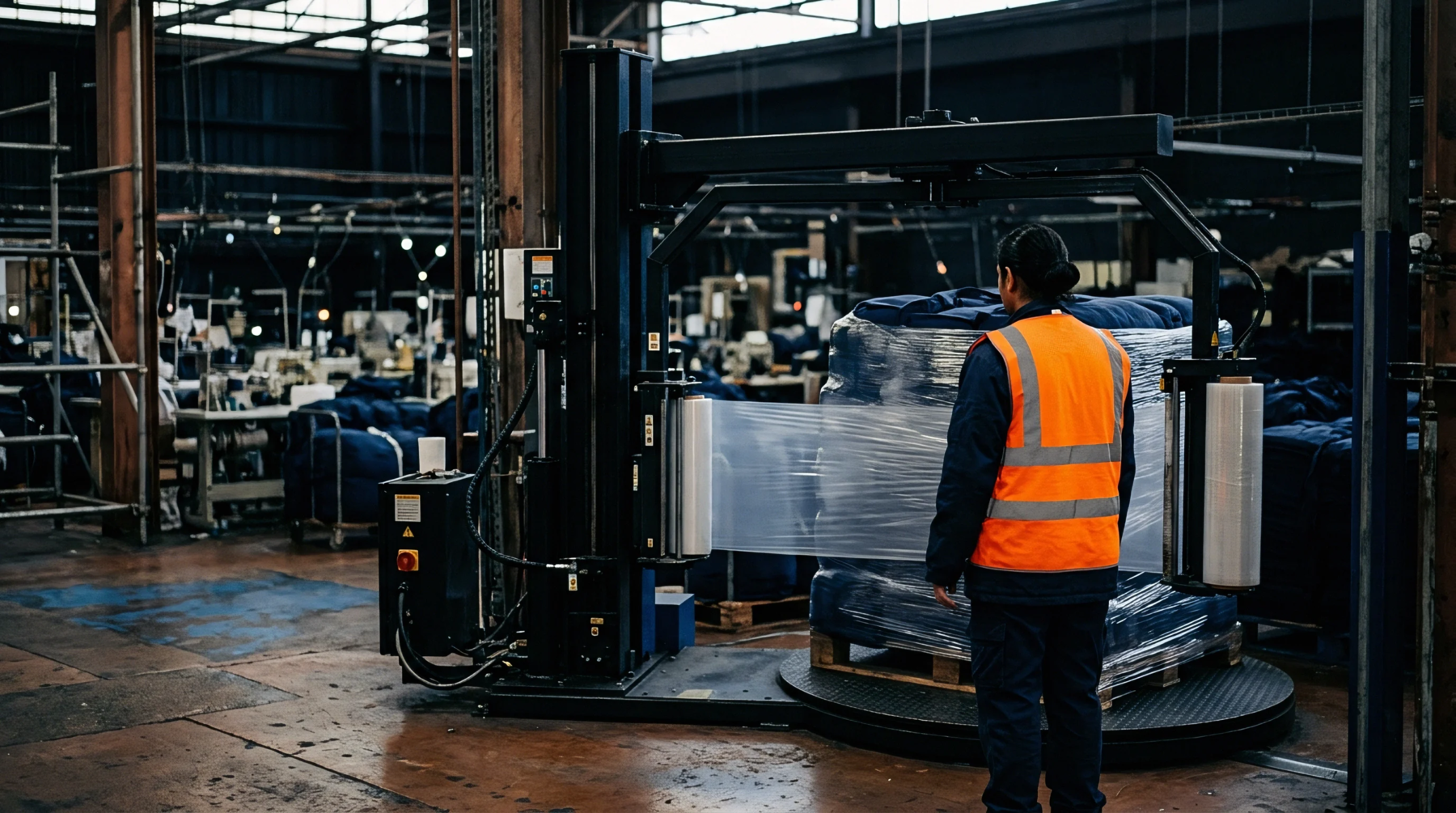
Calibrating hackling tool beds within sub-0.05mm tolerances maximizes long-staple line fibre yield, preventing costly stem rupture and securing high-count yarn spinnability.
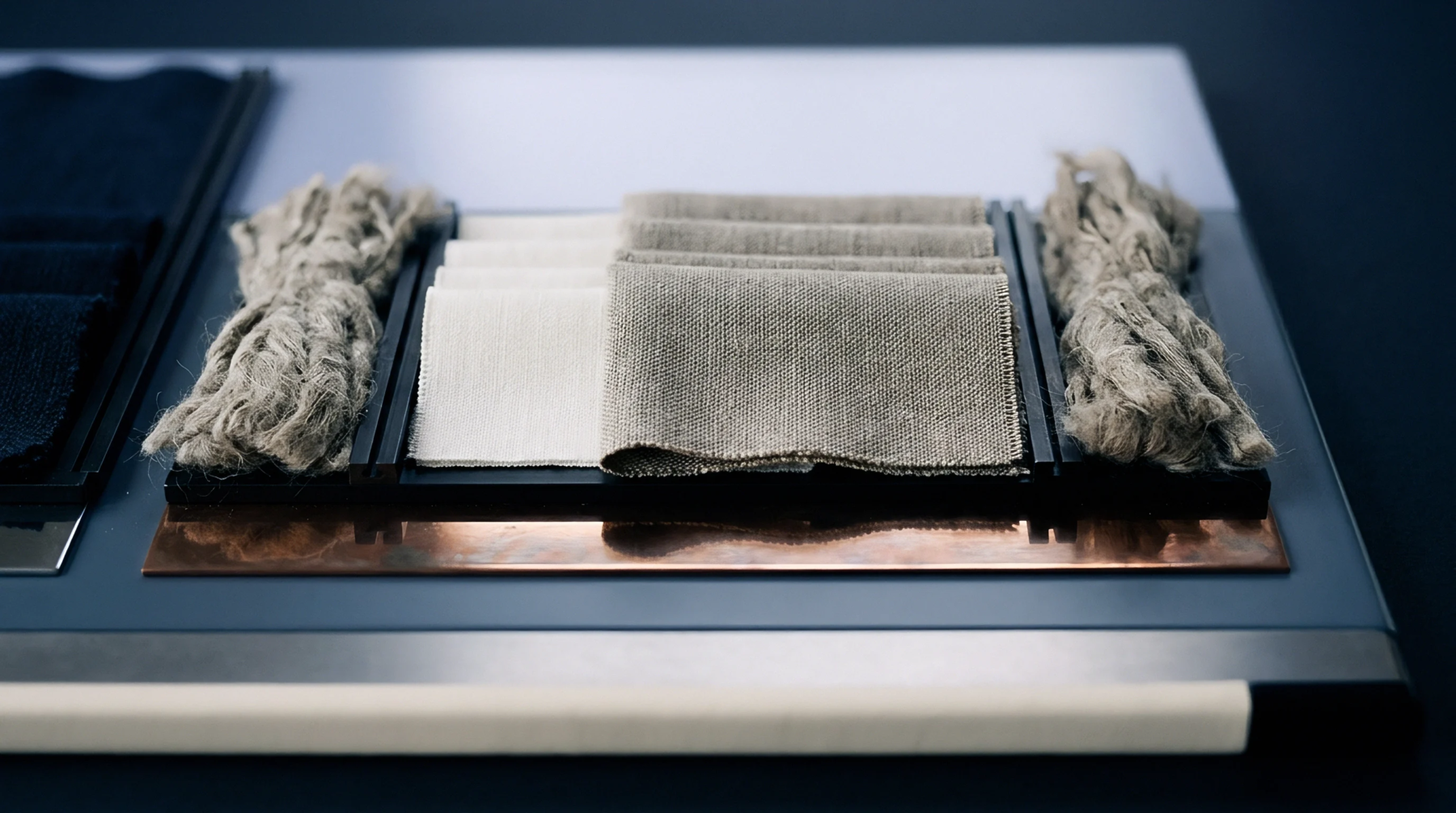
Dual-axis telecentric imaging and pectin density filtering eliminate cross-sectional ellipticity bias to yield true linear density in high-speed bast testing.
Calibrating optical snippet analyzers for bast fibers requires empirical polynomial form factors to correct projection bias caused by non-circular ribbon cross sections.
Maintain combing halls at 70% RH and control pectin esterification below 58% to maximize high count line flax hackling yields and lower metre costs.
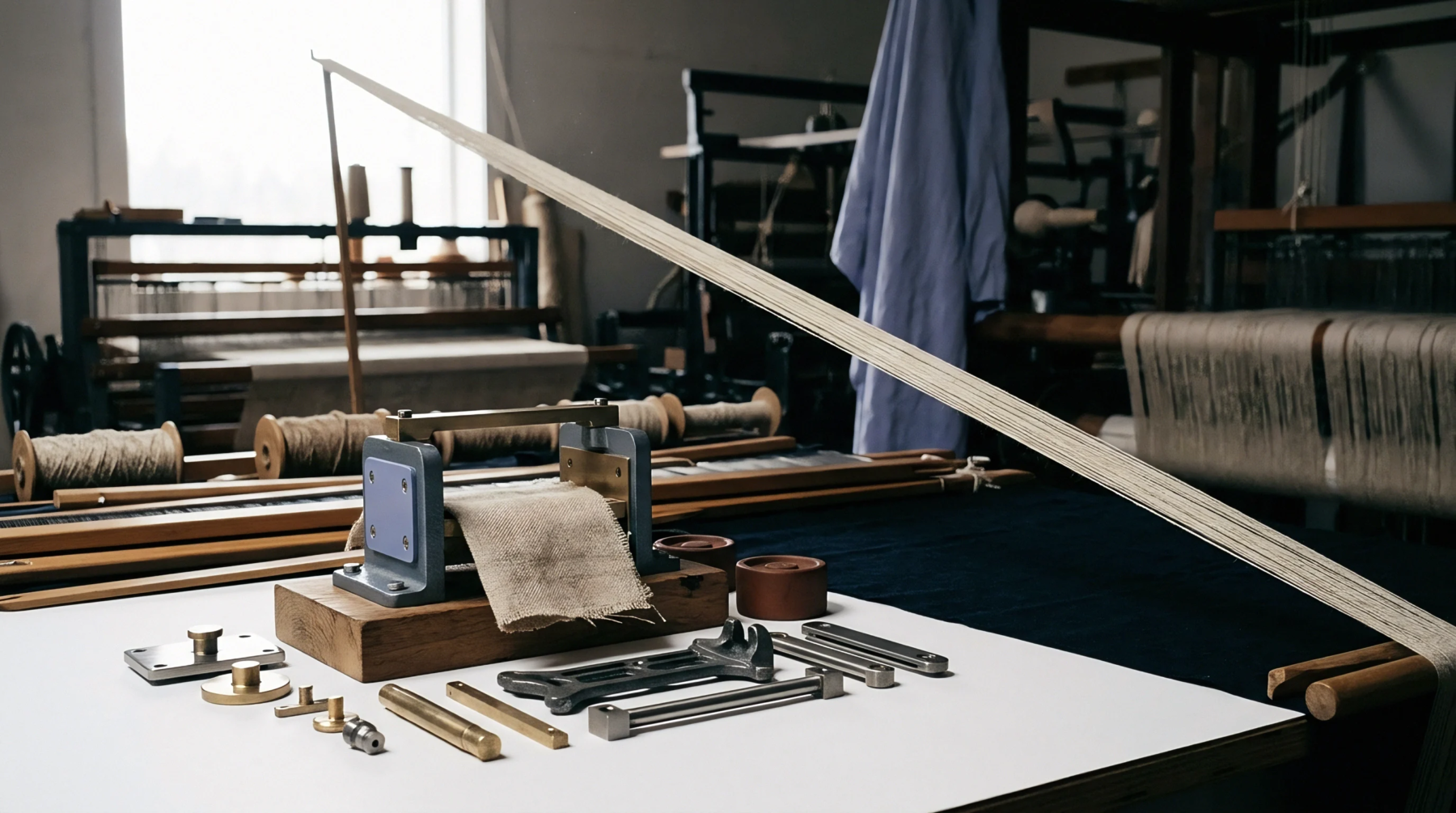
High-density flax weaving requires precise active warp tension control, asymmetric shedding, and 10 percent size add-on to prevent peak load breaks.
Expertise is a utility, not a secret. sentiention™ publishes its working knowledge as open reference: intelligence layer covering the materials it sources, the markets it enters, and the reference that serves both.