Arbitrating Commercial Claims on Enzymatically Processed Flax Fiber Lots in High-Count Yarns
Commercial claims on enzymatically processed flax require matching residual pectin levels against bundle tenacity and wet-spinning end breakages.


Vat
Biocatalytic processing of scutched flax sliver uses targeted enzymatic liquors to break down middle lamella pectins without attacking primary cell wall cellulose. While traditional dew and warm-water retting rely on wild fungal or bacterial microflora ~ introducing batch variability in fineness and residual gum ~ controlled enzyme baths use isolated endo-polygalacturonases and pectin lyases. This isolates ultimate flax fibres to a mean bundle fineness suitable for wet spinning from Nm 60 up to Nm 100 (100 lea to 166 lea).
Industrial processing requires strict control over incubation temperature, pH, mechanical agitation, and enzyme activity per gram of dry fibre.
Enzymatic hydrolysis targets the calcium-pectate complex cementing individual flax elementary cells into technical fibre bundles. If liquor parameters drift outside the enzyme complex’s stability window, non-specific activity begins degrading structural polysaccharides. Commercial pectinase preparations often contain trace cellulases, specifically endo-β-1,4-glucanases and cellobiohydrolases.
Uncontrolled cellulolytic action attacks amorphous regions in the cellulose microfibrils, lowering the core’s degree of polymerization. Dropping from a baseline DP of 2400 to below 1800 turns high-strength long-staple flax into tendered, brittle fibre that fails under wet-spinning drafting forces.
Enzymatic Cleavage of Pectic Substances
Selective degradation of rhamnogalacturonan-I networks separates technical bundles into fine filaments measuring 1.2 to 1.8 dtex, keeping pectin-hydrolysing activity isolated within the middle lamella. Applying purified endo-pectin lyase at pH 5.0 and 48 °C cleaves α-1,4-glycosidic linkages via β-elimination, generating unsaturated oligogalacturonides without releasing free galacturonic acid monomers that would acidify the bath. A 10:1 liquor ratio ensures thorough penetration through dense, compressed long-flax sliver packages in industrial dyeing vats.
Insufficient rinsing after enzyme treatment leaves active protein residues inside the fibre bundle. This residual enzyme reactivates during subsequent roving conditioning or wet-spinning pre-soaking, causing ongoing structural degradation long after treatment. Neutralization on an industrial scale relies on a 15-minute temperature shock at 85 °C or an alkaline wash at pH 9.5 to denature catalytic protein domains before sliver drying and hackling alignment.
Side Activity and Cellulose Degradation
Contaminating enzymes in industrial preparations attack structural cell walls. Glucanase impurities cleave internal β-1,4-glucosidic bonds along crystalline cellulose domains, weakening fibre bundle tenacity before drafting ever begins. Micro-calorimetry and reducing-sugar assays monitor cellulase activity in incoming enzyme batches, while cold water quenches bath activity.
| Process Parameter | Optimal Control Window | Deviated Operating Condition | Fibre Structural Defect | Impact on High-Count Spinning |
|---|---|---|---|---|
| Liquor pH | 4.8 to 5.2 | Above 6.2 or below 4.0 | Incomplete pectin solubilization | Coarse fibre bundles, excessive thick places at Nm 80 |
| Bath Temperature | 45 °C to 50 °C | Exceeding 58 °C | Thermal denaturing and enzyme precipitation | Non-uniform bundle splitting across the sliver lot |
| Cellulase Impurity Level | Below 0.05 u/mL | Above 0.25 u/mL | Cellulose chain scission, DP drop below 1700 | Severe drop in bundle tenacity, high end breaks |
| Treatment Duration | 90 to 120 minutes | Exceeding 180 minutes | Over-degumming, middle lamella depletion | Fibre fly generation, short-fibre mass fraction increase |
Disputes over tenderized flax lots frequently center on whether loss of cellulose chain length occurred during bath processing or resulted from downstream mill temperatures and acidic water supplies.

Fineness
Fibre linear density directly governs the theoretical limit count of wet-spun flax yarn. Yarns above Nm 60 require at least 30 to 35 individual fibres in the cross-section to maintain cohesion under tensile load. Reaching Nm 80 (12.5 tex) demands a mean fibre bundle fineness of 1.5 to 1.9 dtex, whereas standard scutched line flax sits between 3.5 and 5.0 dtex.
Enzymatic treatment provides the micro-splitting needed to drop bundle diameters from 25 micrometres down to 10 to 14 micrometres, yielding the fine units required for high-count drafting.
Measuring fineness in enzymatically processed flax requires specialized methods because of irregular cross-sectional shapes. ISO 2370 defines the gravimetric method, cutting bundle segments to fixed lengths and weighing micro-samples on an analytical balance. Airflow permeability instruments calibrated for cotton give misleading readings on enzymatically split flax owing to altered surface friction and residual pectin gels.
Optical cross-sectional image analysis under polarized light microscopy gives the definitive diameter distribution curve, distinguishing true micro-splitting from superficial surface fibrillation.
Linear Density and Bundle Tenacity Balance
Thin fibre bundles achieved through aggressive enzymatic cleavage frequently show reduced single-bundle tenacity. Unprocessed technical line flax exhibits bundle tenacity between 32 and 45 cN/tex when measured by modified ISO 1973 protocols at a 10 mm gauge length. Over-processing that drops residual inter-cellular gum below 0.8 percent by weight causes ultimate fibres to slip past each other under tensile load rather than sharing stress across the matrix.
Successful high-count wet spinning requires maintaining bundle tenacity above 26 cN/tex alongside a mean fineness below 2.0 dtex.
Enzymatic incubation exceeding 120 minutes at 50 degrees Celsius lowers bundle tenacity below 22 cN per tex.

Residual Pectin Quantifications
Quantifying residual binder offers empirical proof of degumming intensity. Gravimetric extraction with warm ammonium oxalate (0.5% concentration at 85 °C for 4 hours) isolates soluble pectic substances from fibre samples, after which high-performance liquid chromatography or spectrophotometric carbazole assays measure galacturonic acid concentration. Unprocessed flax contains 3.5% to 5.0% pectin and water-retted flax holds 1.8% to 2.5%, whereas enzymatically processed line flax for high-count spinning must fall between 0.9% and 1.3%.
Values below 0.7% signal over-degumming, causing drafting slippage and wave instability on wet-spinning frames.
Fibre linear density measured on sliver samples must be evaluated alongside bundle tenacity spread. A fine mean tex accompanied by a wide strength distribution predicts high end-break rates during wet drafting.


Trough
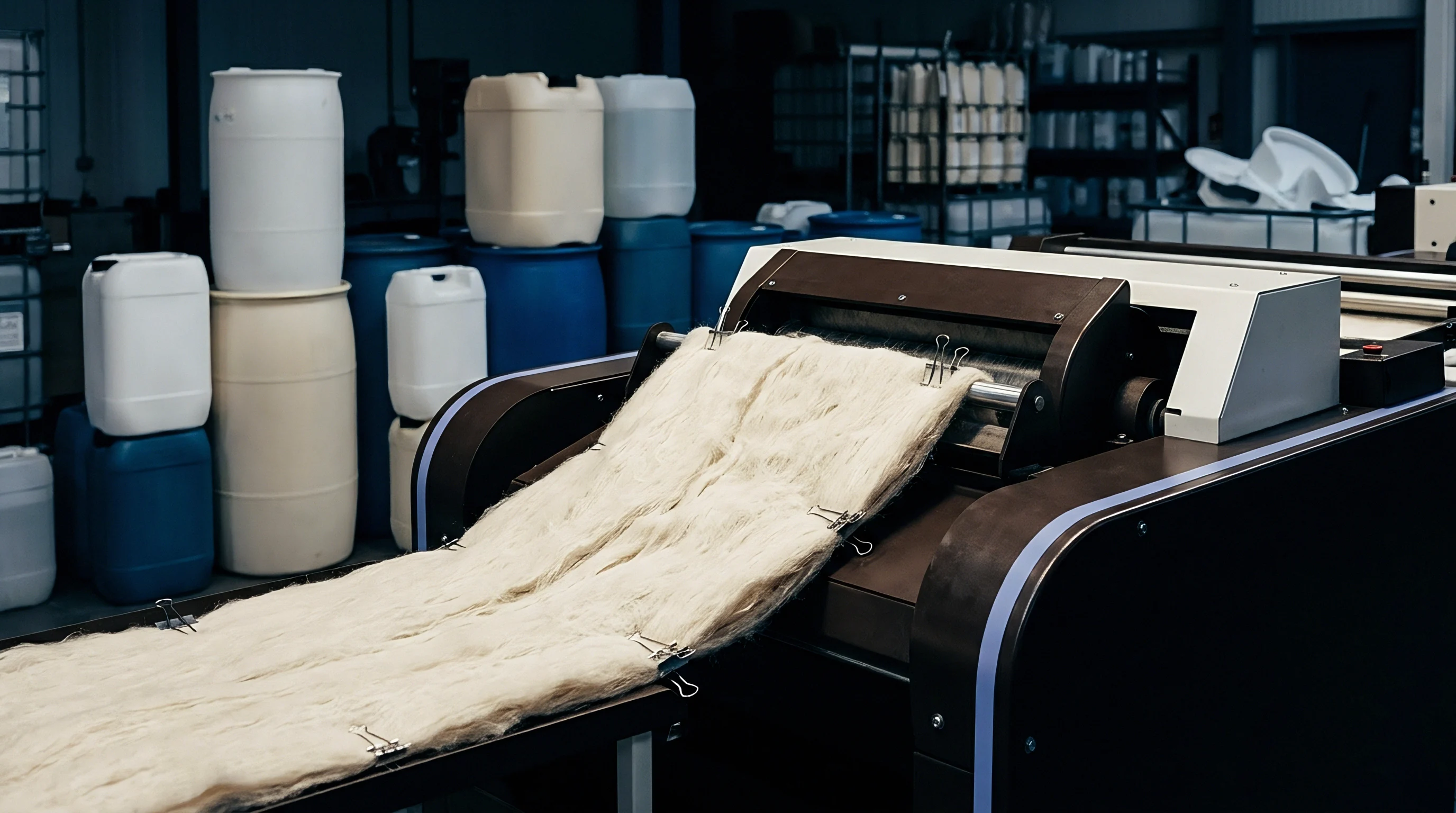
Wet spinning high-count flax relies on passing roving through a hot water trough directly upstream of the ring frame drafting zone. The water softens remaining middle lamella pectins so individual technical fibres slide during mechanical drafting between the back and front rollers. Operating parameters for enzymatically treated flax differ markedly from standard dew-retted stock: water temperature must stay between 60 °C and 68 °C. Lower temperatures fail to plasticize the pectic matrix, whereas higher temperatures strip fragile binder from over-processed fibre, causing premature separation in the draft zone.
Drafting tension in the wet-spinning zone varies inversely with enzymatic pectin removal. Standard dew-retted roving needs substantial drafting force to pull technical fibres past one another. Enzymatically processed roving has lower inter-fibre friction, calling for lighter nip roller pressure and adjusted twist multipliers on the roving frame to stop false drafting during unwinding.
Incorrect roller settings cause uncontrolled slippage, creating thick and thin places that produce high mass CV readings on capacitive testing equipment.
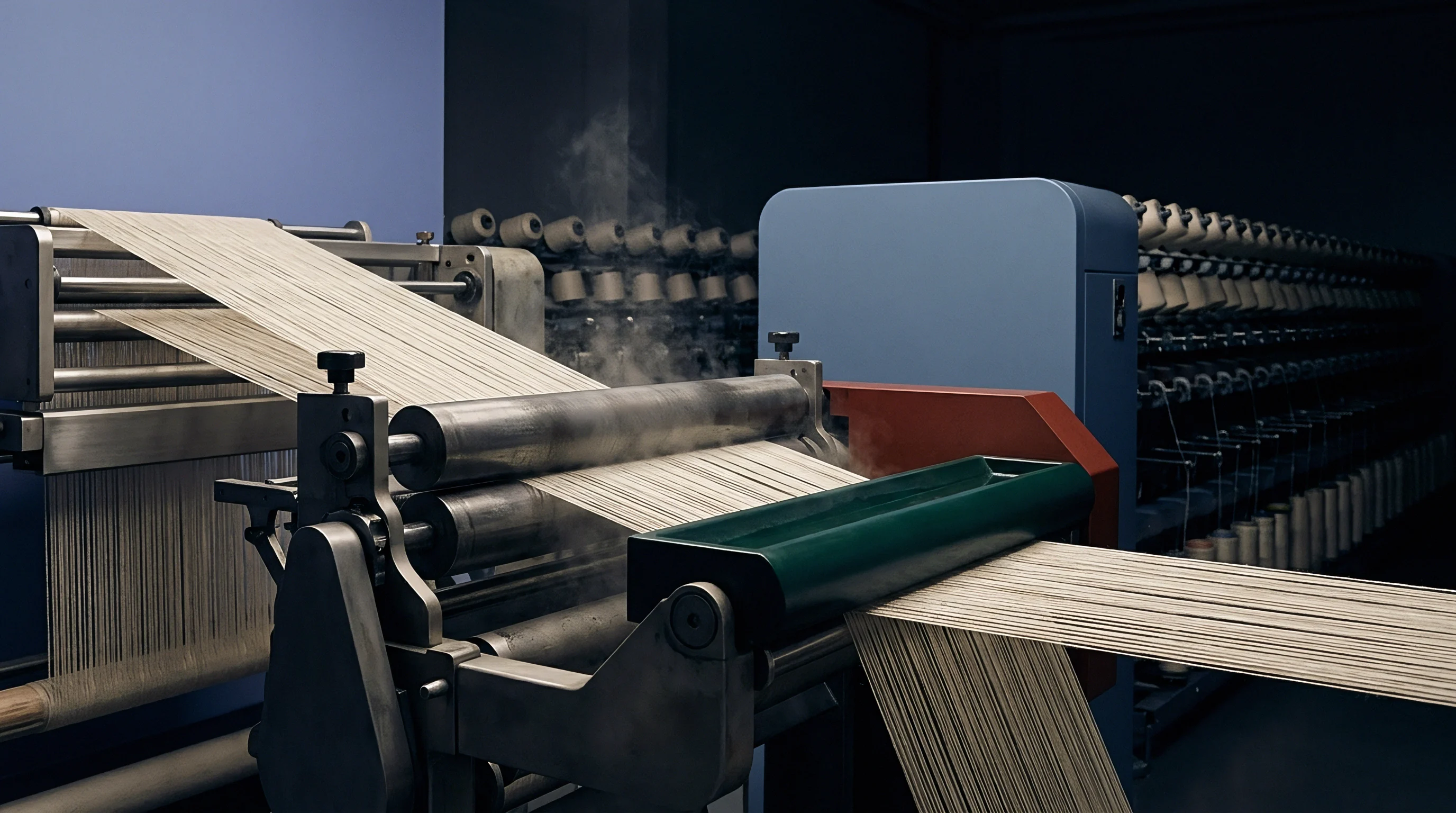
Wet Drafting Zone Dynamics
Maintaining spinning stability at Nm 80 or Nm 100 requires setting adjustments tailored to the fibre lot’s chemical treatment history, as high drafting tension will snap degraded fibrils. Spindle speeds should be reduced by 10 to 15 percent when processing enzymatically split flax with low tenacity to limit dynamic balloon tension between the thread guide and traveler.
International trade rules specify a maximum yarn mass variation coefficient of 16 percent for Nm 80 wet-spun flax.
Execution of a controlled spinning trial follows a strict technical sequence to verify incoming fibre lot runnability:
- Mount 10 test bobbins of enzymatically processed roving onto the ring frame creeled positions.
- Fill the spinning trough with deionized water, establishing continuous circulation at 65 °C with pH stabilized at 6.8.
- Set the drafting roller gauge distance to 42 mm, matching the upper decile length of the long-staple fibre distribution.
- Adjust the drafting draft ratio to 18.5 for target count Nm 80, setting the front roller nip pressure to 2.2 bar.
- Initiate frame rotation at a reduced spindle speed of 5500 RPM, monitoring thread breakages across a 120-minute run.
- Collect 20 finished yarn bobbins for mass variation, thin place, thick place, and nep evaluation using an automated capacitive tester.
- Measure yarn tensile strength and elongation at break according to ISO 2062 using a constant rate of extension tester.
Excessive ends down during high-count spinning stem directly from micro-structural fibre tendering in the processing bath. Operating ring frames with end breaks above 60 per 1000 spindle hours overloads operators, compromises yarn package build, generates excessive soft waste, and pushes manufacturing costs beyond profitability.
Failing to match trough temperature and draft roller nip pressure to a lot’s specific residual pectin profile causes chronic mass variation and constant front-roller lap-ups that destroy spinning efficiency.


Damage
Commercial claims on high-count flax lots stem from three primary root causes: mechanical damage during scutching and hackling, weathering degradation from poor field retting, and chemical tendering during enzymatic degumming. Differentiating these defect modes requires forensic laboratory analysis. Scanning electron microscopy reveals distinct signatures for each mechanism: mechanical damage shows as transverse cracks, longitudinal split ends, and flattened fibre walls, whereas enzymatic tendering produces surface pitting, localized fibrillar stripping, and uniform thinning along the fibre axis without crushing marks.
Viscometric testing provides definitive quantitative proof of cellulolytic chemical damage. Measuring the intrinsic viscosity of dissolved flax cellulose in cupriethylenediamine (CED) solvent according to ISO 5351 enables calculation of molecular weight and average degree of polymerization. Mechanical processing reduces staple length without altering cellulose chain length, keeping degree of polymerization values above 2200.
In contrast, enzymatic treatments containing active cellulase impurities degrade polymer chains directly, dropping degree of polymerization values to between 1200 and 1600.
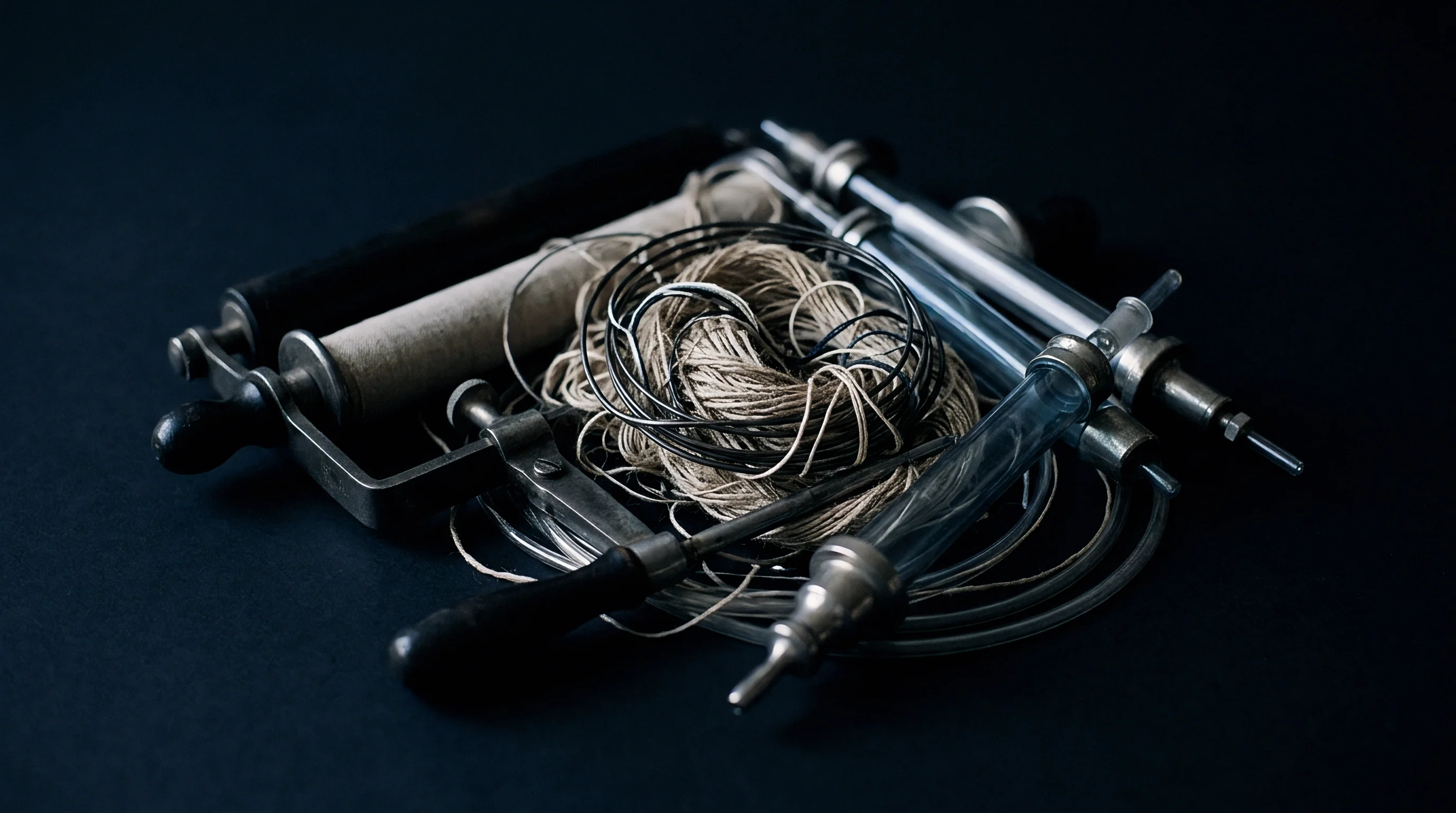
Viscometric Degree of Polymerization Analysis
Determining polymer integrity requires removing non-cellulosic constituents prior to CED dissolution. Samples undergo mild sodium chlorite delignification followed by ethanol-benzene extraction to eliminate lipids and waxes. Dissolving 0.05 grams of purified flax cellulose in 50 mL of 0.5 M CED solution yields efflux time data in an Ubbelohde viscometer at 25 °C ± 0.1 °C. Calculating intrinsic viscosity establishes the viscosity-average degree of polymerization; values below 1800 confirm severe chemical tendering from improper enzymatic treatment.
Fibre bundle fineness gains achieved by sacrificing structural cellulose degree of polymerization result in untreatable spinning breaks.
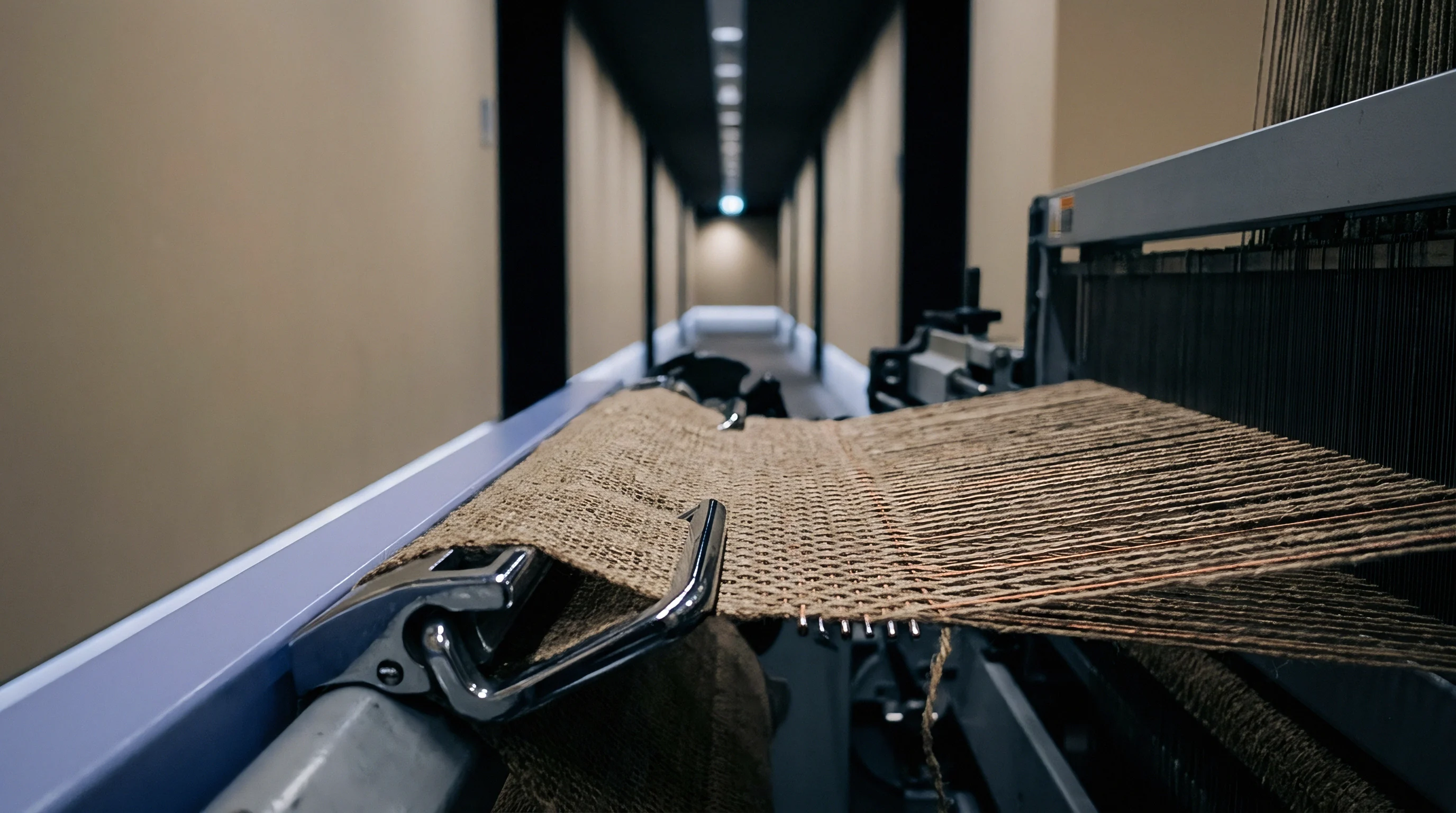
Yarn Structural Defects and Appearance Classifications
Enzymatically tendered fibres cause distinct yarn defects in weaving and finishing. Lousiness appears as dense clusters of un-spun fibrillar fragments floating on the yarn surface, leading to speckled dye uptake in finished cloth. Nep formation rises sharply as fragile, tendered fibres break during drafting and roll into small entanglements.
Mass variation coefficient (CVm%) values measured over 1000 metres of Nm 80 yarn routinely exceed 19 percent on over-degummed lots, compared to an industry standard maximum of 15.5 percent for high-count line flax.
| Observed Defect Mode | Primary Root Cause | Analytical Test Standard | Threshold Acceptance Limit | Commercial Claim Basis |
|---|---|---|---|---|
| Low Tenacity (< 22 cN/tex) | Cellulase chain cleavage | ISO 5351 (Viscometry DP) | DP > 1800 units | Full lot rejection for structural tendering |
| High Nep Density (> 250/km) | Fibrillar collapse & tangling | Uster Tester 5 / ISO 16549 | Neps < 80 per 1000 metres | Price allowance for quality downgrade |
| Excessive Ends Down (> 80/1000 sh) | Pectin depletion / draft slip | ISO 6741 / Pectin Assay | Residual Pectin 0.9% – 1.3% | Spinning productivity loss compensation |
| Yarn Mass Instability (CVm > 18%) | Non-uniform bundle splitting | ISO 2370 (Linear Density distribution) | Fineness CV < 22% | Downgrading from long-staple pricing |
Whether a lot’s high short-fibre content stems from aggressive hackling pins or from enzymatic middle-lamella stripping that weakened bundles prior to carding remains difficult to separate when both mechanisms have acted on the same shipment.

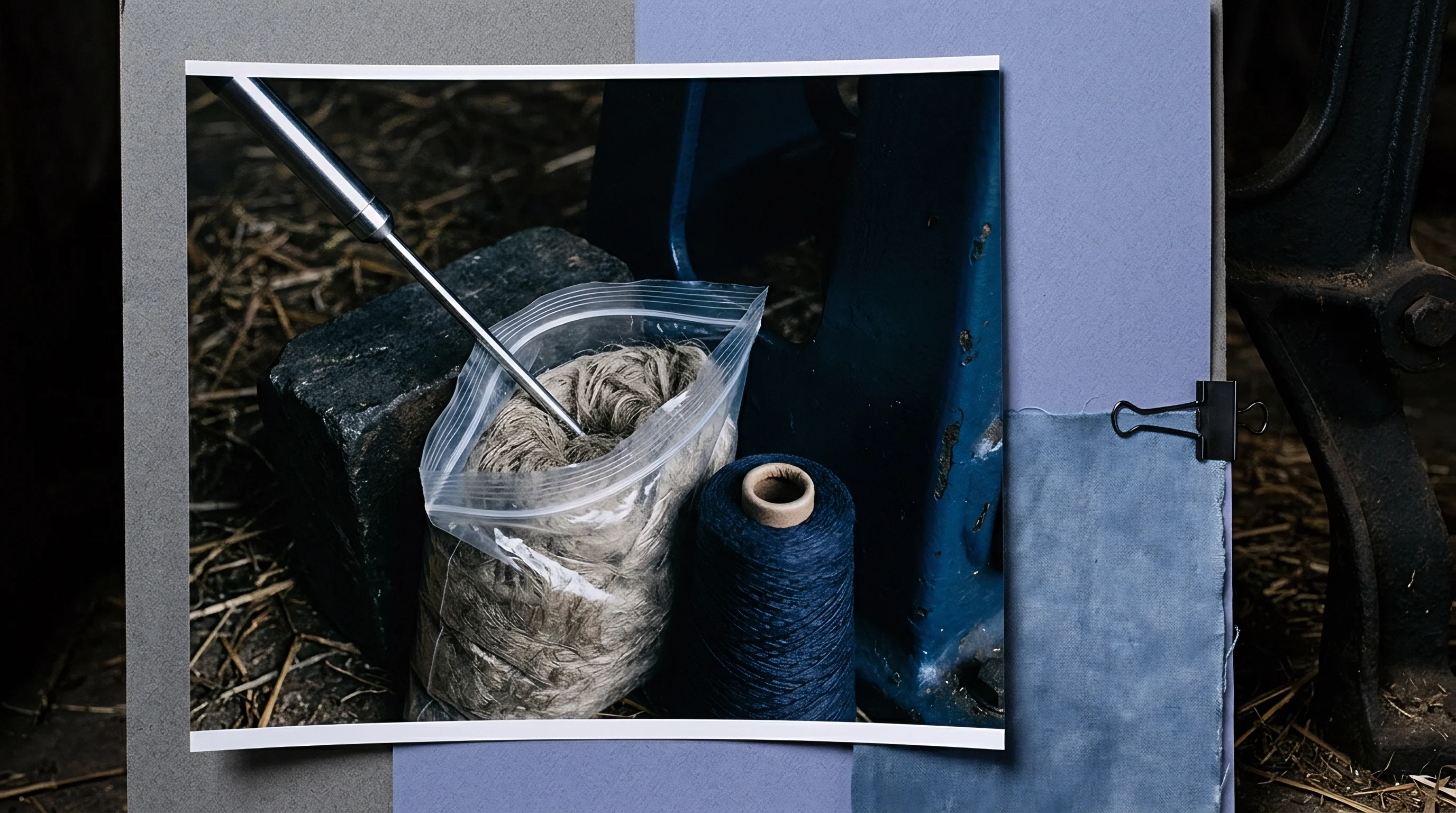
Dossier
Arbitrating commercial claims on enzymatically processed flax requires an unassailable technical evidence package before formal legal or trade proceedings commence. Sourcing must enforce rigorous pre-shipment sampling based on unbiased bale selection. Samples must represent at least 10 percent of total lot bales, drawing equal mass increments from outer, middle, and core zones of each selected bale under ISO 5089.
Sealed composite samples are split into three identical packages: one for buyer qualification, one for seller retainage, and one held under seal for independent referee testing by an accredited laboratory.
Claim dossiers must document physical, chemical, and spinning performance parameters alongside clear commercial baseline definitions. Relying solely on yarn appearance or subjective hand leads to immediate claim rejection during trade arbitration under international rules. Standard contracts governed by the Confederation Europeenne du Lin et du Chanvre (CELC) or Alliance for European Flax-Linen & Hemp require technical claims to be filed within 30 days of shipment arrival and prior to material processing beyond initial spinning trials.

Commercial Rejection Thresholds and Evidence Rules
Filing a commercial rejection or price deduction claim requires presenting verifiable test data showing parameter deviation beyond contracted tolerance windows. Technical evidence packages must combine chemical, physical, and mill-floor data:
- Cellulose Degree of Polymerization Report showing viscometric DP values below 1800 units determined by ISO 5351 to establish permanent fibre chemical tendering.
- Fiber Bundle Tenacity Distribution demonstrating mean cN/tex values below the contracted minimum with a coefficient of variation exceeding 25 percent.
- Residual Pectin Content Analysis confirming galacturonic acid levels below 0.8 percent (over-degumming) or above 1.5 percent (under-degumming).
- Spinning Trial Logsheets documenting front-roller nip pressures, trough temperatures, spindle speeds, and ends down exceeding 65 breaks per 1000 spindle hours across a 500 kg test lot.
- Uster Mass Variation Profiles providing capacitive mass CVm percentages, thin places (-50%), thick places (+50%), and nep counts per 1000 metres of spun yarn.

Contractual Documentation and Verification Requirements
Establishing liability requires linking the delivered lot directly to contractual specifications through explicit documentation chains. Traceability breaks invalidate commercial claims during arbitration:
- Certificate of Origin and Processing Log detailing batch enzyme formulation, incubation time, bath pH profiles, and neutralisation wash temperatures.
- Joint Sampling Record signed by buyer and seller representatives or an independent cargo surveyor confirming sample extraction methods and container seal numbers.
- Consignment Test Dossier from an ISO 17025 accredited laboratory covering linear density, tenacity, residual pectin, and moisture regain.
- Official Mill Rejection Notice formalizing specific contractual clauses violated, accompanied by full mill trial performance records and raw waste yield calculations.
Standard arbitration clauses under international bast fibre trade rules specify that material processed beyond initial 500 kg qualification trials without written seller consent constitutes full acceptance of the shipment, waiving subsequent claims for latent chemical tendering.

Settlement
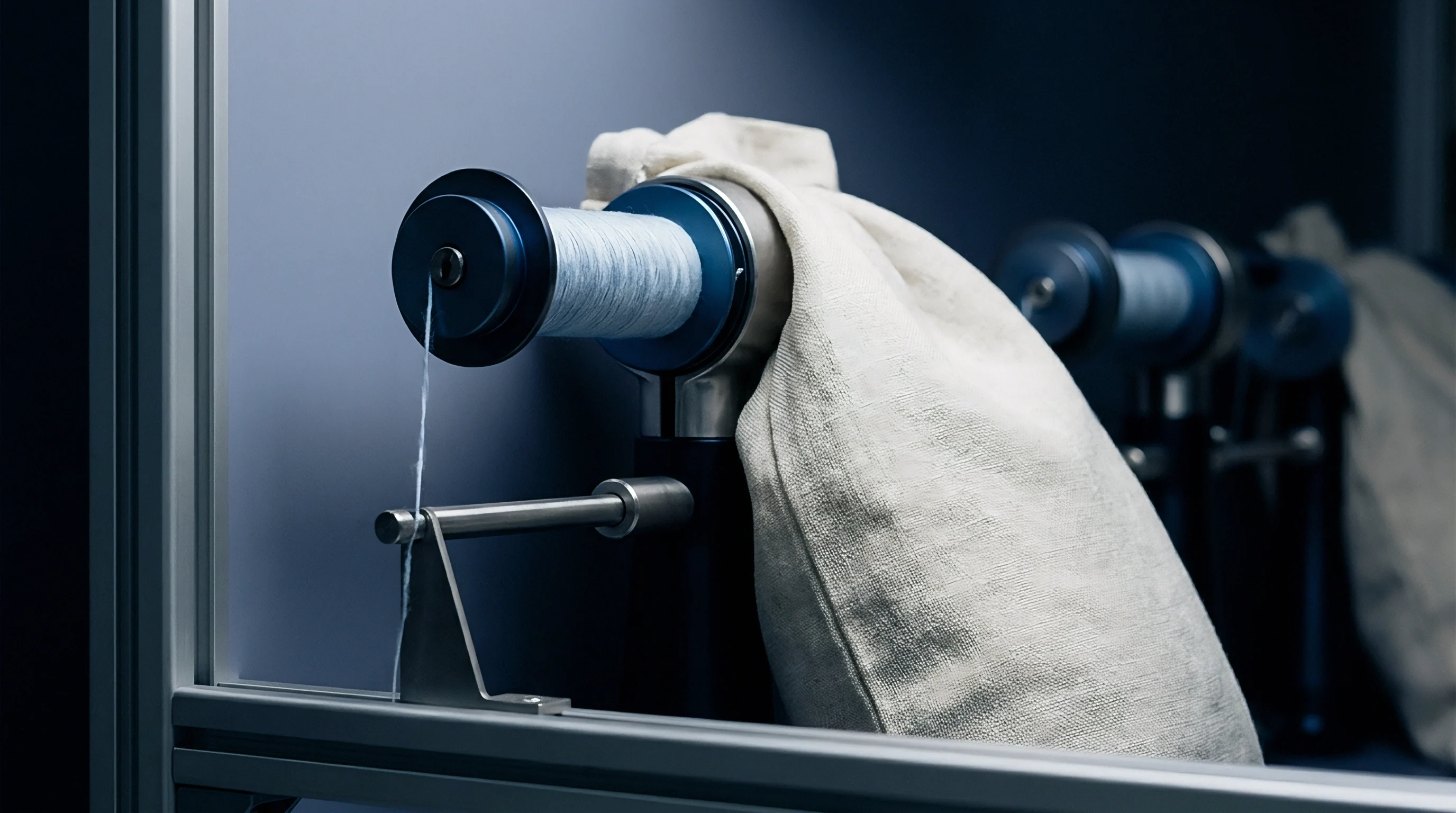
Resolving commercial disputes on off-spec enzymatically processed flax requires calculating the exact financial loss incurred per finished metre of woven or knitted fabric. Raw fibre price per kilogram represents only part of the total landed fabric cost. When tenderized or unevenly split fibre enters the mill, performance losses compound across manufacturing stages: hackling yield drops, comber waste increases, wet-spinning efficiency plummets from frequent end breaks, and loom stoppages rise on weak yarn strands.
Yield calculations must quantify lost production capacity alongside material waste. Consider an Nm 80 wet-spun yarn order specifying a base raw fibre price of $24.00 per kilogram for high-grade enzymatically processed long-staple line flax. Under normal operating parameters, hackling and wet spinning yield an overall conversion efficiency of 72 percent, resulting in a raw material cost component of $33.33 per kilogram of finished yarn.
When an over-processed lot with a cellulose DP of 1550 and residual pectin of 0.6 percent is introduced, wet-spinning waste increases from 8 percent to 19 percent, while frame efficiency drops from 90 percent to 71 percent due to continuous ends down.
Worked Financial Settlement Model
Quantifying financial remedy requires translating laboratory defects into landed fabric metrics. Take an order for 1000 kilograms of Nm 80 wet-spun yarn intended for lightweight linen apparel fabric with a target weight of 120 grams per square metre at a finished width of 1.5 metres (180 grams per linear metre). Standard yarn-to-fabric conversion assumes a 5 percent weaving waste allowance.
Under contract specifications, 1000 kilograms of yarn produces 5291 linear metres of fabric. The table below details the financial claim arbitration model when processing a tenderized flax lot.
| Cost & Performance Parameter | Contract Specification Standard | Delivered Off-Spec Lot Value | Cost Variance per Metric Unit | Total Financial Claim Impact |
|---|---|---|---|---|
| Raw Fibre Delivered Cost | $24.00 / kg | $24.00 / kg | $0.00 / kg | $0.00 base material cost |
| Spinning Waste Rate | 8.0% expected waste | 19.0% actual waste | +11.0% waste mass loss | $2,640.00 material waste loss |
| Ring Frame Efficiency | 90.0% running efficiency | 71.0% running efficiency | -19.0% machine downtime | $3,420.00 lost machine hours |
| Net Spun Yarn Yield | 920 kg target output | 810 kg reduced output | 110 kg yarn deficiency | $4,950.00 unfulfilled yarn output |
| Loom Stoppages (Weaving) | 1.2 stops / 100,000 picks | 4.8 stops / 100,000 picks | +3.6 stops per 100k picks | $1,850.00 weaver efficiency penalty |
| Landed Fabric Yield | 4,867 linear metres | 4,285 linear metres | 582 linear metres lost | $6,984.00 lost finished fabric value |
Excessive spinning waste directly inflates the raw material cost per finished metre of fabric.
Total direct financial loss on the 1000 kg lot amounts to $12,894.00, representing a 53.7 percent penalty against the original raw fibre shipment value of $24,000.00. Commercial settlement options under trade arbitration rules offer three distinct paths: returning the unused balance of the shipment at seller expense for a full refund plus incurred spinning costs, applying a calculated unit price deduction of $12.89 per kilogram across the entire lot to offset downstream yield drops, or re-classifying the lot for low-count dry spinning applications at a degraded baseline valuation of $11.00 per kilogram.
Settlement calculations must also include secondary finishing liabilities when tendered fibre survives spinning but produces weak, micro-fibrillated fabric that splits during bleaching, dyeing, or garment washing.