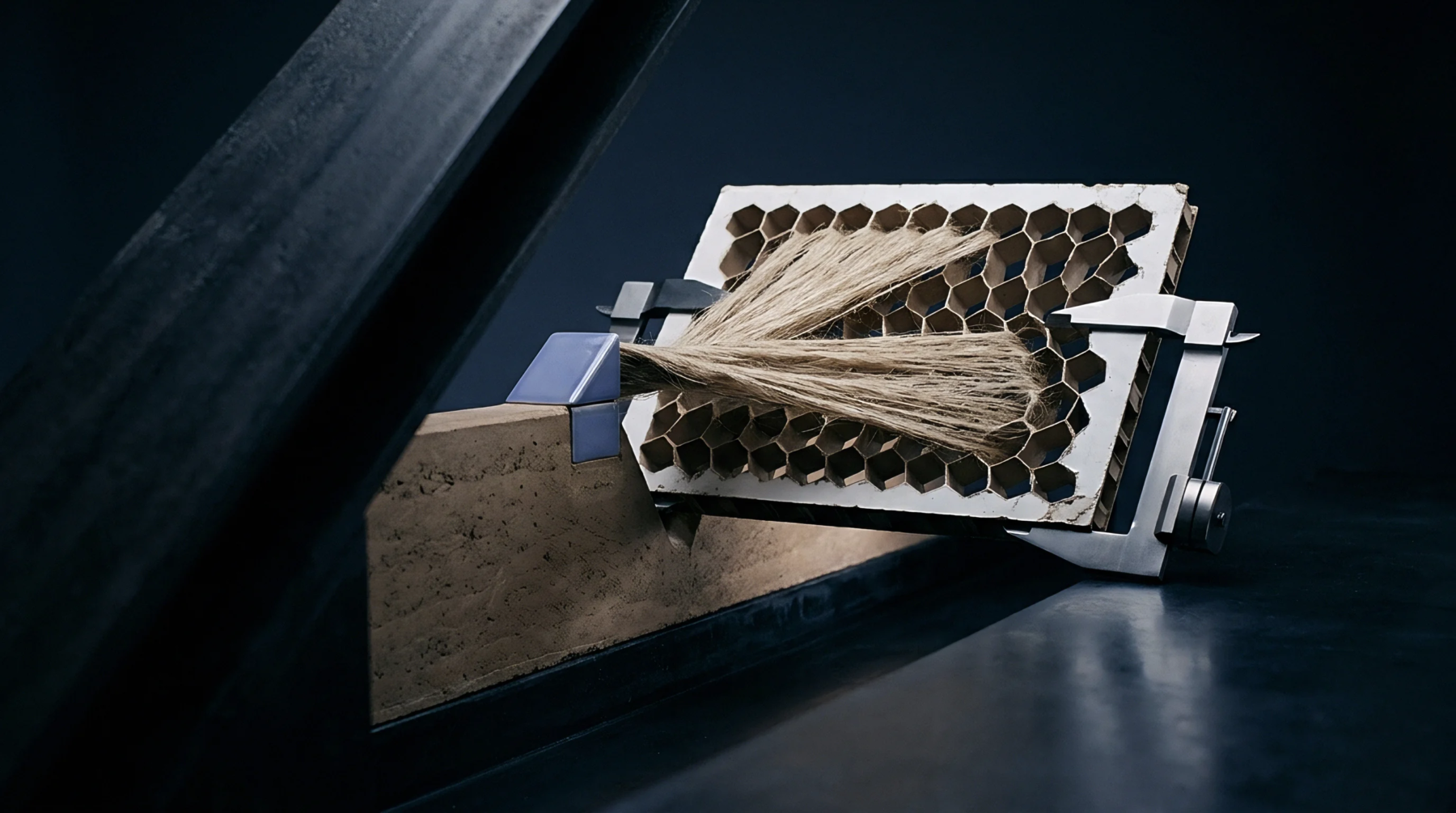
Effect of Trough Hydrolysis Parameters on Fine Linen Tensile Strength
Exceeding 70 degrees Celsius in wet spinning troughs hydrolyzes middle lamella pectin excessively, dropping Nm 60 linen single yarn tenacity below 15 cN/tex.
Exceeding 70 degrees Celsius in wet spinning troughs hydrolyzes middle lamella pectin excessively, dropping Nm 60 linen single yarn tenacity below 15 cN/tex.
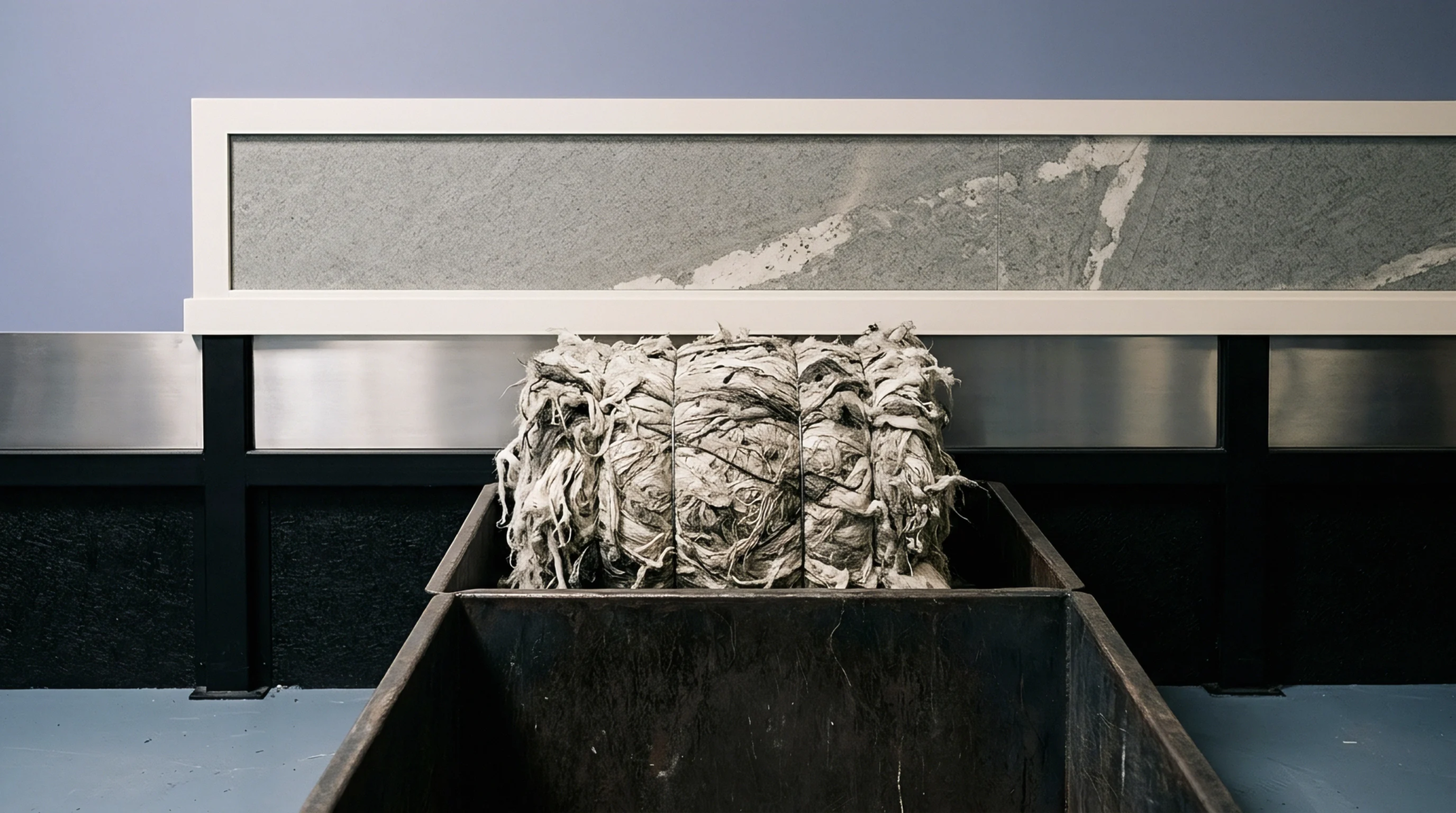
Scouring linen increases GSM despite mass loss because wet viscoelastic crimp interchange condenses thread count faster than non-cellulosic extraction lightens yarn.
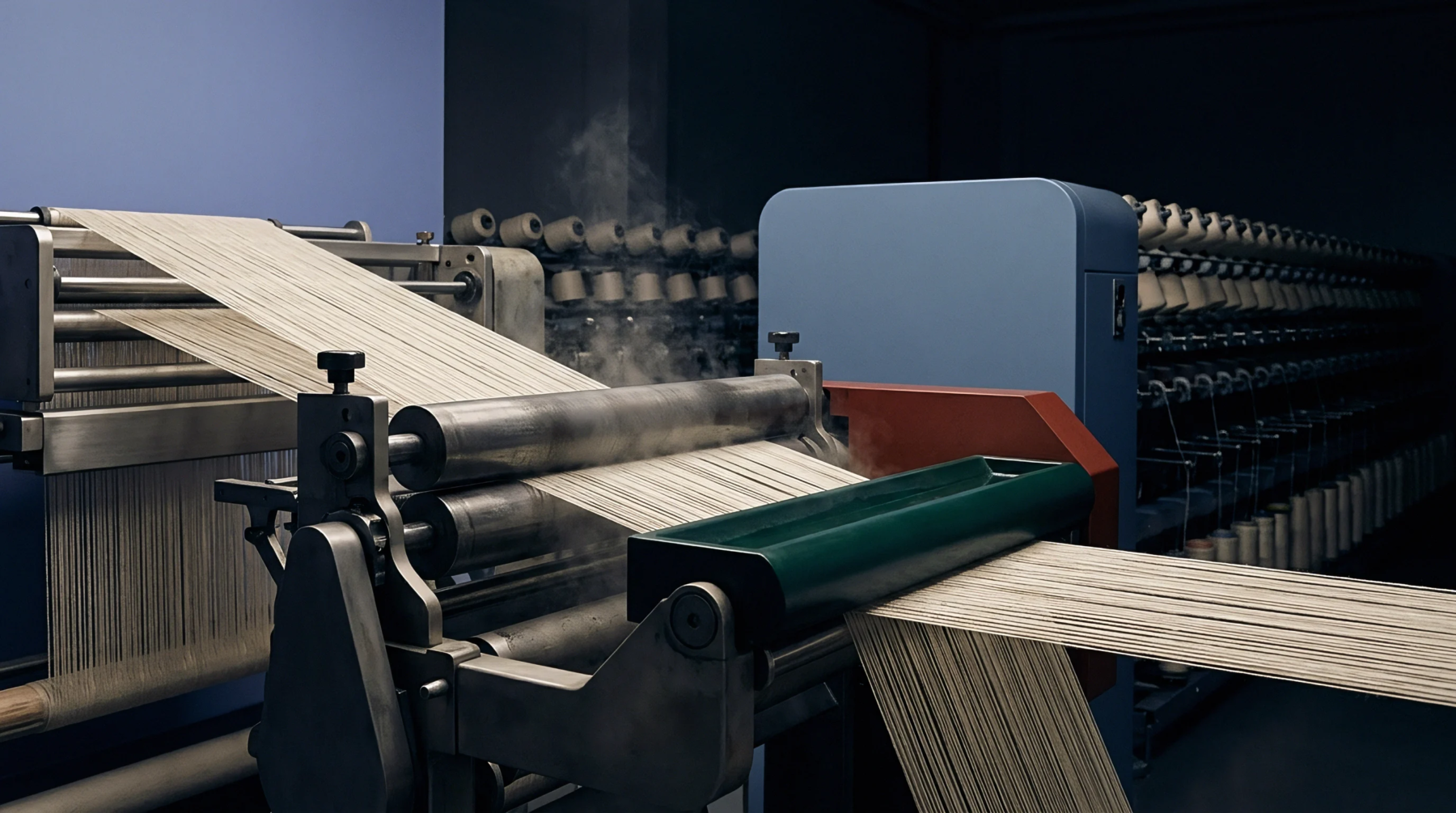
Wet spun linen warp yarn requires a minimum dry tenacity of 26 cN/tex to run on rapier looms at 85 percent efficiency.
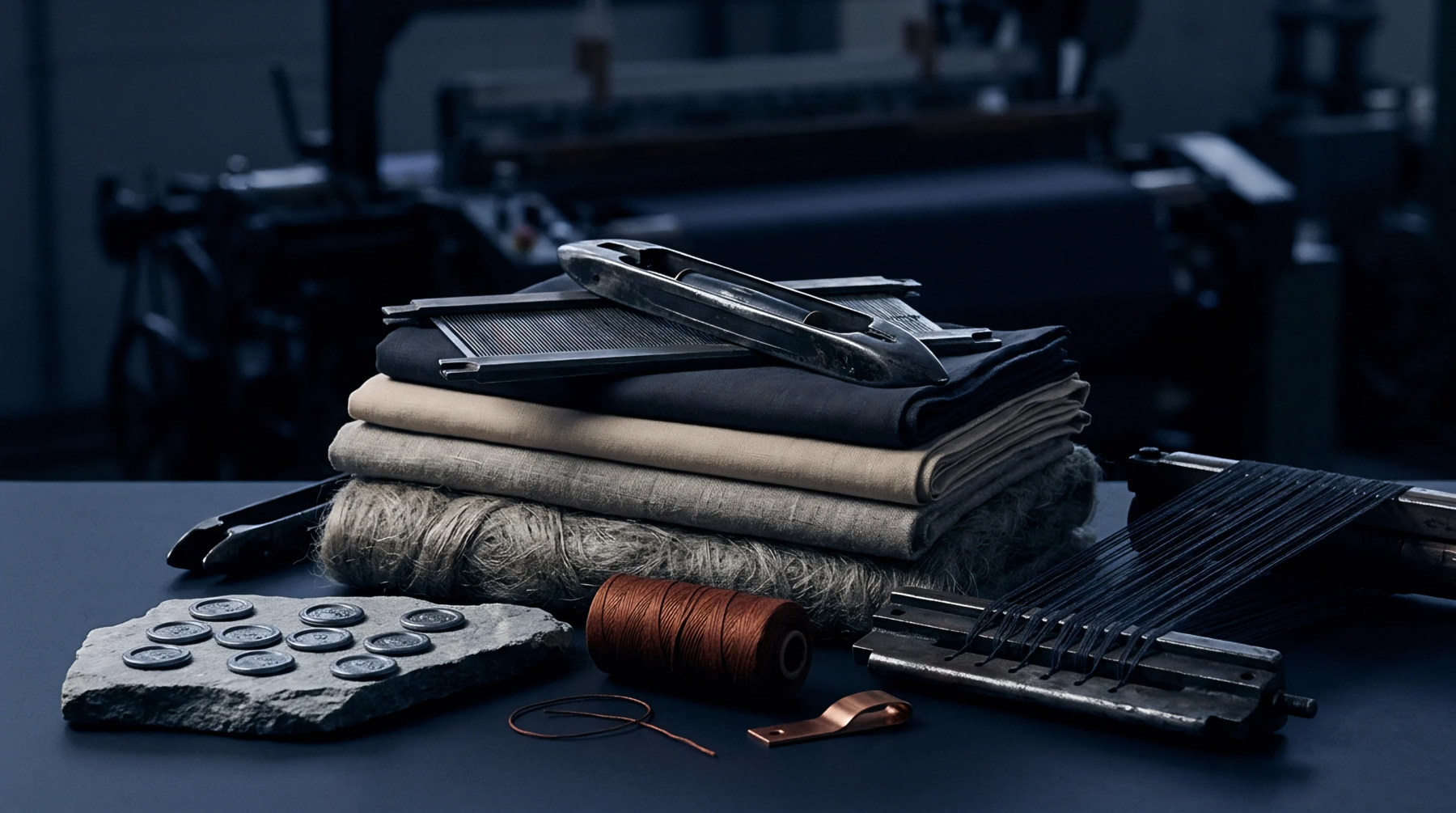
Commercial claims on enzymatically processed flax require matching residual pectin levels against bundle tenacity and wet-spinning end breakages.
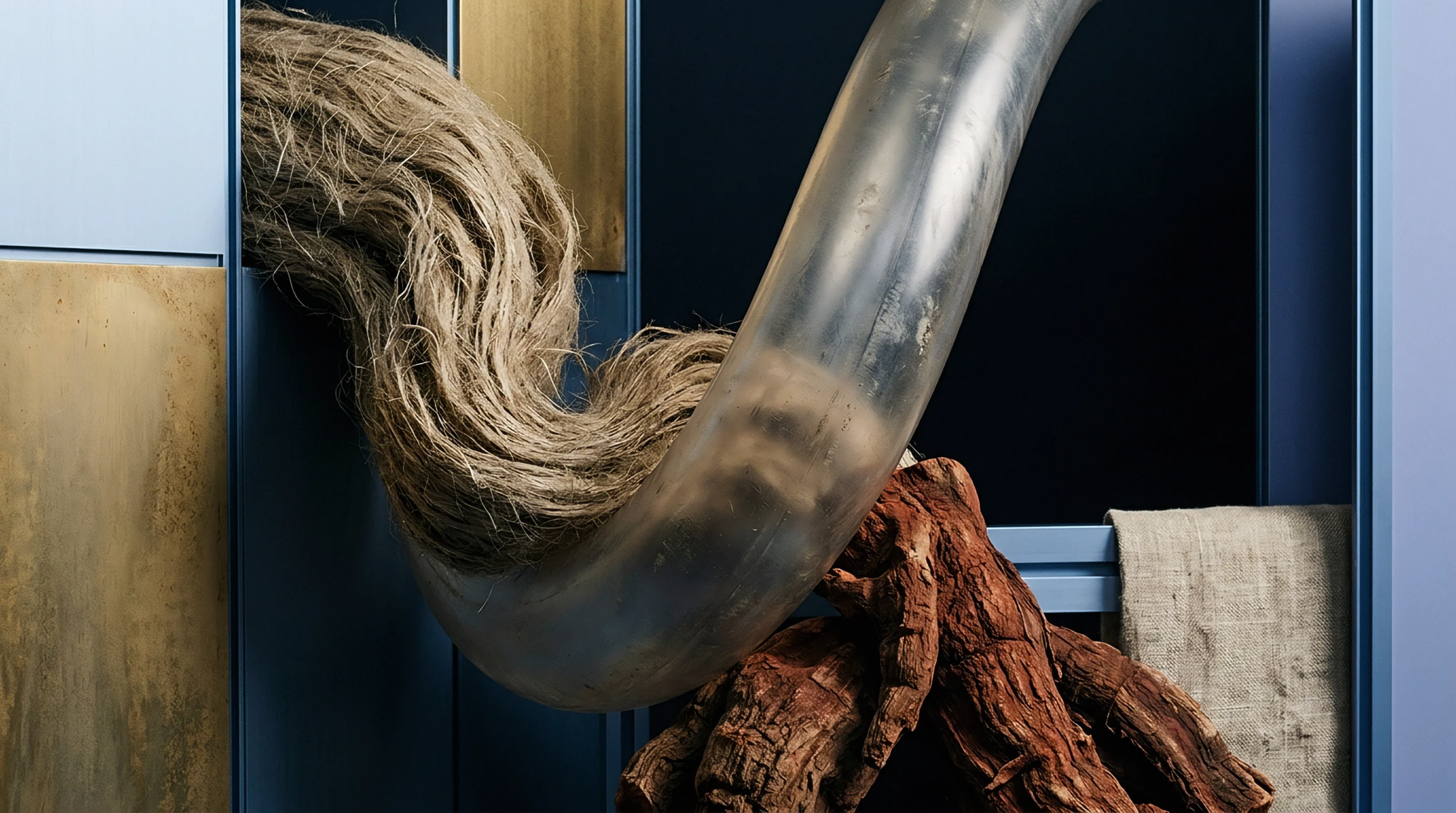
Targeted polygalacturonase retting and controlled 65°C bath chelators depress pectin glass transition, optimizing fine line flax drafting and yarn yields.
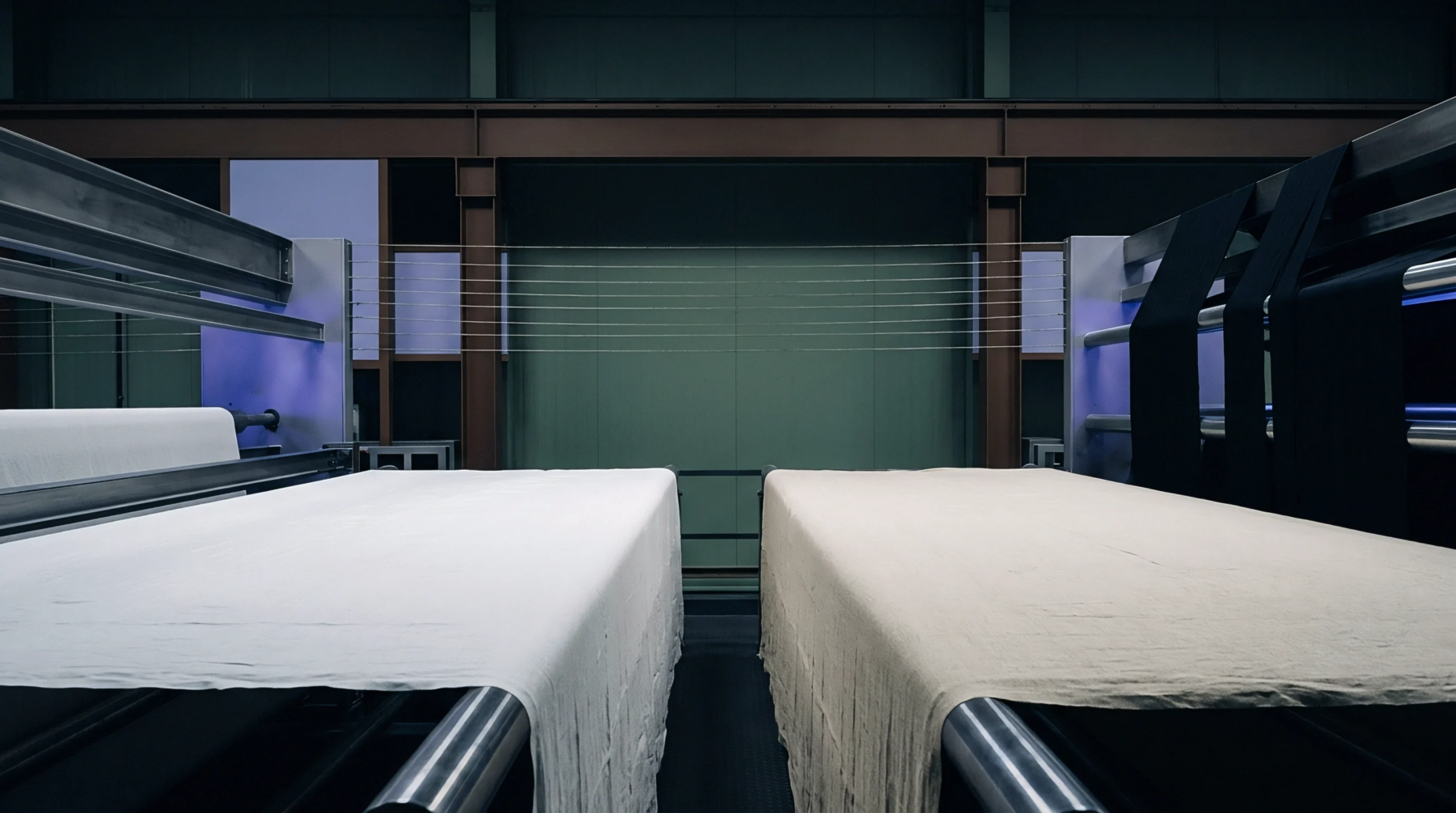
Heavy linen Jacquard damask surcharges compensate for low loom speeds and dual-beam crimp variance required to prevent structural warp defects in stiff flax yarns.
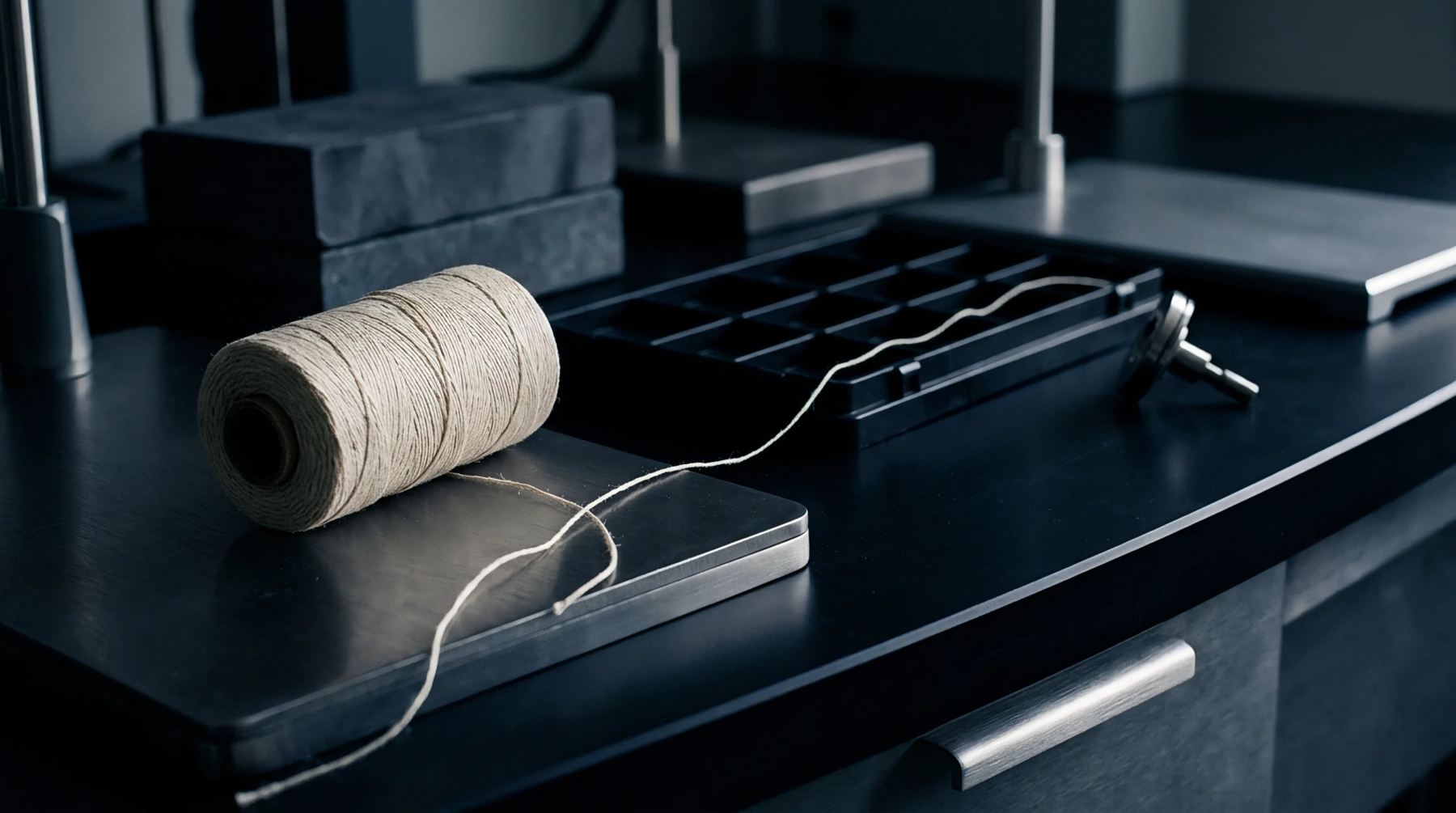
Maintaining residual pectin between 0.8% and 1.4% prevents roving draft collapse while enabling fibre attenuation in wet-spinning ultra-fine linen yarns.
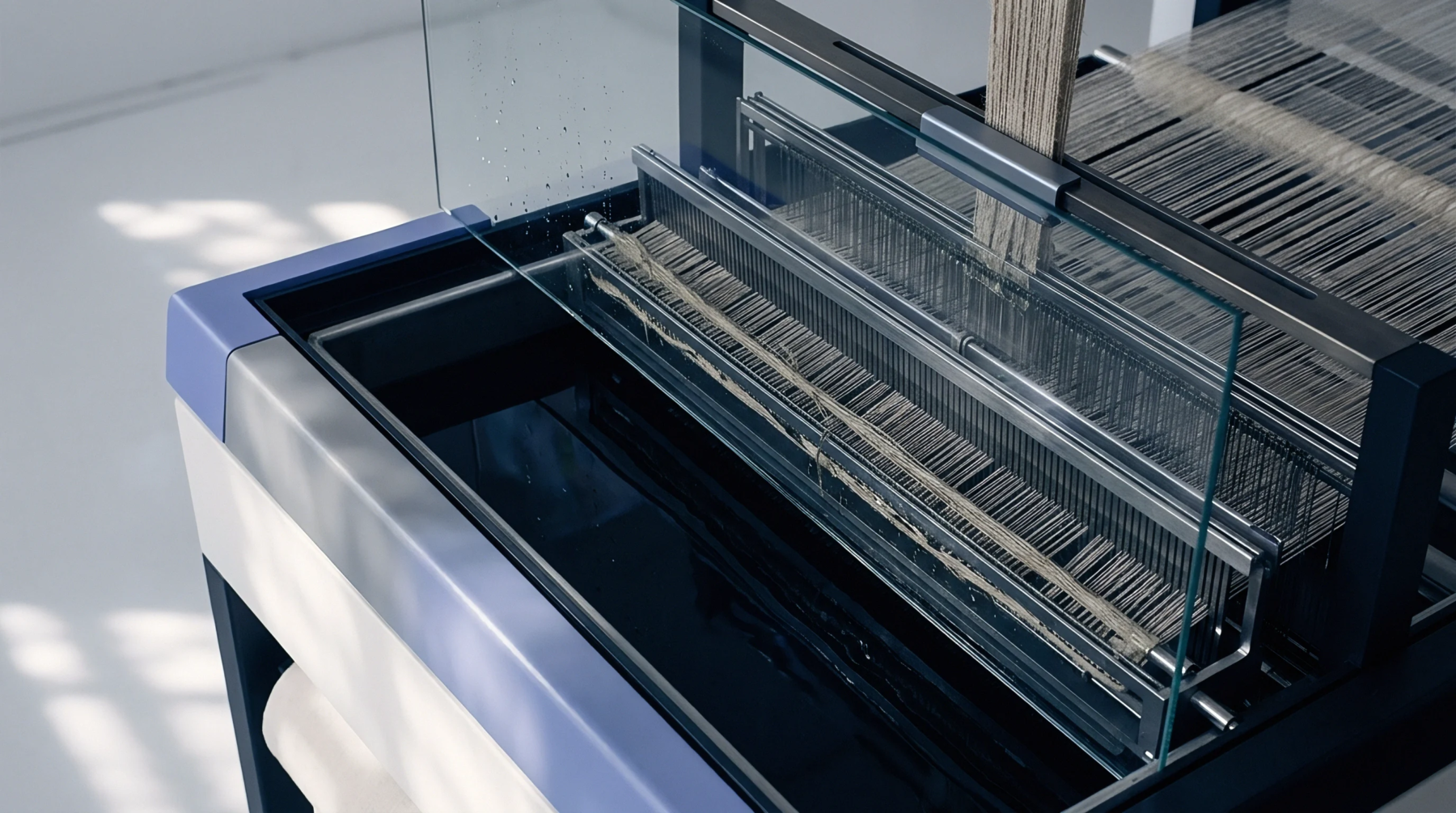
Optimize high-density linen warping via low-drag ceramic creels, 7-degree drum cones, 10% PVA-starch add-on, and 8-tier splitting to keep loom stops below 1.5.
Differentiating line from tow flax in ambiguous quotes requires verifying staple length over 500 mm, shive below 3%, and hackling yields above 50% by contract.
Expertise is a utility, not a secret. sentiention™ publishes its working knowledge as open reference: intelligence layer covering the materials it sources, the markets it enters, and the reference that serves both.