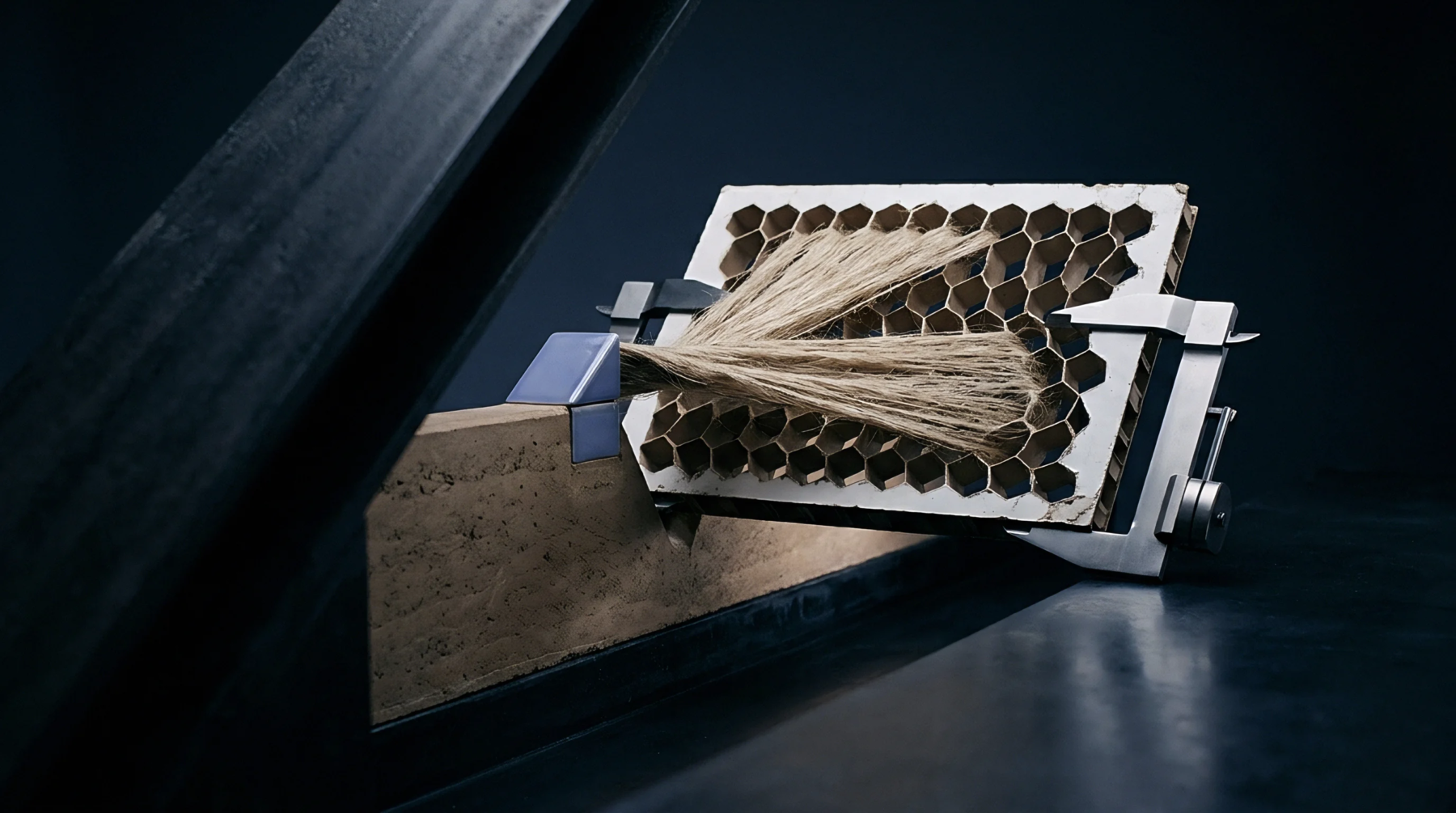
Tensile Measurement
Mechanical testing determines the peak force required to fracture a single strand of flax or other natural fibre during the spinning phase. The iso 2062 yarn strength protocol establishes the constant rate of extension necessary to verify load capacity and elongation before mass production. Flax mills apply this method to raw yarn batches to ensure technical uniformity across diverse spinning frames.
Processing Protocol
Technicians utilize a tensile tester equipped with pneumatic grips to prevent slippage of slippery natural fibres during the application of force. A specimen receives a gauge length setting based on the standard requirement and undergoes continuous loading until the point of rupture occurs. This mechanism captures the maximum force registered in centinewtons or grams before total failure of the structure.
Calibration of the machine happens at each shift change to prevent drift in the collected data.
Acceptance Boundary
Quality managers compare recorded break values against internal mill specifications or contract requirements provided by the final buyer. Woven cloth integrity relies upon this quantitative baseline to predict how individual strands behave under mechanical stress in the loom. A batch failing to meet the minimum threshold requires isolation and potential reprocessing in the drafting stage.
High variability within a single sample indicates inconsistent fibre preparation or moisture levels in the spinning environment. Stable test results confirm that the material meets the structural requirements for high tension textile applications.