
Calculating Unabsorbed Overhead Rates from Friction Induced Loom Stoppages
Unabsorbed overhead rates calculate unrecovered fixed plant expenses by multiplying idle machine hours from friction warp stops by the predetermined hourly rate.
Unabsorbed overhead rates calculate unrecovered fixed plant expenses by multiplying idle machine hours from friction warp stops by the predetermined hourly rate.
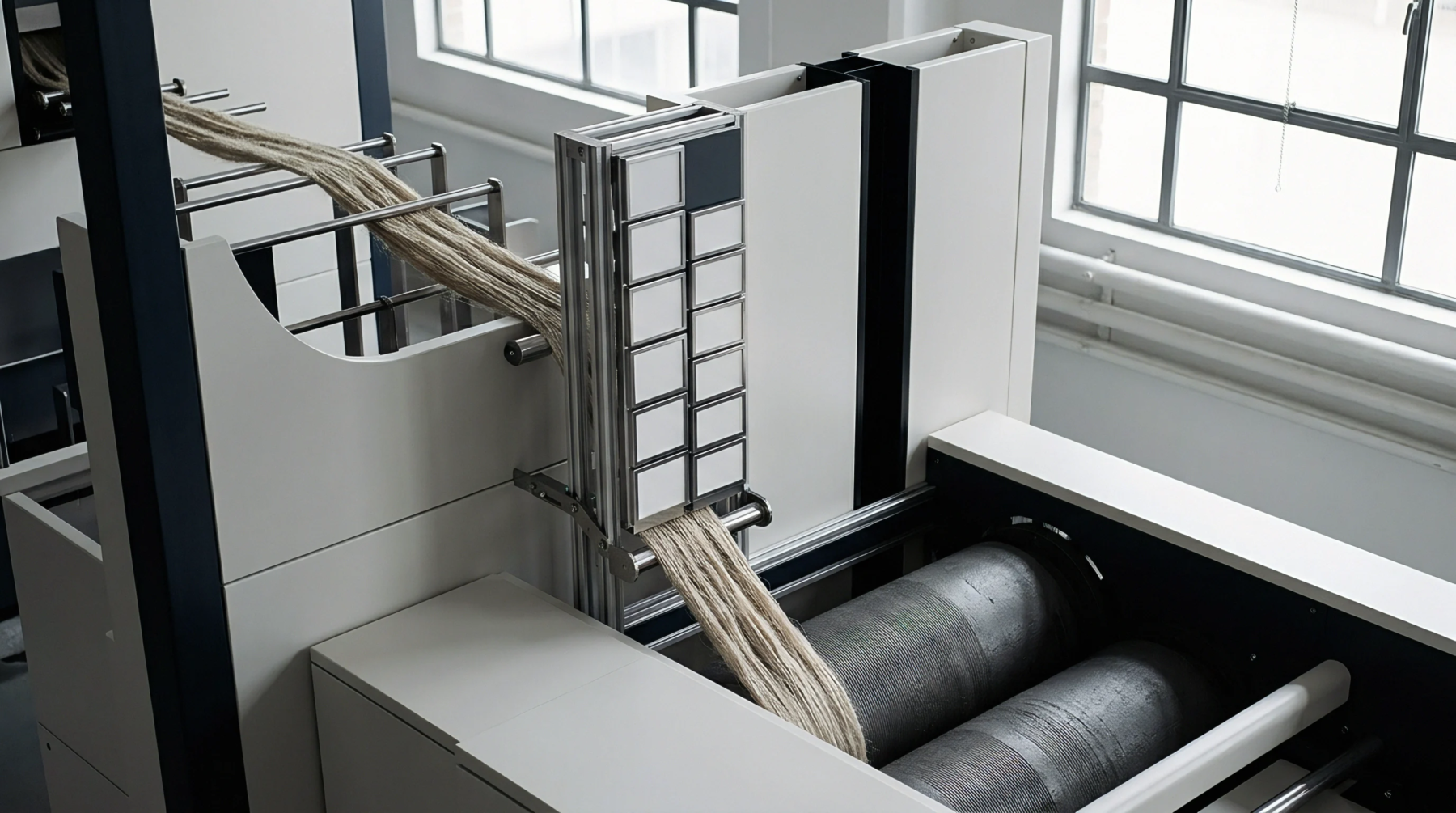
Stabilizing wet-spinning troughs at 60 to 63°C plasticizes flax middle lamella pectins, suppressing drafting force spikes and yarn mass CV drift.

Core sizing penetration ratios exceeding 0.65 anchor bast microfibrils, cutting humidity warp fatigue stops by sixty percent on high-speed rapier looms.

Optimizing sizing chemistry for wet spun flax requires modified starch and polyvinyl alcohol blends targeting eight percent add-on to bind brittle surface fibrils.

Standard hackled flax linear density multiplies bone-dry sliver mass by 1.12 to enforce the twelve percent statutory moisture regain baseline per meter.

Linen finished GSM equals unsized greige GSM multiplied by mass retention yield and divided by combined longitudinal and transverse area contraction factors.

Hackled flax sliver mass determination combines exact cut-length gravimetric sampling with oven-dry correction to verify linear density and commercial invoice mass.

Enzyme retting degrades middle lamella pectin to enable longitudinal bundle splitting, but requires matched pin velocities to prevent transverse fibre rupture.

Enzymatic scouring weakens flax middle lamellae using pectate lyase, splitting bundle diameters from 80 to 25 micrometers to enable fine wet-spun yarns

Carbazole colorimetry isolates anhydrogalacturonic acid in hackled flax slivers to control residual middle lamella pectin between 1.10 and 1.45 percent.

Controlled thermal and solvent extraction reduces flax bundle fineness below 9 dtex, raising the wet spinning limit to Nm 42 while avoiding fibre degradation.

Scutched flax hackling requires progressive pin densities up to 20 pins/cm to maximize sliver tenacity without increasing tow loss or cutting fiber length.
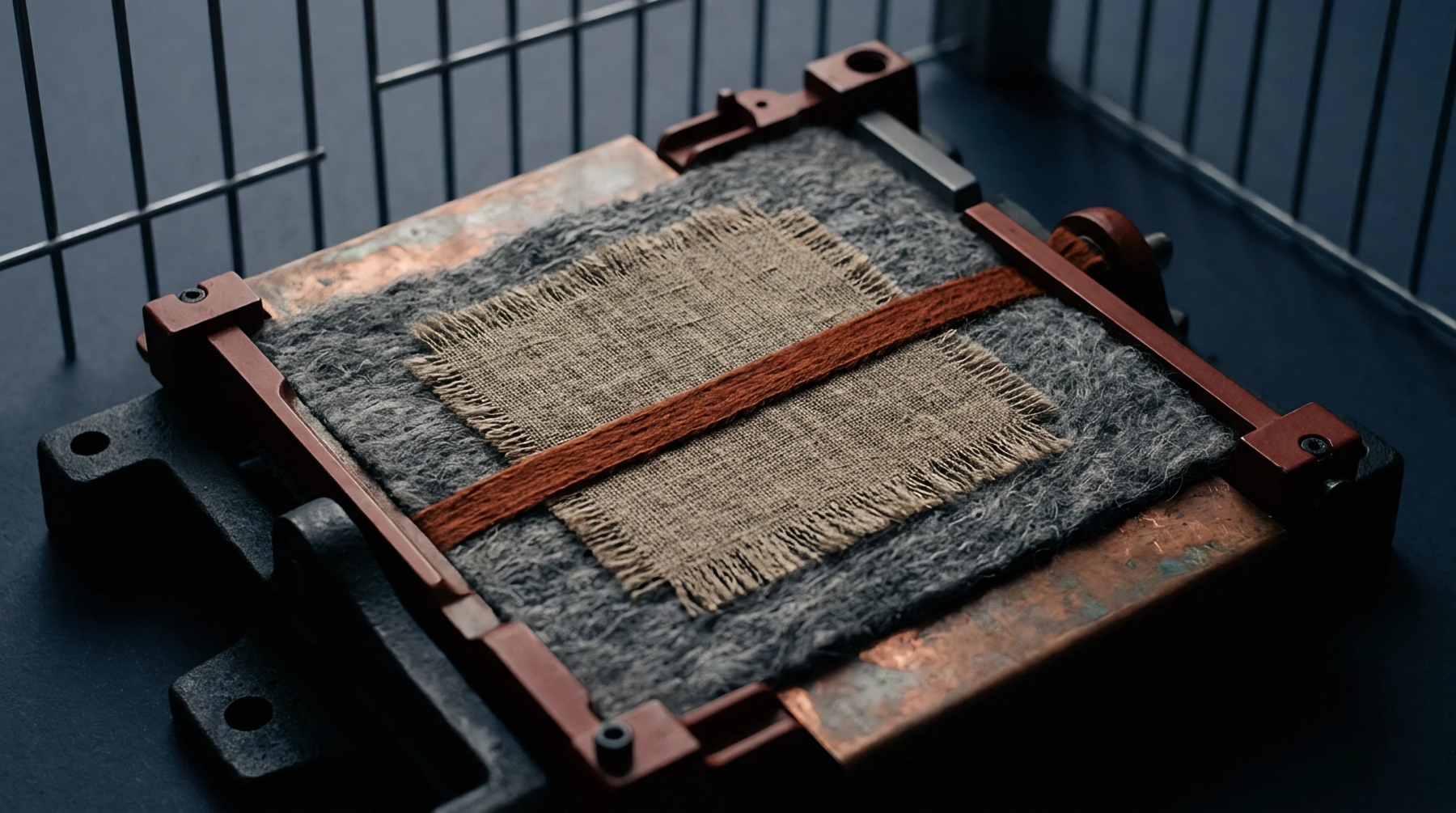
Airflow fineness testing measures bast bundle specific surface area through pneumatic resistance, linking retting quality directly to spinnable wet-spun counts.

European Flax origin claims require batch-level transaction certificates matching mill mass-balance yields across line hackling and wet spinning stages.

Calculate critical twist factors in high count wet spinning by balancing metric alpha values between seventy and eighty-five against trough pectin extraction.
Optical bundle sizing defines the maximum draft ratio and ratch setting in wet flax spinning by quantifying pectin division before immersion.

Cyclic tension peaks during dobby shedding induce progressive pectin node fracture in wet spun flax warps causing localized end breaks at low total strain.

Optimizing wet spun linen warp single end strength demands tight roving bath hydrolysis, low-temperature autoclaving, and flexible modified starch sizing.
Verify certified flax wet spinning yields by measuring dry mass balances across hackling, autoclave scouring, and trough flumes to catch volume inflation.

Controlled pectate lyase hydrolysis splits coarse flax bundles to 25 micrometres, raising wet-spun limits to Nm 60 while keeping hackling waste below 18 percent.

Calibrating flax hackling requires balancing pin density against bundle retting depth, directly fixing spinnable line yield and finished metre costs.

Auditing overseas linen spinning ledgers demands reconciling core bone-dry fiber weights against machine waste logs to eliminate phantom mass balance credits.

Controlled hot water soaking leaches middle lamella pectins so drafting roller shear divides technical bundles into elementary fibrils without fibre fracture.

Airflow fineness measurement on hackled flax converts pneumatic resistance to metric count, requiring retting-specific calibration to avoid spinning failures.
Expertise is a utility, not a secret. sentiention™ publishes its working knowledge as open reference: intelligence layer covering the materials it sources, the markets it enters, and the reference that serves both.