Effect of Trough Hydrolysis Parameters on Fine Linen Tensile Strength
Exceeding 70 degrees Celsius in wet spinning troughs hydrolyzes middle lamella pectin excessively, dropping Nm 60 linen single yarn tenacity below 15 cN/tex.
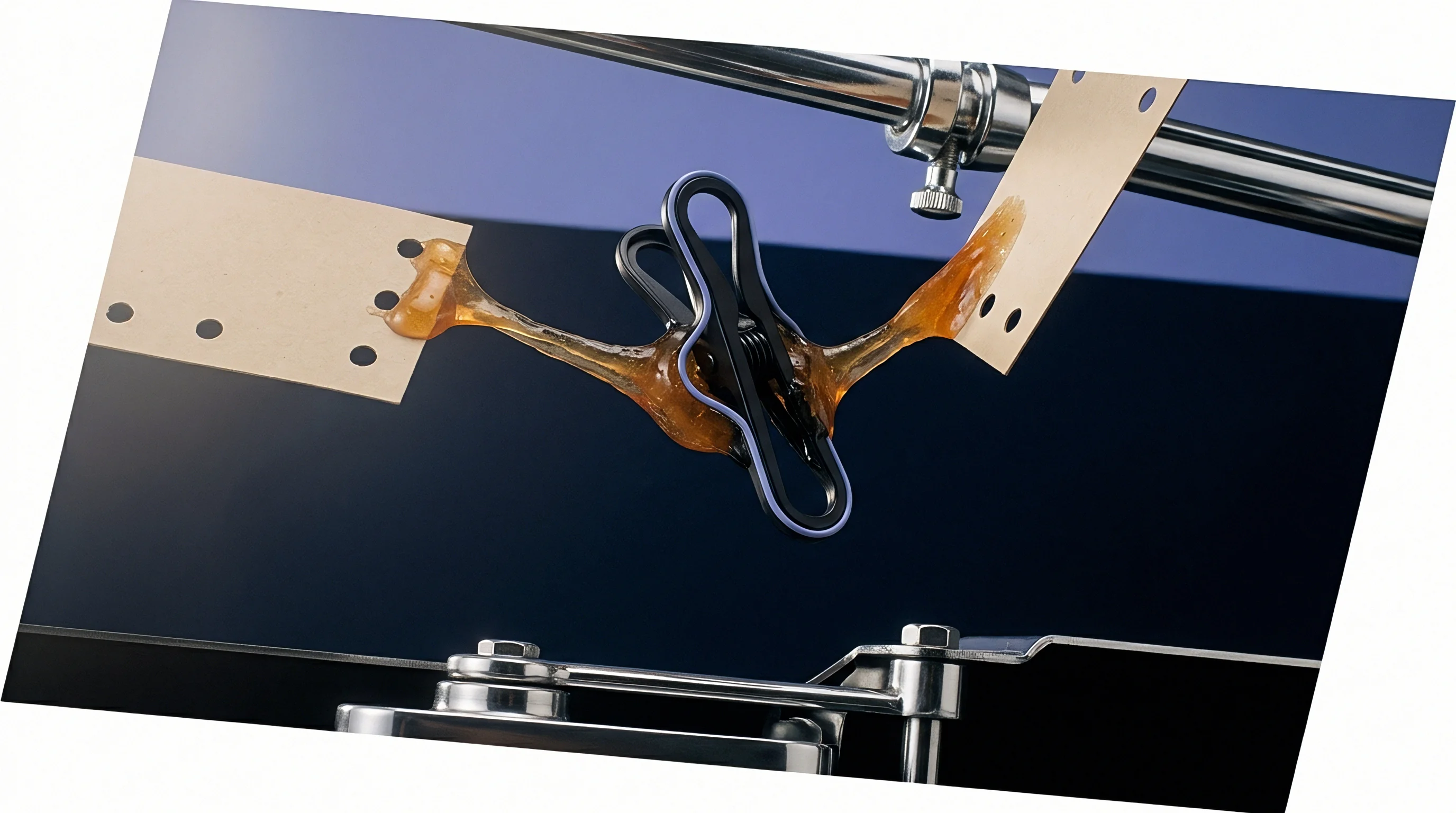
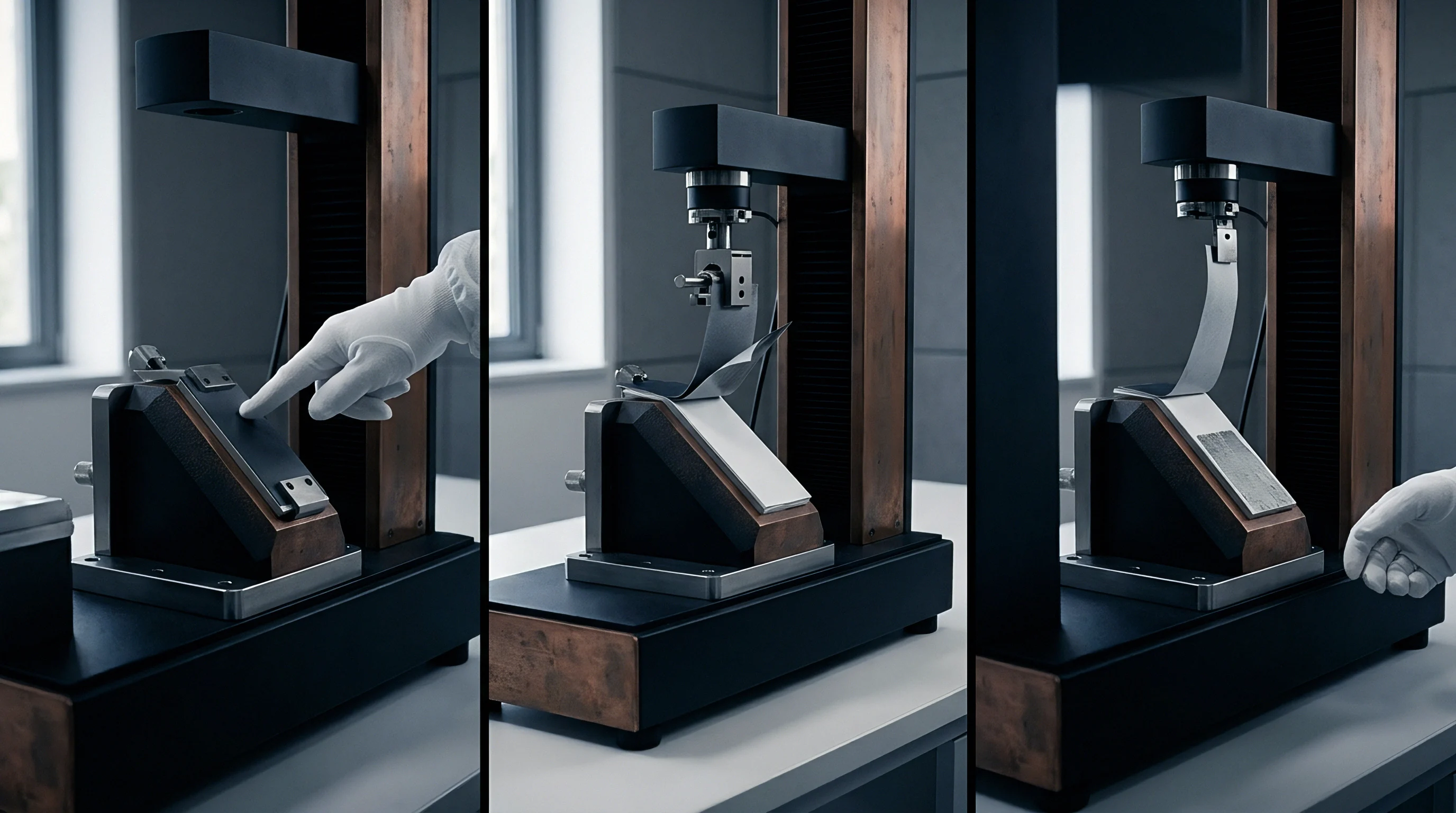
Trough
Hot water tanks on fine linen wet-spinning frames deliver the thermal and chemical energy necessary to weaken middle-lamella bonds in roving bundles. During high-count spinning, typically from Nm 60 (100 lea) up to Nm 120 (200 lea), twisted roving passes through an aqueous bath immediately before reaching the drafting rollers. Water temperature inside the immersion tank directly dictates the speed of binder dissolution; while cold water inhibits bundle slip, excessive heat causes uncontrolled loss of intercellular substance, leading to slippage of unattached fibers during drafting.
The fluid volume inside the bath must turn over constantly to maintain uniform thermal conditions across all spinning positions on a multi-spindle frame.
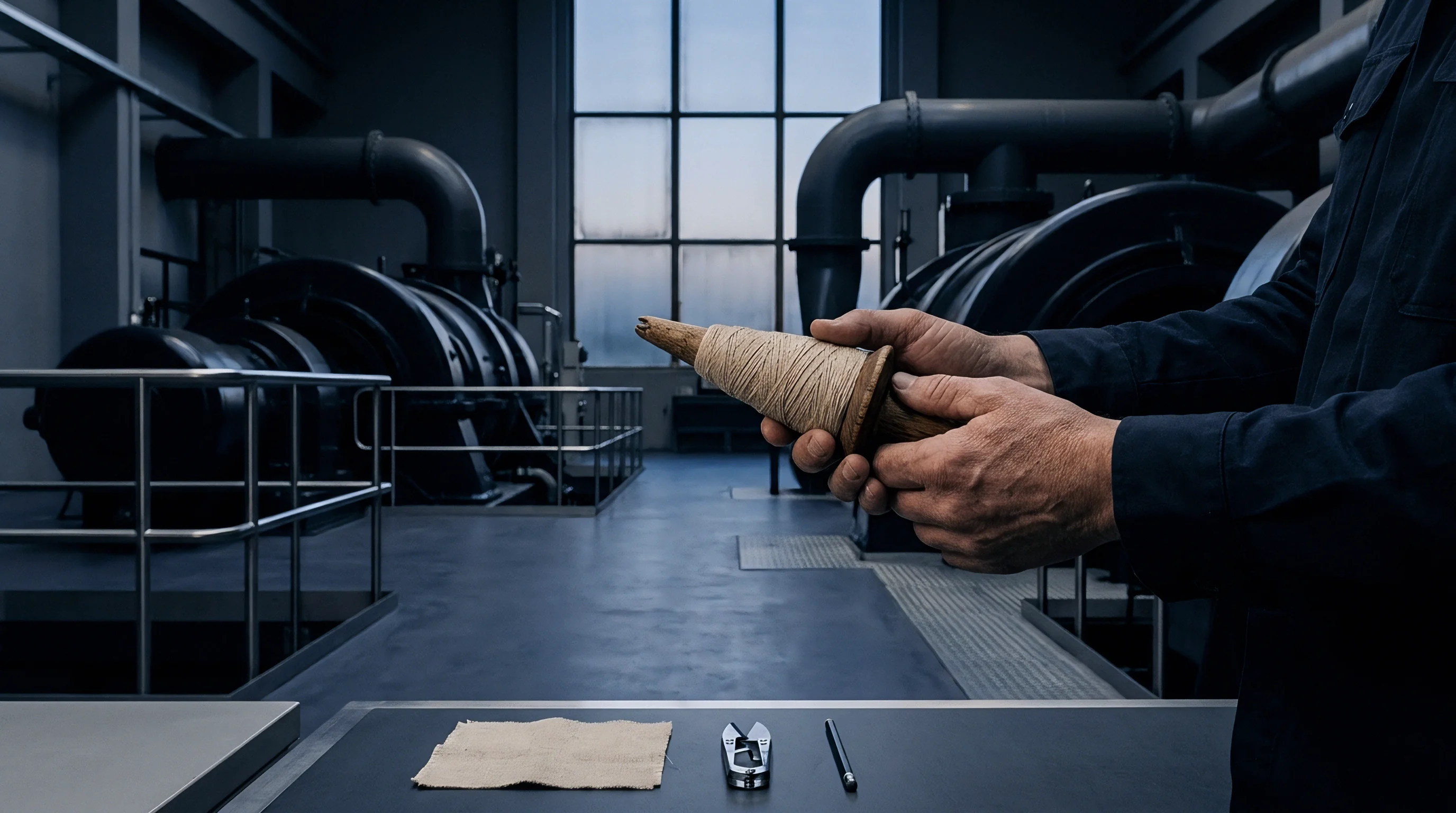
Fluid Dynamics and Thermal Profiles in Wet Spinning
Recirculation pumps drive fresh water through the heating chamber at three liters per minute to prevent localized cooling. Temperature gradients exceeding two degrees Celsius between the first and last spindle create measurable variations in yarn linear density. When the bath holds a constant 62 degrees Celsius, roving attenuation proceeds smoothly across the nip.
Dropping the bath temperature to 45 degrees Celsius increases mechanical resistance during drafting, causing high roller slip and frequent strand breaks.
Dwell time inside the liquid depends on frame delivery speed and total immersion length. Standard wet-spinning troughs establish an immersion path between 150 and 300 millimeters. At a frame speed running 18 meters per minute, roving remains submerged for approximately 1.2 seconds.
If delivery speeds slow down without a corresponding drop in bath temperature, prolonged submersion causes thermal over-treatment, where elementary fibers lose cohesive boundary layers before reaching the drafting rollers.
ISO 2062 testing confirms that uncalibrated thermal drift past 75 degrees Celsius triggers a 22 percent drop in breaking load.
Chemical composition of the water bath alters dissolution rates alongside thermal parameters. Stagnant bath water accumulates dissolved organic material, shifting fluid pH toward acidity over extended production runs and hydrolyzing cellulose. Softened water containing low concentrations of dissolved calcium ions accelerates pectin extraction, whereas hard water containing over 150 parts per million calcium stabilizes calcium pectate cross-links, retarding the attenuation process.
- Thermal Gradient Drift ~ Temperature variation across spindle positions causes uneven drafting forces, creating yarn count variation and strength fluctuations along the bobbin build.
- Fluid Stagnation Accumulation ~ Recirculation failures lead to organic acid accumulation, lowering bath pH and accelerating chemical attack on elementary cellulose chains.
- Immersion Path Shift ~ Incorrect roving guide positioning alters submersion length, resulting in under-softened bundles at high frame speeds.
- Hard Water Ion Interference ~ High calcium concentrations in municipal supply water prevent proper pectin solubilization, spiking drafting resistance.
Ignoring thermal calibration across multi-spindle banks leads to uncontrolled count variation, elevated spindle stoppage rates, and irreversible yarn strength losses that destroy warp viability during high-speed weaving.
Pectin
Intercellular middle lamella structures hold individual elementary flax fibers together into cohesive technical bundles throughout hackling and roving. This matrix consists primarily of polygalacturonic acid polymers, hemicellulose, and insoluble structural proteins. In raw line flax, pectin accounts for four to six percent of dry fiber mass.
High-count wet spinning relies on selective softening of this binder rather than complete removal. Uncontrolled hydrolysis strips the inter-fiber cement, causing elementary fibers to slide apart without collective frictional resistance when subjected to tensile loads.
Biochemical Breakdown of the Intercellular Matrix
Galacturonic acid polymers linked by divalent calcium ions form the rigid cement between cell walls. Heat and water act together to cleave ester bonds within the macromolecular network. When water bath temperatures rise above 70 degrees Celsius, water molecules break cross-linked calcium pectate complexes into soluble monomeric units.
This chemical alteration frees individual elementary flax fibers whose average length measures only 20 to 30 millimeters. Lacking structural overlap, these short fibers cannot sustain tension along the yarn axis.
Maintaining a neutral pH between 6.5 and 7.2 minimizes direct hydrolytic cleavage of primary cellulose chains. Alkaline additives such as sodium carbonate soften harsh fibers quickly but accelerate pectin extraction beyond safe thresholds. Water baths buffered to pH 8.0 remove up to 40 percent more binder material than neutral baths at identical temperatures, yielding weak, hairy yarns with low breaking tenacity.
| Bath Temperature (°C) | Water pH Level | Pectin Solubilization Rate (%) | Average Ultimate Fiber Length (mm) |
|---|---|---|---|
| 50 | 6.5 | 12.4 | 38.2 |
| 60 | 7.0 | 21.8 | 31.5 |
| 70 | 7.0 | 38.5 | 24.1 |
| 80 | 8.5 | 59.2 | 18.4 |
| Data obtained under ISO 2370 fiber testing procedures using long-staple line flax roving at Nm 60 equivalent weight. | |||
Calcium Pectate Dissolution and Ph Control
Divalent calcium ions act as molecular rivets within the pectin network. Chelating agents added to hard water bind calcium ions, converting water-insoluble calcium pectate into soluble sodium pectate. Controlled addition of sodium hexametaphosphate at 0.5 grams per liter assists in uniform bundle attenuation without degrading structural core polymers.
Faster frame speeds demand higher bath temperatures to maintain equivalent pectin softening across shortened immersion windows.
Accumulation of hydrolytic byproducts creates a dark scum on the water surface that deposits back onto drawn strands. These localized chemical concentrations generate weak spots along the yarn length, lowering minimum single-strand breaking force during ISO 2062 tensile testing.
Whether enzymatic pretreatment of roving can completely substitute for thermal hydrolysis in high-count wet spinning without destabilizing yarn linear density remains an open question for mill technologists.

Nip
Drafting rollers grip the softened roving bundle to draw individual elementary fibers past each other at high speed ratios. The front roller drafting zone applies intense mechanical shear to the thermally treated strand. Proper pectin softening allows elementary fibers to slide smoothly within the bundle without breaking.
If the binder remains rigid due to low trough temperatures, drafting forces exceed fiber strength, causing widespread fiber fragmentation at the pressing roller contact point.
Which Trough Temperature Preserves Fine Linen Single Yarn Strength?
Maintaining water bath thermal levels between 60 and 65 degrees Celsius delivers optimal pectin plasticity while retaining structural bundle integrity. Within this temperature window, drafting forces remain stable around 1.2 to 1.5 newtons for Nm 60 roving. Under these steady mechanical conditions, individual elementary fibers align parallel to the yarn axis, maximizing contact area and surface friction during twist insertion.
Exceeding 70 degrees Celsius causes premature bundle separation before the strand reaches the drafting nip. Loose, unaligned fibers pass through the rollers as disconnected clusters rather than a continuous ribbon. This irregular movement creates thick and thin places along the spun single yarn, lowering both mean breaking tenacity and elongation at break.
Roller Pressure and Shear Force Dynamics
Clamping force applied by synthetic rubber top rollers must match the softened state of the incoming roving. Roller hardness set at 80 to 85 Shore A delivers uniform pressure across the drafting zone. Excess pressure on over-softened roving crushes wet fiber walls, initiating internal micro-cracks that reduce yarn strength under dynamic weaving loads.
- Measure water bath inflow temperature at three sensor locations using a calibrated immersion thermometer.
- Verify roller nip load settings using a hydraulic load gauge across front drafting pairs.
- Extract drawn roving specimens directly before the twist triangle to inspect ultimate fiber sliding efficiency.
- Check yarn tenacity on a single-strand tensile tester immediately after package doffing.
Running higher bath temperatures permits faster delivery speeds, but laboratory tensile reports demonstrate severe tenacity loss in the resulting package.
Tenacity
Single-strand breaking force measured in centinewtons per tex provides the primary benchmark for fine linen spinning performance. High-quality wet-spun fine linen yarn targets a minimum tenacity of 18.0 cN/tex for Nm 60 counts and 15.0 cN/tex for Nm 100 counts. Trough parameters directly govern whether spun yarns meet these mechanical standards.
Over-hydrolyzed yarns exhibit low tenacity paired with high hairiness and low elastic recovery.
Tensile Behavior and Ultimate Fiber Length Distribution
Elementary flax cells extracted from line hackled flax present mean individual lengths ranging between 20 and 35 millimeters. Yarn strength arises from inter-fiber friction generated when inserted twist compresses these overlapping elementary cells together. Severe hydrolysis reduces effective fiber length by stripping away middle lamella contact points, leaving shortened bundles that offer minimal resistance to pull-out forces.
Testing single yarns according to ISO 2062 standard specifications highlights the structural impact of trough temperature variation. Yarns spun through a 62 degree Celsius bath show clean tensile stress-strain curves with high initial modulus and sharp fracture points. Raising bath temperature to 78 degrees Celsius reduces tenacity by up to 30 percent while doubling the coefficient of variation for breaking strength.
| Yarn Count (Nm) | Trough Temp (°C) | Dwell Time (s) | Tenacity (cN/tex) | Lea Product / CSP |
|---|---|---|---|---|
| 60 | 55 | 1.5 | 16.2 | 1850 |
| 60 | 62 | 1.2 | 19.1 | 2150 |
| 60 | 75 | 1.2 | 14.8 | 1620 |
| 80 | 62 | 1.0 | 16.8 | 1980 |
| 80 | 78 | 1.0 | 11.5 | 1340 |
Lea Strength Product and Single Strand Failure Modes
Skein testing measured via Lea Count Strength Product (CSP) reflects cumulative yarn performance across 120-yard skeins. High temperature trough settings cause wide strength scatters across individual yarn segments, lowering total CSP values. When tenacity drops past critical limits, dynamic tension during bobbin winding causes frequent end breaks, increasing yarn splice counts and lowering mill efficiency.
At 65 degrees Celsius with a 12-second dwell, wet-spun Nm 60 line flax yarn maintains a tenacity of 18.5 cN/tex across standard package builds.
Microscopic analysis of yarn fracture ends reveals distinct failure mechanisms. Yarns spun under optimal trough parameters fail due to cell wall rupture of elementary fibers. Yarns subjected to excessive trough temperature fail through fiber slippage, showing intact, un-ruptured fiber tips pulled clean out of the binder matrix.
When single yarn tensile testing reveals low breaking force alongside clean, unfrayed fiber tips at the fracture zone, the water bath temperature was set too high.
Audit
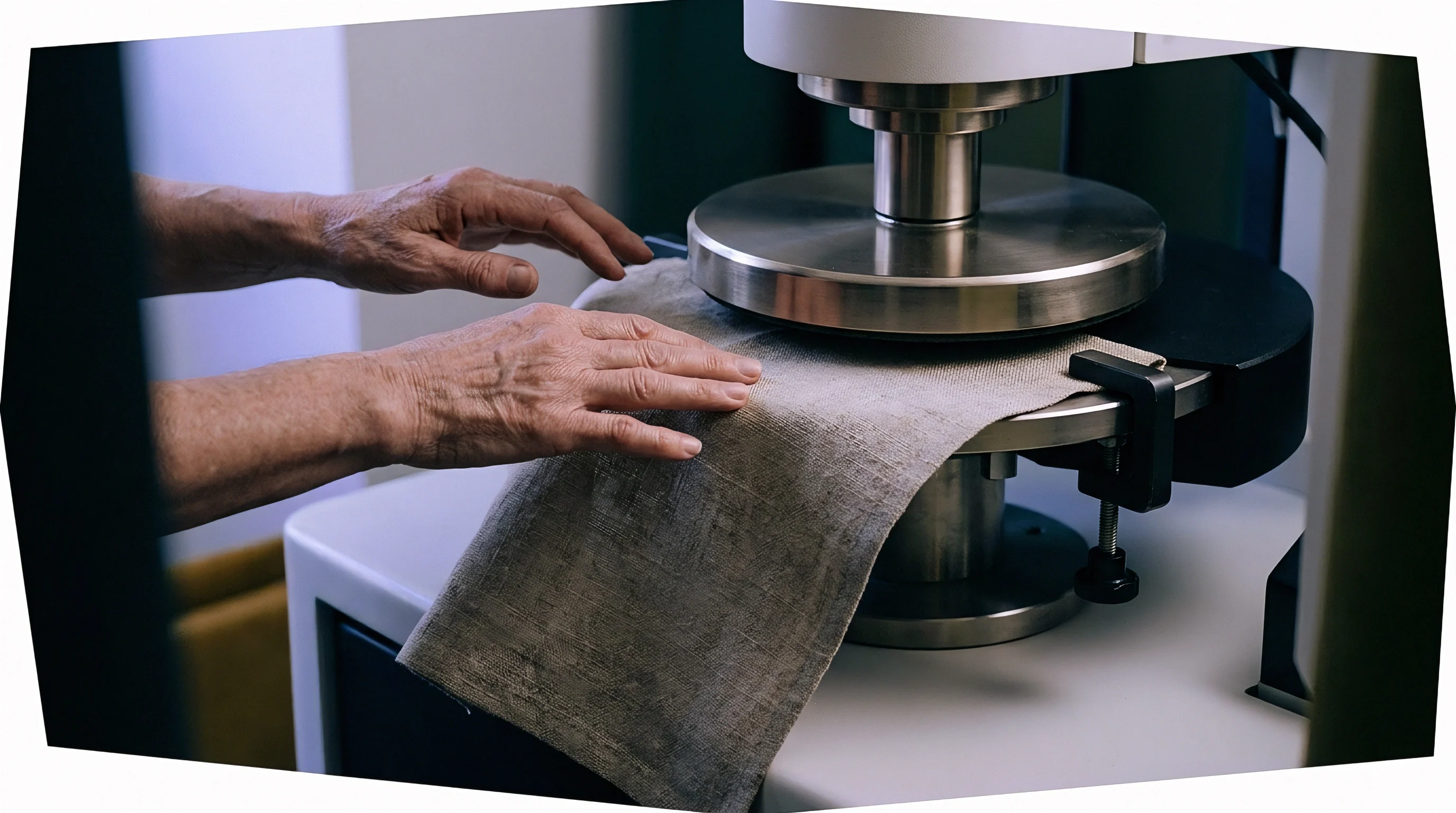
Quality verification programs for fine linen yarn require systematic measurement of water chemistry, thermal gradients, and tensile metrics at every shift change. Standardizing trough parameter monitoring prevents batch-to-batch variation across multi-spindle spinning bays. Automated thermal sensors mounted directly inside the immersion tank provide real-time feedback to heating control valves.
Manual temperature checks using liquid-in-glass thermometers confirm calibration accuracy every 24 hours.
Mill Floor Monitoring and Process Verification
Technologists check water bath pH every two hours using digital probes calibrated against standard buffer solutions. Fresh water injection rates must match evaporation and drag-out losses to prevent accumulation of dissolved pectin residues. Water exchange schedules mandate a total bath clean-out every 48 operating hours to remove organic sludge and settled shive particles.
Sampling plans for yarn qualification enforce strict testing protocols before releasing spun lots to winding and weaving departments. Ten bobbins selected randomly from each spinning frame undergo single-strand tensile testing under standard conditioning of 20 degrees Celsius and 65 percent relative humidity according to ISO 139.
Excessive acid build-up inside stagnant water tanks degrades elementary cellulose chains before drafting begins.
- Tenacity Limit Breach ~ Reject lots where mean single yarn breaking strength falls below 16.5 cN/tex for Nm 60 count yarn.
- Tenacity CV Floor Failure ~ Flag spinning frames producing yarn tenacity coefficient of variation exceeding 12 percent across a 50-test sample.
- pH Deviation Range ~ Adjust fresh water inflow immediately if bath pH shifts outside the designated range of 6.5 to 7.2.
- Thermal Drift Cut-off ~ Stop spinning frames automatically if bath temperature strays more than 3 degrees Celsius from target set-points.
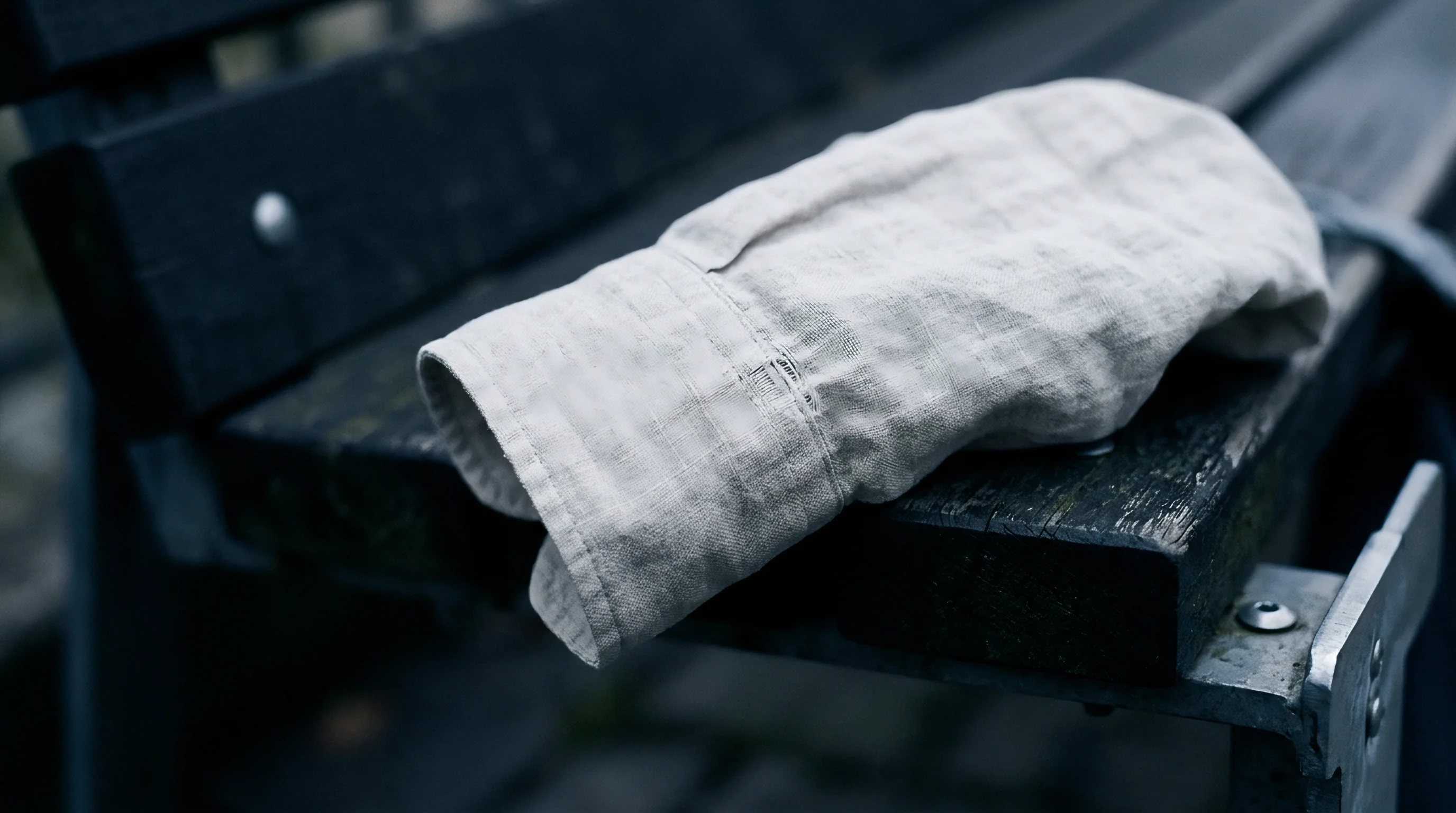
Incorporating ISO 2062 compliance clauses into raw yarn supply contracts allows buyers to reject shipments where mean tenacity falls below 16 cN/tex due to thermal over-hydrolysis during spinning.
Yield
Commercial profitability in fine linen weaving depends on balancing spinning frame throughput against the cost of end breaks and fabric rejects. Thermal trough parameters directly dictate this economic balance point. Operating wet-spinning frames at lower temperatures increases yarn tenacity and weaving efficiency but demands slower spinning speeds to prevent roving breakages in the drafting zone.
Higher temperatures permit faster framing speeds but risk crippling yarn tenacity and rising fabric rejection rates.
Economic Trade-Offs between Spinning Speed and Tensile Quality
Increasing frame delivery speed from 18 to 24 meters per minute reduces labor overhead per kilogram of spun yarn. To compensate for reduced dwell time at higher speeds, operators often raise water bath temperatures from 62 to 75 degrees Celsius. This parameter shift accelerates pectin dissolution, keeping drafting forces manageable at high production rates.
Consider a practical cost calculation for a mill producing Nm 60 fine linen yarn across a 1,000-kilogram production lot. Operating at 62 degrees Celsius and 18 meters per minute yields a yarn tenacity of 18.8 cN/tex with an end breakage rate of 15 breaks per 1,000 spindle-hours. Net spinning labor cost stands at 2.40 USD per kilogram, while fabric weaving efficiency reaches 94 percent, producing high-grade cloth priced at 8.50 USD per finished meter.
Landed Metre Cost Analysis for High-Count Fine Linen
Raising bath temperature to 75 degrees Celsius permits frame delivery speeds of 24 meters per minute, lowering direct spinning labor cost to 1.80 USD per kilogram. Tenacity drops to 14.2 cN/tex, while spinning end breaks rise to 48 breaks per 1,000 spindle-hours. Elevated hairiness and weak spots increase warp end breaks during weaving, driving fabric weaving efficiency down to 82 percent due to loom stoppages and repair marks.
Accounting for fabric defects, repair labor, and downgraded second-quality fabric, total landed manufacturing cost increases by 0.68 USD per finished meter under the high-temperature profile. Slower, thermally controlled spinning produces superior financial returns per delivered bolt of fabric.
Accounting for both spinning frame efficiency and downstream fabric defect allowances confirms that controlled bath temperatures produce lower net meter costs despite slightly slower delivery rates.