
Certified Fibre Surcharge Weighed against the Unprovable Claim Discount
Certified fibre surcharges protect legal compliance and landed margin stability, whereas unprovable claim discounts expose importers to severe customs liabilities.
Certified fibre surcharges protect legal compliance and landed margin stability, whereas unprovable claim discounts expose importers to severe customs liabilities.
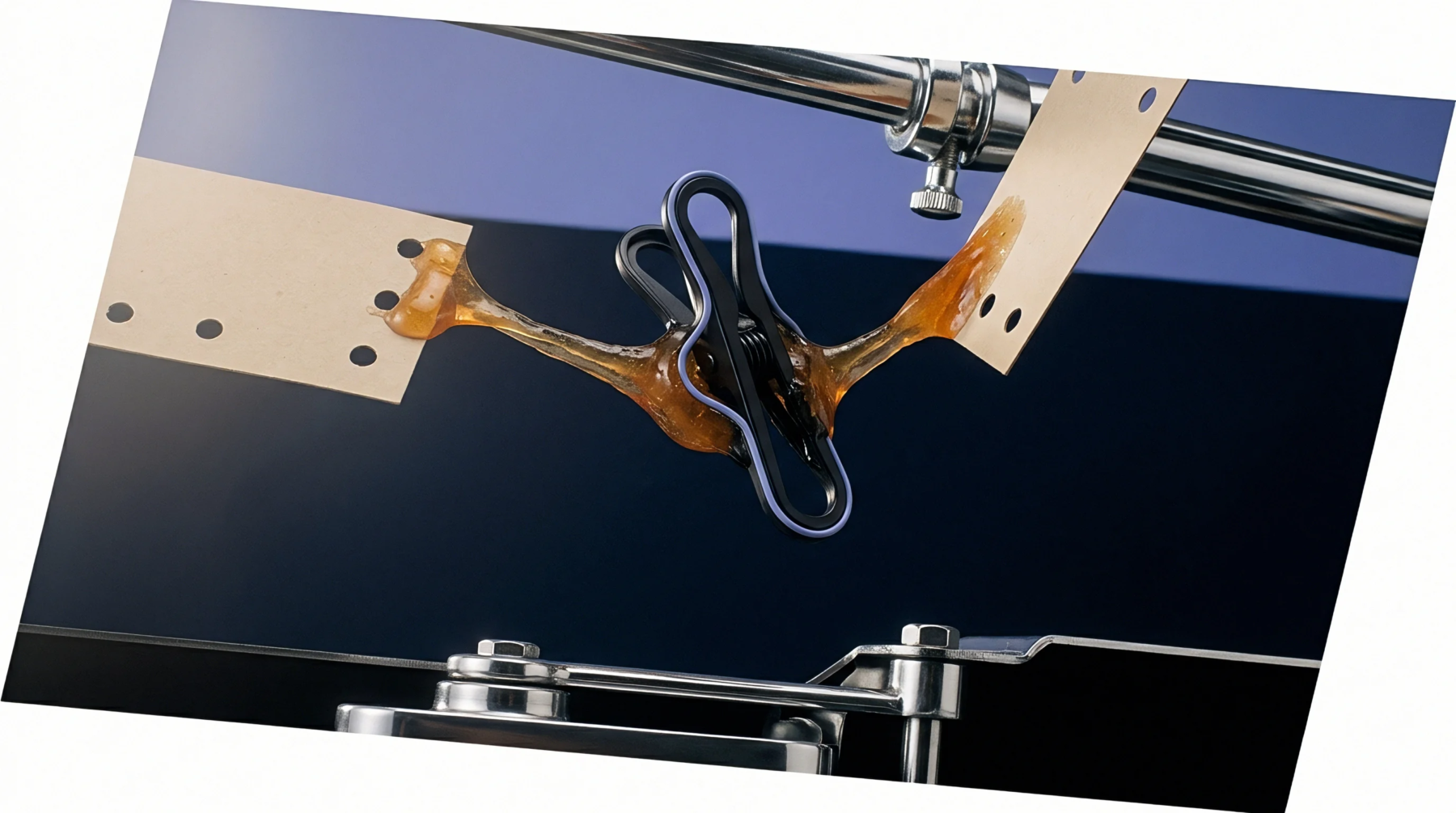
Microfibrillar realignment under shear dictates linen dimensional stability, demanding controlled loom tension and zero-tension wet relaxation to prevent skewing.

High warp tension on wet spun flax accelerates crystalline bundle micro-cracking, requiring controlled sizing regain and reduced shedding angles to maintain shed capacity.
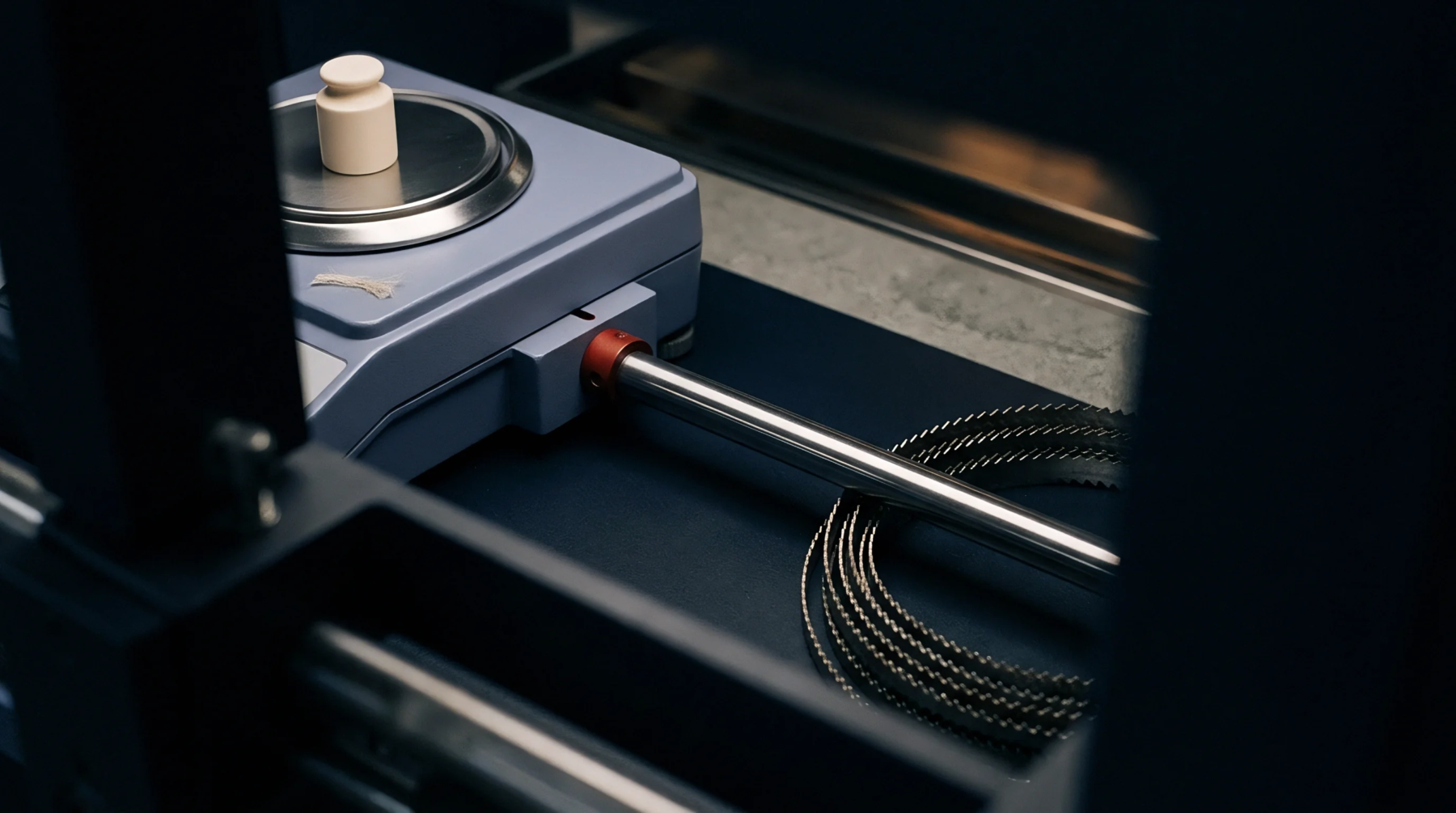
Conditioned middle-cut bundle weighing under ISO 2370 delivers precise flax line fibre linear density data for wet-spinning count calculations.

Standardized air permeability methods convert differential pressure across compressed flax plugs into specific surface area to predict spinnable yarn counts.

Unplanned linen warp breaks increase loom hour costs through weaver repair delays, reduced speed, and greige set marks that trigger four-point demerit downgrades.
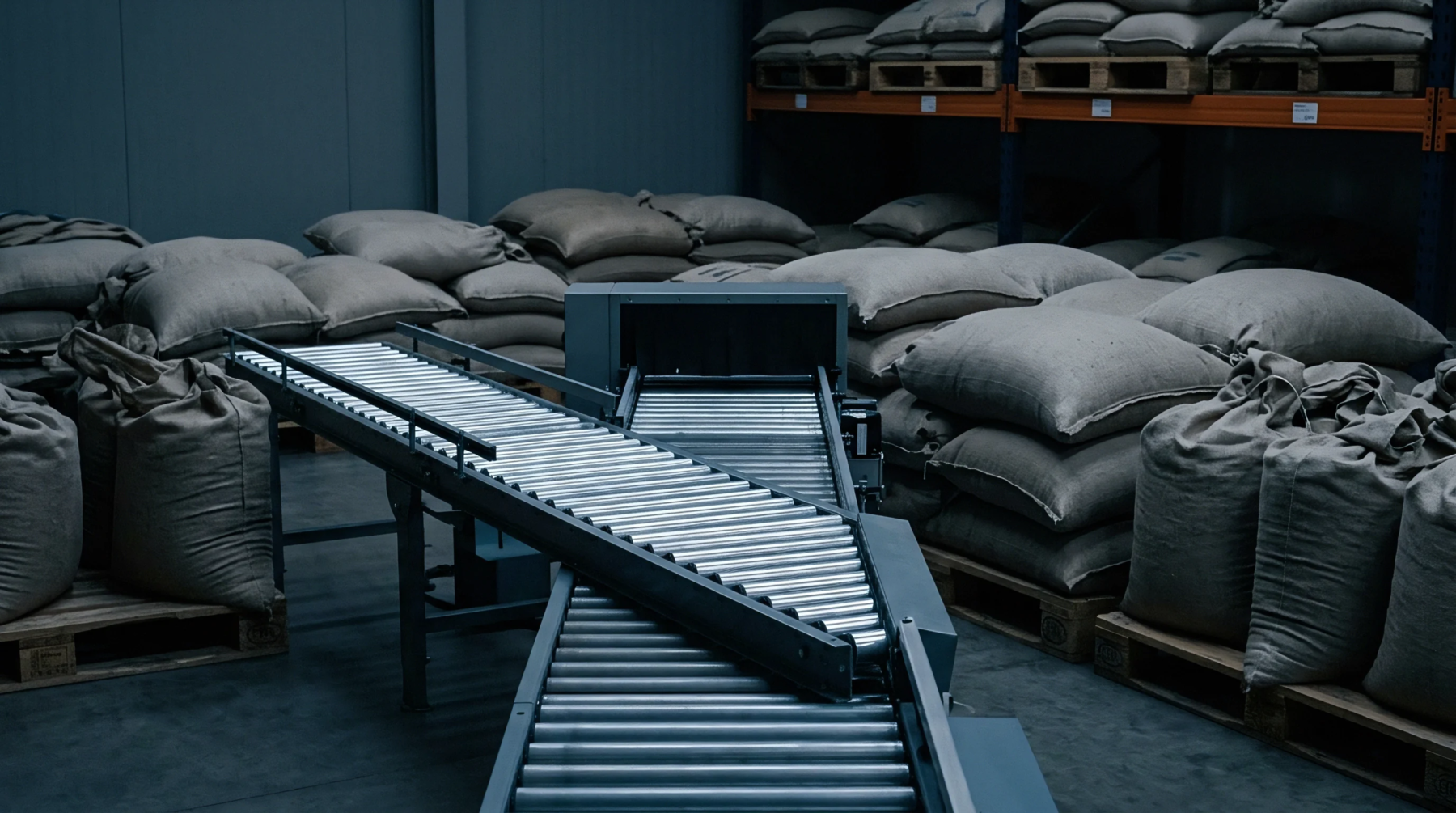
Linen yarn counts and cloth weight must be verified against dry fiber mass plus standard 12 percent moisture regain to eliminate costly moisture billing errors.

Evaluating scutched flax length distributions using comb arrays identifies short fiber fractions and predicts hackling line yield before spinning.
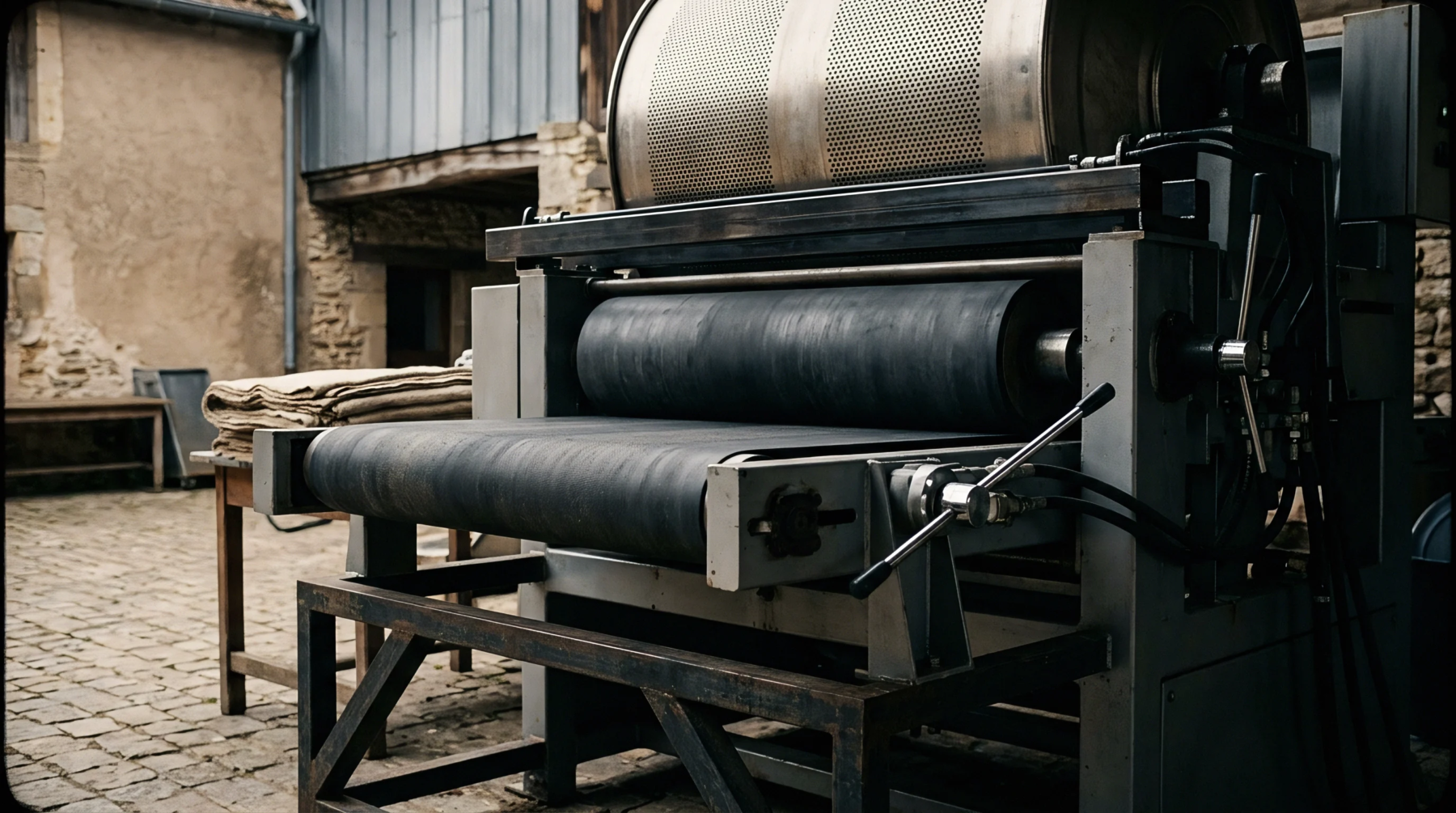
Controlled wet spinning trough hydrolysis selectively softens middle lamella pectin to optimize bundle division while retaining staple length for high tenacity.
Calculating real landed fabric cost requires dividing hourly loom shed rates by efficiency-adjusted yield and adding verified yarn loss, finishing shrinkage, and freight.

Engineering accurate linen fabric specifications requires coupling loom crimp take-up equations with wet process shrinkage factors to fix finished GSM and width.
Gravimetric flax fineness testing measures cut bundle mass to determine exact linear density in tex, fixing spinnable yarn count and trade valuation.

Optimal long line flax wet spinning recovery requires raw fiber Klason lignin held between 1.8 and 2.5 wt% to maximize hackling yield and prevent end breakage.
Specify long-staple line flax and wet spinning in purchase contracts to prevent spinners from substituting short tow fibre into ambiguous metric yarn orders.
Determine woven linen weight and thread density by converting yarn Lea to Tex, applying cover factor equations, and accounting for finishing shrinkage.
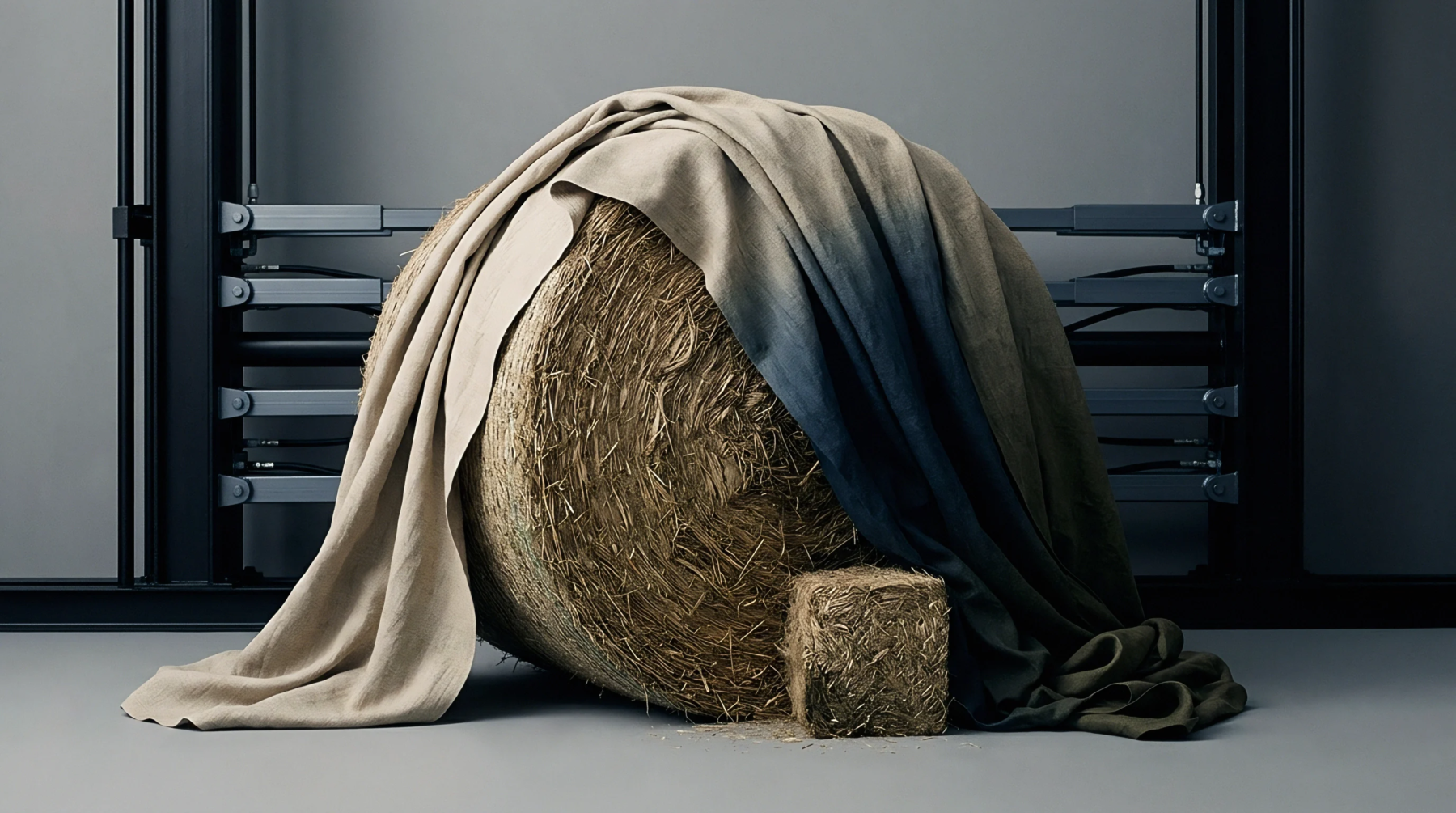
Landed linen metre cost depends primarily on hackling line yield, where each percentage loss in combed sliver inflates yarn preparation costs down the loom.

Verify conditioned skein count, capacitive CVm evenness, and cone hardness against ISO tolerances to stop defective flax yarn before freight release.

Flax fibre grading determines spinnable yarn count, where hackling yield and fibre fineness dictate wet-spinning efficiency and landed cost per metre.
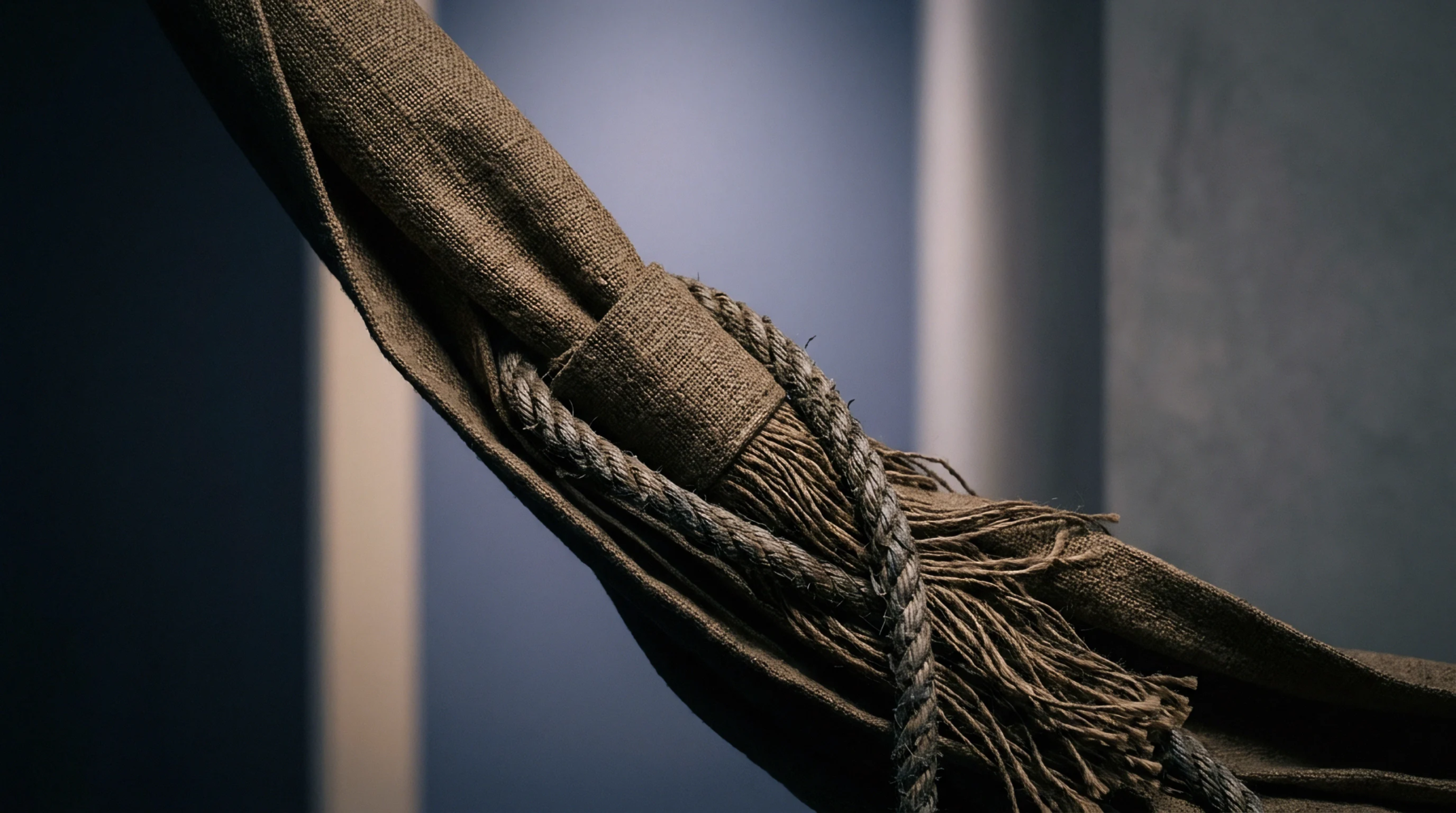
Air permeability testing measures specific surface area to derive bast fibre linear density, requiring precise moisture conditioning and shive removal.
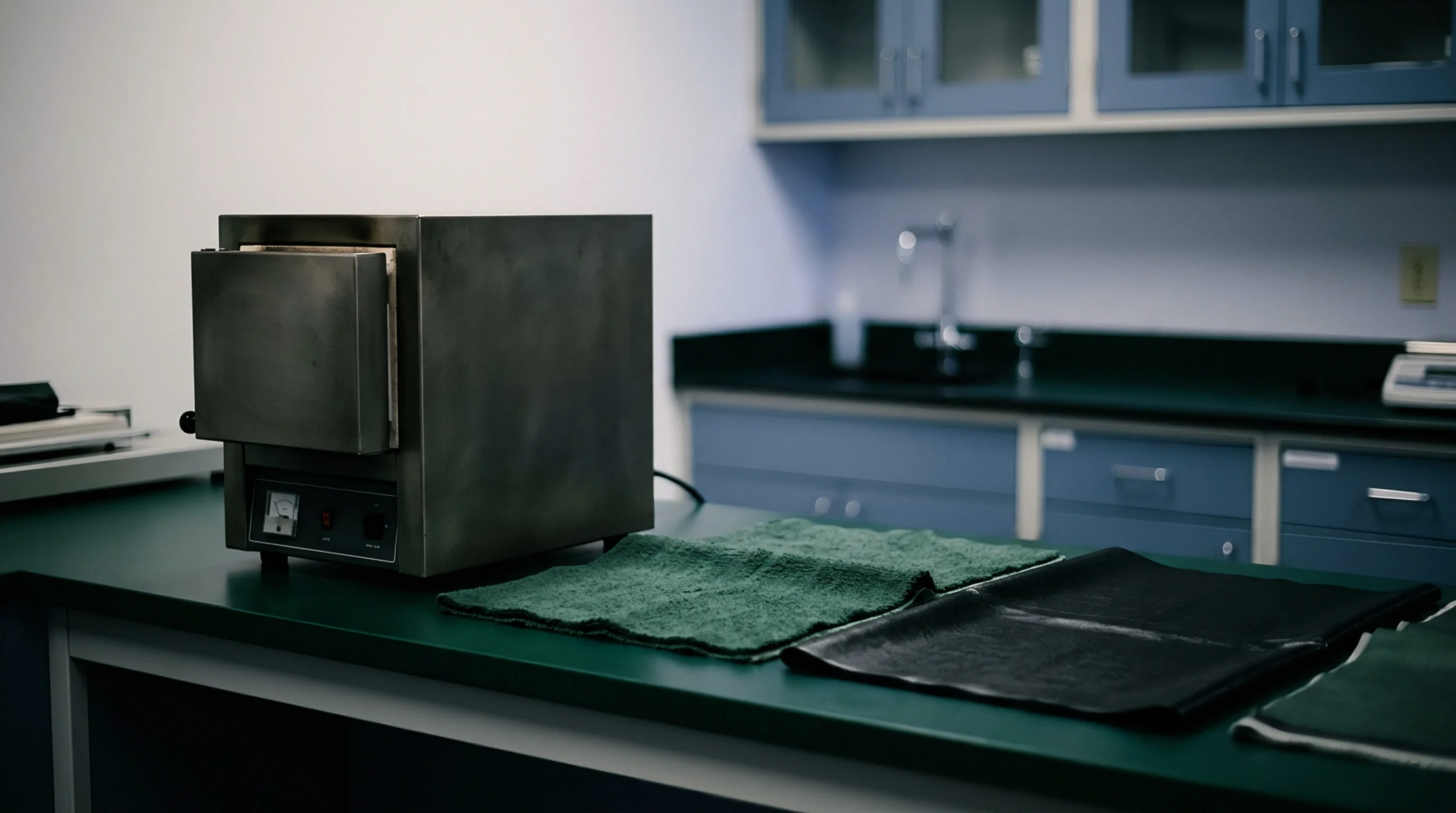
Airflow resistance converts to metric fibre count via specific surface area, establishing spinnable yarn count limits prior to spinning commitment.

Cut length flax gravimetric linear density variance triggers tiered commercial debits based on wet spinning draft limits and yarn count yield loss.
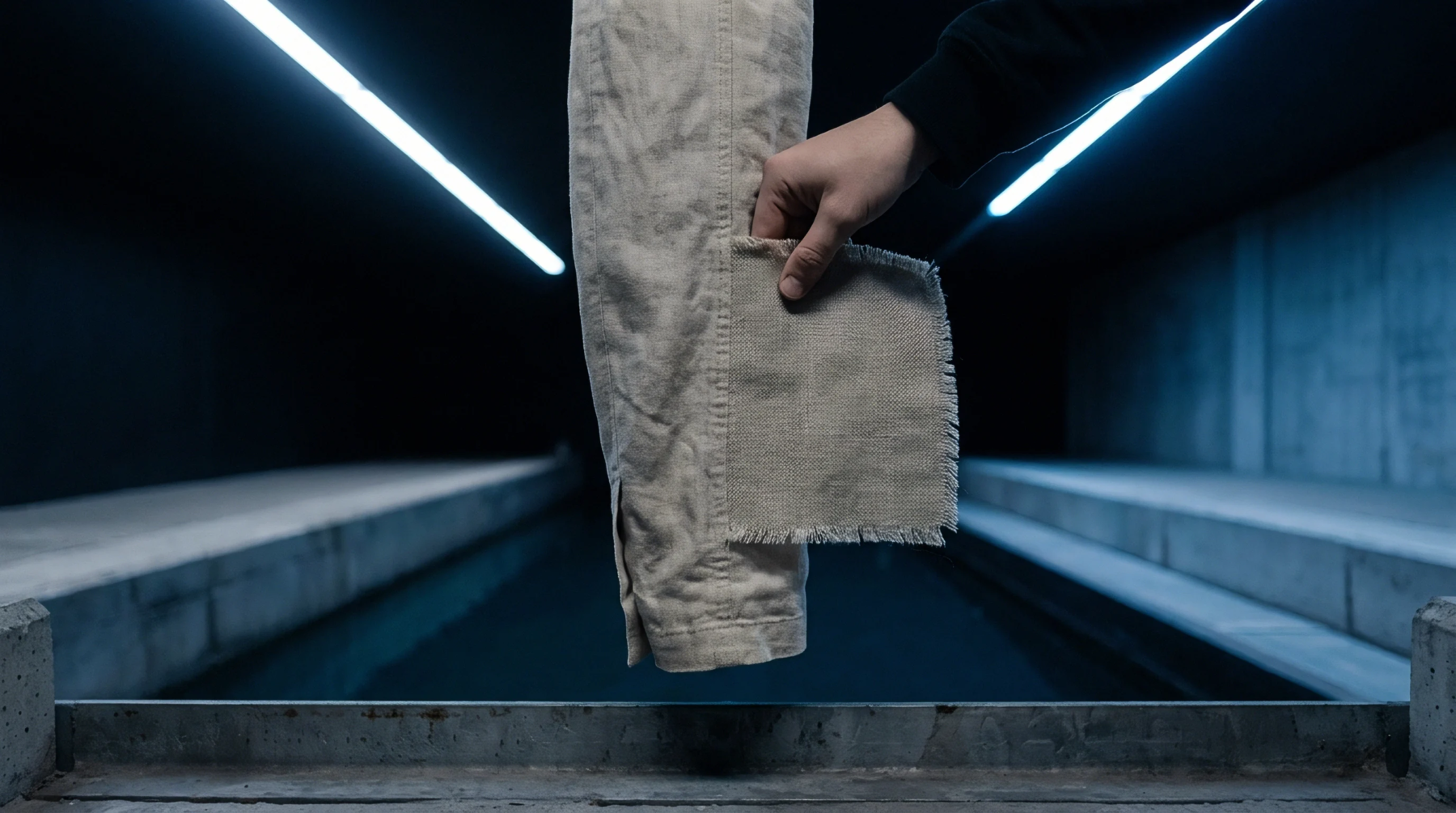
Flax moisture regain directly alters measured yarn count and fabric mass; accurate verification requires oven-drying to normalize weights against standard commercial regain allowances.

Manual bundle sectioning isolates true flax fibre linear density by cutting mid-strick segments for gravimetric tex determination prior to spinning.
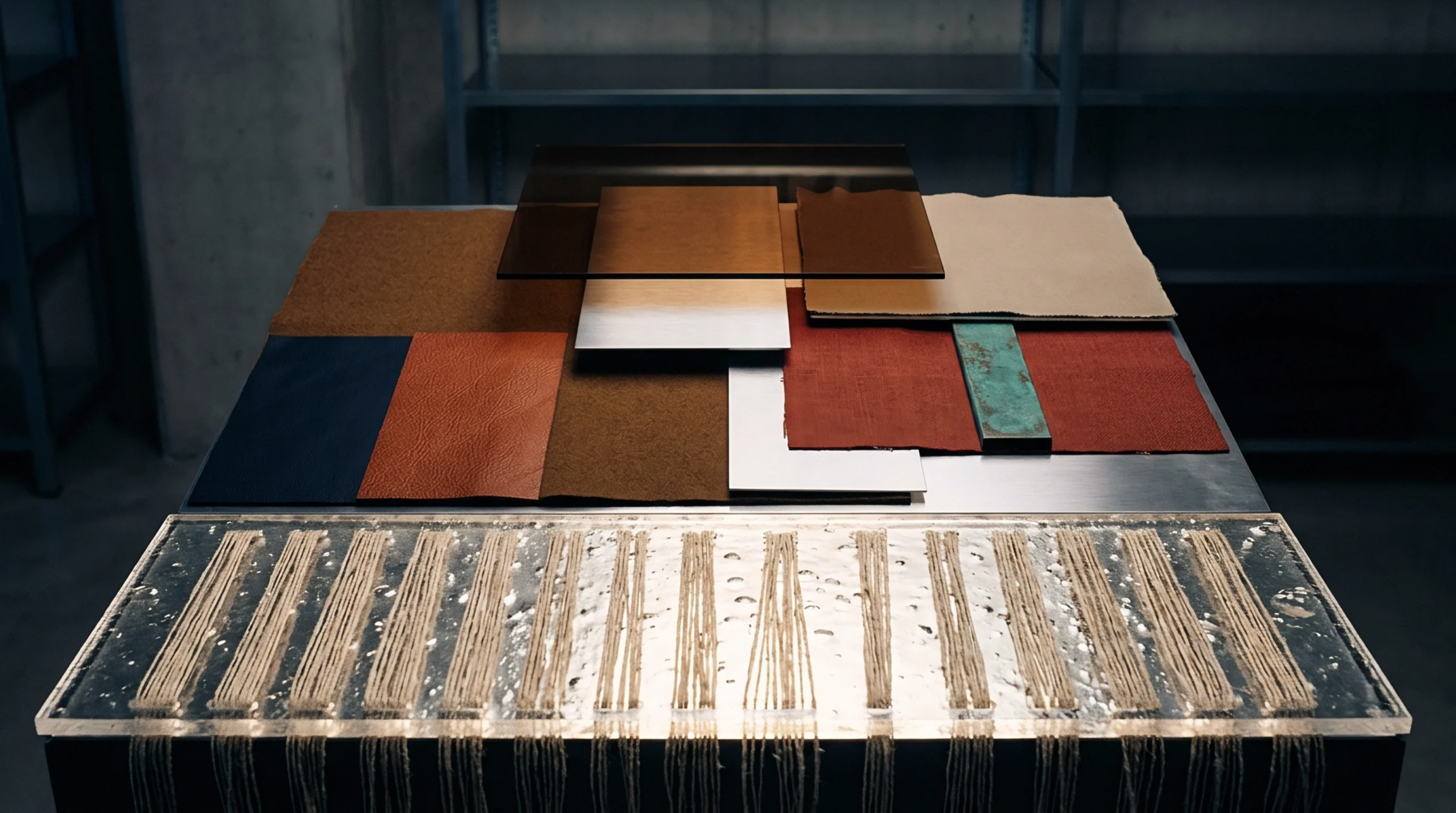
Wet-spun linen warps demand a minimum tenacity of 18.5 cN/tex with under 1.2% beaming stretch to maintain loom stop rates below 1.5 per 100,000 picks.

Optimizing air jet linen shedding requires asymmetric harness levelling at 26 millimetres to balance relay nozzle clearance with tension limits.

Standard moisture regain correction normalizes hackled flax linear density back to twelve percent regain, preventing draw frame drafting errors and financial overpayment.

Trough temperature at 68°C accelerates pectin dissolution, lowering drafting force to stabilize wet-spun linen yarn counts up to Nm 60.

Controlled pectin removal enables clean bundle cleavage, elevating metric fibre fineness above Nm 2000 while maintaining long line yield above 60 percent.
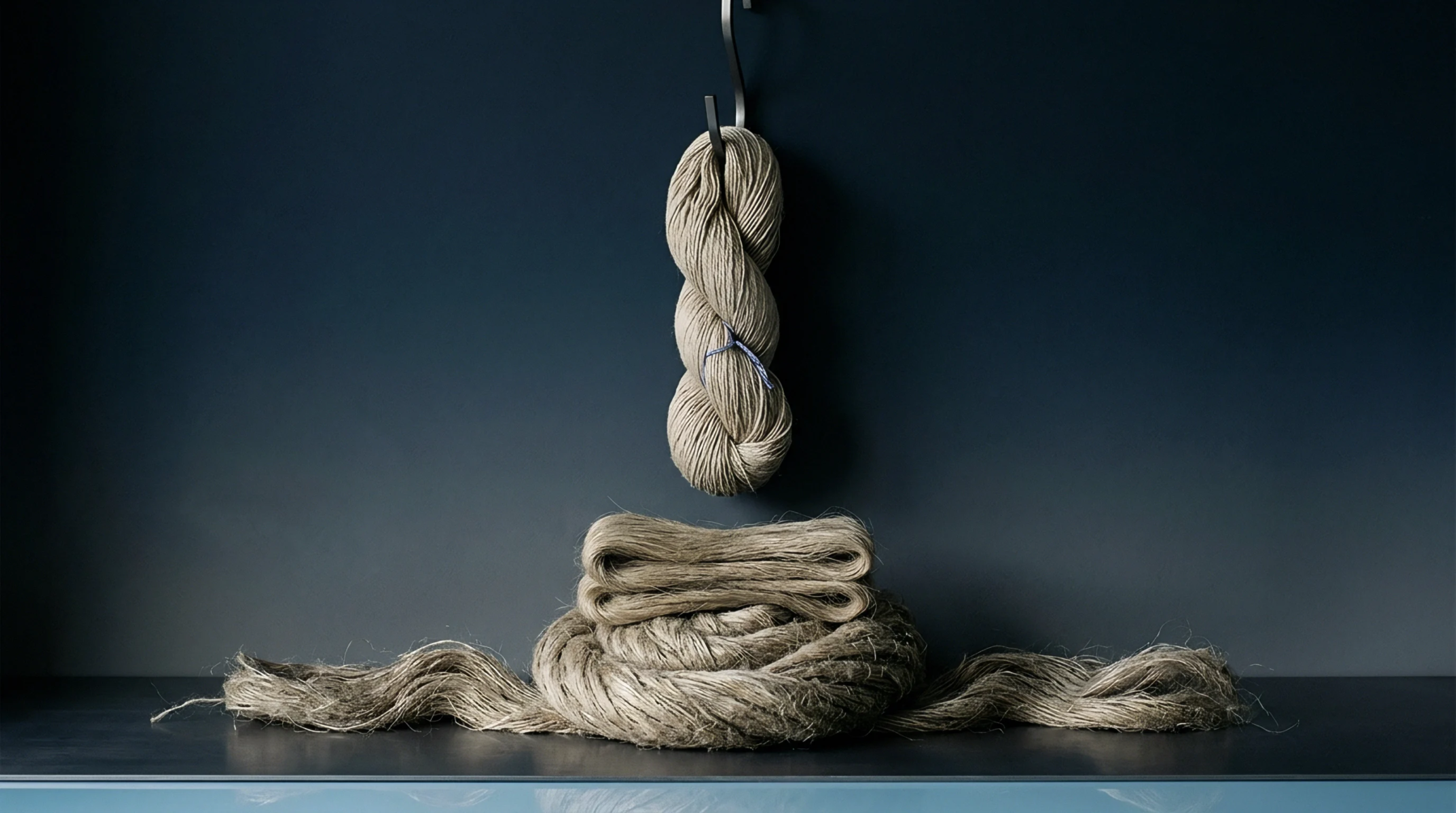
Fine wet-spun flax yarn tenacity depends on controlled pectin softening in the trough, allowing technical bundles to divide into fine elementary cells during draft.

Hot water trough temperatures between 68°C and 74°C plasticize middle lamella pectins, preventing microfibril rupture and securing fine yarn counts up to Nm 80.
Expertise is a utility, not a secret. sentiention™ publishes its working knowledge as open reference: intelligence layer covering the materials it sources, the markets it enters, and the reference that serves both.