Modeling Viscoelastic Attenuation and Hydrodynamic Drag Kinetics in Ultra-Fine Flax Wet Drafting Troughs
Heating wet drafting bath fluid to 68°C balances pectin relaxation with hydrodynamic drag, stabilizing Nm 80 flax drafting tension below 0.12 N.
Heating wet drafting bath fluid to 68°C balances pectin relaxation with hydrodynamic drag, stabilizing Nm 80 flax drafting tension below 0.12 N.
Maintain wet spinning bath at 62-66°C with 2.5 g/L pyrophosphate chelator to cleave middle lamella pectins, cut ends down, and maximize yarn tenacity.
Optimizing size film elasticity and asymmetric shed geometry on rapier loom conversions cuts warp stops below 0.5 per hour and lowers total metre cost.

Calibrating wet spinning trough temperature and pH prevents pectin-induced draft rupture, lowering fine yarn end breaks and securing target tenor tenacity.
Pneumatic yarn splices in linen warp must balance wrapper coil friction and splice diameter to prevent abrasive fatigue failure during high-speed loom shedding.
Alkaline scouring degrades flax yarn strength when cellulose degree of polymerization drops below 900, requiring strict intrinsic viscosity controls during package processing.

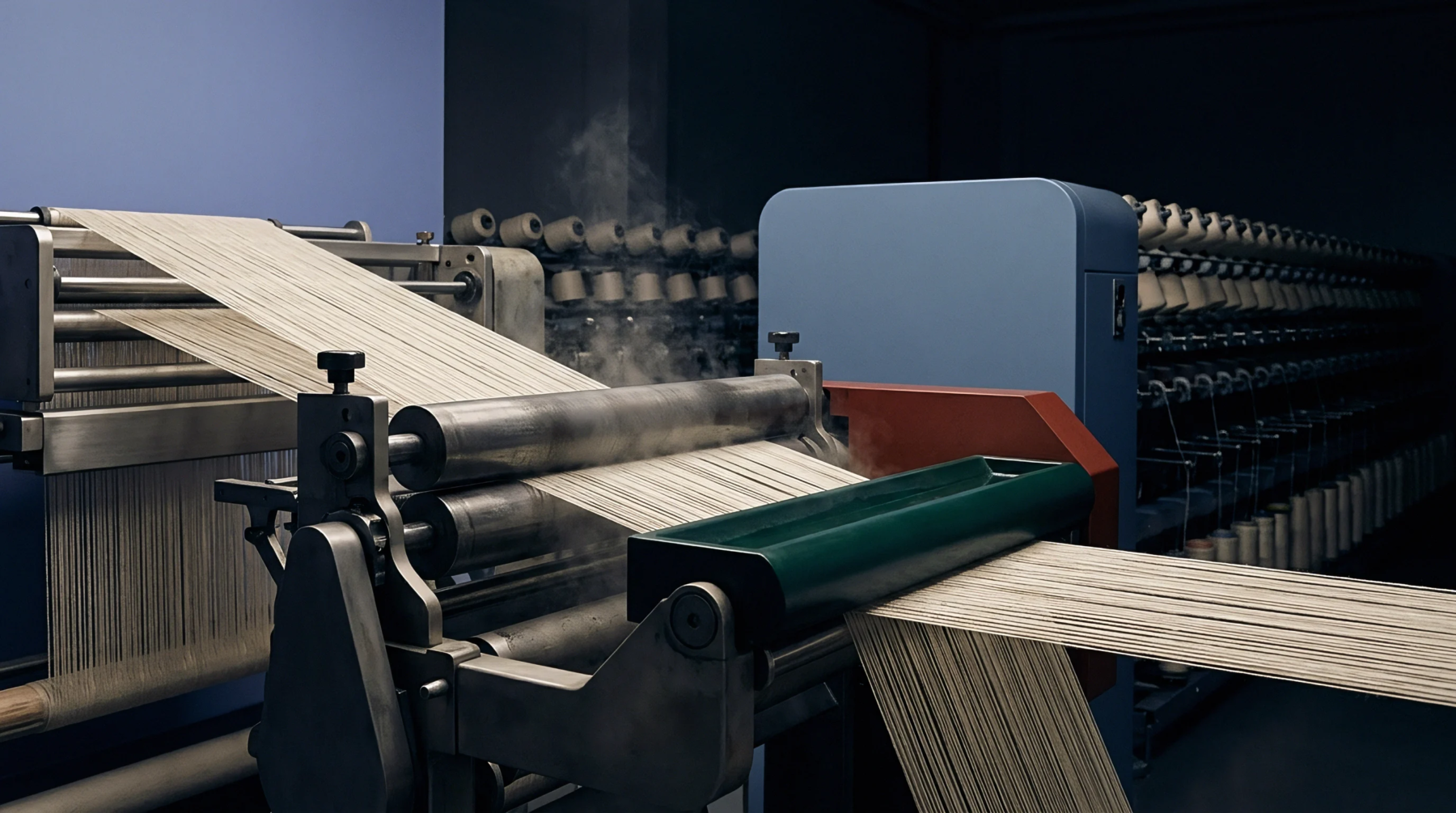
Fine linen wet spinning demands trough water at 65 to 75 degrees Celsius with controlled surfactants to dissolve middle lamella pectins before the drafting nip.

Dynamic optical rail control compensates for wet flax traveller friction in real time, suppressing tension spikes to lower fine count end breakage by over sixty percent.
Wet spun linen warp yarn requires a minimum dry tenacity of 26 cN/tex to run on rapier looms at 85 percent efficiency.

Dynamic tensile fatigue protocols for wet spun flax quantify cyclic inter-fiber pectin shear, predicting high-speed loom warp stops before beam mounting.
Commercial claims on enzymatically processed flax require matching residual pectin levels against bundle tenacity and wet-spinning end breakages.

Hackling yield directly establishes net fiber input costs, where a one percent yield gain lowers landed yarn expense by over two percent per finished meter.
Raw flax grading requires correlating technical bundle fineness and retting pectin decay with hackling yields to establish wet spinning count limits.
Maintaining residual pectin between 0.8% and 1.4% prevents roving draft collapse while enabling fibre attenuation in wet-spinning ultra-fine linen yarns.

Distinguish splice rupture from size film failure by inspecting fiber tail slip length versus parent yarn twist retention under optical magnification.
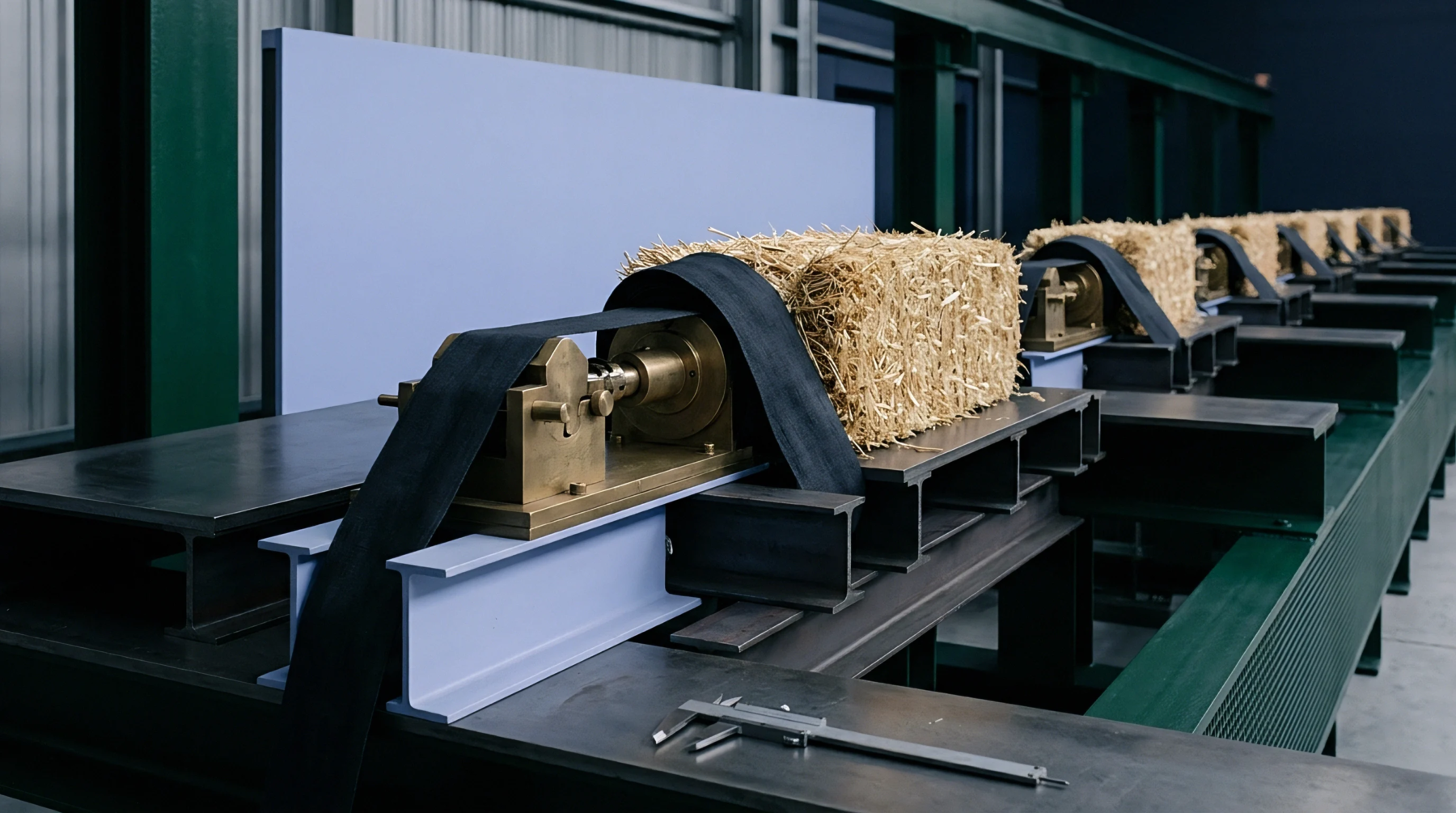
Optimizing hackling pin density and wet-spinning trough temperature stabilizes draft forces, reducing bast yarn end breakage below fifteen breaks per thousand spindle hours.

Hot water trough temperatures between 68°C and 74°C plasticize middle lamella pectins, preventing microfibril rupture and securing fine yarn counts up to Nm 80.
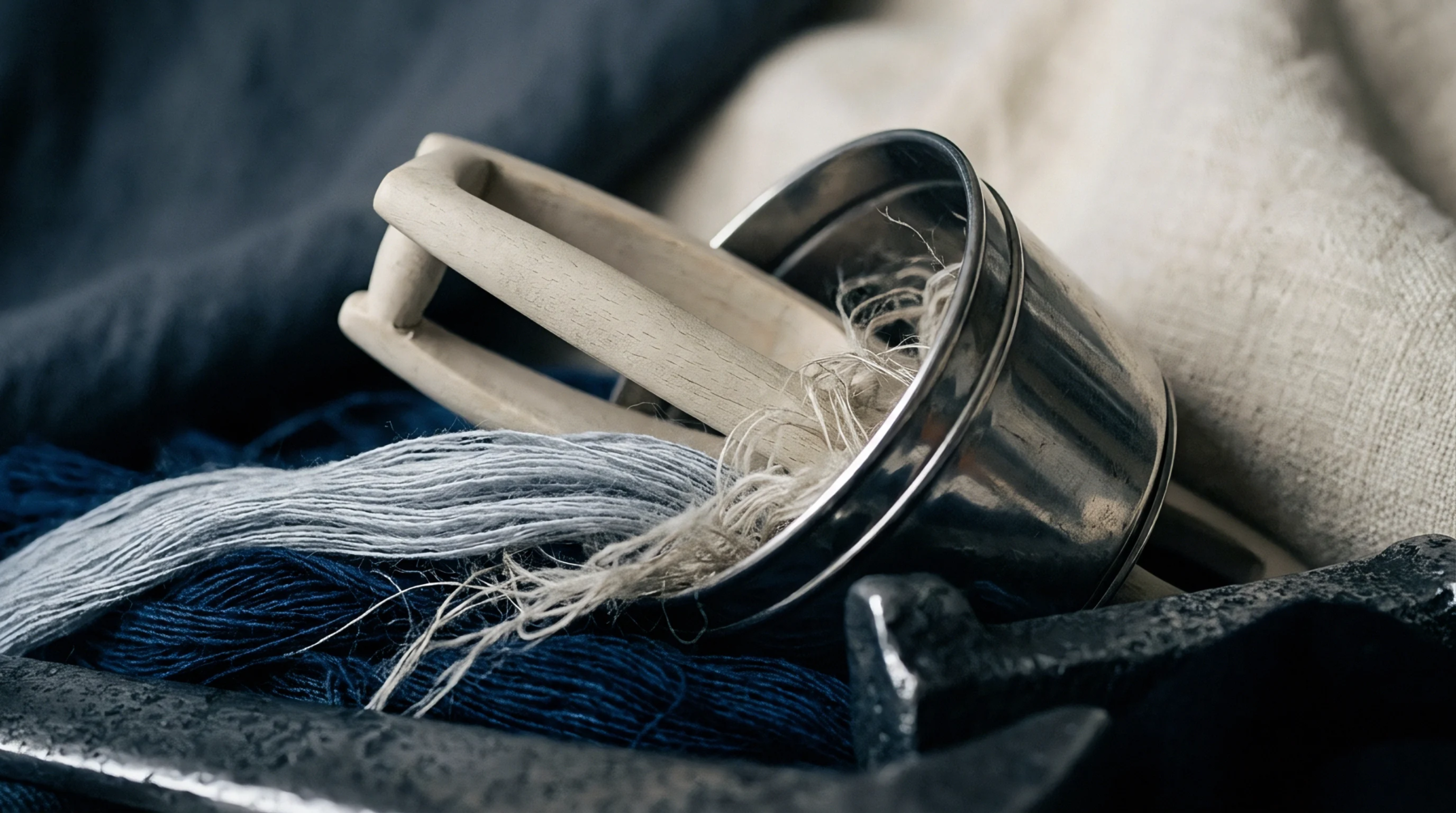
Fine wet-spun flax yarn tenacity depends on controlled pectin softening in the trough, allowing technical bundles to divide into fine elementary cells during draft.
Heat and drought lower flax middle lamella pectin shear strength, reducing hackling long-line yield and dropping wet-spinning count caps from Nm 39 to Nm 26.
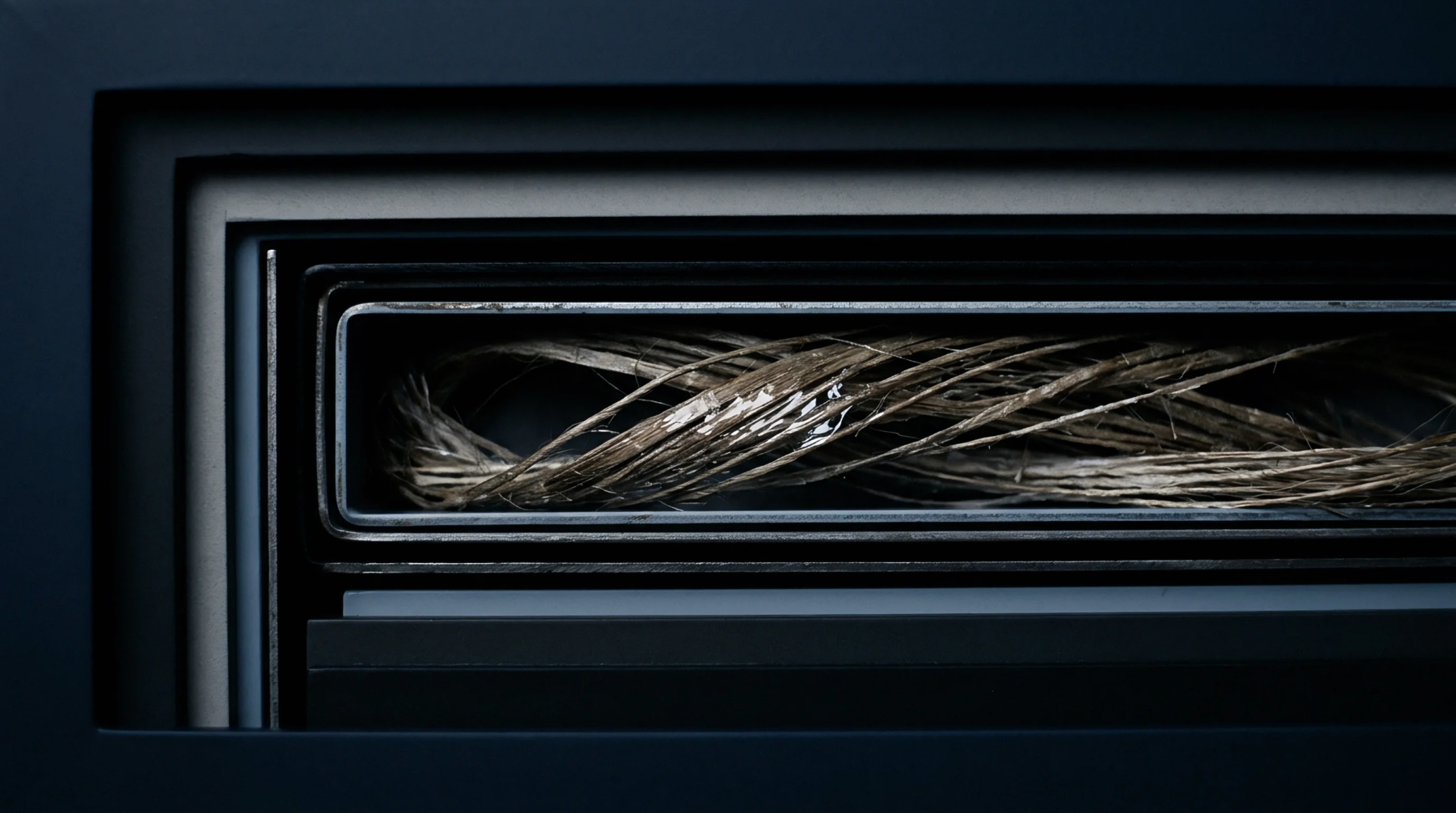
Secondary wall microfibrillar angle directly limits wet spun line yarn tenacity by setting crystallite load distribution before trough degumming.

Single strand tensile performance in wet spun linen dictates loom stops, dynamic failure rates, and landed cloth cost through gauge-length sensitivity and tenacity CV.
Microfibrillar thermal degradation reduces line flax tenacity, requiring adjusted gauge testing, lower wet-spinning temperatures, and recalibrated contract thresholds.
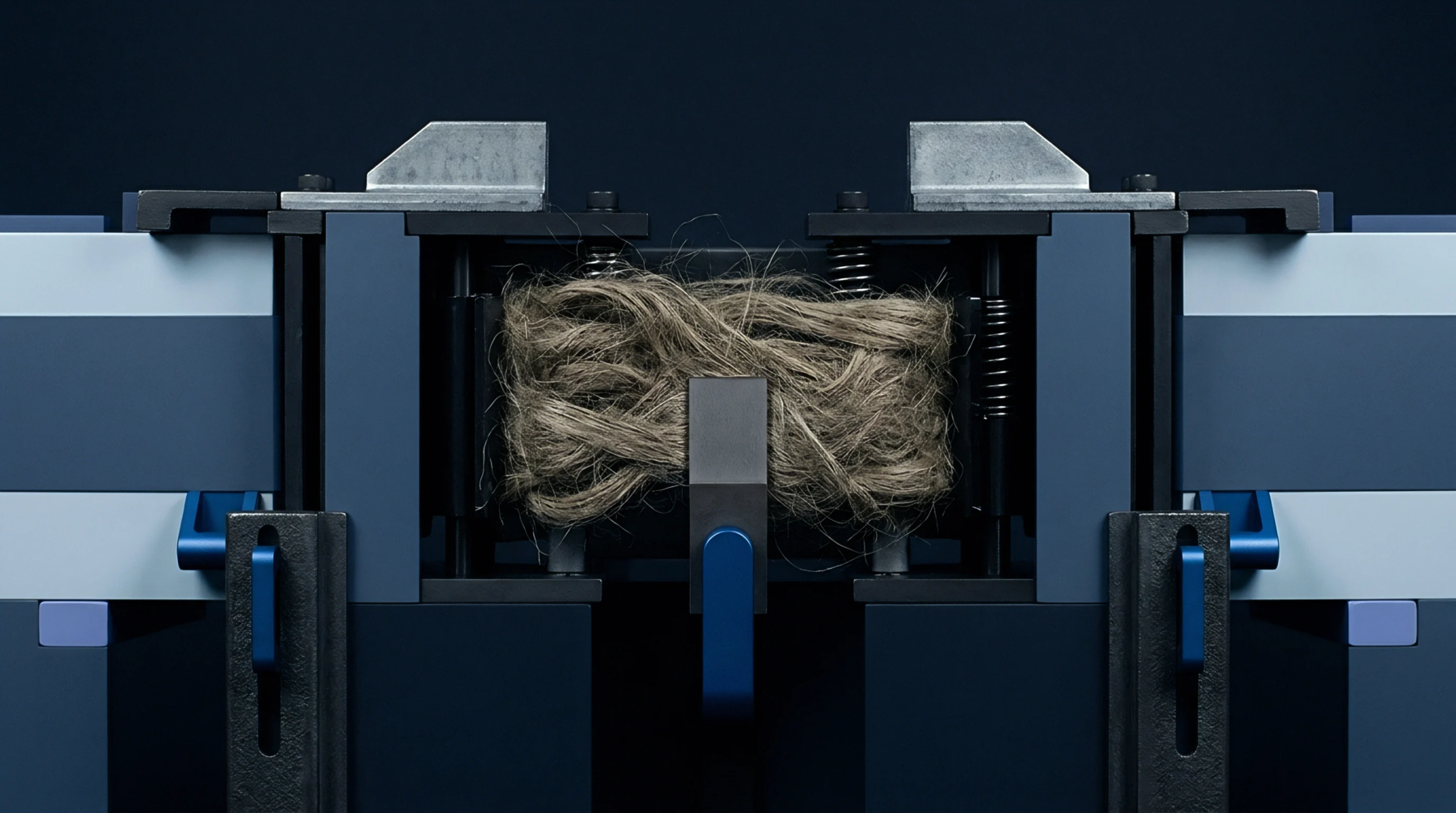
Continuous accumulation of pectin degradation products in closed-loop wet spinning troughs alters fluid rheology, impairing strand drafting and dropping yarn tenacity.
Expertise is a utility, not a secret. sentiention™ publishes its working knowledge as open reference: intelligence layer covering the materials it sources, the markets it enters, and the reference that serves both.