Correlation between PVA Hydrolysis Levels and Weaving Efficiency in Linen Warps
Partially hydrolyzed PVA (87-89 mol%) delivers superior film flexibility and bast adhesion, cutting linen warp breaks by 85% compared to fully hydrolyzed grades.
Partially hydrolyzed PVA (87-89 mol%) delivers superior film flexibility and bast adhesion, cutting linen warp breaks by 85% compared to fully hydrolyzed grades.
Forced-oscillation film testing establishes elastic storage and viscous damping thresholds that prevent warp filament clinging during rapier loom insertion.

Correlating line-scan bundle area variance with drafting force prevents spinning tension surges, cutting wet-spun yarn breaks and loom downtime.
Precise size film penetration anchors flax microfibers within the yarn core to prevent shedding, lower warp stops, and maintain high loom efficiency.
Target dry size pick-up for wet-spun linen warps sits strictly between six and nine point five percent, calculated from bone-dry yarn mass and nip extraction.
Dynamic tensile fatigue protocols for wet spun flax quantify cyclic inter-fiber pectin shear, predicting high-speed loom warp stops before beam mounting.
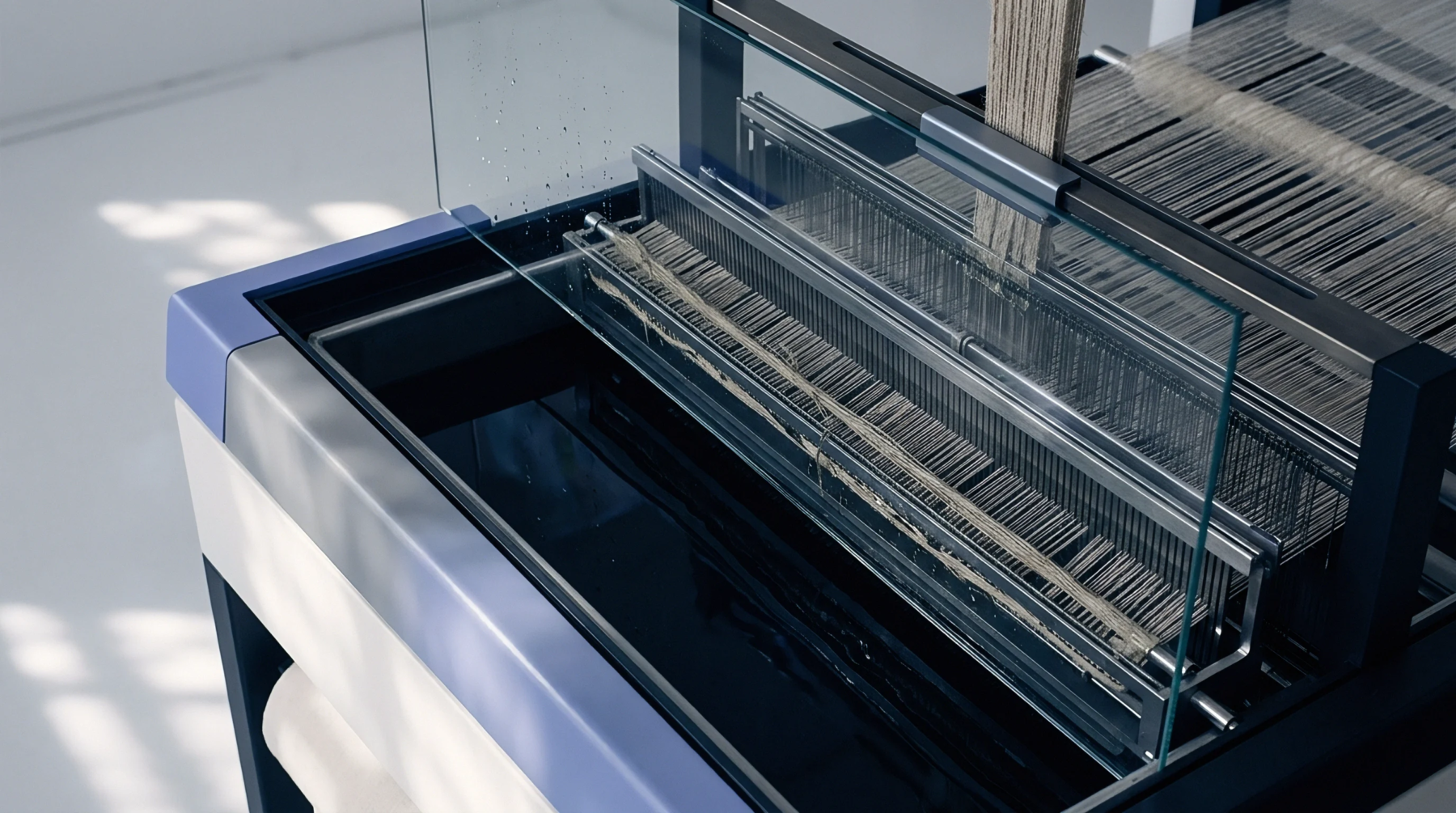
Optimize high-density linen warping via low-drag ceramic creels, 7-degree drum cones, 10% PVA-starch add-on, and 8-tier splitting to keep loom stops below 1.5.
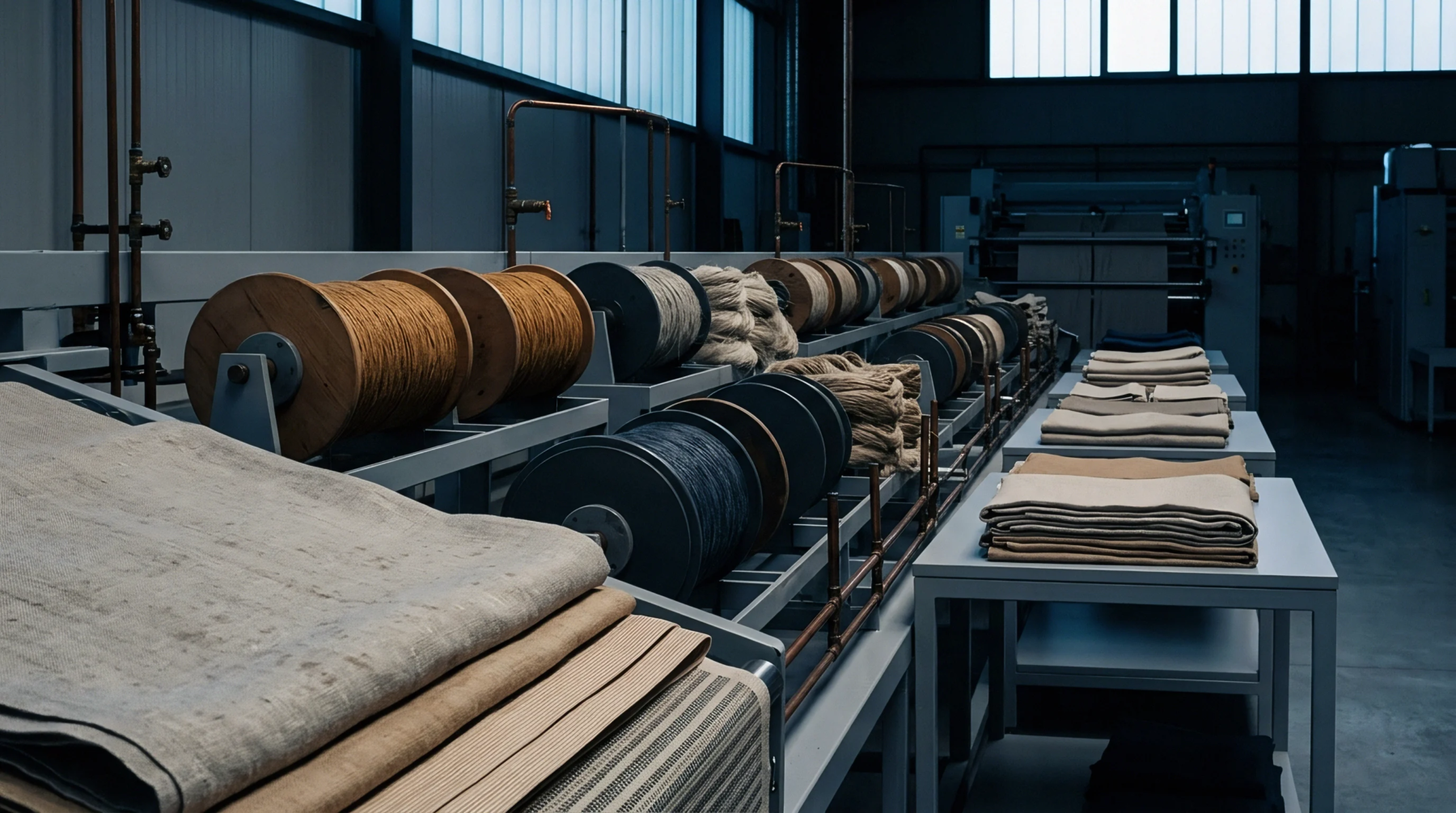
Optimal PVA size pick-up on flax warps ranges from 8.0 to 9.0 percent dry weight, balancing yarn friction resistance with hot-water desizing washability.
Expertise is a utility, not a secret. sentiention™ publishes its working knowledge as open reference: intelligence layer covering the materials it sources, the markets it enters, and the reference that serves both.