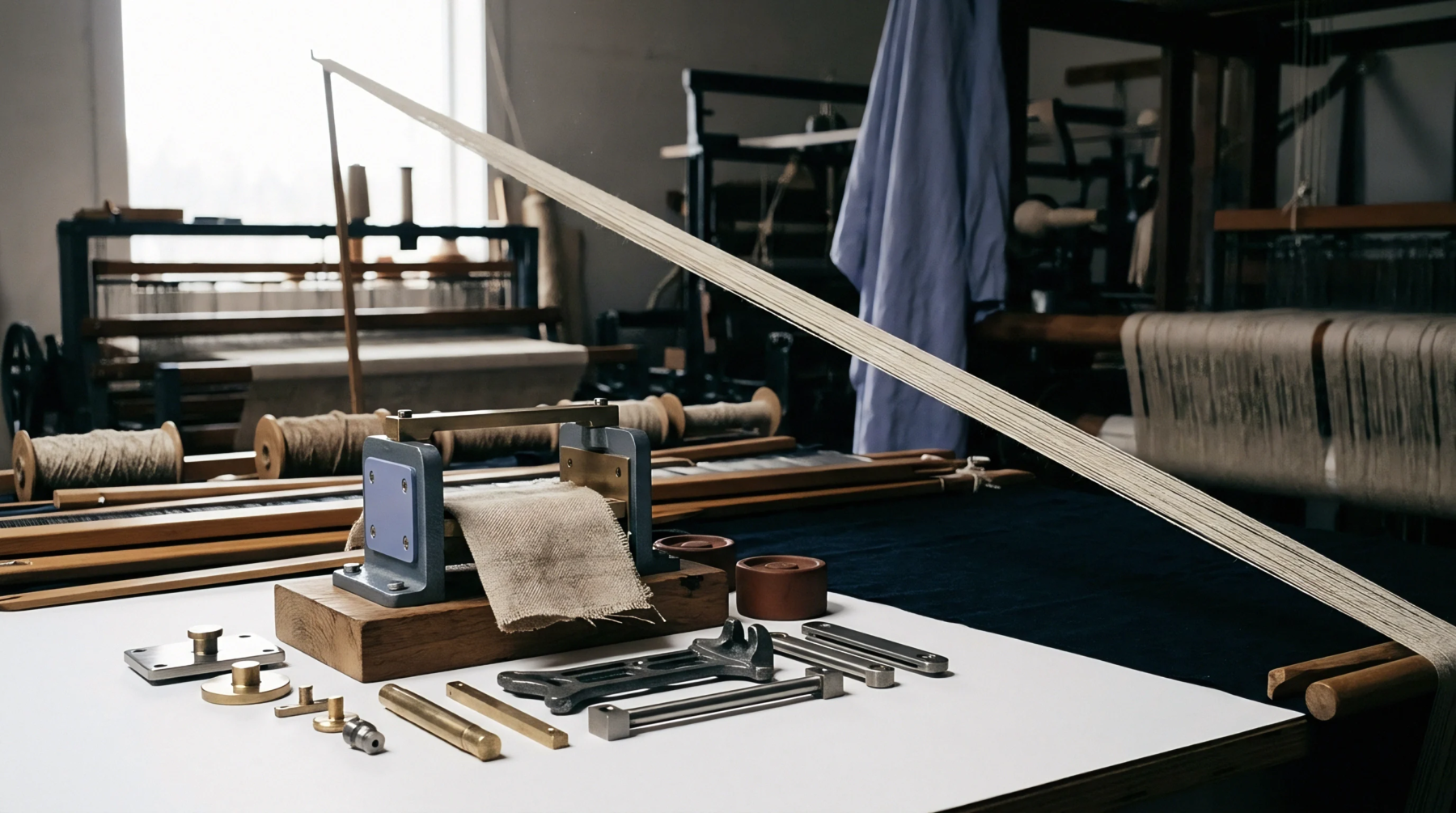
Yarn Strength Control
Mechanical adjustment of longitudinal forces applied to individual flax strands during the shedding phase prevents excessive breakage on high speed looms. Warp tension optimization operates at the weaving stage of Chinese linen production, where automated load sensors govern the let off motion to maintain constant stretch across thousands of parallel ends. Excess force snaps fine linen yarn because botanical cellulose lacks the elastic recovery found in synthetic alternatives, while loose ends produce slack picks that jam the reed.
Technical specifications recorded in the mill inspection sheet dictate allowable elongation limits for every batch of wet spun flax yarn.
Greige Fabric Defect
Final acceptance by foreign apparel buyers depends on microscopic examination of the woven cloth before chemical finishing begins. Mill quality control teams separate raw material faults from mechanical damage by tracing broken filaments back to loom stop logs. Strict adherence to buyer standards prevents rejected shipments, whereas internal mill targets merely guide operator adjustments during production shifts.
Export Grade Threshold
Final classification occurs after bleaching and softening treatments alter the physical properties of the finished linen textile. Certified testing laboratories measure tear resistance and dimensional stability against international protocols before issuing the export compliance certificate. Commercial disputes arise when buyer acceptance criteria exceed standard mill thresholds for acceptable hairiness and surface regularity.