Effect of Trough Hydrolysis Parameters on Fine Linen Tensile Strength
Exceeding 70 degrees Celsius in wet spinning troughs hydrolyzes middle lamella pectin excessively, dropping Nm 60 linen single yarn tenacity below 15 cN/tex.
Exceeding 70 degrees Celsius in wet spinning troughs hydrolyzes middle lamella pectin excessively, dropping Nm 60 linen single yarn tenacity below 15 cN/tex.

Fine linen wet spinning demands trough water at 65 to 75 degrees Celsius with controlled surfactants to dissolve middle lamella pectins before the drafting nip.
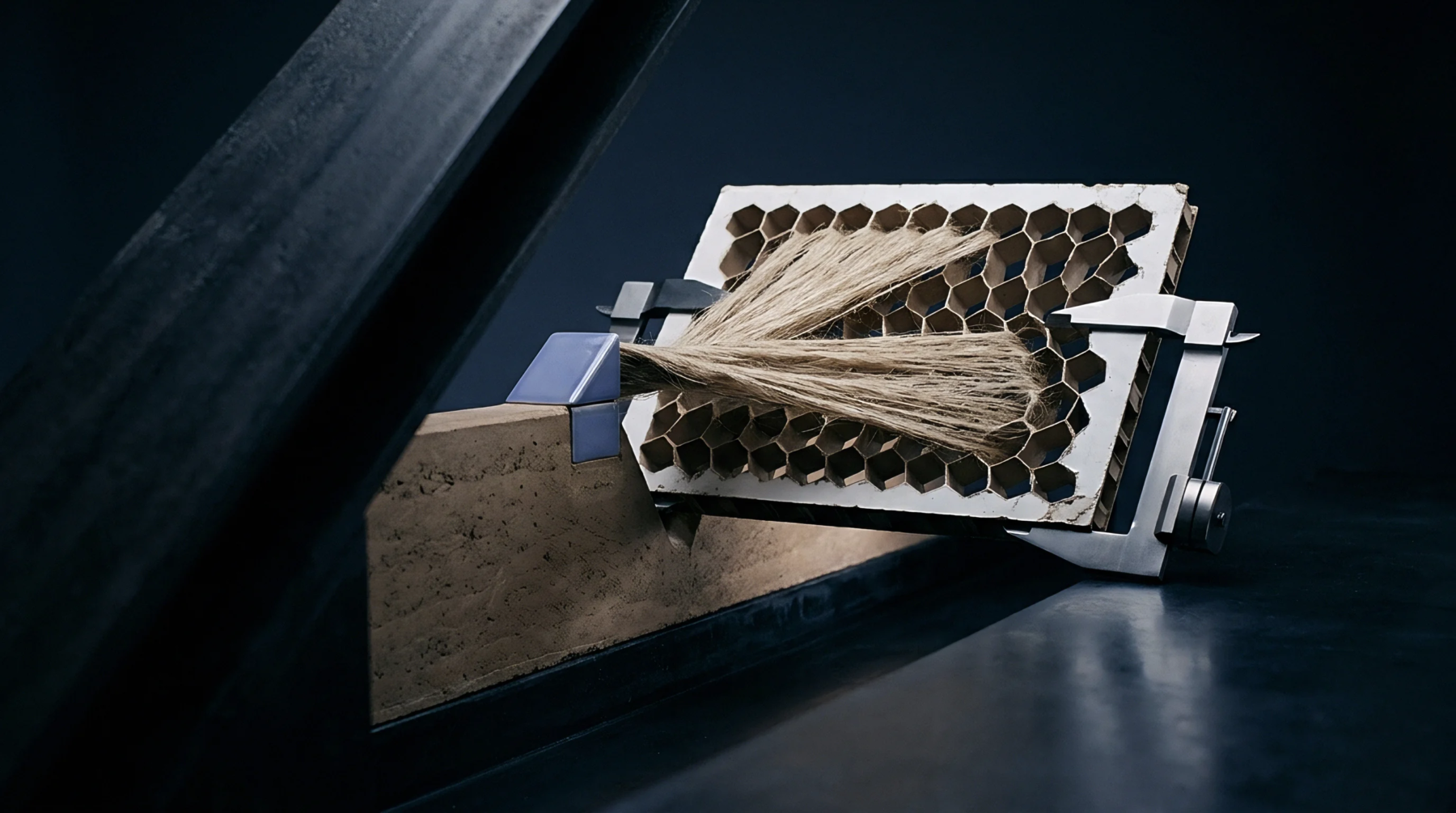
Resolving inter-laboratory bias in flax comb sorting requires strict humidity control, calibrated clamp pressure, and master reference sliver standardization.

Comb sorter diagrams define the true upper quartile length and short-fibre mass of hackled flax, setting frame ratch distances and determining wet-spun yields.

Manual comb sorting isolates true flax bundle length arrays, determining Upper Quartile Length and Short Fibre Content to set mill drafting ratches.
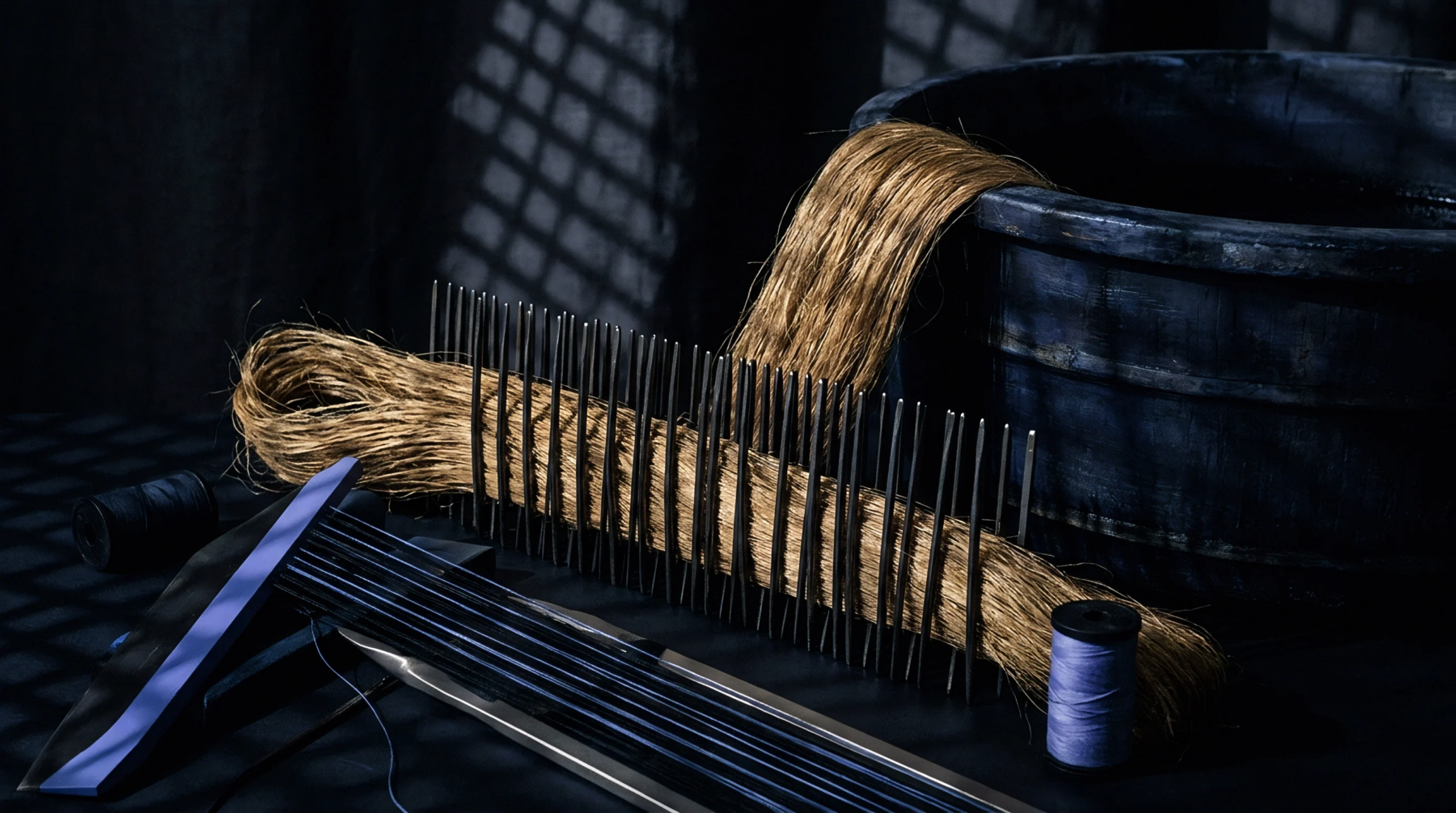
Optimizing hackle pin shear stress below 18 MPa splits pectin lamellae cleanly, maximizing fine line yield while preventing elementary fibre micro-fractures.

Calibrating hackling tool beds within sub-0.05mm tolerances maximizes long-staple line fibre yield, preventing costly stem rupture and securing high-count yarn spinnability.

Scutched flax length arrays dictate hackling yield and draft limits, where span length and dispersion metrics set the achievable wet-spun yarn count limit.

Dynamic optical rail control compensates for wet flax traveller friction in real time, suppressing tension spikes to lower fine count end breakage by over sixty percent.
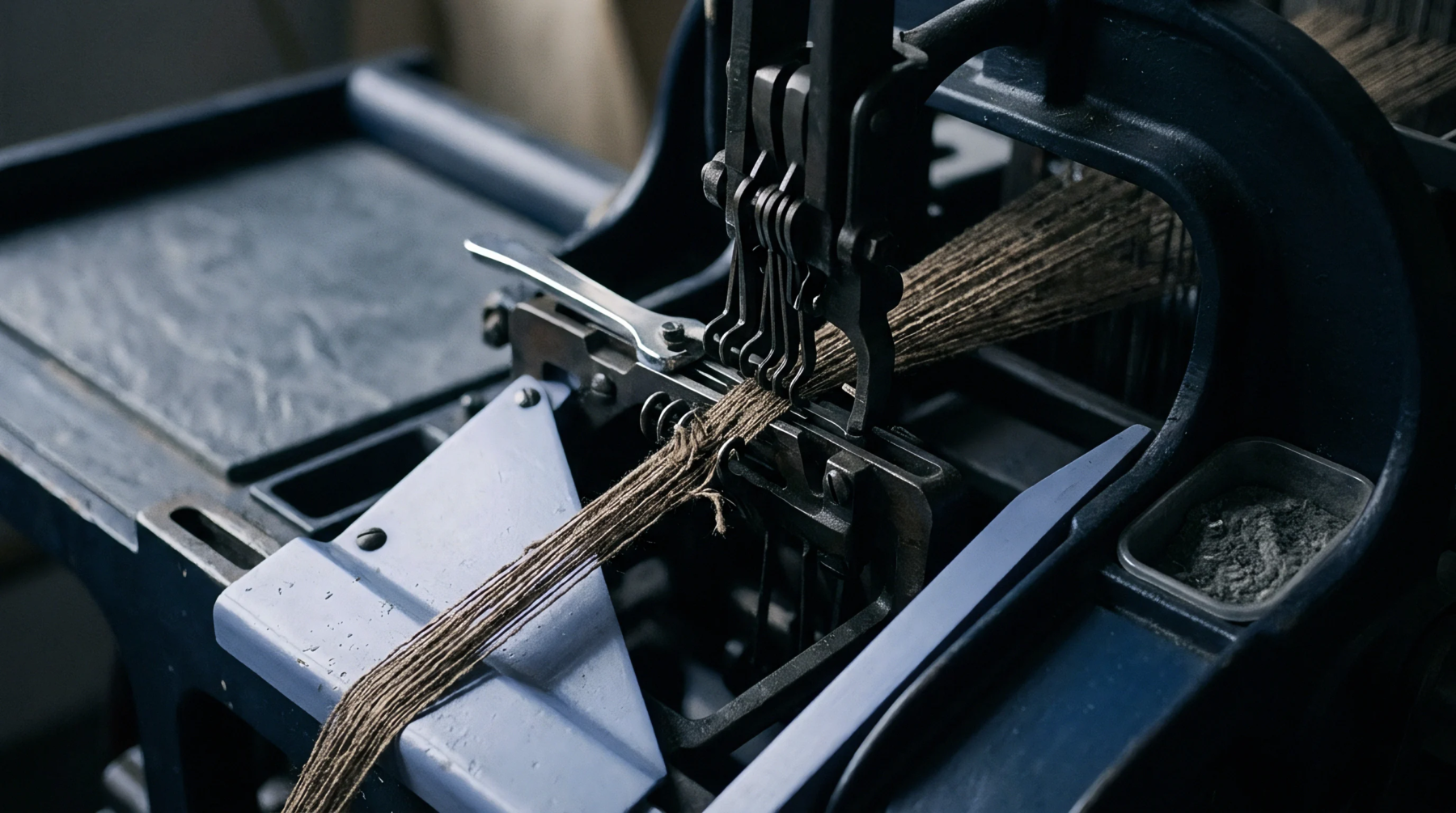
Sliver mass variance generates dynamic force spikes in drafting zones, driving end breaks, reducing frame efficiency, and elevating finished linen yarn costs.
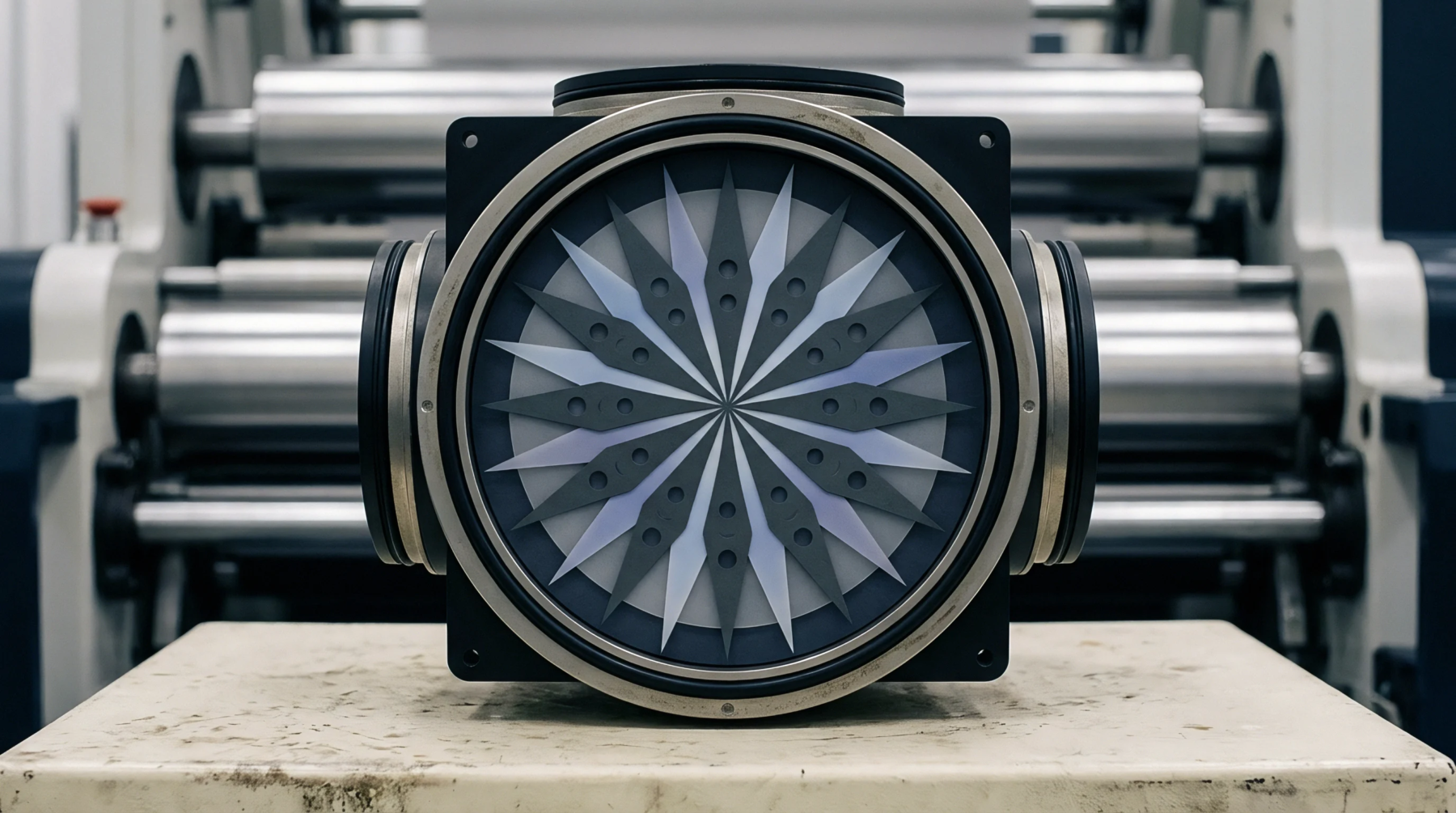
Controlled staple cut length and narrow decitex distributions below twenty-two decitex prevent card loading and sustain spinning frame efficiency.
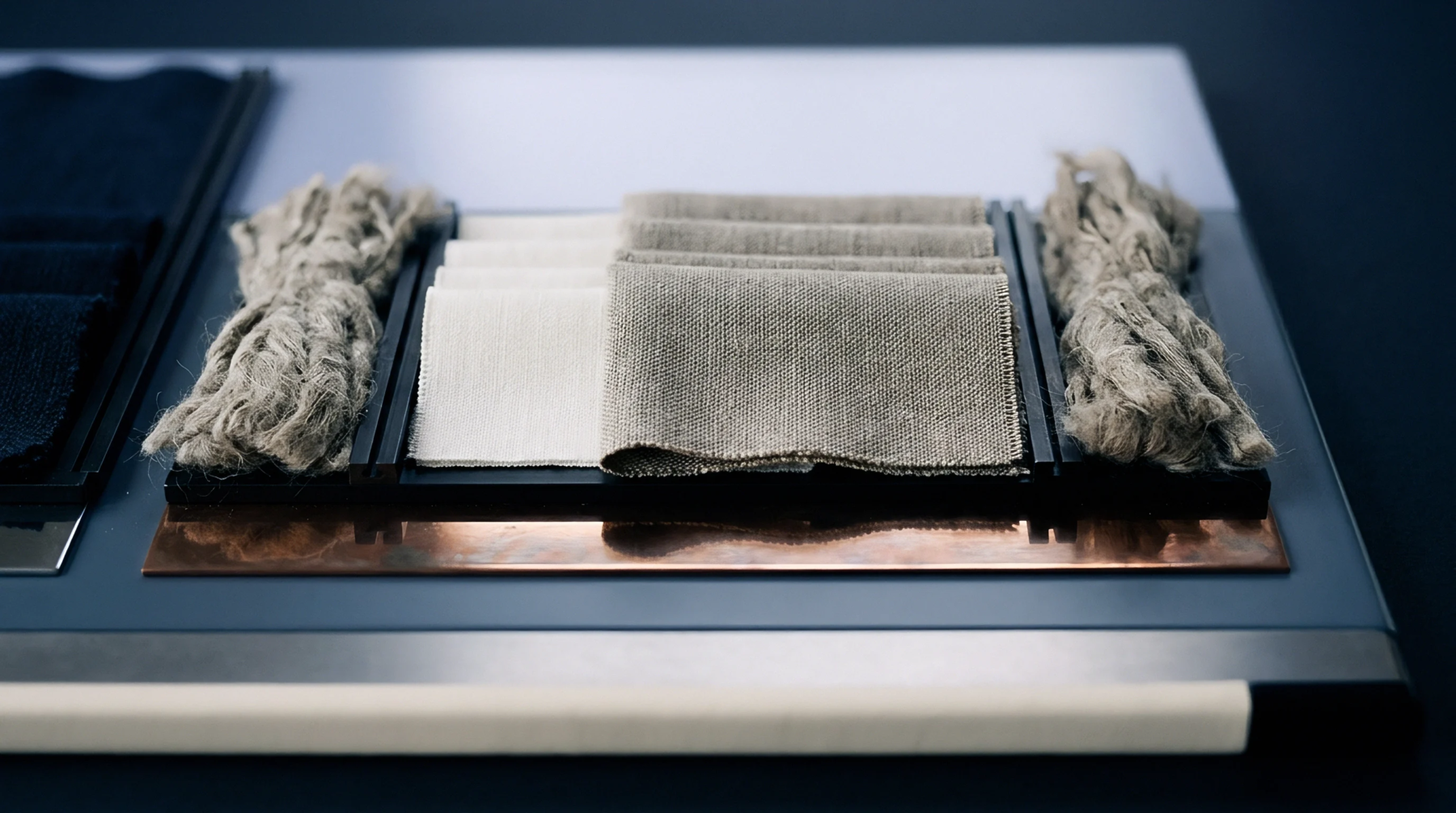
Dual-axis telecentric imaging and pectin density filtering eliminate cross-sectional ellipticity bias to yield true linear density in high-speed bast testing.

Calibrating optical snippet analyzers for bast fibers requires empirical polynomial form factors to correct projection bias caused by non-circular ribbon cross sections.
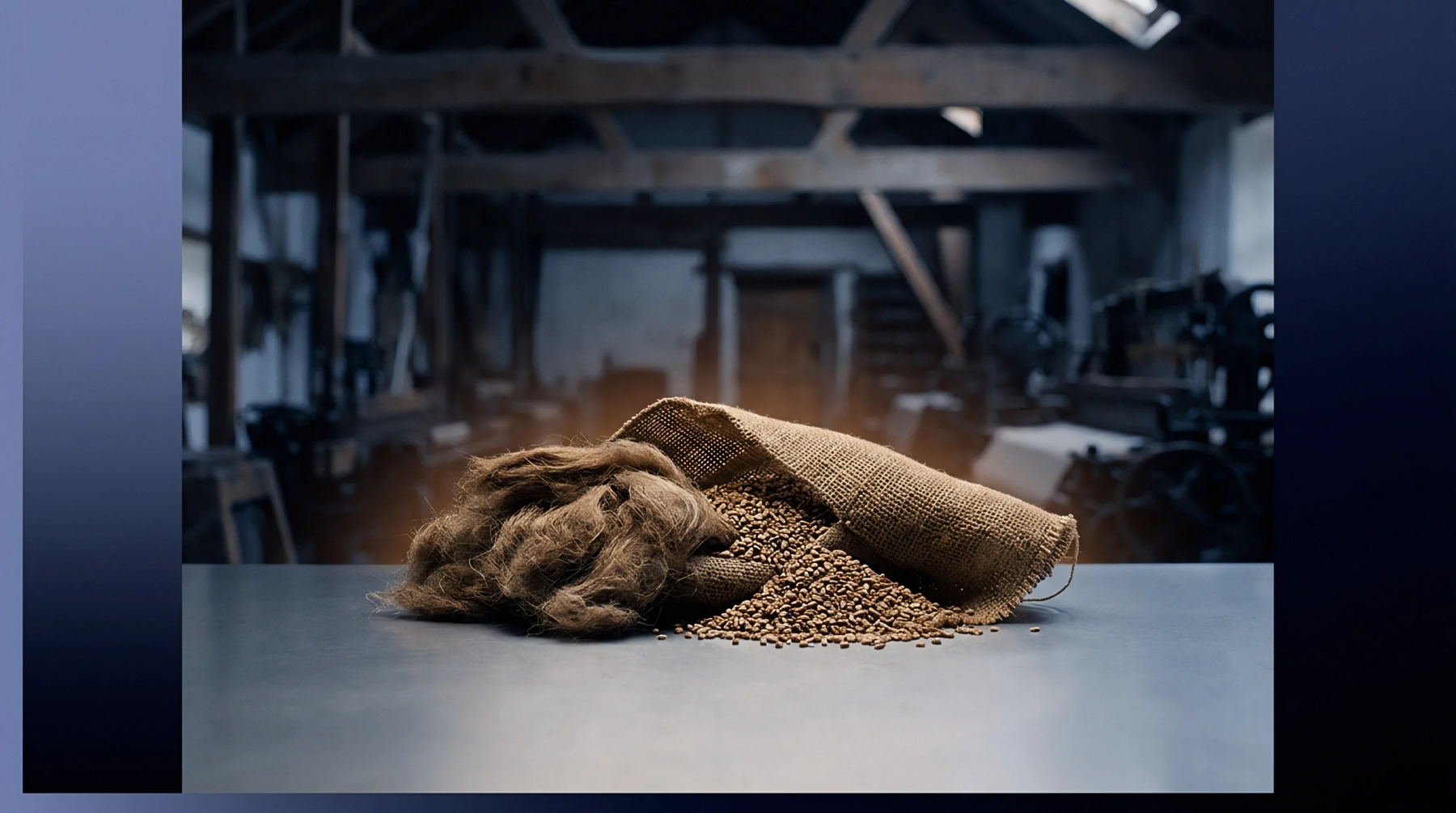
ISO gravimetric fineness testing measures cut bundle mass and length to establish decitex, directly dictating spinnable yarn count and fabric yield.

Spectrogram thresholds for flax sliver autolevelers must isolate the broad drafting wave from sharp mechanical chimneys, restricting draft corrections to wavelengths above two metres.
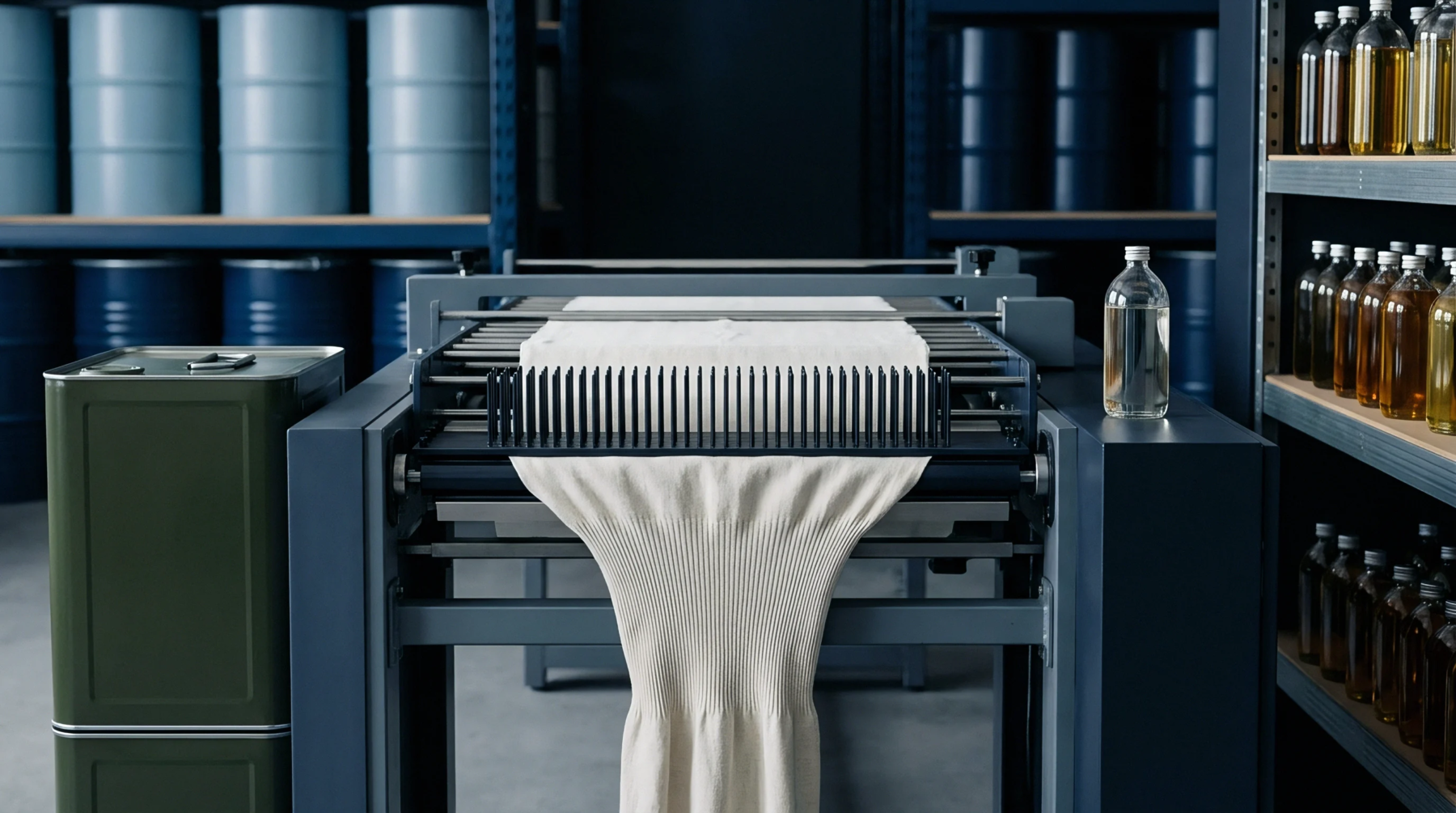
Optimal wet flax doubling balances three draw passages to keep sliver mass variation below three percent CV for fine yarns.

Scutched flax splitting efficiency directly dictates wet-spinning count limits by controlling the distribution of technical bundle diameters prior to roving draft.

Commercial claims on enzymatically processed flax require matching residual pectin levels against bundle tenacity and wet-spinning end breakages.
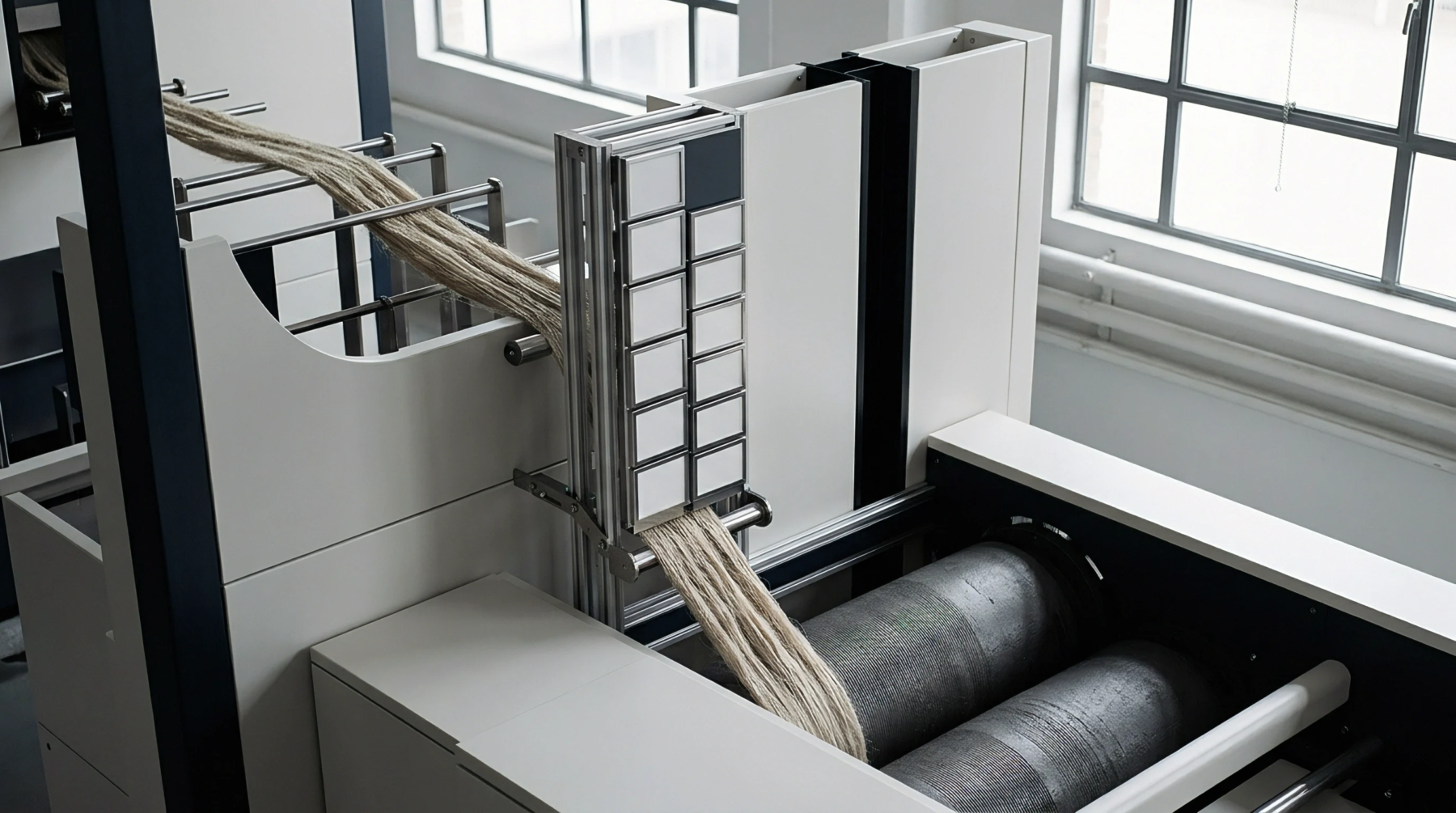
Quantifying residual pectins below 1.2% and proteins below 0.75% via spectrophotometry and combustion prevents wet-spinning end breaks and secures high-count Nm yields.

Optical projection overestimates non-circular bast fibre diameter by projecting major axes; ISO 2370 gravimetric factor calibration restores metric accuracy.

Digital cross-section area calibration requires dynamic edge thresholding to prevent fineness errors that distort spinnable yarn count limits.

Gravimetric linear density determination isolates conditioned cut fiber bundles on microbalances to establish precise tex and dtex spinnability limits for bast stock.
Maintain combing halls at 70% RH and control pectin esterification below 58% to maximize high count line flax hackling yields and lower metre costs.

Targeted polygalacturonase retting and controlled 65°C bath chelators depress pectin glass transition, optimizing fine line flax drafting and yarn yields.

Commercial mass adjustments correct landed weight for moisture regain while hackling yield allowances offset long line waste in yarn cost calculations.

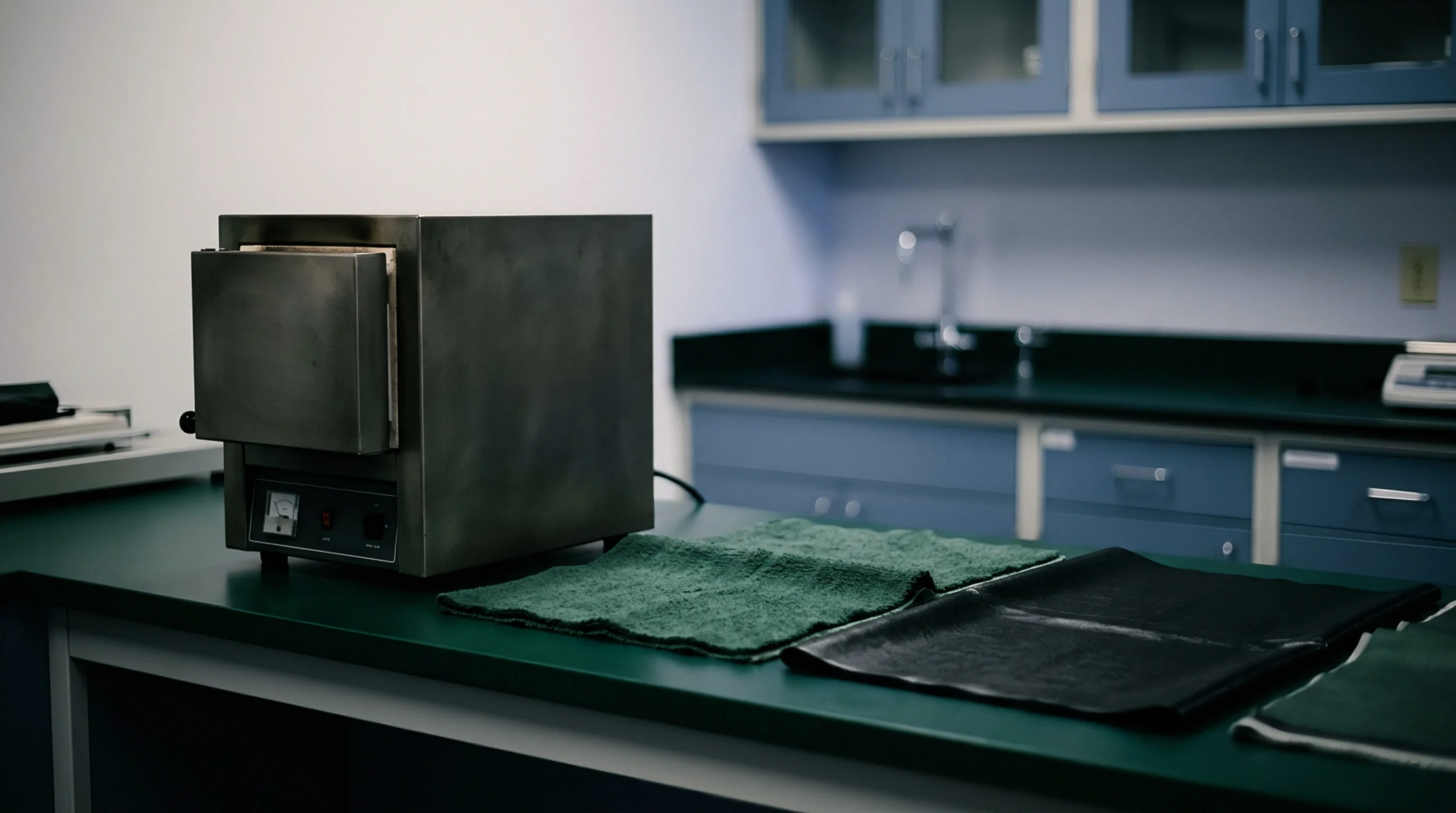
Core oven drying per ISO 6741 fixes official commercial mass at 12.00% regain, protecting import margins against ocean freight transit moisture gain.

Hackling yield directly establishes net fiber input costs, where a one percent yield gain lowers landed yarn expense by over two percent per finished meter.
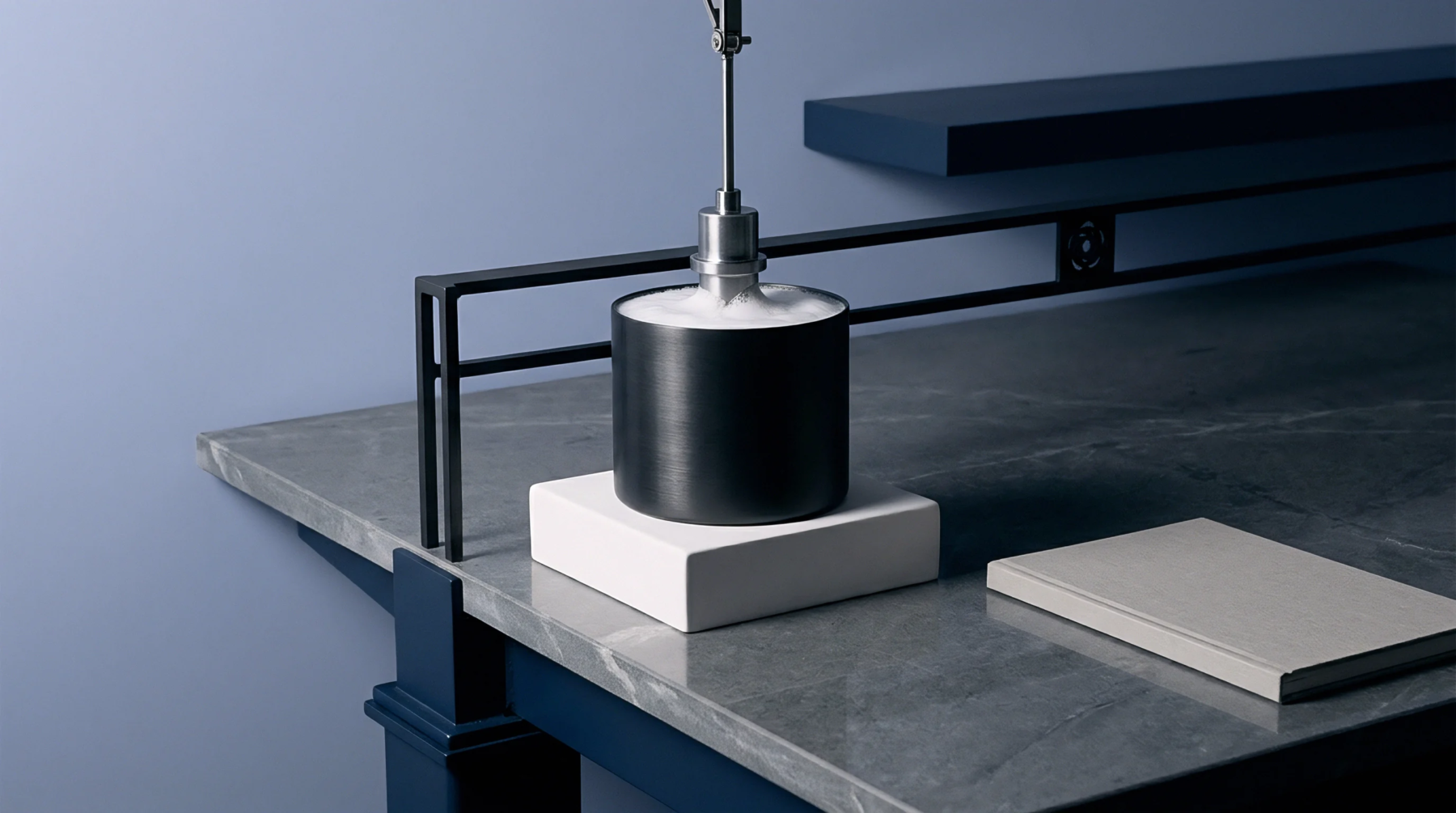
Raw flax grading requires correlating technical bundle fineness and retting pectin decay with hackling yields to establish wet spinning count limits.

Maintaining residual pectin between 0.8% and 1.4% prevents roving draft collapse while enabling fibre attenuation in wet-spinning ultra-fine linen yarns.
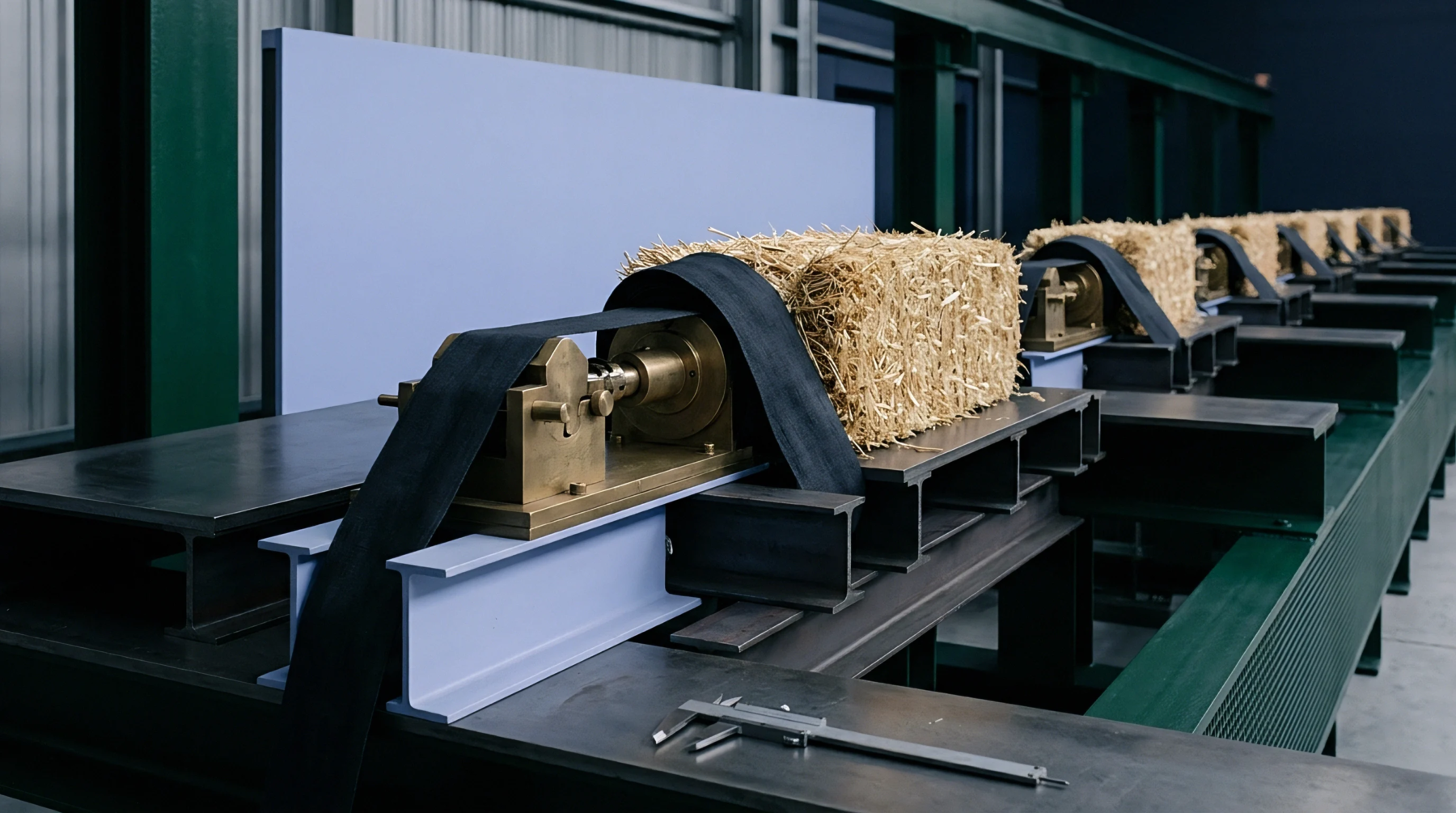
Optimizing hackling pin density and wet-spinning trough temperature stabilizes draft forces, reducing bast yarn end breakage below fifteen breaks per thousand spindle hours.
Expertise is a utility, not a secret. sentiention™ publishes its working knowledge as open reference: intelligence layer covering the materials it sources, the markets it enters, and the reference that serves both.