
Metric Fibre Number Claims and the Test Method behind Them
Metric fibre number claims require ISO 2370 gravimetric verification because airflow instruments skew up to fifteen percent across retting types and moisture regains.
Metric fibre number claims require ISO 2370 gravimetric verification because airflow instruments skew up to fifteen percent across retting types and moisture regains.

Imported French scutched long line delivers higher hackling yield and lower yarn break rates, outperforming domestic Chinese flax on landed metre fabric cost.
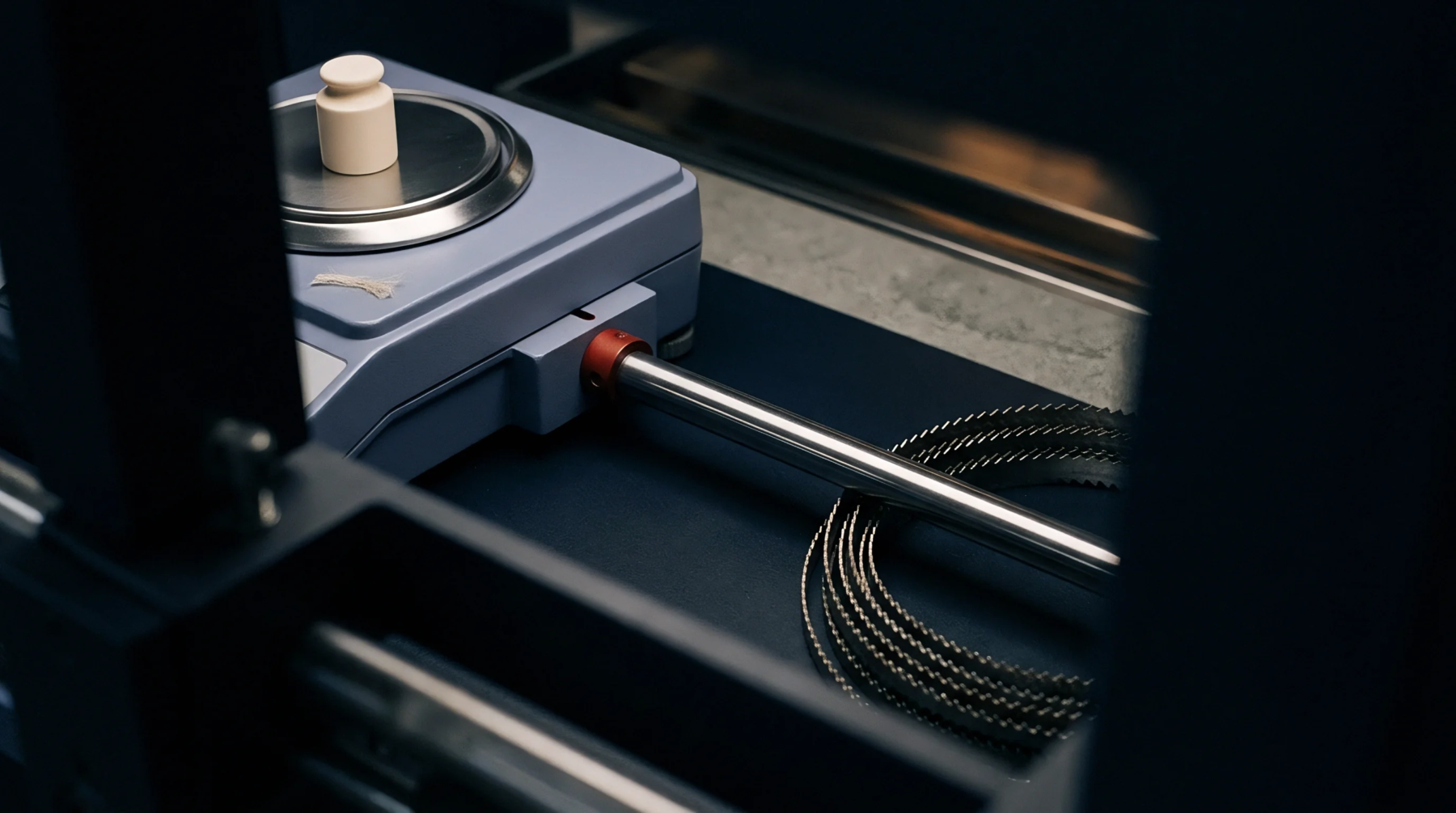
Conditioned middle-cut bundle weighing under ISO 2370 delivers precise flax line fibre linear density data for wet-spinning count calculations.
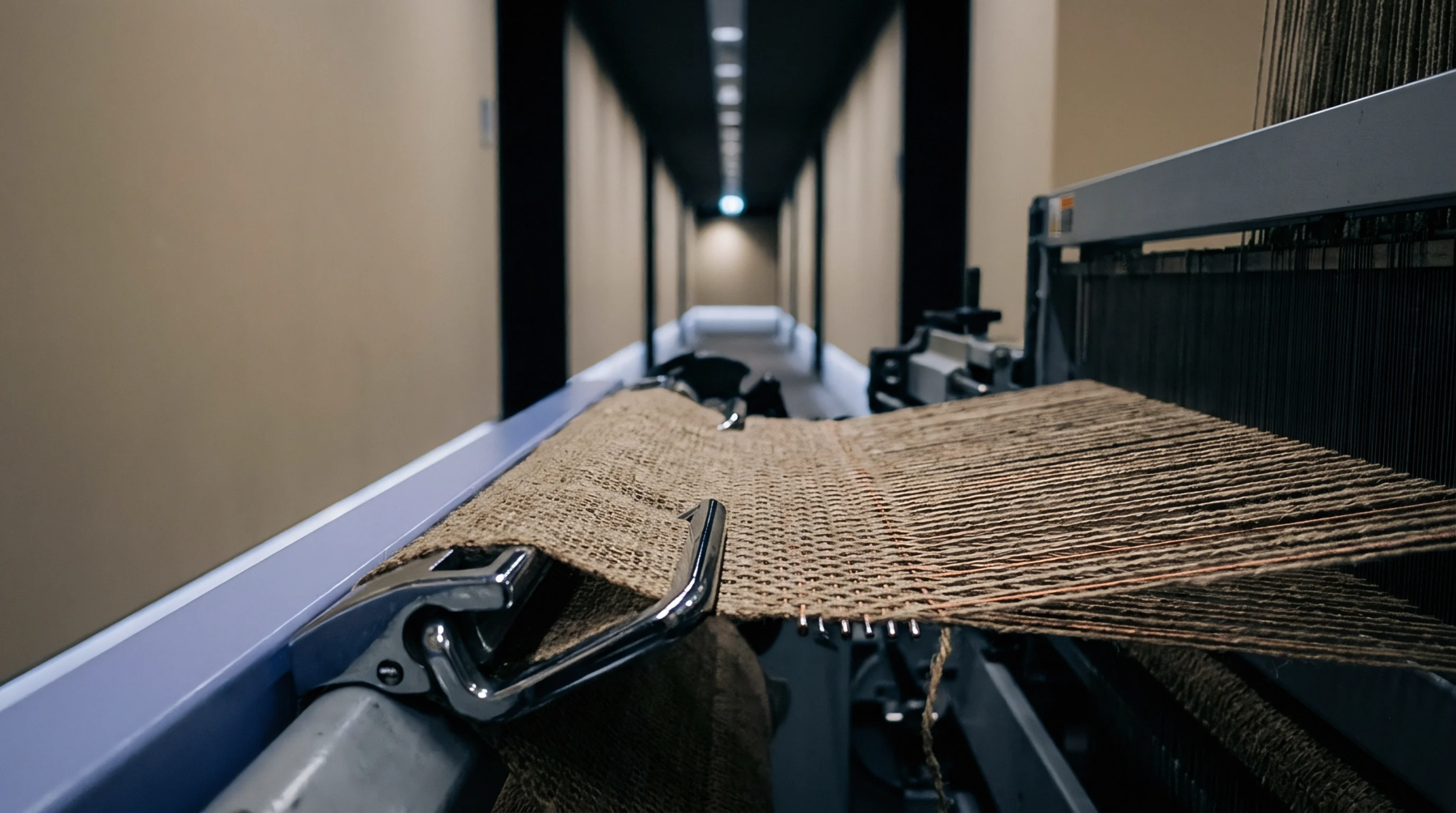
Metric fibre number defines wet-spun line yarn limits by establishing the minimum cross-sectional elementary fibre count required to sustain drafting tension.

Verify flax linear density using ISO 1973 cut-and-weigh gravimetry at standard 12% regain to accurately forecast wet-spinning limits and enforce contract pricing.

Standardized air permeability methods convert differential pressure across compressed flax plugs into specific surface area to predict spinnable yarn counts.

Controlling flax sliver non-cellulosic residue below 2.5 percent eliminates drafting stick-slip force spikes and holds wet-spun yarn air permeability variance under eight percent.

Cottonised short flax inside long-staple lots destroys wet-spinning stability; verify comb-sorter distributions under ISO 6989 before processing.

Verify flax linear density using ISO 2370 cut length gravimetry on conditioned 50 mm bundles to prevent spinning end breaks and landed metre yield loss.

Non-cellulosic residue fractions in flax sliver govern drafting stability, spinnable metric count, and true yarn yield; residual pectin exceeding 1.8 percent spikes end breakage and erodes landed cost discounts.
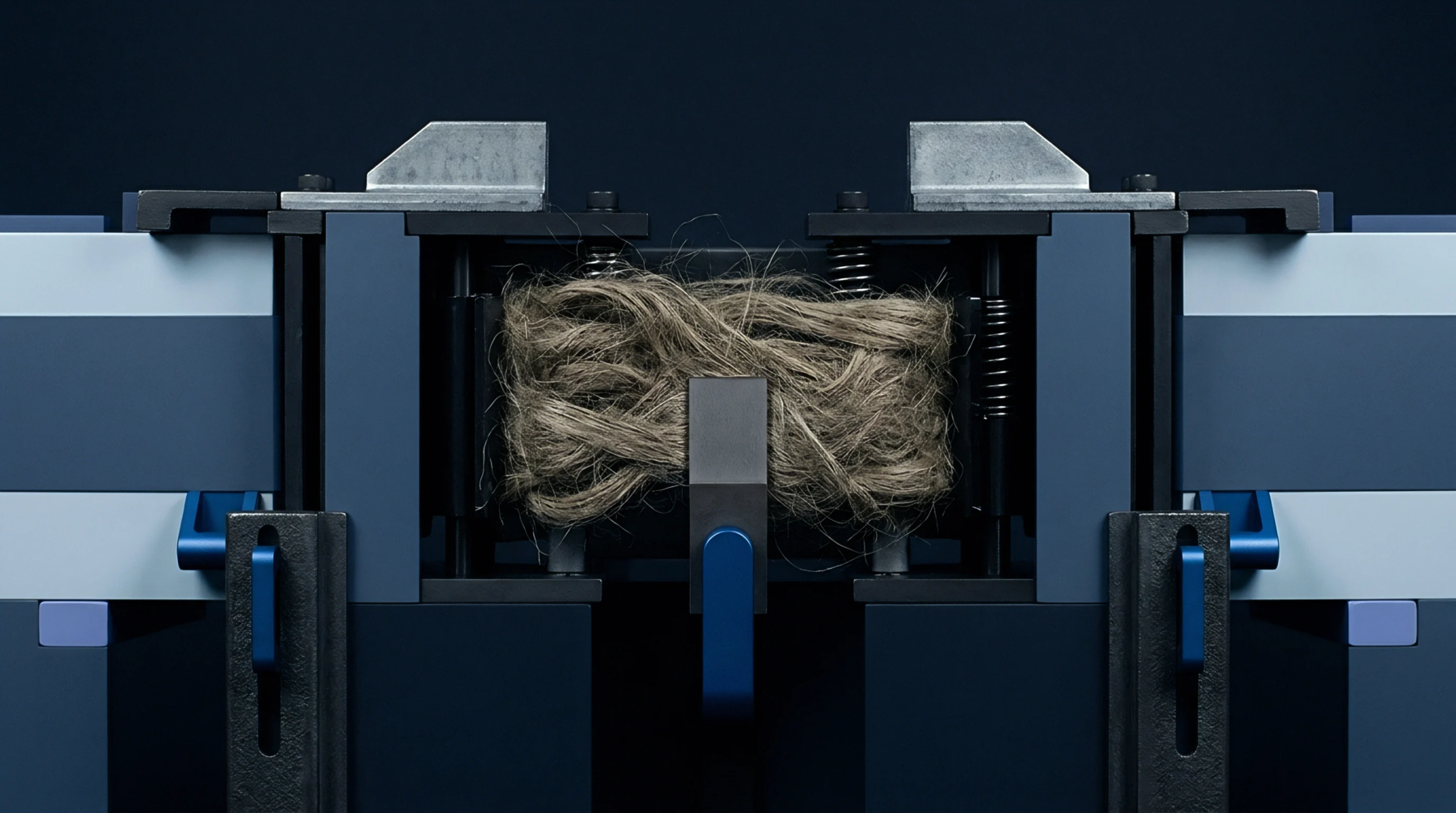
Detect short-staple flax blends in combed line sliver using comb sorter mass arrays and ISO 2370 air permeability tests to stop drafting breaks.
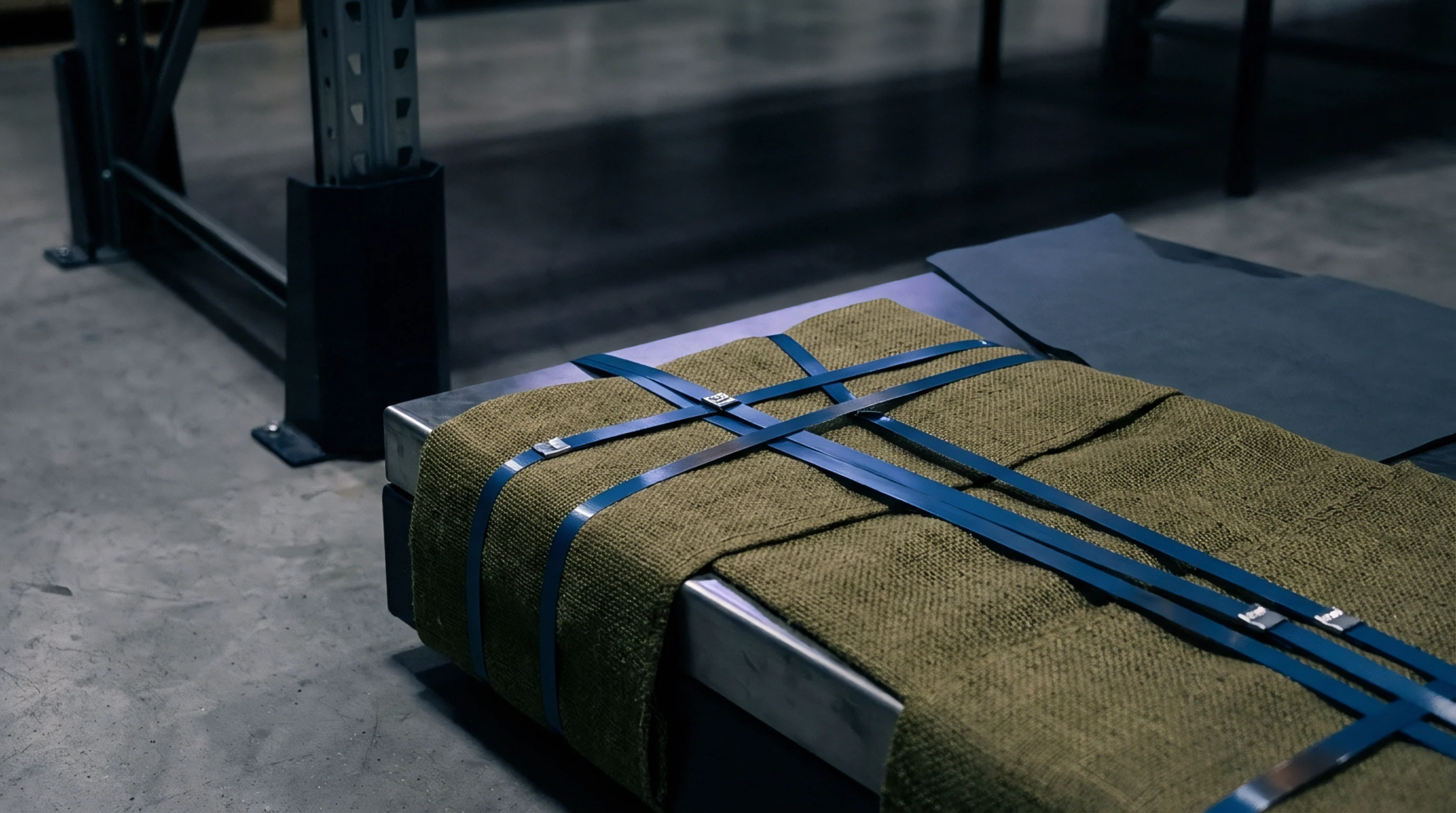
Gravimetric cut-length linear density variance above twelve percent CV drives wet-spinning breaks and triggers contractual invoice debits up to lot rejection.

Evaluating scutched flax length distributions using comb arrays identifies short fiber fractions and predicts hackling line yield before spinning.

Accurate measurement of flax fiber length distribution requires converting between numerical count and mass-weighted metrics to control drafting waves.
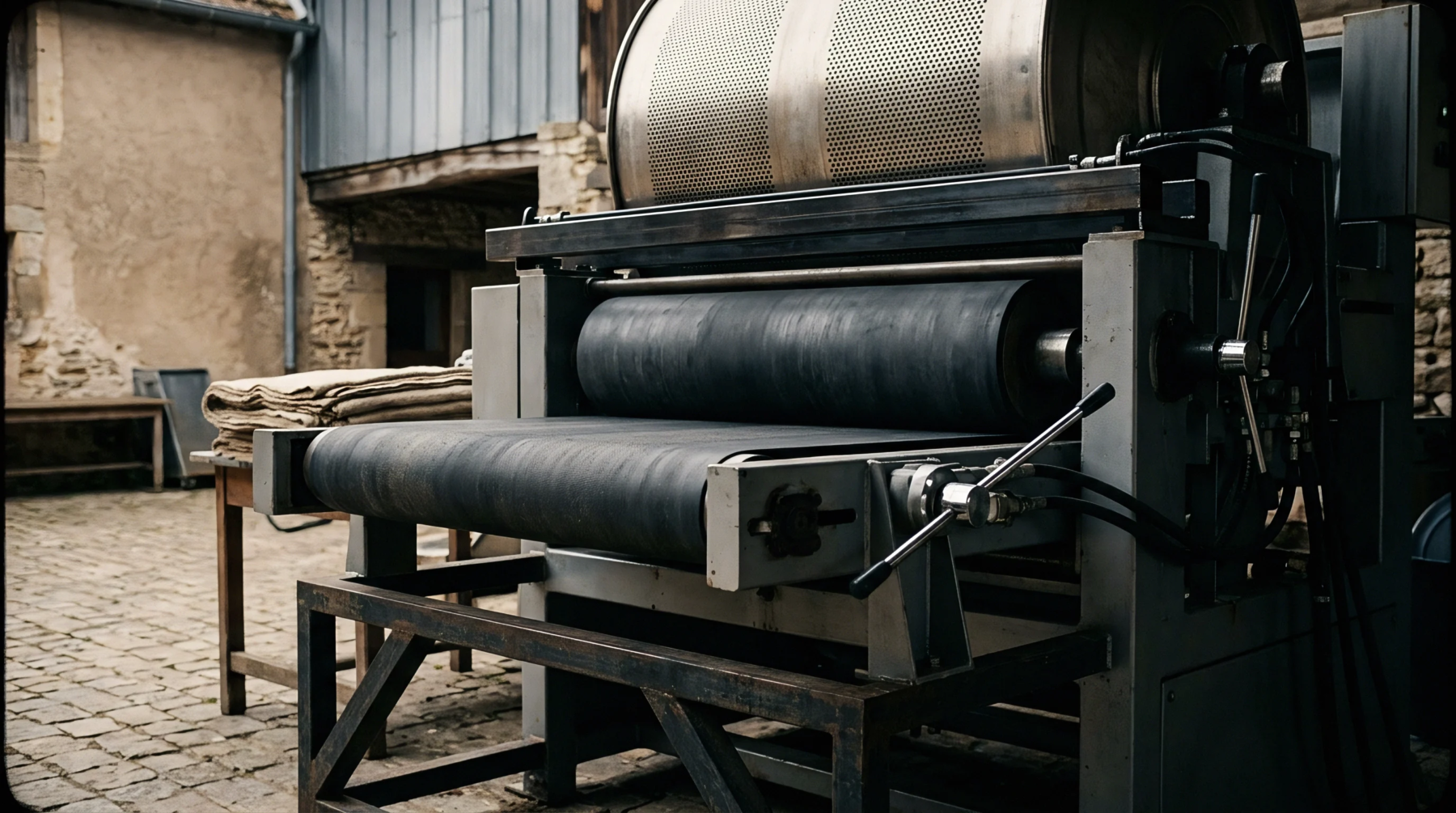
Controlled wet spinning trough hydrolysis selectively softens middle lamella pectin to optimize bundle division while retaining staple length for high tenacity.

Optical image analysis of overlapping flax bundles demands controlled sample dispersion, distance transform segmentation, and microtome cross-sectional correction.

Elementary cell cross-sectional area population distributions predict wet-spinning breakage limits far more accurately than standard gravimetric tex averages.
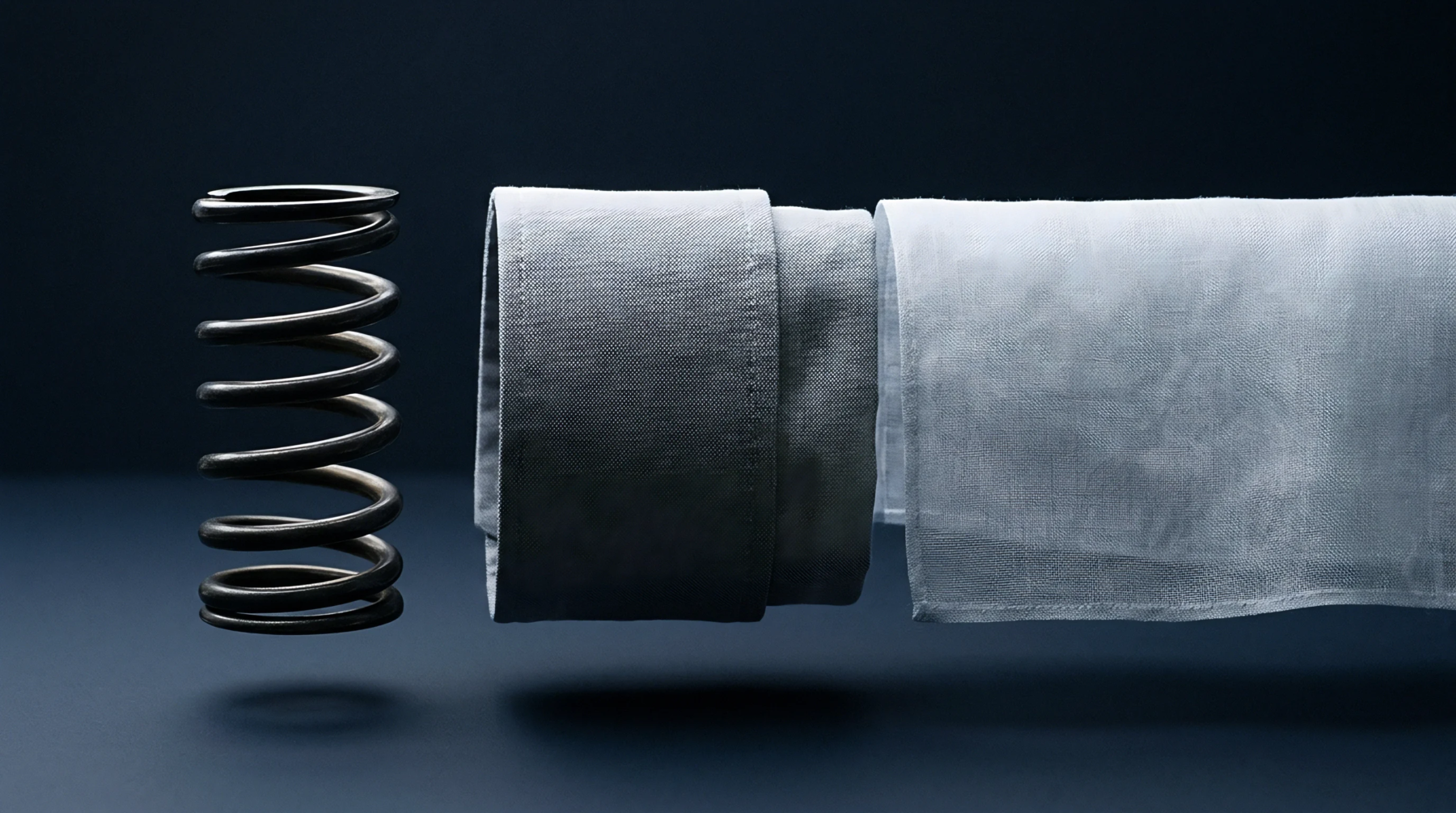
Air permeability fineness tests for raw flax require strict 65 percent RH conditioning, precise chamber packing density, and pre-cleaning of shive debris.
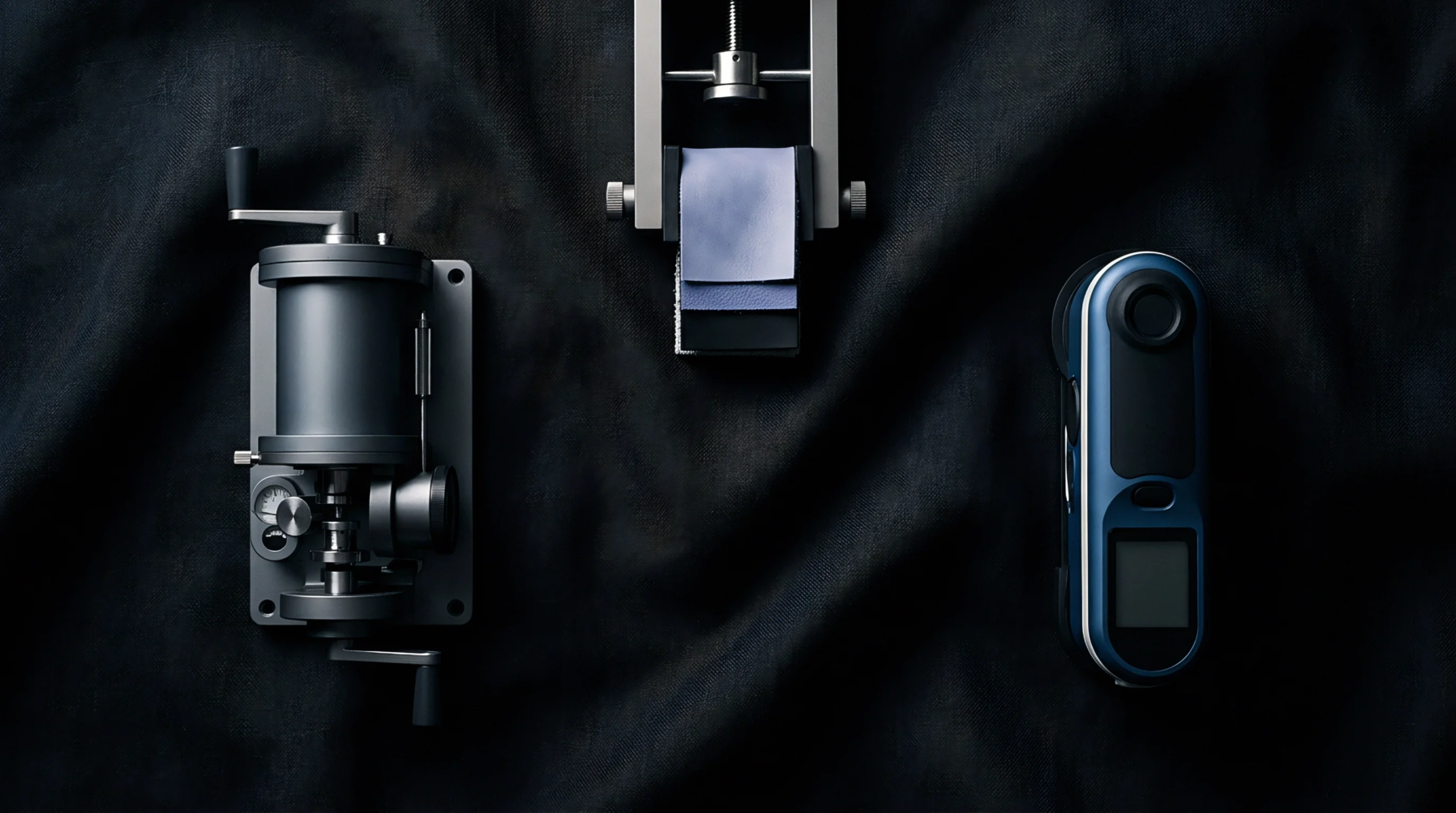
Gravimetric flax fineness testing measures cut bundle mass to determine exact linear density in tex, fixing spinnable yarn count and trade valuation.

Spectrophotometric m-hydroxydiphenyl quantification of ammonium oxalate extracted pectin predicts bast fibre sliver drafting behavior and wet spinning yield.
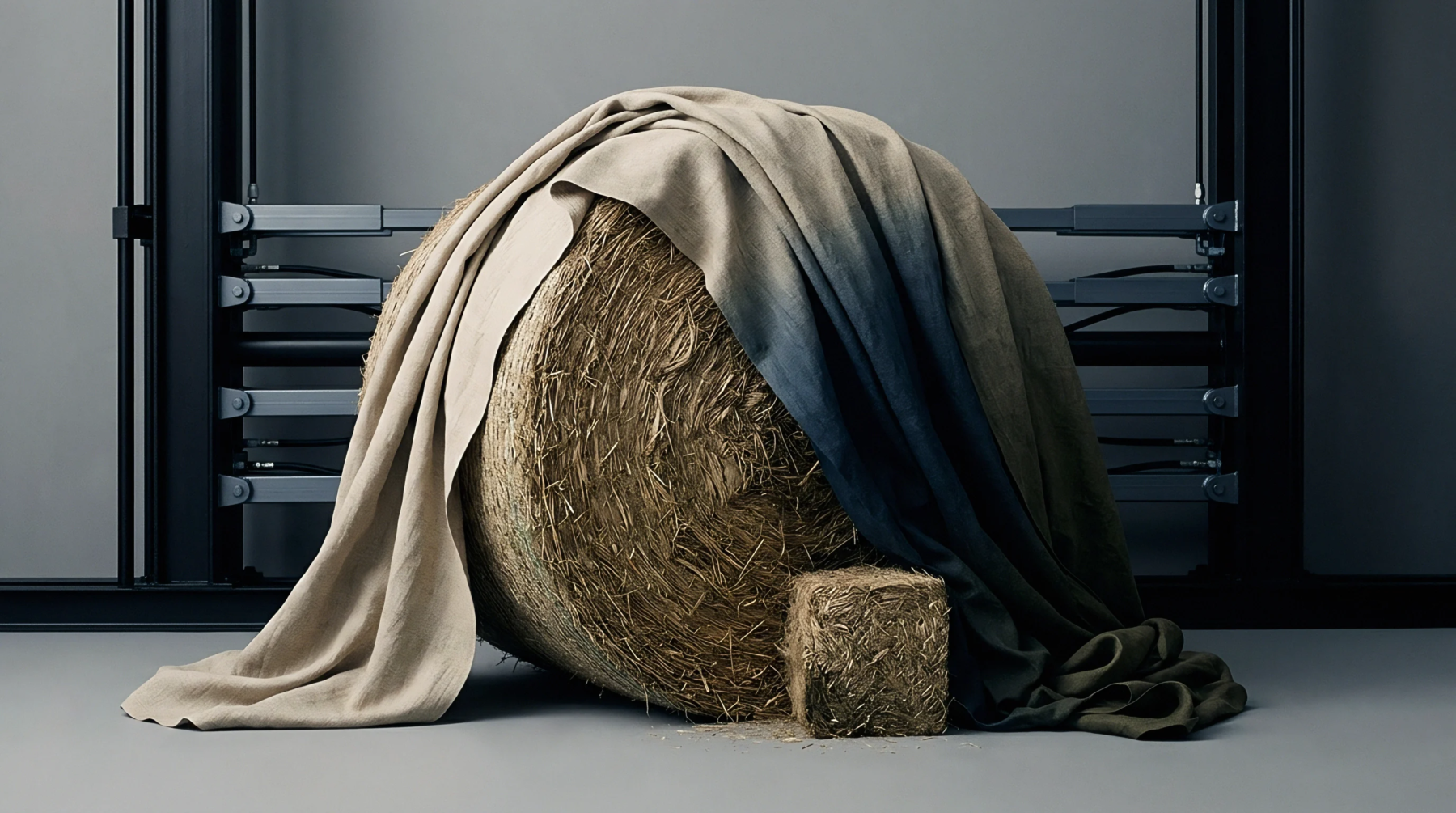
Bale opening routines verify dry mass, bundle tenacity, and shive content under ISO standards to lock in spinnable count and true fibre value before payment.
Accurate gravimetric testing of line flax linear density demands dry mass weighing and standard twelve percent regain adjustment per ISO 6741.
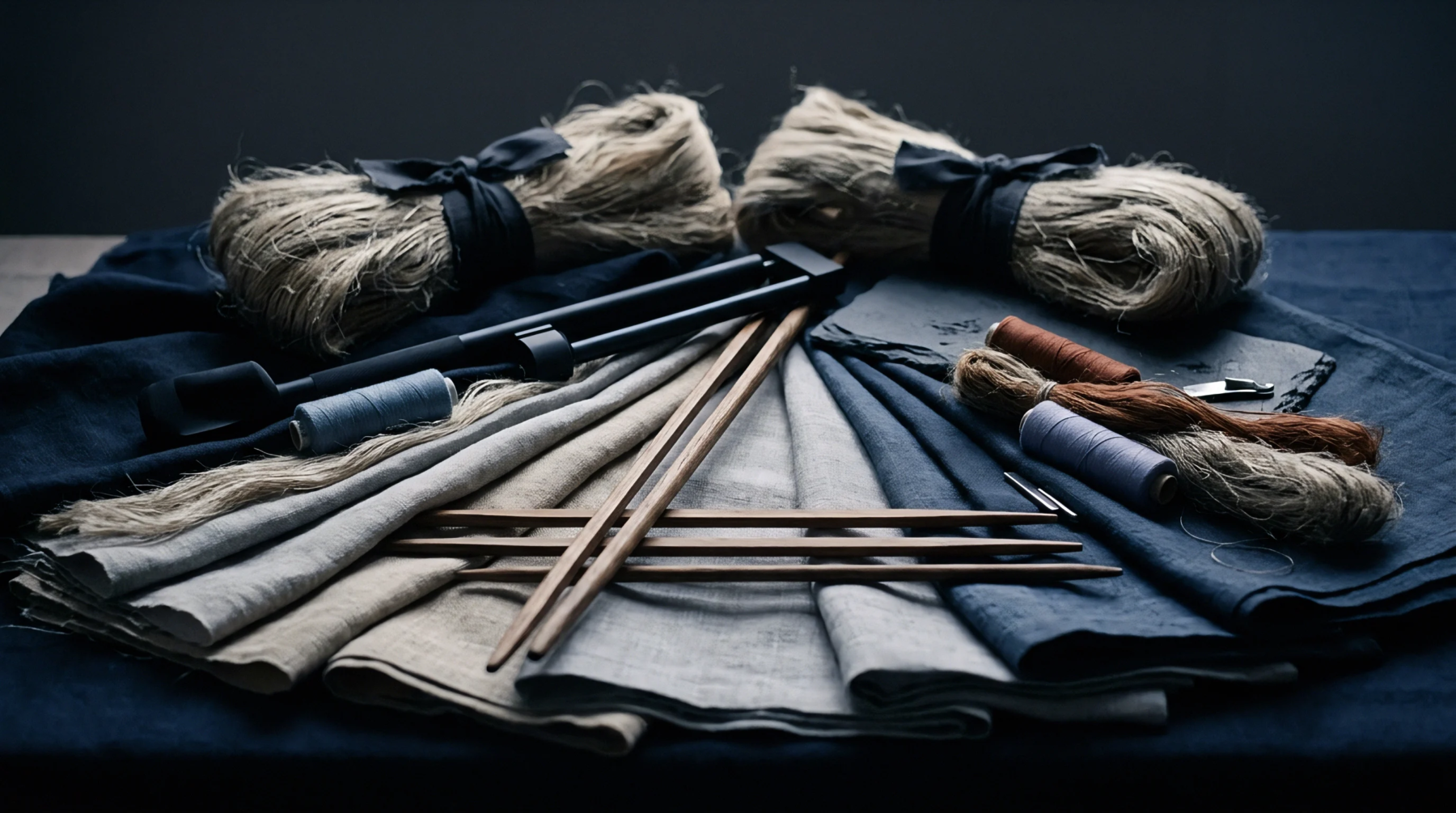
Resolving non-cellulosic encapsulation errors requires toluene-ethanol reflux and ammonium oxalate extraction to isolate true cellulosic mass for microbalance tex audits.
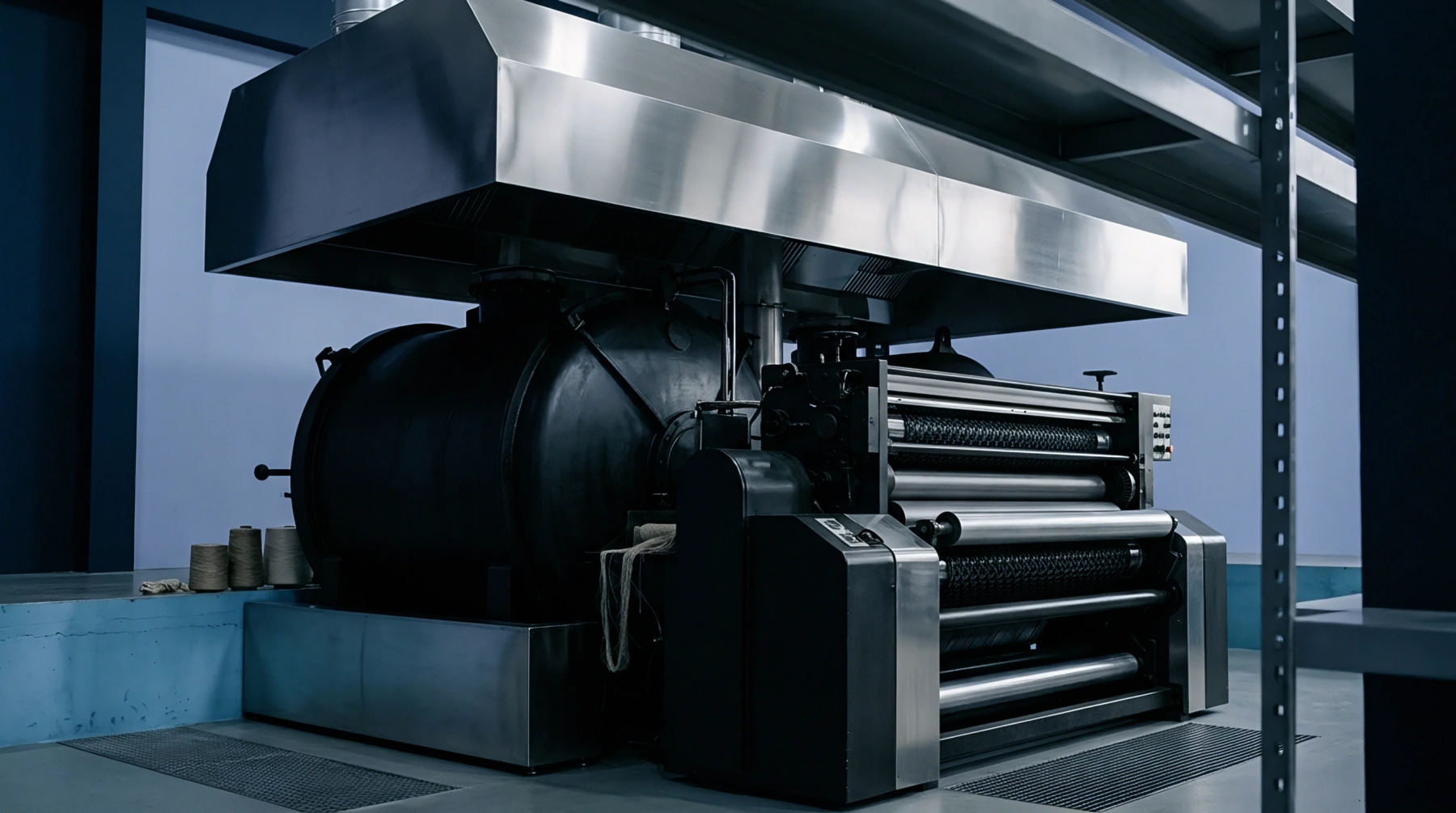
High-speed wet spinning demands sub-second pectin dissolution achieved through micro-jet boundary layer disruption and controlled calcium chelation.

Non-cellulosic content above 3.5% lowers hackling line yield, increasing tow waste and landed line fibre cost per finished metre.

Dynamic intake tenacity calibration against climate-induced microfibril degradation requires Weibull-adjusted bundle testing to prevent severe hackling yield loss.

Oven drying flax above 105°C degrades middle-lamella pectins into volatile gases, inflating reported moisture regain and damaging fiber spinning tenacity.

Optimal long line flax wet spinning recovery requires raw fiber Klason lignin held between 1.8 and 2.5 wt% to maximize hackling yield and prevent end breakage.

Climate-driven microfibril angle increases lower bast fibre tenacity, requiring adjusted wet-spinning draft ratios and altered contract strength limits.
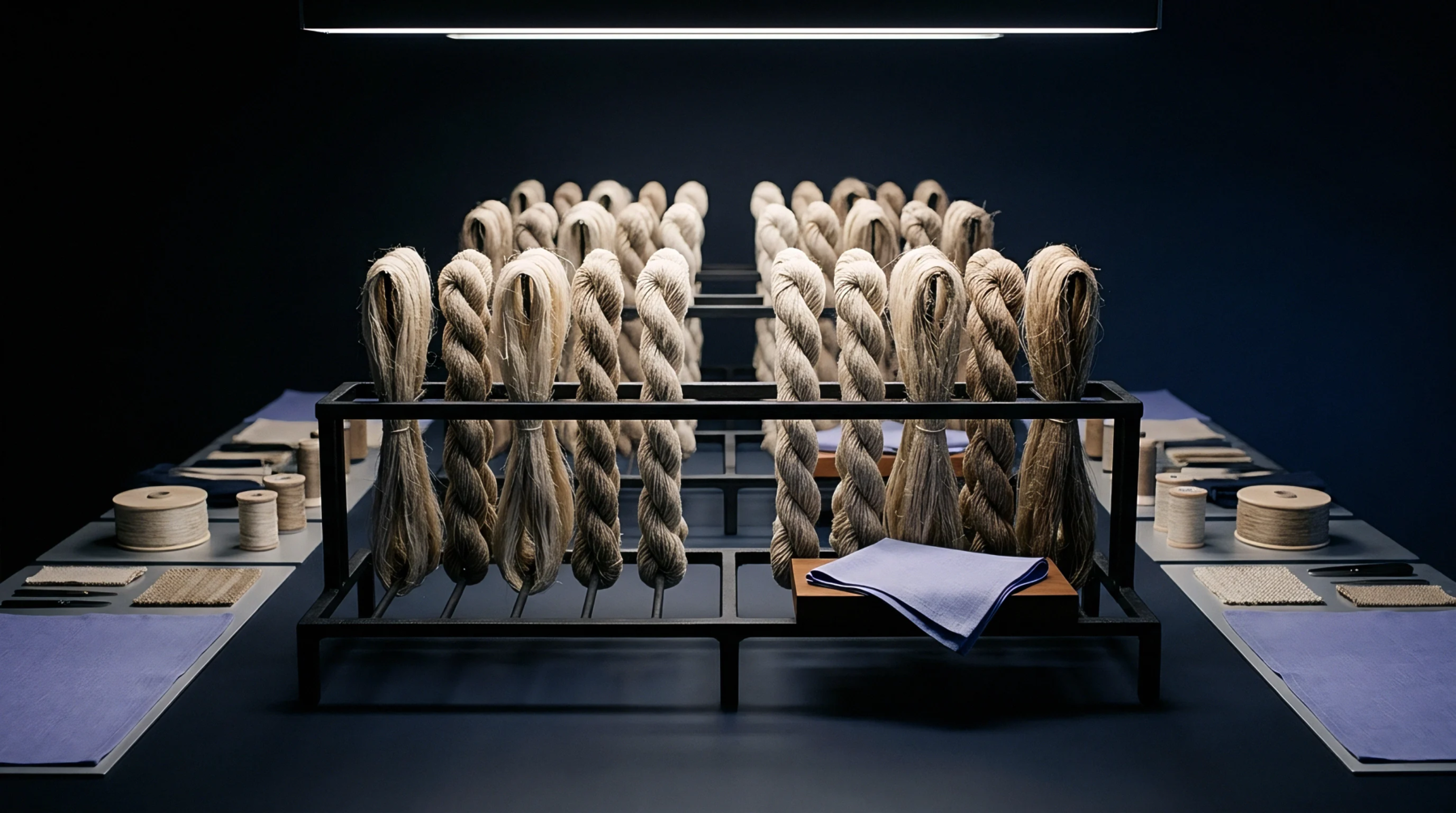
Isothermal thermogravimetry decouples non-cellulosic thermal degradation from moisture desorption, eliminating dry-mass underestimation and regain inflation in bast fibre trade.
Expertise is a utility, not a secret. sentiention™ publishes its working knowledge as open reference: intelligence layer covering the materials it sources, the markets it enters, and the reference that serves both.