
Flax Fiber Pectin Hydrolysis Kinetics under Trough Processing
Trough pectin hydrolysis requires precise temperature and pH control to preserve flax fiber bundle tenacity while enabling uniform wet spinning drafting.
Trough pectin hydrolysis requires precise temperature and pH control to preserve flax fiber bundle tenacity while enabling uniform wet spinning drafting.

Dynamic draft-step trials separate static mechanical waves from shifting bundle-splitting humps to prevent false roller repairs in wet flax preparation lines.

Standardising optical segmentation parameters prevents cross-sectional area errors from biasing flax fibre fineness ratings and wet-spinning yield forecasts.

Optimizing enzymatic pectinase retting to 1.2-1.6% residual pectin stabilizes wet drafting dynamics and enables high count Nm 80-120 line yarn spinning.
Quantifying residual galacturonic acid between 1.7 and 2.4 percent optimizes wet drafting glide, cutting spindle breaks and waste while capping landed yarn costs.

Enzymatic scouring weakens flax middle lamellae using pectate lyase, splitting bundle diameters from 80 to 25 micrometers to enable fine wet-spun yarns

Statistical arbitration clauses require critical difference thresholds based on inter-laboratory variance to prevent disputes over normal flax test scatter.

Critical wet spinning breakage thresholds occur when delivery speeds push dynamic balloon tension past wet bast cohesion, causing breaks above 40 ED1000.

High metric line flax spinning requires long staple fiber above 220 Nm fineness, targeted rove pectin boiling, and precise trough temperature control.

Optimizing wet trough temperature and pH solubilizes calcium pectate to lower drafting force, extend spinnable count, and cut ends down in dew-retted flax.
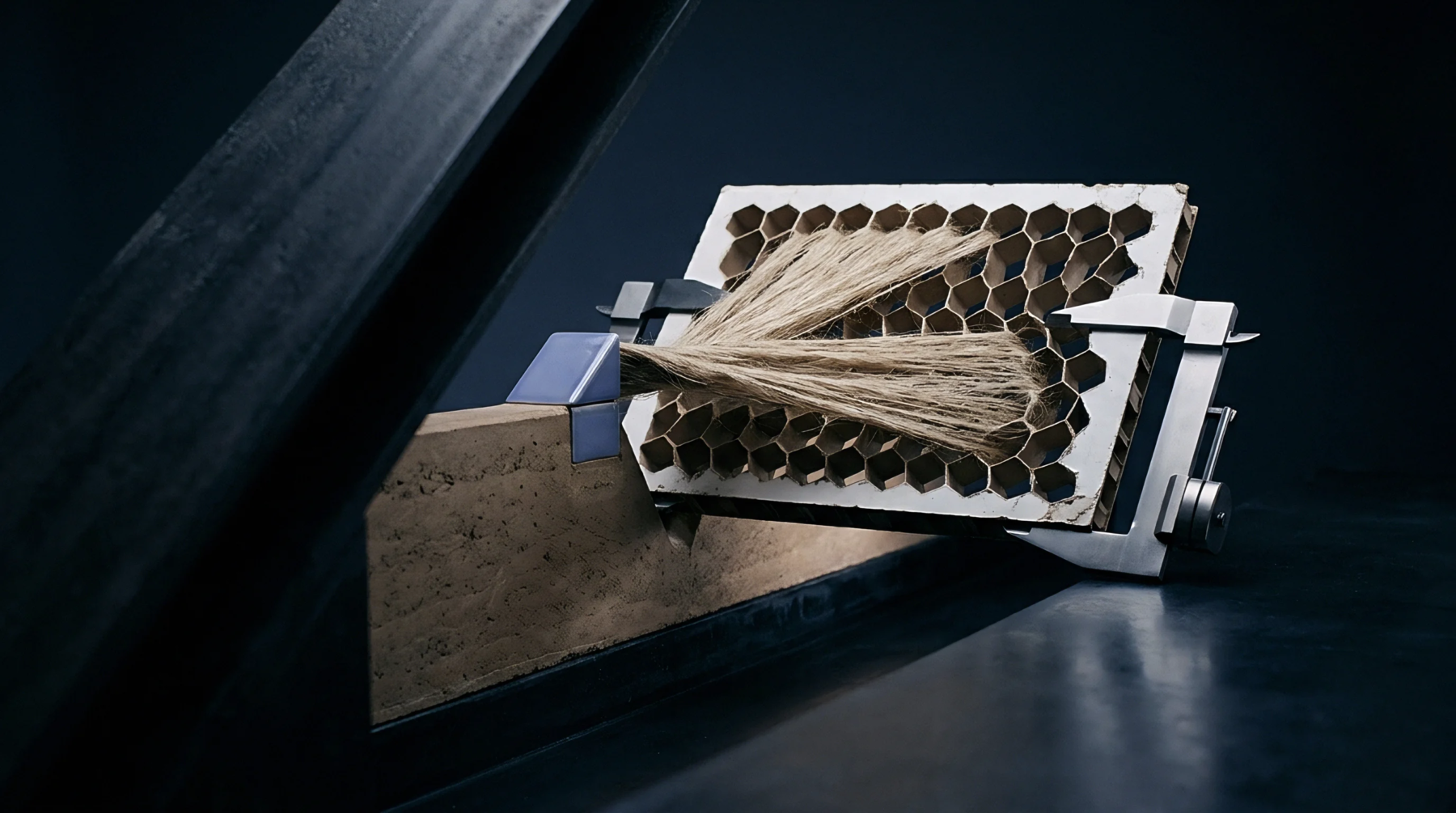
Exceeding 70 degrees Celsius in wet spinning troughs hydrolyzes middle lamella pectin excessively, dropping Nm 60 linen single yarn tenacity below 15 cN/tex.

Dual-axis telecentric imaging and pectin density filtering eliminate cross-sectional ellipticity bias to yield true linear density in high-speed bast testing.

Commercial claims on enzymatically processed flax require matching residual pectin levels against bundle tenacity and wet-spinning end breakages.

Cut length flax gravimetric linear density variance triggers tiered commercial debits based on wet spinning draft limits and yarn count yield loss.

Comb sorter profiling establishes staple length distribution, short fibre content, and drafting bounds to guarantee target yarn counts and fabric yield.

Cross-border flax provenance requires batch-level transaction certificates, physical bale segregation, and strict mass-balance waste reconciliation.

Optimizing hackling pin density requires matching pin pitch progression directly to the scutched flax length array to maximize fine line yield while preventing fibre breakage.
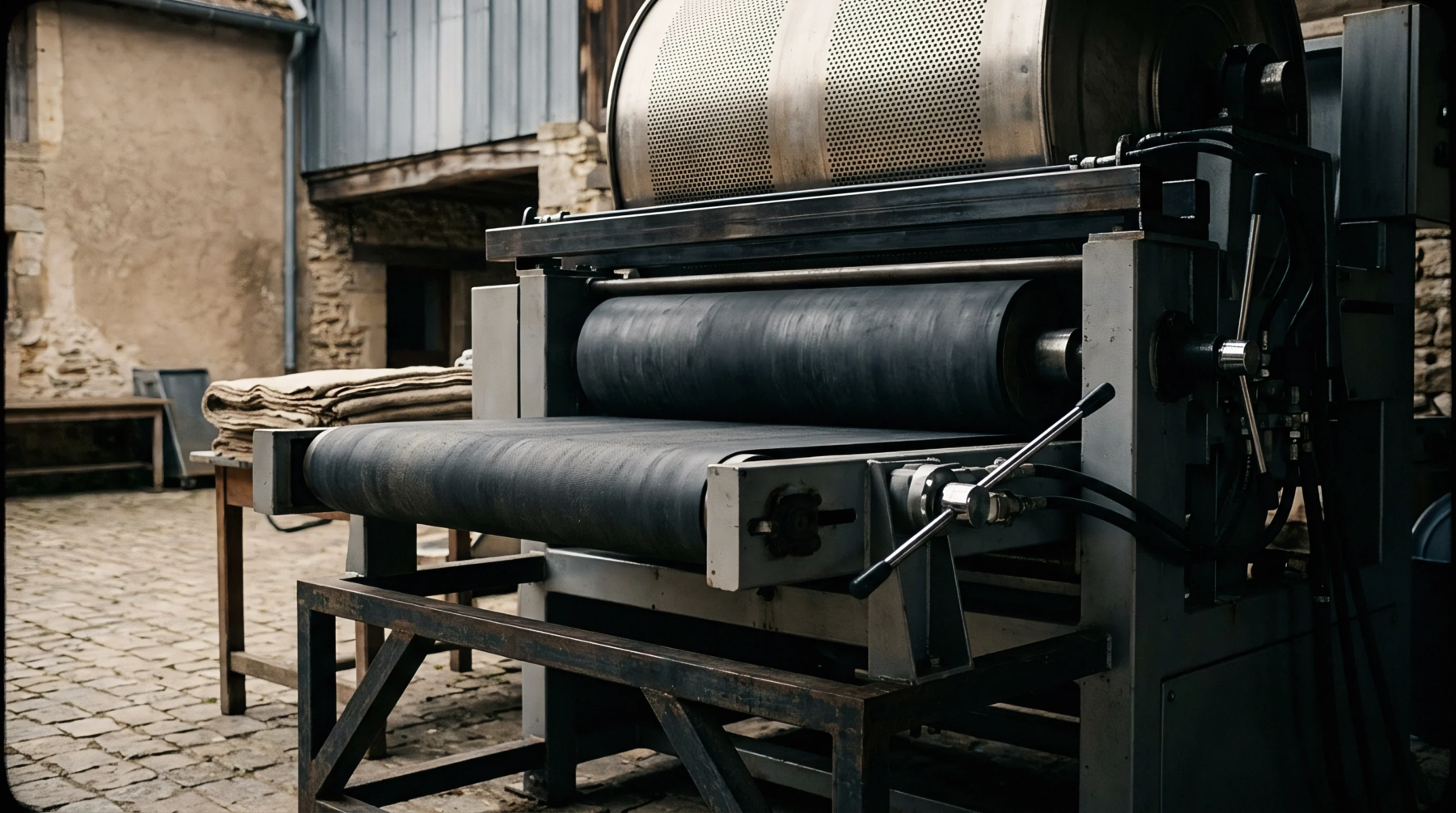
Controlled wet spinning trough hydrolysis selectively softens middle lamella pectin to optimize bundle division while retaining staple length for high tenacity.

Non-cellulosic residue fractions in flax sliver govern drafting stability, spinnable metric count, and true yarn yield; residual pectin exceeding 1.8 percent spikes end breakage and erodes landed cost discounts.

Operational provenance verification reconciles raw scutcher bale tags against spinning batch yields to prevent volume inflation across linen supply chains.
Expertise is a utility, not a secret. sentiention™ publishes its working knowledge as open reference: intelligence layer covering the materials it sources, the markets it enters, and the reference that serves both.