Resolving Inter-Laboratory Bias in Manual Comb Sorter Calibration for High-Count Line Flax Specifications
Resolving inter-laboratory bias in flax comb sorting requires strict humidity control, calibrated clamp pressure, and master reference sliver standardization.
Jaw
Manual comb sorters measure the staple length distribution of hackled line flax by mechanically fractionating a sample in stages. Testing starts with a conditioned five-gram sliver, mounted across a double bed of parallel steel pins spaced between six and twelve millimeters apart. Using wide, leather-lined or rubber-tipped forceps, the technician catches projecting fibre tips.
The pull must stay strictly axial to avoid breaking the staple mid-draw. Each pull takes only the fibres whose front ends line up at the front combs. For high-count wet spinning ~ especially yarns from Nm 60 to Nm 120 ~ the tail of short fibres under forty millimeters has to be kept minimal.
Slipping by even a millimeter or two in gripping depth shifts the measured mean length noticeably across the same lot.
Fibre alignment determines where true line fibre ends and residual tow begins. Flax stricks consist of technical bundles held by middle-lamella pectin rather than isolated single cells, so grabbing an unaligned tuft causes neighboring bundles to draft out parasitically. After dropping the initial pin bank and turning the sorter bed one hundred and eighty degrees, the operator extracts the shorter groups.
Pin sharpness also matters: sharp needles let overlapping strands slide past, whereas dulled tips snap fine bundles and artificially inflate the sub-fifty-millimeter fraction.
Coarse pin beds fracture fine hackled bundles during manual transfer.
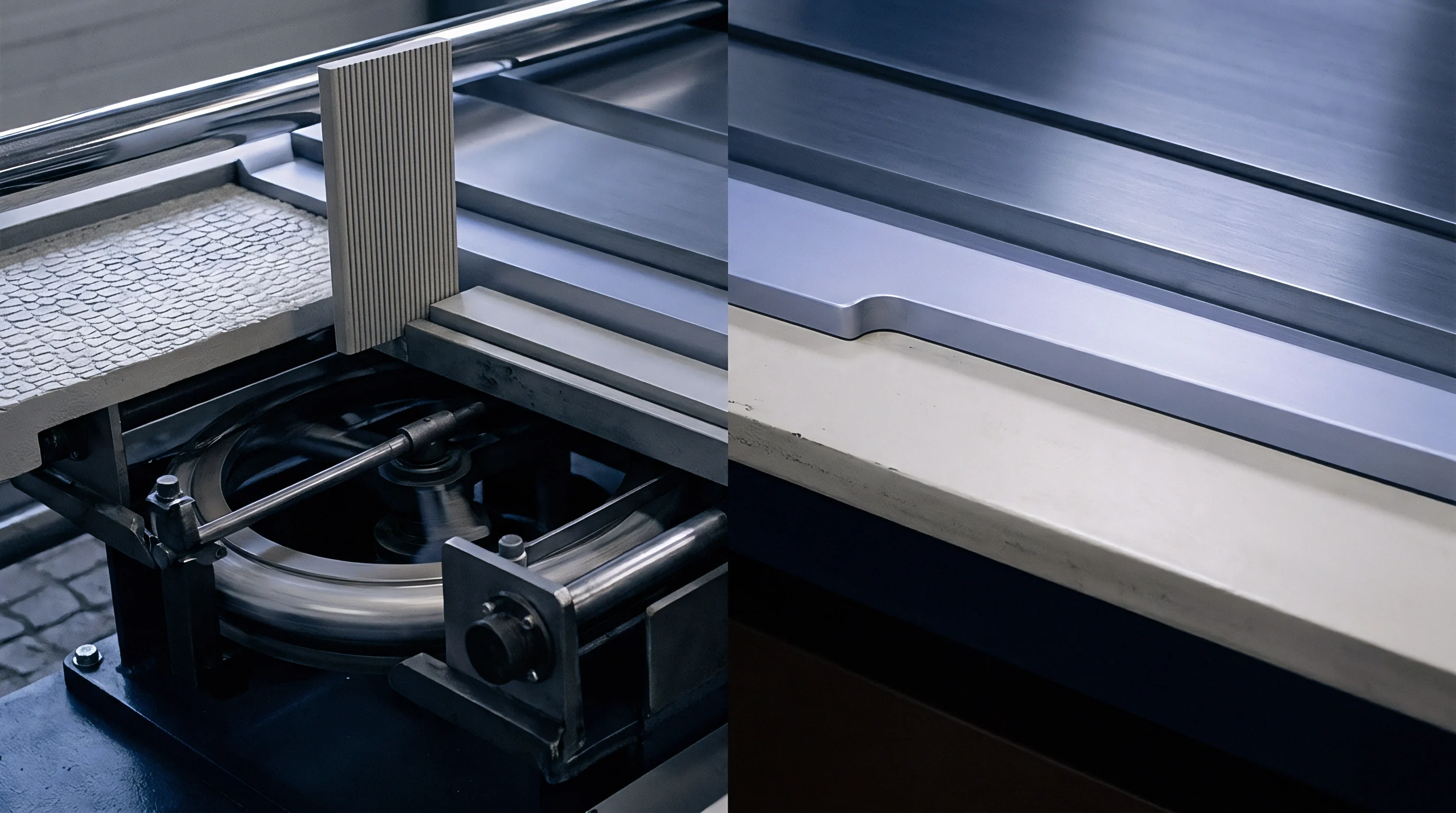
Pincer geometry is where testing benches first begin to diverge. A narrow jaw concentrates gripping force over a three-millimeter line, which easily crushes bundles. A wide twenty-millimeter jaw spreads that force out, but slippery, well-retted flax can slide out before it is pulled clear.
Standard test methods call for thirty-five kilopascals across the jaw face; drifting from that target can tilt the cumulative length curve by as much as six percent.
- Forceps Contact Width determines transverse pressure distribution across the clamped bundle head.
- Pin Bed Pitch establishes the minimum retention step during manual transfer strokes.
- Drawing Velocity dictates kinetic friction between neighboring pectin-coated bundles.
- Specimen Mass Density governs parasitic drag during initial tuft isolation.
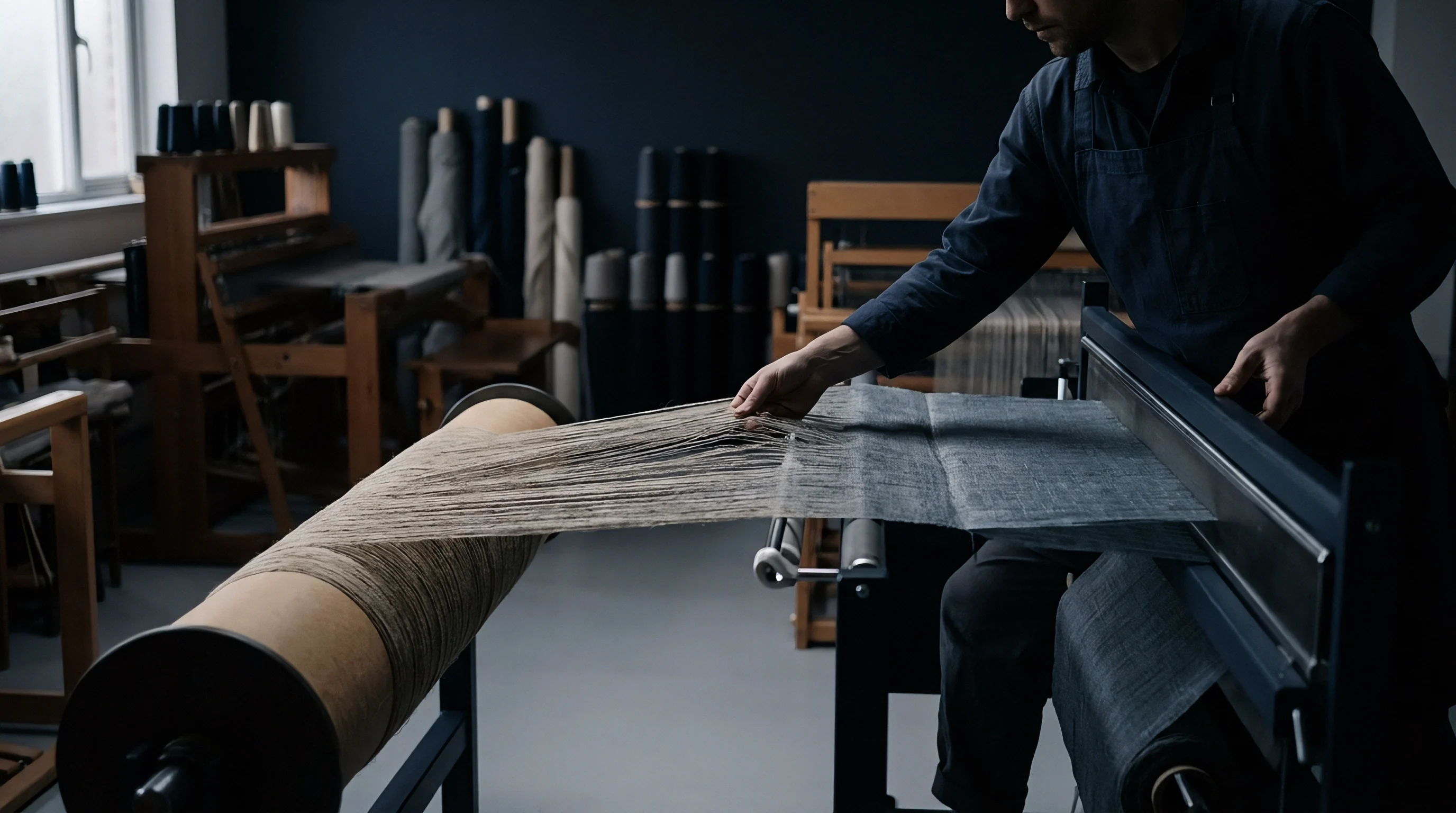
Operator pacing changes bundle alignment as well. Fast, jerky pulls build heat and static in a dry testing room. Charged fibres flare out, snag on outer pins, and land crooked on the velvet board.
A slower, uninterrupted draw lets bundles slide along their length with little disturbance to adjacent material.
Steady draws protect the original bundle length from breaking down.
Fraction
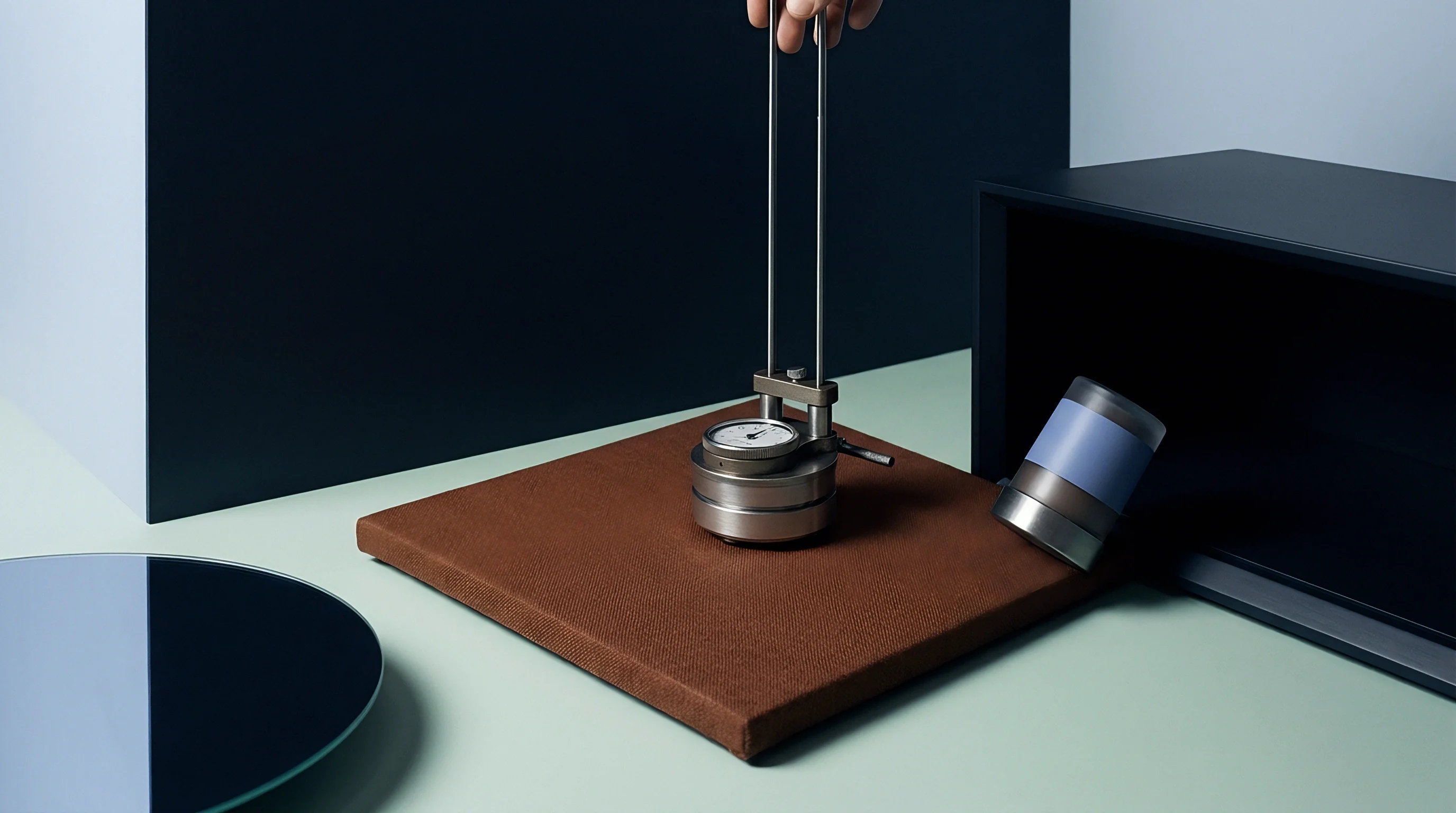
Extracted tufts are laid down along a graduated velvet board to build a Baer or Johannsen diagram. The arrays run in descending order from the longest strick sections down to base fragments. For high-count wet spinning, the diagram needs a steep, tidy curve with an Upper Quartile Length above three hundred and twenty millimeters.
Fragments under twenty-five millimeters wash out or slip uncontrolled in the wet trough, creating thin spots in the roving. Weighing each length tier defines whether the lot meets its spinning target.
Does Relative Humidity Skew Short Fibre Percentages?
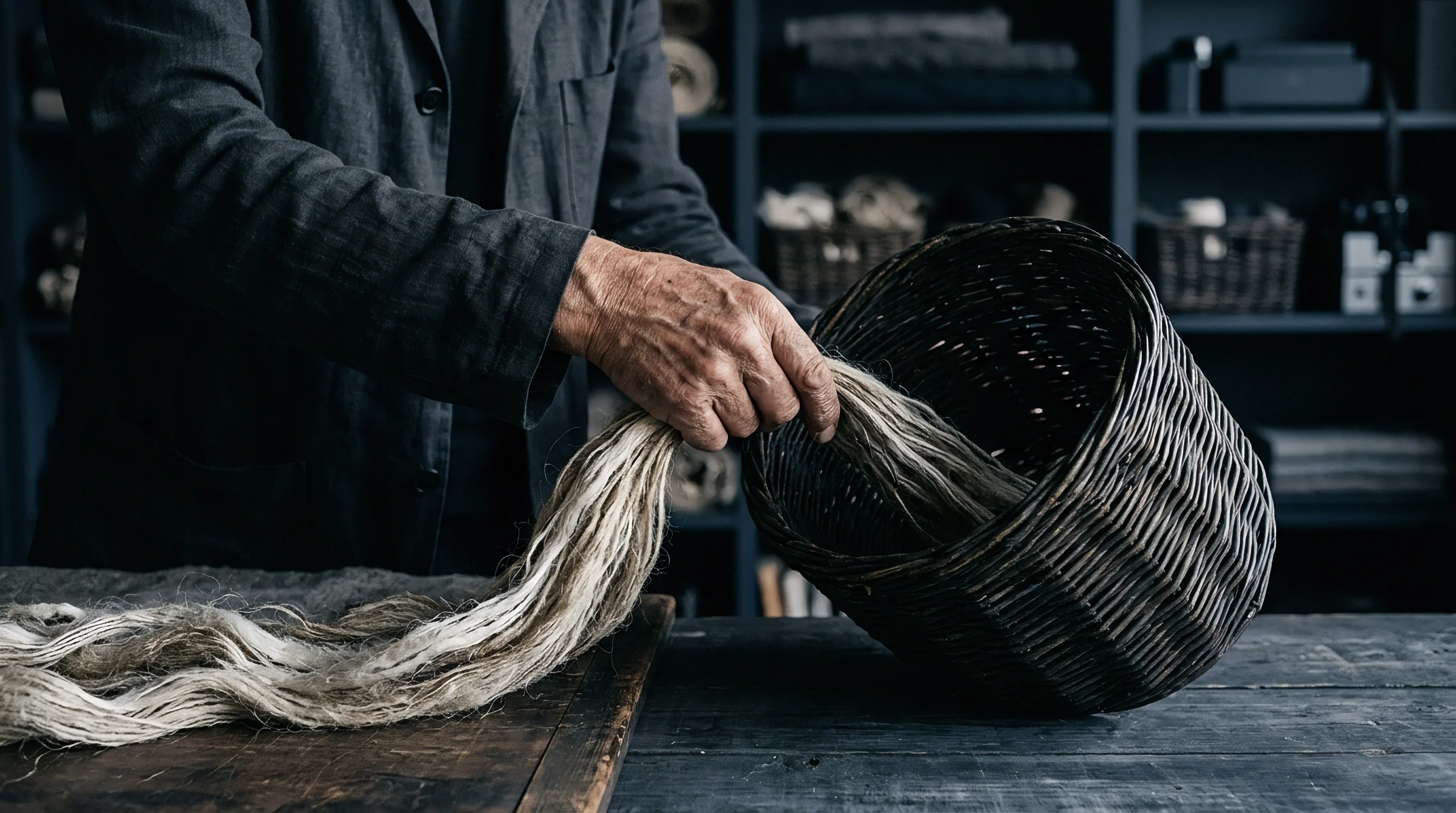
Bast fibres depend heavily on moisture equilibrium for flexibility during fractionation. When dry, technical bundles shatter under modest tension; at fifty percent relative humidity, fibres catch and snap on the comb pins, turning line flax into artificial short waste. Above seventy percent humidity, pectins soften and bundles stick together from capillary moisture.
Conditioning to ISO 139 standard conditions ~ twenty degrees Celsius and sixty-five percent relative humidity ~ keeps the fibres pliable without making them tacky.
| Length Interval | Mass Share Standard Lot | Mass Share Over-combed Lot | Drafting Impact in Wet Roving | Spinning Limit Impact |
|---|---|---|---|---|
| Above 400 mm | 22.5% | 14.1% | Stabilizes drafting zone friction | Enables counts beyond Nm 100 |
| 300 to 400 mm | 41.0% | 38.2% | Forms main yarn core matrix | Sustains Nm 80 target count |
| 200 to 300 mm | 21.8% | 24.5% | Maintains bundle continuity | Acceptable down to Nm 60 |
| 100 to 200 mm | 9.2% | 13.0% | Elevates strand mass irregularity | Increases thin place frequency |
| Below 100 mm | 5.5% | 10.2% | Accumulates in spinning trough | Triggers end breakages |
Integrating the mass distribution produces Modal Length and the Short Fibre Fraction. Mills producing fine yarns reject shipments showing more than eight percent Short Fibre Content by weight for counts above Nm 80. Careless alignment on the velvet can stretch the diagram visually, hiding short material beneath the long-staple groups.
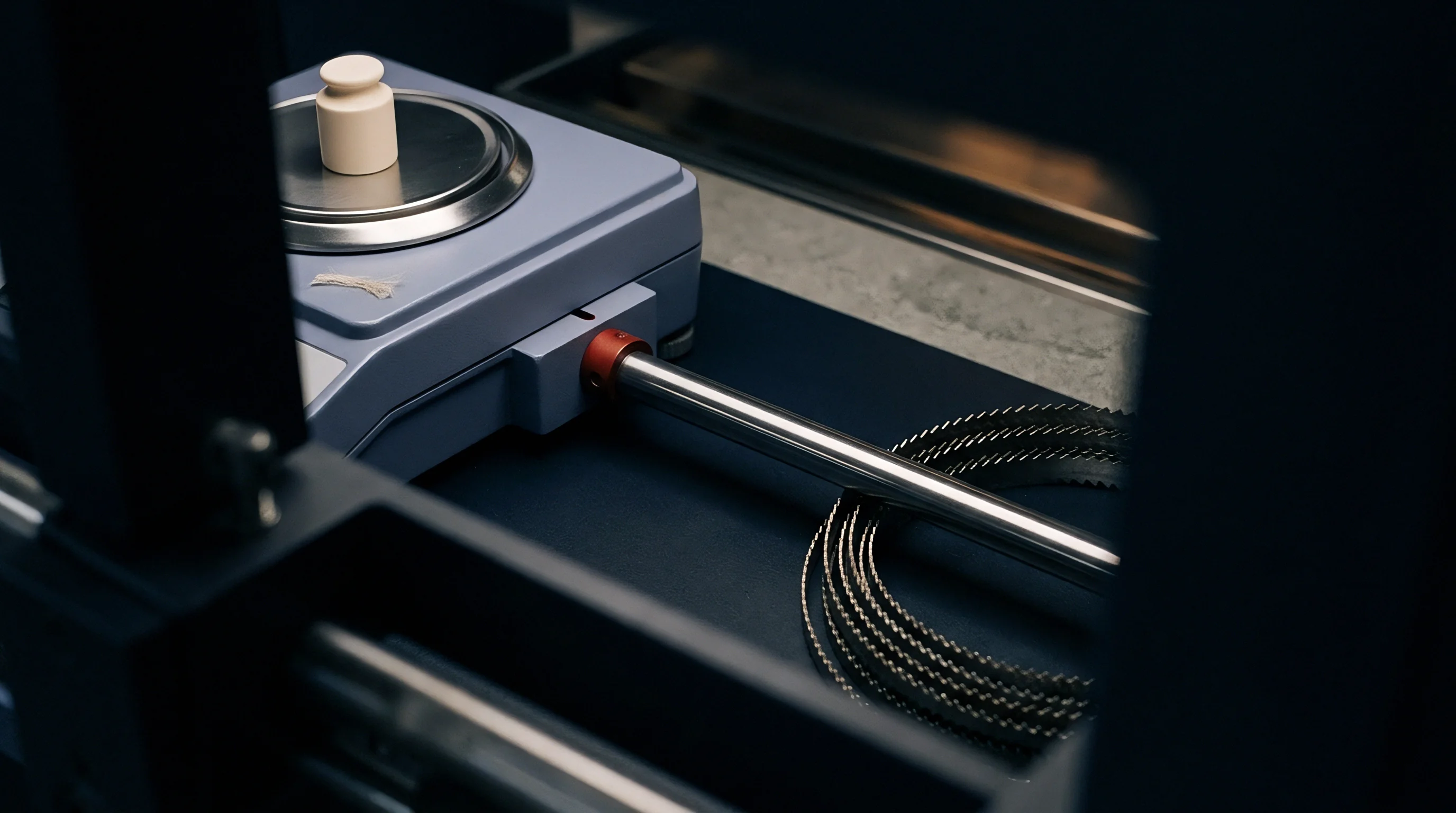
Each cut must be weighed on a four-place analytical balance: misplacing just ten milligrams of short fibre in a five-gram specimen moves the final fraction by 0.2 percentage points.
Flax lots conditioned below fifty-five percent relative humidity yield elevated short fibre readings due to mechanical bundle shatter.
Spinners use these mass values to anticipate drafting behavior. Long bundles carry the strand through the water bath at seventy degrees Celsius; short fragments simply float through unguided, producing slubs and twist faults. An accurate diagram prevents unnecessary downtime on the spinning frame.
Manual sorting variance traces to natural biological variation as much as operator technique.

Drift
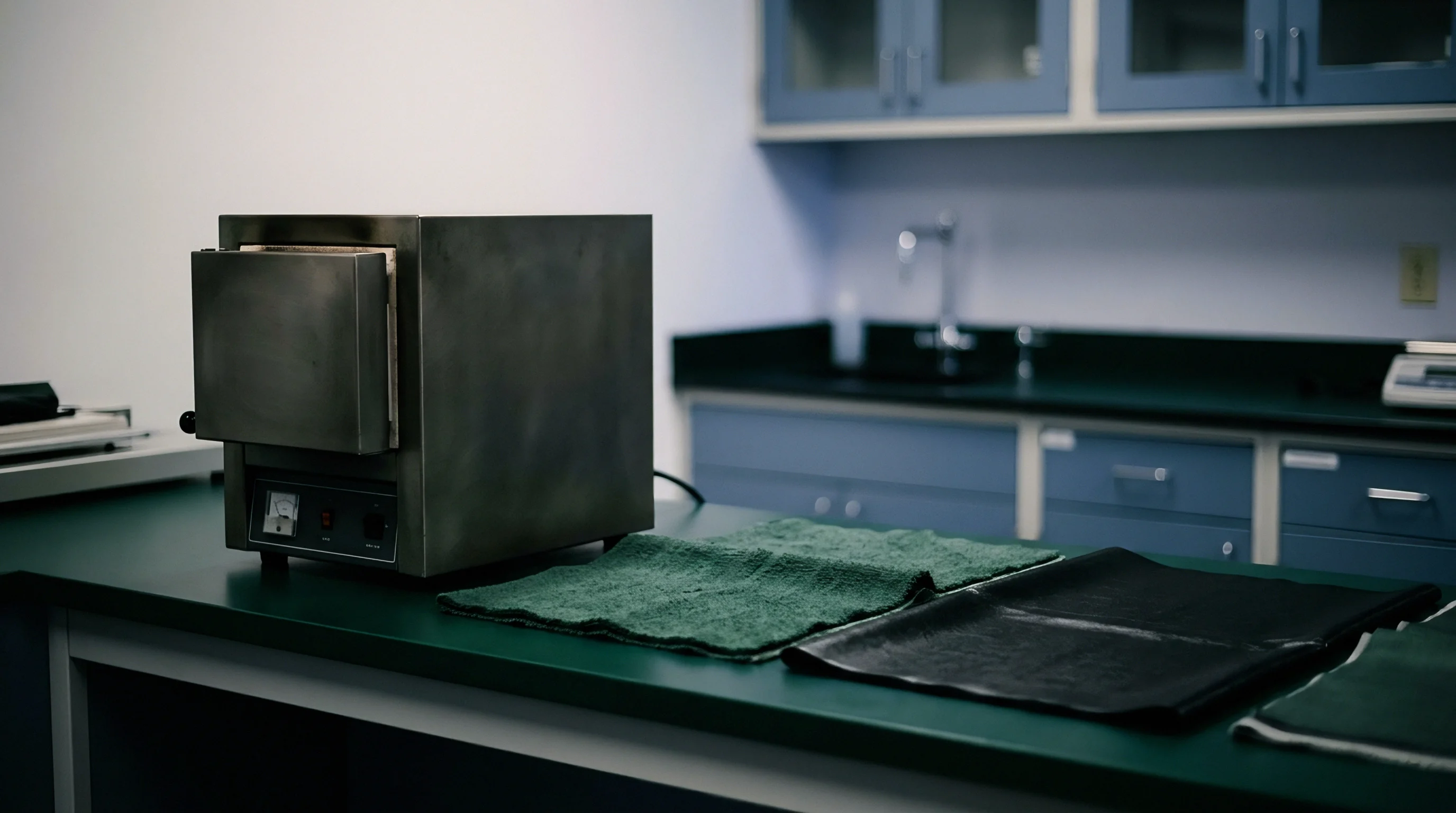
Differences between buyer and seller figures usually come down to manual habits rather than faulty scales. Inter-laboratory trials on hackled sliver show consistent offsets: one facility routinely reports higher Upper Quartile Lengths, while another flags elevated Short Fibre Fractions on the very same master lot. Over seventy percent of this inter-lab variation stems directly from technician technique.
Can Clamping Force Alter Base Diagram Cutoffs?
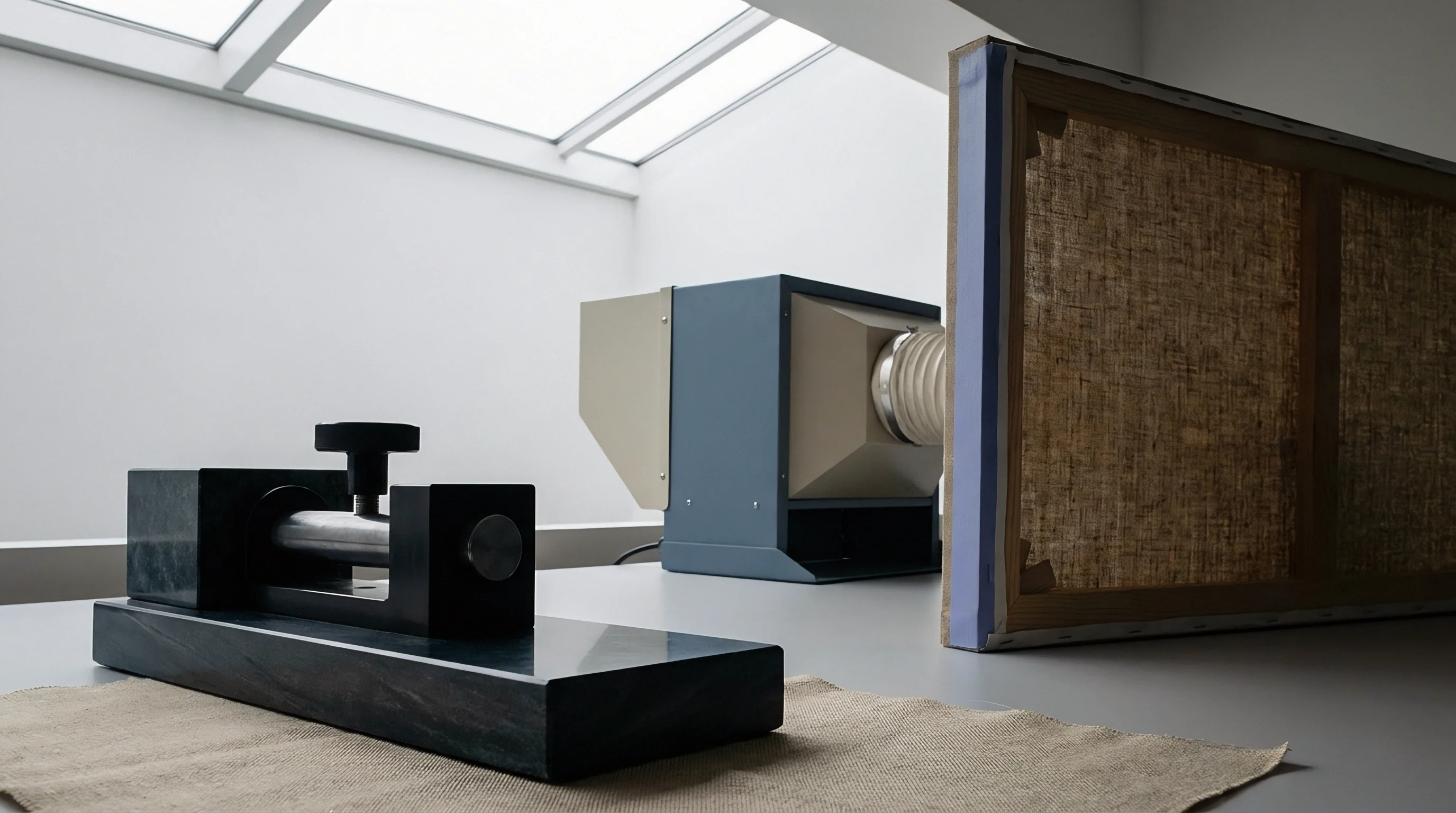
Grip pressure during transfer varies widely from person to person. Clamping too hard crushes bundles against the comb base and shears fine strands. Clamping too lightly lets longer bundles slide through the jaw, dropping them into shorter bins.
That spread in handling shows up directly as laboratory-to-laboratory disagreement in Modal Length.
| Laboratory Identifier | Mean Length | Upper Quartile Length | Short Fibre Fraction | Operator Pulling Rate |
|---|---|---|---|---|
| Lab A (Buyer Mill) | 284 mm | 342 mm | 6.2% | 12 draws per minute |
| Lab B (Origin Scutcher) | 312 mm | 378 mm | 3.8% | 24 draws per minute |
| Lab C (Arbitration Bench) | 296 mm | 355 mm | 5.1% | 16 draws per minute |
Pin maintenance also skews the numbers. Needles gather flax wax, pectin dust, and bits of shive over time. Fouled pins grip passing fibres harder, pulling short bundles out earlier in the cycle than they should.
Periodic cleaning in an ultrasonic solvent bath brings pin drag back to nominal.
- Wax Deposition increases frictional resistance along the needle shafts, skewing the transfer efficiency.
- Needle Misalignment creates irregular gaps where bundles pass without proper fractionation.
- Velvet Board Wear prevents accurate visual alignment of the initial baseline during tuft deposition.
- Specimen Sub-sampling Error introduces bias when drawing the five-gram test sliver from heavy bales.
Small testing errors cause real manufacturing losses downstream. A mill that purchases flax based on an inflated Upper Quartile Length runs into immediate end-break surges on the wet-spinning floor. Frame stoppages rise steeply once short-staple content crosses processing limits, quickly leading to rejected yarn, contractual claims, or blocked letters of credit.

Reference
Aligning results across facilities requires standard reference materials and rigid calibration checks. Bast fibres lack universal standards like the USDA calibration cottons, so laboratories maintain their own reference slivers drawn from stable Courtrai or Normandy dew-retted line flax. Kept under controlled temperature and humidity, these reference lots provide a stable benchmark across multiple seasons.
Maintaining consistency requires running duplicate tests on the reference sliver each week for every active sorter. If an operator’s Upper Quartile Length strays more than five millimeters from the reference value, the bench stops for recalibration. The technician adjusts pin alignment, jaw surfaces, and pulling speed until three back-to-back tests hit target tolerances.
| Evaluation Parameter | Master Reference Target | Acceptable Lab Tolerance | Gage R and R Limit |
|---|---|---|---|
| Mean Staple Length | 310 mm | Plus or minus 6 mm | Under 8.5% total variance |
| Upper Quartile Length | 365 mm | Plus or minus 8 mm | Under 7.0% total variance |
| Short Fibre Content (Under 40 mm) | 4.8% by mass | Plus or minus 0.6% | Under 10.0% total variance |
| Base Diagram Alignment | Zero reference line | Within 1.5 mm deviation | Under 5.0% total variance |
Digital image analysis helps strip operator error from the measurement step. An optical scanner reads the Baer diagram on the velvet plate, replacing manual rule checks with pixel measurements. The software detects the bundle boundaries, calculates the area under the cumulative curve, and generates staple figures free from visual fatigue.
Standard contracts specify third-party laboratory arbitration when duplicate comb sorter tests differ by more than twelve millimeters in Upper Quartile Length.
Bland-Altman plots track inter-laboratory agreement across commercial contracts. Comparing the differences between two laboratories against their shared mean highlights fixed and proportional offsets. Calibration holds only when ninety-five percent of comparative data points lie within two standard deviations of the average difference.
Contract schedules reference ISO 6741 conditioning requirements to keep both parties tied to the same moisture corrections during commercial disputes.

Parity
Flax valuation tracks staple length very closely. A ten-millimeter drop in Upper Quartile Length can reduce the spinning capacity of a lot by ten metric count steps. Fibre suited for Nm 80 sells at five dollars and eighty cents per kilogram; if missed short fibre restricts that same lot to Nm 50, its value falls to four dollars and twenty cents per kilogram.
That spread of one dollar and sixty cents per kilogram is enough to unravel supply agreements.
On a twenty-metric-ton shipment contracted for Nm 80, terms may require a maximum Short Fibre Content of 5.0 percent and an Upper Quartile Length of 350 millimeters. If origin testing understates short fibres at 4.2 percent, but destination checks reveal 7.8 percent, processing assumptions fail immediately. The mill faces an eight percent drop in hackling yield and a three-fold jump in wet-spinning end breaks per thousand spindle hours.
Downstream fabric quality suffers alongside roving uniformity. Short bundles bunch into neps and thick spots that show up as visible slubs in woven cloth. On a ten-thousand-metre run of one hundred and forty gram per square metre plain-weave fabric, these yarn defects can drop goods from first-quality to second-quality, cutting finished value by thirty percent.
Buyers manage this risk by writing tight sorter tolerances into their purchase agreements. Contracts condition final invoice approval on destination comb-sorter results averaged across two technicians. When measurements fail to reconcile, mills discount the purchase price to offset the loss in spinning count.
Whether automated image analysis will eventually replace manual sorter arrays in commercial arbitration remains an open question across the trade.