
Customs Classification and Regain Adjustments for Imported Bast Fibre Shipments
Core sampling imported bast fibre bales for ISO 6741 oven-dry mass adjustments corrects valuation entries and prevents duty overpayment on water weight.
Core sampling imported bast fibre bales for ISO 6741 oven-dry mass adjustments corrects valuation entries and prevents duty overpayment on water weight.
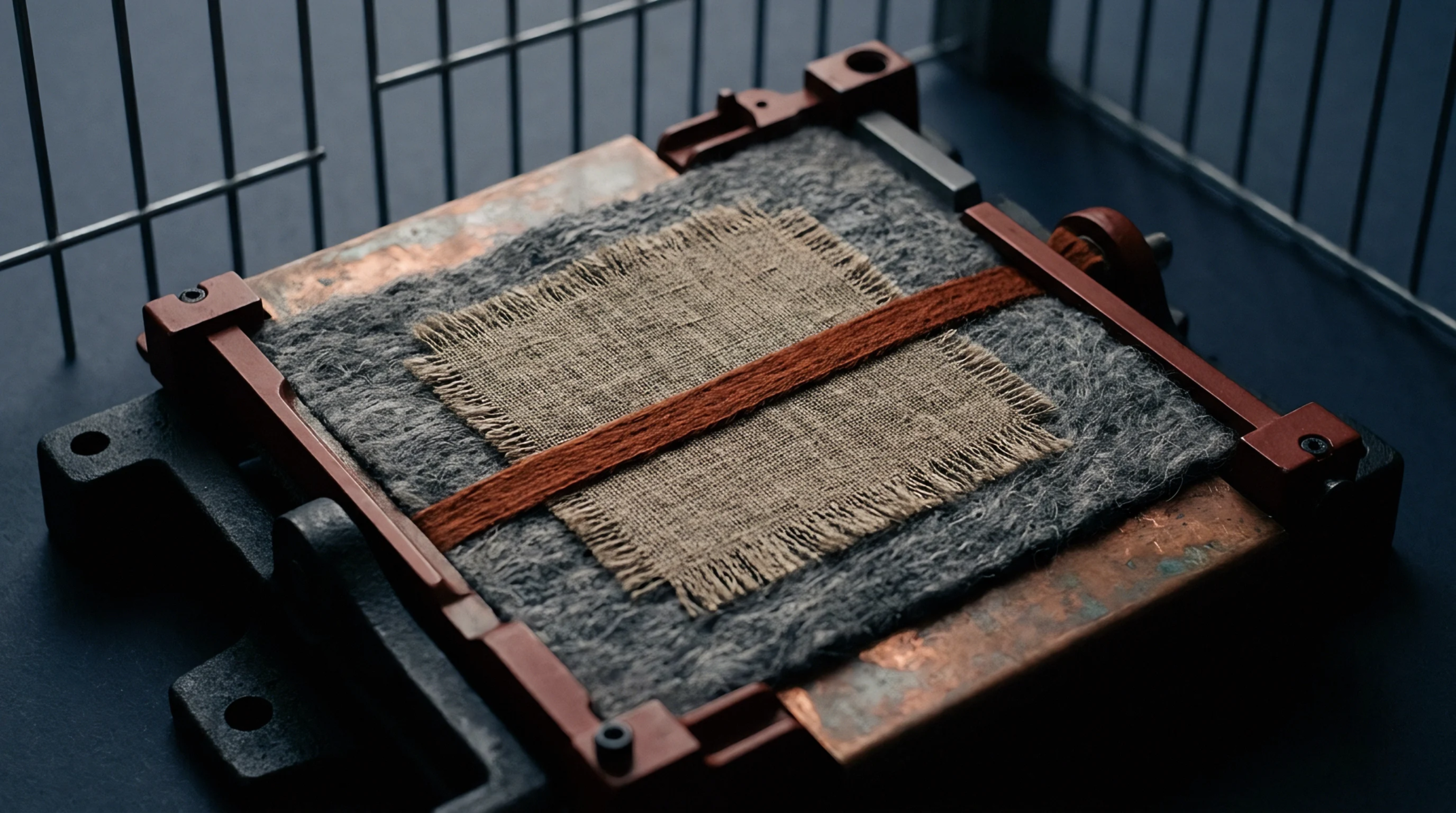
Differentiating line from tow flax in ambiguous quotes requires verifying staple length over 500 mm, shive below 3%, and hackling yields above 50% by contract.

Hot water trough temperatures between 68°C and 74°C plasticize middle lamella pectins, preventing microfibril rupture and securing fine yarn counts up to Nm 80.

Cellulose microfibril angle dispersion drives transverse cell wall cleavage under pin shear, reducing dressed long line flax yield by up to 16 percentage points.

Fine wet-spun flax yarn tenacity depends on controlled pectin softening in the trough, allowing technical bundles to divide into fine elementary cells during draft.

Azimuthal XRD peak deconvolution isolates microfibril angle and crystallite alignment, exposing climate-degraded bast fibers before mill processing.

Heat and drought lower flax middle lamella pectin shear strength, reducing hackling long-line yield and dropping wet-spinning count caps from Nm 39 to Nm 26.
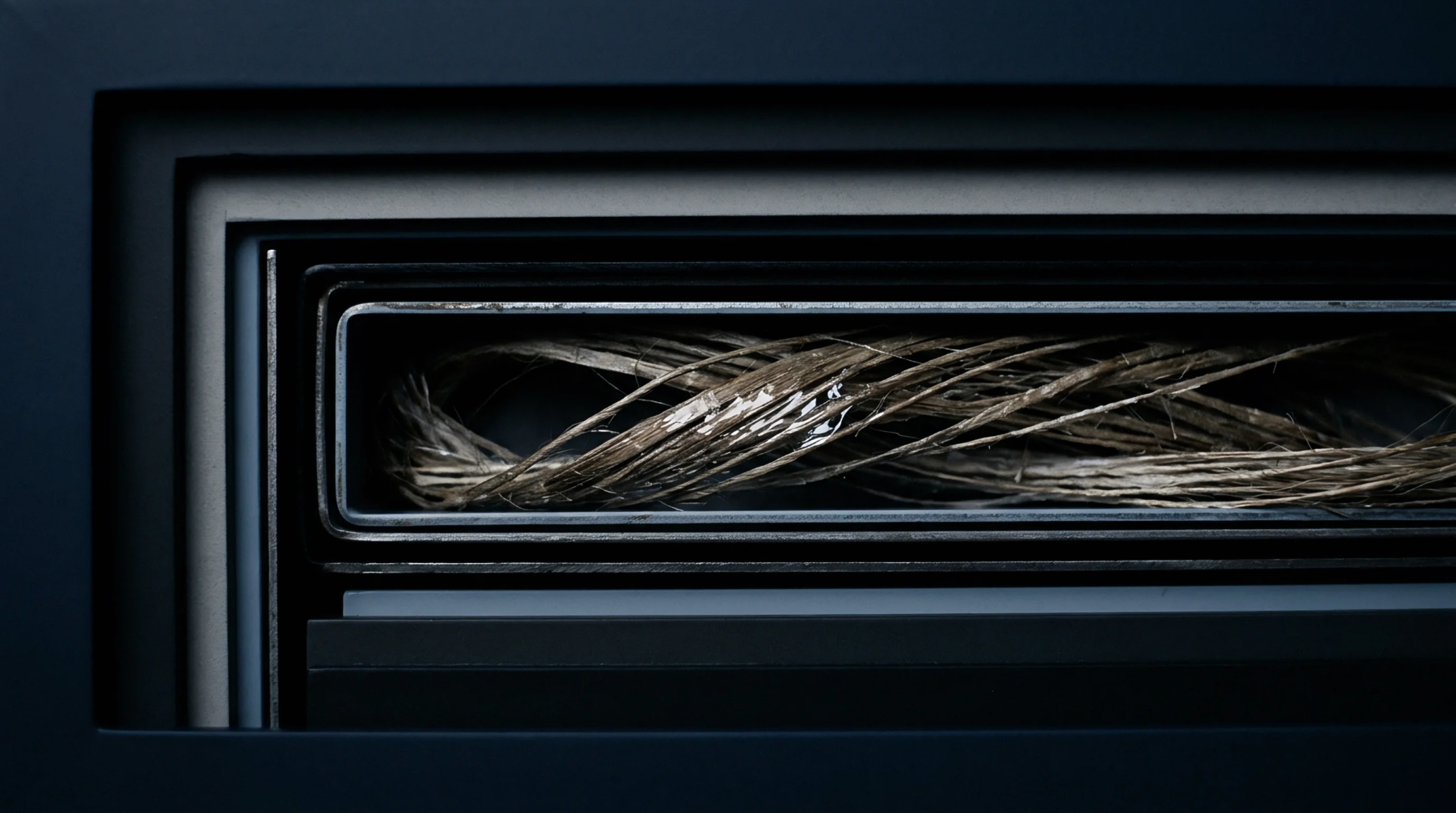
Secondary wall microfibrillar angle directly limits wet spun line yarn tenacity by setting crystallite load distribution before trough degumming.
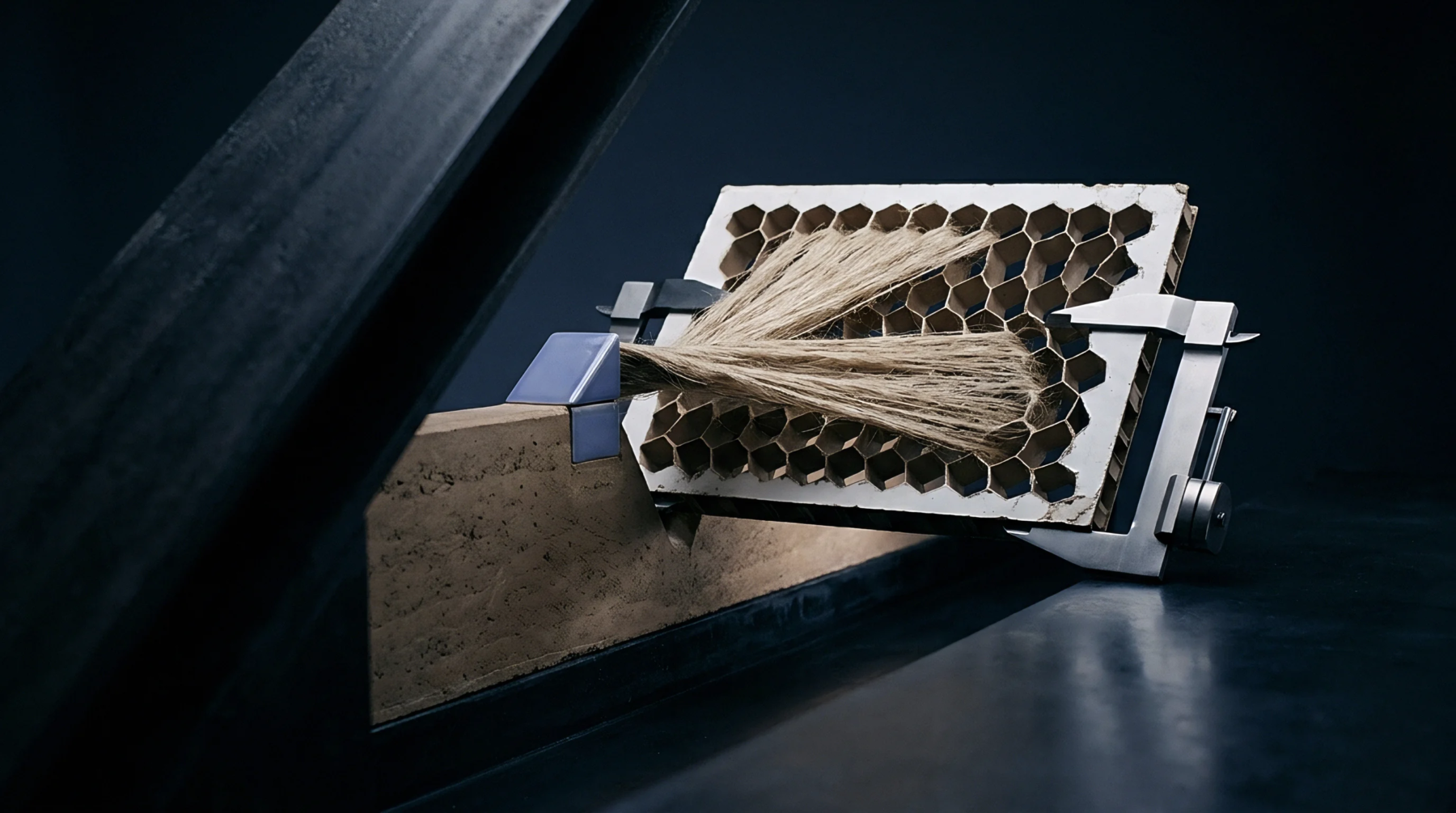
Narrow crystallite orientation dispersion below 14 degrees FWHM maximizes wet spinning yields and fine count limit up to Nm 60 in long staple flax.

Widened microfibril angles reduce single fiber tenacity by increasing matrix shear stress, requiring X-ray diffraction checks to prevent yarn breakage.

Isothermal volatilization modeling isolates water desorption from organic loss, preventing dry flax mass overestimation during gravimetric regain testing.

Non-cellulosic thermogravimetric kinetic analysis quantifies binder levels to prevent hackling yield losses and wet-spinning breakage.

Standard moisture regain in scutched flax fibre is set at 12.0% of bone-dry mass using ISO 6741-1 forced-convection oven drying at 105 degrees Celsius.

X-ray scattering and polarized Raman spectroscopy determine flax microfibril angles to project spinning performance and yarn tenacity.
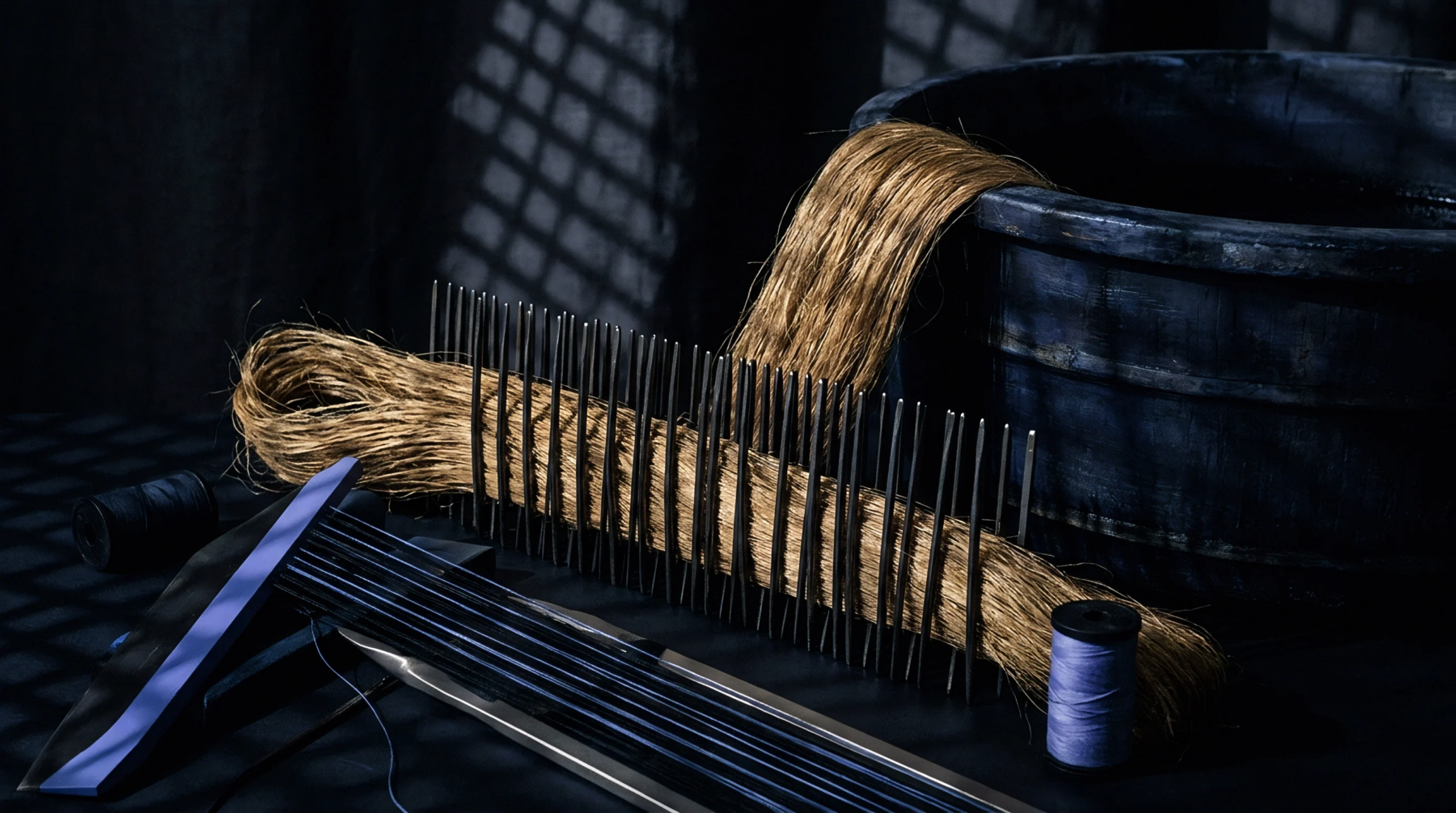
Low S/G monomer ratios in flax middle lamella increase lignin cross-linking, elevating wet drafting force variability and driving yarn count instability.

Klason lignin testing combined with wet spinning draft analysis establishes raw flax mill suitability and prevents costly frame end breaks.
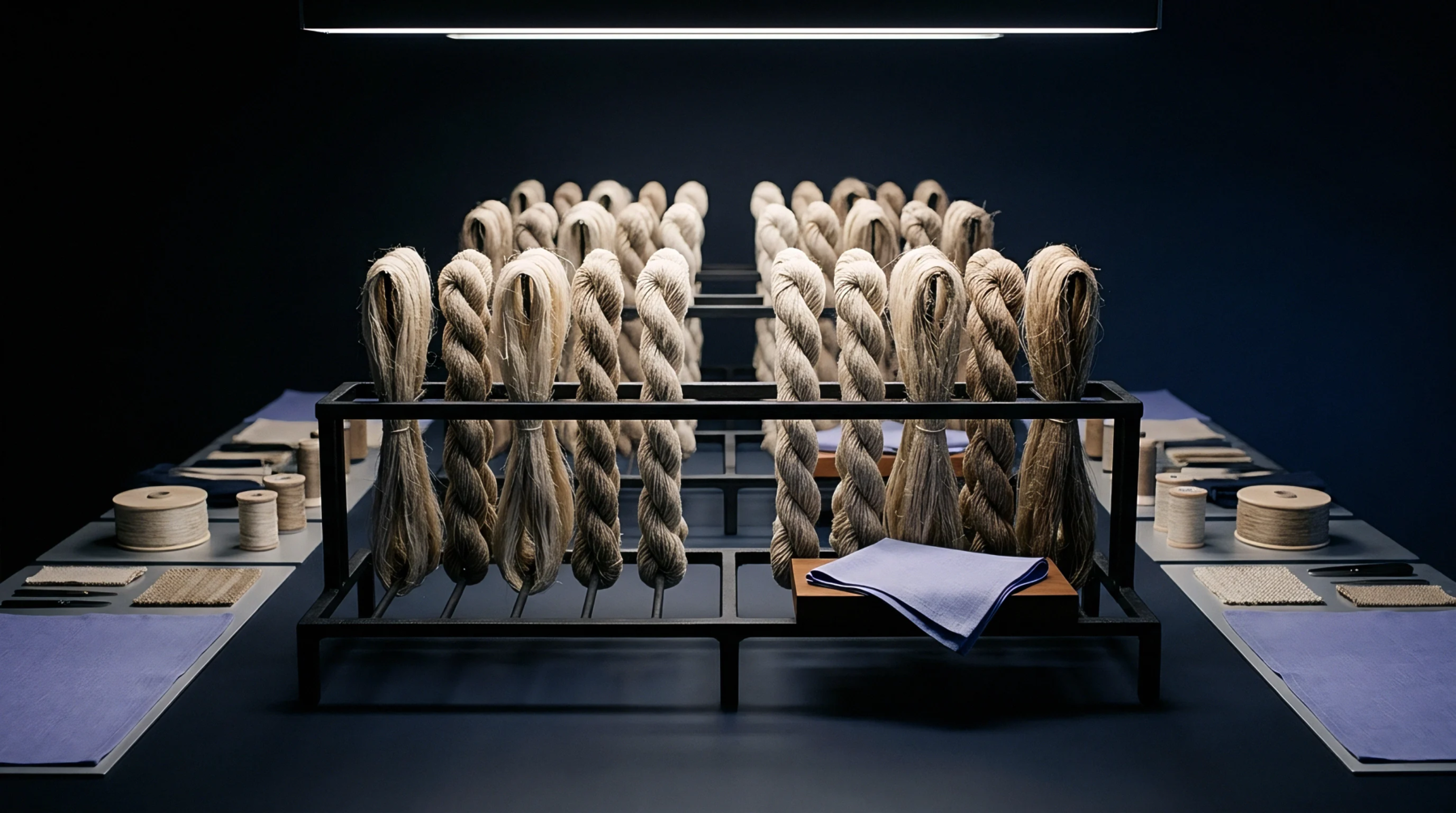
Thermal pectin depolymerization degrades flax middle lamellae above 70°C, lowering bundle tenacity and forcing coarse count downgrades.

Gravimetric oven drying at 105°C establishes bone-dry mass, allowing conversion from wet moisture content to 12% standard regain for commercial mass adjustments.
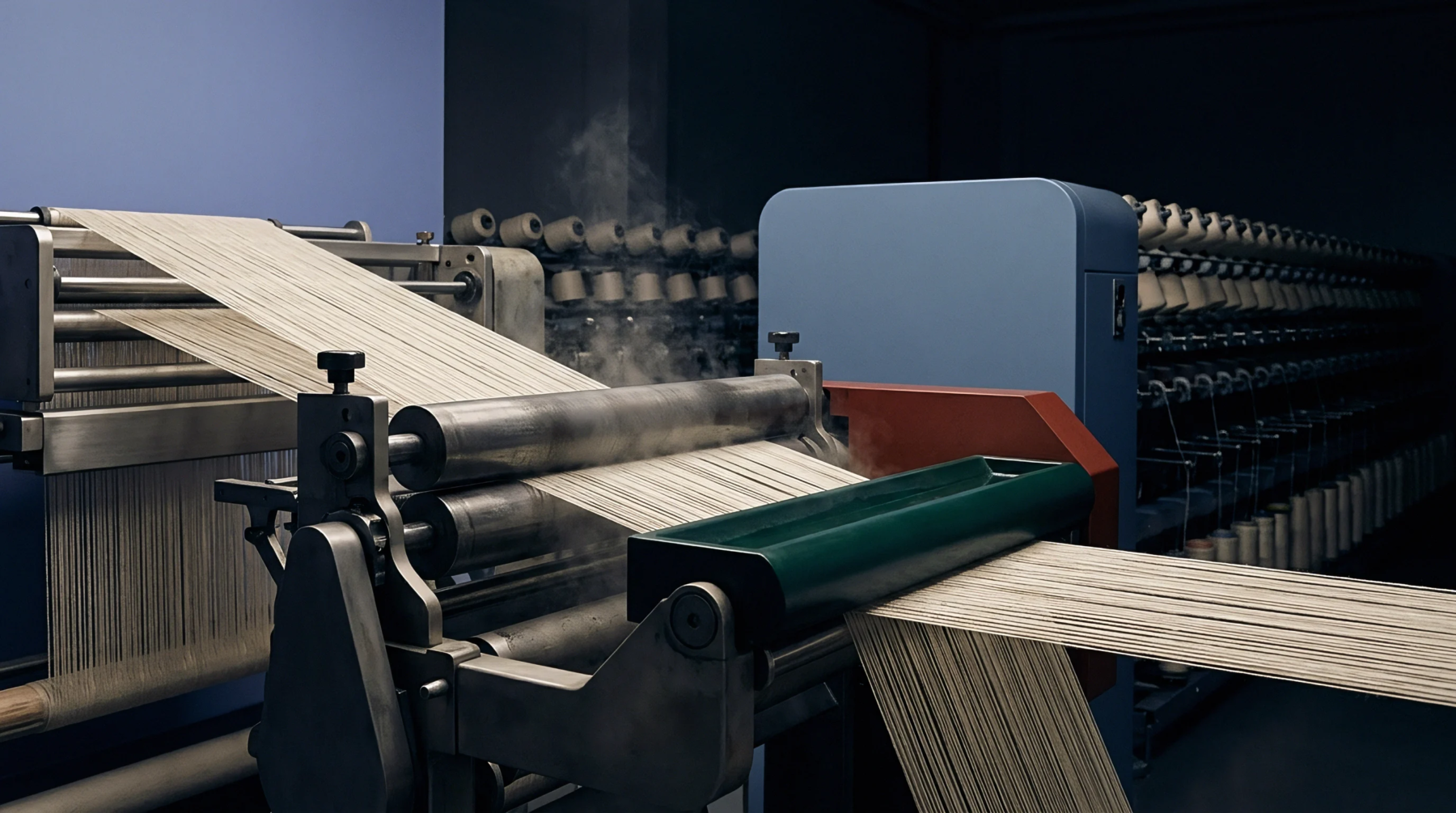
Microfibrillar thermal degradation reduces line flax tenacity, requiring adjusted gauge testing, lower wet-spinning temperatures, and recalibrated contract thresholds.

Dry spinning flax intake standards require strict bundle fineness under 2.2 tex, residual shive below 0.8 percent, and 11 percent target moisture regain.

Controlled pectin removal enables clean bundle cleavage, elevating metric fibre fineness above Nm 2000 while maintaining long line yield above 60 percent.

Residual pectin levels below 1.5 percent dictate successful wet spinning of fine flax yarns above Nm 40 without elevated end breakage rates.
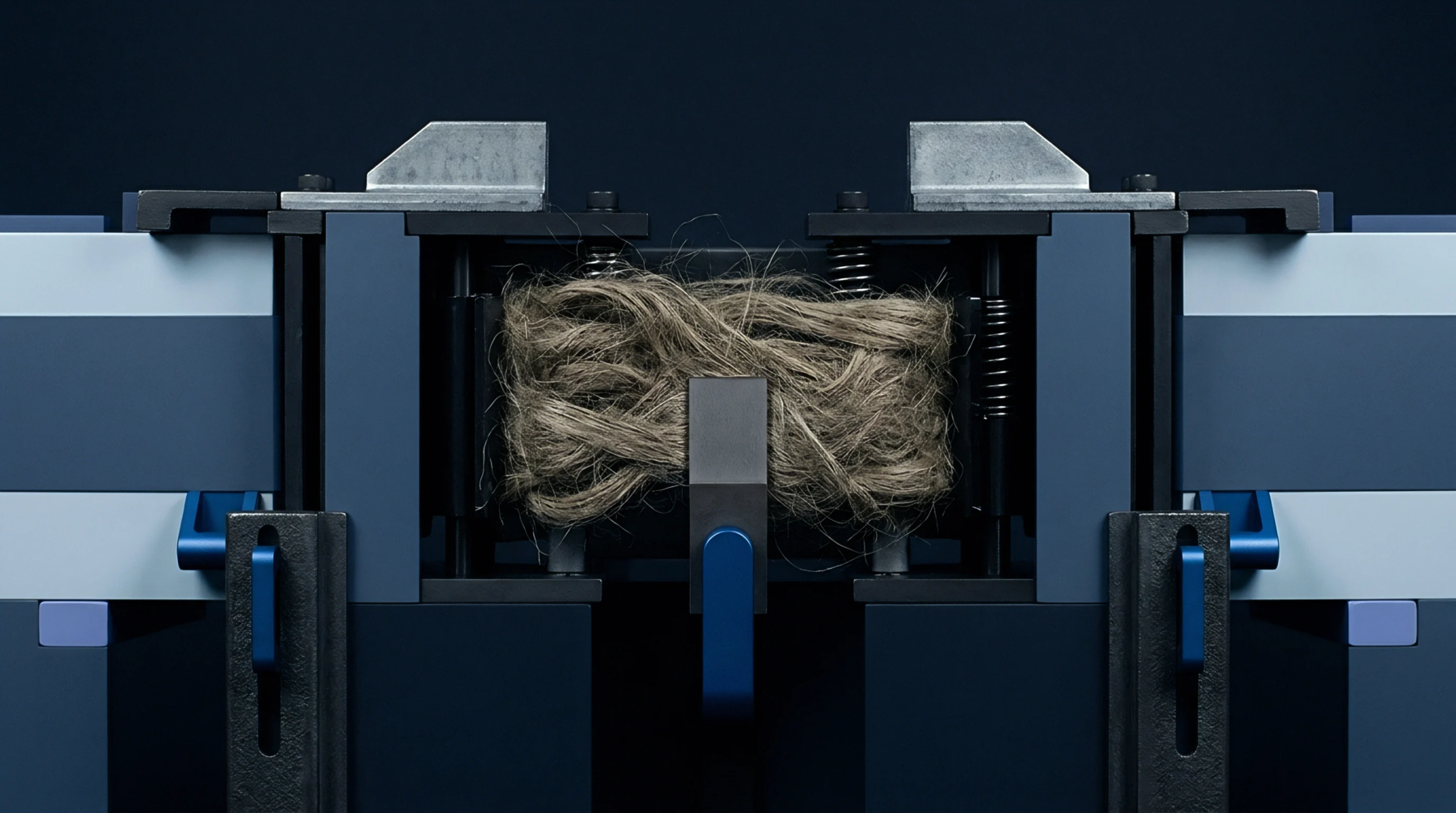
Continuous accumulation of pectin degradation products in closed-loop wet spinning troughs alters fluid rheology, impairing strand drafting and dropping yarn tenacity.

Hydynamic boundary layer reduction in wet-spinning troughs accelerates core hydration, stabilizing swelling and lowering yarn count CV percent.
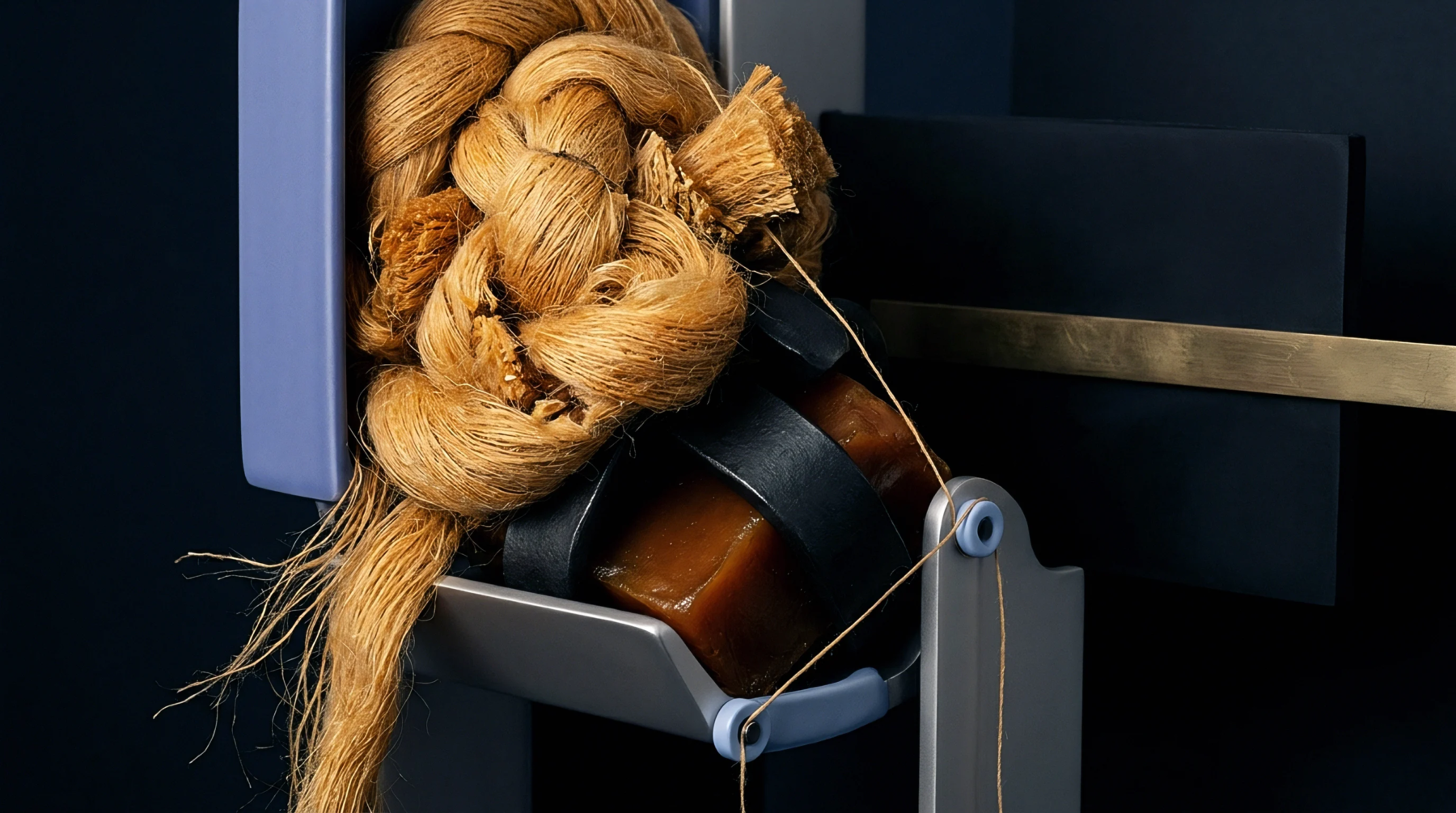
Trough temperature at 68°C accelerates pectin dissolution, lowering drafting force to stabilize wet-spun linen yarn counts up to Nm 60.
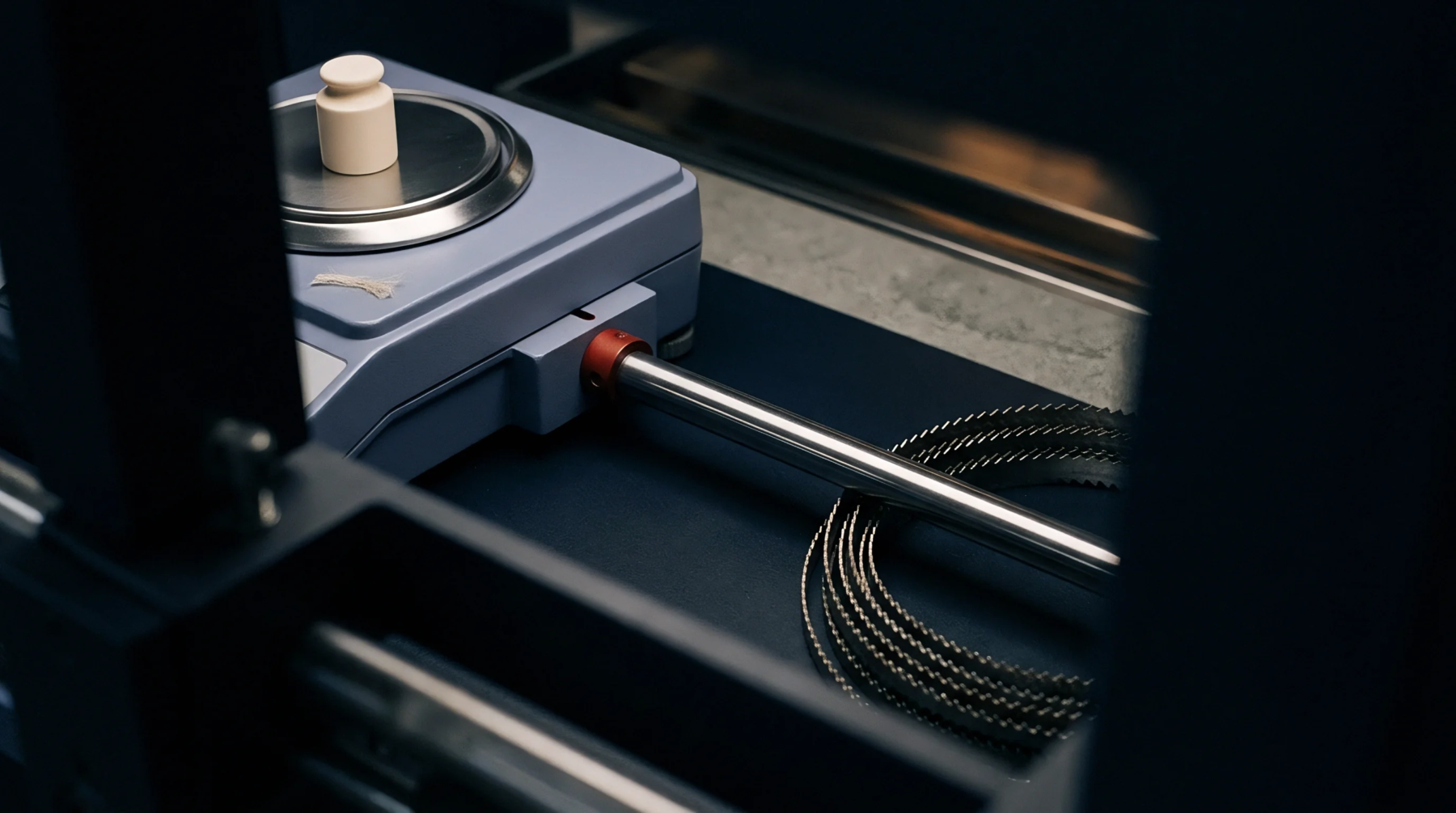
Control enclosure humidity to within one percent and apply buoyancy corrections to eliminate inter-laboratory microbalance drift in flax density audits.

Ammonium oxalate extraction at ninety degrees solubilizes middle lamella pectins to isolate elementary flax fibres for accurate microbalance decitex audits.

Quantifying epicuticular wax mass fractions in dew-retted line flax bales isolates true fiber yield and optimizes wet-spinning boundary lubrication parameters.

Standard moisture regain correction normalizes hackled flax linear density back to twelve percent regain, preventing draw frame drafting errors and financial overpayment.

Gravimetric testing determines hackled flax sliver dry mass, moisture regain, and linear density to lock in fair commercial yarn pricing.
Expertise is a utility, not a secret. sentiention™ publishes its working knowledge as open reference: intelligence layer covering the materials it sources, the markets it enters, and the reference that serves both.