
Manual Comb Sorter Operation on Line Flax
Manual comb sorting of line flax isolates bundle length fractions to establish precise mean staple length and prevent yarn breakage during high-count wet spinning.
Manual comb sorting of line flax isolates bundle length fractions to establish precise mean staple length and prevent yarn breakage during high-count wet spinning.
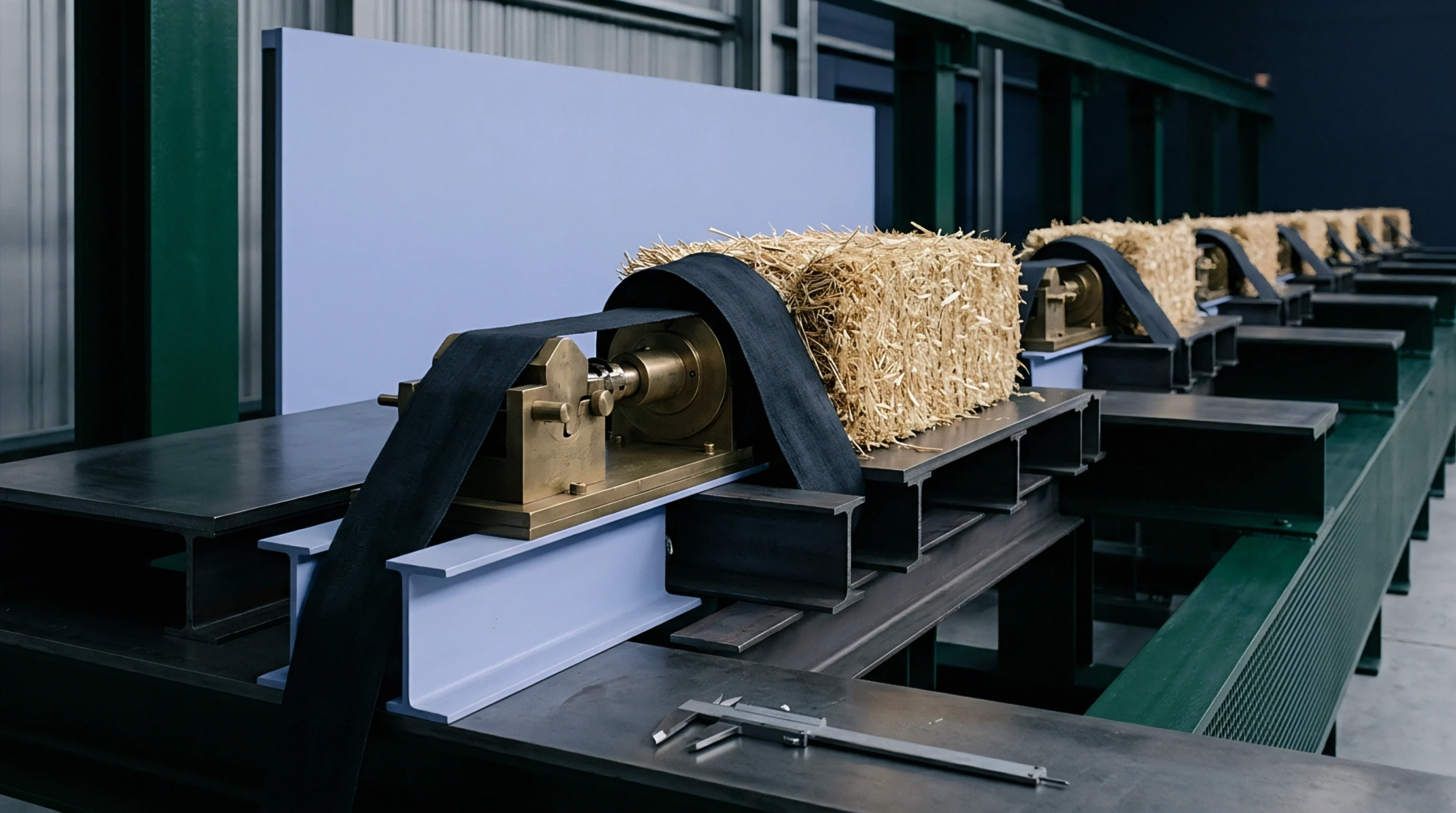
Orthogonal dual-axis projection and hydrodynamic orientation correct non-circular bast fibre width errors, preventing false fineness grading in high-speed lines.

Targeted enzymatic pectin extraction lowers middle lamella pectin to 1.7 percent, boosting long line hackling yield to 66 percent and enabling wet spinning up to Nm 80.

Controlled thermal and solvent extraction reduces flax bundle fineness below 9 dtex, raising the wet spinning limit to Nm 42 while avoiding fibre degradation.

Gravimetric determination measures flax metric fibre number by weighing cut bundle segments to establish length per mass for accurate wet spinning yield calculation.

Microbalance weighing of cut hackled flax bundles establishes true technical fibre linear density to fix wet spinning limits and enforce raw lot contracts.

Precision optical calibration of digital image systems isolates true flax fibre boundaries, protecting yarn yield and preventing wet spinning frame failure.

Manual comb sorting fractions technical flax bundles to establish true length distributions, setting drafting roller ratches and defending spinning yields.

Scutched flax splitting efficiency directly dictates wet-spinning count limits by controlling the distribution of technical bundle diameters prior to roving draft.
Digital cross-section area calibration requires dynamic edge thresholding to prevent fineness errors that distort spinnable yarn count limits.

Resolving gravimetric fineness disputes requires ISO 2370 extraction standards, n=50 bundle sample sizes, and contracted metric number tolerance bands.
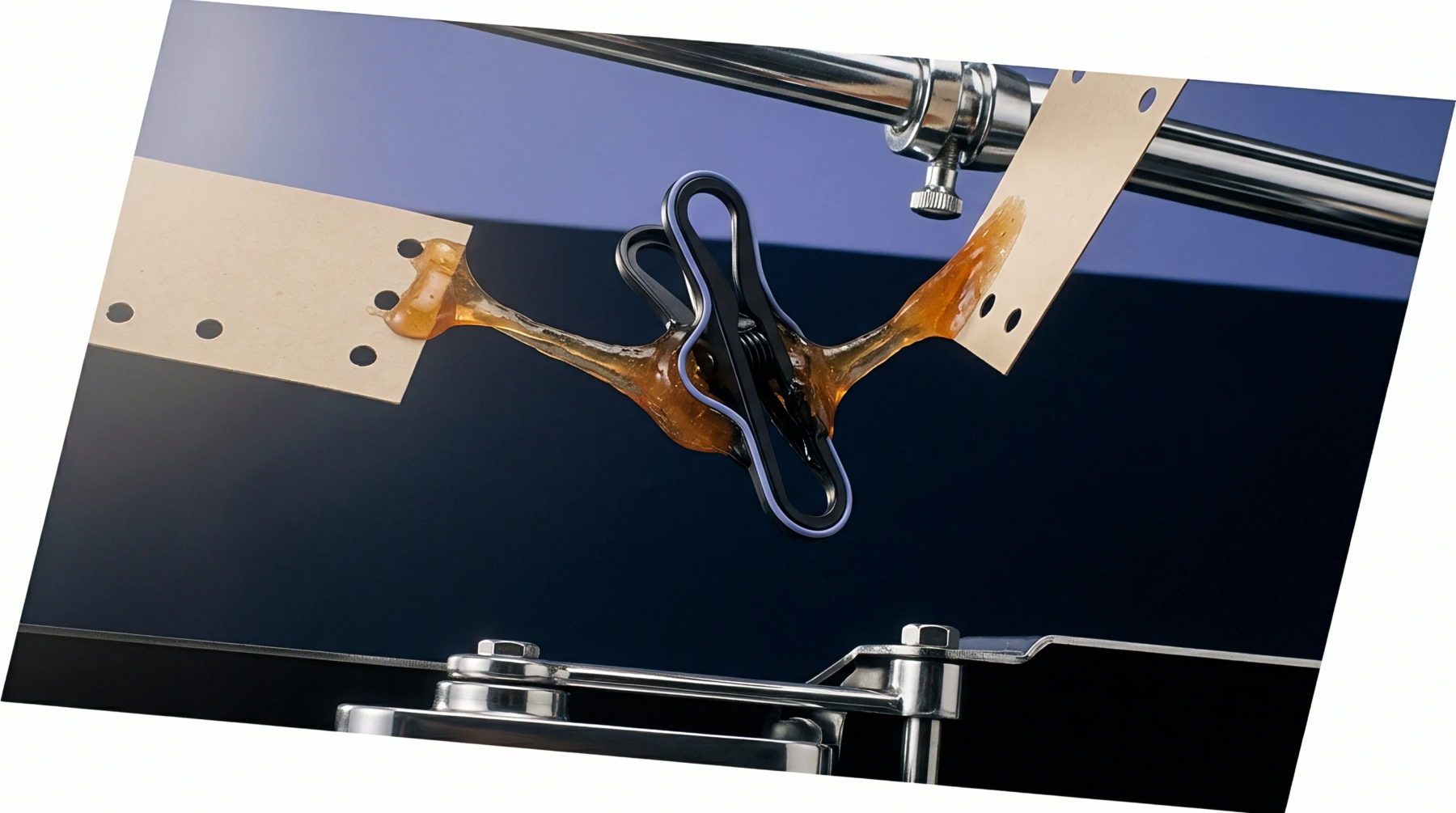
Steep secondary cell wall microfibril orientation maximizes bast fiber axial tenacity, reducing yarn breakages and lower landed spinning costs.

Optical diameter distributions overstate flax fineness due to non-circular cross-sections; calibrating against gravimetric ISO 2370 standards prevents mill spinning failures.

Bale opening routines verify dry mass, bundle tenacity, and shive content under ISO standards to lock in spinnable count and true fibre value before payment.

Standardized air permeability methods convert differential pressure across compressed flax plugs into specific surface area to predict spinnable yarn counts.
Expertise is a utility, not a secret. sentiention™ publishes its working knowledge as open reference: intelligence layer covering the materials it sources, the markets it enters, and the reference that serves both.