Thermodynamic Vapor Transfer Kinetics and Dynamic Tension Stability in Ultra Fine Flax Warps
Maintaining fine flax warp moisture above ten percent suppresses dynamic tension spikes and prevents high speed loom shedding failure.
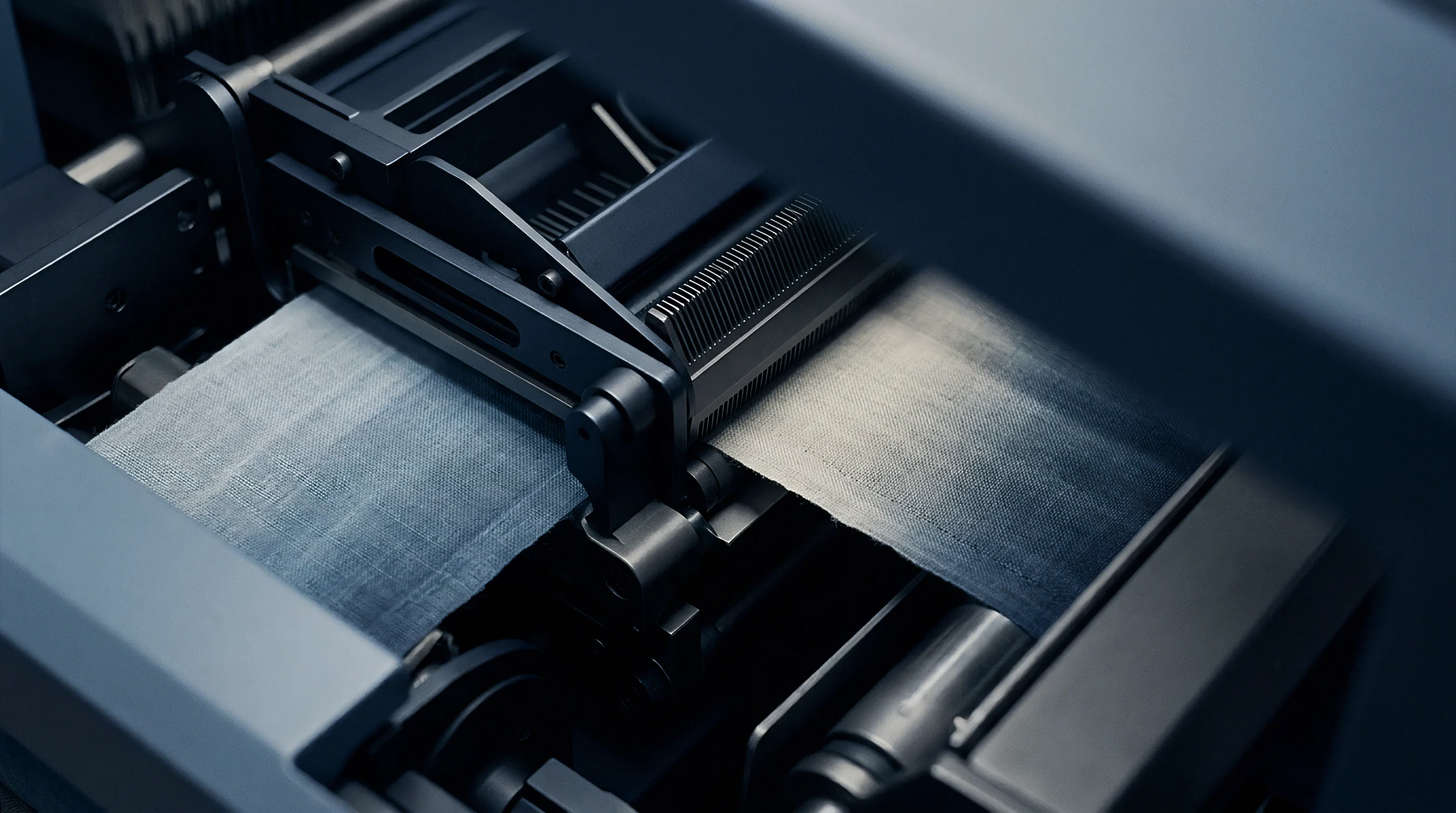

Diffusion
Cyclic strain behavior in wet-spun flax depends heavily on transient moisture exchange with the loom-shed air. Spun between Nm 60 and Nm 100 (16.6 to 10 tex), ultra-fine flax warps are composed of technical fiber bundles cemented by native pectins and hemicellulose ~ polymers that react almost immediately to moving air currents across high-speed weaving sheds. Water molecules bind readily to hydroxyl groups within amorphous cellulose domains, plasticizing the intercellular matrix and altering yarn tenacity.
Fine flax fibers absorb water quickly, but when ambient relative humidity drops below sixty-two percent, surface evaporation strips moisture from outer microfibrils within milliseconds. This steep gradient between the dry sheath and the central core concentrates mechanical stresses during shed opening.
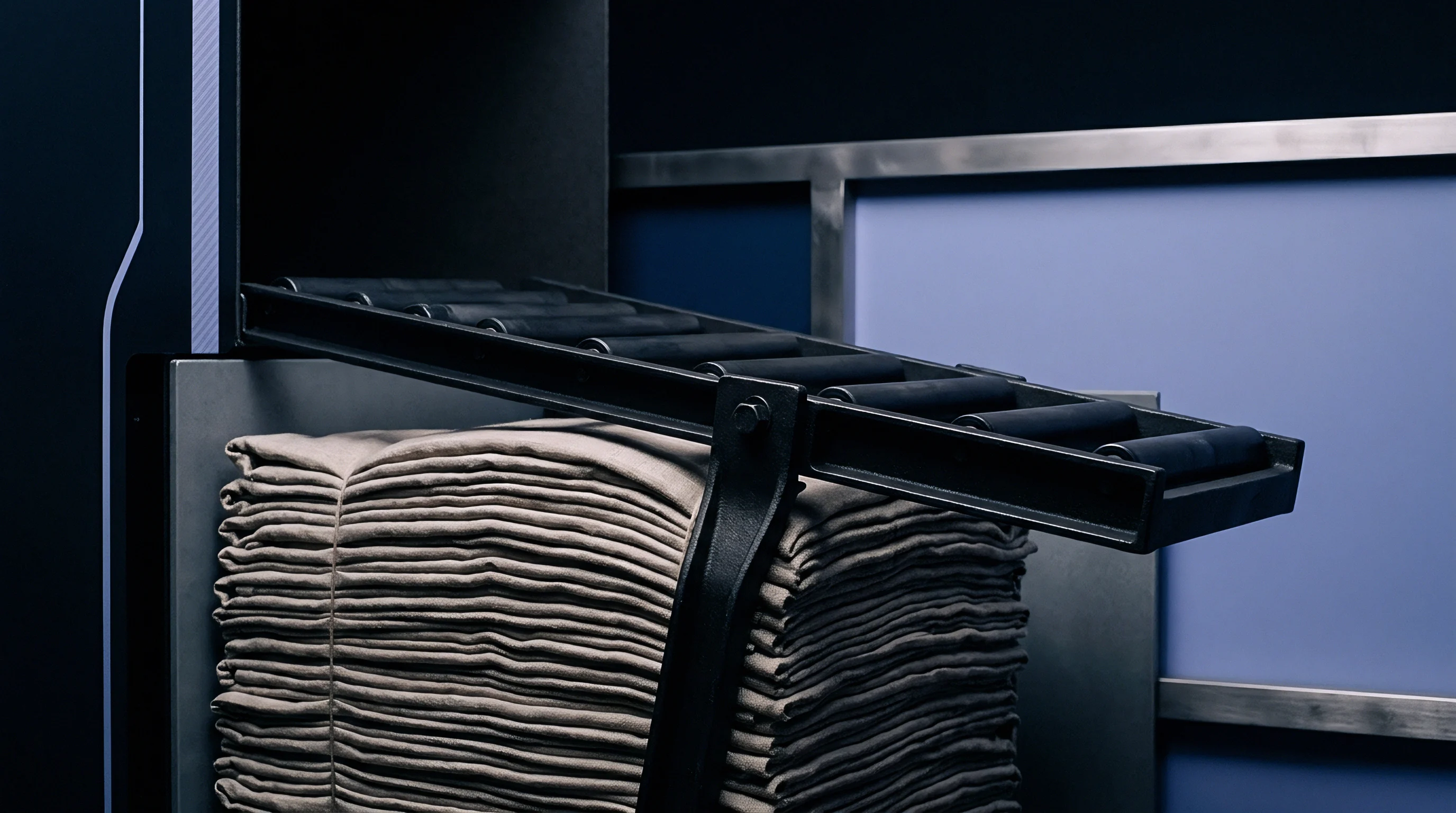
Transient Vapor Sorption in High Sett Fine Linen
Water enters cell walls through amorphous regions in the ultimate flax fibers, but dry shed air sweeping across vibrating warp ends drives desorption much faster than absorption. At loom velocities above two hundred picks per minute, convective vapor transfer dominates mass exchange across thread surfaces. As yarn speed climbs, the surrounding boundary layer of air thins out, accelerating moisture loss into the passing atmosphere.
| Yarn Count (Nm) | Air Velocity (m/s) | Ambient RH (%) | Desorption Rate (% H2O/s) | Dynamic Modulus (cN/tex) | Elongation at Break (%) |
|---|---|---|---|---|---|
| Nm 60 (16.6 tex) | 0.5 | 65 | 0.012 | 420 | 2.4 |
| Nm 60 (16.6 tex) | 2.2 | 50 | 0.048 | 510 | 1.6 |
| Nm 80 (12.5 tex) | 0.5 | 65 | 0.019 | 440 | 2.1 |
| Nm 80 (12.5 tex) | 2.2 | 50 | 0.071 | 560 | 1.3 |
| Nm 100 (10.0 tex) | 0.5 | 65 | 0.026 | 460 | 1.9 |
| Nm 100 (10.0 tex) | 2.2 | 50 | 0.095 | 610 | 1.1 |

Enthalpy of Binding and Fiber Core Gradient
Flax holds hydrogen-bonded water deep within intra-crystalline spaces, and the energy required to break those water-polymer bonds climbs sharply once thread moisture falls below eight percent dry regain. Internal concentration gradients drive water molecules outward from inner cell walls toward the desiccating surface. In fine Nm 80 warps, this radial flux induces microscopic shear strains between adjacent ultimate fibers.
Pectins stiffen as moisture levels decline; during peak beat-up tension, these rigid pectin boundaries fail to redistribute load, precipitating brittle cross-sectional yarn fractures.
Transient shade variations and localized brittle spots are traced either to ambient microclimate shifts during bobbin winding or to uneven emulsion application on the wet-spinning frame.
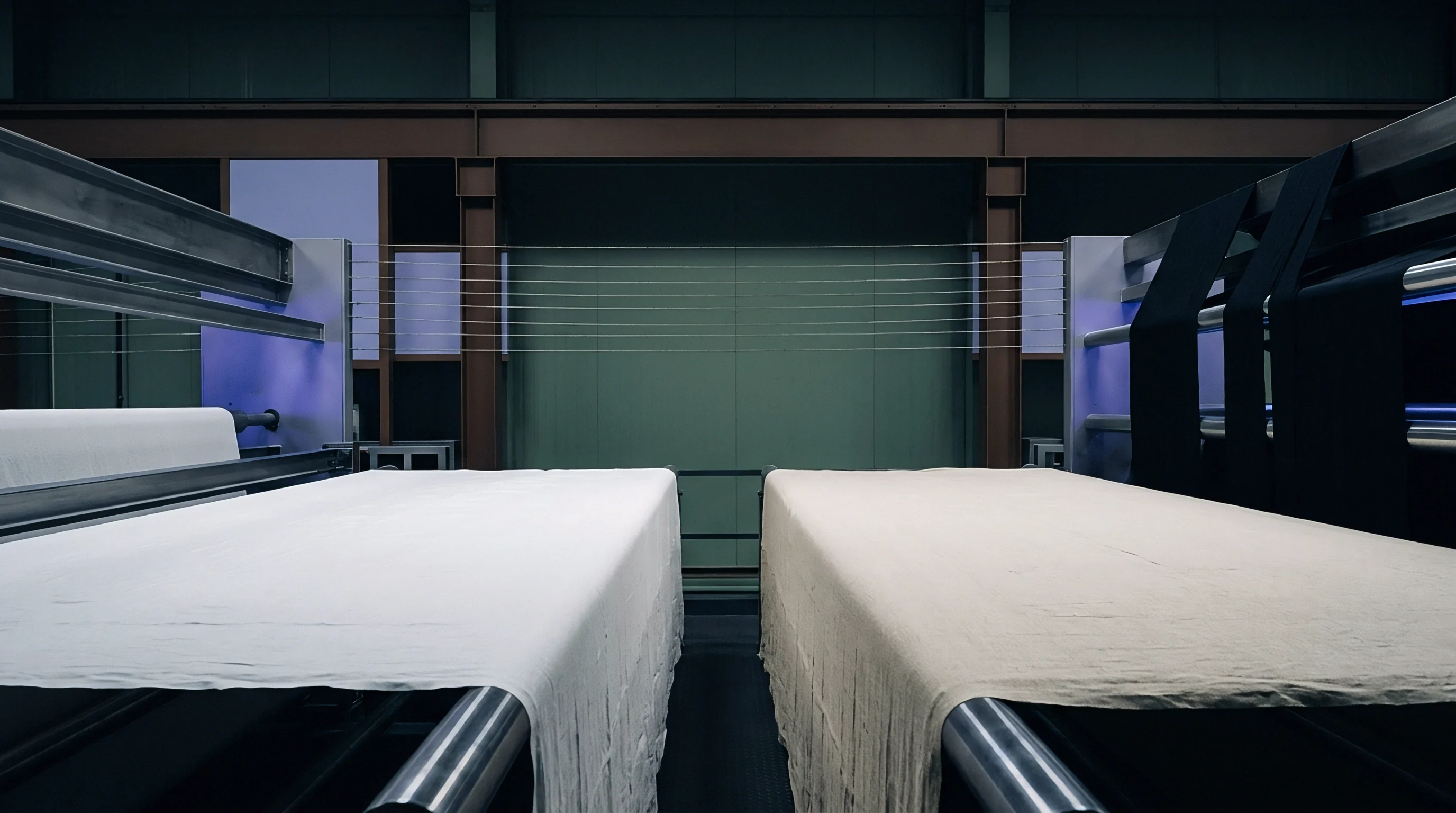
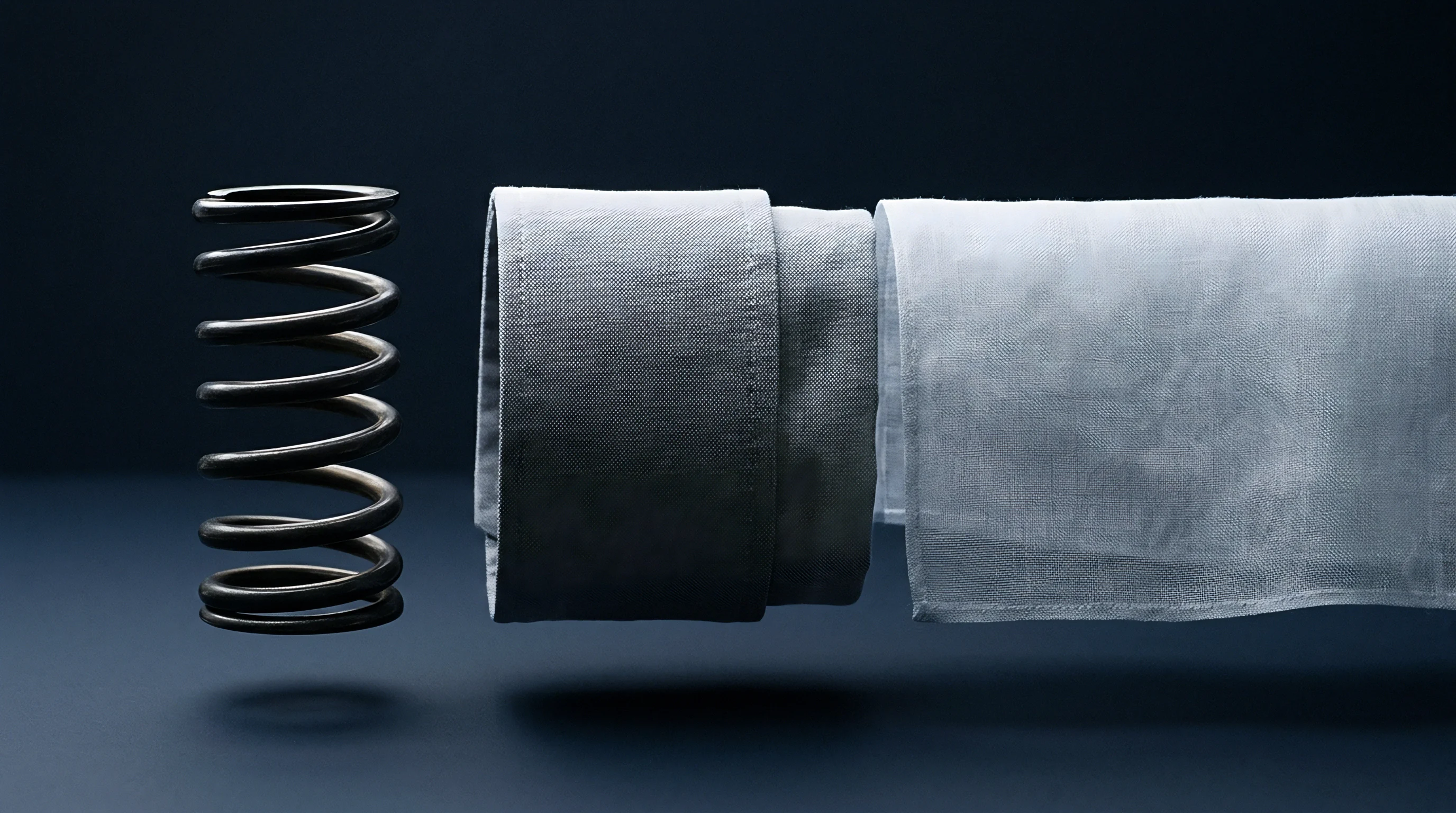
Compliance
Tensile response in fine flax warps shifts rapidly alongside changing moisture levels. Flax combines an unusually high Young modulus with very little elasticity compared to protein or synthetic fibers, and viscoelastic relaxation alters thread draft under tension. Subjected to continuous cycling on high-speed rapier looms, fine flax threads work-harden rather than stretching elastically.
Water acts as a natural plasticizer within the amorphous cellulosic matrix, depressing the glass transition temperature of hemicelluloses so polymer chains can slide slightly past one another under strain without fracturing primary hydrogen bonds.
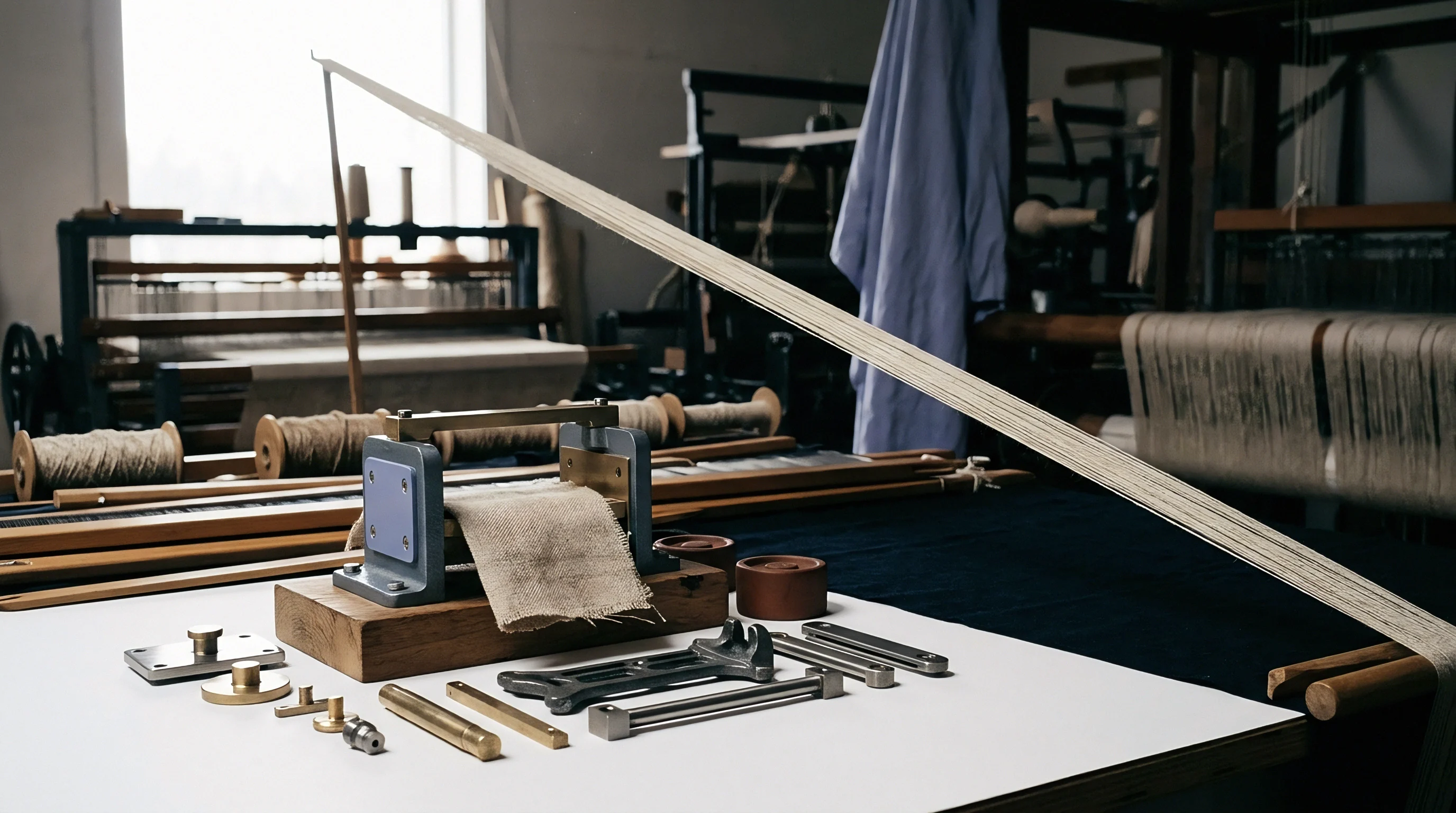
At 65 percent relative humidity and 21 degrees Celsius, Nm 80 flax yarn exhibits a dynamic Young modulus drop of 18 percent when relative water content falls from 12 percent to 8.5 percent.
Dynamic Modulus Fluctuations during Rapid Shedding
High-speed weaving subjects warp yarn to mechanical cycles up to eight times per second, swinging thread tension between idle baselines and sharp peaks. Viscoelastic relaxation occurs while ends dwell under load during harness lift. If internal moisture drops, dynamic elastic modulus rises rapidly, leaving the thread brittle and unyielding.
Thread extension under peak tension can fall below one percent in dry air, narrowing the working margin against absolute tensile break limits.
Hygrothermal Creep and Permanent Elongation
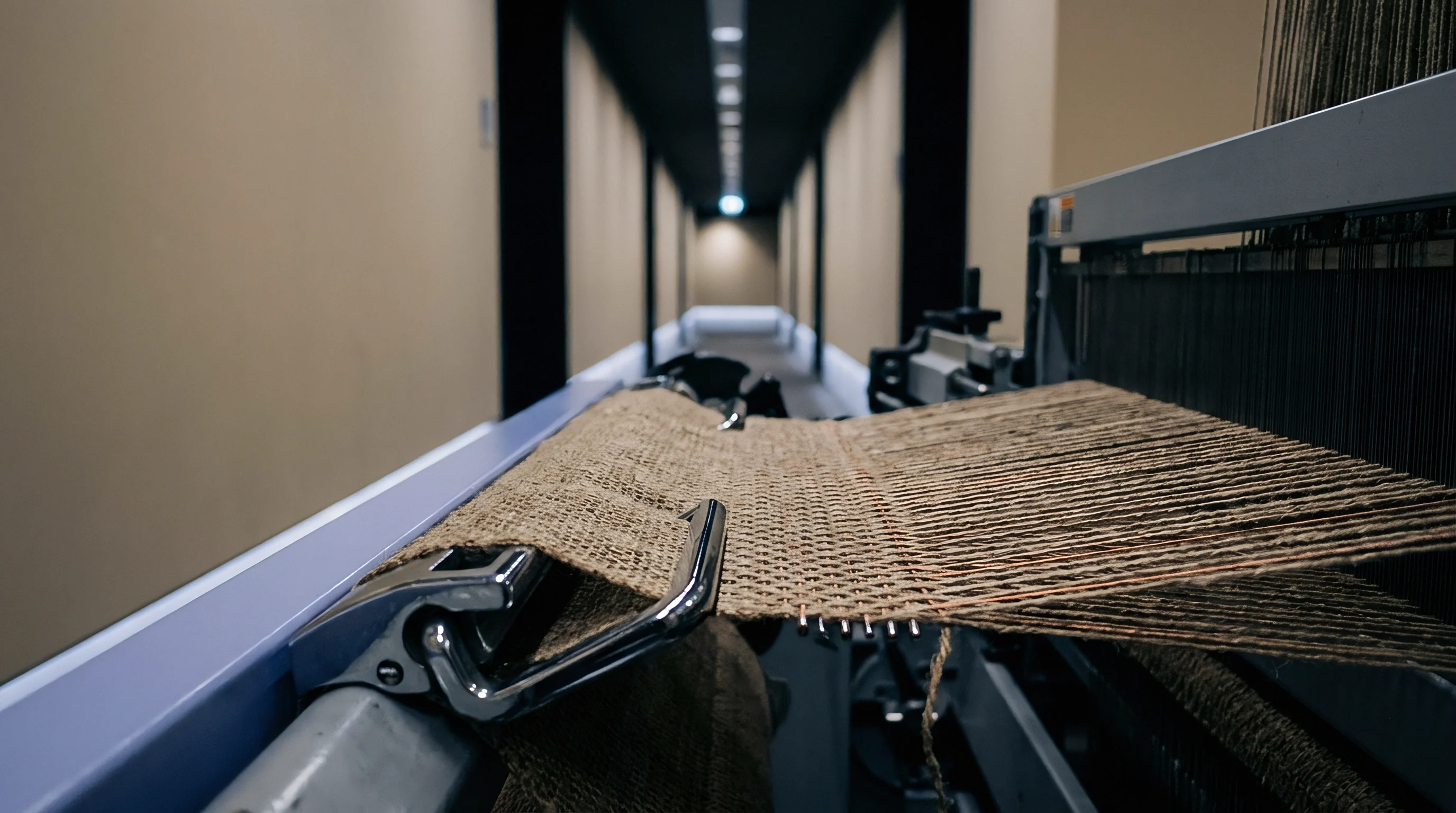
Sustained tension causes irreversible stretch once ambient moisture softens fiber cell walls, and plastic deformation accumulates with every beat-up stroke. In high-density fabrics exceeding forty picks per centimetre, fell resistance multiplies peak beat-up loads exponentially. Fine warps that run excessively dry cannot stretch to accommodate harness lift, shedding that strain directly into heddle eye abrasion points.
Friction inside the heddle eyes accelerates localized water loss, driving thread moisture down toward six percent precisely where mechanical wear reaches peak intensity.
Failing to compensate for structural modulus loss during thermal drying cycles results in catastrophic warp end snap rates exceeding twenty breaks per loom hour at standard weaving speeds.

Damp
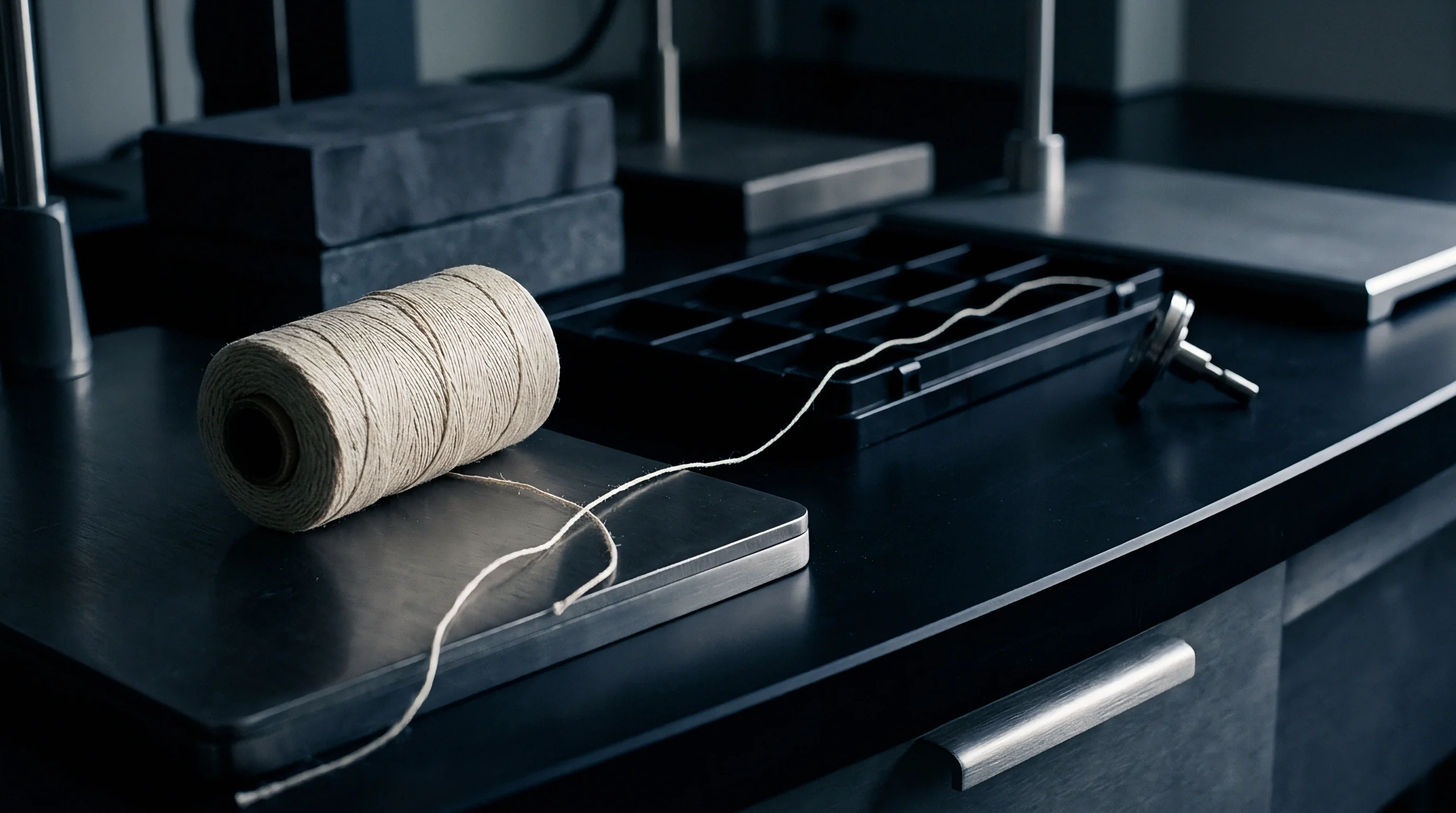
Air movement across the warp sheet accelerates water evaporation from yarn surfaces during shedding operations. Ultrasonic humidification installed directly above beam back-rest rollers maintains localized vapor saturation across the sheet, where evaporative cooling drops thread temperature. Turbulence from moving rapier tapes or air-jet main nozzles displaces conditioned room air, replacing it with lower-humidity microclimates inside the shed opening.
Evaporative transfer kinetics accelerate at higher operating speeds, requiring tight localized psychrometric control.

Boundary Layer Vapor Transfer in High Speed Sheds
Local humidity drops rapidly within the beat-up zone as moving reed blades push dry air through thread gaps. High warp sett densities restrict horizontal air mixing, trapping stagnant, dry boundary zones between adjacent ends while unsized flax warps chafe in harness eyes. When dry air enters this zone, surface water loss peaks during the maximum harness separation phase.
- Microscopic Fibrillation occurs when surface fiber ends lose moisture balance, lifting from the yarn core and creating mechanical interlocks in adjacent dents.
- Shed Clear Interference develops as dry warp threads cling together under electrostatic charge, preventing complete opening of the lower warp line.
- Peak Stress Accumulation manifests during beat-up when unconditioned flax ends lack the viscoelastic yield needed to absorb reed collision forces.
Standard ISO 139 mandates preconditioning at 20 degrees Celsius and 65 percent relative humidity to establish baseline tensile properties prior to commercial weaving audits.

Where Does High Speed Shedding Accelerate Warp Snap?
Peak tension coincides with maximum harness separation, precisely when air currents are pulling moisture from outer yarn fibers. Ultra-fine flax degrades structurally when surface microfibrils detach under combined air shear and heddle friction. Dampening systems must target the zone between back-rest and harness frames, where thread motion disrupts the boundary layer most severely.
Direct overhead micro-fog nozzles suppress static accumulation while holding thread moisture reliably above eleven percent dry regain.
A warp line running cooler than the surrounding ambient air indicates active surface evaporation that will weaken yarn elasticity before the thread reaches the fell of the cloth.

Harmonics
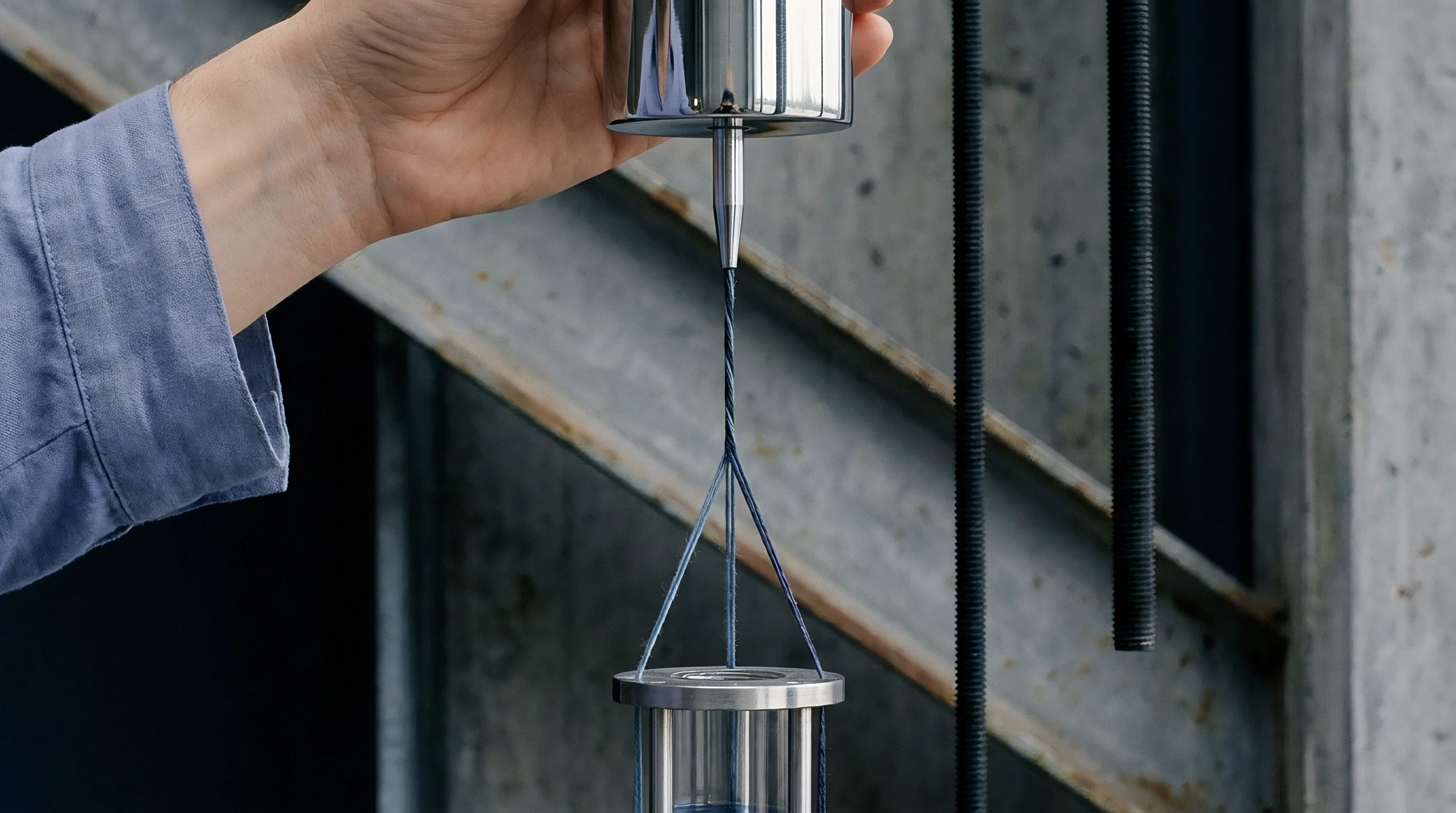
Mechanical oscillations propagate through the warp array whenever the sley drives the reed against the cloth fell. High-speed weaving machines transmit vibrational energy into thin flax threads at frequencies matching loom frame structural harmonics. Whip roll positioning offsets peak loads, but dynamic tension spikes still break brittle ends.
When harmonic resonances align with shed opening peaks, instantaneous tension on individual ends exceeds static tensile capacity by sixty percent or more. Dampening these spikes requires active control over back-rest roller inertia and whip roll spring rates.
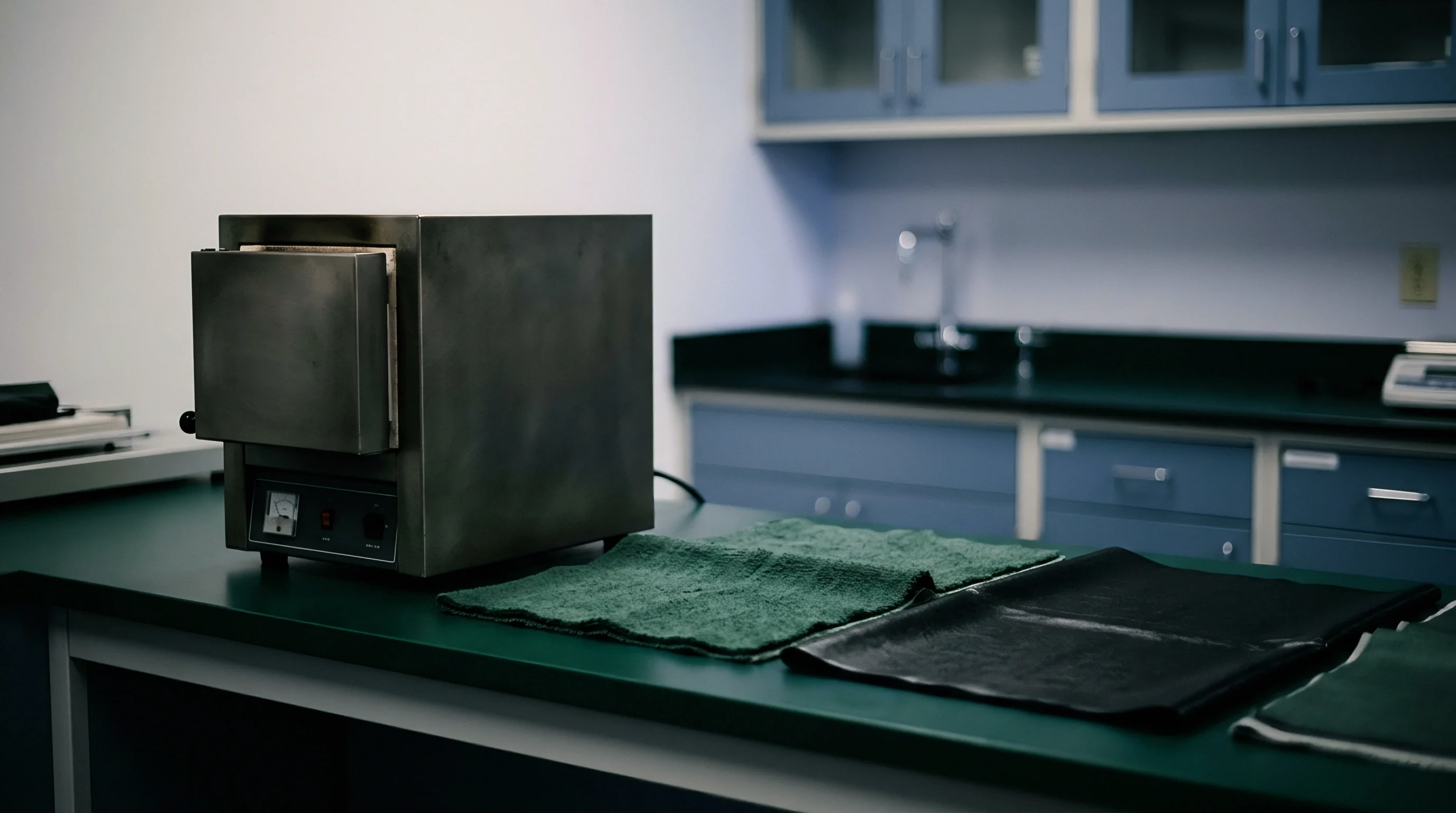
Back Rest Oscillation and Tension Peak Dampening
Spring-loaded whip rollers absorb kinetic shock delivered during harness crossover, and mechanical dampers must react within milliseconds to soften beat-up impacts on high sett warps. Proper sizing locks surface hairiness down. When back-rest dampening is tuned incorrectly, standing waves travel down the warp sheet toward the lease rods, causing adjacent threads to twist around one another and disrupting clean shed separation.
| Loom Speed (PPM) | Flax Count (Nm) | Dampening Setting | Peak Tension (cN/end) | Tension Variance (cN) | Warp Breaks / Loom Hour |
|---|---|---|---|---|---|
| 220 | Nm 60 | Rigid (Un-damped) | 48.5 | 8.2 | 8.4 |
| 220 | Nm 60 | Active Dynamic | 31.0 | 2.1 | 0.8 |
| 280 | Nm 80 | Rigid (Un-damped) | 54.2 | 11.6 | 19.5 |
| 280 | Nm 80 | Active Dynamic | 34.8 | 2.8 | 1.4 |
| 320 | Nm 100 | Rigid (Un-damped) | 62.0 | 14.1 | 31.2 |
| 320 | Nm 100 | Active Dynamic | 38.2 | 3.4 | 2.1 |

Phase Alignment of Shed Opening and Beat Up
Synchronizing reed movement with harness motion minimizes peak tension on individual ends. Early shedding angles reduce the peak force required to lock picks into dense weaves but increase heddle eye friction during pick insertion. Late shedding delays tension buildup, allowing cleaner pick insertion at the expense of higher beat-up resistance.
Sley geometry dictates beat-up dwell times. Tuning mechanical phase angles prevents cumulative load buildup across ultra-fine Nm 100 warps.
- Position the back-rest roller to equalize warp path length between the top and bottom shed lines at full harness lift.
- Adjust the whip roll spring rate until tension spikes during shed peak do not exceed 35 centinewtons per end.
- Set the drop wire contact angle to eliminate mechanical resonance at the target loom velocity.
- Verify yarn tension using a electronic tensiometer across twenty ends across the full reed width.
Standard procurement specifications for high density linen weaving incorporate an absolute tension variance limit of plus or minus two centinewtons across the entire warp array to prevent permanent warp striping.
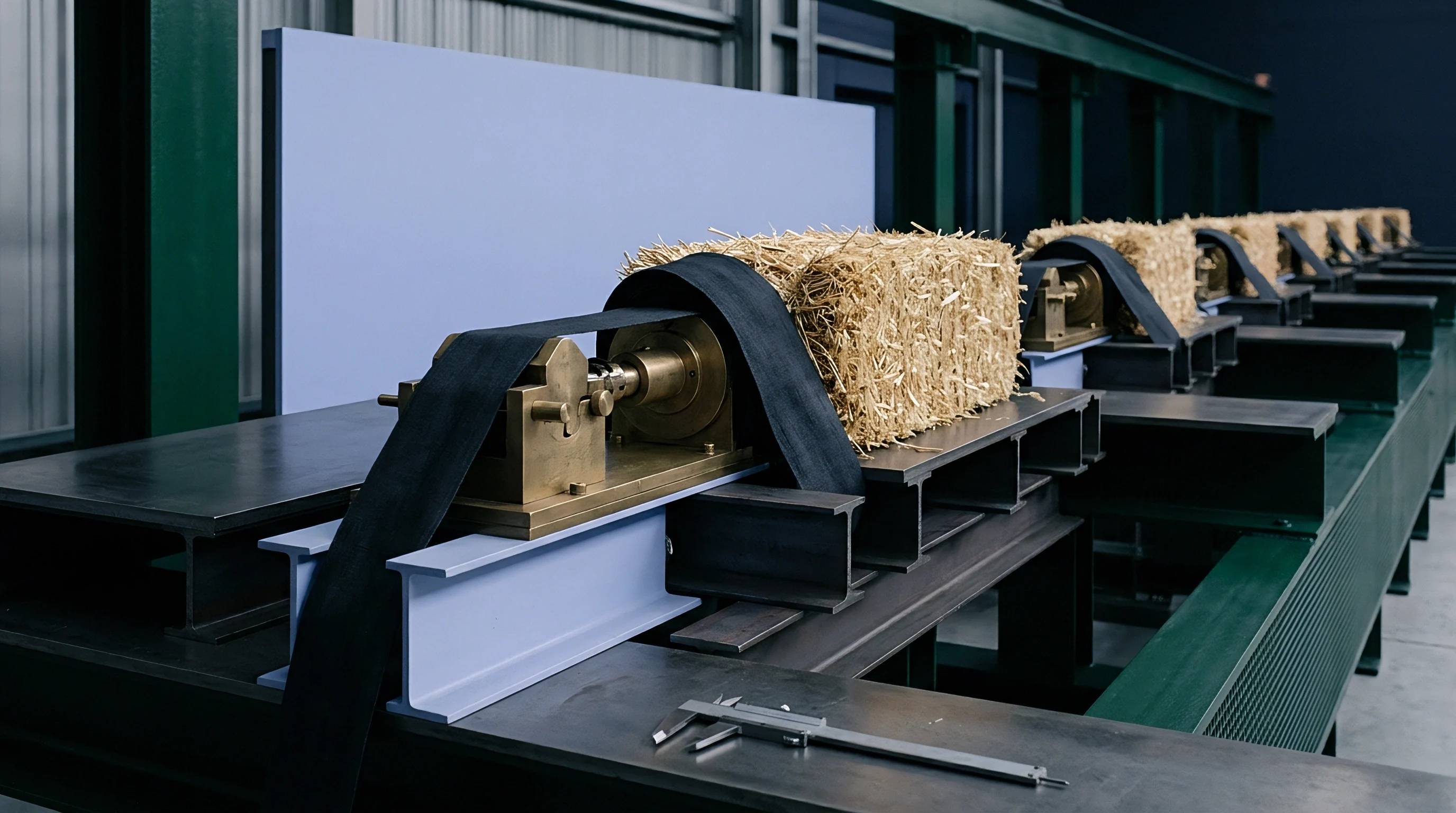

Coating
Protecting ultra-fine flax yarns against abrasive harness friction demands a tough chemical envelope. Native flax fibers exhibit rough surface topographies with protruding ultimate ends that easily entangle in drop wires and heddle eyes. Polyvinyl alcohol (PVA) combined with carboxymethyl cellulose (CMC) creates a flexible barrier film around the thread core.
Excess size pickup increases thread rigidity. Modern sizing chemistry balances chemical film toughness with water solubility, allowing rapid desizing during wet processing while retaining yarn flexibility on the loom.
Higher size pickup on ultra fine flax warps reduces thread hairiness but accelerates rigid film cracking when relative humidity drops below critical thresholds.
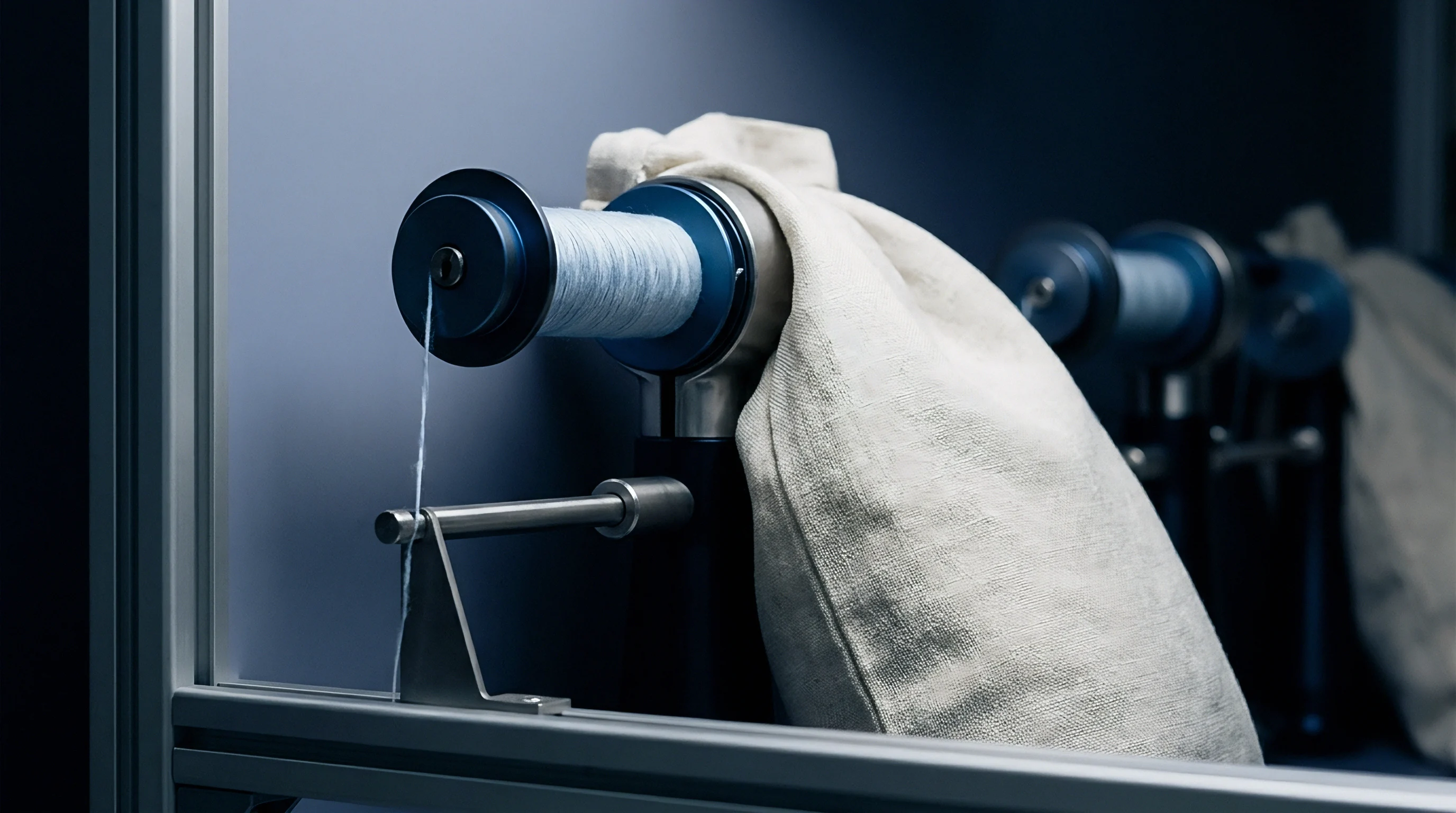
Polymeric Film Encapsulation and Moisture Retention
Synthetic binders seal surface capillaries to prevent rapid moisture loss during high-speed air-jet insertion. Pure starch films turn brittle when local humidity falls below sixty percent, shedding fine powder into drop wire banks and causing false loom stops. Formulating size recipes with hygroscopic humectants like poly-ethylene glycol retains water inside the yarn matrix.
Sizing locks ultimate fibers into the yarn core, preventing surface micro-fibrils from peeling back during high-frequency reed contact.
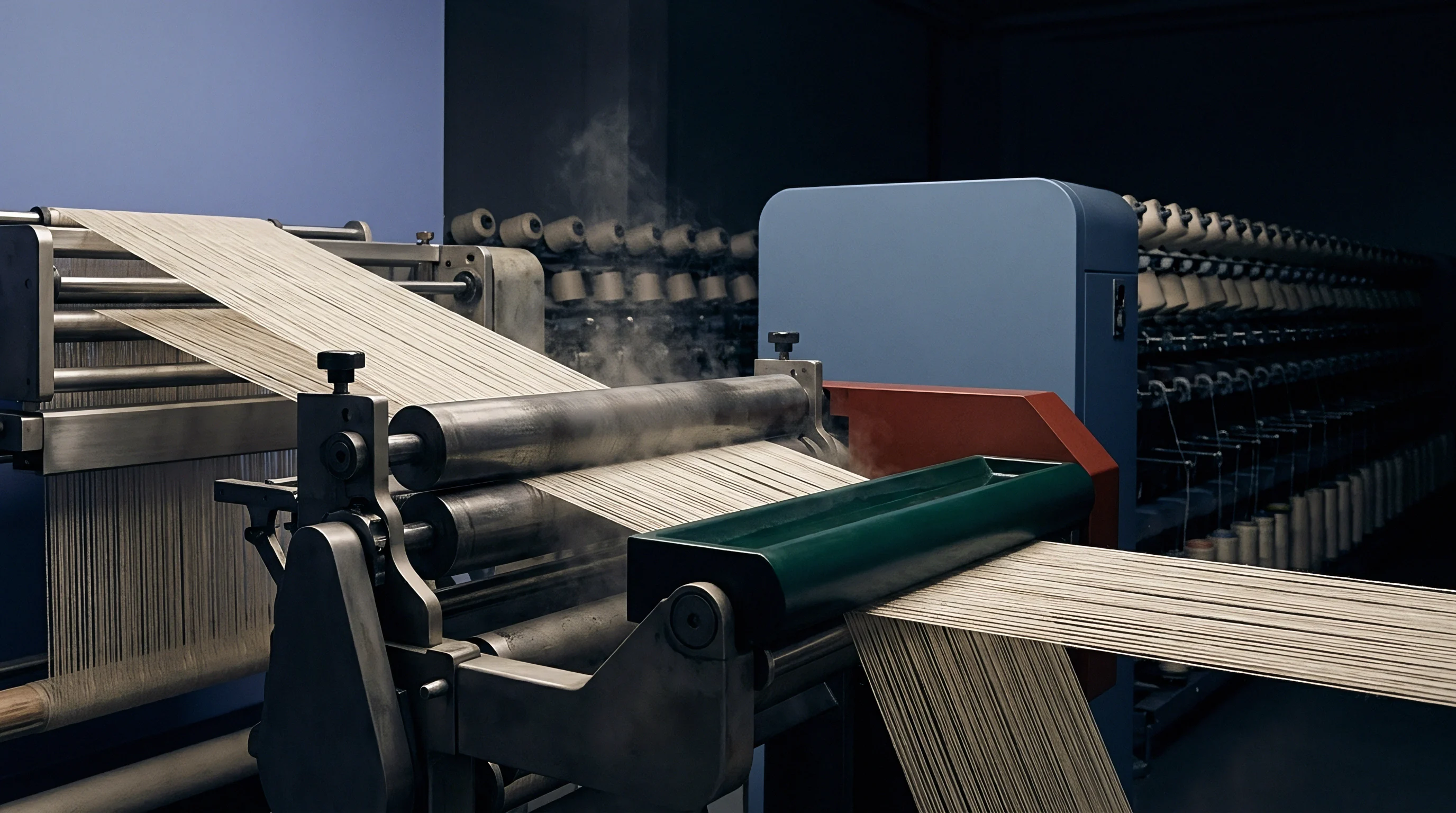
Sizing Viscosity and Penetration Depth Mechanics
Correct liquor density prevents excess chemical absorption while surrounding outer lumen bundles. Viscous size stays on yarn exteriors, forming an impenetrable shell that cracks during bending movements. Thin size penetrates deeply into the thread core, increasing tensile strength but leaving surface fibers unanchored.
Squeeze roller pressures must be controlled to maintain size pickup ratios between nine and eleven percent by dry weight on Nm 80 warps.
- Size Refractometer Reading determines solid concentration levels in the size box before warp immersion.
- Squeeze Roll Pressure governs the ratio between core penetration and surface film thickness on fine yarns.
- Drying Cylinder Temperature Profile controls moisture evaporation rates to avoid thermal degradation of flax pectin structures.
Whether modern cross-linking bio-polymers can match the hygroscopic moisture retention of traditional potato starch without increasing desizing effluent burdens remains an unresolved question in technical linen finishing.

Settlement
Financial profitability in fine linen production rests entirely on total thread breakage rates during continuous weaving runs. Excess warp end breaks stop high-speed looms, creating starting marks and wasting expensive loom capacity. Loom efficiency controls landed fabric cost.
Every warp break on an Nm 80 flax line requires three to five minutes of manual piecing time, during which fixed overhead costs continue to accrue. Maintaining precise relative humidity and dynamic tension stability converts shed capacity directly into higher fabric yield per loom hour.
Loom Hour Accounting under Moisture Induced Downtime
Machine downtime caused by warp stops directly inflates manufacturing cost per running metre. Operating ultra-fine flax warps at seventy percent efficiency due to dry air friction increases weave room cost by forty-two percent compared to operating at eighty-eight percent efficiency. Capital equipment depreciation and air conditioning energy expense represent fixed hourly liabilities regardless of metre yield.
Unscheduled warp stop repair accounts for more than sixty percent of efficiency loss in fine linen weaving sheds.

Worked Metre Cost Calculation for Fine Flax Damask
Production modeling for Nm 80 flax jacquard cloth demonstrates how shed psychrometry shifts mill profit margins. Assume a standard production run of 5,000 metres on 220 cm wide rapier looms running at 260 picks per minute, producing high-density damask cloth with 38 picks per centimetre. Loom capacity is booked at 42.00 Euros per machine hour.
| Parameter / Metric | Uncontrolled Shed (52% RH) | Optimized Shed (65% RH) |
|---|---|---|
| Warp Break Rate (Breaks / 100,000 picks) | 14.2 | 1.8 |
| Loom Operational Efficiency (%) | 68.5% | 89.2% |
| Actual Metres Produced per Loom Hour | 4.12 m/h | 5.37 m/h |
| Total Loom Hours to Complete 5,000 m | 1,213.6 h | 931.1 h |
| Total Loom Machine Overhead Cost (€) | €50,971.20 | €39,106.20 |
| Humidification Energy & Conditioning Cost (€) | €820.00 | €2,150.00 |
| Yarn Waste & Repair Labor Cost (€) | €3,640.00 | €620.00 |
| Landed Weaving Cost per Finished Metre (€/m) | €11.09 / m | €8.38 / m |
The final landed cost per metre reflects not only yarn weight and pick density but the thermal energy spent maintaining shed humidity and the loom hours lost to tension-induced end breaks.