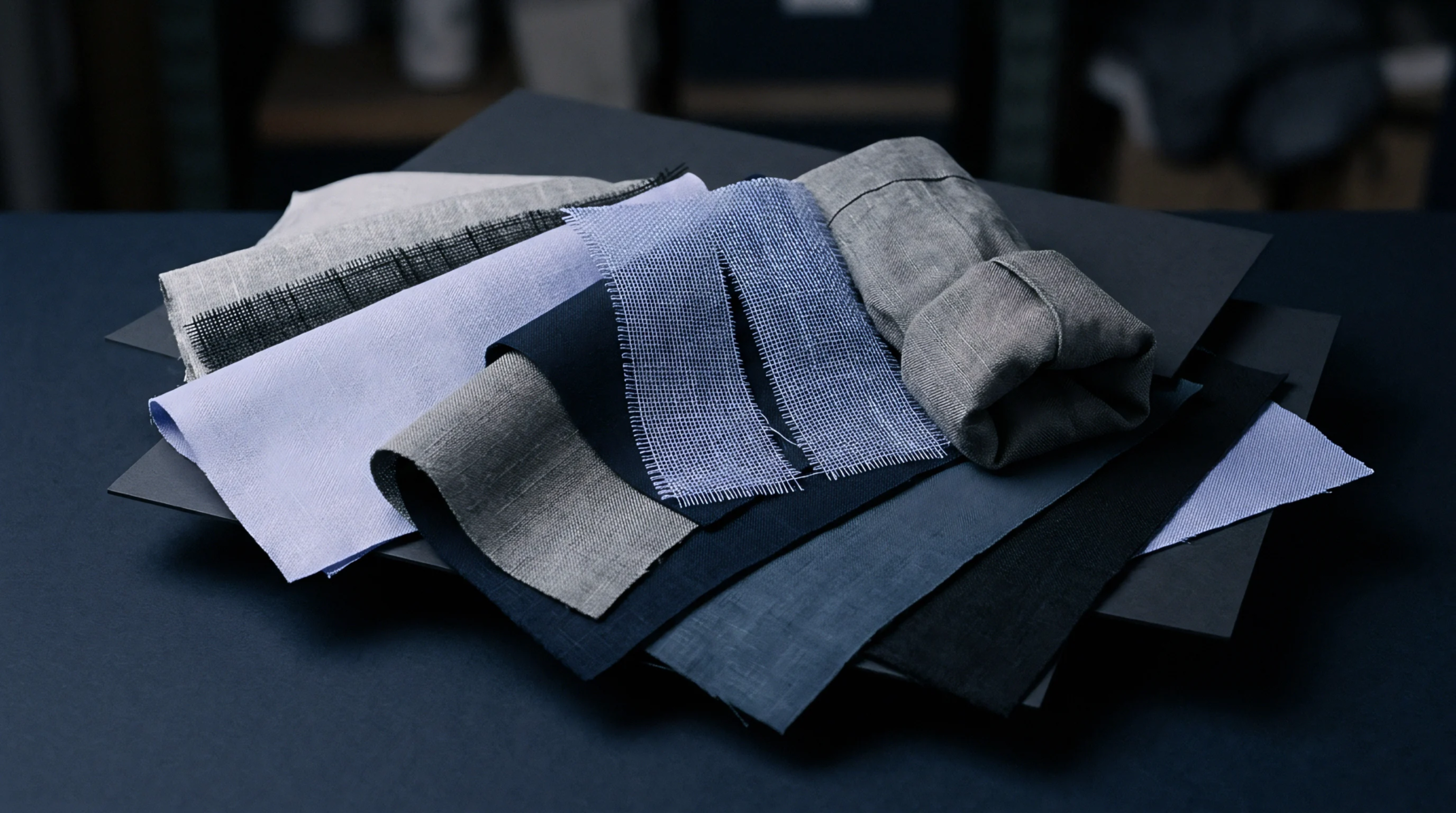
Calculating Basic Greige Fabric Yield from Loom Parameters
Calculating basic greige fabric yield converts loom speed, pick density, and crimp factors into net linear output and relaxed fabric mass per hour.
Calculating basic greige fabric yield converts loom speed, pick density, and crimp factors into net linear output and relaxed fabric mass per hour.

Rapier crimp exchange calculations incorporate velocity-induced yarn flattening and transient shed tension to prevent off-loom greige width shortfalls.

Basic fractional cover factor calculations in linen require adjusting nominal yarn diameter for flax packing density and beat-up flattening before computing combined system surface cover.

Elastic sizing films, asymmetric shed timing, and capped loom speeds prevent yarn abrasion and tension rupture in ultra-high-density flax constructions.

Flax cell wall swelling widens microfibrillar helices and amplifies woven crimp paths, demanding planned warp take-up allowances on the loom beam.
Cohesive zone modeling prevents flax warp cleavage by matching shed opening acceleration to pectin shear yield limits.
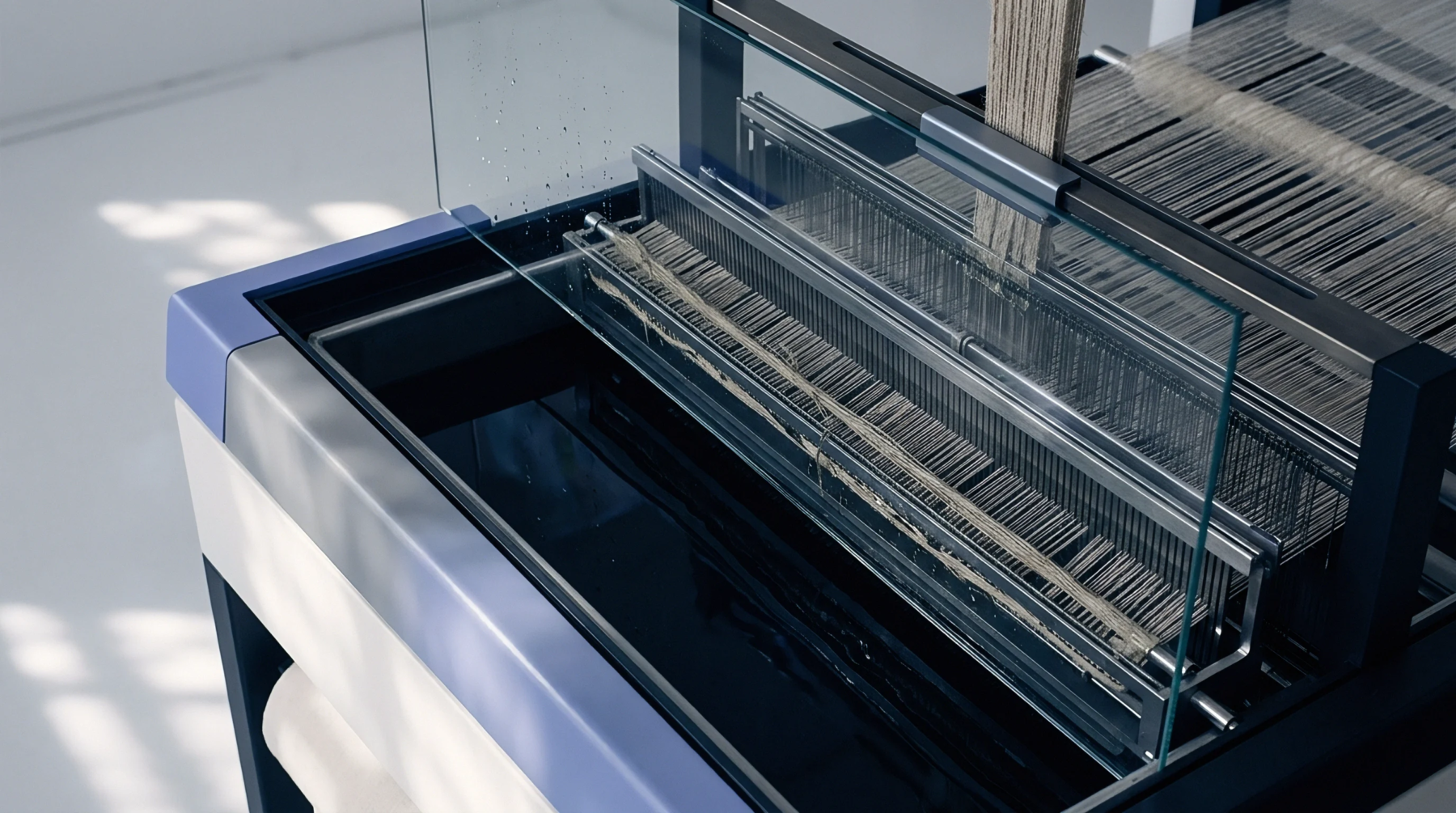
Verifying substantial transformation in linen fabric requires machine-level loom allocation logs, doff records, and mass-balance yarn reconciliations.
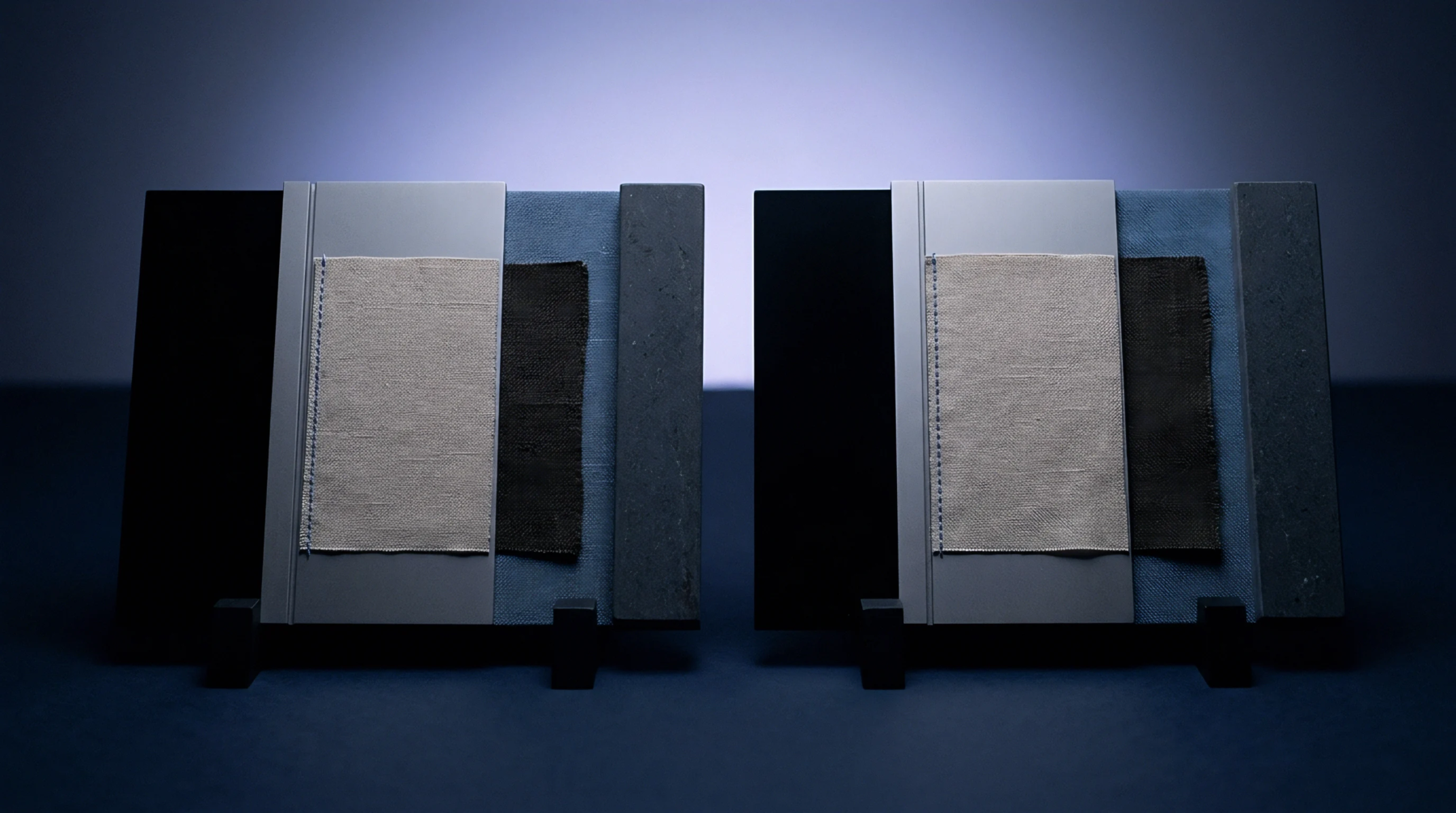
Determine woven linen weight and thread density by converting yarn Lea to Tex, applying cover factor equations, and accounting for finishing shrinkage.

Converting hand-loom swatches to rapier loom specs requires rebalancing warp crimp, sizing single yarns, and setting weft brakes to hold cover factor at speed.

Engineering accurate linen fabric specifications requires coupling loom crimp take-up equations with wet process shrinkage factors to fix finished GSM and width.
Expertise is a utility, not a secret. sentiention™ publishes its working knowledge as open reference: intelligence layer covering the materials it sources, the markets it enters, and the reference that serves both.