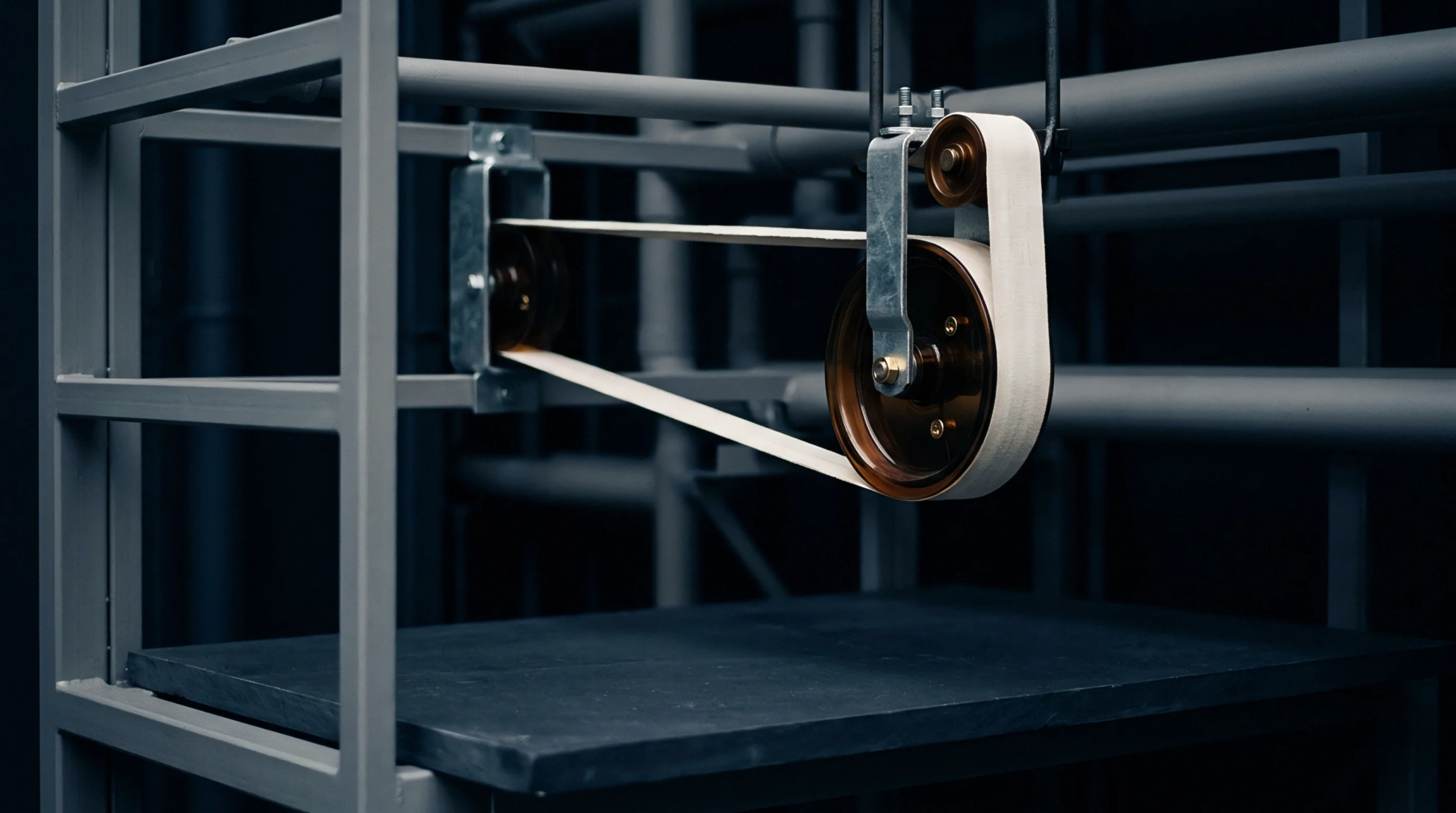
Pneumatic Energy Consumption versus Mechanical Stoppage Rate Tradeoffs in Industrial Linen Air Jet Weaving
Throttling air jet pressure below 0.54 MPa on linen weft cuts compressor load but spikes stoppage rates, raising net weaving cost per metre.
Throttling air jet pressure below 0.54 MPa on linen weft cuts compressor load but spikes stoppage rates, raising net weaving cost per metre.
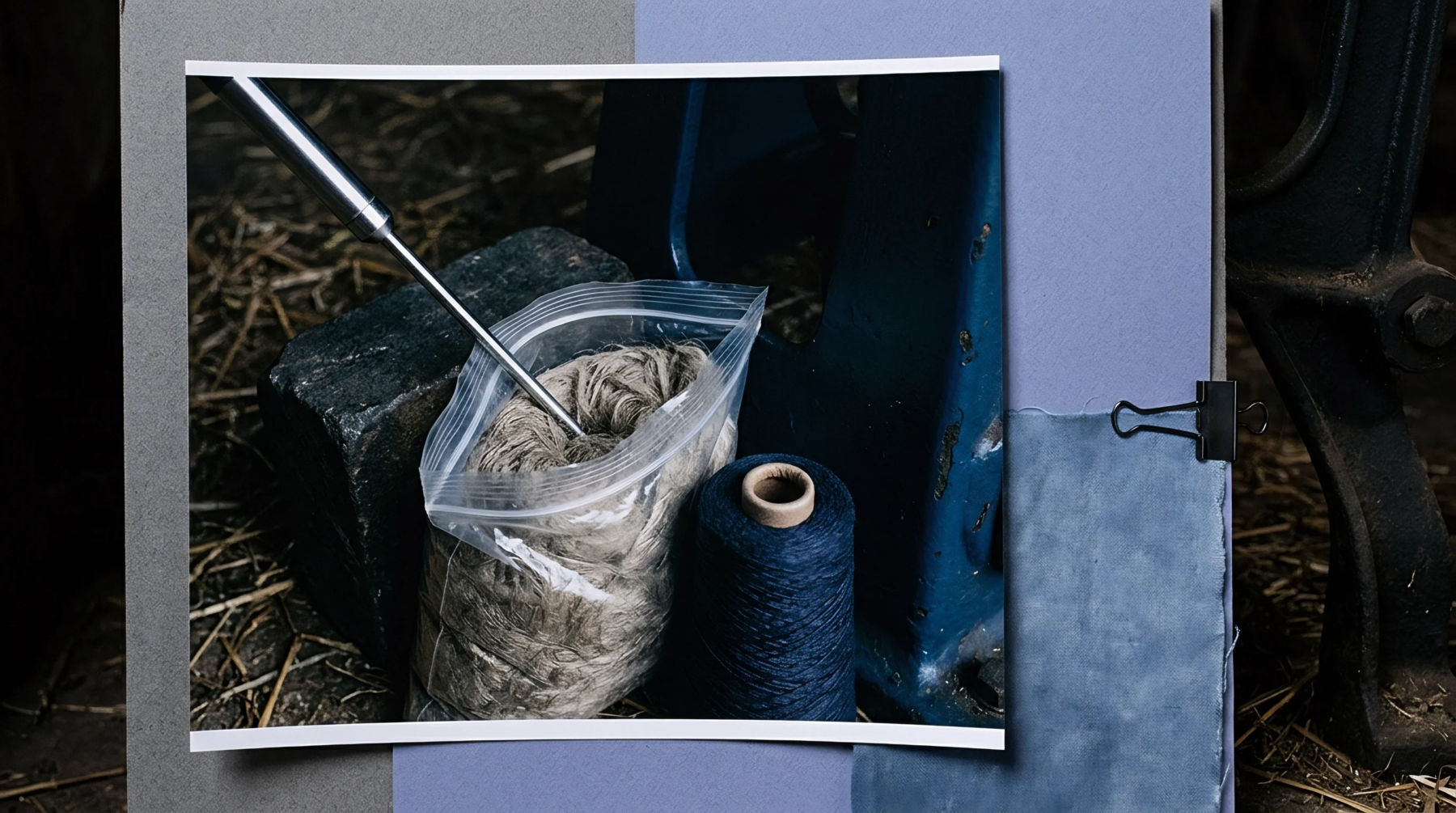
Moisture plasticizes the amorphous pectin matrix in bast bundles, lowering yarn flexural rigidity while elevating cyclic bending energy dissipation.
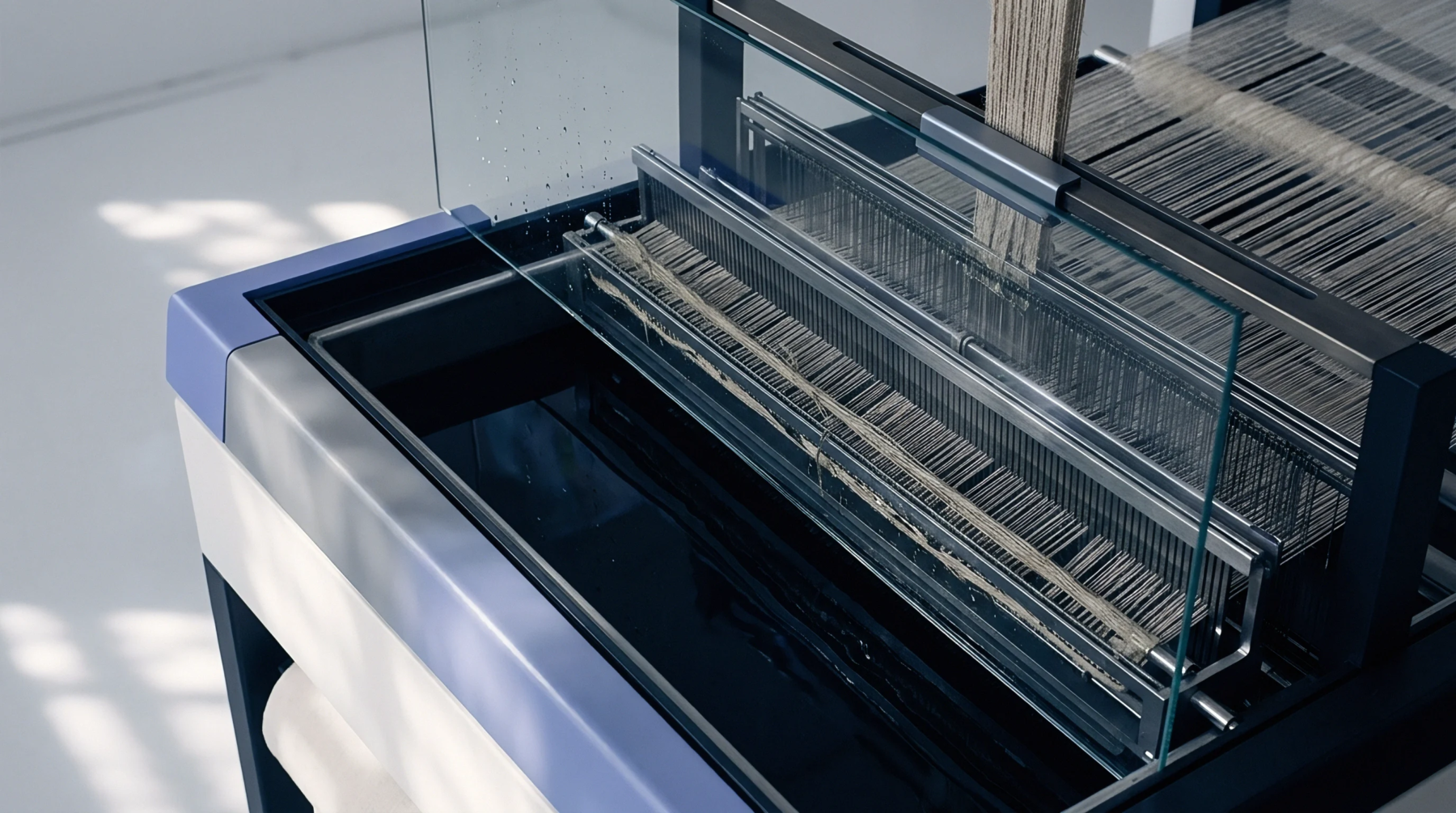
Optimize high-density linen warping via low-drag ceramic creels, 7-degree drum cones, 10% PVA-starch add-on, and 8-tier splitting to keep loom stops below 1.5.
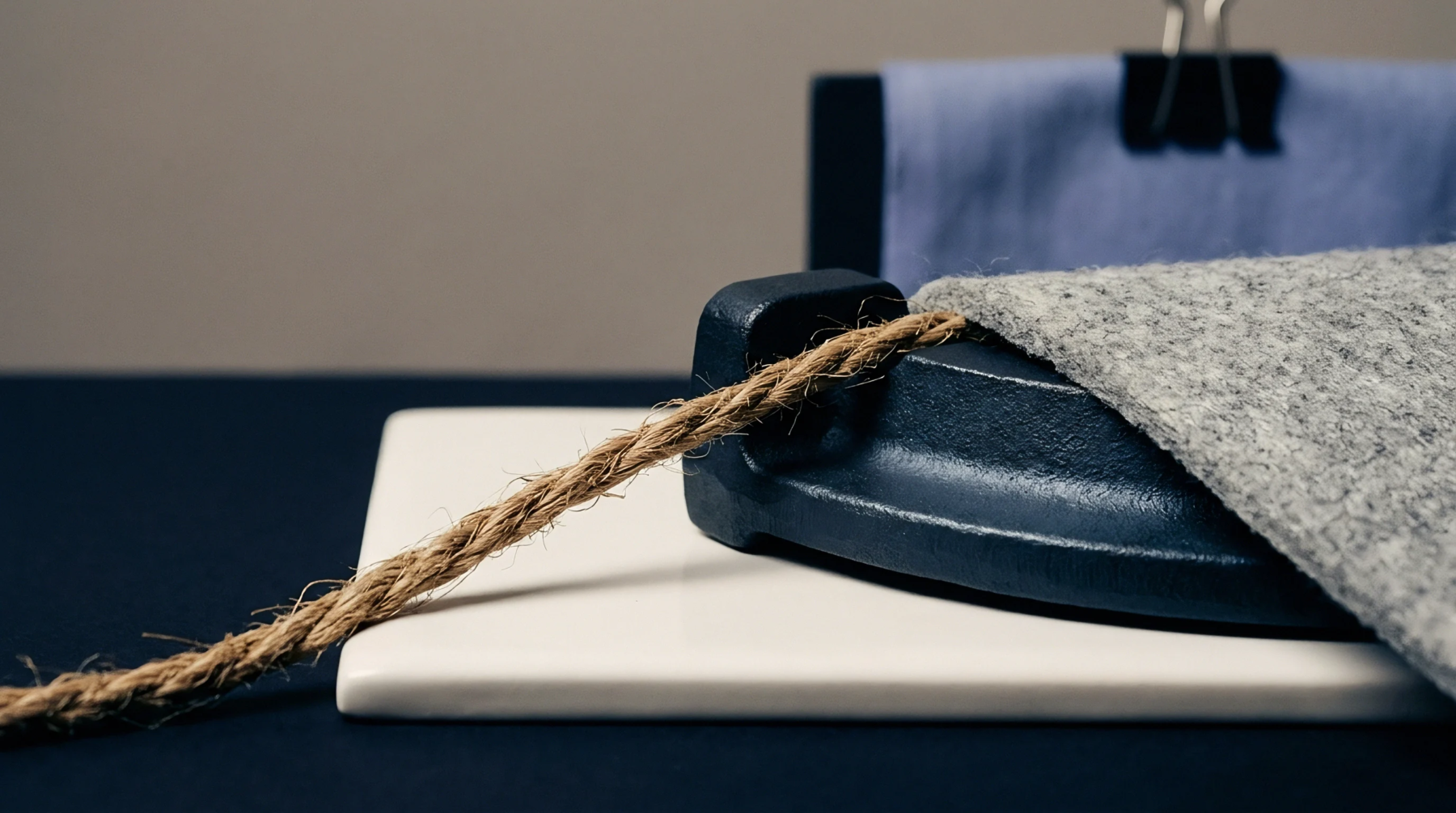
Wet spun linen warp breaking strength depends on low strength CV and elastic sizing film to resist cyclic shed tension and prevent single end loom stops.
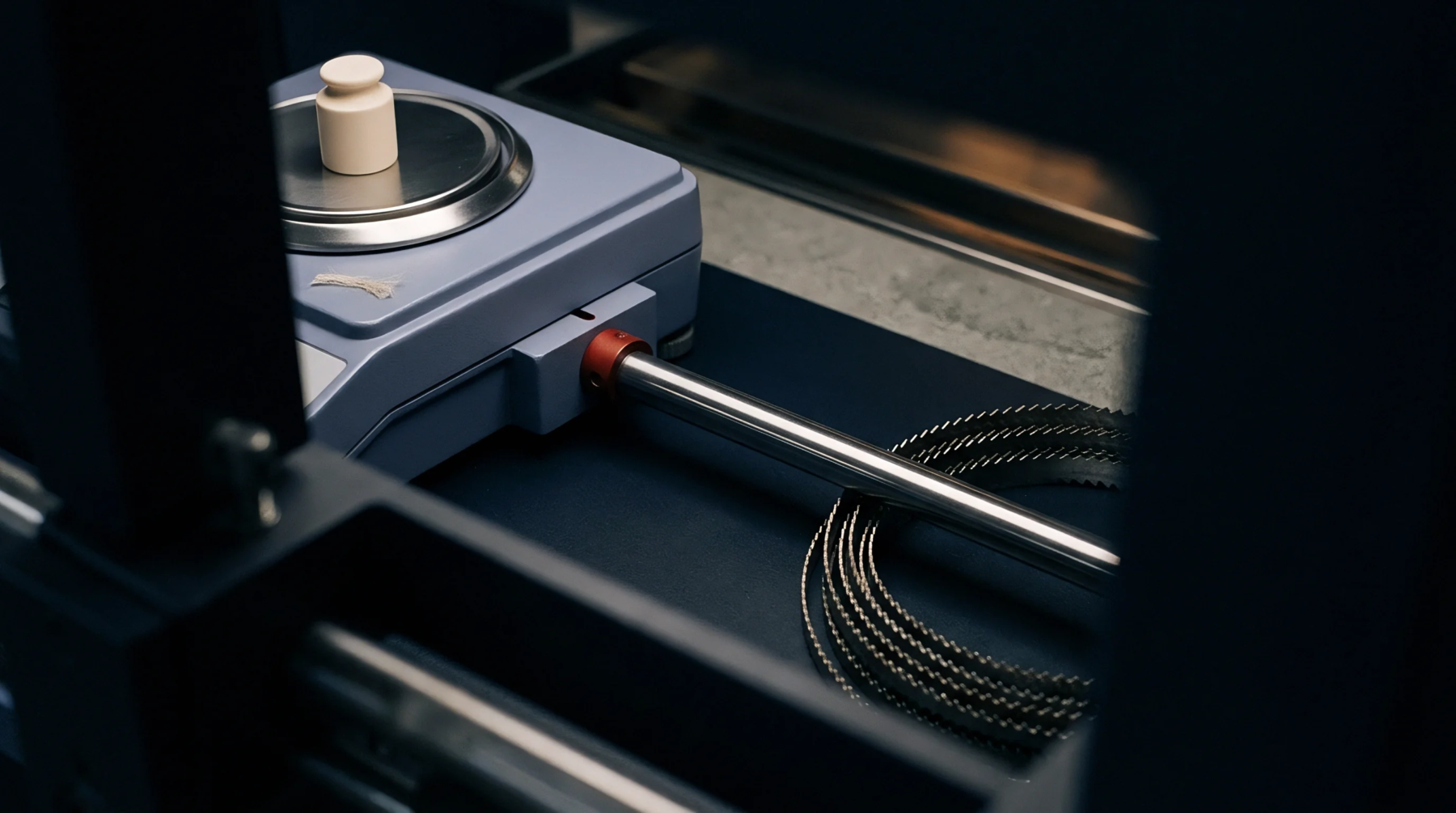
Ultra-high-speed rapier insertion causes non-linear yarn dynamic degradation and micro-slippage that requires optimized clamping and sizing to prevent shed stops.

Converting hand-loom swatches to rapier loom specs requires rebalancing warp crimp, sizing single yarns, and setting weft brakes to hold cover factor at speed.
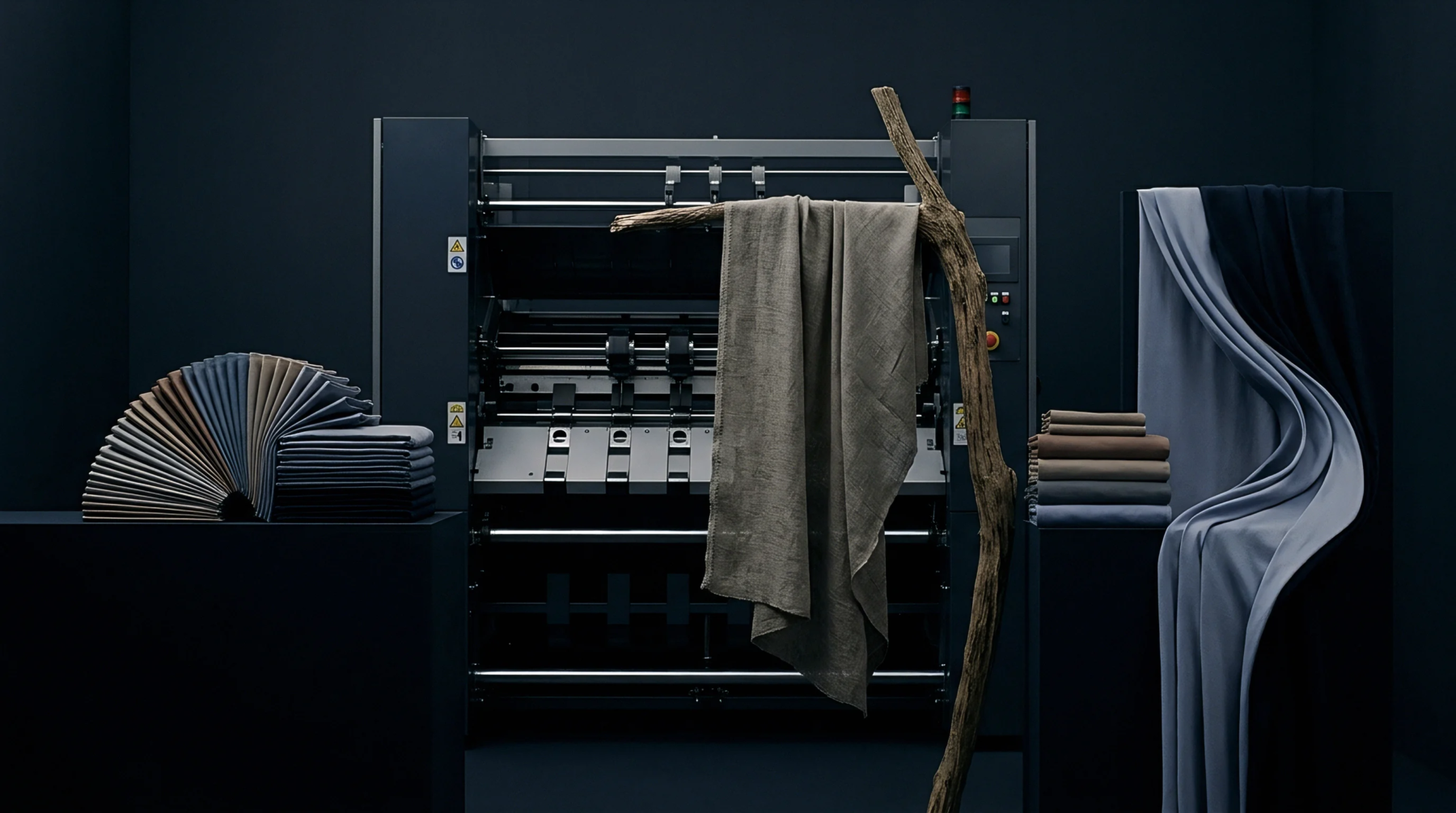
Dynamic tension decay in sized wet spun flax yarns is minimized by controlling size penetration to 25 percent and keeping dynamic strain amplitudes below 1.2 percent.
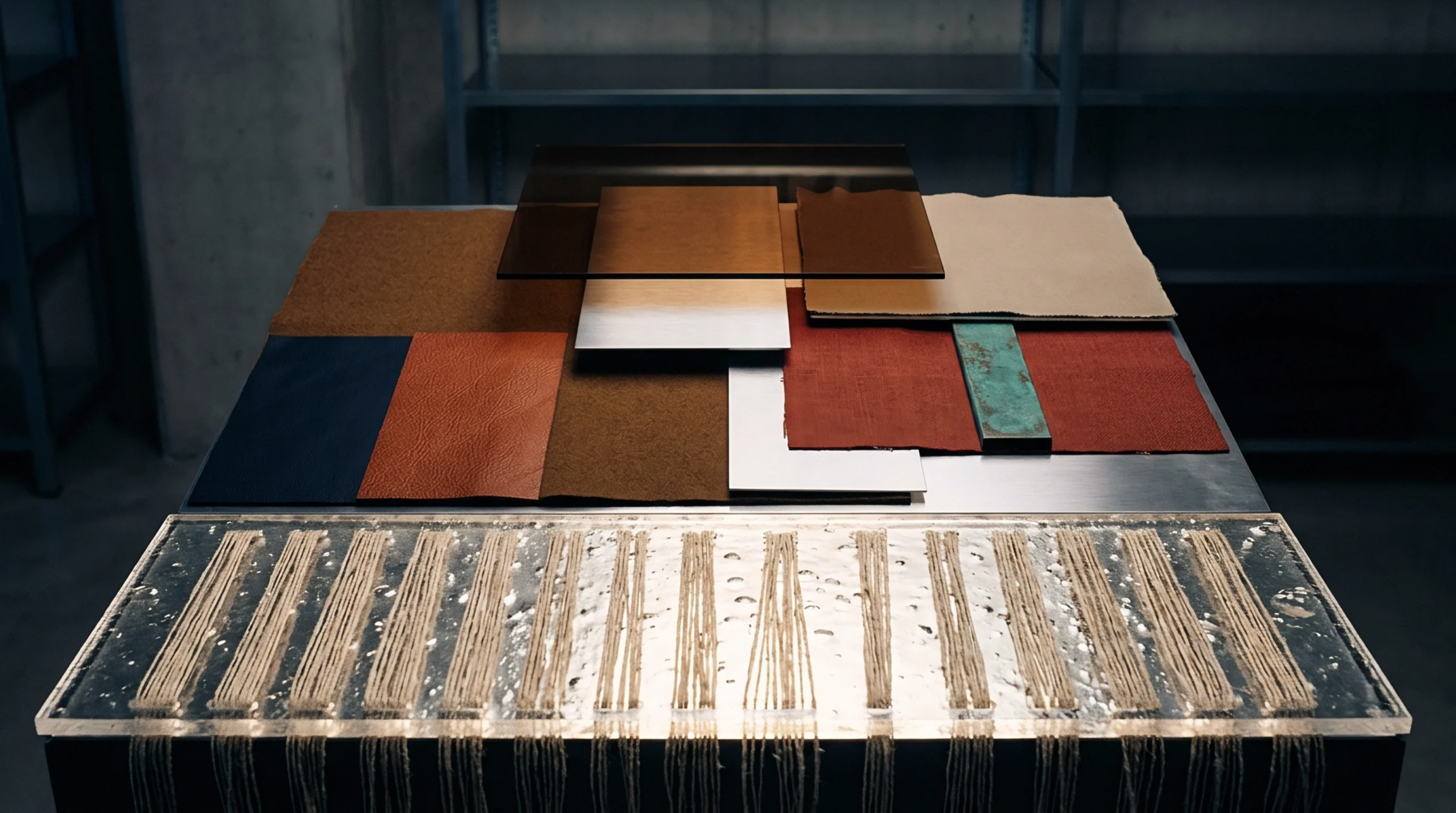
Maintaining peak dynamic warp tension below thirty percent of single yarn tenacity is essential to prevent cyclic fatigue breakage in high density linen weaving.
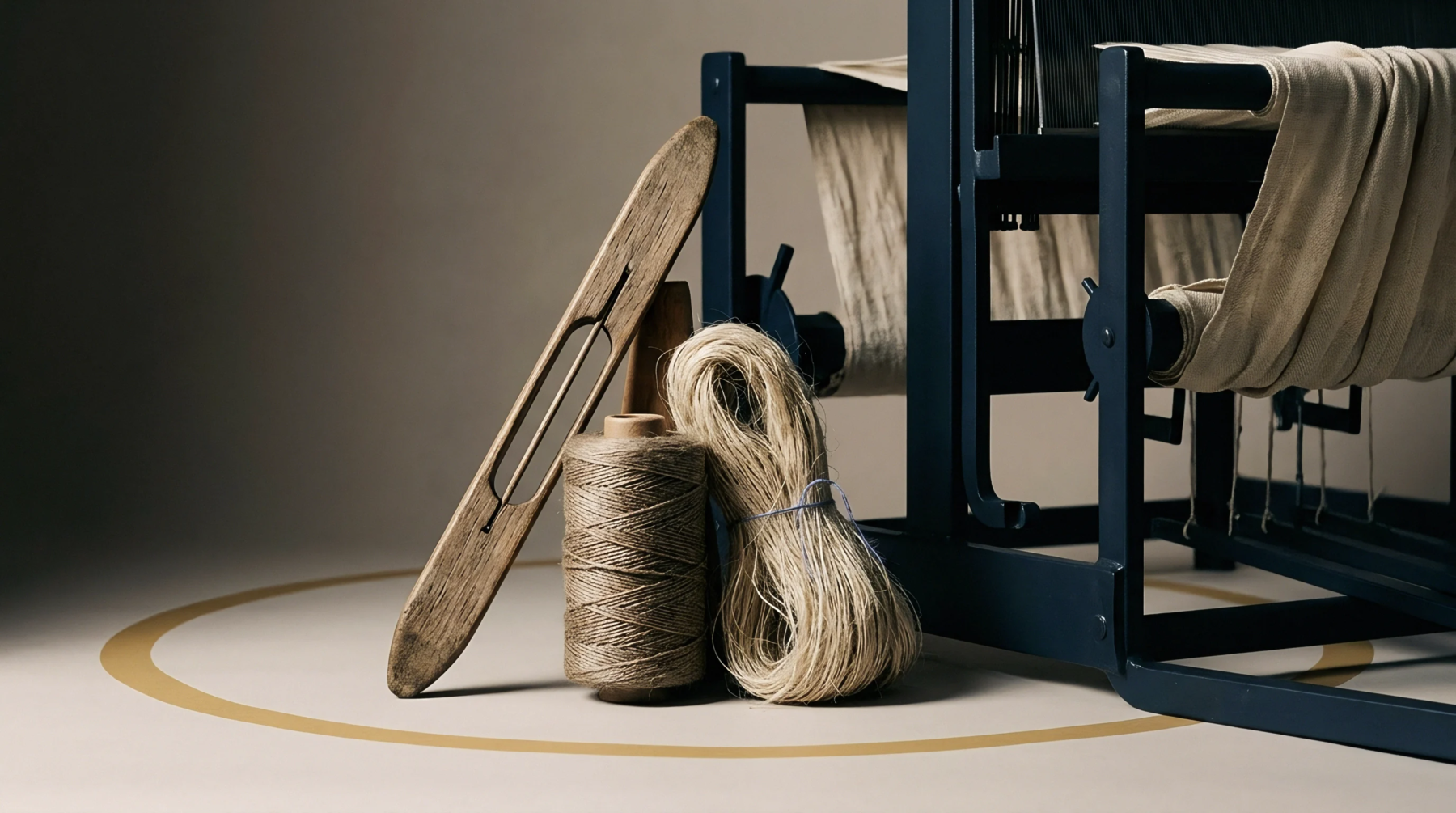
Positive rapier insertion handles low-elongation wet-spun linen warps reliably, while air-jets trigger high stop rates, pneumatic costs, and greige faults.
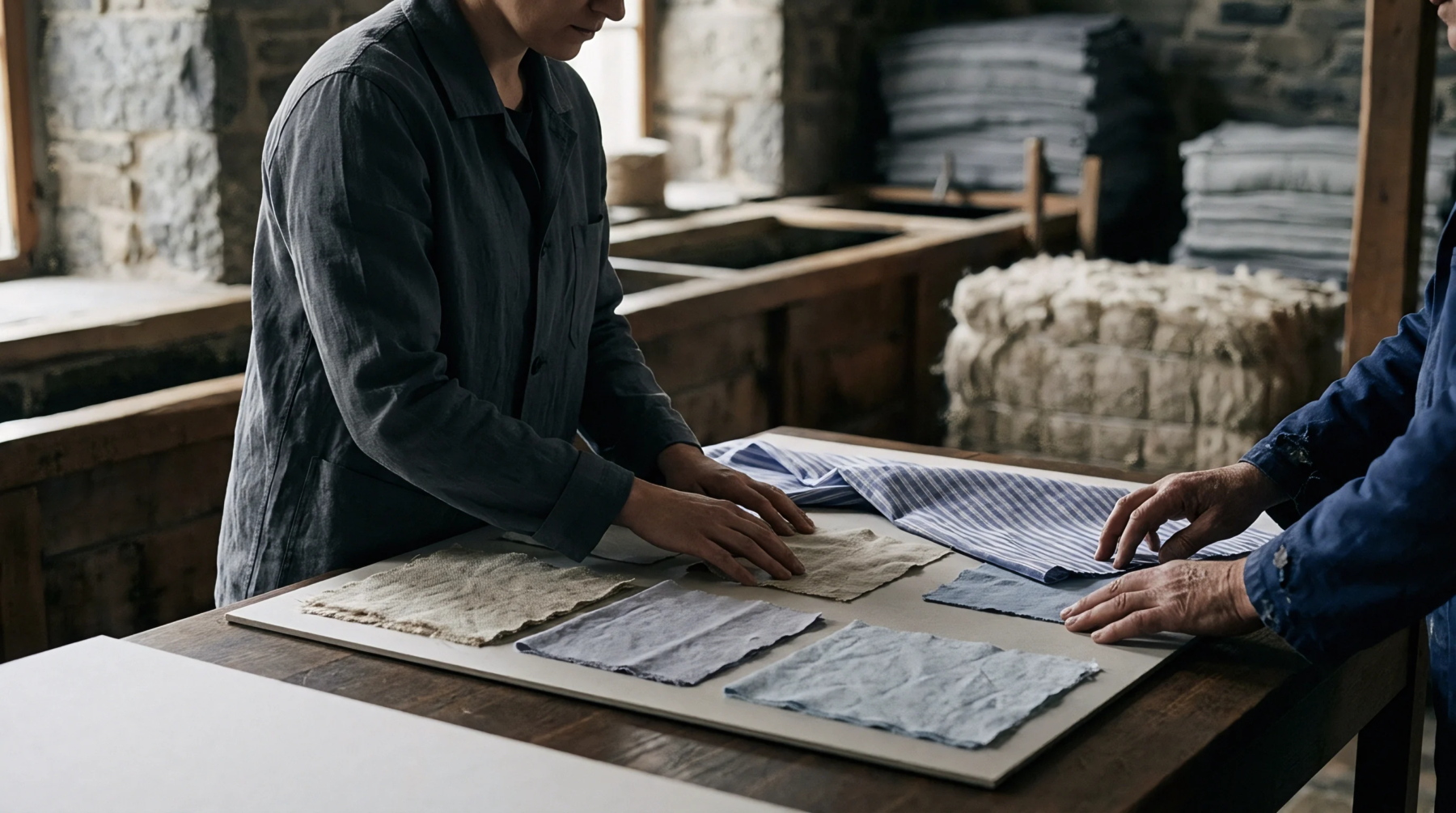
Equal weight plain weave stands rigid while twill drapes because maximum yarn crossover frequency locks crimp and restricts lattice shear mobility.
Expertise is a utility, not a secret. sentiention™ publishes its working knowledge as open reference: intelligence layer covering the materials it sources, the markets it enters, and the reference that serves both.