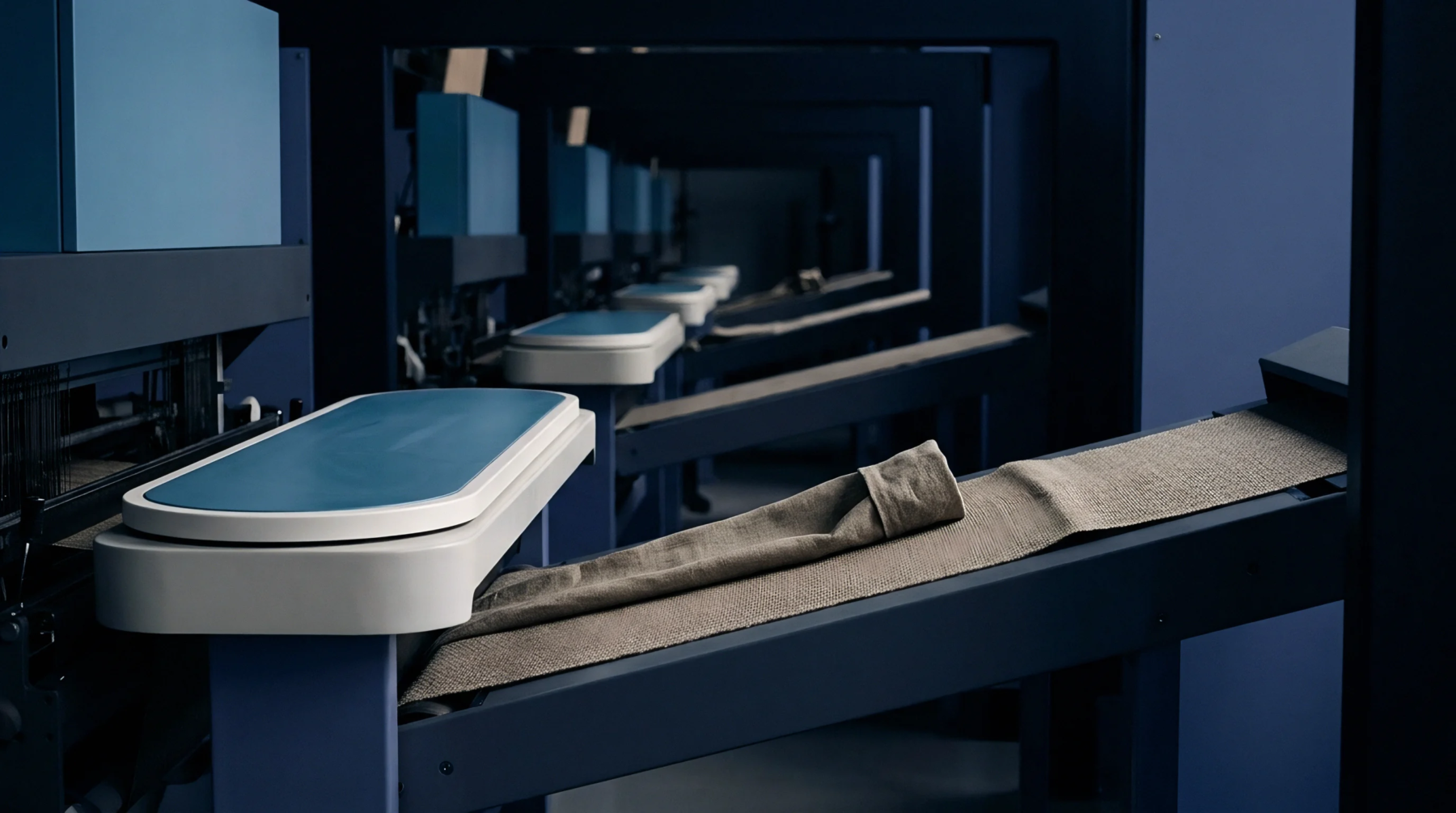
Determining Chapter 53 Fabric Boundaries for Continuous Woven Linen Goods under Tariff Rules
Continuous woven linen fabric classification under HS Heading 5309 requires minimum 85 percent flax content by dry weight and uncut continuous roll edges.
Continuous woven linen fabric classification under HS Heading 5309 requires minimum 85 percent flax content by dry weight and uncut continuous roll edges.

Dynamic tensile stress accelerates microstructural cell wall dislocation propagation in single flax fibres, mandating strict mechanical and audit qualification.

Reconciling multi country yarn spinning ledgers requires adjusting raw weights to standard twelve percent moisture regain and retiring comber noil credits.
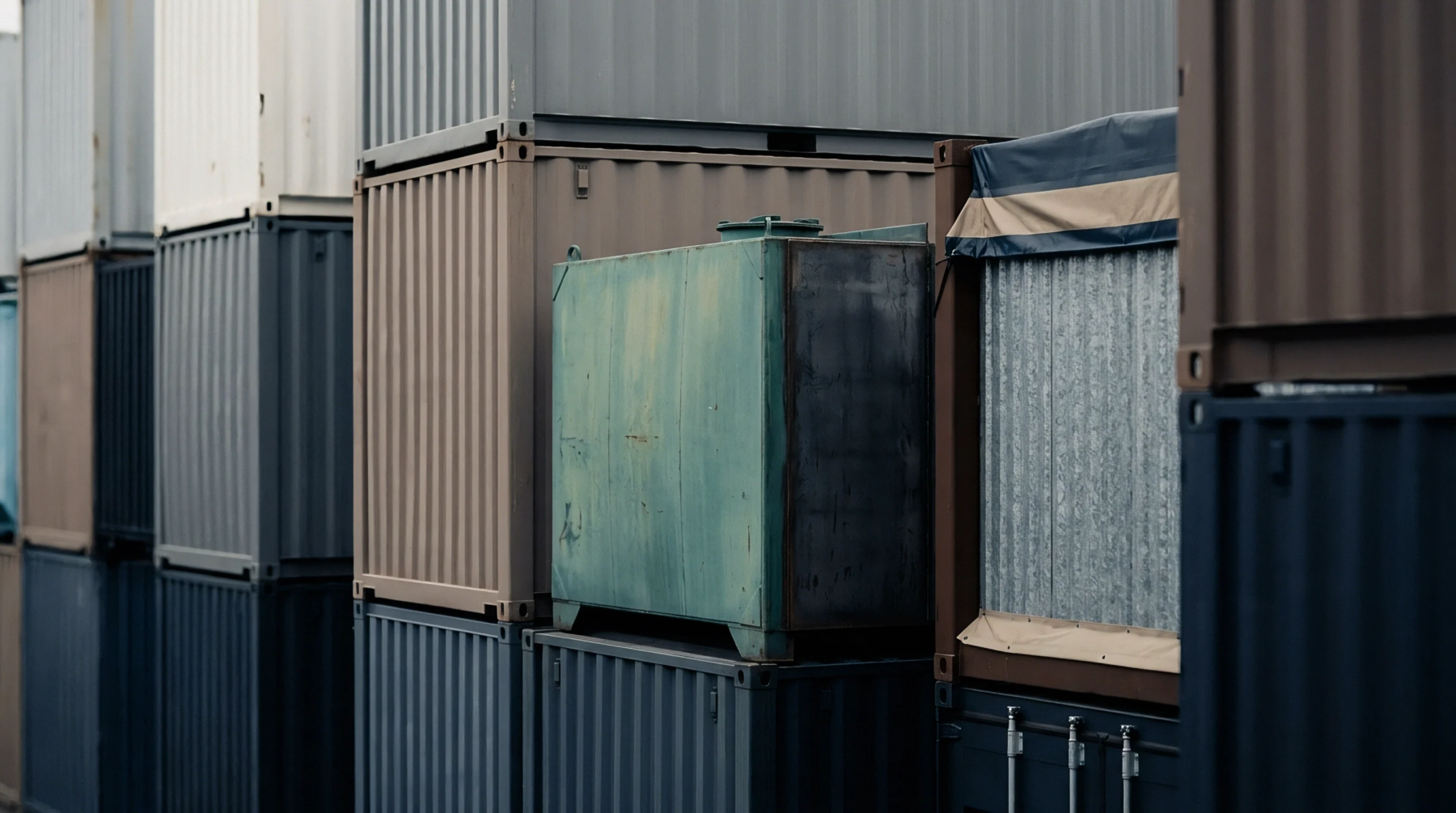
Verifying farm-level lot segregation during dew retting links cadastral parcel boundaries to mechanically steered swaths, physical buffers, and baler telemetry.
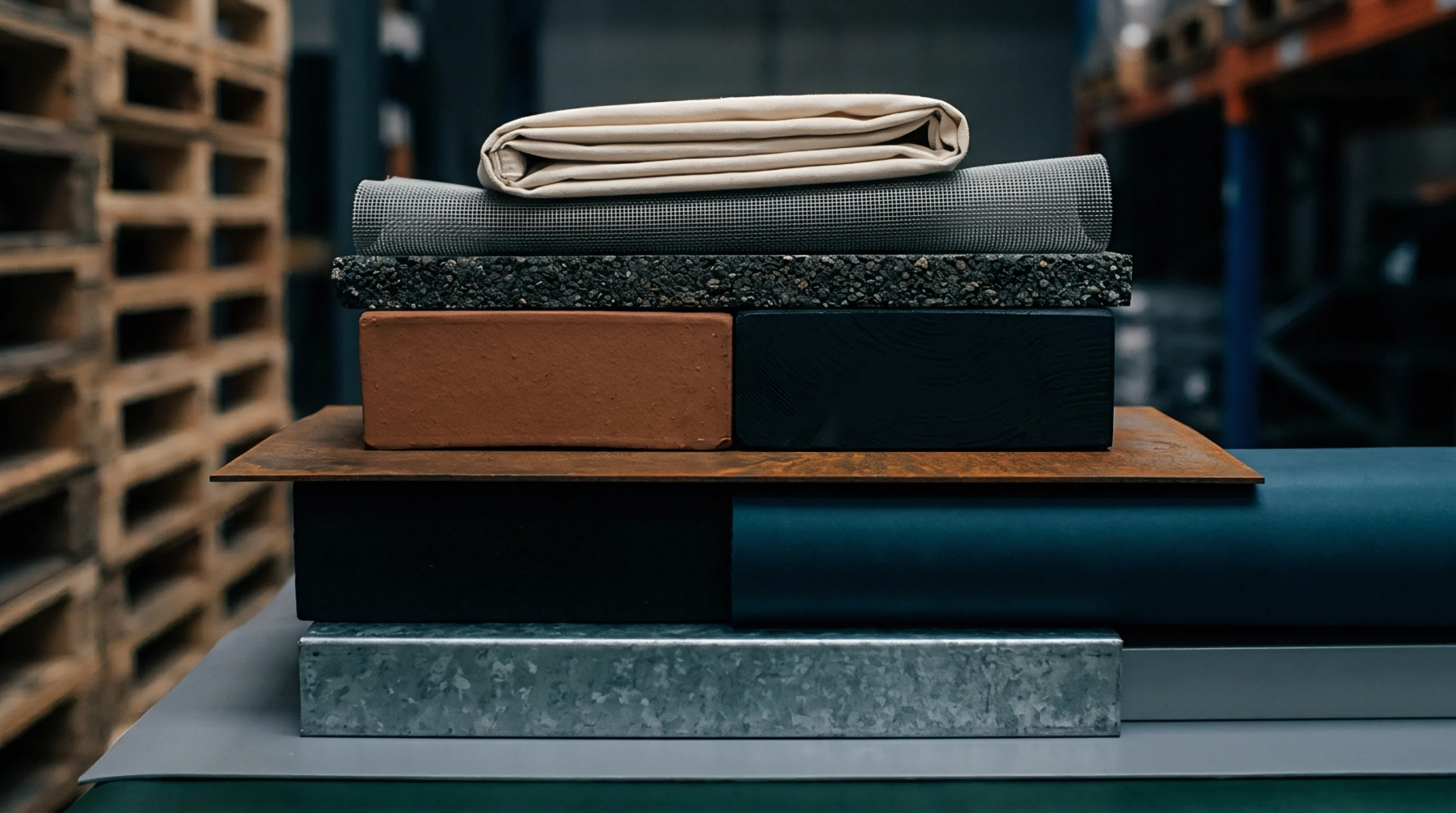
Scope certificates verify mill capability while transaction certificates prove physical batch origin across every stage of linen transformation.
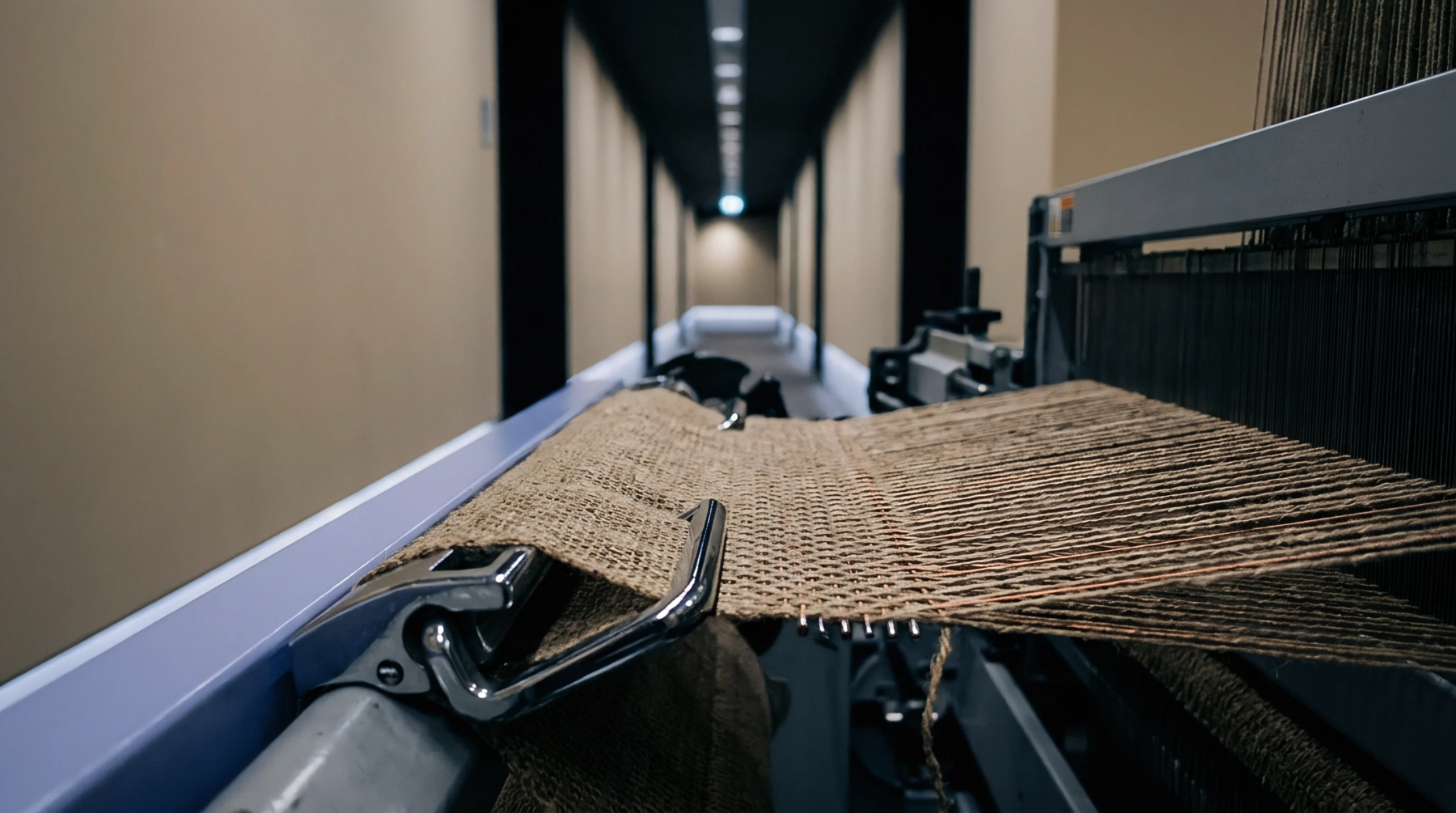
Proving non-preferential origin for Asian spun linen yarns demands mill-level mass-balance audit trails connecting European raw flax to yarn batches.
Optimize flax wet spinning by maintaining attenuation troughs at 68-72°C with soft water to dissolve pectins without degrading elementary fiber tensile strength.
Mass balance credit allocations fulfill voluntary sustainability metrics but fail statutory non-preferential customs origin rules requiring physical transformation proof.
Expertise is a utility, not a secret. sentiention™ publishes its working knowledge as open reference: intelligence layer covering the materials it sources, the markets it enters, and the reference that serves both.