Natural Sizing Polysaccharide
Tuberous amylaceous polysaccharide derived from Solanum tuberosum functions as a primary adhesive polymer for vegetable yarn protective sizing coatings. Cold water suspends potato starch granules until thermal energy across an aqueous slurry initiates gelatinization around sixty-five degrees Celsius. The elevated amylopectin content and high molecular weight grant substantial paste viscosity compared to cereal-derived starches.
Processing operations modify native granules via chemical oxidation or etherification to lower paste gelatinization points and diminish retrograde retrogradation. The protective coating domain stops at the desizing wash bath, where alpha-amylase enzymes convert the applied polysaccharide back into soluble maltodextrins.
Slurry Paste Rheology
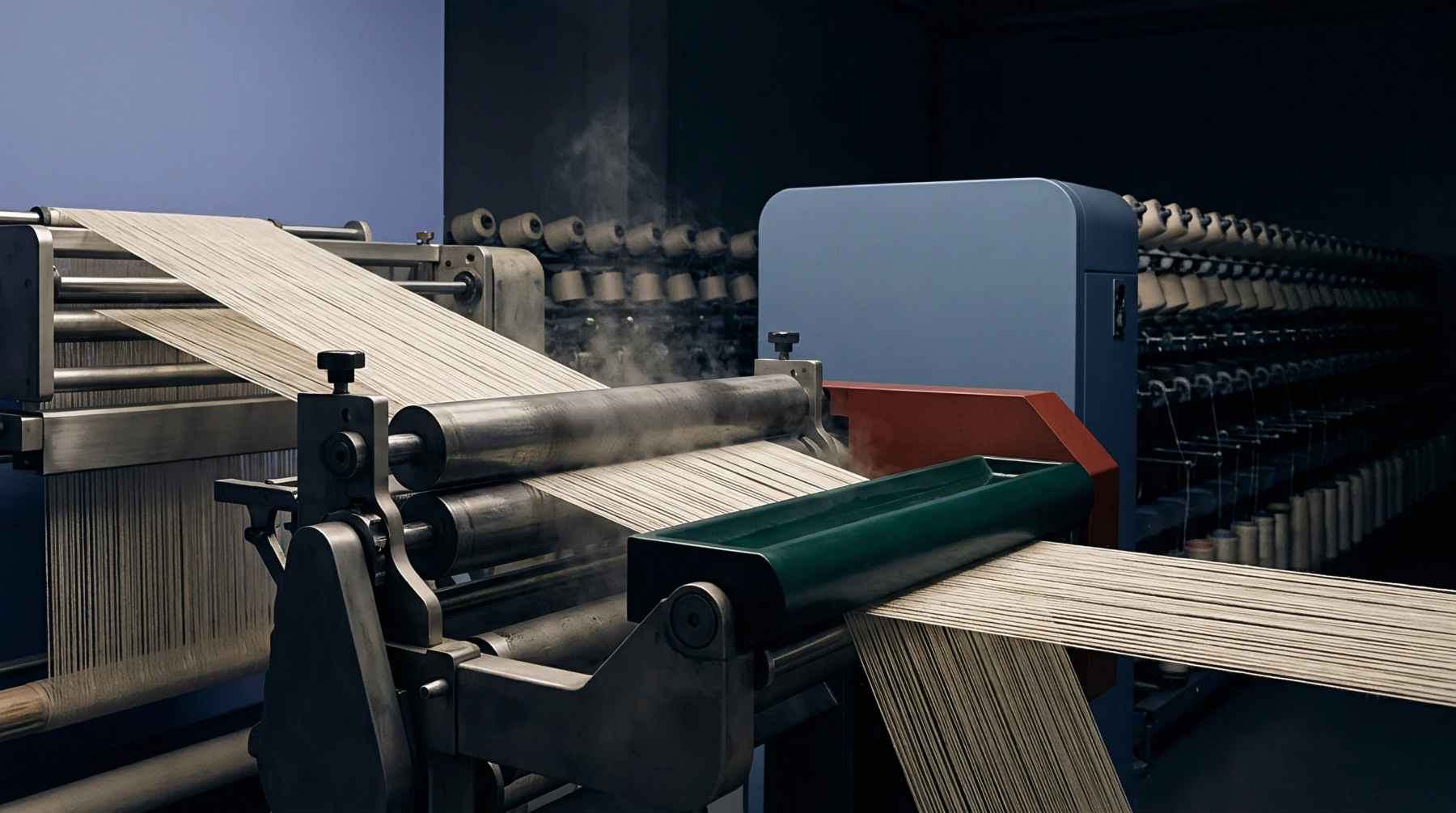
Jet cooking or jacketed thermal agitation breaks down granules to formulate a stable fluid film application bath. Adding chemical potato starch formulations onto sizing box rollers deposits a continuous viscous mantle around coarse linen bundles. Hydroxyl groups across the glucose chains form physical hydrogen bonds with the outer cellulosic walls of flax fibres, pinning down protruding surface hairs without over-penetrating the yarn core.
Maintaining correct kettle temperature prevents paste thinning, ensuring consistent sizing bath solids concentration during continuous warp preparation runs. Viscosity testing cups measure flow seconds, confirming paste consistency prior to immersion roller contact.
Adhesion Test Limits
Sizing quality logs track film flexibility, total solids pickup and residual core moisture after cylinder drying. Slasher crews monitor potato starch solutions to ensure warp ends withstand cyclic loom reed abrasion without shedding dry flakes. Warp yarn specimens undergo abrasion resistance testing on specialized yarn wear testers, recording cycles endured before thread breakage occurs.
Excessive starch brittleness signals improper chemical modification or deficient softening wax additions within the formulation vat. Desizing monitoring sheets verify complete enzymatic removal of starch fractions across treated fabrics, protecting subsequent piece dyeing operations from uneven dye penetration and irregular finished colour distributions.