
Certified Fibre Surcharge Weighed against the Unprovable Claim Discount
Certified fibre surcharges protect legal compliance and landed margin stability, whereas unprovable claim discounts expose importers to severe customs liabilities.
Certified fibre surcharges protect legal compliance and landed margin stability, whereas unprovable claim discounts expose importers to severe customs liabilities.

Scope certificates approve mill processing capability while transaction certificates validate specific physical shipment mass; buyers must hold final payment until verified transaction paperwork arrives.
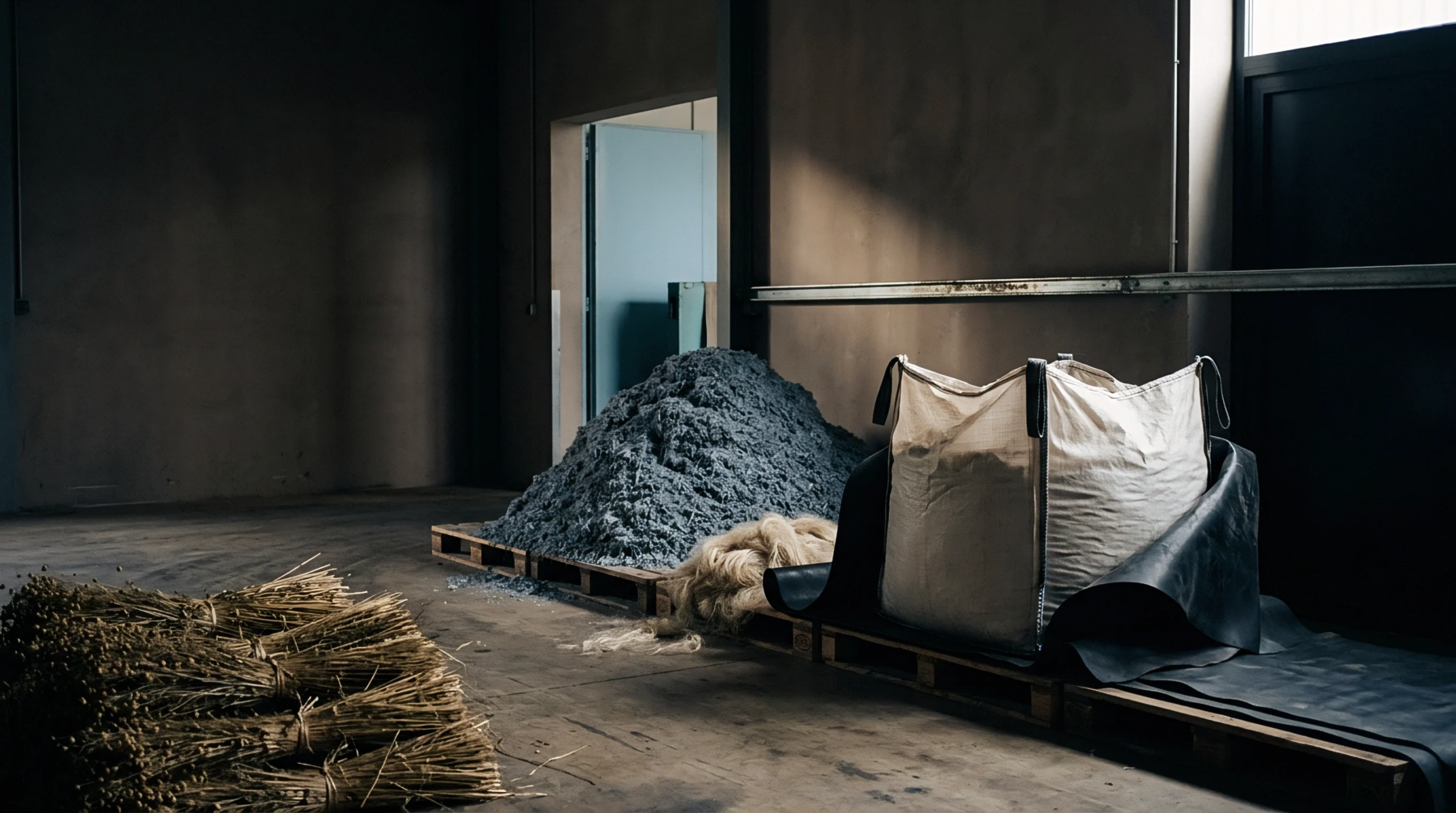
Imported French scutched long line delivers higher hackling yield and lower yarn break rates, outperforming domestic Chinese flax on landed metre fabric cost.

Linen origin rests on Western European raw flax scutching records linked through batch transaction certificates and mill mass-balance audits to finished bolts.
Resolving multi-site credit discrepancies requires separating voluntary mass balance ledgers from statutory physical batch origin declarations.
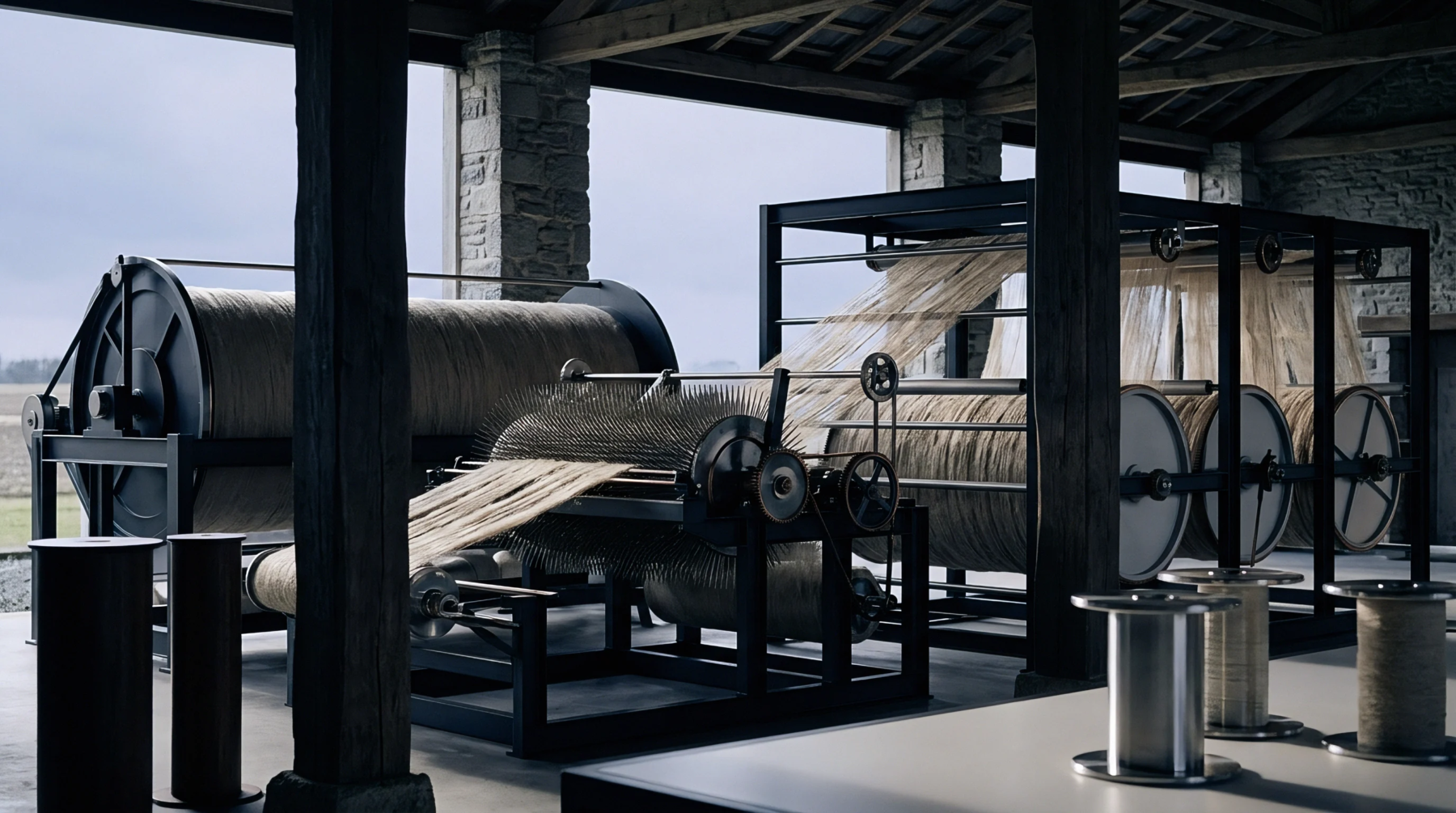
Cottonised short flax inside long-staple lots destroys wet-spinning stability; verify comb-sorter distributions under ISO 6989 before processing.

Audit Jiangsu linen mills by reconciling dry-conditioned raw fibre intake against desized fabric output and verified scrap ledgers.
Linen yarn counts and cloth weight must be verified against dry fiber mass plus standard 12 percent moisture regain to eliminate costly moisture billing errors.

Auditing Chinese linen mills requires reconciling port customs weighbridge tickets against wet-spinning yield equations to expose false mass balance credits.

Non-preferential origin for woven linen fabric assigns strictly to the country where yarn is woven into greige cloth on industrial looms under tariff shift rules.
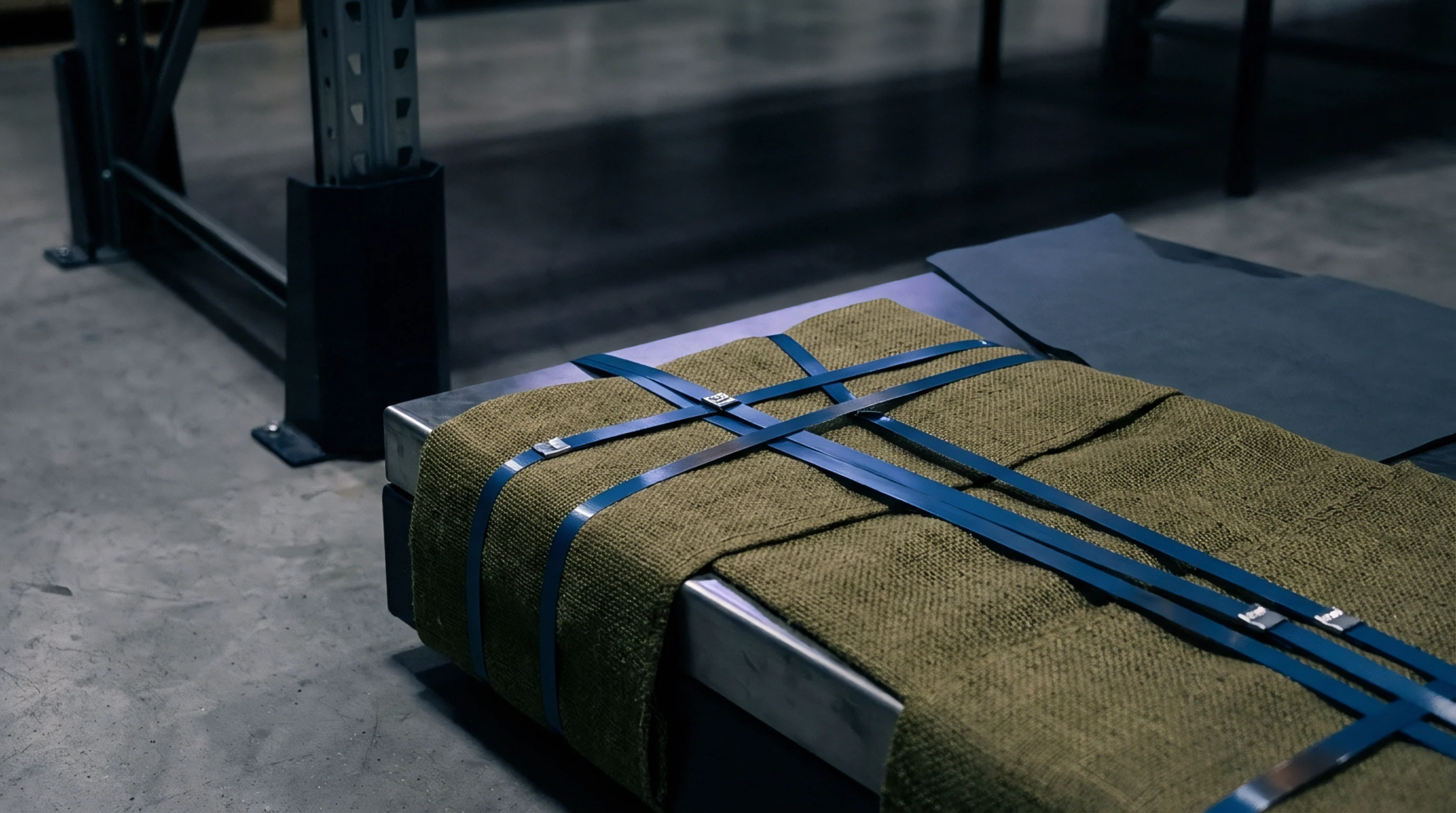
Gravimetric cut-length linear density variance above twelve percent CV drives wet-spinning breaks and triggers contractual invoice debits up to lot rejection.

Evaluating scutched flax length distributions using comb arrays identifies short fiber fractions and predicts hackling line yield before spinning.

Masters of Linen mandates 100% European transformation, making Chinese processing invalid; European Flax allows overseas processing with verified chain of custody.

Verify wet spinning mass ledgers by adjusting raw inputs to standard moisture regain, deducting verified chemical bath extraction losses and weighed mechanical scrap.

Spectrophotometric m-hydroxydiphenyl quantification of ammonium oxalate extracted pectin predicts bast fibre sliver drafting behavior and wet spinning yield.
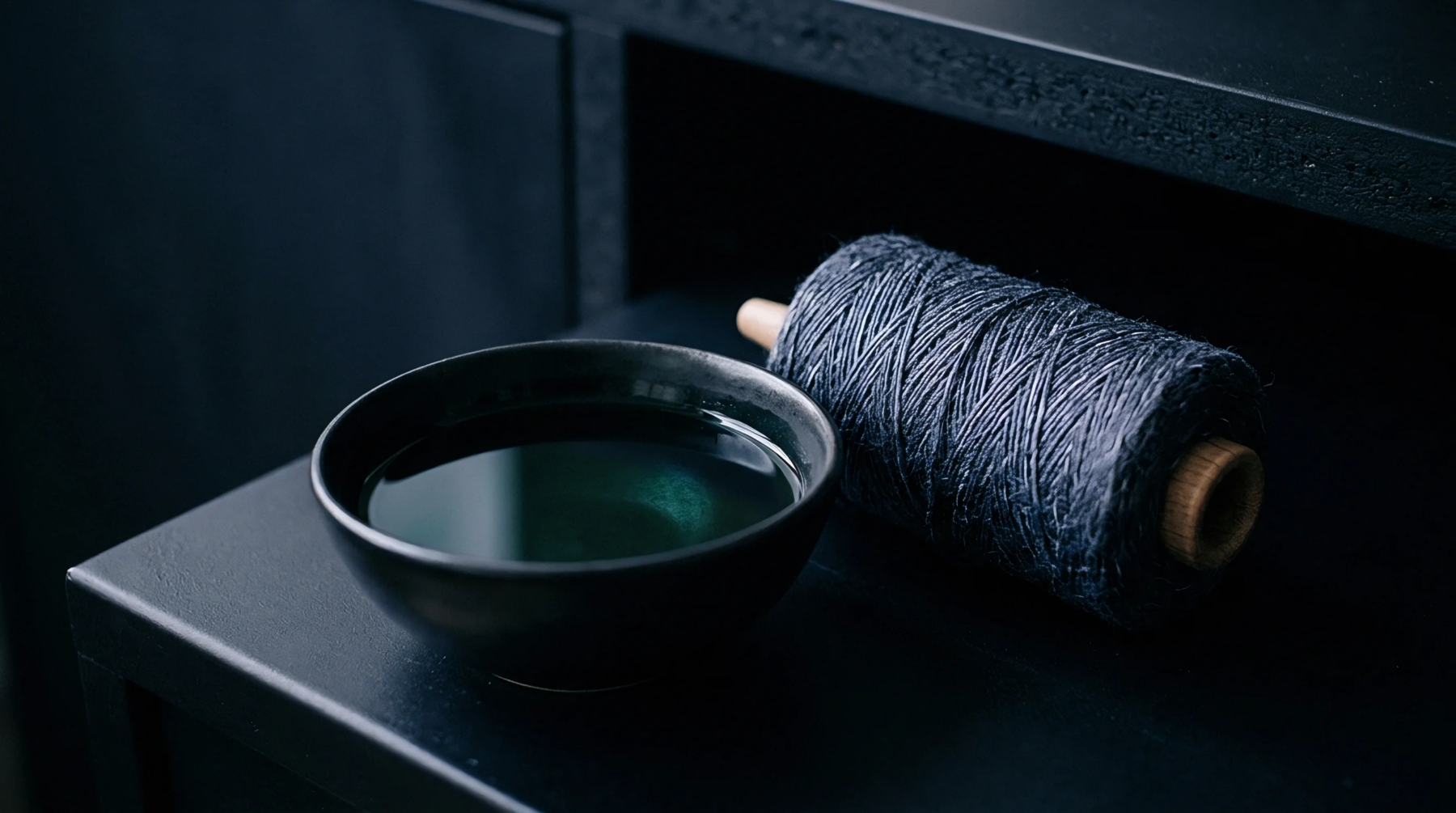
Mass balance auditing of wet spinning yarn requires separating chemical pectin bath leaching from physical scrap losses using dry-mass regain corrections.
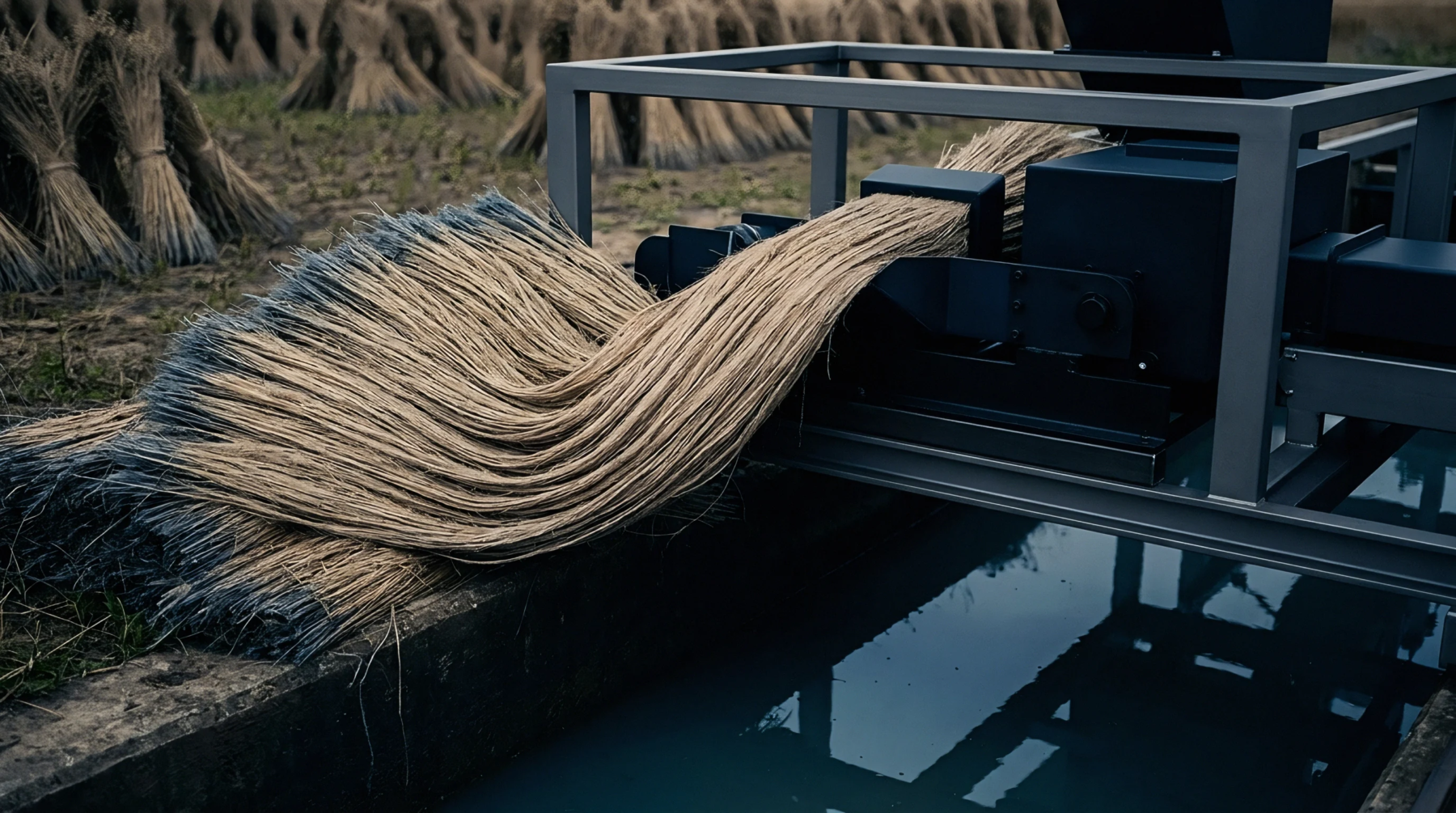
Auditing wet spinning bath dissolution losses requires continuous tracking of trough temperature, pH, and dissolved solids to correct dry mass yield balances.
Non-preferential origin for woven linen textiles is conferred by the country of weaving rather than the country of agricultural flax fibre cultivation.

Verify Chinese-spun European Flax by validating batch-specific Transaction Certificates against mill mass balances and scutcher intake tags before payment.

High-draft wet spinning of fine flax roving solubilizes residual pectins into micro-cellulosic sludge, requiring strict origin pectin thresholds to prevent yarn defects.
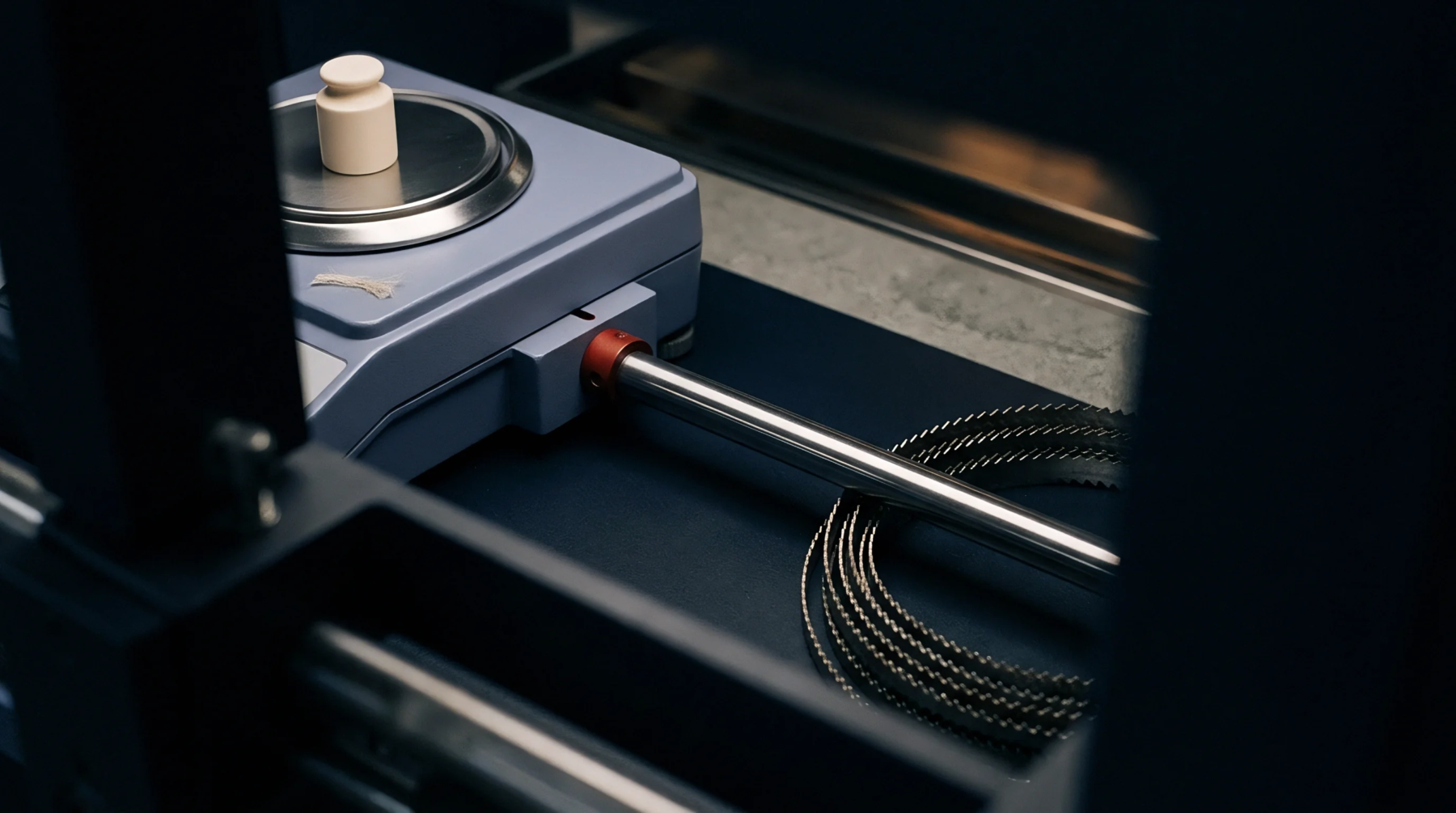
Accurate gravimetric testing of line flax linear density demands dry mass weighing and standard twelve percent regain adjustment per ISO 6741.

Non-cellulosic content above 3.5% lowers hackling line yield, increasing tow waste and landed line fibre cost per finished metre.

Fine wet spun linen warp yarns demand a minimum unsized tenacity of 19 cN/tex and a Weibull modulus above 9.0 to survive loom shedding strain without snap.

Optimal long line flax wet spinning recovery requires raw fiber Klason lignin held between 1.8 and 2.5 wt% to maximize hackling yield and prevent end breakage.

Linen non preferential origin follows exact HS tariff shifts where spinning yarn confers 5306 origin and weaving cloth confers 5309 origin under customs law.

Reconciling linen weight requires balancing chemical extraction losses against warp crimp contraction to hit target finished areal mass and dimensional stability.
European Flax certificates verify raw fibre origin, but US Customs non-preferential classification derives strictly from the country where yarn spinning or fabric weaving occurs.
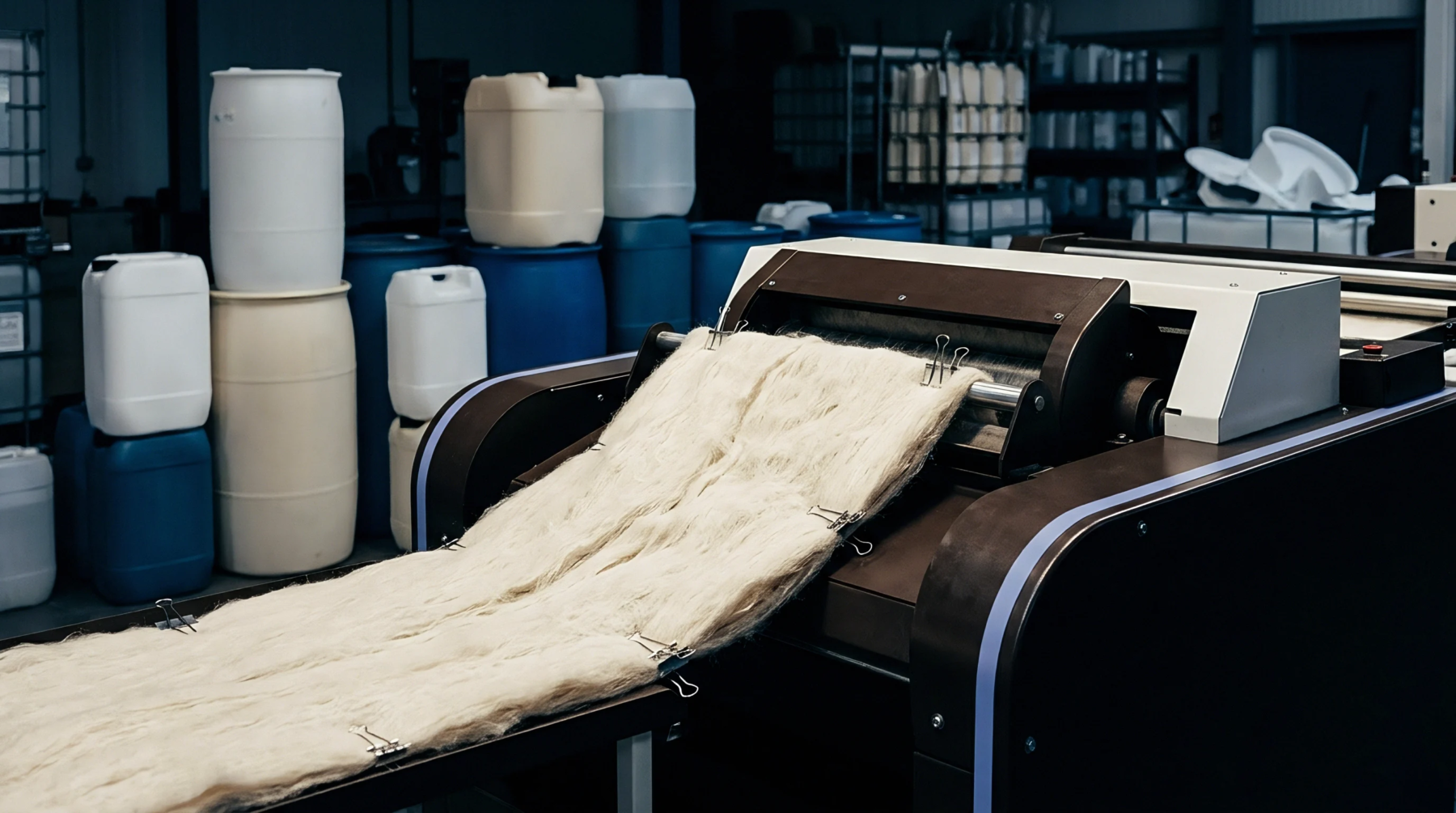
Verifying European Flax certificates in Chinese mills requires matching TC batch weights against raw bale intake logs and wet-spinning combed sliver yields.

Elevated microfibril angles in climate-stressed line flax reduce fiber tenacity, lower hackling yield, and limit wet-spinning performance to coarse counts.
Specify long-staple line flax and wet spinning in purchase contracts to prevent spinners from substituting short tow fibre into ambiguous metric yarn orders.
Expertise is a utility, not a secret. sentiention™ publishes its working knowledge as open reference: intelligence layer covering the materials it sources, the markets it enters, and the reference that serves both.