Audit Procedures for Fibre Reconciliation across Jiangsu Linen Weaving Mills
Audit Jiangsu linen mills by reconciling dry-conditioned raw fibre intake against desized fabric output and verified scrap ledgers.
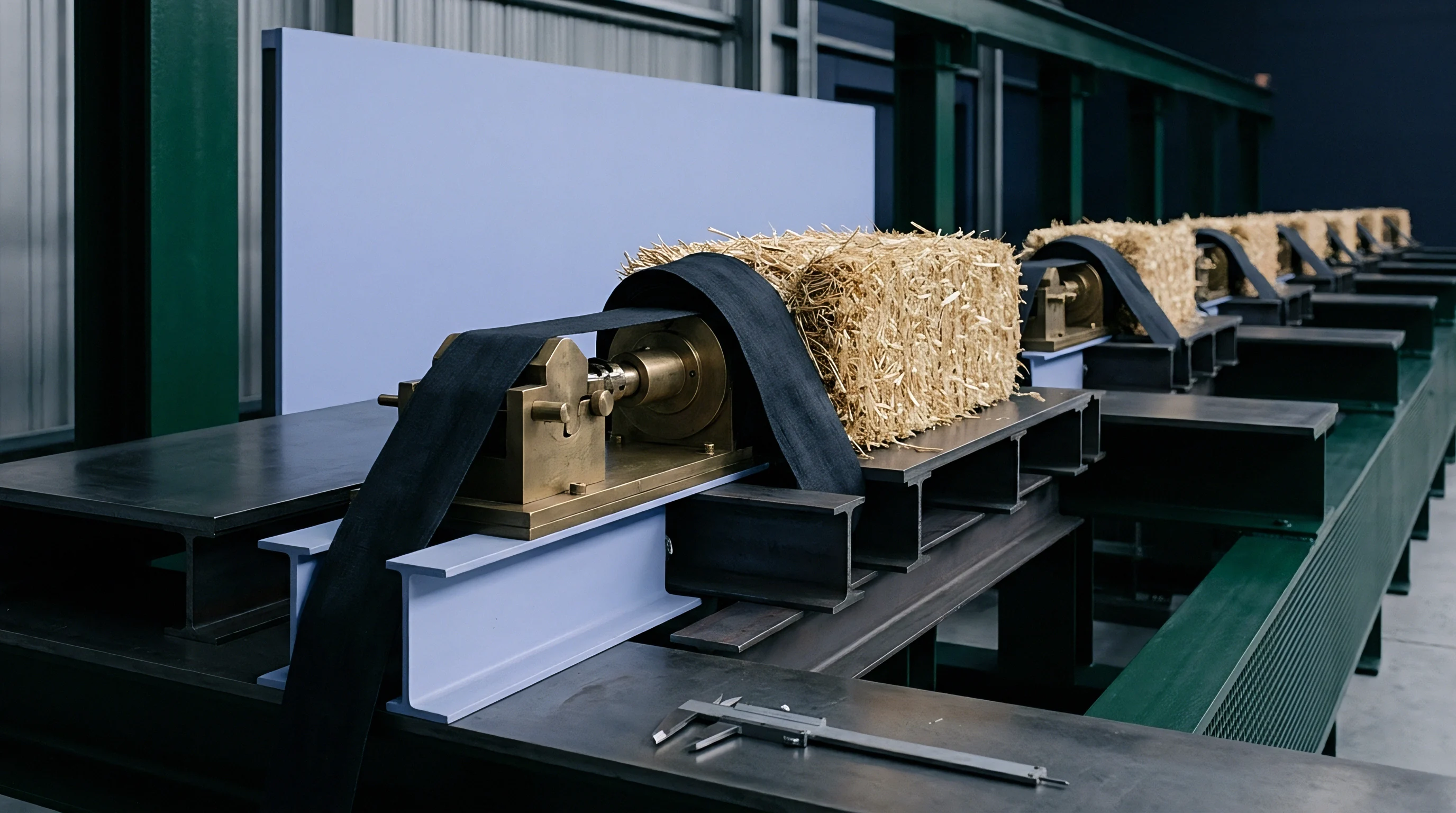

Intake
Physical verification of raw flax fibre arriving at weaving mills in Jiangsu province starts at the weighbridge and sample bay, not in the front office. Unprocessed European scutcher tow and long flax fibre reach facilities in compressed bales with plastic straps, mill tags, and shipping marks. Auditing this inventory requires matching gross landed weights against bills of lading, packing lists, and European Flax scope certificates before anything moves to the blending floor.
Ambient humidity changes during ocean transit from Antwerp or Rotterdam to Shanghai or Taicang alter the moisture regain of the flax, creating gaps between European port manifests and local warehouse intake logs. Standard commercial moisture regain for flax is set at twelve percent by international trade practice, but raw shipments usually arrive anywhere between nine and fourteen percent depending on container position, ocean route, and time spent at port terminals.
Accepting net weight figures without laboratory testing lets moisture discrepancies hide real physical mass deficits. An auditor working in Changshu, Nantong, or Suzhou takes core samples from ten percent of incoming bales per lot with a pneumatic probe. These samples go straight to oven-drying tests under ISO 6741 standards to determine clean dry mass and standard regain adjusted weight.
If a shipment arrives dryer than the contract target, the physical fibre is all there even though billed weight dropped from water loss. Higher moisture readings do the opposite, masking actual fibre shortages where excess water makes up the missing mass. Reconciling incoming fibre means converting all landed weight receipts to official dry-conditioned mass through lab calculations.
| Parameter | Declared Shipping Standard | Observed Intake Range | Audit Reconciliation Limit |
|---|---|---|---|
| Moisture Regain Rate | 12.0% official commercial rate | 8.5% to 14.2% landed moisture | Adjusted to dry mass plus 12.0% allowance |
| Bale Gross Mass Variance | 200 kg nominal per bale | 191 kg to 208 kg per bale | Maximum +/- 2.5% per single lot shipping list |
| Non-Cellulosic Impurities | Under 2.0% shive and dust content | 1.5% to 4.8% measured residual shive | Deduction applied above 2.5% residual mass |
| Short Fibre Scrap Ratio | Maximum 5.0% un-spinnable tow | 3.8% to 8.2% unusable short scrap | Reclassified to non-linen product lines |
Physical bale tags from European scutching cooperatives show batch numbers, scutcher IDs, and lot numbers tied directly to transaction certificates. The auditor checks every tag in the mill warehouse against digital transaction certificates from platforms like Bureau Veritas or Control Union. Suppliers sometimes try to attach valid transaction certificates to untagged local Chinese flax or lower-grade Russian imports stored nearby.
Stopping this kind of substitution requires matching physical lot markers, container seal numbers, and customs entry numbers on the Chinese Customs Import Declaration Form line by line with the European Flax transaction certificates.
European Flax transaction certificates lose traceability when physical lot tags on landed bales do not match Chinese Customs clearance records line for line.
Documentary reconciliation requires matching three separate records before declaring incoming fibre verified: the overseas supplier commercial invoice showing net export weight, the Chinese Customs entry declaration showing cleared mass and HS classification 5301, and the internal warehouse receiving log. The auditor cross-checks these against the weighbridge tickets generated when containers arrive at the gate. Any variance over two percent between cleared customs mass and warehouse logs triggers a full physical audit of the consignment, holding that lot back from the opening and blending lines.

What Document Seals Prove Physical Fibre Origin at Intake?
Container seal numbers on sea waybills maintain the chain of custody between European scutching plants and receiving docks in Jiangsu. When containers arrive, internal compliance staff photograph the intact customs seals before breaking them for unloading. The auditor compares these photographs with port clearance release notes to confirm that container and seal numbers match the original bill of lading.
A broken or replaced seal lacking customs inspection paperwork invalidates the origin claim for that container, forcing the mill to move the fibre into non-certified storage.
Mill receiving departments keep paper warehouse ledgers alongside digital ERP entries. The auditor checks that incoming lots get internal lot numbers right at intake, maintaining the link to the original European batch code. These internal numbers follow the material from raw storage through opening, carding, drawing, spinning, and weaving.
Failing to assign unique tracking identifiers at intake breaks traceability immediately, disqualifying any resulting yarn or fabric from verified origin status.

Loss
Turning raw flax into woven linen involves major weight loss at every mechanical stage. Scutching residue, opening dust, short-fibre carding waste, comb noils, spinning fly, and selvedge trimmings all reduce the mass that reaches the final bolt. Reconciling inventory across a Jiangsu mill requires auditing yield percentages at each station and checking loss metrics against industry benchmarks.
A facility claiming suspiciously high conversion efficiency from raw fibre to finished fabric is often blending in uncertified or synthetic staple fibres to cover up material shortages.
In wet-spinning operations common in Jiangsu, long flax fibre moves through hackling, preparing, wet-spinning, drying, winding, and weaving. Hackling separates long line fibre from hackle tow, usually yielding a sixty-forty or sixty-five-thirty-five split depending on raw material quality. The tow goes into coarse yarn lines or secondary markets, while the long line fibre moves on to wet spinning.
To calculate the mass balance across hackling, the auditor compares raw fibre input against the total weight of hackled output, generated tow, and collected dust.
- Hackling Line Yield Variance measures long fibre retention during combing, with an expected fifty-five to sixty-five percent conversion rate depending on raw material grade.
- Wet Spinning Scrap Thresholds quantify yarn breaks, roving residue, and spindle fly during wet-drawing, capped strictly at eight percent of total input mass.
- Winding Scrap Allocations track yarn cutouts and cone trimming waste, setting a loss ceiling of one point five percent during package winding.
- Sizing Machinery Waste Limits account for starches and polymers added to warp yarns, requiring chemical desizing extraction during reconciliation calculations.
Desizing during finishing makes direct mass reconciliation between raw yarn and finished cloth tricky. Warp yarns receive water-soluble sizing ~ usually polyvinyl alcohol, carboxymethyl cellulose, or modified starches ~ to build tensile strength for air-jet or rapier looms. This sizing adds six to twelve percent to the dry weight of greige warp yarns.
When checking fabric weight at the loom shed, auditors must subtract this chemical add-on to find net flax content, running solvent extraction tests on greige samples to measure exact size percentages before calculating weaving yield.
Chemical desizing calculations must strip out all added sizing starches before evaluating true flax weight ratios in woven greige cloth.
Weaving yield calculations measure the conversion of spun yarn cones into rolls of greige fabric. Losses on the loom floor come from warp prep, creel ends, bobbin waste, selvedges, and cutouts of defective cloth. Standard weaving loss for pure linen on modern rapier looms runs between three and five percent of yarn weight.
The table below shows typical yield allowances and scrap metrics across the manufacturing chain in a Jiangsu weaving facility.
| Processing Phase | Input Material | Primary Output Yield | Allowable Scrap Allocation |
|---|---|---|---|
| Hackling and Combing | Raw Long Flax Fibre | 58% Hackled Line Fibre | 37% Tow, 5% Dust and Shive |
| Wet Spinning Line | Hackled Line Fibre | 88% Spun Wet Linen Yarn | 8% Roving/Fly Scrap, 4% Moisture/Loss |
| Cone Winding | Spinning Bobbins | 98.2% Yarn Package Cones | 1.8% Yarn Cutoffs and Knot Scrap |
| Loom Shed Weaving | Warp and Weft Cones | 95.5% Greige Woven Fabric | 4.5% Selvedge, Warp Ends, Cutoffs |
Scrap and disposal records are essential verification tools during a reconciliation audit. A legitimate mill records all secondary products ~ tow, noils, sweepings, and waste yarn sales ~ in dedicated scrap ledgers. If a plant reports a twelve percent processing loss across spinning and weaving but lacks weighed sales receipts or disposal manifests for that weight of short-fibre waste, the missing mass suggests unrecorded yarn substitution or off-book fabric sales.
The auditor matches scrap invoices against internal waste logs to close the mass balance loop.
Dust collection systems equipped with load cells give precise measurements of ambient micro-fibre loss. Modern mills in Jiangsu route air filtration waste to centralized compactors. Checking disposal records for compacted filter cake shows whether air-loss estimates match physical scrap collection numbers.
Suspiciously low filter cake weights alongside high declared processing losses usually mean waste numbers were fabricated to hide diverted yarn or undocumented fibre blending.

Register
Tracking material across production departments relies on manufacturing execution software and shop-floor shift logs. As raw fibre moves from the intake warehouse to the blending room, barcode scans update inventory balances in real time. Auditing this trail requires extracting database logs, production job orders, and shift supervisor hand-over books.
In many family-owned or mid-sized weaving plants in Jiangsu, paper ledgers remain the primary floor record, requiring auditors to cross-reference handwritten entries against financial reporting software by hand.
Job orders specify target yarn count, pick density, reed width, and blend ratio for each production run. The auditor picks completed weaving orders at random and traces them back through warp prep, cone winding, wet spinning, and opening. Every job order must cite specific batch codes for allocated raw fibre.
If an order specifies European Flax lot numbers but floor registers show untagged yarn packages were loaded onto loom creels during night shifts, the audit pinpoints a clear spot of contamination.
Shop-floor yield tracking relies on calculating a Cumulative Reconciliation Factor across production cycles. The mass-conservation model for physical balance accounts for all inputs, outputs, and inventory shifts:
Physical Input Weight = Finished Fabric Weight + Measured Scrap Weight + Subcontracted Work Weight + Work-in-Progress Delta
Work-in-progress adjustments account for yarn left on creels, beams mounted on active looms, and unspun roving in sliver cans. A proper audit takes physical inventory counts of active work-in-progress at both the start and end of the audit period. Skipping these counts distorts yield calculations and creates artificial variances that undermine the audit report.
- Job Order Verification cross-checks issued material requisitions against master bill-of-materials declarations for each fabric specification.
- Creel Loading Audits verify physical cone labels mounted on active warping frames against approved batch allocation lists.
- Loom Ticket Inspection validates cut-mark counters, greige roll tags, and weaver identification codes printed on loom side registers.
- Subcontracting Ledger Reconciliation tracks yarn sent to external dye houses or sizing facilities using official multi-copy transfer notes.
Subcontracting is a major vulnerability in Jiangsu linen supply chains. Weaving mills often send spun yarn off-site for dyeing, bleaching, or specialized sizing before warping and weaving. These outside processors must meet the same traceability standards.
The auditor reviews consignment notes, weight-in and weight-out receipts, and transport bills to confirm that material returned from external processors matches what was sent, factoring in standard process losses.
External yarn dyeing and bleaching operations require mandatory weight reconciliation to prevent uncertified yarn substitution during off-site processing.
Digital shift registers from loom monitoring systems log inserted picks, stop causes, and total run time. Comparing loom runtime logs with fabric output weights exposes physical impossibilities. If automated logs show a loom running at two hundred picks per minute for forty-eight hours straight on a specific order, pick density math sets a hard upper limit on theoretical fabric output.
An actual output weight above that maximum proves undocumented external fabric was added to meet volume commitments.
Material requisitions signed by department heads must match warehouse removal slips. When a spinning supervisor requisitions two metric tons of combed long flax, the warehouse inventory register needs to drop by that exact amount at the same time. Gaps between warehouse release slips and spinning room intake logs signal unauthorized inventory shifts, requiring immediate investigation into unrecorded storage bays or off-book material streams.


Floor
Inspecting the weaving floor and yarn storage bays gives ground-truth evidence that paper records cannot fake. The auditor walks the plant to check yarn package labels, beam tags, and greige fabric tickets. In a well-run facility, certified European Flax yarn packages use distinct colored plastic cones or printed inner identification bands.
Uncertified or local yarn packages typically use plain white or unmarked cardboard cores, providing a clear visual method to spot mixed inventory directly on active production creels.
Yarn warehouses must physically separate certified and non-certified inventory. Certified lots belong on dedicated racks marked with transaction certificate codes, lot numbers, and supplier names. The auditor inspects physical barriers, painted floor lines, and signage to make sure non-certified yarn cannot end up in certified warping runs.
Storing certified and uncertified cones on the same pallet or in shared cages fails the audit immediately, no matter what paper ledgers claim.
| Location | Target Verification Item | Compliant Physical Marker | Non-Compliant Red Flag |
|---|---|---|---|
| Yarn Cone Store | Cone Internal Core Markings | Color-coded plastic cores with batch print | Unmarked cardboard cores or mixed core colors |
| Warping Section | Beam Creel Package Layout | Uniform batch tags across all active creel positions | Missing tags or conflicting lot numbers on same frame |
| Loom Shed | Active Warp Beam ID Tag | Laser-printed beam ticket matching job order | Hand-written masking tape labels or missing beam tags |
| Inspection Bench | Greige Roll Header Stencil | Indelible ink stamp with roll serial and yarn lot | Paper sticky notes attached to fabric selvedge |
During the floor walk, the auditor picks five active looms producing certified fabric and checks the physical warp beams mounted on the back. The tag on the beam flange must state the warp yarn lot number, sizing date, total end count, and warping order. The auditor logs these beam numbers and traces them back through warping records to confirm that only verified yarn was used to make the beam.
Finding an unmarked beam or an unverified lot code on a loom assigned to a certified buyer order confirms fraudulent substitution.
Fabric inspection benches at the rolling and grading station are the last physical checkpoint before finishing. As greige linen comes off the loom, operators weigh each roll, measure length with calibrated wheel counters, and apply permanent end-stencils or thermal selvedge tags with serial numbers. The auditor checks these markings to confirm they carry unique, sequential numbers tied to the original job order.
Fabric rolls without permanent selvedge markers cannot be reliably linked to specific production lots once they leave the weaving floor for external finishing or export packing.

Can Physical Isotopic Analysis Detect Flax Origin in Yarn?
Stable isotope ratio mass spectrometry lets laboratories verify geographic origin directly from physical fibre samples. Isotopic signatures of hydrogen, oxygen, and strontium in plant cellulose reflect the climate, rainfall, and soil chemistry where the flax grew. Labs compare yarn samples taken from Jiangsu looms against reference databases of authentic Western European crops.
An isotopic match confirms cultivation in France, Belgium, or the Netherlands, offering physical proof that bypasses forged paper certificates entirely.
Sampling yarn directly from active creels keeps mills from submitting pre-screened reference samples for testing. The auditor cuts short yarn lengths from creels across several looms, seals them in tamper-evident bags, and sends them directly to accredited labs for isotopic and chemical analysis. This random sampling ensures the tested material reflects actual commercial output rather than a staged sample prepared for audit visits.
Secondary physical checks examine waste collection bins next to carding and spinning machines. Certified lines must collect scrap in clearly labeled bins so certified flax waste does not mix with synthetic or uncertified natural fibres. Contaminated waste bins indicate poor floor control, making accurate net scrap weights impossible to calculate for mass balance.
Clean segregation of waste confirms operational discipline across all shifts.

Margin
The final stage of reconciliation matches physical production metrics against commercial invoices, export customs declarations, and financial ledgers. Provenance claims add market value, creating a financial incentive for mills to stretch certified fibre allocations beyond actual physical volumes. A comprehensive audit calculates the margin between certified raw material costs and finished product sales, verifying that commercial transactions match physical inventory.
When a mill sells more certified fabric than its raw fibre purchases could produce, the financial ledger exposes the deficit.
Financial ledgers are audited by comparing total expenditures on European Flax certified yarn against revenues from certified finished cloth sales over a rolling twelve-month period. Raw European flax commands a premium of twenty to forty percent over uncertified flax or domestic Chinese fibre. A mill buying small amounts of certified raw material while billing large volumes of certified fabric clearly used uncertified yarn to fill production gaps.
Financial cross-checks match raw material invoices, bank vouchers, tax records, and shipping bills against physical volume receipts.
Customs export declarations under Chinese HS code 5309 for woven linen fabrics provide legally binding weight and value figures. The auditor cross-references net weights on official customs manifests against internal production logs for the corresponding buyer orders. Discrepancies between export customs weights and internal production logs point to off-book fabric manufacturing or falsified shipping paperwork created to satisfy buyer requirements.
- Invoice Volume Reconciliation aggregates total certified fabric billing weight and compares it against verified raw fibre intake purchases.
- Tax File Cross-Checking verifies official VAT invoices for raw material purchases to ensure transactions represent genuine commercial exchanges.
- Export Manifest Audit matches customs declaration net weights with factory gate-out shipping registers and bill of lading documents.
- Certificate Balance Tracking deducts shipped fabric net weights from the mill active transaction certificate balance ledger in real time.
Transaction certificates from third-party certifiers run on strict volume deductions. When a mill receives scope and transaction certificates for incoming raw fibre, those documents establish a verified material credit in the certifier’s database. As finished fabric sells, the mill applies for output certificates, deducting equivalent raw fibre weight from its balance.
The auditor checks this balance ledger to confirm the mill hasn’t overdrawn its verified allocation or issued certificates against depleted raw material lots.
Commercial contracts between buyers and Jiangsu weaving mills need explicit warranties regarding fibre origin and audit access rights. A solid clause sets clear financial penalties for non-compliance, forcing the mill to absorb re-testing fees, shipment rejection costs, and liabilities from falsified origin claims. The following clause illustrates the legal framework needed to secure operational compliance:
Origin Warranty and Audit Rights Clause ~ The Seller warrants that all goods delivered under this agreement contain one hundred percent verified European Flax fibre matching the specified transaction certificates. The Buyer retains the absolute right to conduct unannounced physical, documentary, and chemical audits of the Seller manufacturing facilities, raw material stores, and subcontracted processing sites. Discovery of unapproved fibre blending, forged transaction documentation, or mass-balance variances exceeding three percent entitles the Buyer to immediately reject the entire consignment, demand full reimbursement of advance payments, and apply an administrative penalty equal to thirty percent of the total contract value.
Commercial risk management relies on setting clear mass-balance tolerances in procurement agreements. A baseline tolerance of two to three percent accounts for normal measurement variance and minor processing loss fluctuations. Anything over three percent triggers an immediate hold on final supplier payments pending a full physical and documentary re-audit.
Establishing these terms upfront protects buyers from financial exposure while maintaining supply chain integrity across Jiangsu weaving operations.
Ultimate responsibility for origin claims rests with the company placing finished textiles on consumer markets. Relying strictly on supplier-provided certificates without independent floor and ledger audits leaves buyers exposed to regulatory sanctions and reputational damage. Carrying out multi-tiered audit procedures across intake, loss, register, floor, and margin converts surface-level compliance claims into verifiable supply chain proof.