Fabric Classification
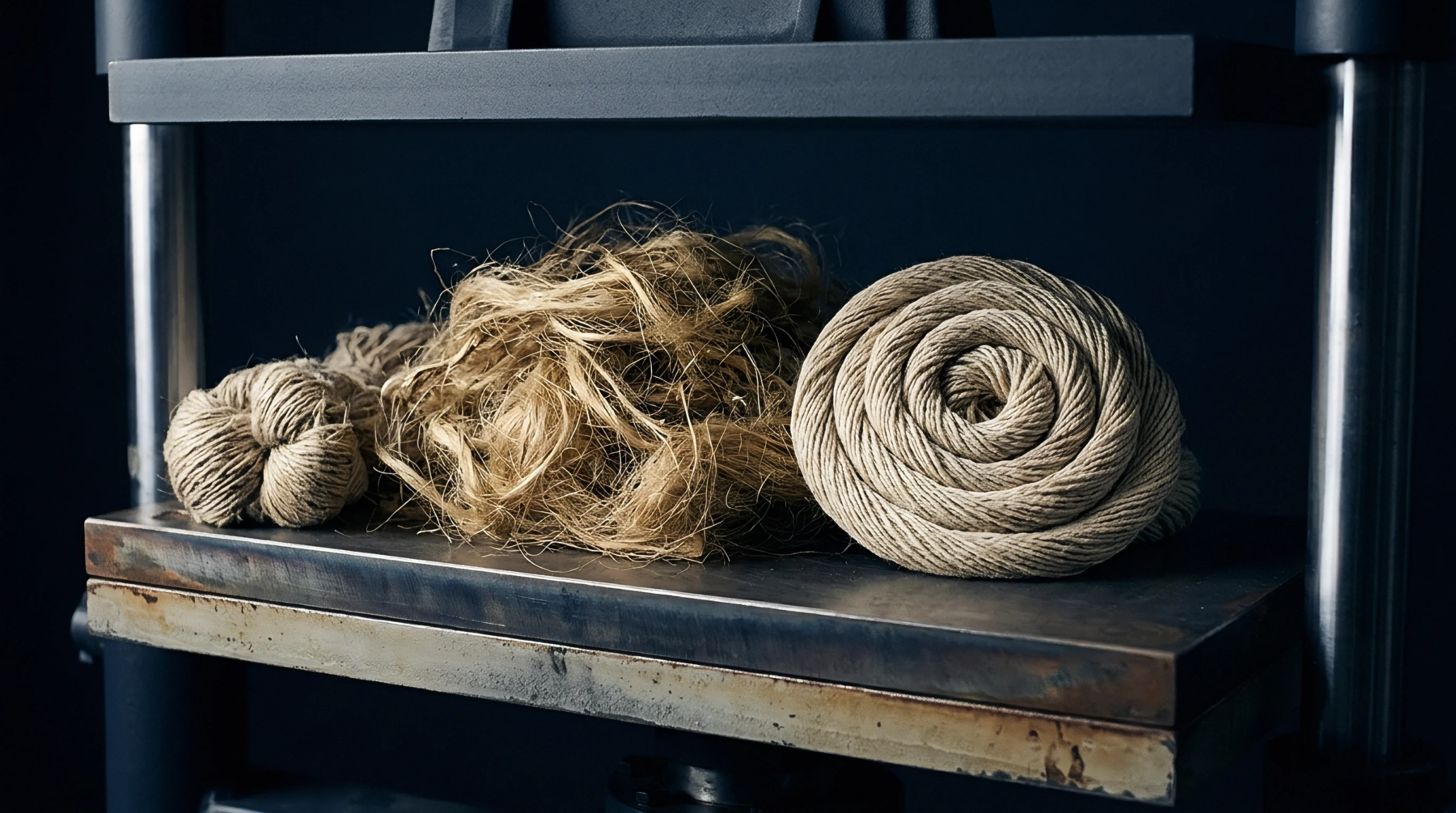
The harmonized system code 5309 designates woven fabrics consisting of at least eighty five percent by weight of flax fibres. This numerical identifier serves customs authorities to distinguish linen textiles from those containing synthetic or other vegetable materials. Importers apply this category to determine duty rates and origin eligibility for high quality flax cloth.
Global trade protocols rely on this specific numerical classification to group shipments of pure linen goods during border processing.
Export Documentation
Customs brokers cite hs 5309 on commercial invoices to define the chemical composition and fibre content of woven goods leaving a production facility. Mill managers attach this classification to shipping manifests after verifying that the fabric mass meets the required flax percentage. Testing procedures performed by laboratory technicians involve chemical dissolution of yarns to ensure accurate identification before the cargo departs.
These records dictate the tariff treatment applied by the destination country upon arrival.
Production Verification
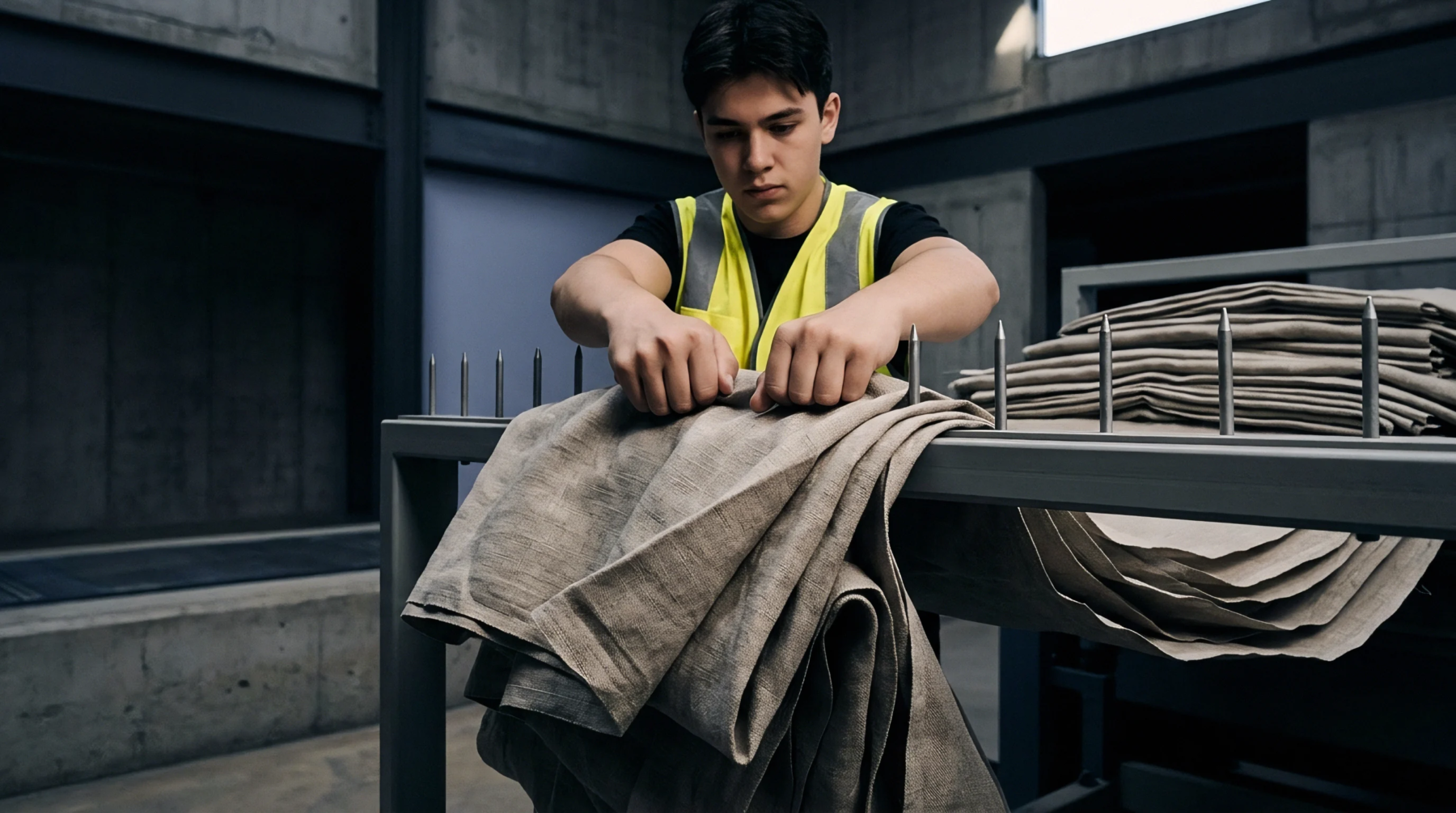
Mill supervisors conduct density tests to confirm the weight and construction of materials before issuing final export certifications. This stage occurs after the completion of the finishing process where the fabric is scoured and pressed to satisfy contract requirements. Technicians measure the width of the bolt and the thread count per square inch to align with the classification standard.
Consistent application of this standard prevents rejection during the final auditing phase of an international shipment.