
Pneumatic Drag Shear Stress Mitigation in Fine Wet-Spun Linen Filling Insertion
Stepped nozzle pressure profiles paired with high-film-strength size formulations reduce aerodynamic shear forces below wet-spun flax surface bundle cohesion.
Stepped nozzle pressure profiles paired with high-film-strength size formulations reduce aerodynamic shear forces below wet-spun flax surface bundle cohesion.

Elementary cell wall thickness, microfibrillar angle, and middle lamella pectin dissolution govern drafting limits and yarn counts in flax spinning.

True dry mass in flax roving requires oven drying at 105°C with calibrated tare baselines to deduct noncellulosic volatiles and apply BISFA regain allowances.

Continuous trough bleed at 0.26 litres per spindle-hour maintains oligogalacturonide levels below 1.2 g/L, stabilizing fine flax drafting and cutting breaks.

Boundary layer thinning and 65°C bath temperatures accelerate radial water penetration into blended flax rovings, preventing dry cores and drafting force spikes.

Buoyancy corrections adjust scutched flax microbalance readings for shifting air density, preventing systematic tex errors and commercial lot mass discrepancies.

Enforce a 72-hour adsorption conditioning protocol with bone-dry mass normalization to eliminate pectin hysteresis drift in bast fibre linear density disputes.

Targeting 1.2 to 1.5 percent residual pectin via controlled hydrolysis stabilizes wet drafting forces below 5 cN per tex, preventing breaks at Nm 80 and above.

Solvent extraction systematically overstates bast fibre impurities by co-dissolving structural hemicellulose, distorting bale valuations and mill processing setups.

Epicuticular lipid mass fractions between 1.3 and 2.1 percent preserve hackled line yields by moderating pin friction during bundle cleaving.
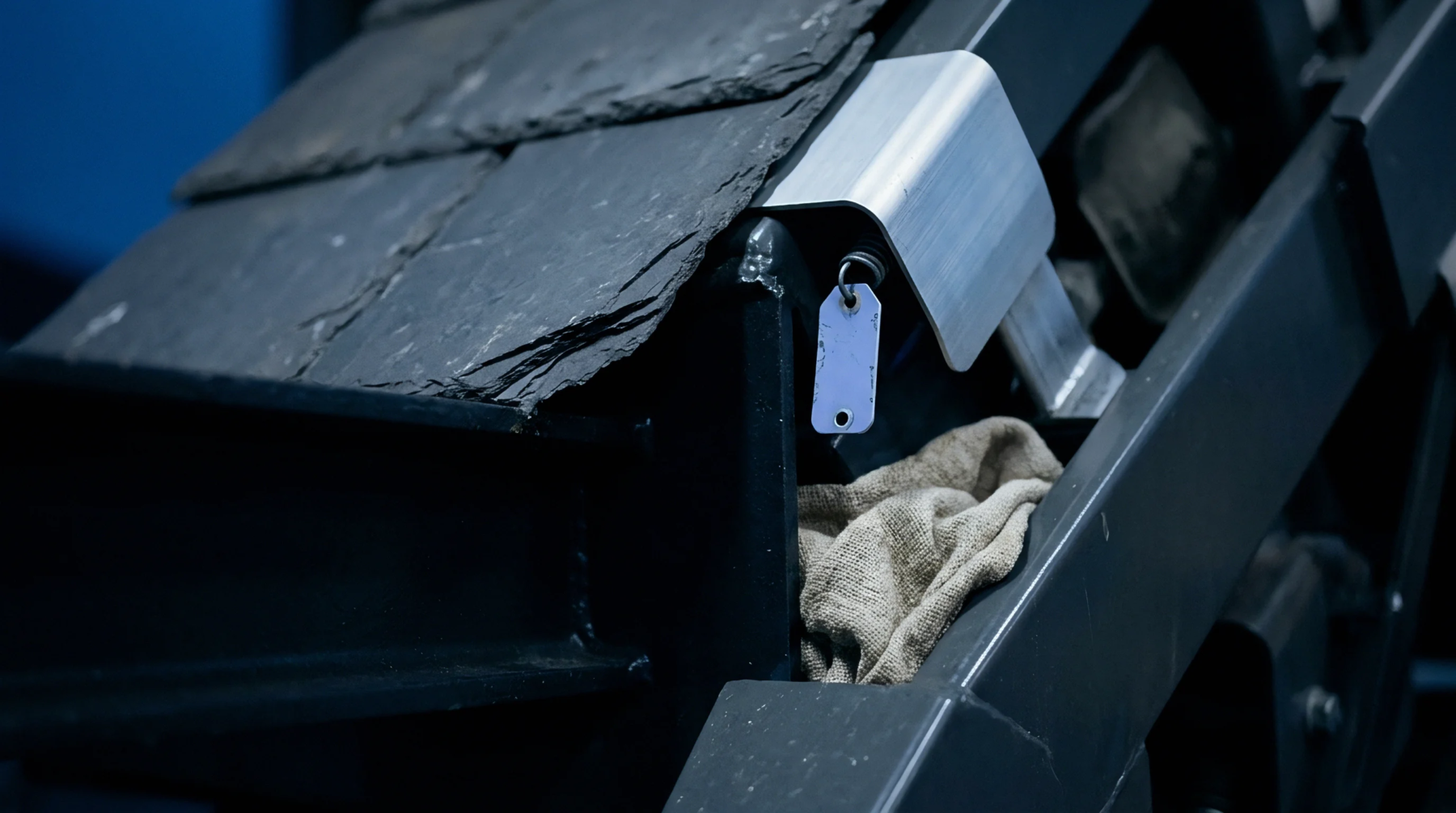
Solvent-extractable surface wax between 1.15 and 1.55 percent optimizes line flax wet-spinning draft and prevents hackling comb yield loss.

Standard hackled flax linear density multiplies bone-dry sliver mass by 1.12 to enforce the twelve percent statutory moisture regain baseline per meter.

Gravimetric cut-and-weigh analysis of hackled flax sliver prevents catastrophic wet-spinning frame breaks and costly fabric rejection in fine counts above Nm 60.
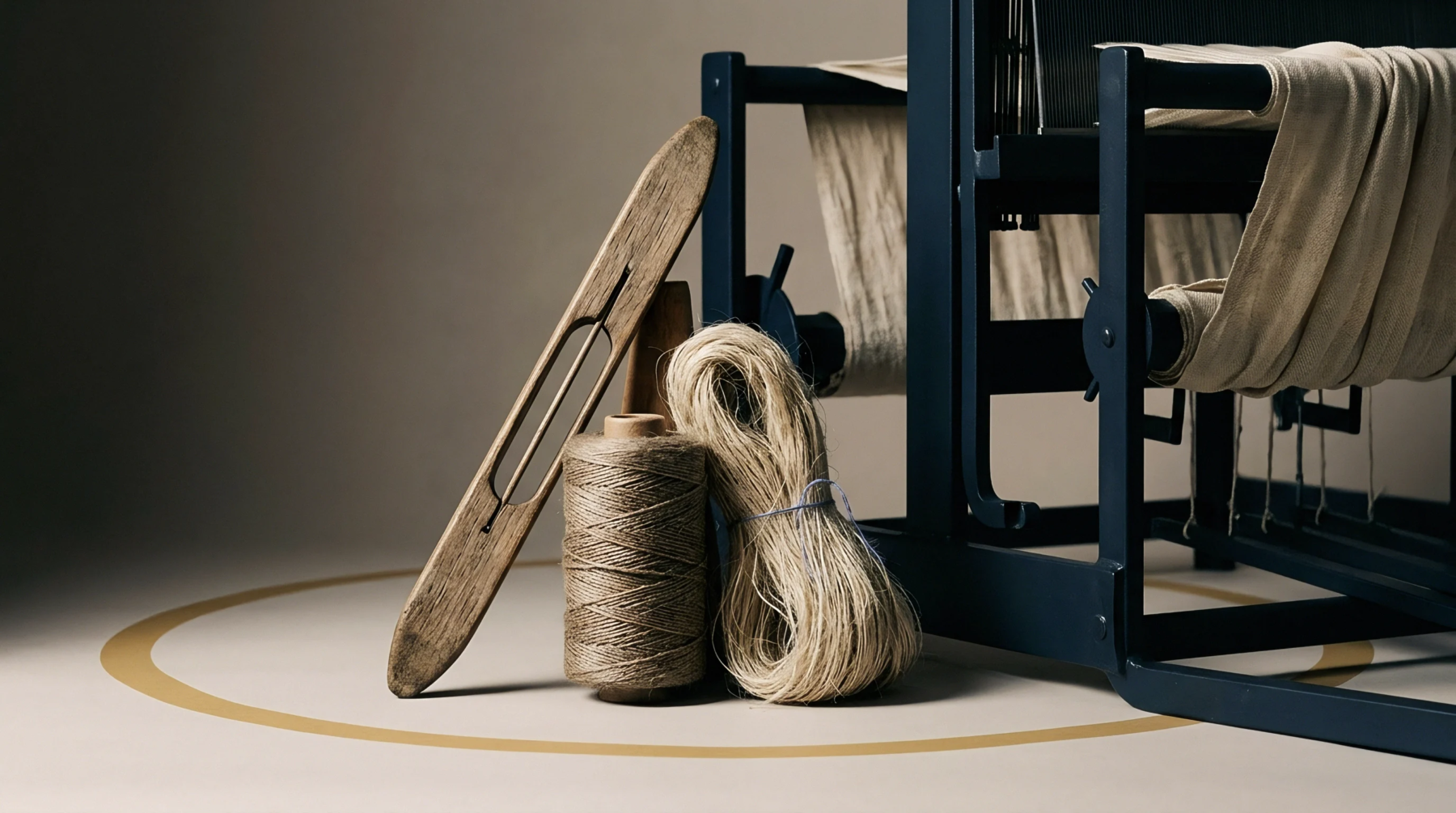
Mass balance yarn accounting requires empirical conversion factors adjusting for moisture regain, mechanical tow extraction, and customs processing loss limits.

Importers bear strict regulatory liability and unrecoverable commercial loss when overseas spinning mills commingle certified flax without batch transaction records.

Hackled flax sliver mass determination combines exact cut-length gravimetric sampling with oven-dry correction to verify linear density and commercial invoice mass.

Enzyme retting degrades middle lamella pectin to enable longitudinal bundle splitting, but requires matched pin velocities to prevent transverse fibre rupture.
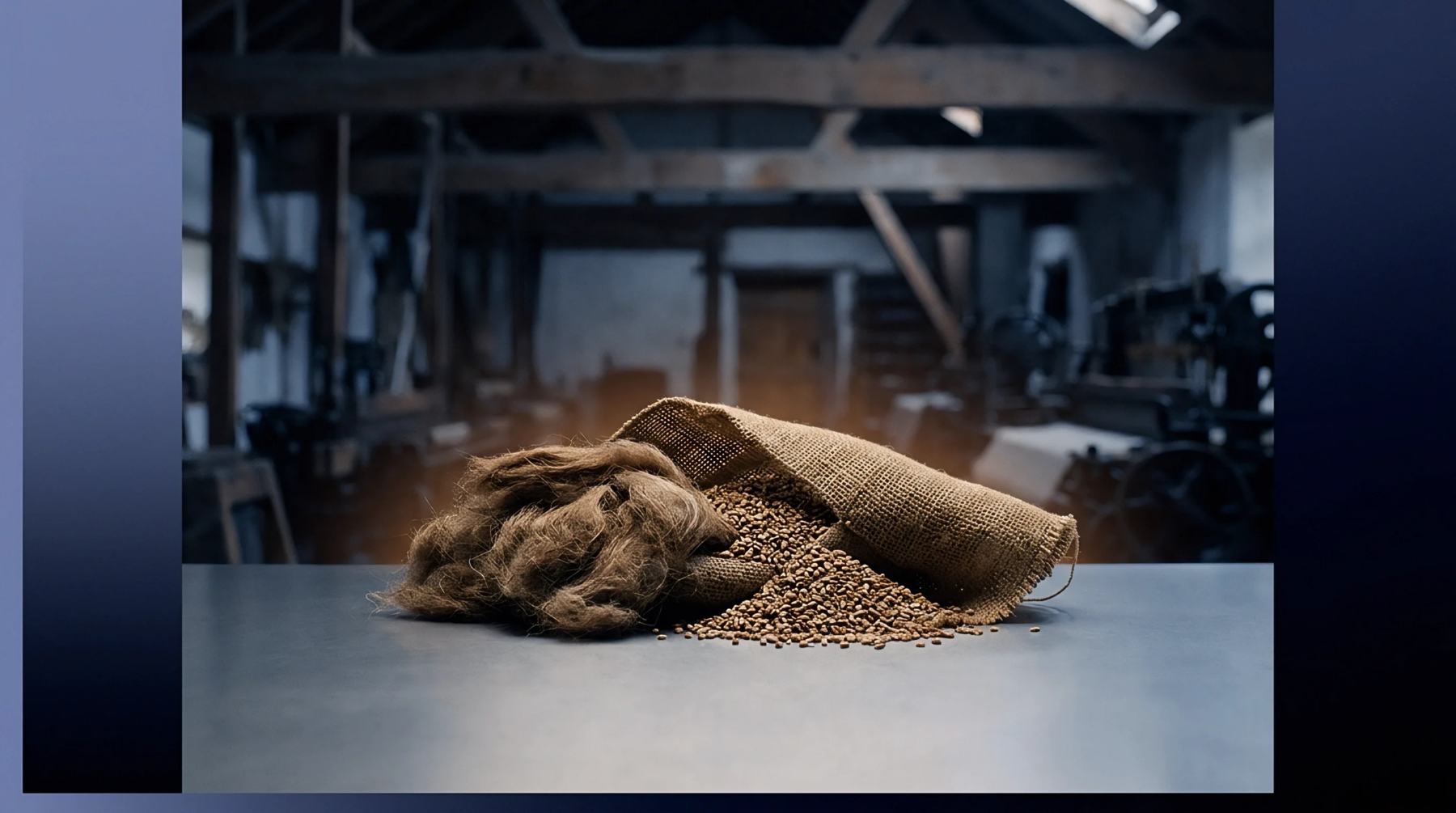
Fertilizer inputs shift bast fiber nitrogen and carbon isotopes, requiring alpha-cellulose isolation and strontium baselines to prevent Bayesian origin errors.
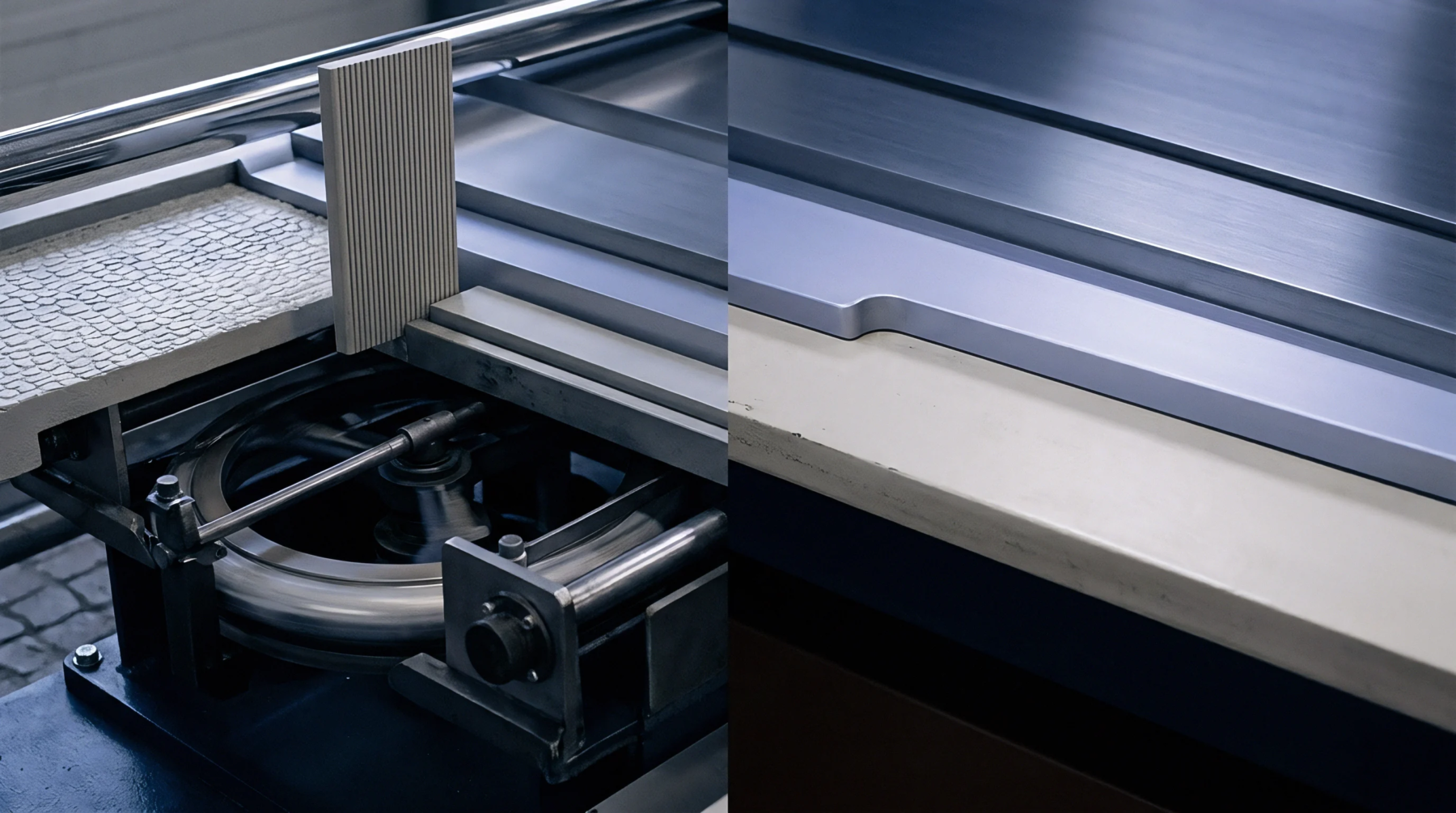
Chromatographic calibration using purified oligouronides prevents pectic interference errors that degrade flax hackling yields and yarn margins.

Chromatographic quantification of galacturonic acid between 9.5 and 14.0 mg/g confirms complete retting without cellulose degradation to optimize yarn yield.

Acid decalcification and hot ammonium oxalate extraction remove middle lamella pectins to split flax bundles for fine spinning while retaining tensile strength.
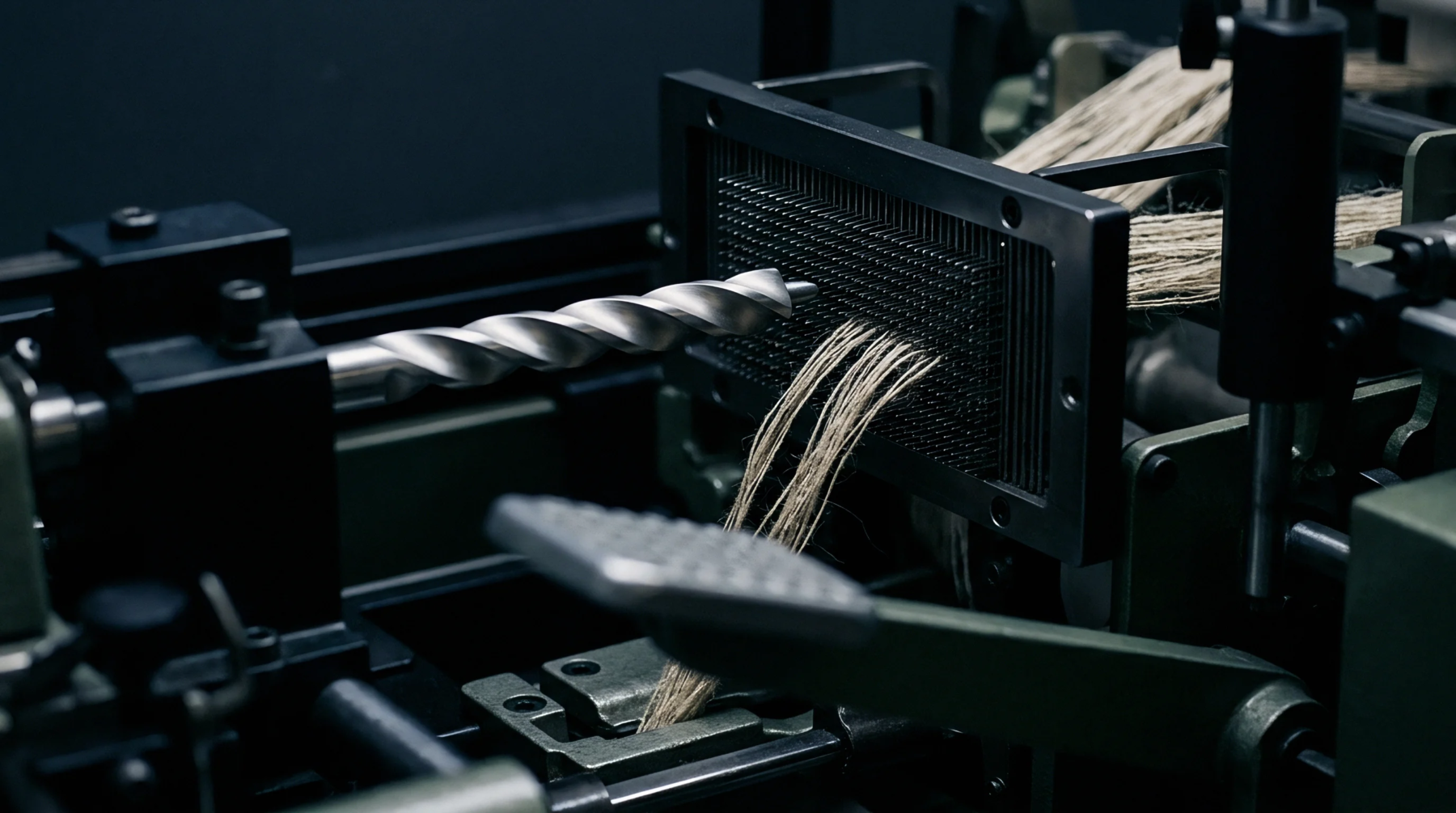
Scutched flax hackling requires progressive pin densities up to 20 pins/cm to maximize sliver tenacity without increasing tow loss or cutting fiber length.

Reconciling trade entry fiber origin claims requires verifying batch-level scutching manifests, bale serial tags, and physical spinning mass balances against customs filings.
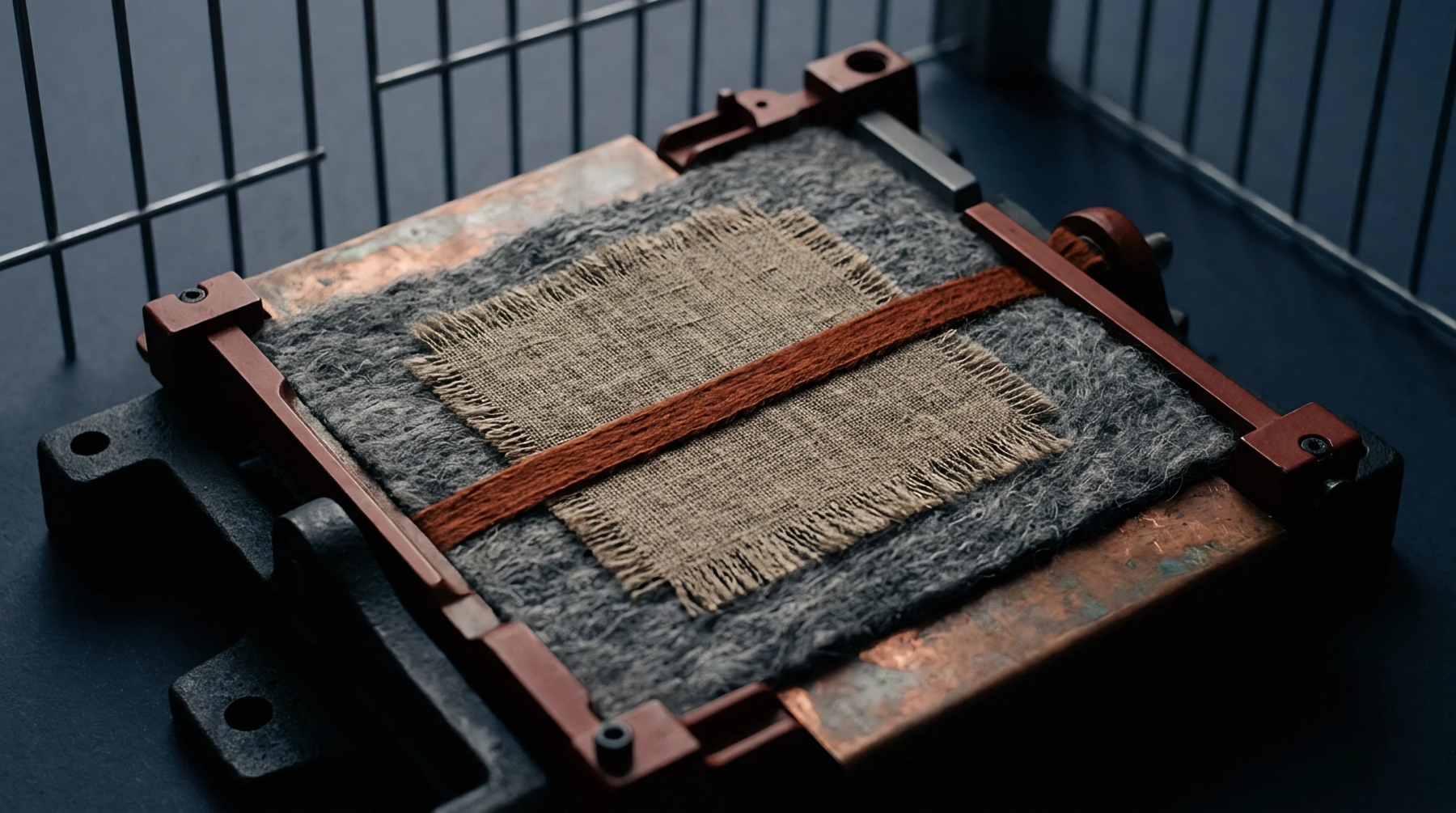
Airflow fineness testing measures bast bundle specific surface area through pneumatic resistance, linking retting quality directly to spinnable wet-spun counts.

European Flax origin claims require batch-level transaction certificates matching mill mass-balance yields across line hackling and wet spinning stages.

Caustic scouring shifts bast fiber delta 13 C positive by up to 1.8 per mil while process water exchange alters delta 18 O by up to 1.4 per mil.
Standardized airflow permeability testing under ISO 2370 converts pneumatic backpressure into specific surface area to grade flax bundle spinnability.

Calculate critical twist factors in high count wet spinning by balancing metric alpha values between seventy and eighty-five against trough pectin extraction.

Cross-border linen yarn audits fail when wet spinning process water shifts cellulosic oxygen baselines away from declared European scutching field data.

Verify non-European flax fiber mass balance by checking moisture-adjusted intake weights, physical scutcher yields, and unbroken inland transfer records.
Expertise is a utility, not a secret. sentiention™ publishes its working knowledge as open reference: intelligence layer covering the materials it sources, the markets it enters, and the reference that serves both.