Production Mechanism
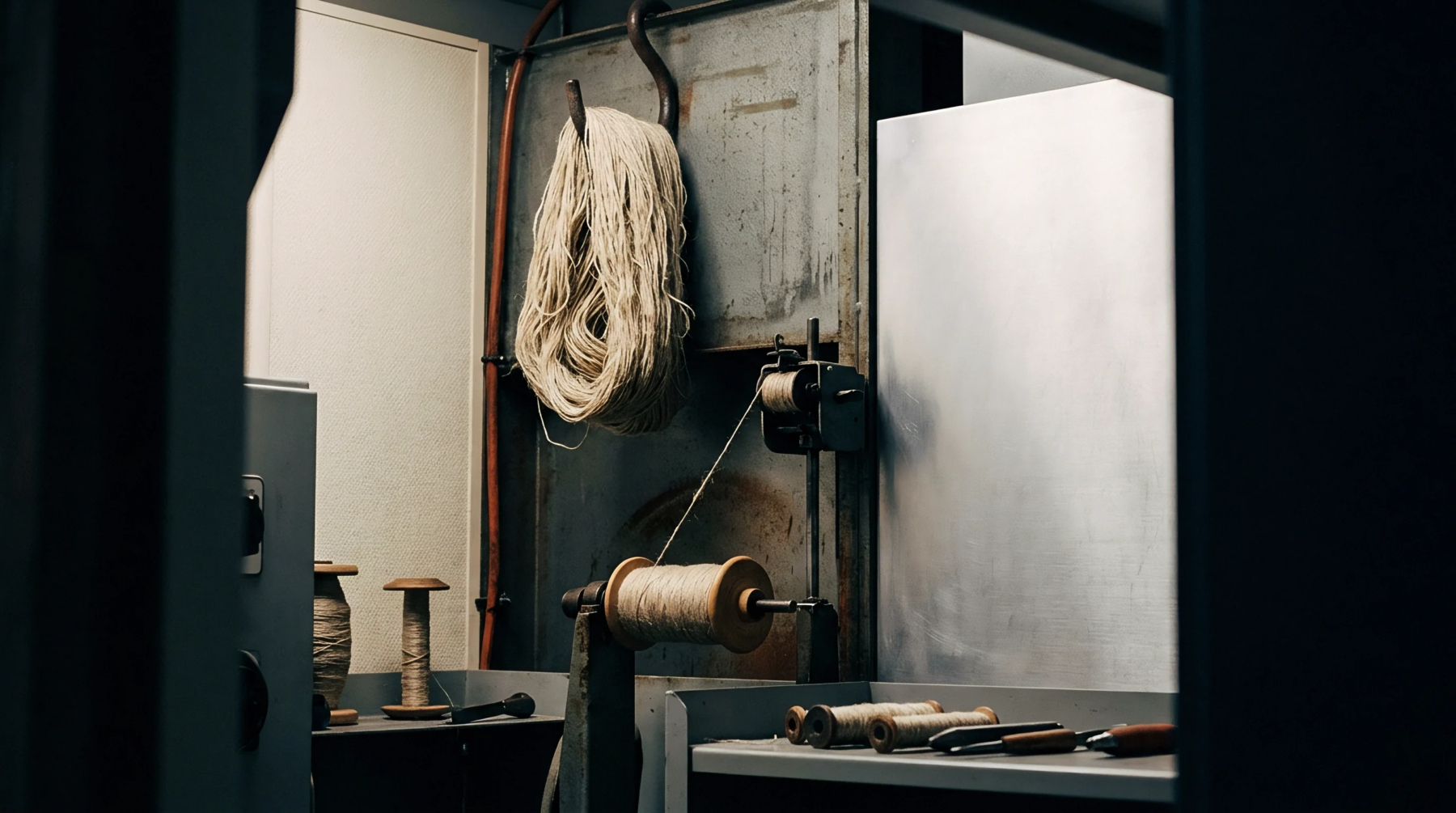
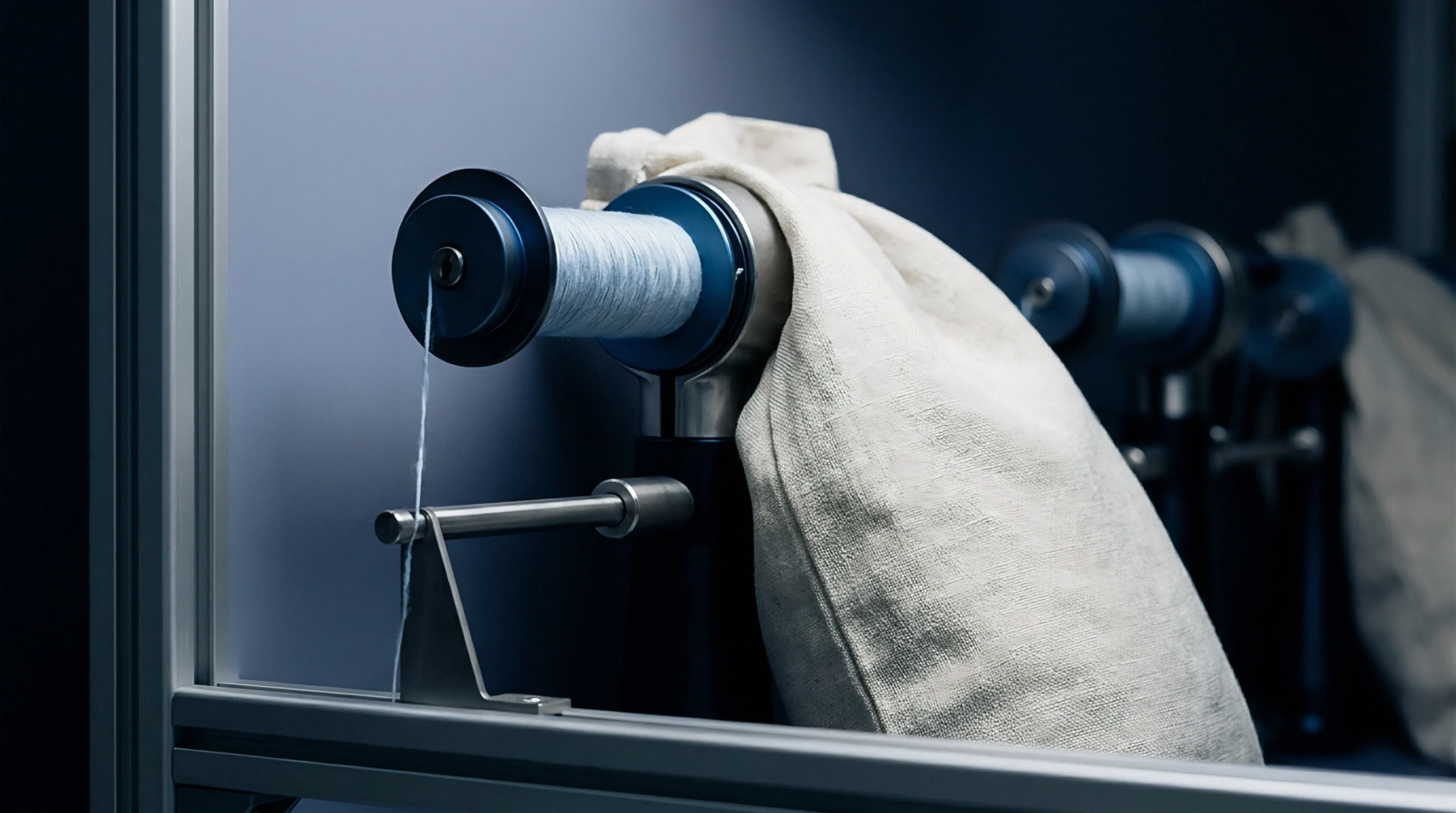
Flax fibre requires immersion in hot water baths to soften the natural pectins that bind individual filaments together. Wet spinning facilitates this breakdown by allowing the roving to travel through troughs of heated water before entering the drafting zone. The heat reduces the resistance within the fibre bundle, allowing for finer yarn counts that dry spinning cannot achieve without breakage.
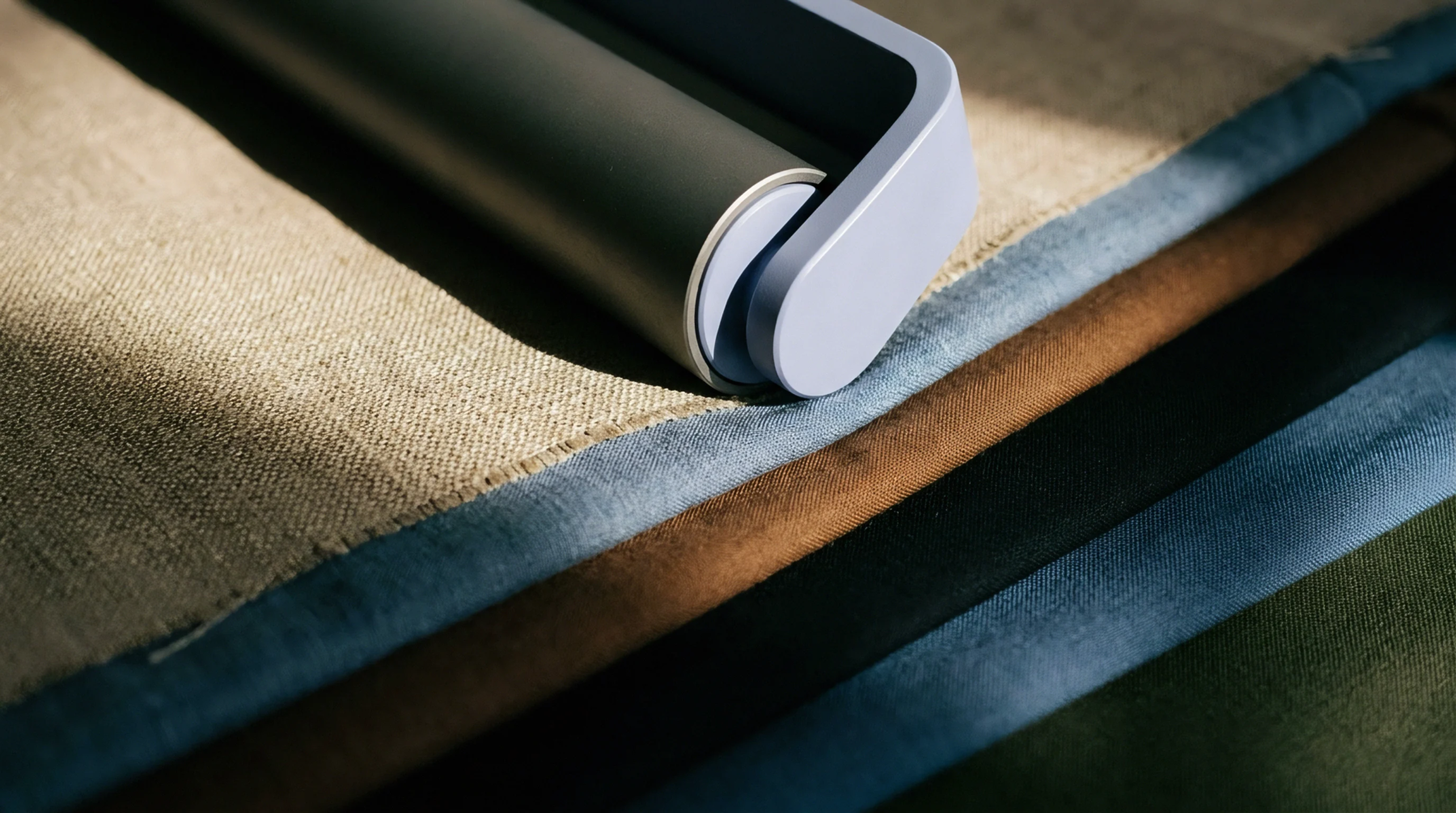
High levels of moisture ensure the cellulose structure remains pliable under the high pressure of metal rollers.
Performance Benchmark
Mills assess the efficacy of this process by monitoring the yarn diameter uniformity and the level of fibre hairiness. Quality control managers compare the output against internal standards that define the maximum allowable variation in tex values across a single production shift. A higher yarn tenacity often justifies the energy consumption costs associated with heating the water tanks.
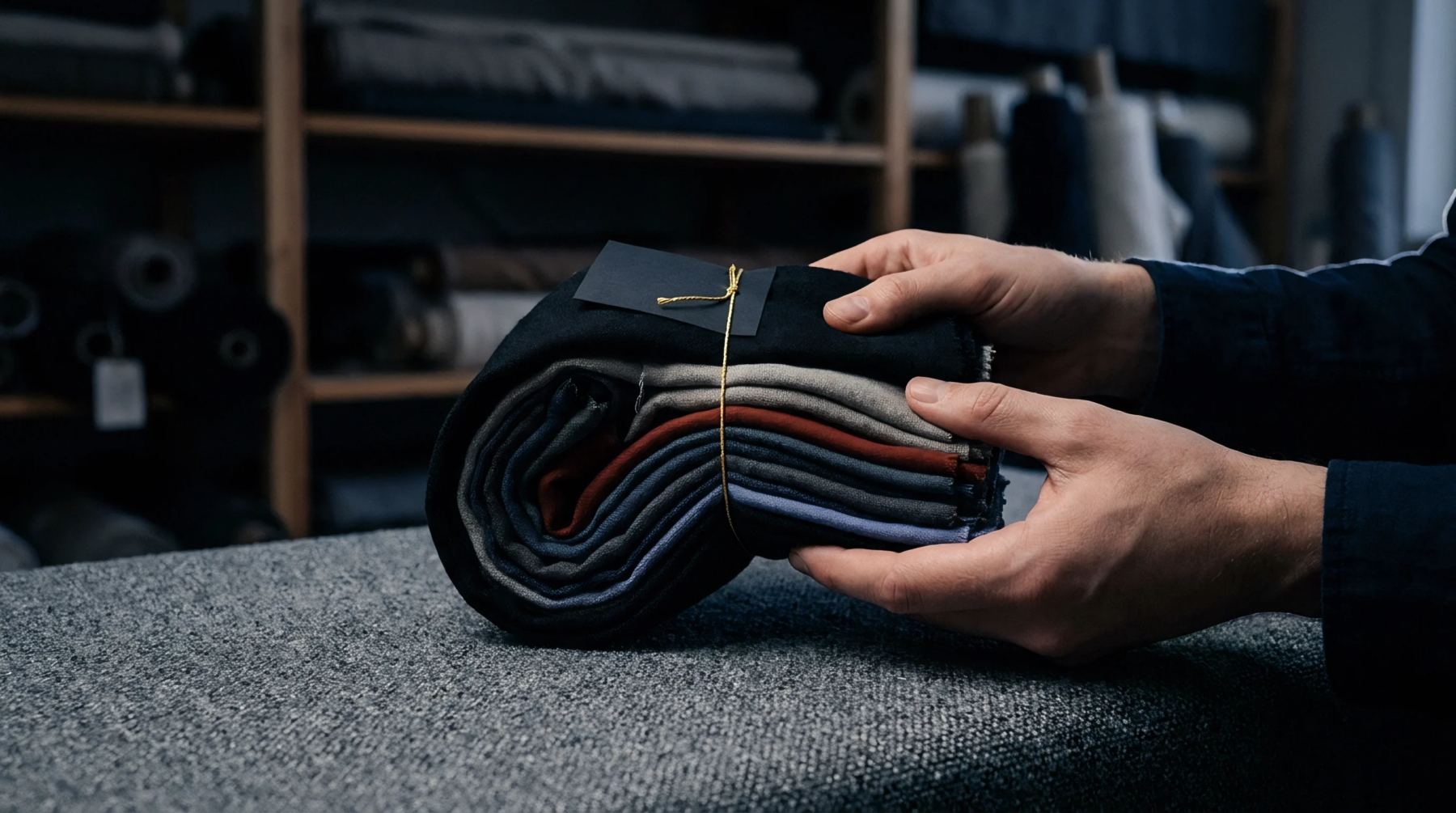
Buyer acceptance criteria frequently prioritize these metrics when selecting suppliers for fine shirting or high-end apparel fabrics. Consistency in moisture levels during the drafting phase prevents the creation of weak points that would fail during subsequent high-speed weaving operations.
Supply Chain Grade
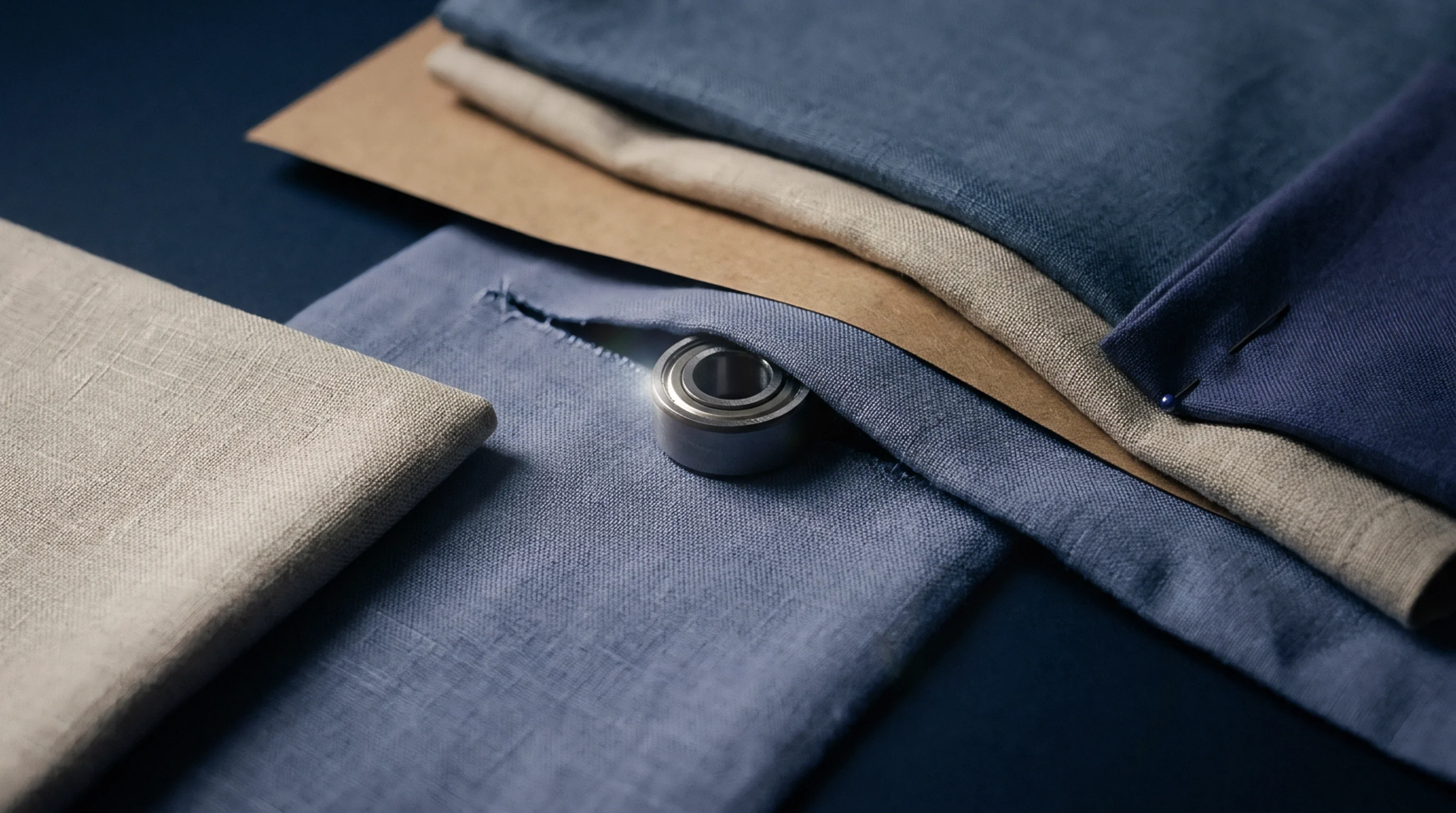
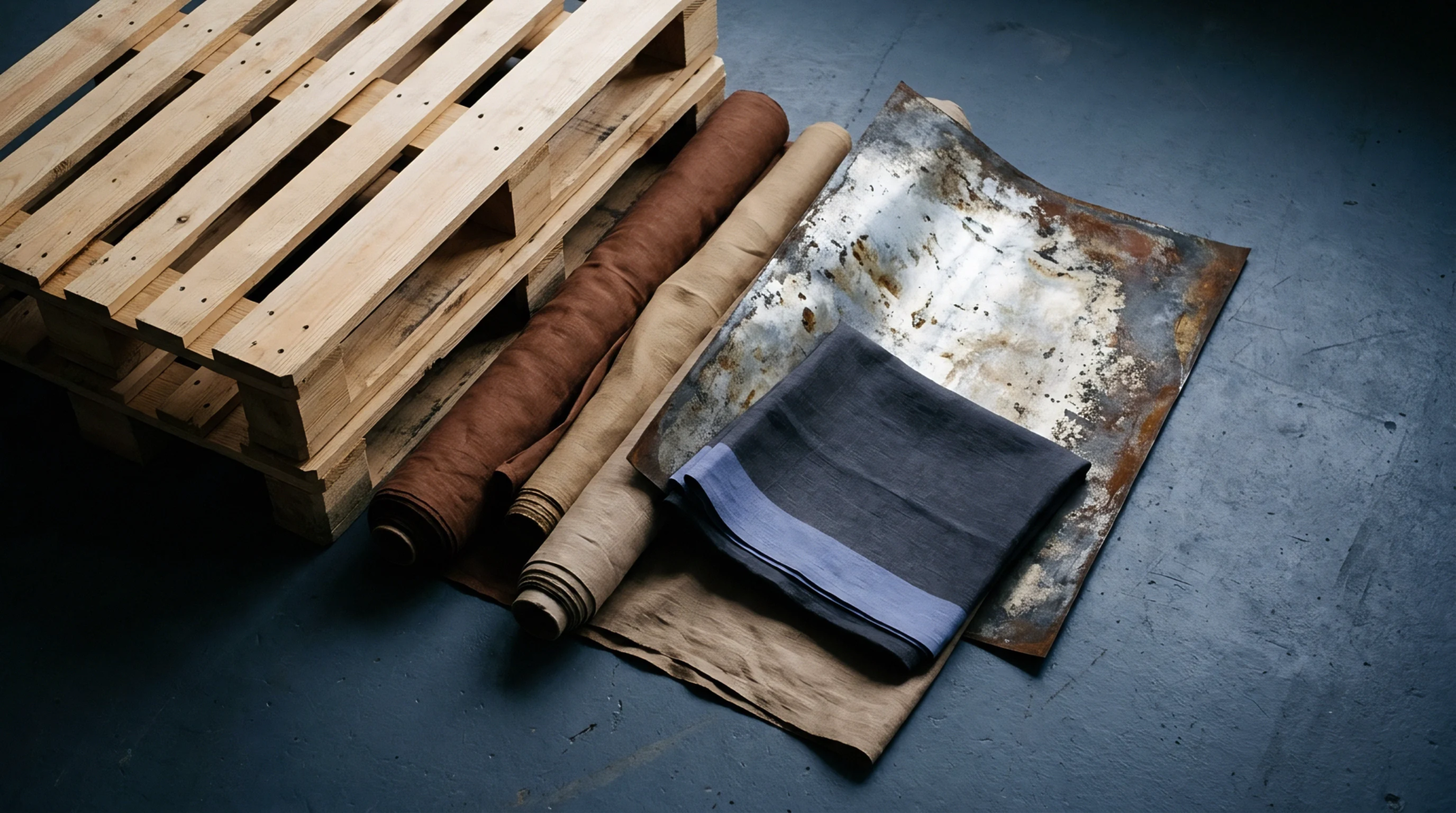
Procurement teams record the conversion efficiency of raw flax into yarn within the technical data sheet that accompanies every pallet. This document differentiates between fibre grades based on the potential for fineness, where line flax typically produces superior results in submerged drafting compared to tow variants. Export documentation confirms the specific method used to reach the declared yarn count because different spinning techniques alter the final fabric hand and durability.
The resultant yarn density governs the subsequent finishing steps including bleaching or mercerization. High quality output from this stage dictates the reliability of the entire textile line.