Linen Non Preferential Origin Rules under Harmonized System Tariff Shift
Linen non preferential origin follows exact HS tariff shifts where spinning yarn confers 5306 origin and weaving cloth confers 5309 origin under customs law.

Heading
Harmonized System tariff shift rules establish non-preferential country of origin by evaluating whether foreign raw materials cross specific tariff classification boundaries. Under international trade law, non-preferential origin governs basic duty rates, trade remedies, anti-dumping enforcement, tariff-rate quotas, country-of-origin marking, and government procurement eligibility. Unlike preferential rules created under bilateral free trade agreements, non-preferential origin relies on national customs statutes grounded in general World Trade Organization principles.
A shift across a chapter, heading, or subheading demonstrates that substantial transformation took place in the processing country.
Flax processing moves through four distinct four-digit headings in Chapter 53 before reaching finished apparel or home textile chapters. Raw, retted, or scutched flax fibre enters global trade under heading 5301. Mechanical drafting, hackling, and wet spinning convert that fibre into yarn under heading 5306.
Weaving those yarns on a loom creates linen fabric under heading 5309. Cutting, sewing, and finishing the fabric yields apparel in Chapter 62 or finished household goods in Chapter 63.
Customs authorities establish explicit shift criteria to evaluate each stage. United States Customs and Border Protection enforces non-preferential textile rules under Section 334 of the Uruguay Round Agreements Act, codified at 19 U.S.C. 3592 and implemented through 19 CFR 102.21. Under the hierarchy of 19 CFR 102.21(c), origin turns on where the item is wholly obtained, where fibre is spun into yarn, where yarn is woven into fabric, or where final assembly occurs, depending strictly on the tariff classification of the finished article.
A tariff shift from raw scutched flax under heading 5301 to single yarn under heading 5306 confers country of origin in the spinning jurisdiction under United States customs regulations.
In the European Union, non-preferential origin derives from Article 60 of the Union Customs Code, established under Regulation (EU) No 952/2013 and detailed in Commission Delegated Regulation (EU) 2015/2446 Annex 22-14. The EU rule asks whether processing constitutes the last substantial, economically justified working that yields a new product or forms an essential manufacturing stage. For woven linen fabric of heading 5309, Annex 22-14 specifies that origin is conferred either by complete yarn-to-cloth weaving or by weaving combined with dyeing or printing.
The distinctions between Change in Chapter (CC), Change in Tariff Heading (CTH), and Change in Tariff Subheading (CTSH) set explicit technical thresholds along the production chain:
- Change in Chapter requires all non-originating raw materials to fall within a two-digit HS chapter outside that of the final product ~ for instance, turning uncarded vegetable fibres into finished Chapter 62 apparel.
- Change in Tariff Heading requires foreign inputs to cross four-digit heading boundaries, such as converting heading 5301 unspun flax fibre into heading 5306 linen yarn.
- Change in Tariff Subheading requires movement between six-digit subheadings inside the same four-digit heading, such as converting unbleached single flax yarn under subheading 5306.10 into multiple-ply or bleached yarn under subheading 5306.20.
Disputes frequently arise when intermediate processing steps take place across multiple non-treaty countries. If raw flax grown in France is scutched in Belgium, spun into wet-spun yarn in China, woven into greige cloth in Vietnam, and dyed in South Korea, each importing customs authority applies its own non-preferential shift rules to assign origin at customs entry. Customs agencies assess physical processing against these statutory classification rules, ignoring commercial marketing claims.
That physical processing trail determines legal origin on entry documentation. Maintaining detailed operational records of each mechanical transformation is what defends a declared tariff shift during a customs audit.


Sliver
Hackling aligns long scutched flax fibers into a continuous, untwisted ribbon ready for wet spinning. Unprocessed scutched flax entering a mill still carries shives, short fibers, and irregular pectin bonds. Combing through hackling machinery separates long line flax from short tow.
Drawing frames then double and draft multiple slivers to balance linear density, producing a consolidated roving wound onto perforated bobbins for boiling or chemical retting.
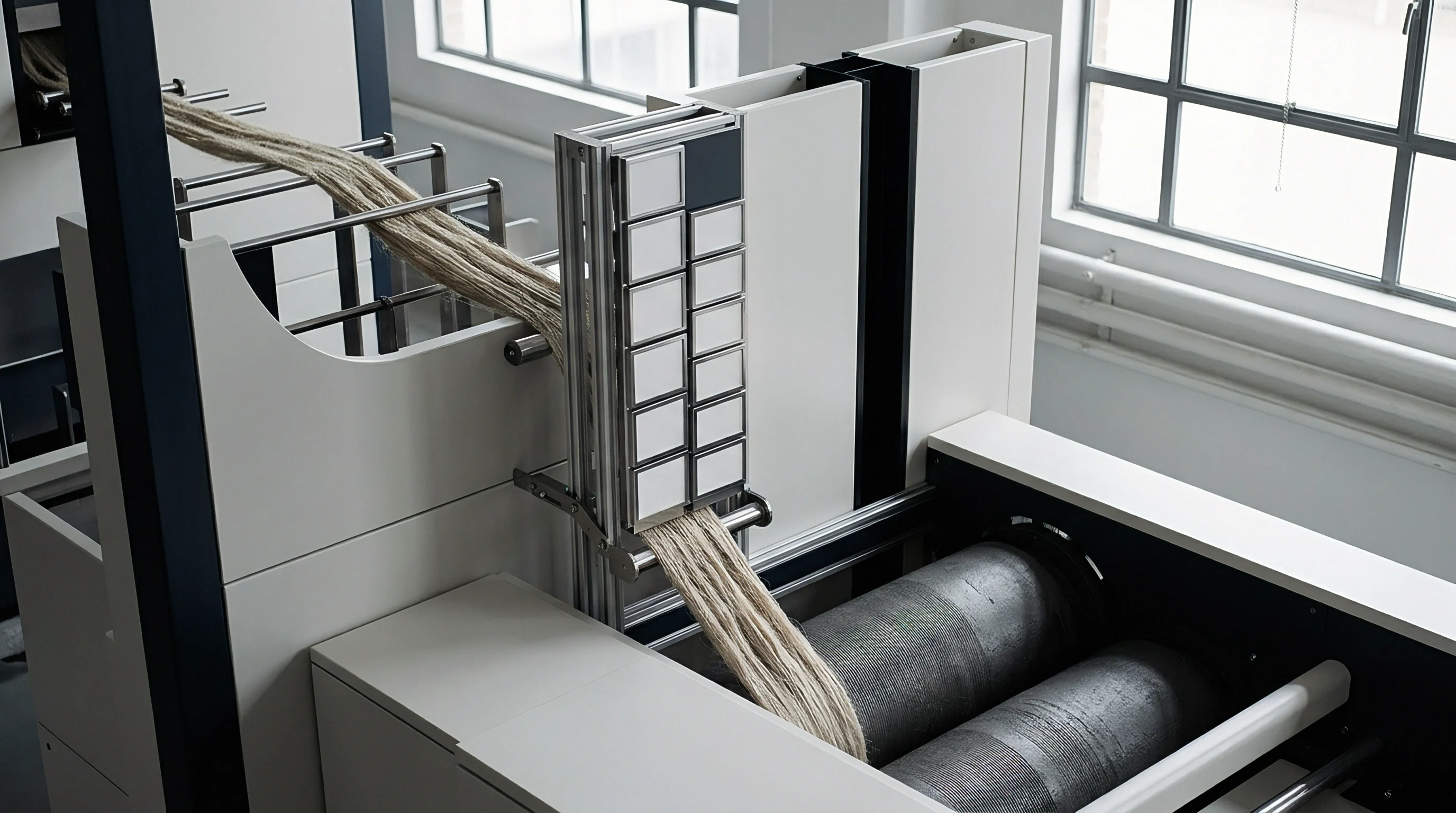
In wet spinning, flax roving passes through a hot water trough kept between 55 and 70 degrees Celsius before drafting rollers pull it under tension. The hot water softens pectin binders holding the plant cells together, allowing individual fibers to slide past one another as they draft. That attenuation enables fine yarn counts ~ from metric count Nm 26 up to Nm 80 ~ that dry spinning cannot produce.
Spindle twist then locks the drawn fibers into finished flax yarn of heading 5306.
Under 19 CFR 102.21(c)(1), non-preferential origin for flax yarn under heading 5306 belongs to the country where spinning occurs. Foreign flax straw or scutched tow under heading 5301 undergoes a CTH shift once spun into single yarn. For example, if a mill in Jiangsu Province imports raw French scutched long flax under subheading 5301.21 and wet-spins it locally, U.S. customs treats the finished yarn as Chinese origin.
Can Wet Spinning Confer Origin under Union Customs Code?
EU non-preferential rules set a similar standard for heading 5306. Under Commission Delegated Regulation (EU) 2015/2446 Annex 22-14, flax yarn takes its origin from spinning performed on non-originating materials, provided preparatory steps like hackling, drawing, or carding occur alongside it. Turning raw heading 5301 fiber into roving and wet-spinning it into single yarn satisfies this test.
The mill’s territory becomes the country of origin, regardless of where the flax was harvested.
Auditors match spinning lot tickets against incoming flax weighbridge manifests. Sourcing audits confirm whether mills maintain strict batch separation between long-line combed sliver lots and recycled tow blends. If a mill blends uncarded flax with imported synthetic fibers, classification rules determine whether the resulting change meets the required single-heading shift.
Preparatory processing before spinning does not confer origin on finished yarn. Hackling by itself, drawing without spinning, or bundling tow without twisting fails to move material from heading 5301 into 5306. Customs authorities view mechanical sliver preparation as an intermediate stage that stays inside heading 5301.
| Input Material | Input HS Code | Mechanical Operation | Output HS Code | Origin Shift Status |
|---|---|---|---|---|
| Raw Scutched Flax | 5301.21 | Hackling and Drawing | 5301.29 | CTSH Only, No Origin Shift to Yarn |
| Combed Flax Sliver | 5301.29 | Roving and Wet Spinning | 5306.10 | CTH Conferred, Confers Origin |
| Single Flax Yarn (Raw) | 5306.10 | Doubling, Twisting, Plying | 5306.20 | CTSH Only, Origin Retained at Single Spin |
| Flax Noils and Tow | 5301.30 | Carding and Dry Spinning | 5306.10 | CTH Conferred, Confers Origin |
Spinning mills often argue that using European-grown fiber yields a European product regardless of where the spindles turn. That commercial argument fails every customs audit.

Warp
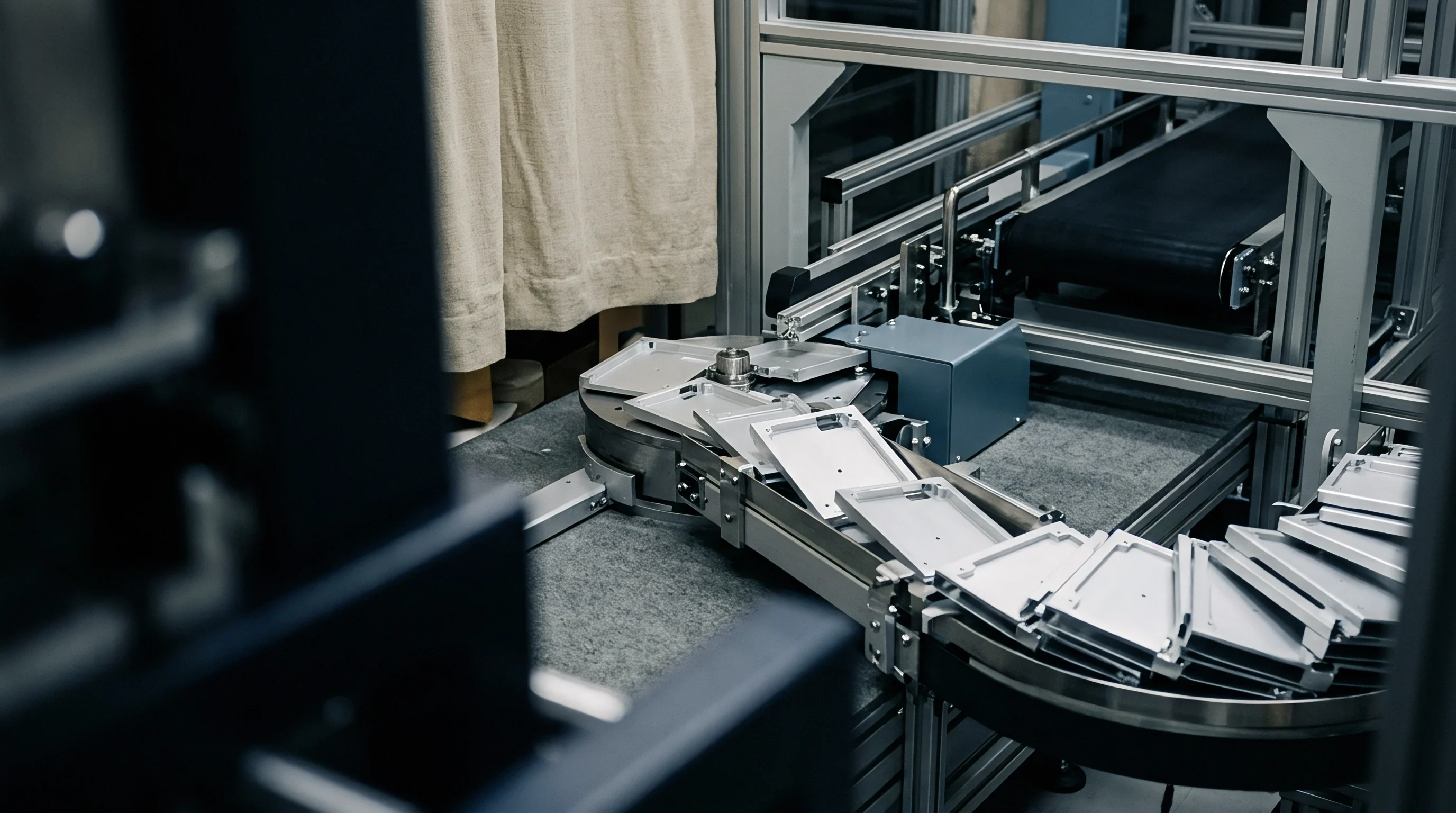
Loom preparation converts individual yarn cones into parallel, tensioned warps mounted on the weaver beam. Sectional warping winds hundreds of wet-spun ends onto a drum at even tension while applying a sizing solution of modified starches or polyvinyl alcohol. Sizing coats the flax fibers to prevent breakage from reed friction and heddle motion in the loom shed.
High-speed rapier and air-jet looms then interlace warp and weft to produce greige linen fabric under heading 5309.
Shifting from heading 5306 yarn to heading 5309 fabric requires a four-digit CTH shift. Under 19 CFR 102.21(c)(2), origin for Chapter 53 woven fabric belongs to the single country where weaving takes place. If a mill in Vietnam imports single wet-spun yarn of heading 5306 made in China, then warps, sizes, and weaves it into plain linen shirting under heading 5309, the cloth takes Vietnamese origin for U.S. customs entry.
The countries where the fiber grew and where the yarn was spun are simply upstream inputs on the bill of materials.

Is Weaving Sufficient to Shift Origin in Heading 5309?
Jurisdictions differ when finishing processes occur in a country separate from the loom shed. The European Union applies specific dual-step rules under Annex 22-14 for heading 5309 woven flax cloth:
- Weaving accompanied by dyeing or printing confers non-preferential EU origin if non-originating unprinted or undyed greige cloth makes up no more than 47.5 percent of the finished fabric’s ex-works price.
- Complete yarn-to-cloth weaving without further finishing confers origin in the weaving country as long as all non-originating materials fall outside heading 5309.
- Finishing operations without weaving ~ such as washing, desizing, stentering, or bleaching imported greige fabric ~ do not confer origin under EU customs law, leaving origin with the weaving territory.
Bleaching, dyeing, enzyme washing, and sanforizing change both the hand and physical dimensions of greige linen. Caustic scouring clears away residual waxes, pectins, and sizing agents, preparing the fiber core for reactive or vat dyes. Mercerization or liquid ammonia treatment swells the cell walls, smoothing the irregular fiber lumen to improve dye uptake.
These chemical treatments change how the fabric looks, feels, and performs.
Under United States customs rules, dyeing and finishing imported greige linen cloth does not shift the non-preferential country of origin away from the country where the cloth was woven.
Under 19 CFR 102.21, wet finishing, dyeing, printing, or tumbling imported greige linen under heading 5309 does not produce a tariff shift. U.S. rules specifically prevent dyeing, printing, or water-repellent finishing from conferring origin on Chapter 53 woven goods unless paired with a qualifying shift from yarn to fabric. If greige linen woven in China goes to Portugal for scouring, piece dyeing, enzyme washing, and heat-setting, its non-preferential origin remains China when imported into the U.S.
Auditors trace customs entry declarations back to the scutcher lot certificates. Importers who misdeclare dyed cloth based on where it was finished risk statutory redelivery notices, rate advances, and civil penalties under 19 U.S.C. 1592.

Ledger
Traceability dossiers for imported linen rely on matching production weights to physical customs shipments. Commercial invoices and bills of lading alone will not establish non-preferential origin during an audit. Customs agencies expect an unbroken paper trail tying specific bale numbers, spinning lot tickets, weaver beam run sheets, and finishing dockets directly to container seal numbers.
To substantiate a tariff shift, records must prove that transformation occurred inside the declared facility.
A common mistake in raw material sourcing is confusing voluntary certification schemes with statutory non-preferential origin. Programs like European Flax verify that scutched fiber comes from farms in France, Belgium, or the Netherlands, tracing chain of custody through mills worldwide. But while a European Flax transaction certificate confirms fiber origin and farm location, it has no bearing on non-preferential origin under customs tariff shift rules.
If a factory in Zhejiang Province spins European Flax certified fiber into yarn and weaves it into sheeting under heading 5309, the product holds certified European fiber content. But for customs entry into the U.S. or the EU, legal non-preferential origin is China. Labeling those goods ‘Origin Europe’ violates customs marking statutes and consumer labeling laws.
Masters of Linen operates differently, requiring every step from field to yarn to finished fabric to stay entirely within Europe. A Masters of Linen certificate aligns private standards with EU non-preferential origin rules because spinning, weaving, and wet processing all stay inside the EU customs territory. Moving even one processing stage outside Europe invalidates the certification.
Customs audits require primary operational records to prove claimed tariff shifts across multi-country supply chains:
- Raw Fibre Purchase Invoices and Scutcher Delivery Notes confirm physical volume, harvest year, scutching mill details, and lot numbers for raw heading 5301 flax entering the spinning mill.
- Spinning Batch Run Cards and Weighbridge Slips document gross and tare weights for combed sliver, spindle run hours, wet-spinning trough temperatures, and yarn yield per lot under heading 5306.
- Weaver Beam Loading Logs and Loom Inspection Reports track yarn lot numbers loaded onto loom creels, picks per inch, reed width, greige yardage, and defect logs under heading 5309.
- Wet Processing Chemical Invoices and Dye House Work Orders detail dye formulas, scouring chemicals, lot weights, drying temperatures, and finished fabric widths.
Inspectors examine wet-spinning draft logs during mill qualification visits. Sourcing audits check mass-balance yield at each step. Transforming 1,000 kilograms of scutched long flax into wet-spun yarn typically yields 700 to 750 kilograms of line yarn, with the rest lost as tow, hackling noils, and waste.
During weaving, converting yarn to fabric causes a 2 to 4 percent loss from sizing burnout and lint shed. Gaps between input fiber weights and output cloth volume often point to blending with unrecorded secondary yarns.
| Document Type | Issuing Entity | Recorded Data Point | Verification Role |
|---|---|---|---|
| Scutcher Delivery Note | Primary Scutching Mill | Bale identification, net weight, fiber grade | Proves initial classification under 5301 |
| Spinning Work Ticket | Yarn Spinning Mill | Sliver input lot, spindle parameters, yarn count | Substantiates CTH shift to 5306 |
| Weaving Beam Log | Weaving Shed | Warp yarn lot, weft lot, loom pick count | Substantiates CTH shift to 5309 |
| Dye House Run Sheet | Finishing Facility | Scour chemistry, dye batch, finished length | Verifies secondary processing status |
| Non-Preferential COO | Chamber of Commerce | Declared origin, exporter name, HS classification | Secondary declaration, requires audit backing |
Verifying non-preferential origin depends on matching factory production records directly to physical cargo movements, rather than relying on commercial declarations.

Levy
Incorrect origin declarations create heavy financial exposure under trade remedy laws, anti-dumping orders, and retaliatory tariff schedules. U.S. Section 301 tariffs under the Trade Act of 1974 add a 25 percent ad valorem duty to specific Chinese textile and apparel products. When Chinese linen yarn is woven or assembled in intermediate Asian countries, customs officials investigate whether that processing represents genuine substantial transformation under 19 CFR 102.21 or simple transshipment to evade duties.
U.S. Customs and Border Protection enforces origin rules through the Enforce and Protect Act (EAPA) and formal audits under 19 U.S.C. 1509. During EAPA investigations, inspectors visit foreign plants to verify whether local production capacity matches reported export volumes. If a mill claims to have exported 500,000 meters of linen fabric to the U.S. but operates only ten low-speed shuttle looms with minimal power bills, authorities will issue an evasion finding and apply retroactive Section 301 duties and anti-dumping margins.
False origin declarations carry heavy civil penalties under 19 U.S.C. 1592, scaled by the importer’s level of culpability:
- Negligence carries penalties up to twice the unpaid duties, taxes, and fees, or 20 percent of the dutiable value.
- Gross Negligence raises the penalty to four times the unpaid duties or 40 percent of the dutiable value.
- Fraud triggers penalties equal to 100 percent of the domestic value of the merchandise, along with potential criminal prosecution under 18 U.S.C. 1001.
Customs compliance teams separate preferential scheme scope from non-preferential customs determinations when reviewing import declarations. Customs authorities require importers to exercise reasonable care under 19 U.S.C. 1484. An importer cannot demonstrate reasonable care simply by presenting a third-party fiber certificate if tariff shift rules assign origin to a different country on entry.
Importers need internal compliance procedures that test supplier origin claims against actual tariff classification shifts.
A supplier origin warranty clause establishes that the seller will indemnify and defend the buyer against all duty assessments, penalties, and legal costs arising from a customs redetermination of origin.
Commercial contracts should explicitly allocate non-preferential origin risk. Sourcing agreements need clear supplier warranties confirming that goods delivered under every purchase order meet the destination market’s tariff shift and origin rules. Contract terms should require suppliers to provide production dossiers, maintenance logs, and raw material purchase invoices whenever customs audits demand them.
The standard warranty clause provides: Seller warrants that all goods supplied hereunder have undergone substantial transformation in the country declared as the Country of Origin in accordance with the applicable customs laws of the destination territory, including 19 CFR 102.21 for shipments entering the United States and UCC Regulation 2015/2446 for shipments entering the European Union; Seller shall indemnify, defend, and hold harmless Buyer from and against any additional duties, taxes, penalties, interest, legal expenses, and administrative costs resulting from any redetermination of origin or classification by customs authorities.