
Metric Fibre Number Claims and the Test Method behind Them
Metric fibre number claims require ISO 2370 gravimetric verification because airflow instruments skew up to fifteen percent across retting types and moisture regains.
Metric fibre number claims require ISO 2370 gravimetric verification because airflow instruments skew up to fifteen percent across retting types and moisture regains.

Imported French scutched long line delivers higher hackling yield and lower yarn break rates, outperforming domestic Chinese flax on landed metre fabric cost.
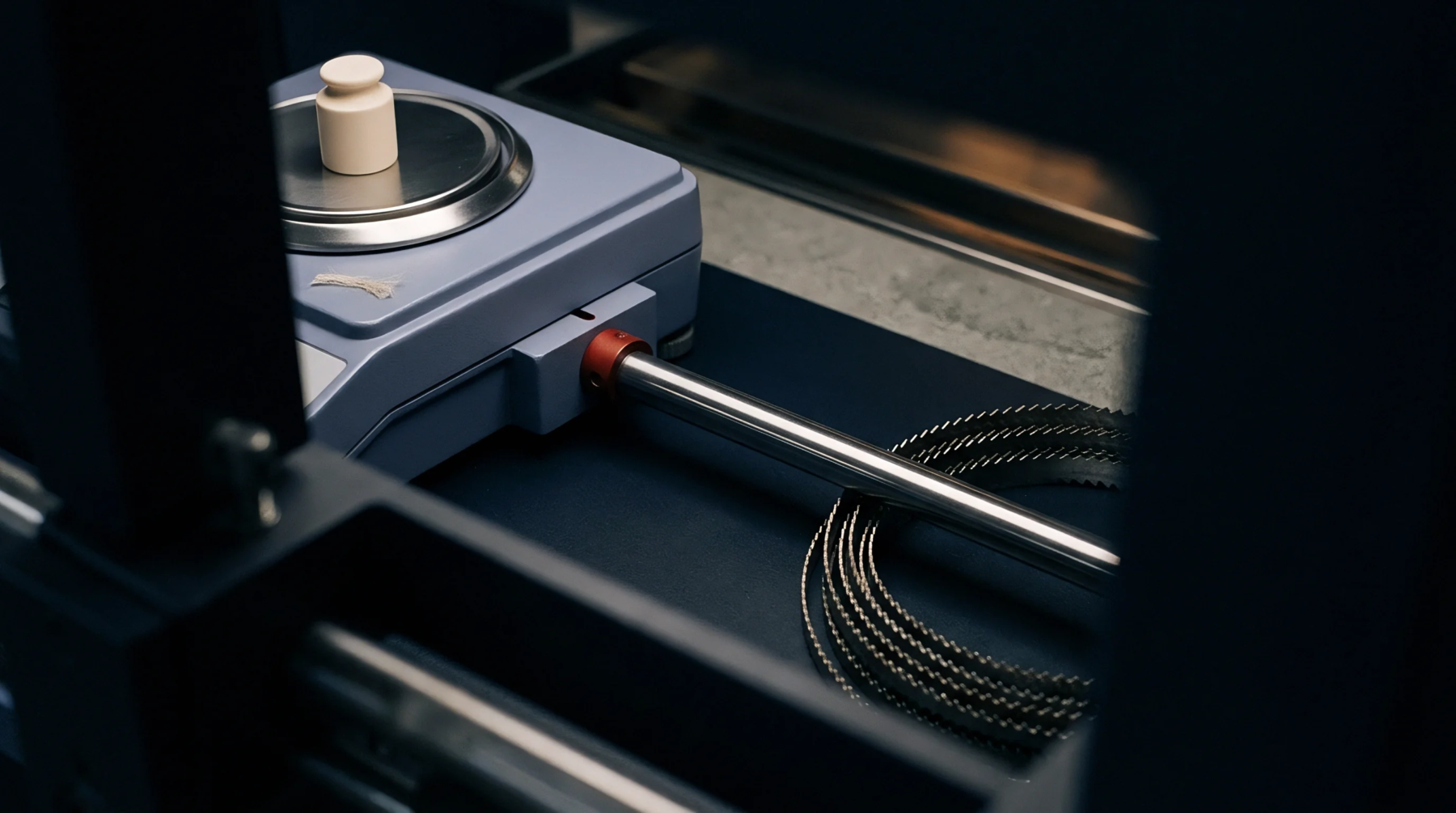
Conditioned middle-cut bundle weighing under ISO 2370 delivers precise flax line fibre linear density data for wet-spinning count calculations.

Verify flax linear density using ISO 1973 cut-and-weigh gravimetry at standard 12% regain to accurately forecast wet-spinning limits and enforce contract pricing.

Intake weighbridge data cross-checked against scutcher manifests and corrected for moisture regain prevents origin fraud and raw flax short-weight invoicing.
Linen yarn counts and cloth weight must be verified against dry fiber mass plus standard 12 percent moisture regain to eliminate costly moisture billing errors.

Verify flax linear density using ISO 2370 cut length gravimetry on conditioned 50 mm bundles to prevent spinning end breaks and landed metre yield loss.

Non-cellulosic residue fractions in flax sliver govern drafting stability, spinnable metric count, and true yarn yield; residual pectin exceeding 1.8 percent spikes end breakage and erodes landed cost discounts.

Gravimetric cut-length linear density variance above twelve percent CV drives wet-spinning breaks and triggers contractual invoice debits up to lot rejection.
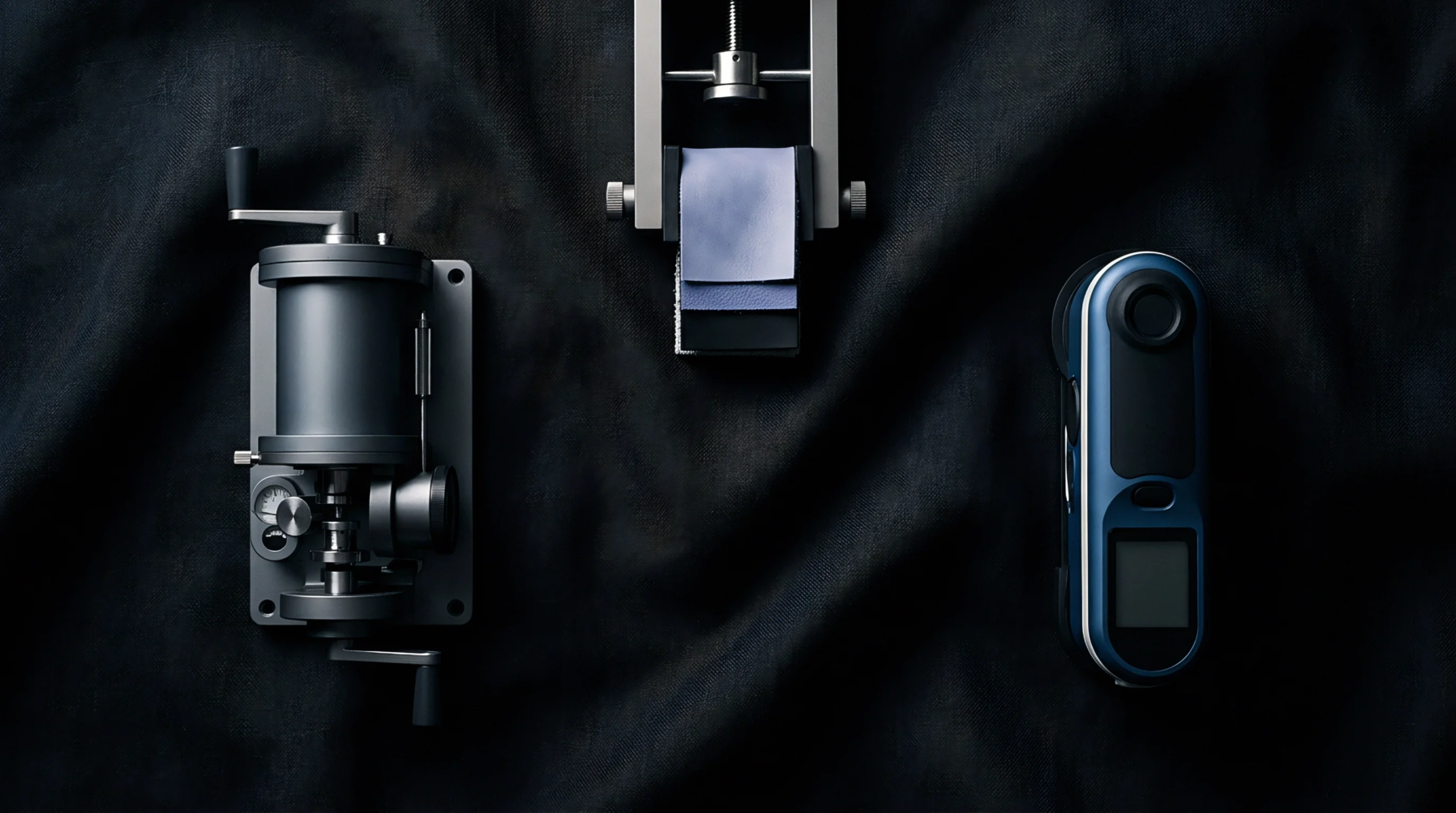
Gravimetric flax fineness testing measures cut bundle mass to determine exact linear density in tex, fixing spinnable yarn count and trade valuation.

Spectrophotometric m-hydroxydiphenyl quantification of ammonium oxalate extracted pectin predicts bast fibre sliver drafting behavior and wet spinning yield.

Determining dry mass regain in flax roving requires 105°C thermal drying coupled with solvent extraction corrections to separate water loss from spinning oils.

Optimizing modified starch PVA acrylic sizing formulations combined with staggered early shedding suppresses friction spikes and stabilizes fine wet spun linen warps.

Verify scutching yield metrics and fiber alignment parameters to defend Chapter 53 customs entry declarations and eliminate origin liability.
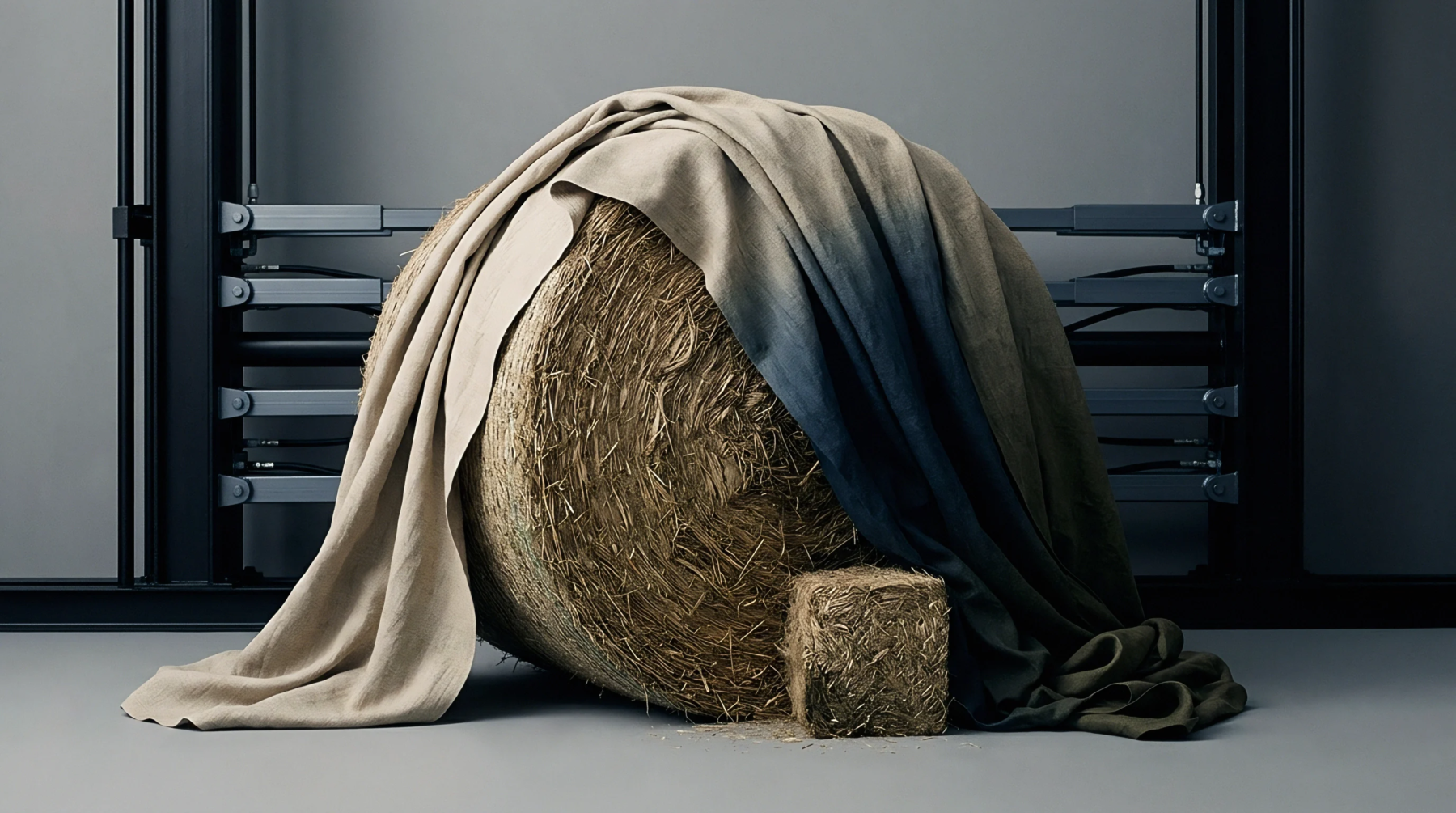
Bale opening routines verify dry mass, bundle tenacity, and shive content under ISO standards to lock in spinnable count and true fibre value before payment.
Accurate gravimetric testing of line flax linear density demands dry mass weighing and standard twelve percent regain adjustment per ISO 6741.

Base moisture regain calculations adjust raw flax bale mass to standard commercial allowances, preventing buyers from paying fibre prices for ambient water.

Isothermal thermogravimetry decouples non-cellulosic thermal degradation from moisture desorption, eliminating dry-mass underestimation and regain inflation in bast fibre trade.
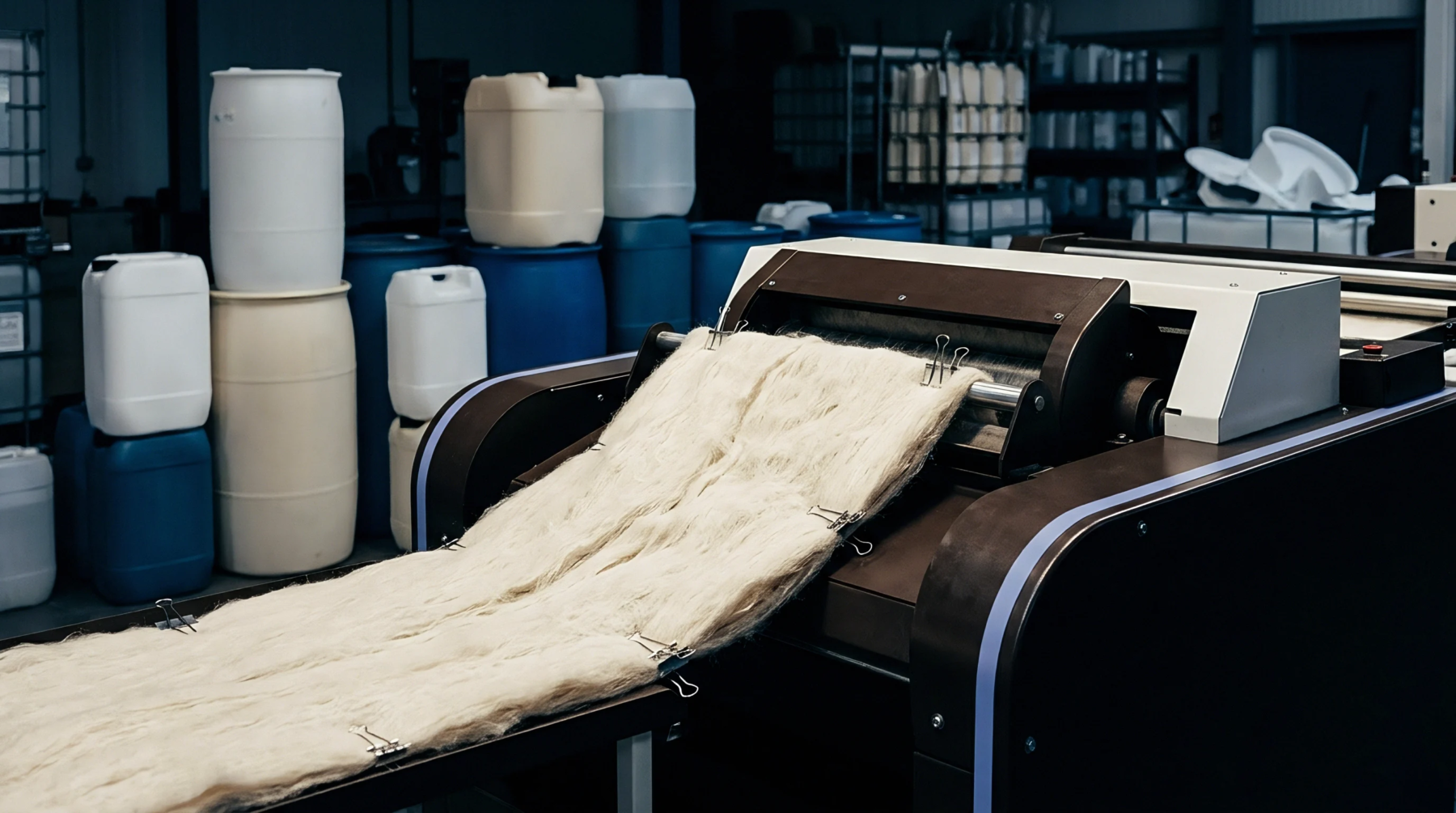
Verifying European Flax certificates in Chinese mills requires matching TC batch weights against raw bale intake logs and wet-spinning combed sliver yields.

Standard flax yarn linear density determination mandates motorized skein reeling under 0.5 cN/tex tension combined with ISO 6741 oven-dry commercial mass correction.

Specify long-staple line flax and wet spinning in purchase contracts to prevent spinners from substituting short tow fibre into ambiguous metric yarn orders.

Lot-to-lot flax variance costed via hackling yield formulas protects mill margins by adjusting line sliver pricing before wet spinning.
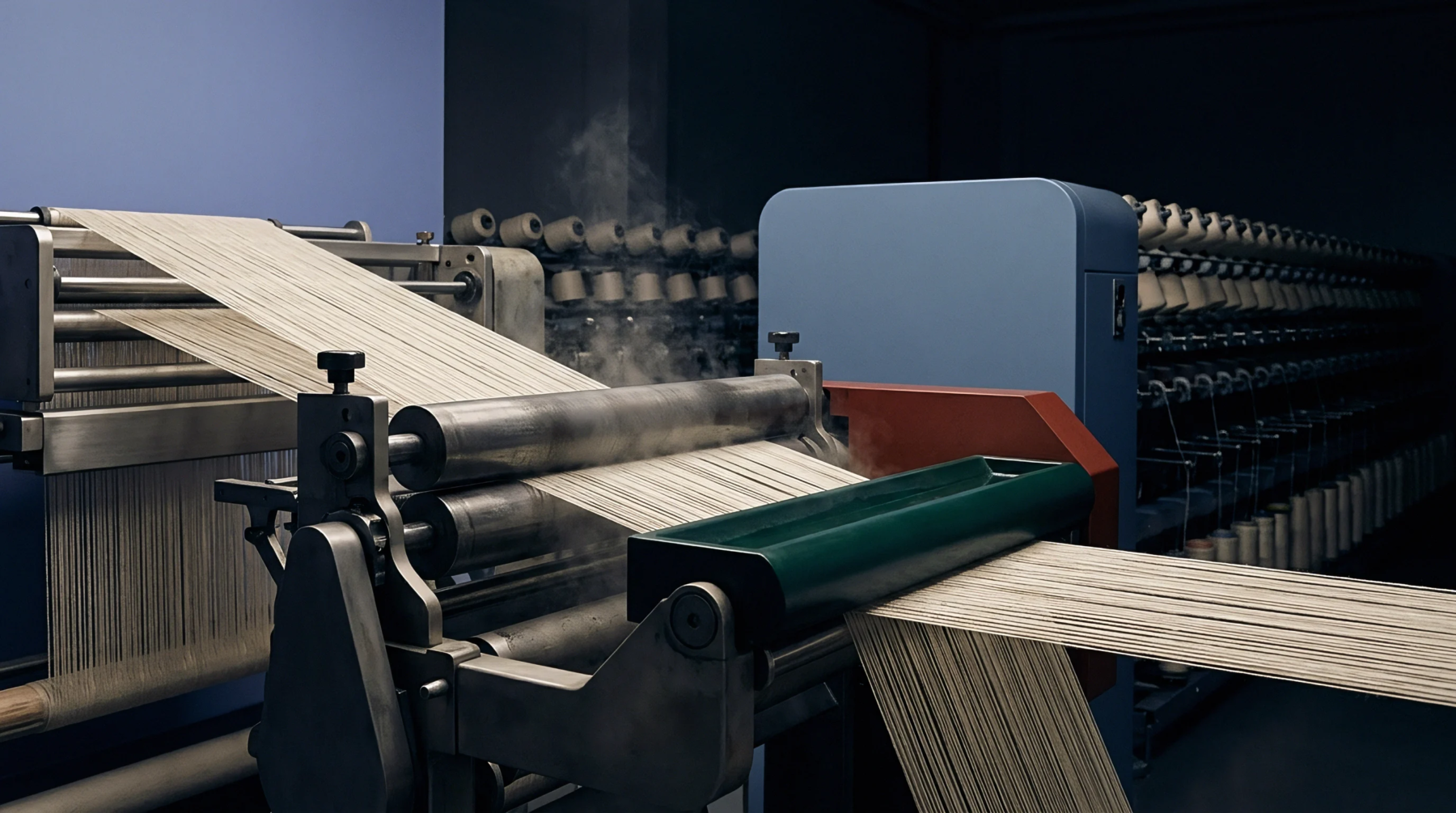
Commercial mass calculations based on ISO 6741 oven-drying protocols protect buyers from paying landed mass prices on sea-transit moisture uptake in flax.

Hackling yield calculations convert scutched line flax mass into spinnable sliver through precise moisture regain corrections and mechanical tow loss balancing.

Exact yarn mass calculation for plain weave greige linen requires converting Lea to Tex, factoring warp crimp, reed width, and 12% standard moisture regain.

Gravimetric flax fineness testing requires correcting bone dry bundle mass to 12% standard regain to prevent count errors and landed cost distortions

Reconciling third-country linen origin mass balances requires normalizing moisture regain to dry matter mass and accounting for specific hackling and scouring waste factors.

Auditing European Flax scutched fiber receiving records reconciles dry fiber mass, certificate codes, and scutching lot numbers to defend chain of custody.

Commercial moisture adjustments convert raw flax scale weight to invoice weight using dry mass and the contractual twelve percent regain baseline.
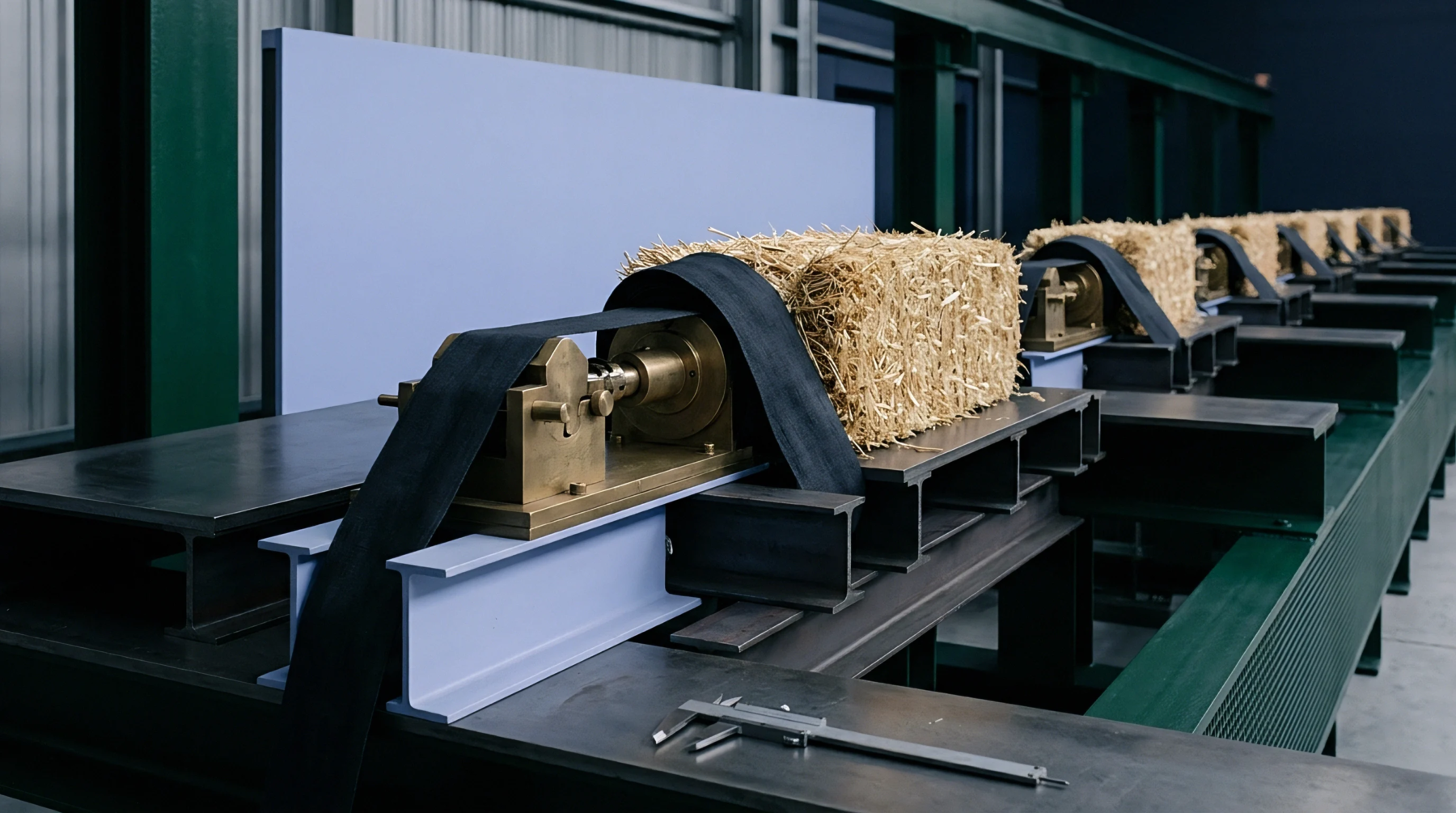
Dew retted line flax hackling yield determines long line fiber recovery, tow ratios, and yarn production costs through precise fineness and strength testing.
Expertise is a utility, not a secret. sentiention™ publishes its working knowledge as open reference: intelligence layer covering the materials it sources, the markets it enters, and the reference that serves both.