Mill Intake Weighbridge Cross Check and Scutcher Delivery Manifest Auditing
Intake weighbridge data cross-checked against scutcher manifests and corrected for moisture regain prevents origin fraud and raw flax short-weight invoicing.
Gate
When trucks arrive at the spinning mill, declared shipping papers face their first physical check. Raw flax bales dispatched from European scutching plants arrive in maritime ISO containers on multi-axle trailers built for heavy freight. Gross mass recorded on platform load cells includes the tractor, trailer frame, container shell, wooden skids, steel banding, and the fiber load itself.
Discrepancies between manifest weights and intake scale readings usually show up right here at the gate, before doors open or bales enter the warehouse.
Intake weighbridges in industrial textile zones use strain-gauge load cells mounted beneath concrete or steel deck plates. Scale accuracy relies on regular calibration against certified test weights under standards like OIML R76 or EN 45501. Ground settling under load cell footings, standing water in deck side-channels, and wide temperature swings all push scales out of calibration.
Scale drift can distort intake measurements by tens or even hundreds of kilograms across a standard 20 metric ton fiber consignment.
Physical scales capture total mass without bias, providing auditors a solid physical baseline to test shipping manifests against.

Gross Weight Recording and Vehicle Calibration
Receiving scales at industrial spinning plants log total mass ~ tractor, container, trailer chassis, and wooden packing frames included. The scale operator logs the timestamp, license plate, ocean container number, and gross scale weight directly into mill management software. Standard procedures mandate static weighing: the driver shuts off the engine and steps clear of the platform.
Dynamic weighing, where vehicles roll across platform sensors at low speeds, introduces kinetic errors up to 1 percent of gross vehicle mass, rendering intake checks useless.
Calibration logs must show regular zero-point verification and span checks performed by certified metrology technicians. Protocols demand testing across low, mid-range, and maximum operating capacity using traceable class M1 deadweights. If receiving scales operate outside a 0.05 percent margin of error, every subsequent mass balance calculation across the scutcher delivery manifest falls apart.

Manifest Discrepancies at Physical Intake
Discrepancies between European scutching manifests and receiving tickets logged in Asia come down to a few practical operational vectors. Transport delays, maritime conditions, container tare inaccuracies, and unrecorded packaging materials shift the apparent weight of shipped fiber. Identifying the root cause requires systematic analysis of each component contributing to gross scale totals.
- Uncalibrated Scale Drift occurring when seasonal temperature shifts throw off load cell zero points before the container drives onto the deck.
- Unrecorded Tare Variations arising from wet wooden container floors or structural modifications made to trailer chassis.
- Bale Strapping Losses resulting from broken steel bands discarded at the port before vehicle mounting on the receiving scale.
- Missing Shipping Documents forcing receiving clerks to manually enter figures from unverified commercial pro-forma invoices.
Auditors check incoming weighbridge logs to catch structural weight variances before raw flax enters spinning preparation rooms. Scale receipts must match container numbers printed on ocean bill of lading documents and scutcher delivery manifests. A break in container seal numbers between port discharge and mill intake signals intermediate handling, which demands full physical inventory inspection.
Weighbridge calibration tolerances exceeding 0.1 percent across a 50 metric ton dynamic range invalidate raw flax mass balance audits.
Container floor moisture accounts for major tare errors. Wooden container decking absorbs ambient humidity during ocean transit, adding up to 80 kilograms of non-fiber weight to gross scale readings. When the mill calculates net fiber mass by subtracting nominal container tare printed on the door, unrecorded floor moisture inflates calculated fiber weight, creating a paper excess that conceals missing fiber bales.
Shipping weights reflected dry atmospheric conditions during European summer packing, while ocean moisture absorption accounted for extra kilograms logged at intake.

Scutching
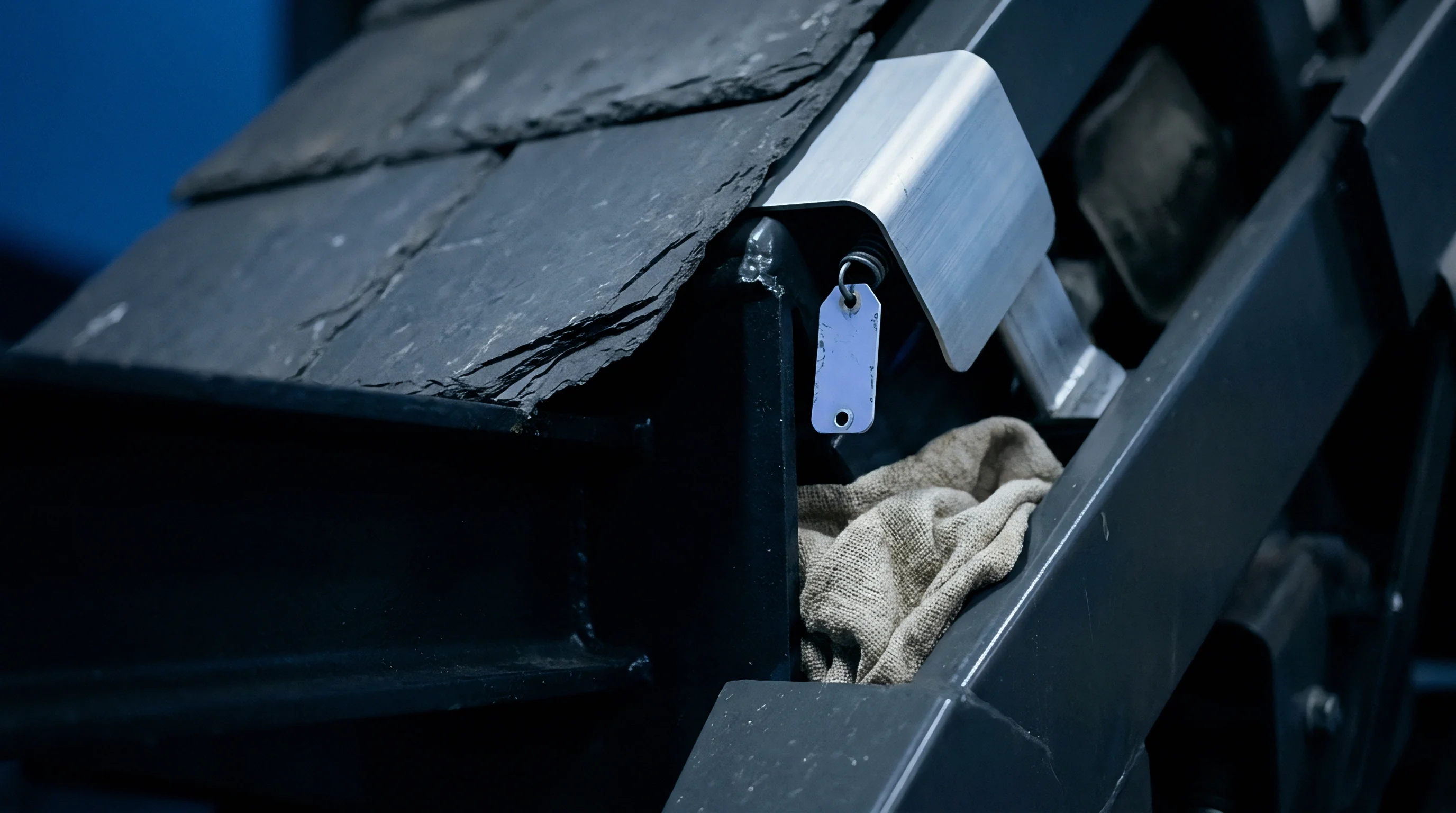
Delivery manifests issued by fiber processing plants set the initial baseline for batch mass, bale identification, and certified lot numbers. Retted flax straw undergoes mechanical scutching to separate long bast fibers from the woody core, known as shive, and short unaligned fibers, designated as tow. European scutching mills compress processed long flax fiber into high-density bales secured with high-tensile steel wire, attaching weather-resistant tags that detail batch serial numbers, farm origin codes, and pressing weights.
Scutcher delivery manifests document the exact output of the scutching turbine. Manifest details include gross weight, tare weight of packaging materials, net fiber mass, pressing moisture content, and European Flax scope certification numbers. Auditing these documents requires verifying each line item against the scutching facility’s internal production ledgers and fiber origin records.

Document Anatomy of Scutcher Manifests
Commercial fiber declarations list specific parameters covering bale identification tags, net mass, pressing moisture, and lot numbers. The document carries legal weight, serving as the seller declaration under international trade contracts and origin certification frameworks. Each manifest references a specific scutching run, linking raw field straw receipts back to finished bale shipments exported to spinning facilities worldwide.
Scutcher manifests specify long flax fiber yield parameters alongside secondary co-products. The ratio of long fiber to tow and shive serves as an indicator of scutching efficiency and fiber quality. Retted straw yielding 18 percent long fiber, 12 percent tow, and 50 percent shive represents standard mechanical extraction efficiency under typical European climate conditions.
| Parameter | Scutcher Manifest Standard | Destination Intake Nominal | Audit Variance Tolerance |
|---|---|---|---|
| Bale Density (kg/m³) | 320 – 360 | 315 – 355 | ±1.5% |
| Pressing Moisture Content (%) | 10.5 – 12.0 | 11.5 – 13.5 | +1.5% / -0.5% |
| Steel Wire Tare Mass (kg/bale) | 1.2 – 1.4 | 1.2 – 1.4 | ±0.05 kg |
| Shive Residual Content (%) | 1.5 – 2.5 | 1.5 – 2.5 | ±0.3% |
| Commercial Regain Basis (%) | 12.0 (ISO 6741) | 12.0 (ISO 6741) | Fixed Nominal Standard |
Origin Scope Certificate Cross Matching
Chain of custody continuity depends on linking transaction certificate lot numbers directly to physical tags applied during mechanical processing. Certification schemes, including European Flax, require third-party auditing bodies to issue transaction certificates for every commercial shipment. These certificates state the net mass of fiber grown within designated Western European regions, specifically France, Belgium, and the Netherlands.
Audit procedures require matching net weight on the European Flax transaction certificate against total net weights listed on individual scutcher delivery manifests. Any discrepancy exceeding 0.5 percent between transaction certificate mass and manifest mass invalidates the origin claim for the entire shipment lot. Scutcher manifests record origin details at the moment of bale formation.
- Extract declared net weight figures from European delivery manifest documents.
- Match batch numbers on individual bale tags against the master scope certificate schedule.
- Compare container seal identification numbers against ocean bill of lading records.
- Record gross vehicle weight on calibrated intake scales upon mill entry.
- Subtract verified tare weight after container unloading to isolate net delivered fiber mass.
Scutcher yields vary by season, as flax straw processed during humid winter months retains higher residual moisture and alters the mass recorded during bale pressing. European scutching plants use inline moisture sensors near the bale press to log moisture percentages on manifest summaries. High moisture content at pressing increases nominal bale weight without adding true dry fiber mass.
Bales packed at 14 percent moisture content contain less actual cellulose than bales pressed at 10 percent moisture content, even when both manifest tickets display identical total weights. Auditors convert manifest mass to dry mass using standard commercial regain equations before establishing baseline shipment volumes.
Never accept a scutcher delivery manifest that lacks printed lot numbers matching the scope certificate transaction record.


Moisture
Flax fiber exhibits a high affinity for ambient water vapor, causing net mass to fluctuate significantly throughout maritime transit. Bast fibers consist of cellulose microfibrils encased in a matrix of hemicellulose and pectin. Hemicellulose contains abundant hydroxyl groups that bind water molecules from surrounding air through hydrogen bonding.
Consequently, flax bale mass increases or decreases depending on relative humidity and temperature levels inside freight containers during ocean transport.
Commercial regain standards established by international trade organizations fix the official moisture regain for flax fiber at 12.0 percent of its oven-dry mass. This standardized baseline enables buyers and sellers to calculate billable fiber weight independent of ambient atmospheric conditions at the time of weighing. Calculating billable weight demands precise determination of oven-dry mass using accredited laboratory testing procedures.

Commercial Regain Calculation Mechanics
Standardized trade rules define commercial mass as the oven-dry mass of fiber increased by the agreed official allowance percentage. ISO 6741-1 defines the testing protocol for determining dry mass and commercial regain in textile fibers. Fiber samples drawn from unopened bales undergo drying in ventilated testing ovens at 105 degrees Celsius until reaching constant mass.
The calculation formula for commercial mass relies on dry sample weight and official regain parameters. Let dry mass equal Md and official regain equal R (expressed as 12.0 percent for flax fiber). The commercial mass Mc follows the equation:
Mc = Md × left(1 + fracR100right)
When actual received moisture content differs from official regain, auditors apply a weight correction factor to the physical scale intake weight. Let received scale net mass equal Mr and actual measured moisture content percentage equal Wa. The correct commercial mass Mc derives from:
Mc = Mr × frac1 + frac12.01001 + fracWa100 = Mr × frac1.121 + fracWa100
If incoming flax weighs 20,000 kilograms on the mill weighbridge with an actual moisture content of 14.5 percent, the corrected commercial mass totals 19,563.3 kilograms. The buyer pays for 19,563.3 kilograms of commercial flax rather than the 20,000 kilograms registered on the scale platform.
| Freight Route | Origin Press Moisture (%) | Destination Intake Moisture (%) | Scale Mass Change (%) | Commercial Mass Adjustment (%) |
|---|---|---|---|---|
| Antwerp to Ningbo (Summer) | 10.5 | 13.8 | +3.3 | -1.6 |
| Rotterdam to Qingdao (Winter) | 12.0 | 12.2 | +0.2 | -0.2 |
| Le Havre to Shanghai (Transit 35 Days) | 11.0 | 14.2 | +3.2 | -2.0 |
| Antwerp to Ho Chi Minh City | 10.8 | 14.5 | +3.7 | -2.4 |

What Happens When Regain Figures Disagree?
Discrepancies between scutching output numbers and receiving scale receipts frequently trigger commercial disputes over billable dry mass. Testing laboratories taking core samples from incoming bales must follow strict sampling density requirements. Core samples taken from the outer 50 millimeters of a compressed flax bale yield artificially elevated moisture readings due to ambient air exposure upon container opening.
Valid sampling requires extracting internal core fibers using hollow core drills penetrating at least 300 millimeters into the compressed bale body.
Containers traveling through tropical equatorial shipping lanes experience internal temperature spikes, creating high humidity inside the sealed enclosure. Water condenses on container ceilings and drips onto upper bale tiers; this sweat effect alters localized fiber weight without increasing actual cellular mass.
A spinning mill rejected 142 metric tons of uncertified long flax fiber after tare weight adjustments exposed a 4.8 percent weight discrepancy. Physical testing exposed unrecorded moisture absorption that occurred inside wet shipping containers during maritime transit.
Uncorrected ocean transit weight increases hide systematic short-weight fiber packing from processing mills.
Testing laboratories must hold ISO 17025 accreditation to perform official dry mass determinations for commercial settlement. Samples placed inside sealed moisture-tight bags immediately after core extraction prevent moisture evaporation prior to oven weighing. Weighing errors of 5 grams on a 500-gram laboratory sample translate to a 200-kilogram weight discrepancy across a full 20 metric ton shipment.
A mill absorbed a twelve thousand euro arbitration fee when a contested moisture calculation failed due to uncalibrated sampling ovens.

Weight
Mass balance formulas reconcile incoming raw fiber mass against spinning output to prevent uncertified fiber introduction during mill conversion. Spinning mills purchase certified European long flax fiber to produce high-value yarns destined for premium apparel and home textile markets. Maintaining certified status requires continuous accounting of raw material mass entering the facility against processed fiber exiting carding, combing, and spinning machines.
Audit procedures calculate allowable mass loss throughout each mechanical conversion phase. Dust extraction, short fiber removal during hackling, and shive separation reduce total material weight. When total yarn production plus recorded waste mass exceeds incoming weighbridge net mass, uncertified fiber has entered the production line.
Mass Balance Reconciliation Formulas
Auditors calculate allowable mass drift by applying relative humidity corrections to physical intake measurements. Converting raw flax fiber into combed sliver involves hackling, where parallel pinned drums comb out short fibers and residual straw fragments. Hackling waste, known as tow, typically represents 25 to 35 percent of input long flax mass.
Dust and shive waste account for an additional 2 to 4 percent mass reduction.
The mass balance equation across hackling operations follows:
Minputdry = Msliverdry + Mtowdry + Mwastedry
Where each component represents oven-dry mass corrected for commercial regain. If a mill processes 10,000 kilograms of commercial long flax fiber (Minputdry), output ledgers must show approximately 6,500 kilograms of combed sliver, 3,100 kilograms of hackled tow, and 400 kilograms of combined dust and shive waste. Recorded sliver production exceeding 7,000 kilograms indicates substitution of uncertified short-staple fiber or synthetic blending.
| Processing Phase | Expected Mass Output Range (%) | Waste & Fly Nominal (%) | Audit Variance Ceiling (%) |
|---|---|---|---|
| Bale Opening & Hackling | 62.0 – 68.0 (Combed Sliver) | 28.0 – 34.0 (Tow & Dust) | ±1.5 |
| Preparing & Drawing | 97.5 – 98.5 (Drawn Sliver) | 1.5 – 2.5 (Waste) | ±0.5 |
| Wet Spinning (Roving to Yarn) | 91.0 – 94.0 (Yarn on Spools) | 6.0 – 9.0 (Slubs & Waste) | ±1.0 |
| Winding & Bleaching | 96.0 – 98.0 (Finished Yarn) | 2.0 – 4.0 (Extractives Loss) | ±0.8 |

Container Skid and Strap Tare Accounting
Unobserved packaging material additions skew scale totals unless auditors deduct verified tare constants for every pallet tier. Flax bales ship packed in polypropylene woven sleeves, wrapped in stretch film, or secured bare with steel wire bands. Heavy-duty wooden skids used to stack bales inside containers weigh between 22 and 38 kilograms each.
A container holding 40 bales stacked on 20 wooden skids carries up to 760 kilograms of non-fiber wooden packaging tare.
If receiving weighbridge procedures deduct only a nominal 400-kilogram packaging tare, the intake ledger overstates fiber weight by 360 kilograms. Across ten container shipments, unrecorded tare packaging errors create 3.6 metric tons of phantom fiber stock in mill inventory records. This phantom inventory provides operational coverage for mills seeking to mix uncertified domestic flax into European Flax production runs.
- Verify Moisture Variance within 1.5 percent of certified scutching moisture content before adjusting net invoice weights.
- Deduct Pallet Tare using physical tare weighing of empty wooden skids rather than relying on estimated container markings.
- Isolate Waste Yields during carding and combing to prevent low-grade tow substitution into long fiber spinning streams.
- Cross-Reference TC Serial Numbers against European Flax database records to confirm physical lot integrity.
Weight fluctuates during transit, and uncalibrated scale drift breaks the audit trail.
Auditors trace raw fiber lots directly from scutching manifests to spinning mill storage bays. Physical tare verification requires stripping packaging materials from sample bales and weighing steel straps, plastic wrapping, and wooden skids independently. Calculating verified net weight demands subtracting actual measured packaging tare from gross platform scale receipts.
Contractual weight adjustments under international flax trade terms apply strictly to oven-dry mass corrected to twelve percent commercial regain.
Incorporating CISG Article 35 origin compliance provisions obligates suppliers to refund short-weight deliveries whenever dry mass variance exceeds two percent.


Audit
Physical inspection protocols at the spinning facility confirm that paper manifest declarations align with material stored on warehouse pallets. Physical verification requires comparing bale tag information against mill intake ledgers, customs entry summary declarations, and third-party scope certificates. Auditors enter storage bays to examine tag attachment methods, scan barcode identifiers, and verify steel strapping integrity on stored bales.
Chain of custody verification breaks down when mills fail to maintain physical segregation between certified European flax lots and uncertified flax stocks from other origins. Storage bay allocation plans must display designated zones for European Flax certified materials, complete with clear visual signage and dedicated inventory tracking codes within the plant management software.

Physical Bale Tag Verification Procedures
Inspectors check barcode tags, scutching mill batch codes, and mass stamps attached to individual fiber packages. European scutching mills utilize tamper-evident plastic tags or wire-attached metal tags carrying unique numeric identifiers. Removing or reattaching a tag leaves visible stress marks on the plastic fastener, revealing unauthorized batch re-labeling attempts.
Audit sampling plans follow ISO 2859-1 single sampling tables for normal inspection. For a shipment of 100 bales, inspectors sample at least 20 bales across top, middle, and bottom container tiers. Each sampled bale undergoes weight verification, bale tag code cross-checking, and core sample extraction for laboratory moisture determination.
- Scutcher Manifest Summary showing bale counts, lot identification numbers, and original scutching press date codes.
- Official Weighbridge Ticket recording gross vehicle mass, container tare, and net receiving mass with scale operator signatures.
- Oven-Dry Test Certificate issued by an ISO 17025 accredited laboratory detailing actual moisture content at mill intake.
- European Flax Transaction Certificate specifying certified farm origin, processor scope identification, and transaction weight limits.
Unreconciled discrepancies carry direct financial costs that show up across accounting ledgers.

Transaction Certificate Reconciliation Protocols
Scope verification connects purchase orders to specific transaction documents issued by accredited third-party certification bodies. Transaction certificates state the exact seller, buyer, product description, net mass, and certified scope number. Auditors verify transaction certificate authenticity by checking digital signatures against central certification databases, such as the Alliance for European Flax-Linen and Hemp registry.
Mills processing both certified and conventional flax must run dedicated production batches or clear machinery between production shifts. Machining clearance protocols require operators to purge hackling pinned drums, carding clothing, and drawing rollers of all residual uncertified fibers before starting a certified European Flax spinning run. Audit logs must record line clearance timestamps signed by quality control supervisors.
Quality inspectors verify every scutcher delivery manifest against physical weighbridge tickets to detect lot substitution prior to bale opening. When intake weights exceed transaction certificate weight limits, the excess volume loses certified status immediately.
Whether spinning mills in distant markets will adopt digital blockchain weighbridge logging remains uncertain given the low technology investment across legacy fiber storage yards.


Penalty
Financial deductions applied to raw fiber invoices enforce contract parameters when incoming shipments fail weight reconciliation checks. International raw flax trade contracts reference standardized terms, such as Confederation Européenne du Lin et du Chanvre (CELC) trade rules or International Cotton Association (ICA) linen rules. These contract frameworks establish clear procedures for short-weight claims, moisture adjustments, and quality default claims.
Calculating commercial claim values requires converting physical scale deficits into monetary debit notes against the supplier invoice. When a 20 metric ton shipment shows a 3 percent dry weight deficit following ISO 6741-1 testing, the buyer calculates financial compensation based on the contract price per kilogram plus pro-rated freight and customs duty expenses paid on non-existent fiber mass.

Commercial Invoice Adjustment Calculations
Buyers deduct unverified mass losses directly from final letter of credit settlements following verified laboratory dry mass testing. The financial formula for calculating short-weight debit notes incorporates invoice unit price, verified dry mass deficit, ocean freight allocation, and import customs tariffs.
Let contract price per commercial kilogram equal P, invoice mass equal Mi, verified commercial mass equal Mc, freight cost per kilogram equal F, and import duty rate percentage equal D. The debit note amount Vclaim derives from:
Vclaim = (Mi – Mc) × left
If a mill purchases flax at 4.50 EUR per kilogram with 0.30 EUR freight cost per kilogram and a 6 percent customs duty, a 600-kilogram commercial mass deficit results in a financial claim of 3,042.00 EUR. The buyer issues a formal debit note to the seller, backed by accredited laboratory test reports and certified weighbridge scale tickets.

Customs Origin Verification and Tariff Risk
Failure to prove continuous custody between European processing plants and foreign spinning facilities exposes importers to severe mislabeling fines. Customs authorities inspect intake ledgers and weighbridge records during post-clearance audits to verify non-preferential origin declarations. Under United States Harmonized Tariff Schedule (HTS) rules and European Union Customs Code provisions, textile products declaring specific origin must prove transformation steps through verifiable mass balance ledgers.
Yarn spun from flax fiber imported under false origin documents faces seizure at destination ports. Importing entities incur civil penalties under 19 U.S.C. § 1592 or equivalent national customs regulations, with fines reaching up to 100 percent of the domestic merchandise value. Detailed weighbridge intake records matching European scutcher delivery manifests provide the primary evidentiary defense against origin fraud investigations.
Balancing intake scale tickets against scutcher manifests protects procurement budgets from hidden moisture inflation and short-weight delivery losses.
Buyers apply a strict commercial regain adjustment calculation to every raw fiber invoice prior to releasing final letter of credit payments.
Customs authorities inspect physical intake ledgers to verify non-preferential origin claims on imported flax yarns.
Explicit verification rights built into procurement contracts protect buyers from taking financial liability for fiber weight inflated or lost during transport.