
Determining Flax Staple Length and Profile Metrics Using Manual Comb Sorting Methods
Manual comb sorting isolates true flax bundle length arrays, determining Upper Quartile Length and Short Fibre Content to set mill drafting ratches.
Manual comb sorting isolates true flax bundle length arrays, determining Upper Quartile Length and Short Fibre Content to set mill drafting ratches.

Verify dry-matter pectin loss and normalize roving moisture to ensure mass balance integrity across organic flax wet spinning troughs.

Reconciling organic flax spinning losses requires adjusting transaction certificates for count-dependent extractive solubilization and moisture regain.

Off-shore flax spinning mass balance reconciliation demands matching certified fiber import weight to yarn output weight through dry-basis yield adjustments

Reconciling mass balance in Asian flax wet spinning demands strict dry-mass tare auditing, tow yield accounting, and certified credit ledger validation.

Verify Chinese linen wet spinning mass balance by deducting verified combing tow and pectin extraction losses from oven-dry commercial intake weights.

Gravimetric oven drying at 105 degrees Celsius strips volatile organic degradation products alongside moisture, systematically skewing flax fiber dry weight.

Commercial weight calculations convert raw bast fibre gross mass to invoiced pay-weight using official moisture regain allowances and clean dry yield tests.
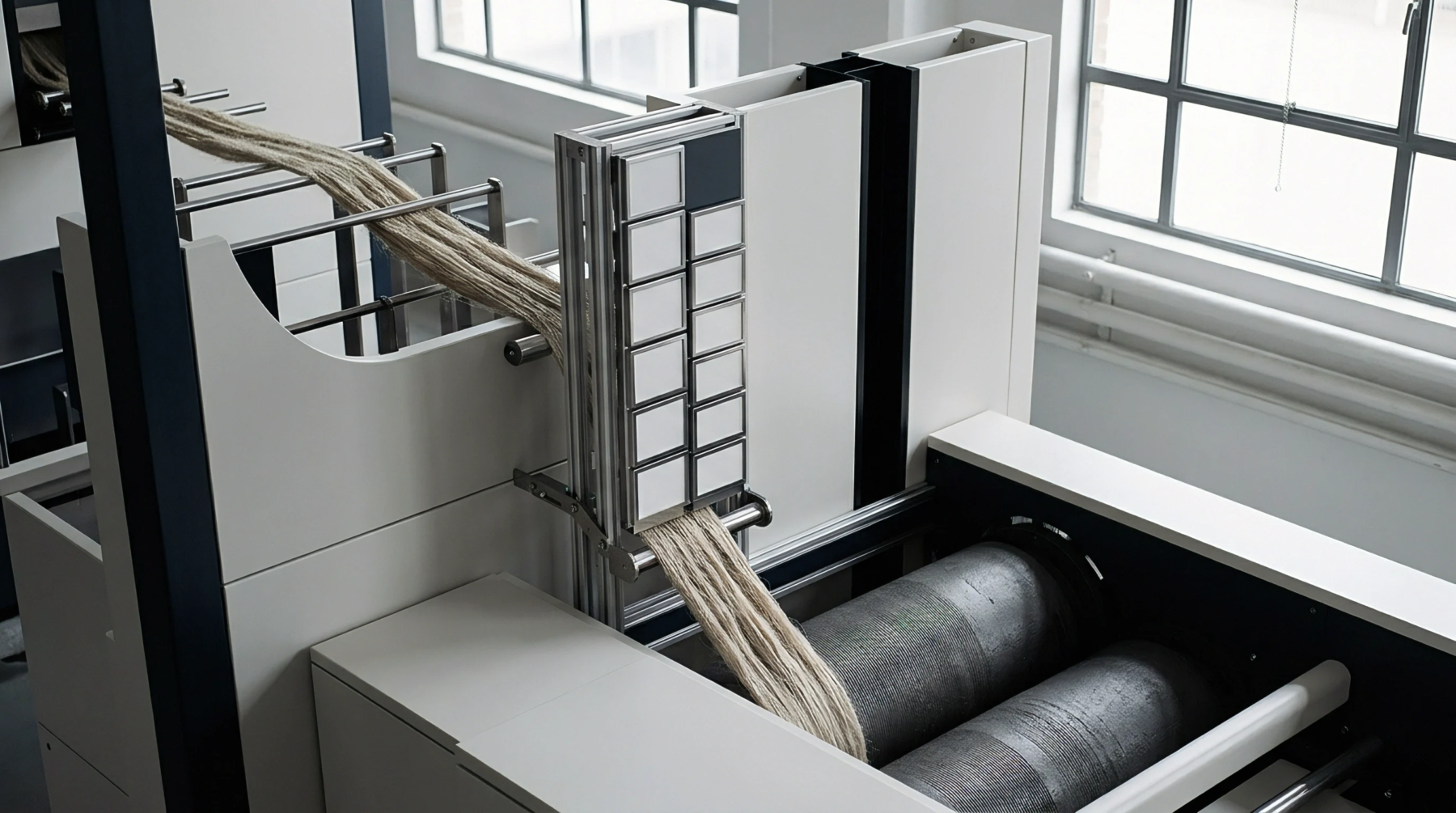
Quantifying residual pectins below 1.2% and proteins below 0.75% via spectrophotometry and combustion prevents wet-spinning end breaks and secures high-count Nm yields.

Gravimetric oven drying co-volatilizes applied fiber lubricants, requiring headspace GC-MS corrections to prevent artificial mass loss during dry mass determination.

Container thermal swings drive flax moisture desorption, requiring oven-dry mass reconciliation against the twelve percent standard regain to verify true fiber volume.

Origin audits reconcile scutched flax inputs to spun yarn outputs by calculating moisture regain, mechanical hackling yields, and wet bath pectin losses.

Verify European Flax certificates by balancing scutched flax intake against spinning yields, matching lot numbers, and confirming valid Transaction Certificates.

Gravimetric linear density determination isolates conditioned cut fiber bundles on microbalances to establish precise tex and dtex spinnability limits for bast stock.
Maintain combing halls at 70% RH and control pectin esterification below 58% to maximize high count line flax hackling yields and lower metre costs.

Commercial mass adjustments correct landed weight for moisture regain while hackling yield allowances offset long line waste in yarn cost calculations.

European Flax ring spinning mass balance audits require moisture-adjusted dry fiber weight reconciliation across every transformation stage from raw bale to spun package.

Core oven drying per ISO 6741 fixes official commercial mass at 12.00% regain, protecting import margins against ocean freight transit moisture gain.

Hackling yield directly establishes net fiber input costs, where a one percent yield gain lowers landed yarn expense by over two percent per finished meter.

Raw flax grading requires correlating technical bundle fineness and retting pectin decay with hackling yields to establish wet spinning count limits.
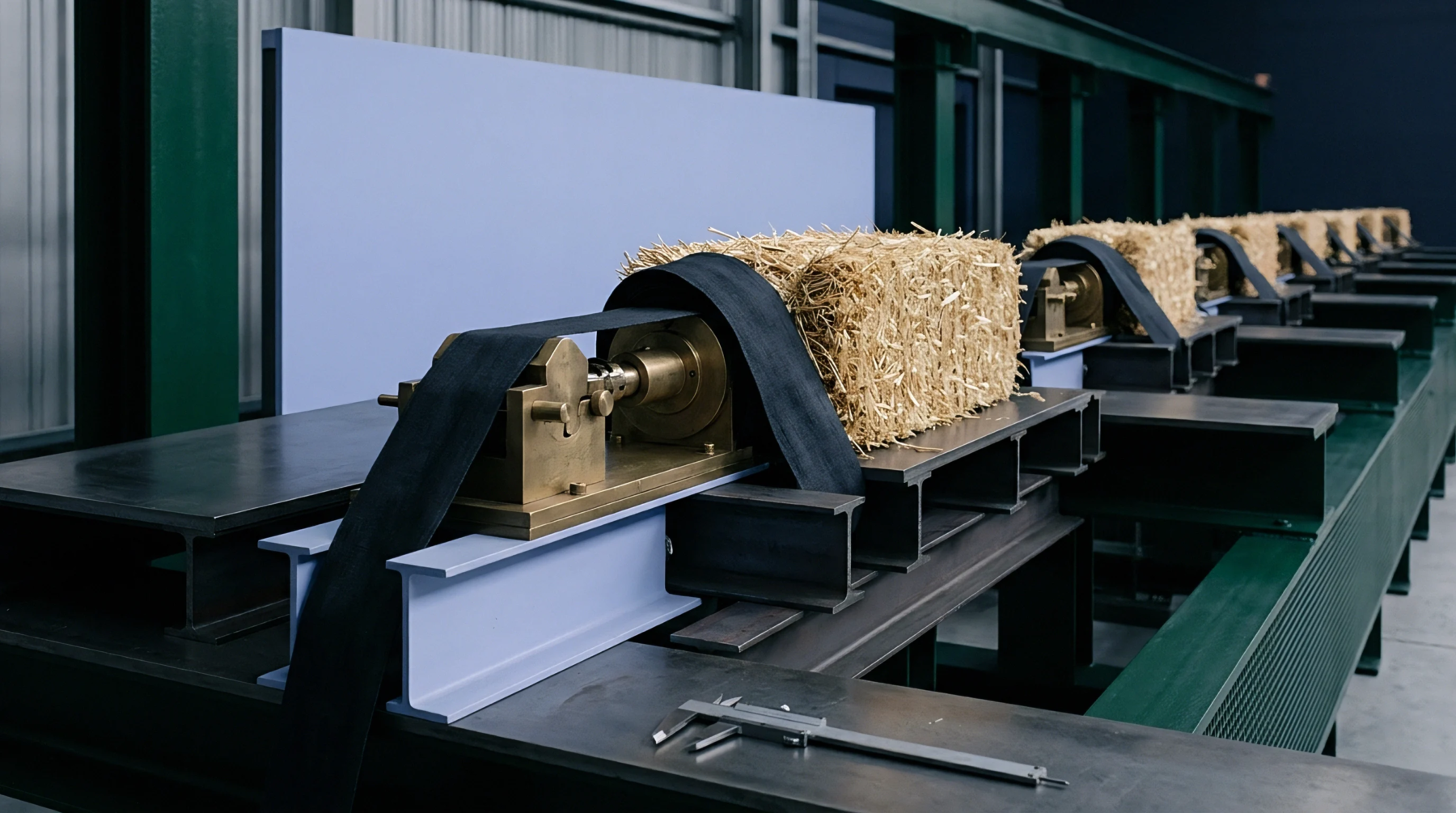
Optimizing hackling pin density and wet-spinning trough temperature stabilizes draft forces, reducing bast yarn end breakage below fifteen breaks per thousand spindle hours.

Reconciling yarn commercial weight requires subtracting extracted chemical finish mass from oven-dry weight before applying standard moisture regain factors.

Cross border flax roving settlements adjust gross package mass to bone dry fiber weight using standardized oven desiccation and contractual regain factors.
Auditing scutched flax mass balances requires converting gross delivery weights into oven-dry mass adjusted to the standard twelve percent commercial regain.

Standard moisture regain formulas adjust raw flax invoice mass by converting weighed tonnage into bone-dry weight plus contractual water allowances.

Cross-border linen audits require converting all gross transit weights to commercial dry mass under ISO 6741 and applying stage-specific chemical solubilization factors to prevent false yield variance flags.
Cellulose microfibril angle dispersion drives transverse cell wall cleavage under pin shear, reducing dressed long line flax yield by up to 16 percentage points.

Intake moisture adjustment formulas normalize raw flax straw weights to twelve percent commercial regain to maintain mass balance integrity across scutching audits.

Proving substantial transformation in cross-border linen finishing requires matching chemical mill execution dockets to exact HS tariff shift rules.

Hackling yield limits govern origin proof: one hundred kilos of scutched flax produces fifty-eight kilos of line yarn, requiring tow mass tracking.
Expertise is a utility, not a secret. sentiention™ publishes its working knowledge as open reference: intelligence layer covering the materials it sources, the markets it enters, and the reference that serves both.