Calculating Base Moisture Regain Adjustments for Flax Processing Ledgers
Base moisture regain calculations adjust raw flax bale mass to standard commercial allowances, preventing buyers from paying fibre prices for ambient water.


Hygrometry
Flax fibres absorb atmospheric vapor readily due to the arrangement of their constituent polymers. Raw flax stems consist of long crystalline cellulose chains embedded in an amorphous matrix of hemicellulose, pectins, and residual lignin. While the crystalline domains resist water, the non-crystalline regions and adjacent hemicellulose chains carry exposed hydroxyl groups.
These hydrophilic sites pull in polar water molecules through hydrogen bonding, establishing a dynamic moisture equilibrium between the fibre and surrounding air. As humidity rises in storage areas or processing halls, vapor binds to these open sites, producing measurable weight shifts in unconditioned stock.
Flax continuously absorbs moisture from the ambient air.
Tracking retained water accurately depends on distinguishing dry-basis regain from wet-basis moisture content. Processing ledgers and trade contracts rely almost entirely on moisture regain ~ the mass of water divided by the fibre’s oven-dry mass, expressed as a percentage. Agricultural harvesters and certain mill intake sensors instead measure moisture content, calculating water mass against total wet mass.
A bale with 12 kilograms of water and 88 kilograms of dry cellulose has a moisture content of 12.0 percent, but its moisture regain is 13.63 percent. Confusing these formulas in inventory tracking creates systematic accounting errors, throwing off raw material yield calculations by several percentage points over a single season.
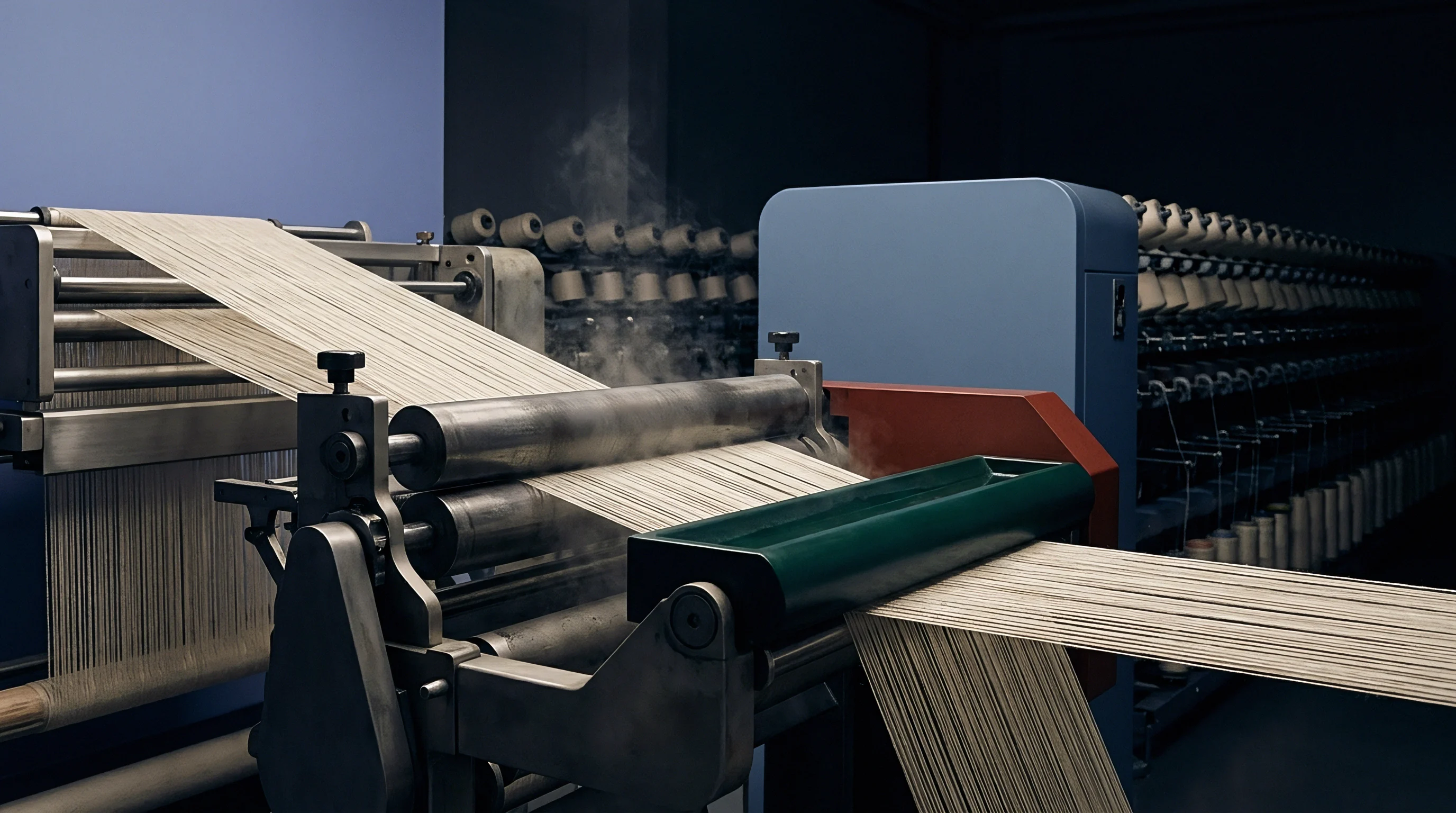
Cellular Water Binding in Bast Fiber Structure
The internal structure of scutched and hackled fibre dictates how moisture settles through the bundle. Cell walls contain microscopic channels ~ the lumen and intercellular voids ~ formed when field retting breaks down outer epidermal tissue and pectin binders. Free water condenses in these micro-capillaries once relative humidity passes 80 percent, adding liquid weight on top of the moisture bound inside the cell wall matrix.
Below 65 percent relative humidity, capillary condensation evaporates, leaving only the moisture attached to hydroxyl sites in the amorphous cell wall regions.
At standard testing conditions of 20 degrees Celsius and 65 percent relative humidity, the official commercial moisture regain allowance for scutched flax fibre is set at 12.0 percent by weight.
Desorption and absorption follow different thermodynamic paths. Flax displays marked moisture hysteresis: a bale drying down from saturation holds a higher regain percentage at a given relative humidity than a dry bale taking on moisture at that same humidity. A bale stored at 65 percent relative humidity after wet scutching may settle at 13.2 percent regain, while a dry bale moved into the same environment reaches equilibrium at only 11.5 percent regain.
Seasonal humidity shifts alter raw bale weight by up to five percent, complicating intake validation when shipments move between climate zones.

Distinguishing Regain Formulas from Moisture Content
Converting wet intake weights into standard ledger mass requires strict dry-basis arithmetic. Calculating moisture regain relies on direct gravimetric measurements taken before and after complete thermal desiccation:
Regain Percentage = ((Gross Wet Mass – Oven Dry Mass) / Oven Dry Mass) 100
When mill receiving offices take in weighbridge tickets, they must adjust gross weight to match the contracted commercial regain rate. Standard commercial regain rates vary slightly by processing stage, governed by trade bodies like the International Bureau for the Standardization of Man-Made Fibres and natural fibre trade groups. Raw scutched flax line fibre carries a standard regain allowance of 12.0 percent, whereas wet-spun yarns often use allowances adjusted for chemical treatments or sizing.
Recording raw weighbridge figures directly into ledgers without deriving true dry mass introduces artificial weight variances that distort spinning yield audits.
European scutchers often maintain that weight gains recorded during maritime transit represent ambient equilibrium rather than intentional conditioning before the weighbridge.


Swell
Mass shifts carry through every mechanical stage of flax preparation, from breaking field-retted straw to final yarn winding. As straw passes through breaking and scutching turbines, woody core fragments called shives split away from long bast fibre bundles. Shives absorb water at different rates than bast cellulose, setting up localized moisture gradients inside unconditioned bales.
In humid scutching facilities, high ambient regain inflates initial bale weights, masking true yield until the material reaches dry hackling rooms and the excess water evaporates.

Mass Fluctuation across Scutching and Hackling Stages
Hackling mills comb scutched line flax into parallel slivers, producing short-fibre tow as a co-product. Mechanical friction during hackling generates heat, driving off surface moisture and dropping the output sliver’s weight relative to the input line flax. Without automated climate control to hold relative humidity steady, stored sliver rolls lose mass through evaporation.
Tracking damp input flax against sliver weighed in dry air creates false processing losses, misattributing evaporated water to mechanical fibre waste.
Unaccounted water inflates inventory ledger balances.

Process Water Retention in Wet Spinning Mills
Wet spinning mills introduce water directly into the fibre structure to aid drafting. Roving strands run through water baths heated to roughly 60 to 70 degrees Celsius, softening residual pectin bonds between ultimate fibres so they slide smoothly. After ring spinning, wet bobbins carry regain levels from 30 percent to over 50 percent of dry mass.
Industrial radio-frequency dryers or thermal tunnels remove this process water, but uneven drying can leave damp bobbin cores, distorting spool weights if weighed immediately.
Ignoring moisture equilibrium variances between processing steps introduces serious errors into inventory management:
- Unadjusted Intake Balances accept weighbridge figures as pure fibre mass, paying full price for absorbed rainwater.
- Uncalibrated Stage Ledgers count natural evaporation during hackling as physical waste, distorting scutcher yield metrics.
- Premature Bobbin Weighing logs yarn inventory before drying packages reach equilibrium, artificially inflating stock balances.
- Inconsistent Batch Reconciliation combines dry-spun tow ledgers with wet-spun line yarn stock without normalizing regain rates across lot records.
Actual dry cellulose mass remains constant despite surface changes.
Failing to normalize moisture across process transfers creates major ledger discrepancies, leading to inventory write-downs when damp yarn packages lose weight in storage before shipment.
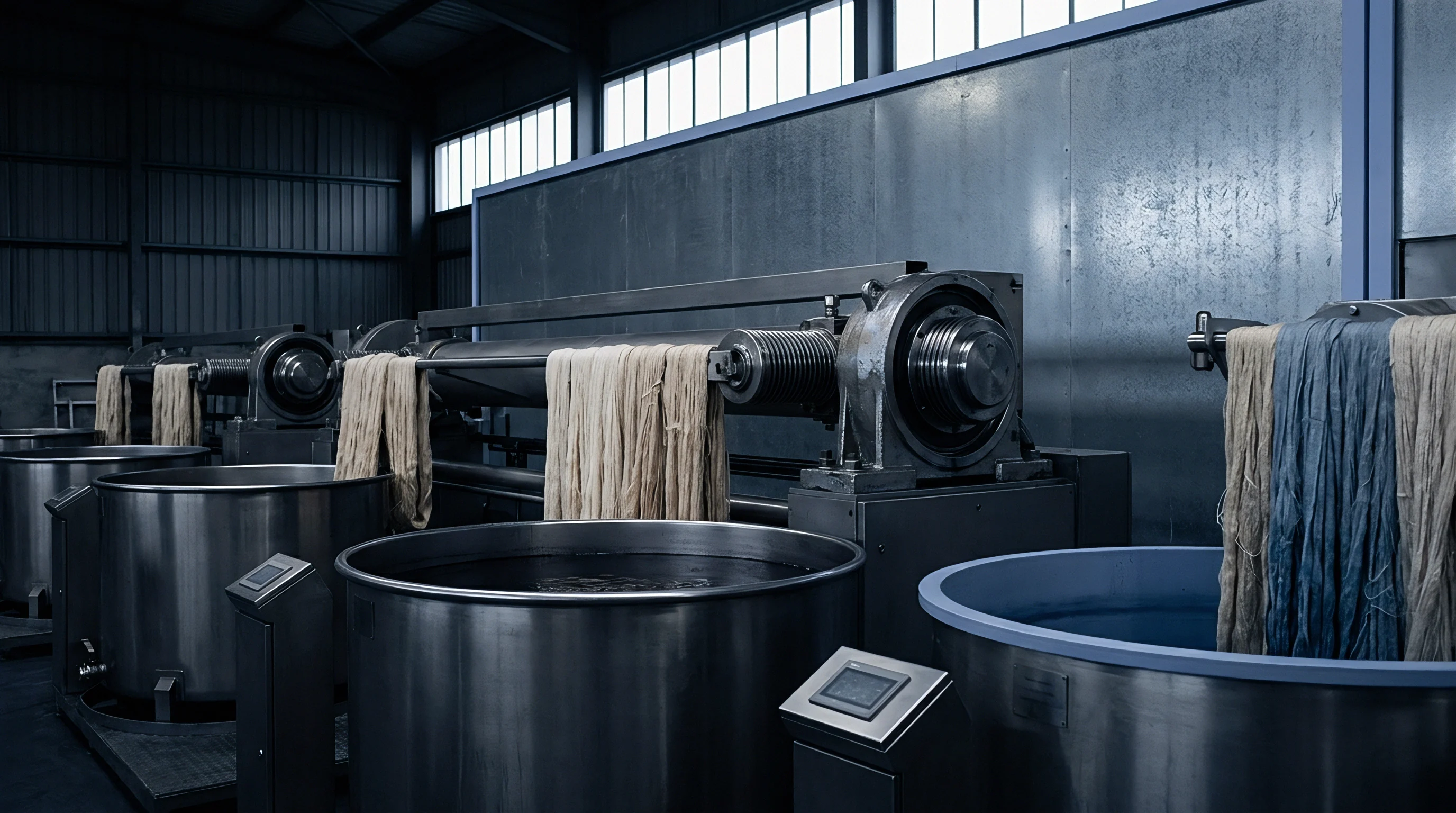
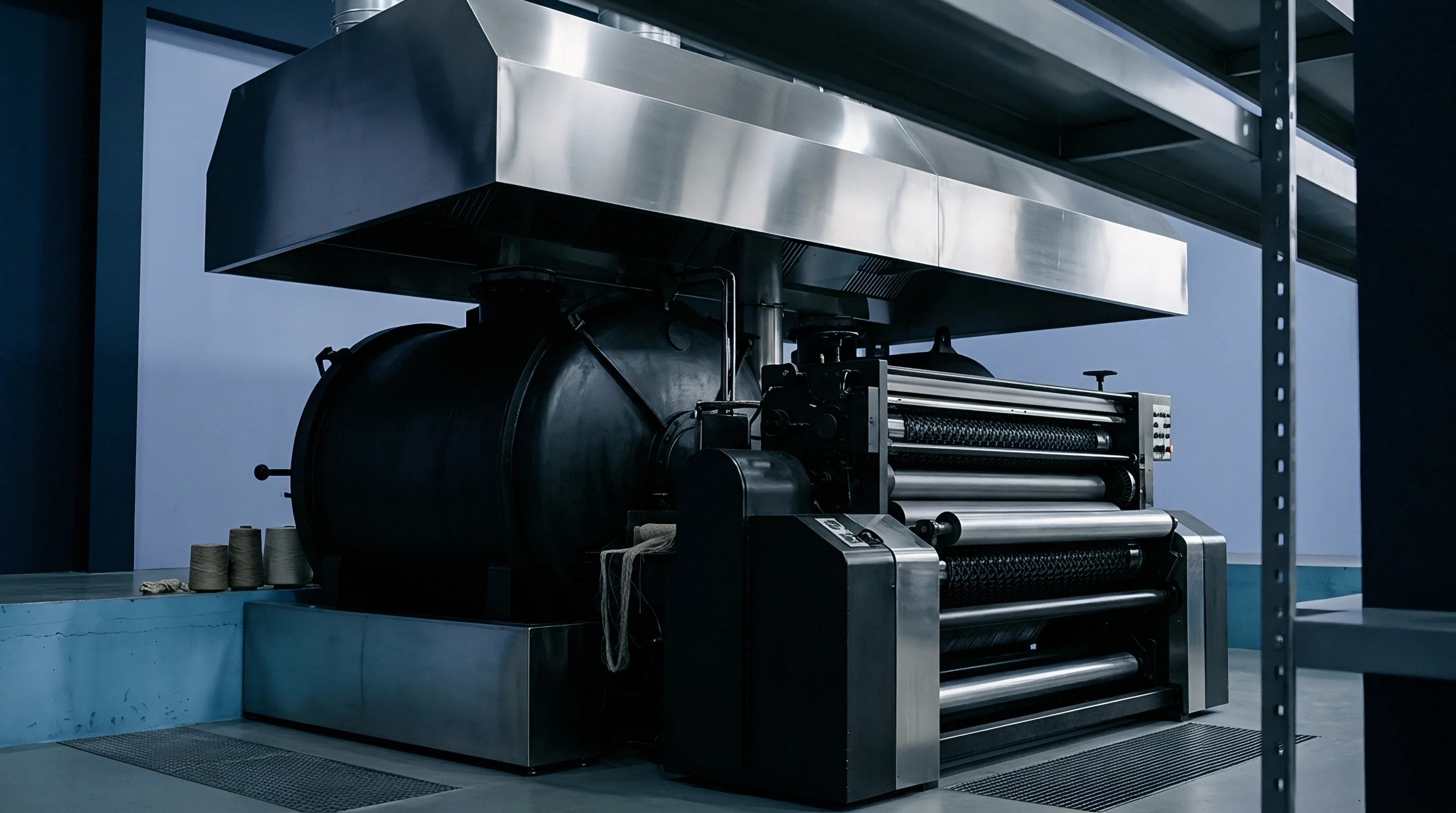
Correction
Mathematical adjustments create commercial mass parity across supply chains by stripping out water weight variations. Standards like ISO 6741-1 and ASTM D1909 set the protocols for converting measured gross weights into standardized invoice weights. Applying gravimetric correction factors to intake records isolates dry fibre mass, ensuring contract payments cover actual fibre rather than weather-driven moisture shifts.

Standardized Equations for Commercial Mass Settlement
Calculating official commercial mass requires finding the oven-dry mass of a representative sample and applying the standard regain allowance for that fibre grade. The standard equation is:
Commercial Mass = Oven Dry Mass (1 + (Standard Commercial Regain / 100))
When lab testing measures actual regain directly from fresh bale samples, buyers can derive corrected commercial mass from actual wet mass without drying every lot, using the normalized equation:
Corrected Mass = Actual Mass ((100 + Standard Regain) / (100 + Actual Measured Regain))
If a delivery of hackled flax arrives at 14.5 percent measured regain against a contract baseline of 12.0 percent, the weight correction factor is 112.0 divided by 114.5, or 0.97816. Multiplying gross delivery mass by this factor reduces billed mass by 2.18 percent, removing excess water before posting to inventory.

Worked Calculations for Fiber Ledger Weight Adjustments
Take a 20,000-kilogram consignment of raw scutched flax line fibre shipped from Western Europe to an Asian spinning mill. The invoice shows a gross landed weight of 20,000 kilograms at 4.50 Euros per kilogram. Core sampling at the receiving dock shows an average moisture regain of 15.2 percent due to ocean transit humidity, against the standard commercial baseline of 12.0 percent.
| Processing Stage | Standard Regain Allowance (%) | Typical Dock Regain Range (%) | Primary Water Retention Mechanism |
|---|---|---|---|
| Raw Scutched Line | 12.0 | 10.5 – 15.5 | Cell wall hydroxyl binding and surface pore absorption |
| Hackled Sliver | 12.0 | 10.0 – 13.5 | Fibre bundle core equilibrium after mechanical friction |
| Combed Tow Fibre | 12.5 | 11.0 – 16.0 | Disorganized short fibre entanglements trapping vapor |
| Wet Spun Grey Yarn | 12.0 | 11.5 – 14.5 | Residual bath moisture within tightly twisted yarn matrix |
| Boiled Bleached Yarn | 10.5 | 9.0 – 12.0 | Altered cellulose structure from chemical scours |
Determining the true commercial weight starts by isolating dry cellulose mass. At 15.2 percent measured regain, every 115.2 kilograms of wet fibre holds 100.0 kilograms of dry fibre. Dividing 20,000 kilograms by 1.152 yields an oven-dry fibre mass of 17,361.11 kilograms.
Applying the standard 12.0 percent commercial regain allowance gives the adjusted commercial weight: 17,361.11 kilograms multiplied by 1.120 equals 19,444.44 kilograms. The buyer adjusts the intake ledger down from 20,000 kilograms to 19,444.44 kilograms, deducting 555.56 kilograms of water weight.
Adopting ISO 6741 commercial allowance terms shifts the financial burden of transit moisture absorption back to the billing spinner.
Fluctuations in ambient humidity alter the physical mass of stored bales.
| Measured Regain (%) | Calculated Dry Mass (kg) | Commercial Billed Mass (kg) | Ledger Adjustment (kg) | Invoice Settlement Value (EUR) |
|---|---|---|---|---|
| 10.0 | 18,181.82 | 20,363.64 | + 363.64 | EUR 91,636.38 |
| 12.0 (Baseline) | 17,857.14 | 20,000.00 | 0.00 | EUR 90,000.00 |
| 14.0 | 17,543.86 | 19,649.12 | – 350.88 | EUR 88,421.04 |
| 15.2 (Dock Test) | 17,361.11 | 19,444.44 | – 555.56 | EUR 87,500.00 |
| 16.5 | 17,167.38 | 19,227.47 | – 772.53 | EUR 86,523.62 |
Without this regain adjustment, the buyer would pay 90,000.00 Euros for the shipment. With the correction applied, the invoice value comes to 19,444.44 kilograms multiplied by 4.50 Euros, giving a final payable total of 87,500.00 Euros ~ saving 2,500.00 Euros on trapped water.
Standard sales contracts for raw flax stipulate that billed weights adjust to ISO 6741-1 commercial regain allowances whenever receiving dock core tests differ by more than 0.5 percent from the invoice declaration.


Store
Warehouse storage conditions directly affect inventory weights on mill ledgers. Unheated facilities expose raw flax bales to seasonal weather shifts, drawing in moisture during humid winters and losing it in dry summers. A mill storing 500 metric tonnes of line flax in an unconditioned building can see inventory fluctuate by up to 20 metric tonnes over a single year.

Why Do Consignments Shift Mass during Maritime Transit?
Ocean containers cross severe temperature and humidity gradients in transit. Ships running tropical routes expose containerized bales to heavy atmospheric moisture. Water evaporates from warm outer layers and condenses against cool container walls, creating damp spots inside bales.
At destination ports, container tare weights stay unchanged, but the fibre inside weighs more on the weighbridge because of absorbed vapor.
Official commercial invoices record standardized commercial mass rather than raw weight.

Warehouse Environmental Controls and Ledger Reconciliation
Keeping warehouse inventory records stable requires climate control or applying atmospheric correction factors during periodic stock counts. Modern raw material stores keep bay conditions around 60 percent relative humidity and 20 degrees Celsius, stopping stored bales from shifting off their intake weight. Where full HVAC control is too costly, inventory managers run regular moisture tests on sample bales across warehouse bays, adjusting recorded stock against dry-basis standard regain rates.
Auditing an incoming container of flax bales follows a set sequence:
- Record gross container weight at the receiving gate before unsealing.
- Weigh the empty container after unloading to determine net delivered mass.
- Extract core samples from at least ten percent of randomly selected bales per lot using calibrated drills.
- Weigh sample cores on sealed electronic balances within three minutes to prevent evaporation.
- Run oven desiccation tests to establish dry fibre content and calculate true lot regain percentage.
- Adjust intake ledger entries to reflect standardized commercial mass based on verified lab results.
Testing bone-dry sample mass establishes the true dry weight of the lot.
Raw flax stored in unconditioned warehouses mirrors ambient atmospheric humidity far faster than packed yarn on cones.
Raw fibre kept in ventilated warehouses eventually settles at local equilibrium moisture regain, regardless of where its moisture stood at harvest.

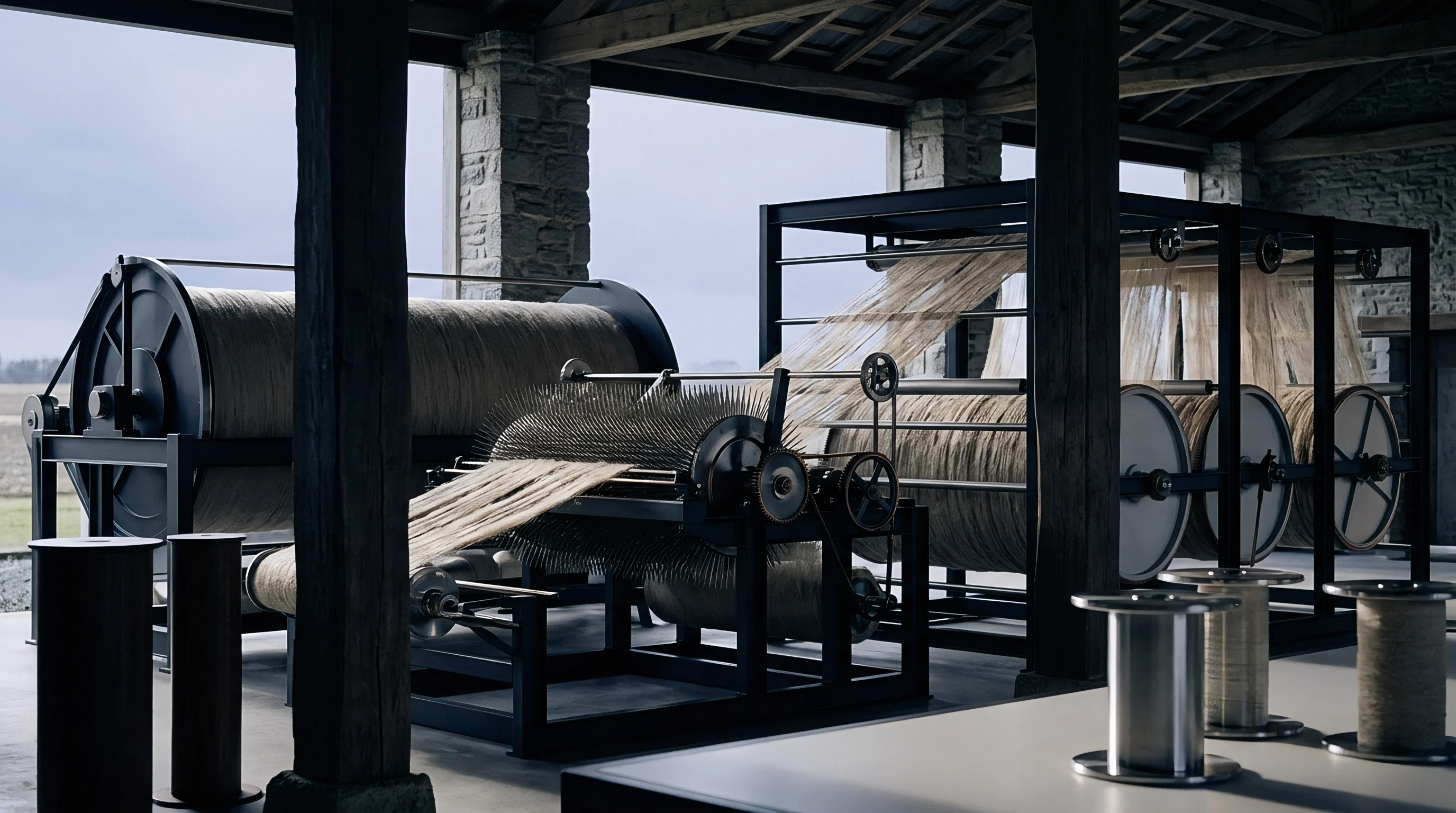
Bench
Laboratory testing provides the physical data needed to resolve regain disputes between scutchers, spinners, and trading houses. Forced-draft oven drying under ISO 6741 serves as the primary standard for determining moisture regain in textile fibres. Ledger models are calibrated against certified laboratory desiccation tests to establish accurate dry mass figures before settlement.

Oven Drying Procedures and Bone Dry Calculations
Gravimetric oven drying involves heating representative fibre samples to 105 degrees Celsius (plus or minus 2 degrees) until successive weighings show no further weight loss. Test protocols require taking samples from multiple bale depths to avoid bias from dry outer layers or damp cores. Specimens are placed in ventilated weighing containers, dried in the oven, and weighed while hot or cooled in a desiccator before final balance reading.
Unconditioned fibre bales readily absorb moisture when exposed to humid air.
Calculating true dry mass requires subtracting container tare weight and applying temperature correction factors if weighings take place inside an active oven chamber. Once bone-dry mass is set, analysts apply standard commercial regain percentages to determine final settlement weight. Errors during drying ~ like cutting oven time short or overheating non-cellulosic pectins ~ distort the dry mass calculation and throw off ledger adjustments.

Instrument Calibration for Rapid Moisture Audits
Receiving docks need fast, non-destructive tools to clear incoming trucks without waiting hours for oven tests. Handheld electronic meters measure electrical resistance or dielectric capacitance through steel probes inserted into compressed bales. Because conductivity changes with temperature, salt content, and bale density, electronic meters require regular calibration against gravimetric oven tests on identical fibre lots.
| Methodology | Standard Reference | Test Duration | Accuracy Range (%) | Primary Operational Use Case |
|---|---|---|---|---|
| Forced Draft Oven Drying | ISO 6741-1 / ASTM D2654 | 2 – 4 Hours | +/- 0.10 | Definitive arbitration standard for invoice adjustments |
| High Frequency Capacitance | Internal Mill Standard | 30 Seconds | +/- 0.75 | Rapid receiving dock screening for incoming bale trucks |
| Electrical Resistance Probe | ASTM D2495 Calibration | 1 Minute | +/- 0.50 | Warehouse lot sampling and stack equilibrium monitoring |
| Infrared Thermal Desiccation | ISO 6741-2 Modified | 15 – 30 Minutes | +/- 0.25 | Spinning room roving and sliver line quality checks |
Field retting breaks down pectin binders, opening internal microscopic voids in the fiber.
Reliable laboratory quality assurance depends on strict sampling rules so test specimens represent the entire shipment:
- Core Extraction Depth must reach at least 400 millimeters into compressed bales to bypass surface evaporation layers.
- Specimen Packaging Protocols require sealing core samples in airtight foil laminate bags immediately after extraction.
- Atmospheric Standard Verification mandates maintaining test room conditions at 20 degrees Celsius and 65 percent relative humidity per ISO 139.
- Instrument Calibration Curves require monthly recalibration against gravimetric oven standards using local crop samples.
Residual cell wall pectins retain bound water molecules within the fiber matrix.
Moisture regain discrepancies between origin scutching yards and destination spinning mills distort raw material yield accounting.
Which secondary volatile chemical compounds evaporate from field-retted straw during 105-degree oven desiccation to introduce minor systematic errors into dry mass measurement?
Invoice
International trade contracts for scutched flax and linen yarn rely on clear moisture regain clauses to head off commercial disputes. Invoices listing net delivered weight without explicitly setting baseline regain rates leave buyers paying fibre prices for ambient water. Standardized agreements explicitly incorporate international trade terms, specifying regain factors, testing agencies, and deduction formulas.

Integrating Regain Adjustments into Commercial Contracts
Procurement contracts specify that delivered weights are automatically adjusted based on receiving dock moisture tests. Contracts typically set a neutral tolerance band of plus or minus 0.5 percent around the standard 12.0 percent commercial regain allowance. If dock tests show actual regain within this band, billed mass stands.
If regain exceeds the upper threshold, the seller absorbs a pro-rata price reduction calculated with standard mass correction equations.
Evaluating settlement accounts with standard regain values rather than uncorrected gross weights protects landed cost targets across variable supply chains.

Dispute Resolution for Billed Mass Discrepancies
Disputes over billed weight usually happen when seller loading weights differ from buyer receiving weights due to moisture shifts in transit. Resolving them requires independent laboratory reports run on sealed core samples taken at arrival. If the destination lab finds incoming bales at 15.0 percent regain while the invoice billed the lot at 12.0 percent based on dry harvest weights, the settlement ledger applies a negative adjustment to correct the difference.
Applying standardized regain baselines stabilizes international commercial trade.
Integrating regain adjustments into enterprise resource planning software ensures inventory valuations reflect commercial mass rather than fluctuating bale weights. Accounting systems adjust purchase order receipts directly from dock lab inputs, updating cost-per-kilogram figures before finance releases vendor payments. This link maintains clean material ledgers across scutching, spinning, and weaving modules.
Moisture regain calculations directly dictate the final landed cost of raw fiber.
Customs authorities inspecting cross-border shipments of raw bast fibres base tariff valuations on standardized commercial weight rather than uncorrected gross mass. When import declarations list gross bale weights without showing moisture adjustment calculations, customs auditors may assess duties on wet weighbridge data, raising tariff liabilities for importing mills. Modern trade dossiers include gravimetric test receipts, core sample logs, and regain adjustment ledgers to comply with international customs standards.