Gravimetric Measurement
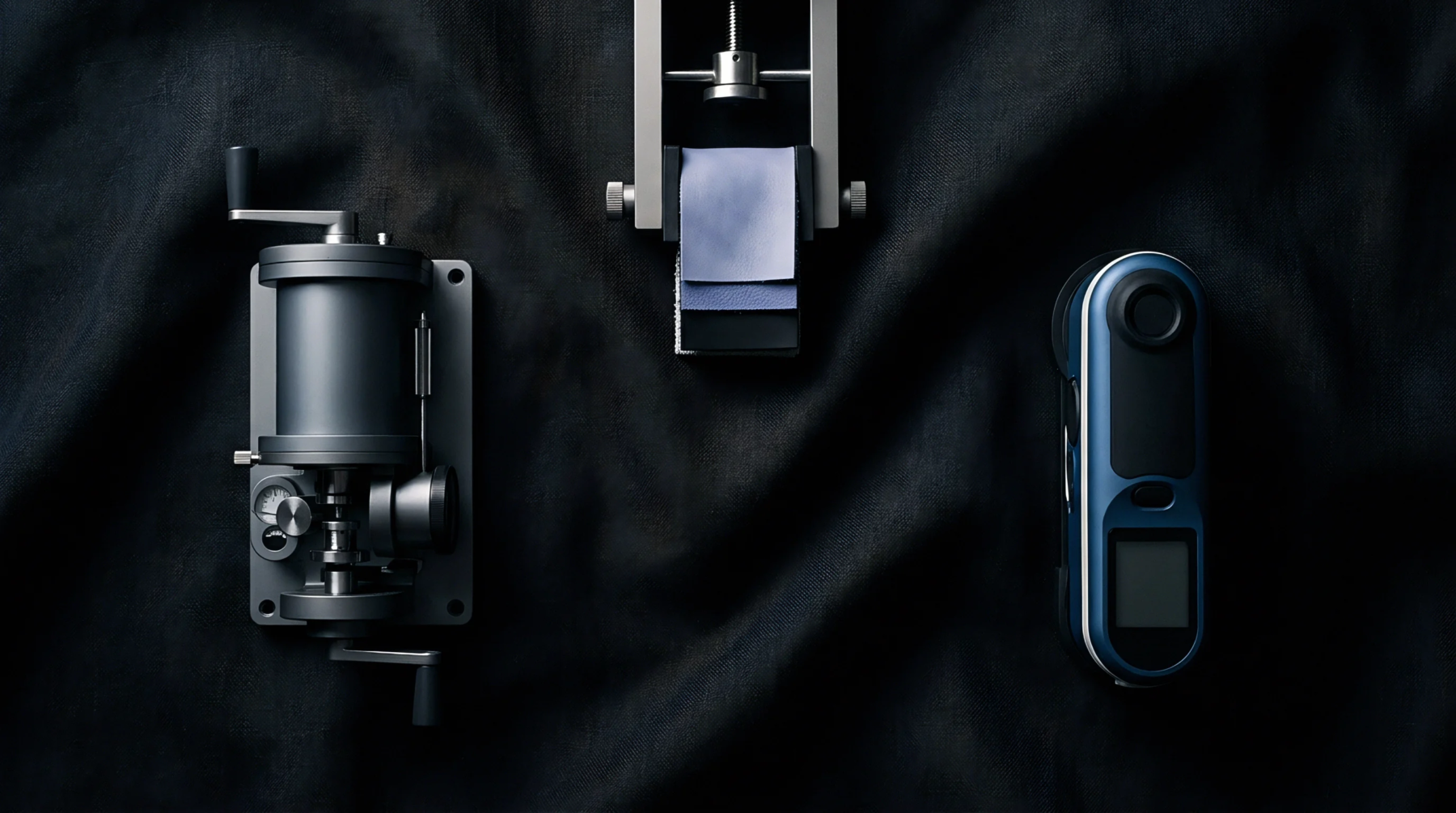
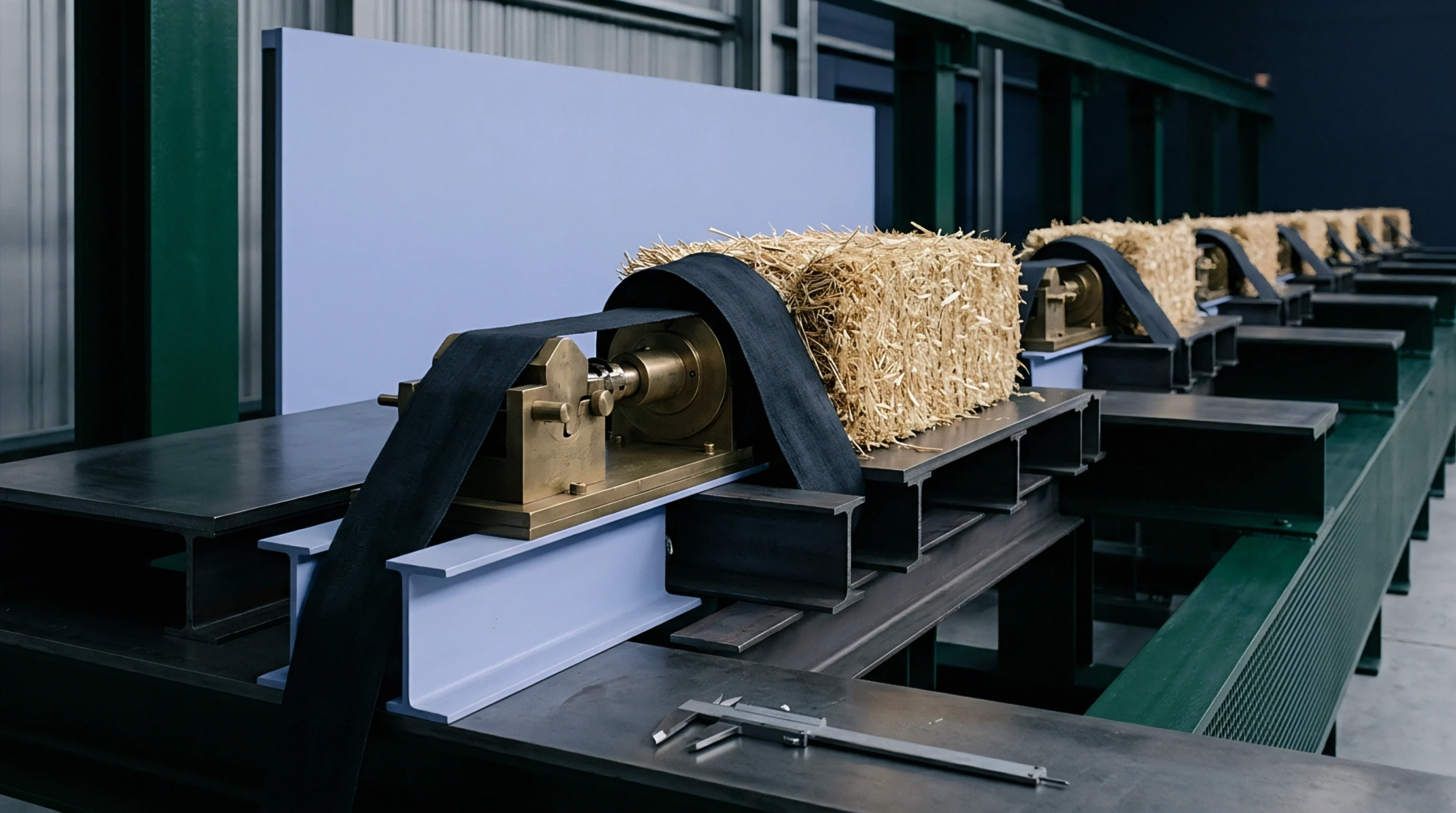
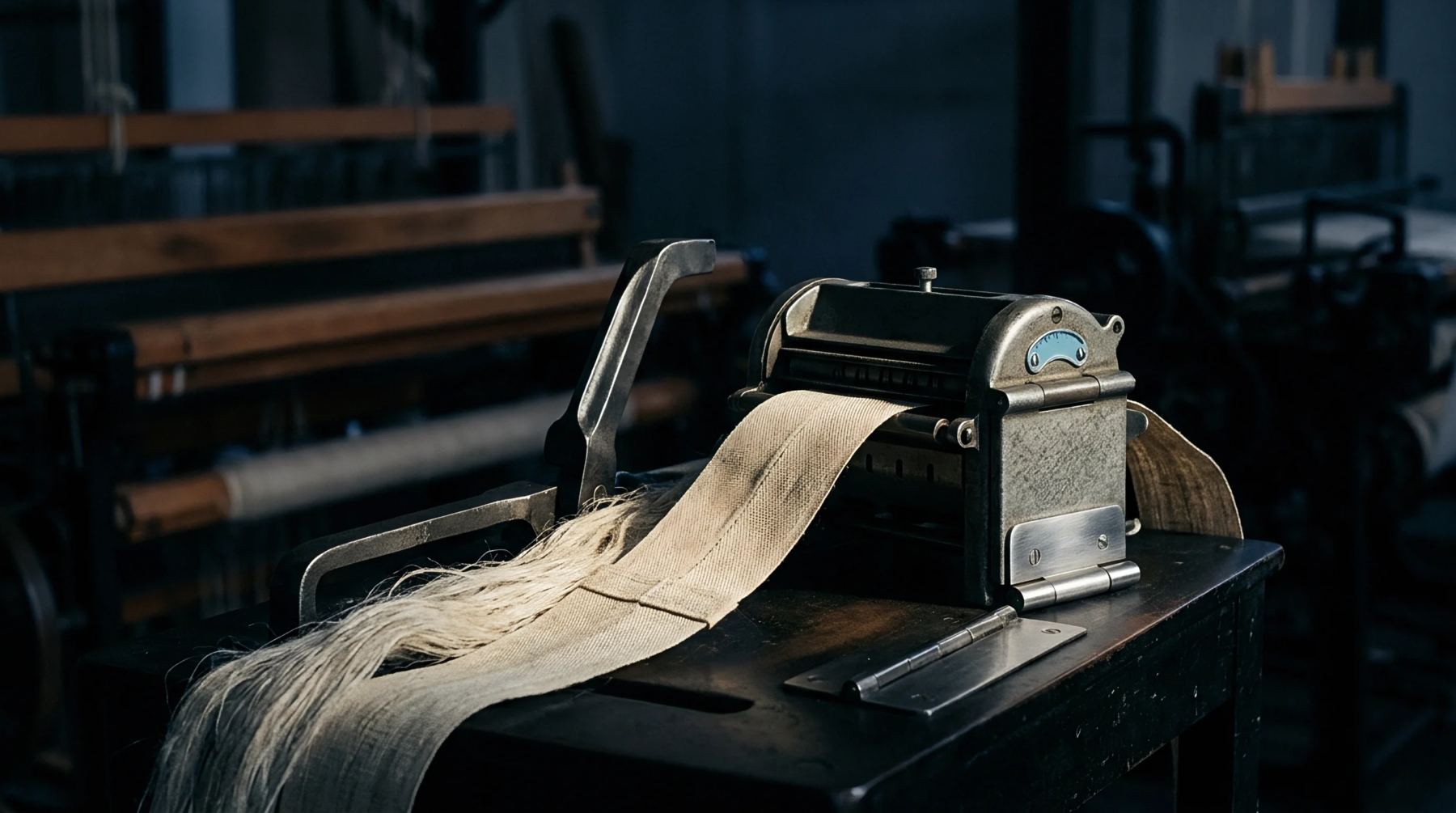
Direct determination of linear mass density across textile assemblies through manual length measurement and analytical mass evaluation constitutes the cut and weigh method. Applied widely across flax drafting stages, the technique measures the mass per unit length of drawn slivers, rovings and finished yarn packages. Operators excise an exact predetermined segment of the linear material using calibrated steel gauges, rotating measuring drums or guillotine cutters before weighing the sample on a high-precision balance.
The resulting ratio yields the standard linear density expressed in kilotex, tex or metric count. The protocol establishes an absolute physical baseline that avoids the air-permeability assumptions and dielectric calibrations required by automated electronic testers.
Laboratory Operation
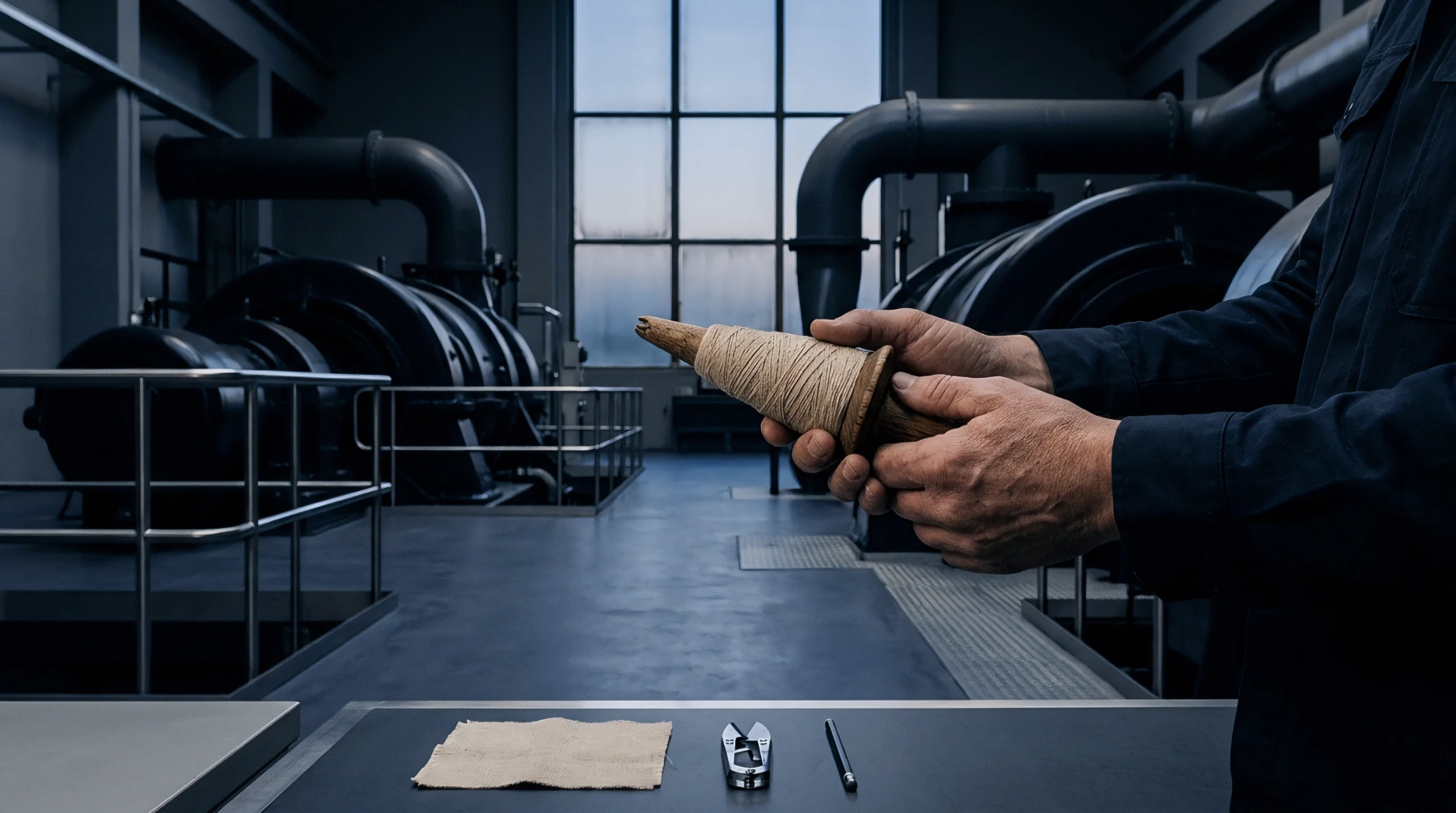
Execution of the cut and weigh method in a linen mill requires environmental conditioning according to commercial standard atmospheres to stabilize natural moisture regain. The technician reels a designated length of drawing sliver or wet-spun yarn, commonly one meter for slivers or one hundred meters for yarns, and severs the ends with a surgical blade against a rigid guide. Care is exercised to prevent mechanical stretching or structural untwisting, both of which distort the true length measurement of slippery bast bundles.
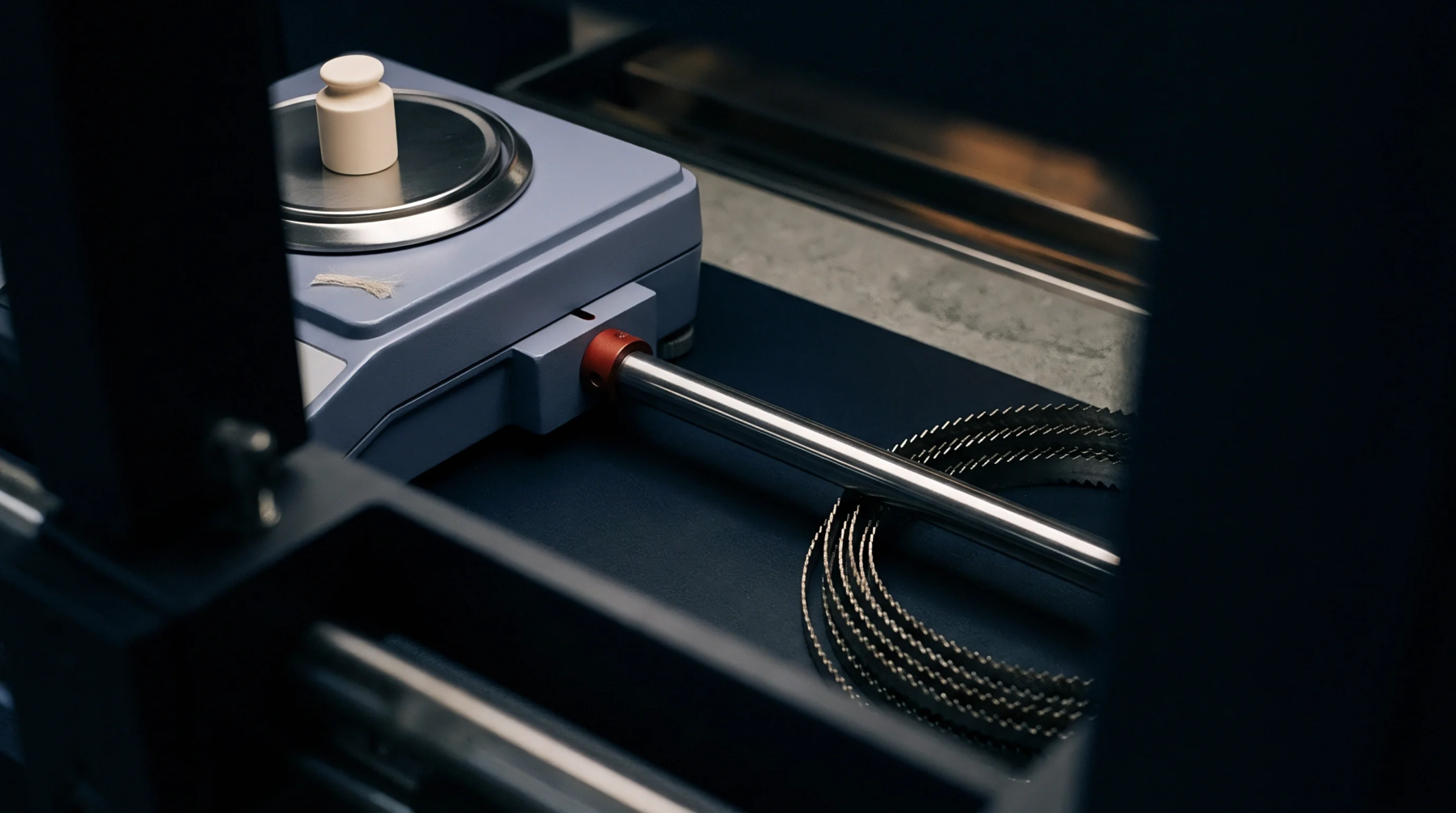
Gravimetric measurements are recorded immediately on digital balances with milligram resolution to capture the actual weight before the ambient air alters sample hydration. If chemical residues or sizing agents reside on the fibers, oven drying determines the moisture-free base weight, onto which legal commercial allowances are mathematically applied. The measurement forms the cornerstone of daily machine verification.
Drafting gear changes, doubling ratios and draw frame attenuation settings are adjusted based directly on these numbers.
Mill Acceptance
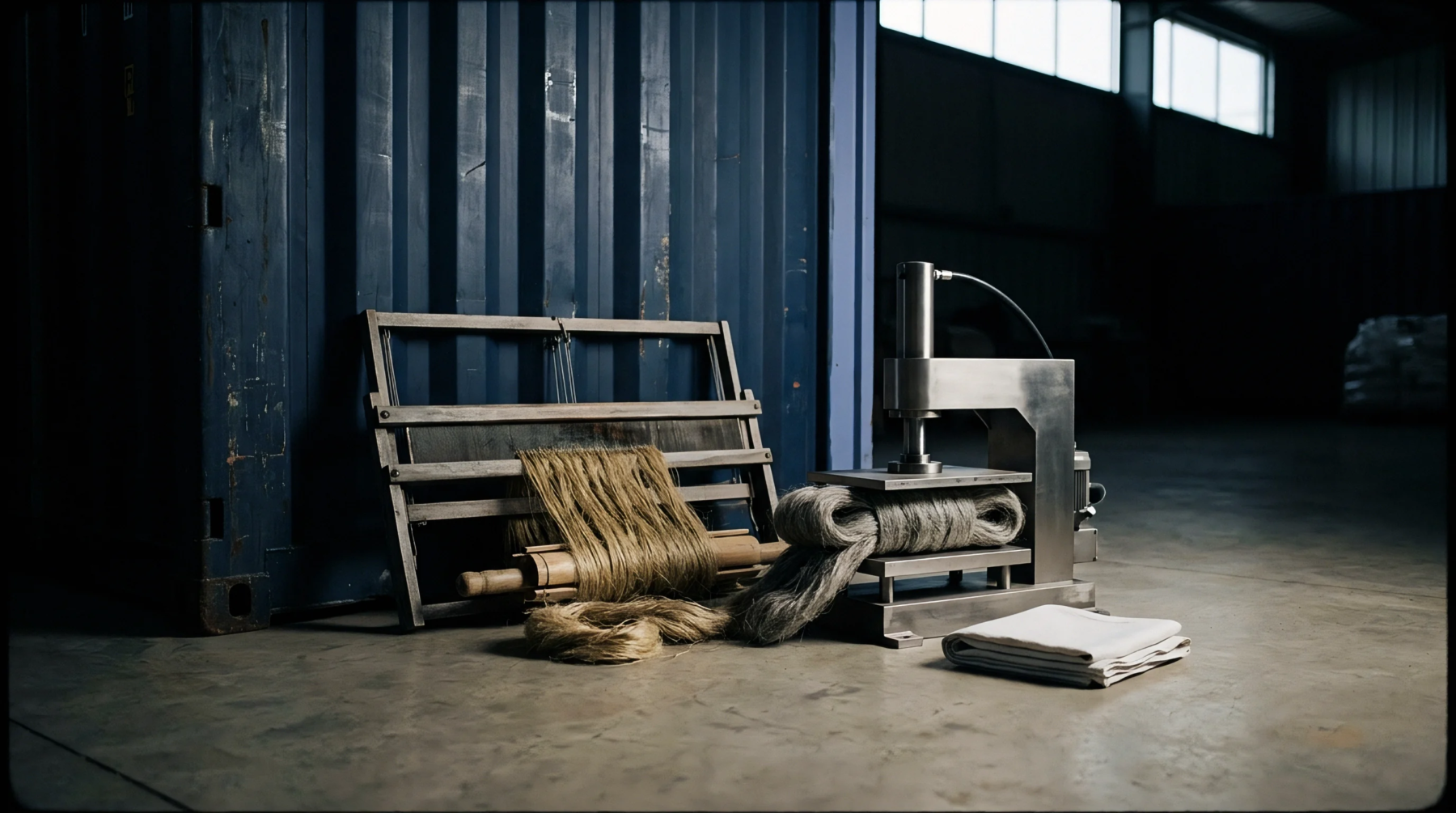
Industrial facilities incorporate the cut and weigh method into standard quality agreements between spinning departments and weaving sheds. Process verification sheets archive the routine cut weights from every draw frame delivery head to track long-term mass drift and prevent cross-package yarn count irregularities. Spinning managers rely on this baseline test because optical and capacitive sensors often misinterpret the irregular cross-sectional shape and rough lateral hairiness characteristic of linen bundles.
The testing protocol ceases to yield reliable results when samples display high internal twist or non-linear crimp, since accurate linear length measurement becomes compromised without tension control. The cut and weigh method provides the verified mass foundation for commercial transaction billing and technical batch conformity.