Weft Delivery
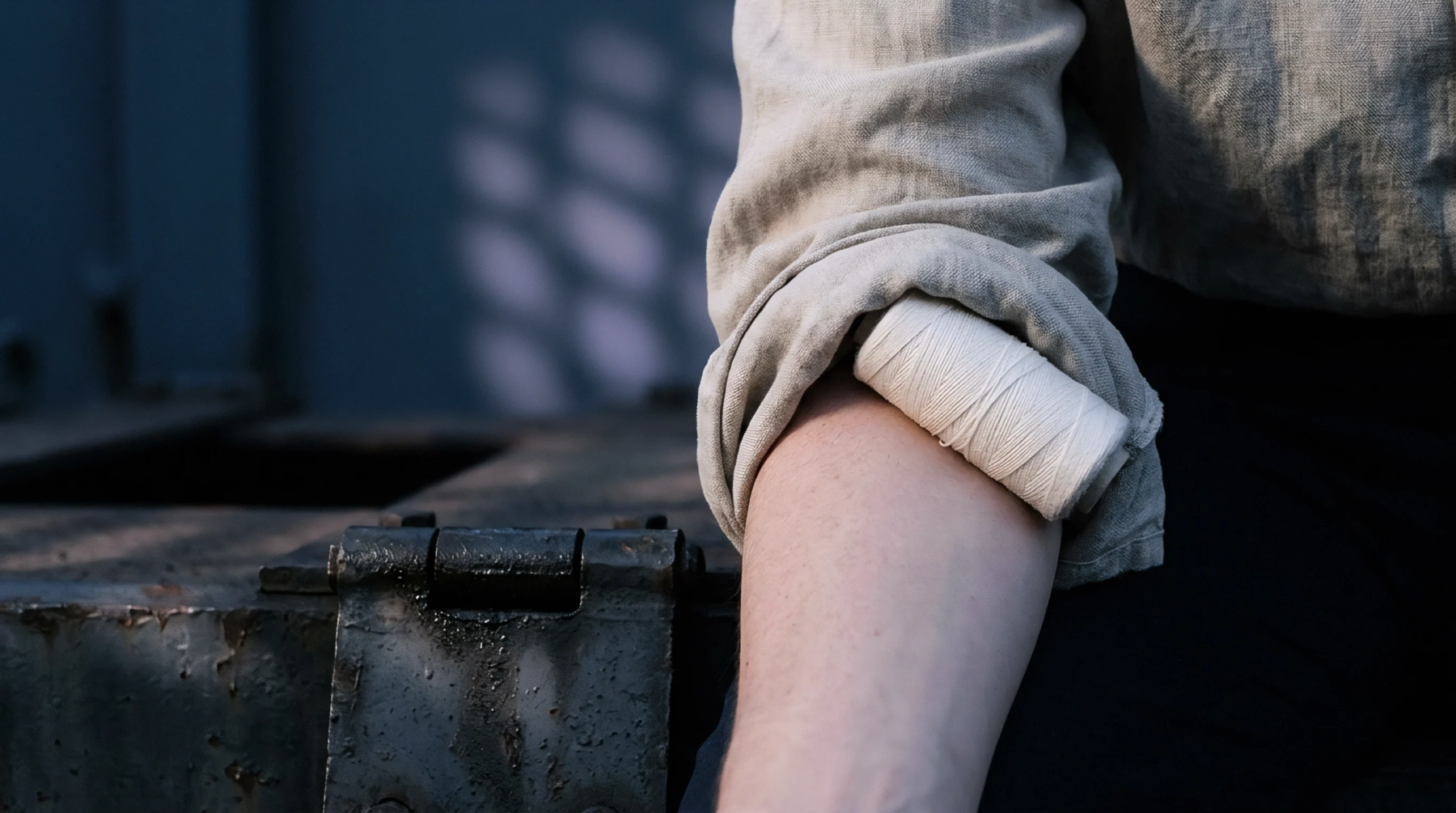
Weaving mechanisms rely on the rapid transport of crosswise yarn through the longitudinal warp shed to create woven fabrics. The process of filling insertion varies depending on the loom technology, utilizing rapier or air-jet systems. For linen fabrics, which feature relatively stiff yarn with irregular thickness, managing the insertion velocity is necessary to prevent yarn breakage.
Tension Management
Shedding and beat-up phases must synchronize perfectly with the delivery of the weft yarn to avoid structural defects. High tension during filling insertion can fracture the less elastic flax yarns, which in turn halts the loom and reduces weaving productivity. Weaving mills regulate the tension profile using electronic pre-winders that release the yarn smoothly during the insertion cycle.
This control is necessary for maintaining a consistent fabric width and avoiding uneven selvages in the finished linen, which would otherwise lead to high waste rates during garment cutting.
Fabric Density
Pick counts per centimetre are governed by the rate of warp let-off relative to the speed of the weft delivery. If the filling insertion behaves inconsistently, the resulting fabric will display banding or thick bars. Standard quality audits test for these defects to guarantee the linen cloth meets the aesthetic and structural requirements of the buyer.