
Synthetic Harness Cord Hysteresis under Cyclic Shedding Loads
Viscoelastic cord elongation under rapid shedding cycles distorts shed geometry, demanding braided aramid lines with controlled pre-stretching.
Viscoelastic cord elongation under rapid shedding cycles distorts shed geometry, demanding braided aramid lines with controlled pre-stretching.

Point-of-delivery shed conditioning stabilizes bast fiber regain at ten percent, preventing warp cleavage and raising high-speed rapier efficiency past ninety percent.

Chinese linen weaving allocation hinges on booking rapier capacity around seasonal crunches and sizing constraints rather than generic yardage purchasing.
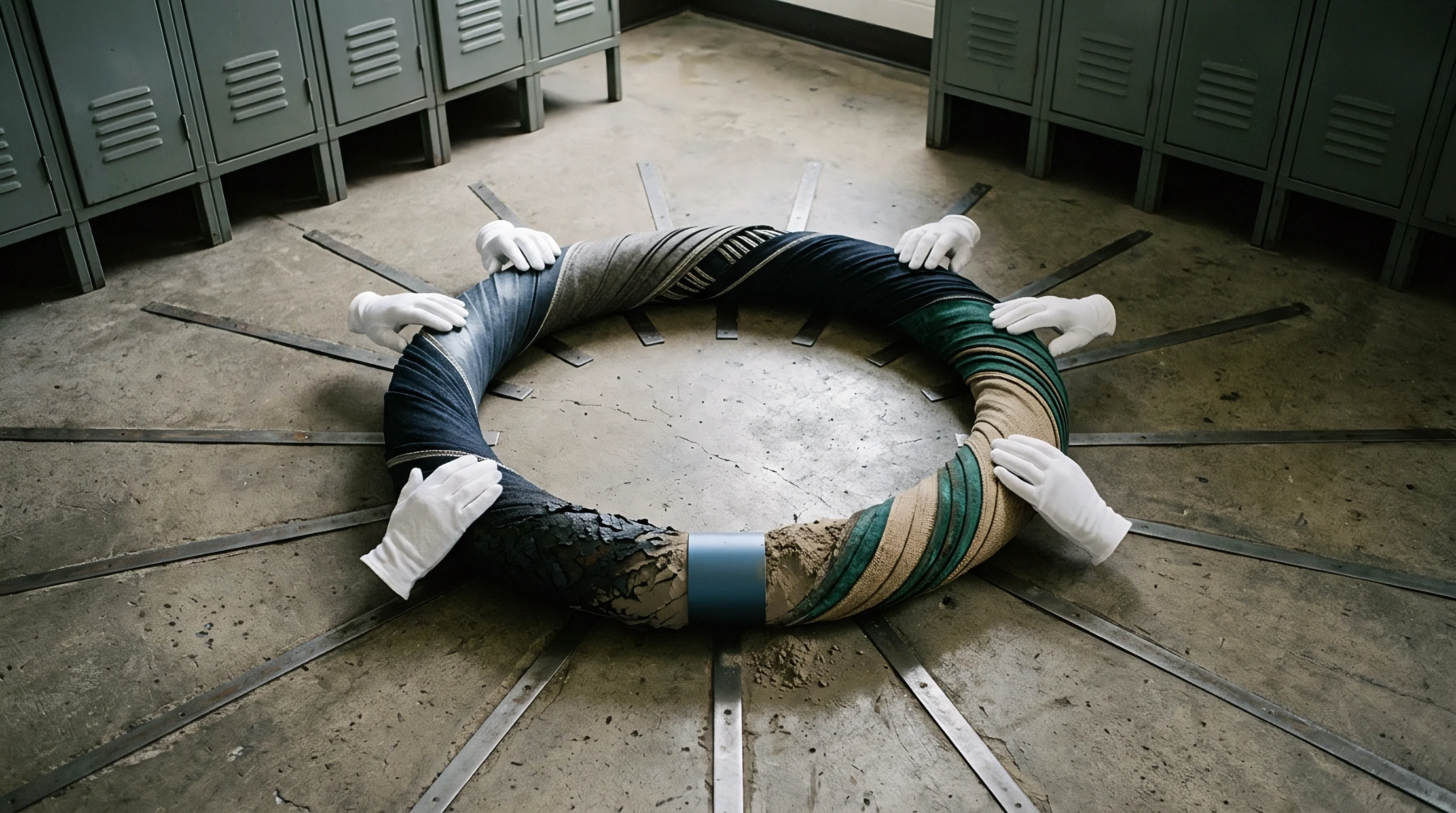
Calculated warp break frequency in sized ring linen requires modeling dynamic loom stress and yarn flaws, where optimal sizing limits stops below 2 per 100k picks.
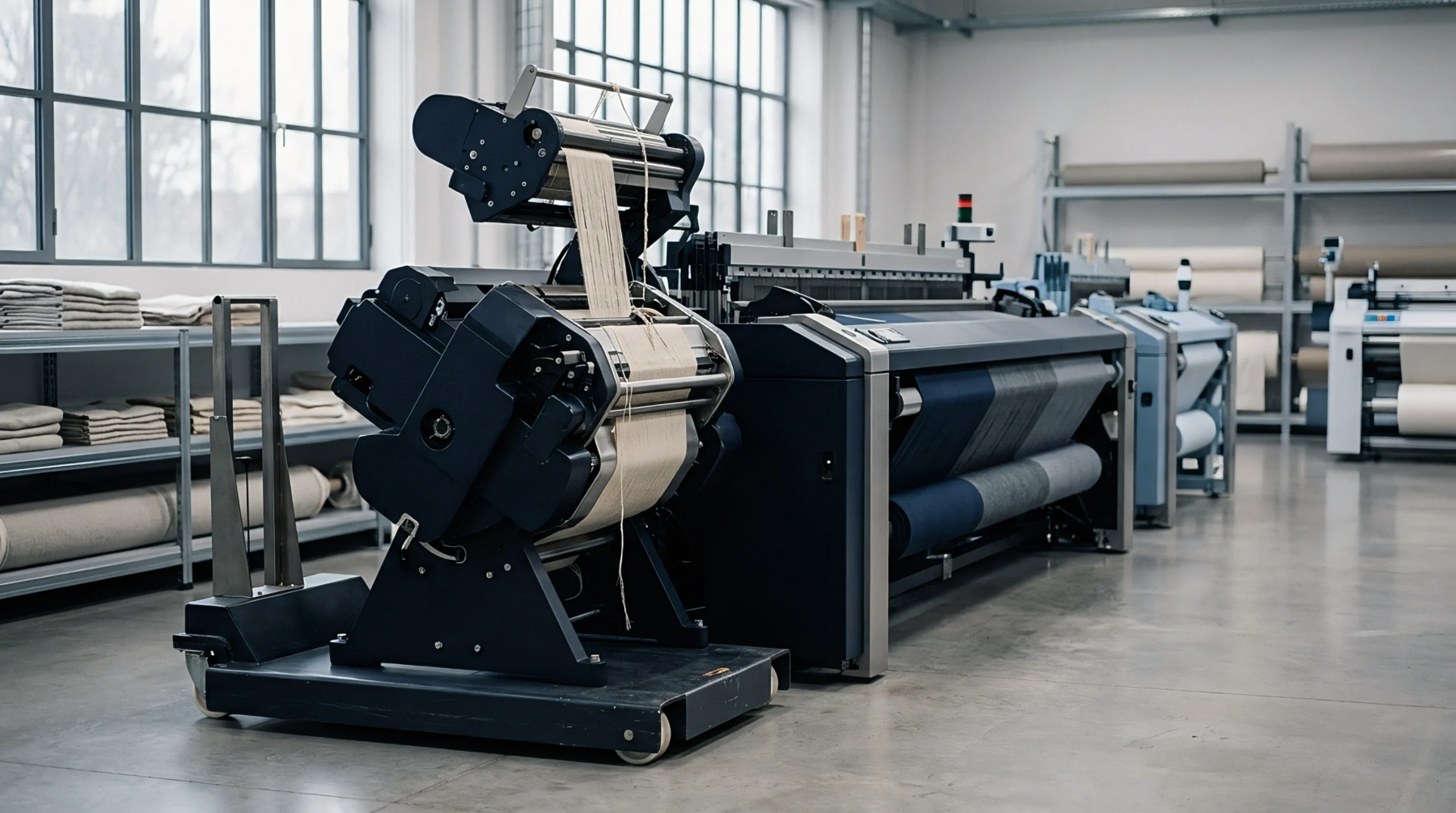
Dynamic viscoelastic hysteresis induces middle lamella shear slip, causing warp slack and fabric defects unless machine kinematics and sizing mitigate tension spikes.
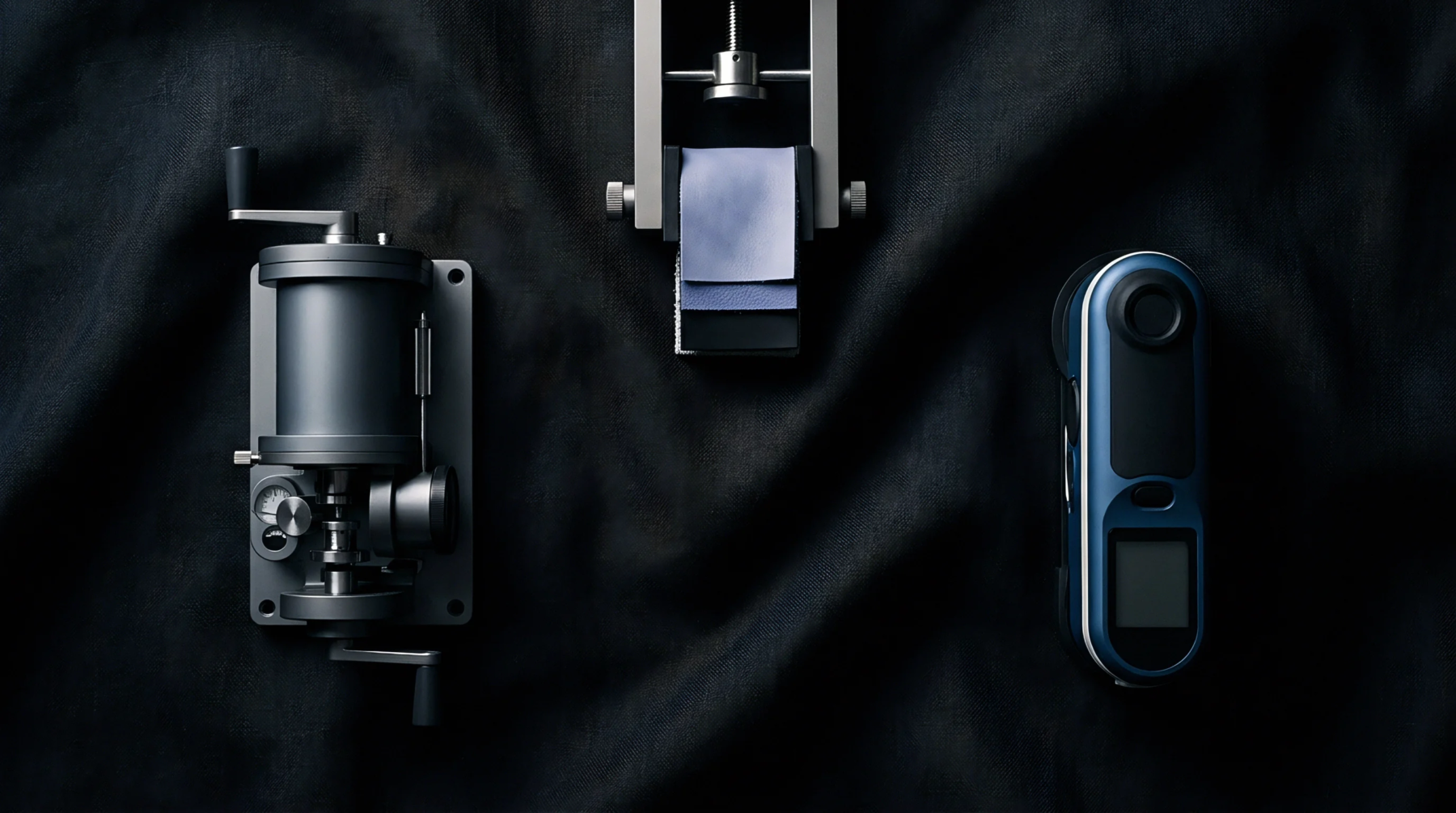
Evaluating unfinished linen crimp by ISO 7211-3 unstraightened thread ratios prevents yarn displacement faults and stabilizes post-scour finished fabric weight.
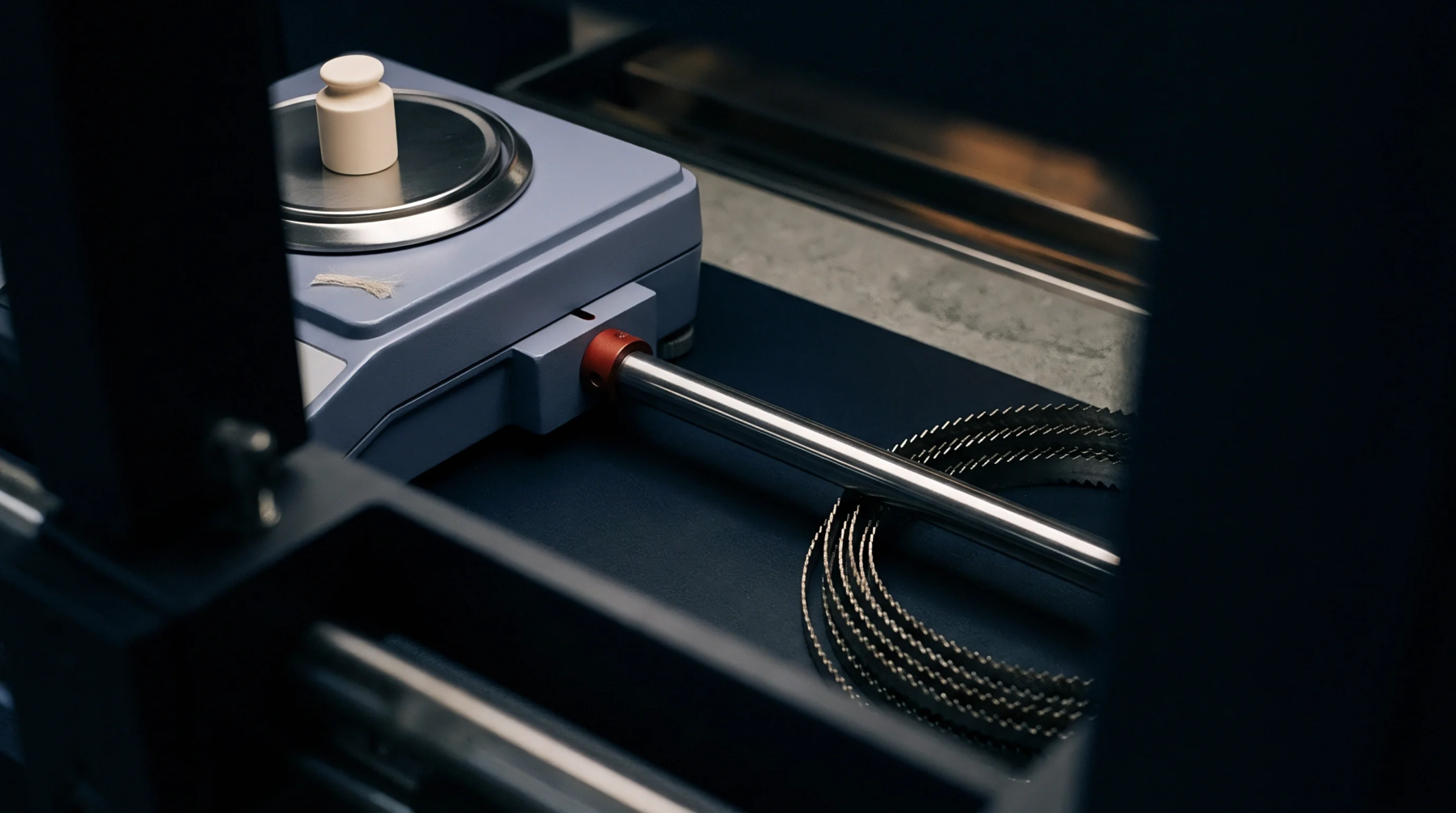
Ultra-high-speed rapier insertion causes non-linear yarn dynamic degradation and micro-slippage that requires optimized clamping and sizing to prevent shed stops.
Expertise is a utility, not a secret. sentiention™ publishes its working knowledge as open reference: intelligence layer covering the materials it sources, the markets it enters, and the reference that serves both.