Optimizing Hackling Graduation Schedules to Maximize Long Flax Sliver Strength
Graduating hackling pins from coarse opening needles to fine finishing combs preserves long bast bundle length while generating maximum linear sliver tenacity.

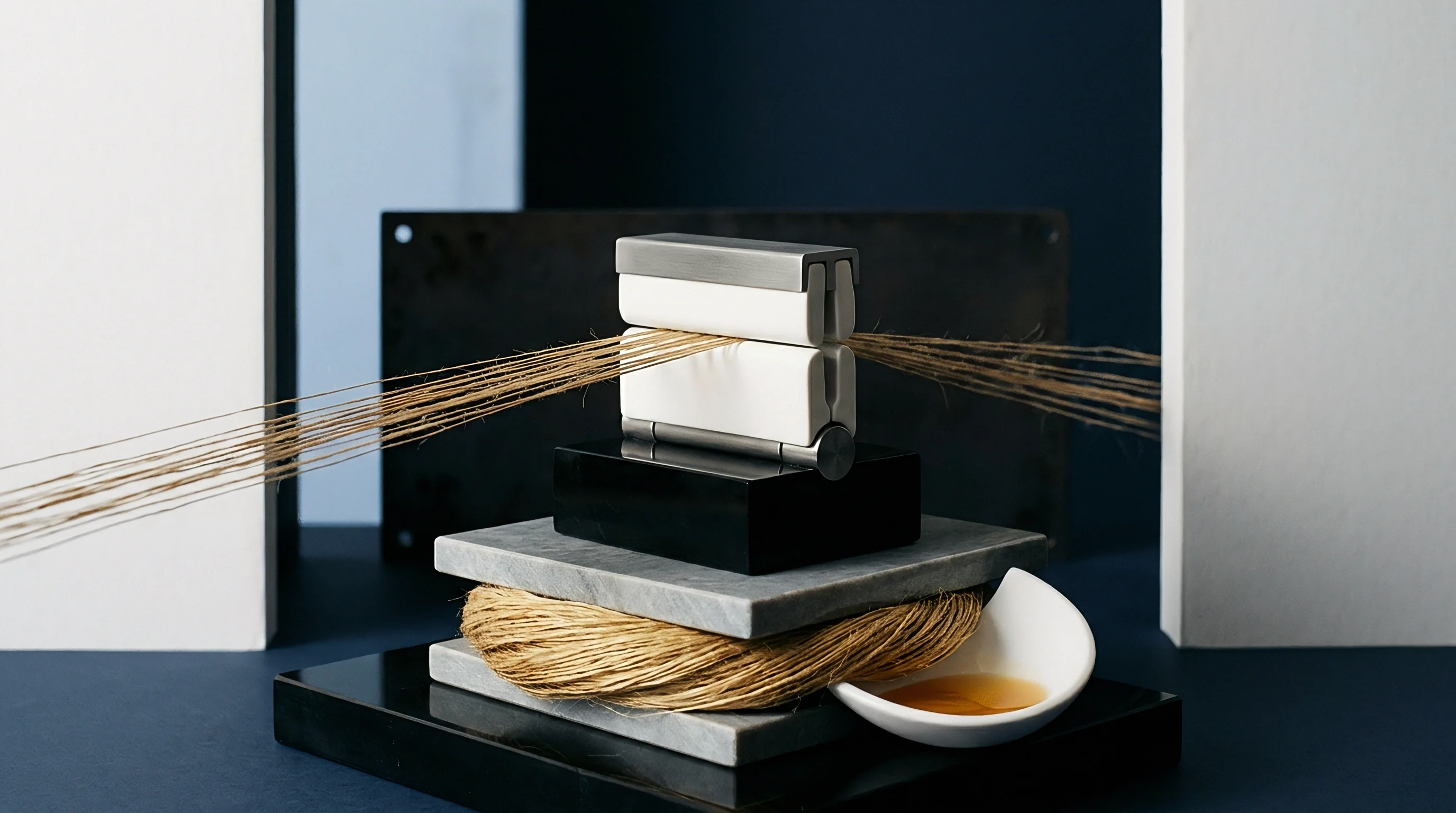
Graduation
Pin density across successive hackling toolbars governs bundle subdivision without breaking long bast filaments. Sliver tenacity depends on preserving bundle length while cleaving transverse pectin junctions. Feeding coarse scutched stricks directly into dense pin fields snaps primary cell walls, throwing off short tow and dragging mean fibre length below 650 millimetres.
Staging the pins across twelve to eighteen toolbars splits stricks progressively, building tensile cohesion while keeping the staple length required for high-count wet spinning.
Hacklers clamp scutched flax stricks into metal holders that run through two stages, combing root ends first and top ends second. Vertical sheet belts carry between twelve and twenty-four pinning fields. At the feed zone, coarse pins strip out root dirt, loose shive, and tangles before intermediate bars open the technical bundles into ribbons.
Fine needles on the final bars comb out short fibre into tow boxes and draw the remaining filaments parallel to the drafting line.
Coarse fields at three pins per decimetre retain bundle integrity under thirty kilograms of clamping force.
Matching pin count to the degree of dew-retting is critical to sliver cohesion. Under-retted fibre retains tough calcium pectinate bonds between elementary cells, demanding a gentle graduation rate to avoid tensile breaks. Over-retted straw opens under lighter contact, tolerating steeper jumps in pin count without bundle shatter.
Balancing pin progression against incoming scutched fibre diameter yields hackled line sliver with dry breaking tenacity between 28 and 34 centinewtons per tex.
Mechanical Action across Progressive Combing Stages
Hackle pins strike clamped stricks at 0.8 to 1.5 metres per second, driving longitudinal splits while rubbing transversely against neighbouring fibres. The opening bars carry heavy steel needles between 2.5 and 3.5 millimetres in diameter to absorb the impact of raw strick heads without deflecting. As bundles divide, needle diameter tapers down to 0.6 millimetres on delivery bars, and pin projection drops from 45 millimetres to 25 millimetres to preserve lateral stiffness under combing drag.
Pin density follows fixed increments along the sheet. Crowding pins too quickly across the third and fourth toolbars spikes comb resistance, pulling whole bundles out of the clamps. A gradual progression distributes combing load across all twelve bars, lowering hackled tow yield by four to six percentage points of total scutched intake weight.
Combing line flax through an eighteenth-bar finisher with 22 pins per centimetre produces clean sliver whose coefficient of variation for linear density stays under 3.8 percent.
Sliver strength relies on overlapping elementary bundles glued by residual hemicellulose. Stripping inter-fibre gums completely destroys cohesion, and the sliver pulls apart under light drawing tension. Controlled bundle division leaves neighbouring filaments intact enough to interlock mechanically on the spreader table.

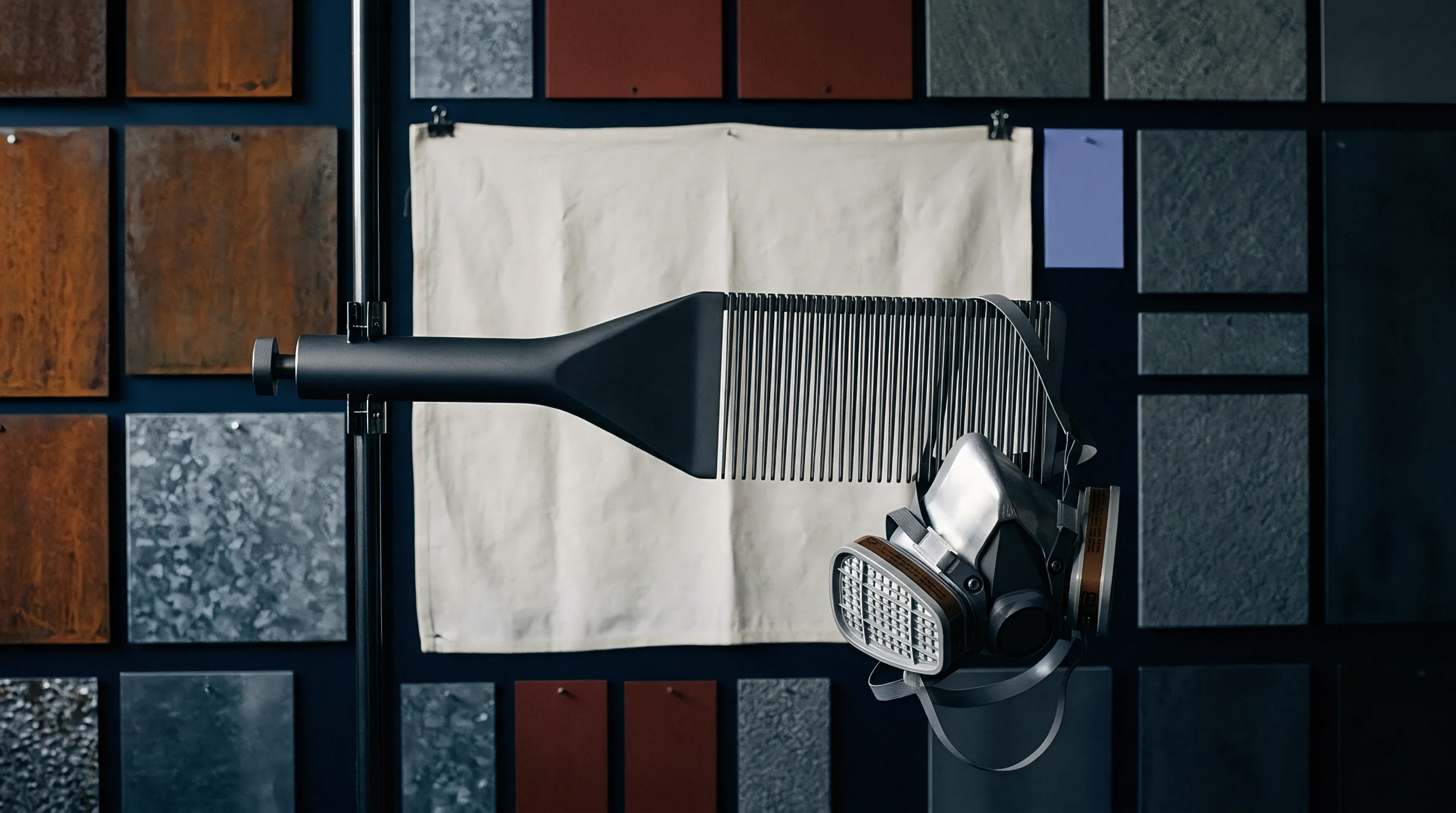
Spike
Needle geometry and surface polish govern friction against the flax cuticle. Hardened steel needles require a mirror polish; surface burrs will scrape cuticular wax off the bast bundles. Scored cell walls create localized stress points that fracture during subsequent wet spinning drafts.
Toolbars fitted with carbon steel needles tempered to 62 Rockwell C run roughly 1,800 hours before tip rounding forces a repinning.
Hackle sheets run with needle angles set between 65 and 75 degrees off the horizontal bar plane. Steeper, acute angles pull bundles down into the pin matrix for deeper lateral splitting and narrower ribbons. Leaning the pins back lets delicate or maritime dew-retted straw ride up the shafts, softening the comb without breaking fine stems.
Adjusting this angle lets technicians tune bundle division without stripping the entire toolbar assembly.
| Toolbar Position | Pin Count per Centimetre | Pin Diameter (mm) | Pin Length (mm) | Pin Angle (Degrees) | Linear Sliver Tenacity (cN/tex) |
|---|---|---|---|---|---|
| Bar 1 to 2 | 0.8 | 3.2 | 45 | 75 | 14.2 |
| Bar 3 to 4 | 1.6 | 2.5 | 40 | 73 | 18.5 |
| Bar 5 to 6 | 3.2 | 1.8 | 35 | 70 | 23.1 |
| Bar 7 to 8 | 6.4 | 1.2 | 30 | 68 | 27.8 |
| Bar 9 to 10 | 12.0 | 0.8 | 28 | 67 | 31.4 |
| Bar 11 to 12 | 18.5 | 0.6 | 25 | 65 | 33.9 |
Pins alternate in staggered rows along each horizontal bar to prevent uncombed bands across the strick. Double-row toolbars offset rear pins against the gaps of the front row, doubling contact points per stroke. If rows are spaced too tightly, short tow packs into the pin roots, driving up combing drag until drive belts slip or pulleys stall.
Crowded needles crush fine line filaments into irregular clumps. Once pin tips blunt, blunt transverse impacts chop rather than split bast bundles, shifting up to twenty percent more long line into tow collection boxes and shrinking margins on every metric ton of scutched flax.

Faller
Downstream gill bars consolidate combed stricks into a continuous sliver ribbon. The faller bed restrains fibre motion through early drafting, checking uncontrolled bundle floating between back and front drafting rollers. Pitch between adjacent faller bars defines the drafting zone length, which is set to match the maximum bundle staple of the flax.
Screw cams or rotating chains drive the fallers, keeping pins firmly seated in the fibre mass across the draft zone.
Modern preparation units use rotary faller heads operating at up to 1,200 drops per minute. At these speeds, air turbulence lifts loose bundle ends and introduces drafting waves into the sliver. Brushes and vacuum slots along the bed tamp down fly, pressing bundle tails into the rising pin rows.
Uniform pin penetration through the full sliver thickness prevents surface layers from running ahead of the restrained core.
A delivery draft ratio exceeding twelve inside the spreader gill field induces bundle slippage across unpinned zones.
Faller pin density steps from 2 pins per centimetre on the initial drawing head to 14 pins per centimetre on the third finishing gill, tracking the taper in sliver linear density from 25 kilotex at the spreader table down to 2.5 kilotex at the finisher delivery can. Mechanical settings across drafting govern bundle control through each stage:
- Spreader table intake feeds overlapping stricks at fifteen to twenty grams per metre to build the initial sliver lap without voids.
- Intersecting pin fields penetrate the continuous web from both top and bottom fallers, securing complete bundle control across the active draft zone.
- Front drafting rollers grip aligned bundle tips and pull them through the slower-moving pin matrix at draft ratios ranging between eight and thirteen.
- Sliver coiler heads deposit the drawn band into rotating sliver cans with controlled helical loops, preventing drafting false twists during downstream can transport.
Variations in retting consistency disrupt this mechanical sequence.
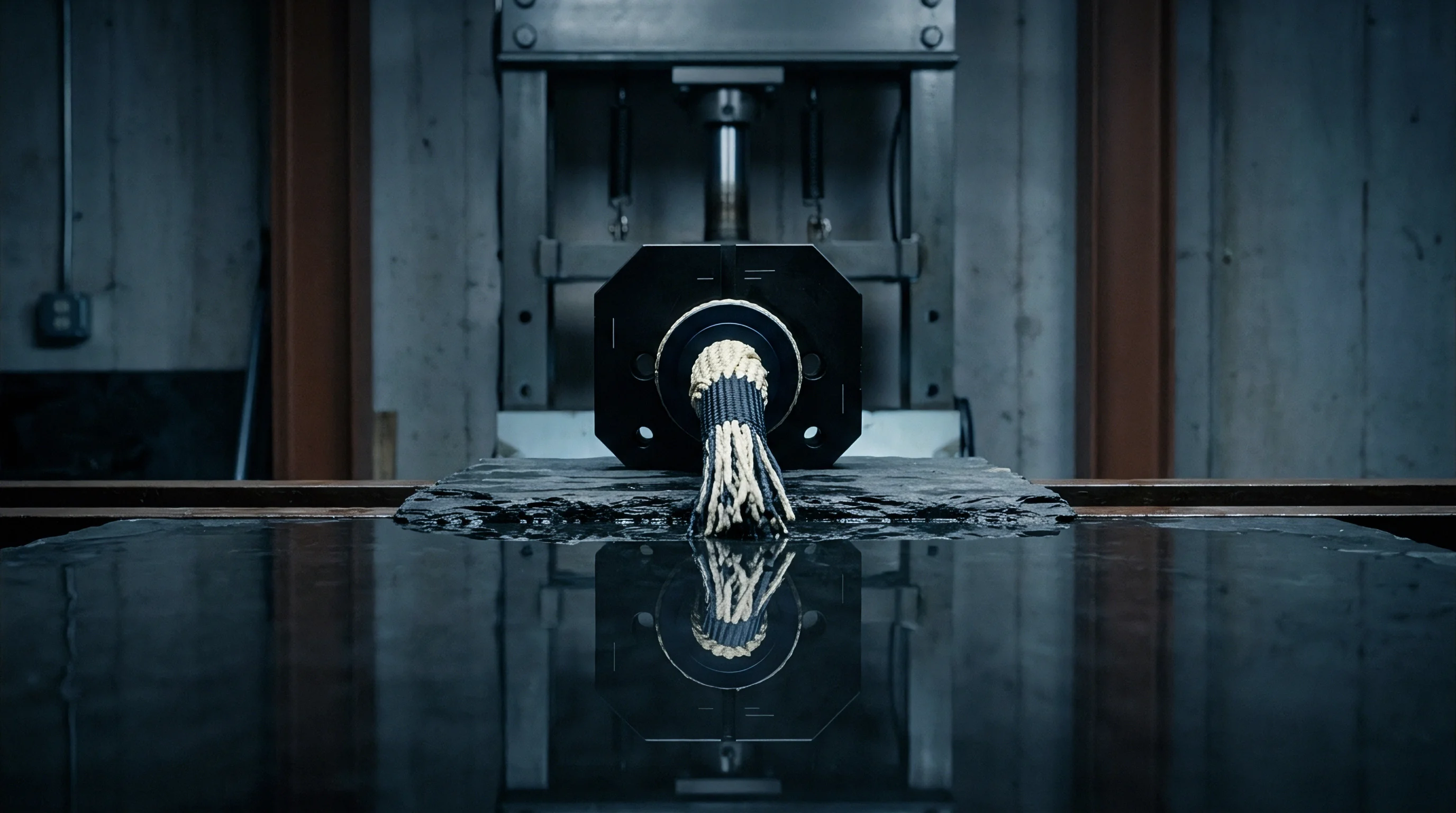
Draft
Draft between feed rollers and drawing flutes governs bundle attenuation and filament alignment. Excessive draft pulls bundles apart into thin, hollow necks once tension overtakes fibre cohesion. Controlled drafts promote bundle sliding, parting transverse pectin bonds and pulling elementary fibres parallel to the sliver axis.
Wet spinning preparation relies on three or four drawing passages after hackling to reach a sliver uniformity index above 88 percent.
| Processing Passage | Applied Mechanical Draft | Doublings Count | Delivered Count (ktex) | Sliver Tenacity (cN/tex) | CV% of Tenacity |
|---|---|---|---|---|---|
| Spreader Table | 10.5 | 1 | 22.0 | 18.2 | 8.4 |
| First Drawing Head | 9.8 | 8 | 18.0 | 23.5 | 6.2 |
| Second Drawing Head | 8.5 | 6 | 12.7 | 29.1 | 4.8 |
| Third Drawing Head | 7.2 | 4 | 7.0 | 33.8 | 3.5 |
Doubling slivers at the feed creel of each passage levels out weight variations from earlier drafting cycles. Running six to eight slivers into the second drawing frame blends differences in combing efficiency between strick clamps. Doublings bridge thin patches left by heavy pin action, evening mass distribution along the run and smoothing retting variations between scutching lots.
Friction within bundles shifts with room humidity. Hackling sheds operate between 65 and 72 percent relative humidity at 20 to 22 degrees Celsius. Dry bast fibre loses give, shattering into dust and tow under pin friction; humid air plasticizes pectin binders, smoothing drafting while preventing static cling around rotating steel flutes.
Equilibrium moisture regain below nine percent causes transverse filament fracture during gill drafting.
Sliver bulk and pin penetration depth interact directly throughout drawing. A heavy sliver bed pushes faller bars up, losing grip on the middle of the mass. Dividing the feed into parallel, lighter streams lets pins seat through the entire fibre column, eliminating floating bundles to keep draft speed steady and fibres straight.
Fine needles clear short fragments from the sliver stream while guiding intact bundles forward. Careful draft distribution preserves the natural length of long bast filaments.

Covenant
Procuring long line flax depends on an unbroken documentary trail back to certified farms. European Flax certification requires that scutched fibre comes solely from dew-retted crops grown in France, Belgium, or the Netherlands. Spinners buying long line sliver from mills in Jiangsu or Zhejiang require transaction certificates from accredited bodies such as Bureau Veritas or Control Union.
These papers detail input lot numbers, scutcher delivery receipts, and verified scale weights entering the hackling line.
Combing mills balance input mass against delivered sliver and tow to verify certified volumes. Processing yields run roughly 50 to 55 percent long line sliver, 35 to 40 percent hackled tow, and 8 to 12 percent dust and waste. A mill reporting long line recovery over 62 percent from certified European scutched straw triggers audit checks for illicit blending with uncertified domestic or Central Asian flax.
Blending uncertified tow or coarse bast degrades sliver tenacity and spikes break rates at the ring frame.
- Scope certificates confirm the combing mill holds an active, unexpired certification license for European Flax handling under ISO 17065 accreditation.
- Transaction certificates itemize the specific batch identifiers, net weights, and harvest years corresponding to the purchased sliver cans or pressed sliver balls.
- Scutcher delivery notes track bale markings, truck weighbridge tickets, and warehouse receiving dates back to specific cooperative pressing sheds.
- Mill spinning logs trace hackler machine run numbers, shift outputs, pin inspection schedules, and mechanical sliver tenacity test reports for every shipping container.
Purchasers drafting supply contracts insert specific warranty language to secure financial recourse against unverified blending or physical performance failure. The contractual covenant states that delivered sliver failing to match declared European Flax transaction certificates or falling below 30 centinewtons per tex dry tenacity triggers complete lot rejection, seller absorption of two-way container freight, and immediate forfeiture of the twenty percent contract performance bond.