Strain Measurement
Transducers convert physical deformation into electrical signals through a semiconductor material that changes resistance when strained. Piezo-resistive load cells utilize the piezoresistive effect of doped silicon to detect force with high sensitivity. This mechanical action occurs when stress alters the internal structure of the semiconductor bridge.
Performance Calibration
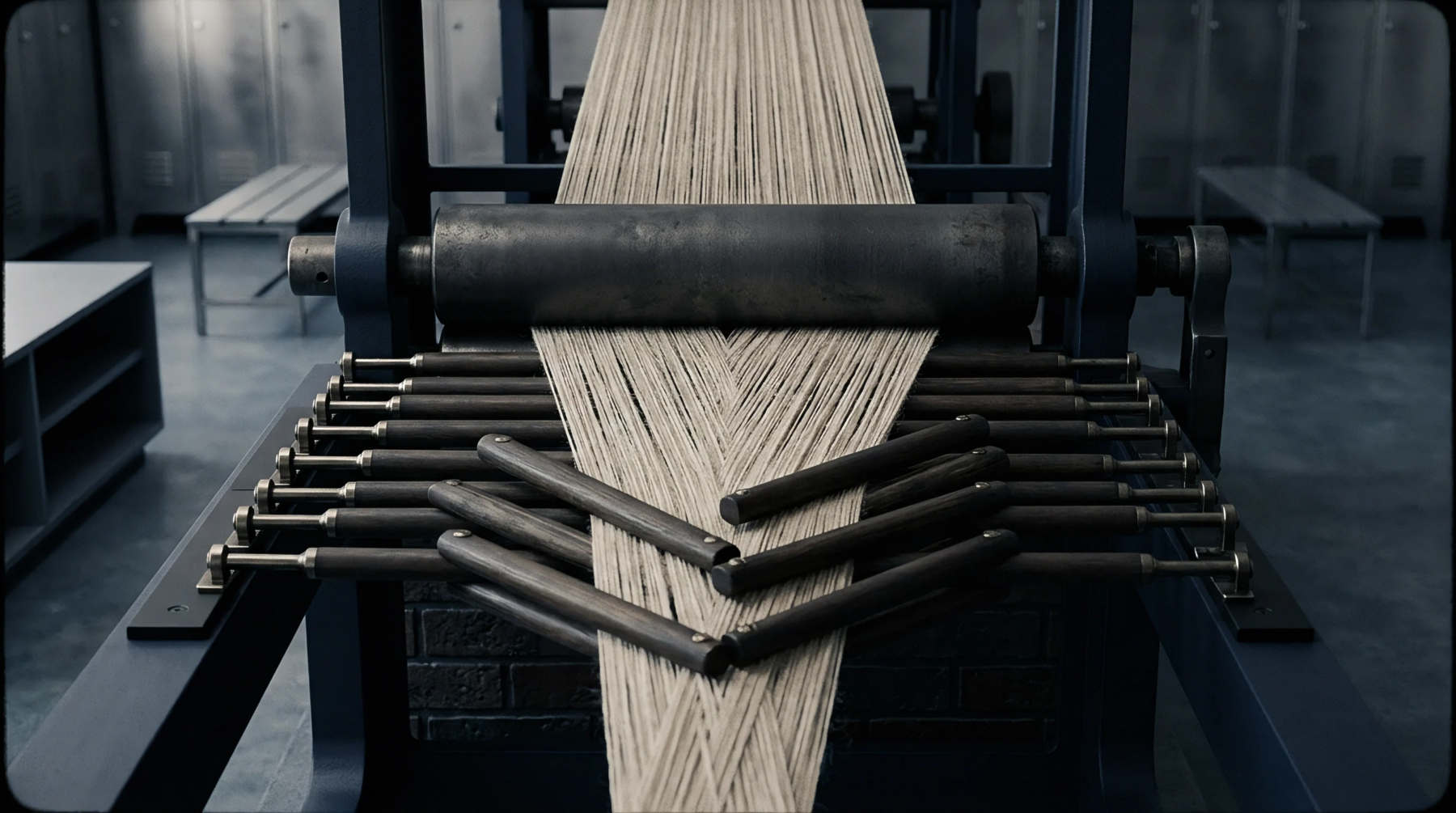
Linen production requires precise tension monitoring during the slashing and sizing stages to prevent fibre breakage. These sensors detect subtle deviations in yarn tension that signify potential inconsistencies in the sizing bath or the drying cylinder alignment. Technicians verify the accuracy of the output signal against a certified dead weight before the production run begins.
The equipment remains mounted on the frame to ensure continuous monitoring of the warp line. Maintenance teams track the output drift throughout the shift to confirm the sensor alignment holds steady under constant thermal conditions.
Verification Protocol
Quality control records for high-speed looms include the electrical output data captured by these cells to ensure consistency across batches. Acceptance criteria for these records dictate the maximum allowable signal deviation permitted during heavy-duty operations. Any variance above the specified mill limit indicates the physical contact point shifted or the sensor bridge developed a thermal imbalance.
The calibration report provides the baseline value for future performance reviews during scheduled mill downtime. Failure to maintain the linearity of the electrical response necessitates immediate recalibration of the tensioning system to prevent downstream fabric defects.