Tracing Raw Flax Fiber through International Customs Enforcement Protocols
Customs clearance mandates unbroken mass-balance dossiers linking finished flax yardage through spinning and scutching to specific agricultural parcel coordinates.


Sieve
United States Customs and Border Protection targets raw bast fiber under 19 U.S.C. 1307 with detention notices demanding full traceability back to the cultivation plot. An importer receiving a CBP Form 28 or detention order must reconcile paper records for raw straw procurement, scutching output, spinning lot assignments, and ocean freight. Linen supply lines that pass through intermediate processing centers face heavy scrutiny, as European scutching cooperatives export dew-retted straw and hackled sliver worldwide, often mixing fiber lots before final wet spinning.
Enforcement procedures treat bast fibers under Harmonized Tariff Schedule heading 5301 with strict origin presumptions. Importers prove their supply chains are free of forced labor by presenting clear transactional dossiers covering every step from farming to mechanical conversion. A complete submission ties field-level harvesting records directly to container bill of lading numbers.
Under U.S. Customs detention protocols, an unlinked mill certificate forfeits clearance eligibility regardless of third-party sustainability stamps.
Flax documentation breaks down when scutching facilities aggregate straw from multiple farms without tracking plot-specific lot numbers through the breaking and scutching turbines. Mechanical scutching yields long fiber line and short fiber tow, along with shives and dust. Tow and line fiber enter separate processing pipelines with different yields and varying paper trails, forcing customs brokers to reconcile these mass balances against standard agricultural metrics.
European scutchers process six to eight thousand kilograms of retted straw per hectare. Mechanical processing splits this volume into predictable fractions: twelve to sixteen percent scutched long flax line, six to eight percent scutched tow, and fifteen to twenty percent shives, with residual moisture and waste making up the rest. Facilities that log raw intake without tying running bale numbers directly to primary purchase invoices create the exact paper gaps that trigger customs detentions at import ports.


Break
Yield Fractions across Mechanical Decortication
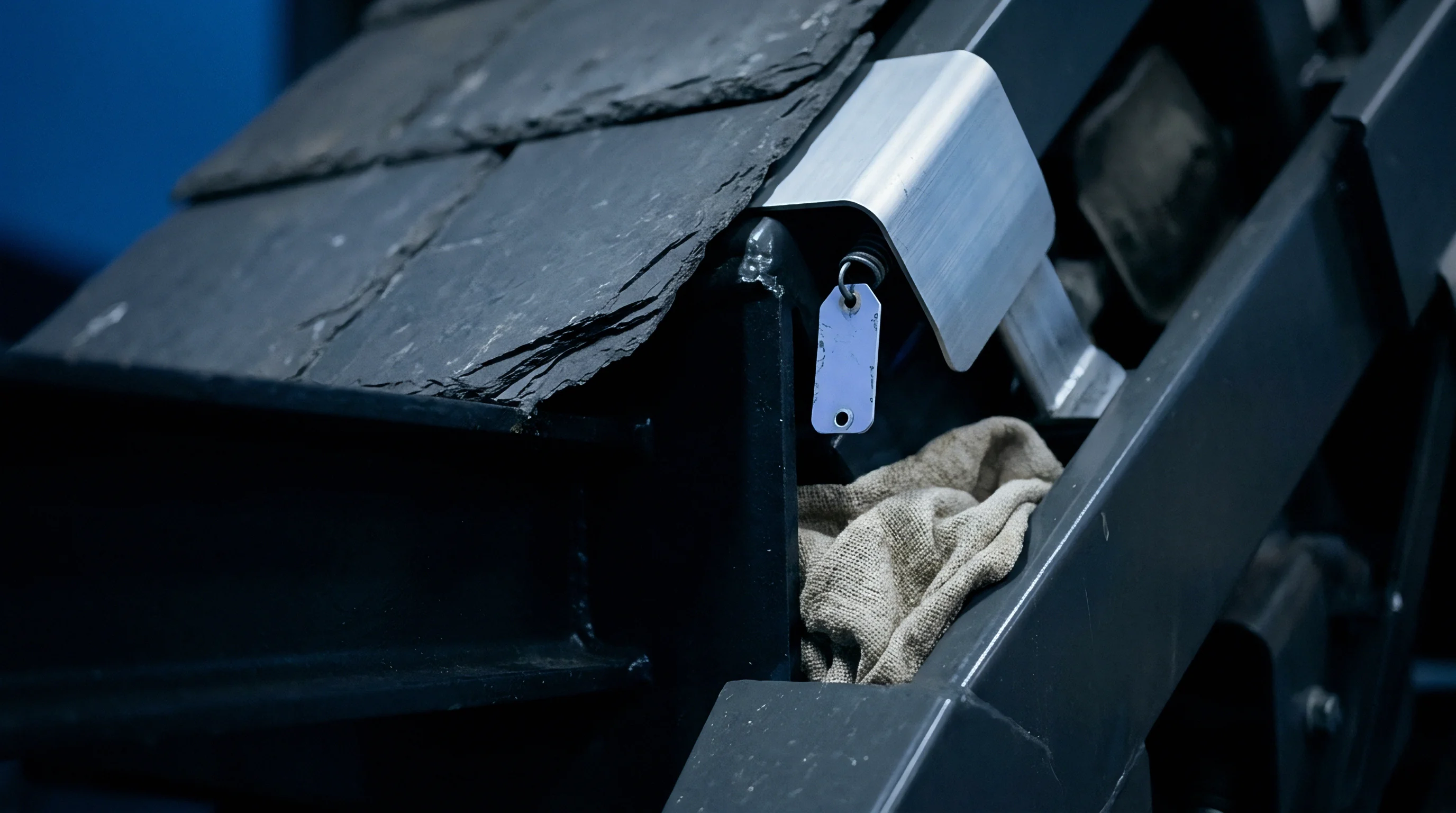
Mechanical decortication separates bast fiber bundles from the woody core of the flax stem using fluted rollers and rotating beating blades. Customs auditors evaluate mass balance records by tracking these extraction ratios through scutcher intake ledgers. Discrepancies between incoming straw tonnage and declared baled output point to undisclosed fiber substitution or undocumented blending.
Unallocated line fiber balances usually indicate that regional stocks were mixed to bypass trade restrictions.
| Processing Stage | Input Material | Typical Mass Yield Percentage | Primary Traceability Document | Critical Customs Failure Mode |
|---|---|---|---|---|
| Harvest and Retting | Field Straw | 100.0 Percent Base | Agricultural Plot Registry | Omission of cadastral parcel coordinates |
| Breaking and Scutching | Dew-Retted Straw | 14.0 to 18.0 Percent Long Line | Scutcher Weighbridge Ticket | Commingling uncertified regional raw straw |
| Tow Recovery | Scutcher Waste Shives | 6.0 to 10.0 Percent Short Tow | Carding Production Ticket | Reincorporation of unverified waste streams |
| Hackling and Combing | Scutched Long Line | 55.0 to 65.0 Percent Hackled Sliver | Comber Output Batch Tag | Unrecorded blending with foreign top lots |
| Wet Ring Spinning | Roving Sliver | 82.0 to 88.0 Percent Gray Yarn | Spinning Lot Summary Sheet | Failure to track flyer bobbin lot assignments |
Auditors cross-reference declared processing losses against engineering baselines. Facilities reporting zero mass loss across breaking and hackling immediately draw regulatory scrutiny. Hackling inherently sheds short fibers into tow fractions, shifting material categories and requiring ongoing inventory adjustments.

Mechanics of Scutching Mill Mass Balance
A decortication mill processing forty metric tons of raw, dew-retted flax straw yields predictable volumes of output. An intake of 40,000 kilograms at a sixteen percent yield generates 6,400 kilograms of long line fiber tied to specific field collection tags. An eight percent recovery of short tow yields 3,200 kilograms of carded tow sliver.
The remainder accounts for roughly 20,000 kilograms of woody shives, while 10,400 kilograms disappear through moisture loss, soil separation, and dust.
Regulators require mill records to show an unbroken paper chain linking those 6,400 kilograms of baled line fiber back to the 40,000 kilograms of raw straw through sequential weighbridge tickets. If the mill invoices 8,500 kilograms of certified long line from that same run, customs officers will challenge the entry. The mathematical discrepancy shows that the processor mixed uncertified third-party fiber into the combing stream to inflate yields.
- Cadastral Harvest Certificates establish the baseline by recording precise geographic coordinates, landowner identity, and contracted cultivation area.
- Weighbridge Delivery Slips confirm gross weight, tare weight, and moisture levels of raw straw entering the mill.
- Bale Tag Serial Records document the processing date, turbine line, and unique tag attached to the wire binding of each compressed bale.
- Scutching Yield Ledgers record daily conversion ratios, tracking short tow against long line output to balance physical mass.
Failing to reconcile these volumes results in entry refusal, forcing the consignment into a bonded warehouse or compelling re-exportation at the importer’s expense.

Sliver

Combing Lines and Blend Ratio Integrity
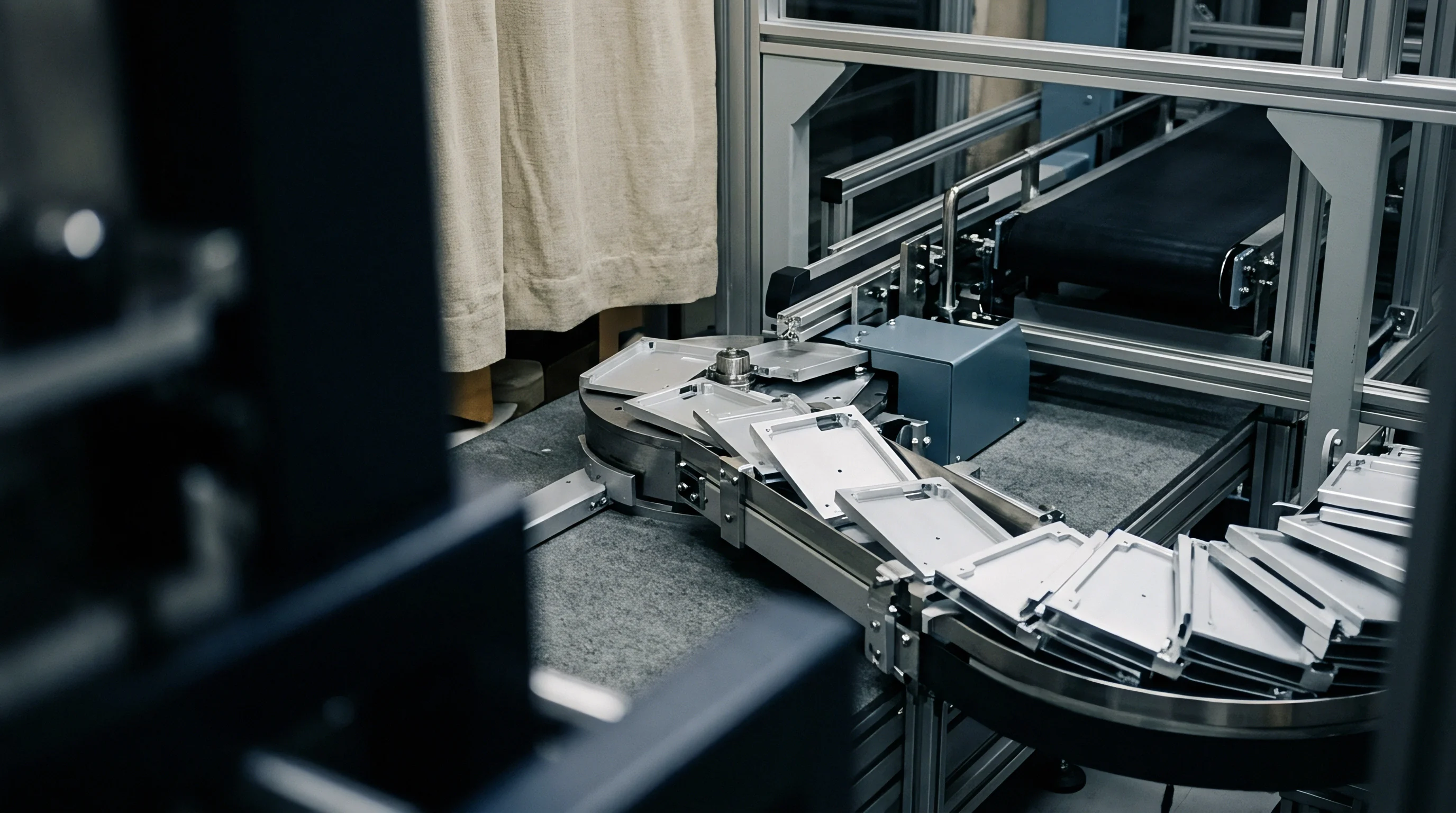
Hackling plants take pressed bales of scutched line flax and convert the tangled bundles into continuous, parallel ribbons called hackled sliver. Rotating drums fitted with steel pins penetrate the strands, splitting bast fibers and combing out short fibers and residual bark. Customs authorities pay close attention to hackling operations because comber draw frames offer an easy opportunity for unrecorded fiber blending.
Processors sometimes mix regional fiber stocks to cut costs while trying to keep certification status intact. European Flax standards require strict physical segregation during sliver formation unless every input carries identical transaction certificates. Running long line fiber alongside cheaper, uncertified tow sliver on an unsegregated line contaminates the batch, breaking the chain of custody under trade regulations.
A physical lot lacking an unbroken sequence of comb sliver tracking tags forfeits its non-preferential origin status under customs inspection.
Traceability protocols demand strict physical separation on the factory floor. Mills processing certified lots alongside standard fiber must use dedicated combing lines or perform verified purges between runs. An unverified changeover leaves foreign fibers trapped in rotary gill pins, producing composite lots that fail isotopic testing during customs audits.
Spinning Preparation and Creel Allocation
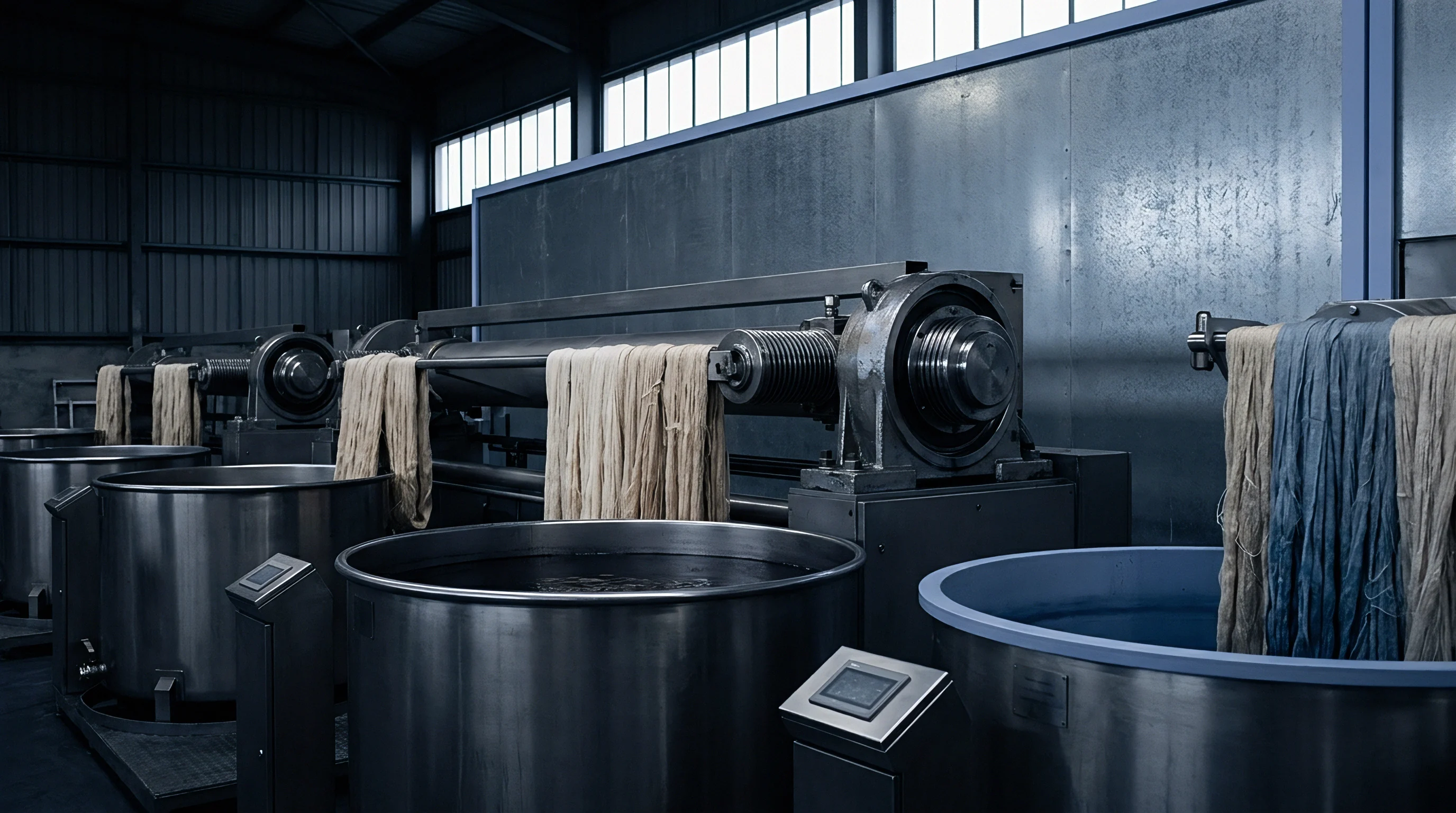
Roving preparation draws hackled sliver down to a thin, lightly twisted strand ready for wet spinning. The process blends several slivers across draw frames to even out weight variations. If an operator mounts eight sliver cans to a draw frame and two come from untracked inventory, the entire roving lot is compromised.
Compliant mills use detailed can-tracking systems where each sliver can bears a barcode linked directly to the hackling batch and scutcher bale tags. Spinning creels carry physical run cards showing that every active bobbin aligns with the customs dossier. Without these checks, auditors classify the finished yarn as an unverified composite, denying preferential origin or detaining the shipment under forced labor rules.
Contracts typically require processors to provide raw sliver test reports alongside can transfer sheets to maintain chain of custody across borders.


Isotope

Forensic Testing Protocols for Geographic Provenance
Isotope ratio mass spectrometry verifies actual plant growth conditions regardless of what paper certificates claim. Customs laboratories run multi-element stable isotope tests on seized fibers to verify declared geographic origins. Plant tissue absorbs hydrogen, oxygen, carbon, nitrogen, and strontium in ratios that reflect local rainfall, atmosphere, bedrock, and soil chemistry.
Testing focuses heavily on stable oxygen and hydrogen isotopes. Precipitation varies predictably with latitude and distance from the ocean ~ a relationship known as the meteoric water pattern. Flax grown in coastal Normandy or Flanders absorbs rainwater with distinct isotopic ratios, whereas flax cultivated in dry inland regions absorbs water with marked isotopic depletion, giving forensic specialists a baseline to spot false origin declarations.
| Element Isotope Ratio | Environmental Attribution Driver | Analytical Equipment Utilized | Typical European Maritime Range | Continental Arid Extraction Range |
|---|---|---|---|---|
| Oxygen-18 / Oxygen-16 | Precipitation latitude and oceanic proximity | High-Temperature Conversion Elemental Analyzer | +18.5 to +22.0 per mil | +23.5 to +28.0 per mil |
| Hydrogen-2 / Hydrogen-1 | Groundwater source and evaporation rates | Continuous Flow Isotope Ratio Mass Spectrometer | -65.0 to -45.0 per mil | -35.0 to -15.0 per mil |
| Carbon-13 / Carbon-12 | Photosynthetic stress and water availability | Elemental Analyzer Coupled Mass Spectrometer | -28.5 to -26.0 per mil | -25.5 to -23.0 per mil |
| Strontium-87 / Strontium-86 | Underlying geological bedrock formation | Thermal Ionization Mass Spectrometry | 0.7080 to 0.7095 | 0.7110 to 0.7135 |
Carbon-13 values reflect moisture stress during the growing season. Western European flax fields benefit from stable maritime humidity that keeps plant stomata open, creating a characteristic C-13 depletion pattern. Flax grown in arid, irrigated regions suffers prolonged stomatal closure, enriching the fiber in carbon-13 and leaving a clear chemical signature in the cellulose.

Soil Minerals and Trace Elements
Strontium-87 to strontium-86 ratios reflect the age and geology of the underlying rock weathered into local topsoil. Plants absorb strontium much like calcium, locking the element into their cell walls without changing its isotopic makeup. Customs labs compare these strontium ratios against global soil databases to catch diverted raw fiber.
Trace element profiling via mass spectrometry offers another verification layer. Rare earth elements in unbleached flax sliver retain the signature of the soil where the straw grew and retted. If a consignment labeled as French origin contains mineral profiles unique to Central Asian or Eurasian river basins, customs agencies immediately detain the shipment regardless of commercial paperwork.
If the chemical profile contradicts the agricultural certificates, the importer must pay for independent forensic testing or face permanent seizure of the goods.


Packet

Customs Form 28 and Response Dossier Architecture
A CBP Form 28 is a formal Request for Information that pauses entry and triggers detailed scrutiny of a shipment’s paperwork. Under the Uyghur Forced Labor Prevention Act, customs officers use these requests to compel importers to prove raw agricultural inputs do not come from restricted regions. A successful response requires an auditable package connecting the finished product directly to the farm plot.
The dossier relies on strict chronological and quantitative tracking. Importers present indexed folders containing invoices, packing lists, mill job orders, warehouse receipts, and bills of lading for every transfer point. This paper trail must show that fiber harvested from a specific field entered a designated scutching turbine, moved out as a numbered bale lot, went into a specific spinning batch, and became the exact yarn woven into the imported fabric.
Under strict customs detention timelines, an unindexed document archive equates to an immediate failure to rebut the operational presumption.
Dossiers fail when intermediaries substitute generic trade certificates for underlying transaction documents. Scope certificates like European Flax or Masters of Linen only confirm that a facility is capable of producing certified goods ~ they do not prove that a specific container of yarn contains certified fiber. A valid defense packet requires Transaction Certificates naming the buyer, seller, weights, lot numbers, and invoice numbers for that specific shipment.

Audit Reconciliation Walks
An auditor performs a trace by selecting a random finished carton from the packing list and tracking its weight backward through processing records. They review cut-and-sew yield sheets against greige weaving logs, then balance greige weight against yarn consumption using standard moisture regain and yarn count formulas.
- Raw Fiber Acquisition Records require unredacted purchase agreements, farmer payment records, weighbridge slips, and phytosanitary certificates matching farm plot coordinates.
- Decortication Processing Slips show shift schedules, turbine run logs, and bale tallies confirming output dates.
- Yarn Spinning Manufacturing Orders detail lot allocations, draw frame schedules, bobbin counts, and moisture test reports verifying material weight.
- Weaving Shed Beaming Logs link yarn lots to loom setup cards, roll tickets, and inspection logs.
- Logistical Transit Documentation provides trucking bills, inland shipping receipts, export filings, and ocean bills of lading with intact container seal numbers.
Gaps exceeding standard processing losses or documents with conflicting company stamps will cause customs to reject the petition to release the goods.


Customs

Enforcement Realities at Western Import Terminals
Inspection teams at major import terminals are increasingly sophisticated. In the United States, Customs and Border Protection relies on dedicated Centers of Excellence and Expertise for textiles and apparel. These units review documentation using forensic accounting techniques ~ checking payment timing, exchange receipts, and bank wires to ensure paperwork reflects actual physical movement rather than backdated records.
Payment verification sits at the center of modern customs audits. Auditors check general ledgers to confirm invoice amounts match outbound bank transfers. If an importer submits scutching invoices without matching bank transfer records in the correct amounts, customs authorities treat the underlying documentation as fraudulent and maintain the detention.
European Union authorities apply similar rigor through non-preferential rules of origin and new supply chain due diligence rules. Shipments arriving in Rotterdam or Antwerp claiming EU origin through outward processing face heavy scrutiny. Work completed in third countries must meet specific tariff shift or value-added thresholds to keep non-preferential status upon re-entry into the single market.
Managing supply chains that span European farms, Asian spinning mills, and Western retail markets creates heavy administrative overhead. Maintaining chain-of-custody records across multiple countries requires dedicated tracking tools and regular on-site mill audits. When records fall short, detentions disrupt delivery schedules and accumulate heavy storage and testing fees.
Commercial contracts increasingly shift customs detention liability directly onto manufacturers through specific warranties. Buyers sourcing linen yarn or fabric now include terms requiring mills to provide a fully compliant documentation packet within fourteen days of a detention notice. These clauses assess liquidated damages for rejections caused by missing farming records, pushing the financial risk back up the supply chain.
Under these agreements, suppliers guarantee that raw fibers carry traceable tags back to verified processing facilities, absorbing all testing and storage fees if customs invalidates the chain of custody.