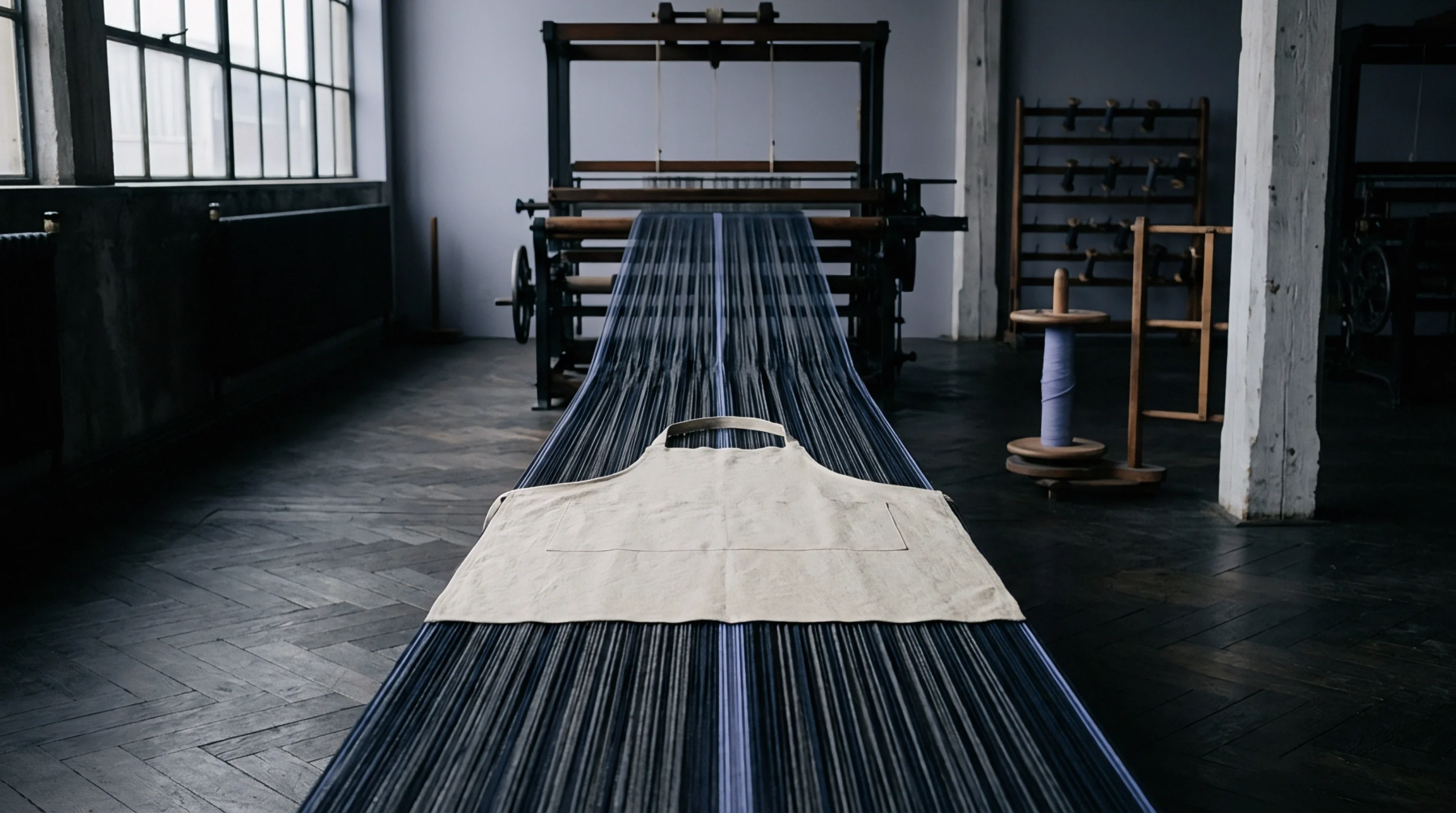
Loom Shed Geometry Calibration for Pure Flax Yarns
Calibrating loom shed geometry to low-stroke asymmetric settings cuts flax warp strain below 1.2 percent, reducing end breaks and lowering metre production costs.

Calibrating loom shed geometry to low-stroke asymmetric settings cuts flax warp strain below 1.2 percent, reducing end breaks and lowering metre production costs.

Alkaline chelant kinetics optimize middle-lamella pectin removal, stabilizing fiber bundle cohesion during high-draft wet spinning and preserving yarn tenacity.

Dynamic tension peaks on rapier looms limit linen weaving speeds by exploiting lower-tail Weibull defects, requiring precise shed geometry to control breaks.
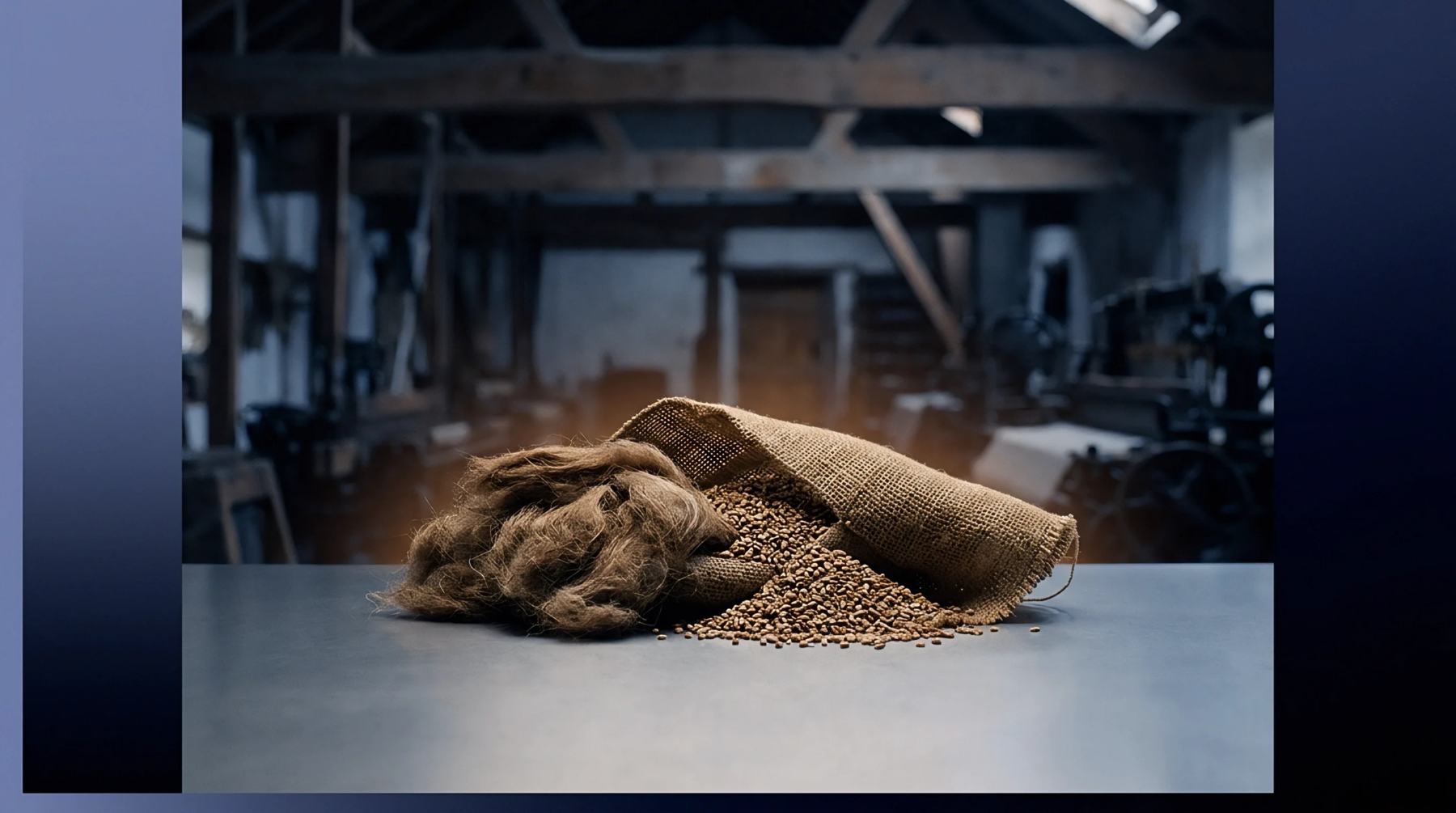
Targeted pectin extraction to 1.0%-1.5% residual content balances fiber bundle separation and tensile strength for high-yield fine wet spinning.
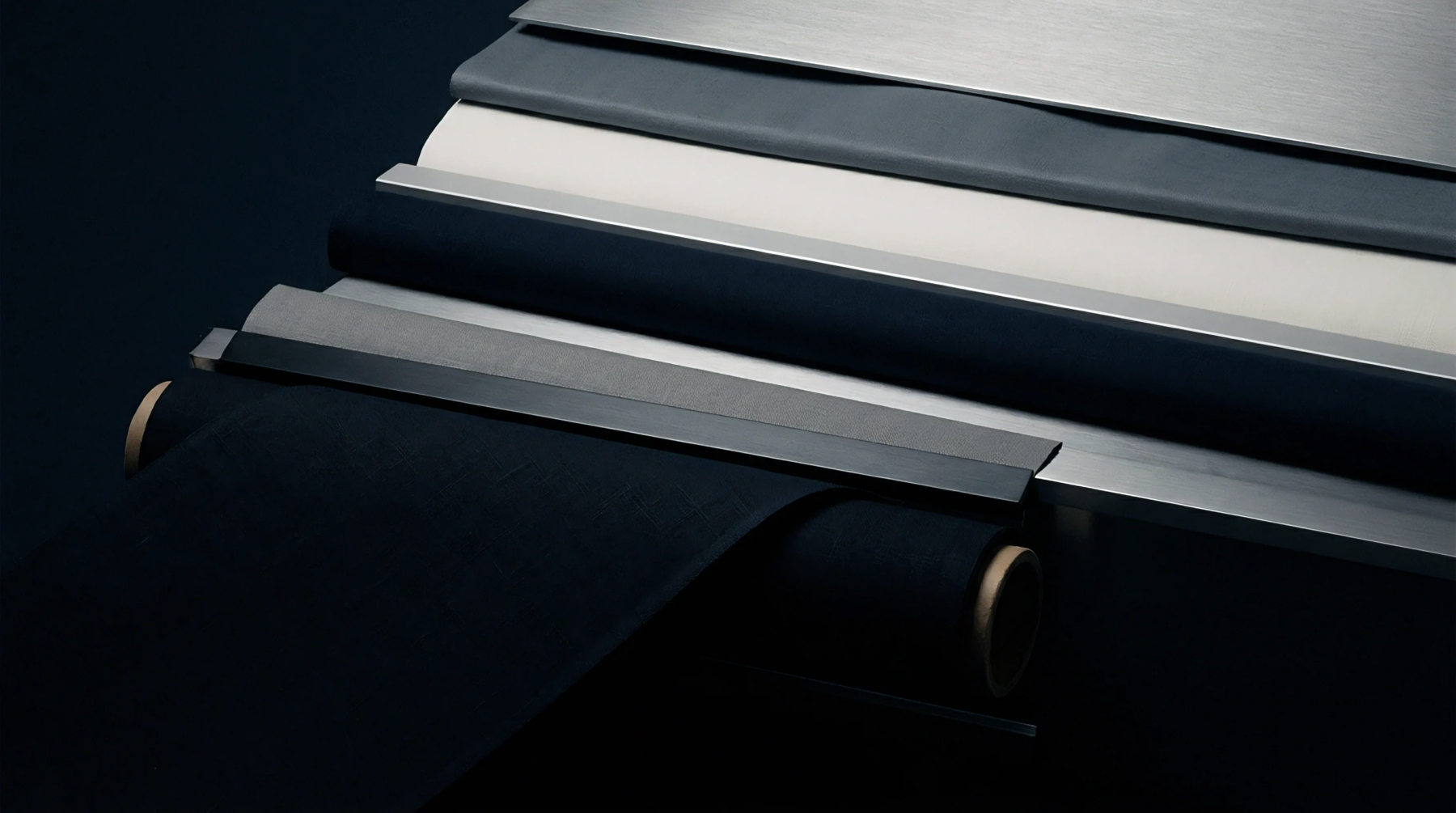
Linen slasher sizing demands precise creel-to-beamer tension zoning under fifty centinewtons per end to prevent destroying residual yarn elongation.

In-line spectrogram monitoring isolates pectin shear failure, permitting real-time draft adjustments that reduce long-period yarn mass variation.
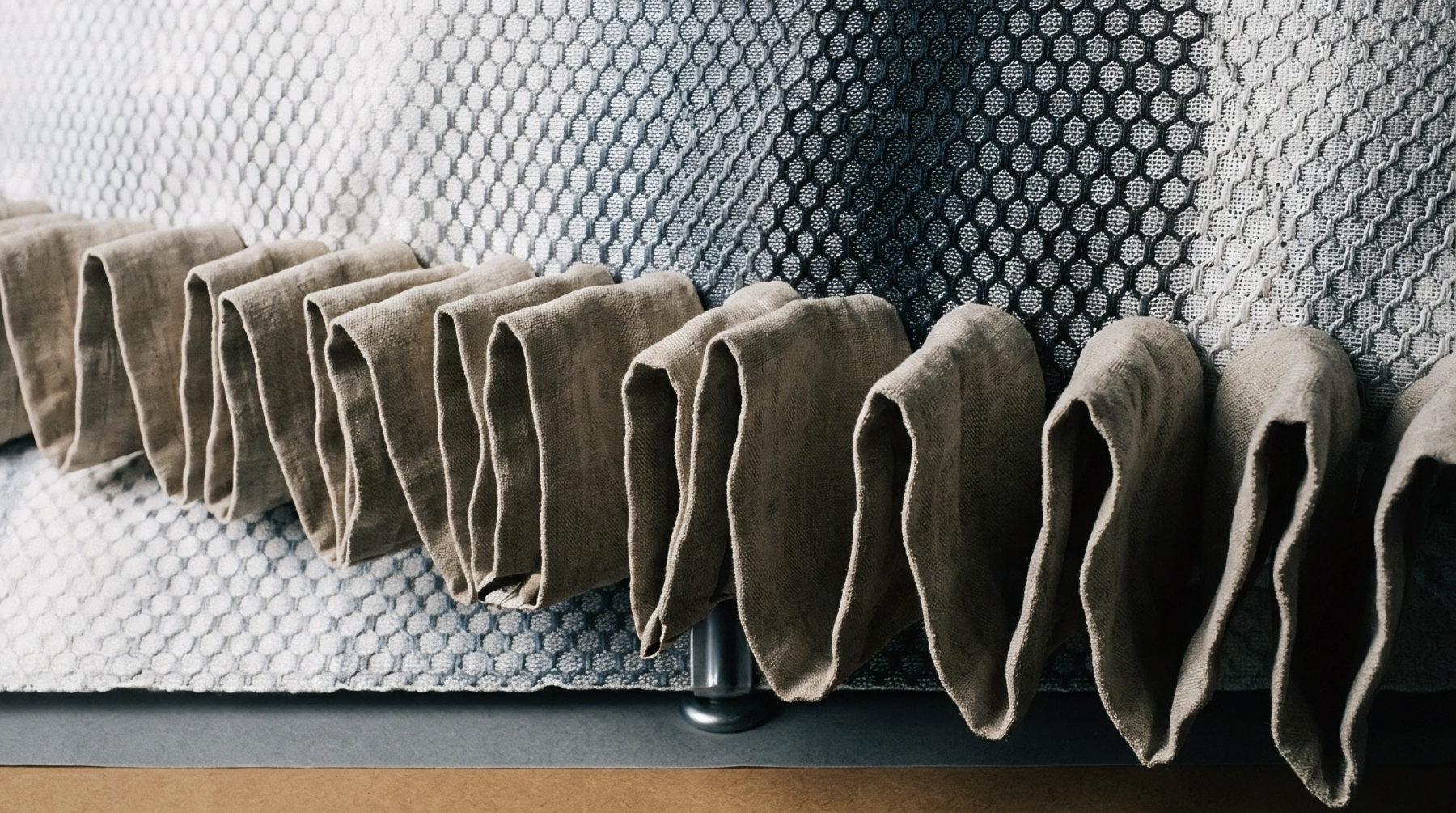
High warp tension on rapier looms stabilizes heavy linen shed clarity but causes fell rebound, edge-to-center pick density variance, and off-loom width contraction.
Mass balance auditing on flax roving attenuation lines requires dry fiber mass reconciliation and waste tracking to validate European Flax certification claims.

Testing wet spun linen yarn under ISO 2062 requires pneumatic horn clamps and sixty-five percent relative humidity to achieve accurate tenacity measurements.
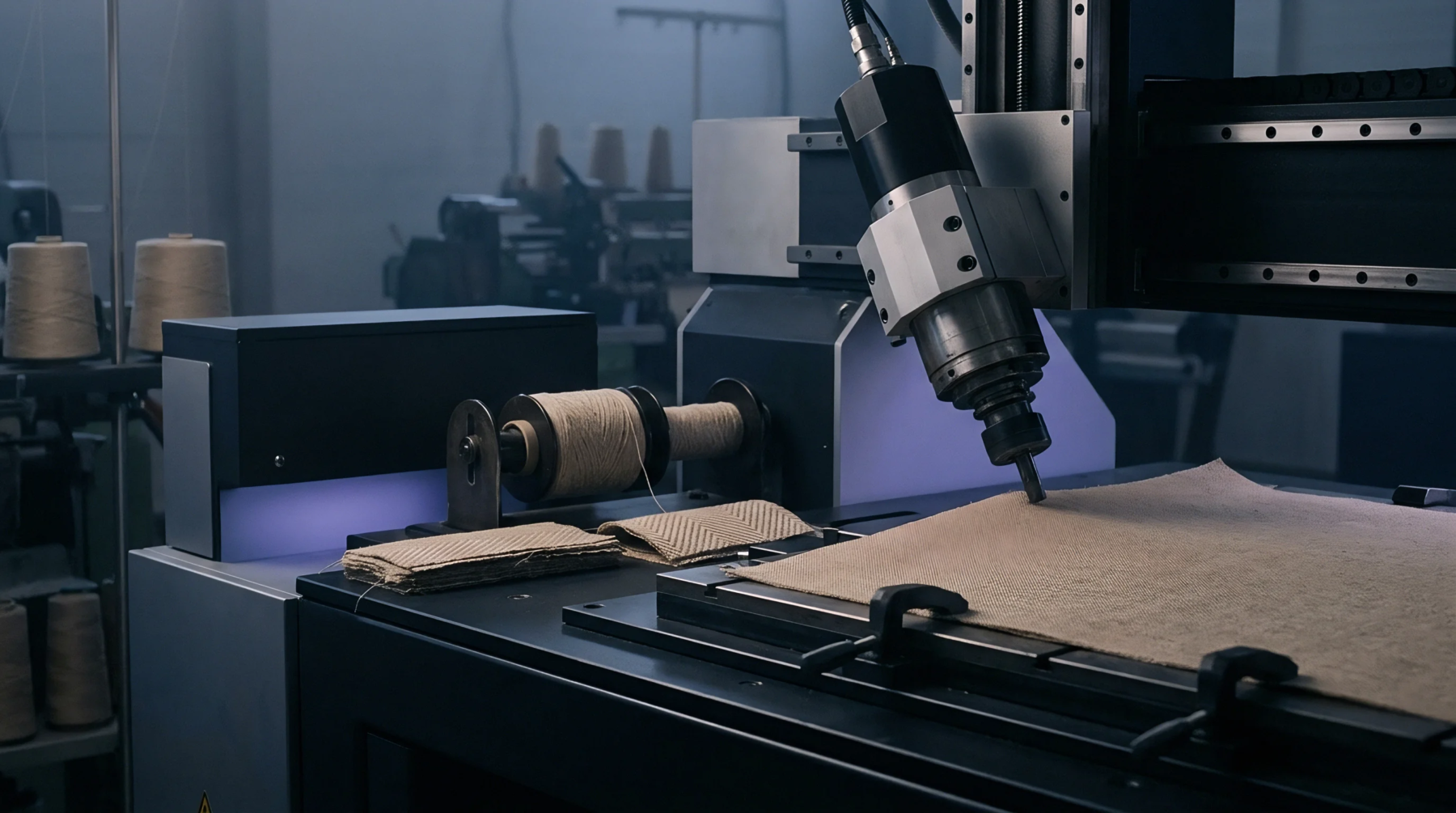
Integrating Peirce fabric geometry formulae into estimation software replaces static rules of thumb with exact yarn consumption models based on thread spacing and crimp.

Greige warp shrinkage in plain weaves calculates by combining geometrical yarn crimp, machine tension stretch, and fiber swelling take-up.

Residual size above 0.20% in ultrafine linen causes uneven bleaching, severe tensile loss, blotchy dye yield, and costly re-work cycles.
Model-free kinetic discrepancies in bast fiber thermal analysis stem from mathematical integral approximations and mass transfer artifacts during pectin depolymerization.

Kinetic modeling of non-cellulosic pyrolysis quantifies residual pectic matrices in dew-retted flax, establishing precise thermal limits for processing.

Thermogravimetric deconvolution isolates flax tow pectin degradation between 210°C and 260°C to predict spinning draft failure and waste yield.

Non-cellulosic pectin retention widens flax regain hysteresis, causing wet-spinning count variance and commercial mass billing errors up to 3.2 percent.

Laboratory oven desiccation at 105°C ± 2°C determines anhydrous mass to calculate commercial billing weight based on official 12.0% moisture regain allowances.

Determining commercial moisture regain in raw scutched flax uses 105 degree Celsius oven drying to adjust invoice mass to the standard 12 percent regain.
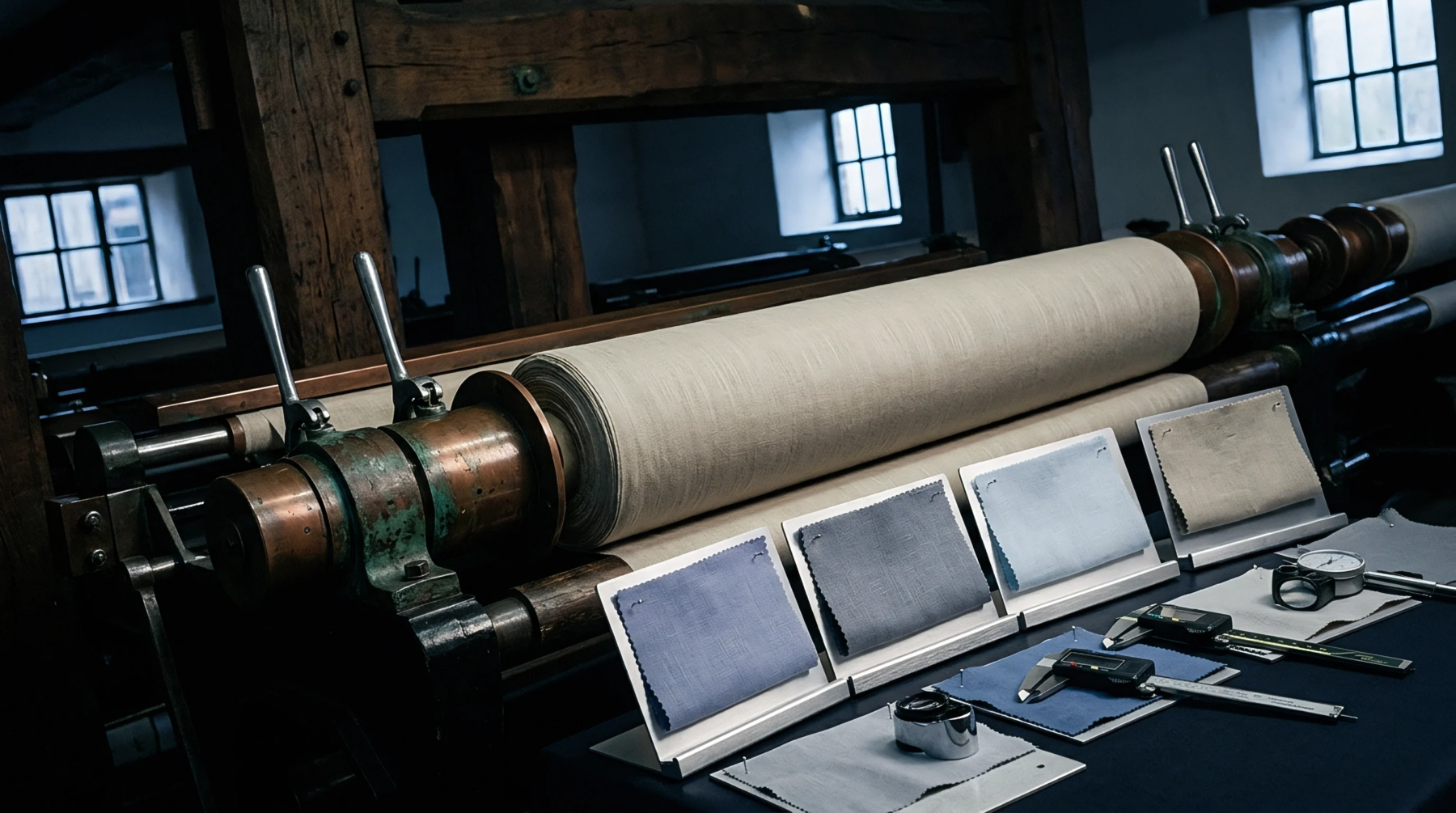
Slashing wet spun linen requires restricting wet stretch under 1.2 percent using multi-zone drive regulation to prevent irreversible elastic strain loss and loom stops.

Formulations for ultrafine linen warps combine low-viscosity modified starches with water-soluble acrylics to coat fibers without saturating the yarn interior.
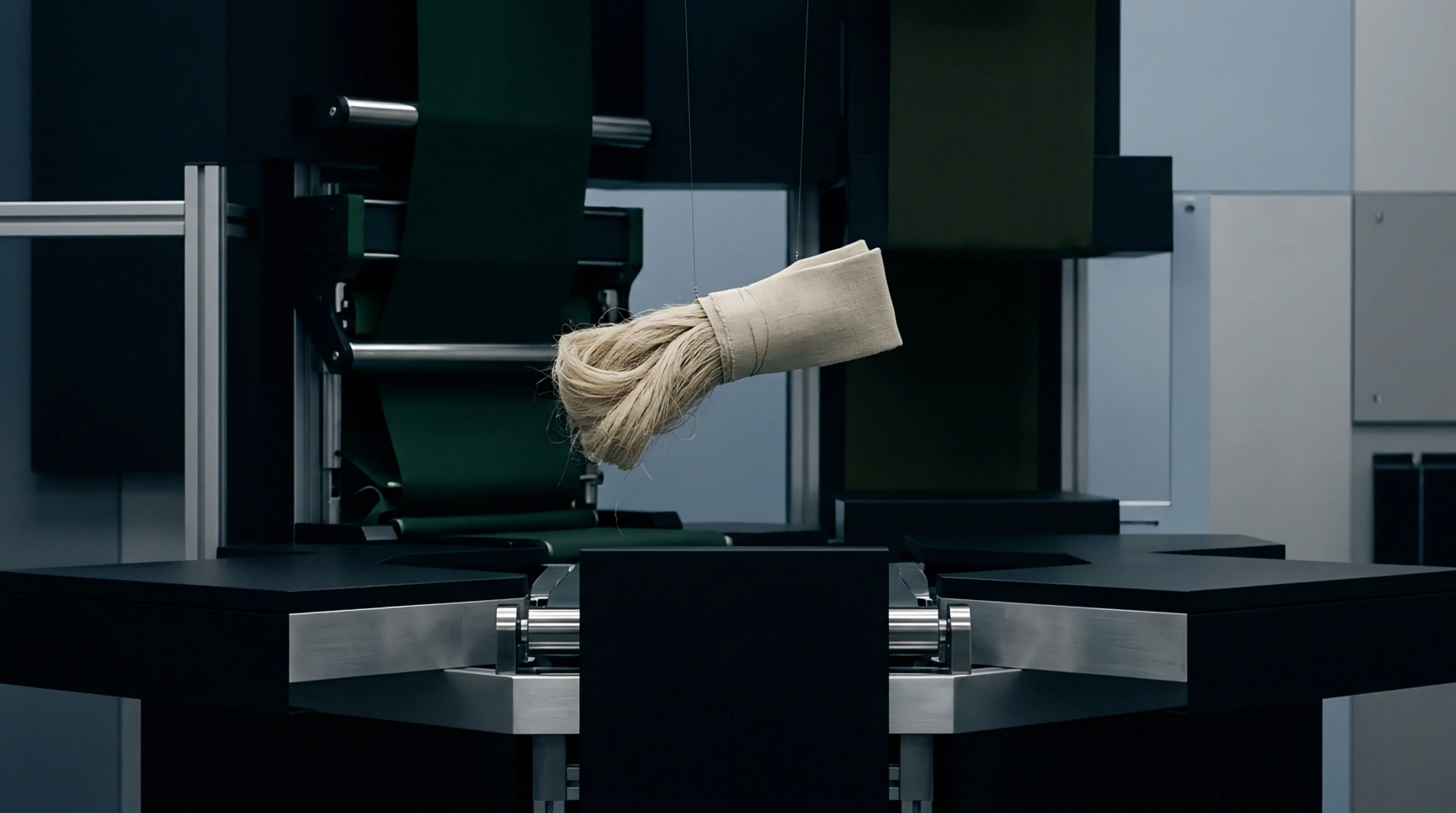
Chemically modified pectin matrices suppress fine linen warp friction spikes by 90 percent, lifting rapier weaving efficiency from 74 to 91 percent.

WAXS azimuthal integration of the cellulose (200) reflection quantifies microfibril alignment, establishing objective spinning limits and invoice rebate thresholds.
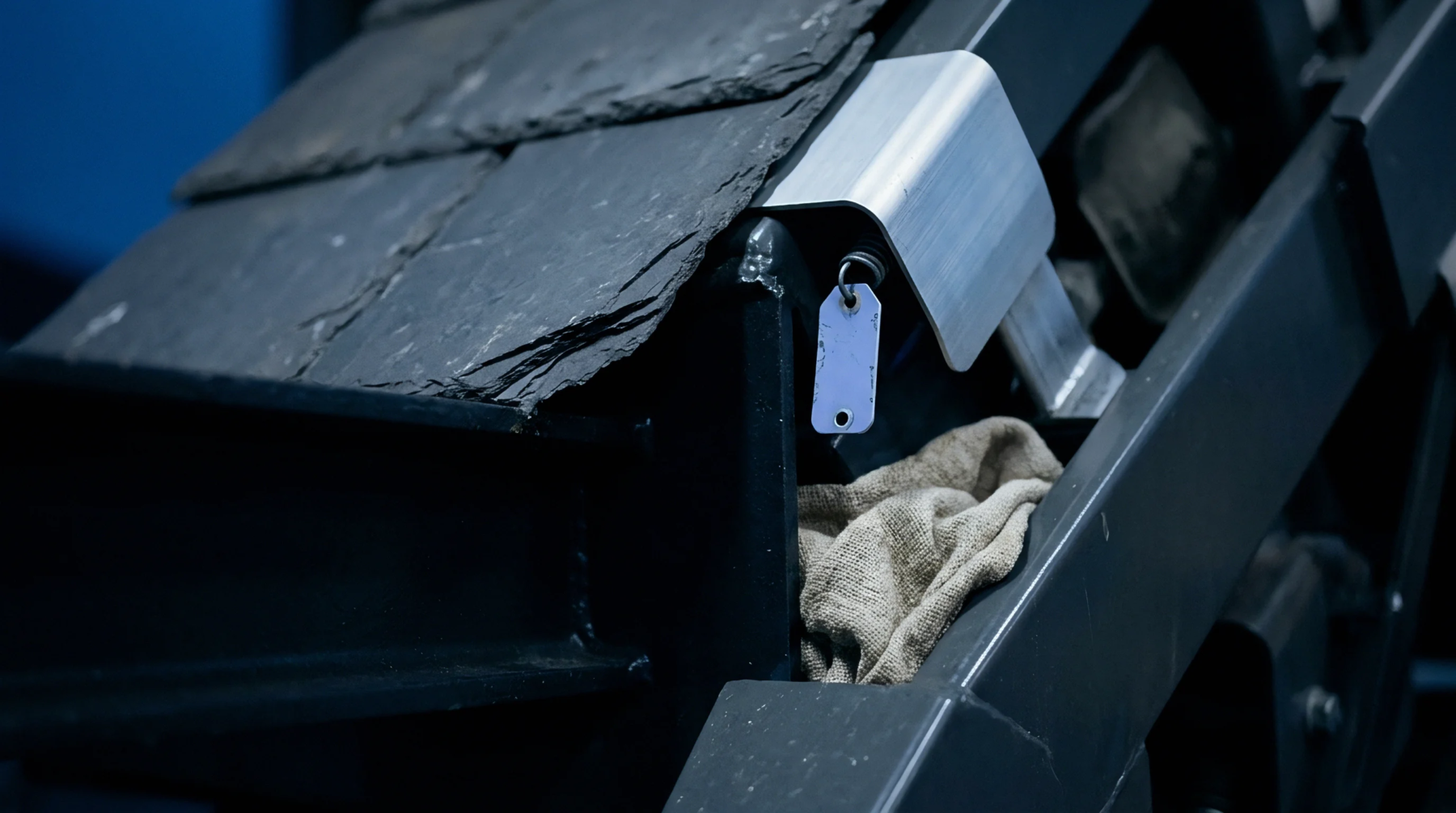
High-speed rapier shedding requires polar boundary lubricants in sizing to prevent heald eye wear and thermal film shear above six hundred picks per minute.

Dynamic friction coefficients in fine linen warp preparation dictate shedding tension spikes, warp break rates, and achievable loom speeds in high-speed weaving.

Non-uniform microfibril angle distributions in flax cell walls reduce wet-spun yarn tenacity and drive end-breakage during fine-count draft.
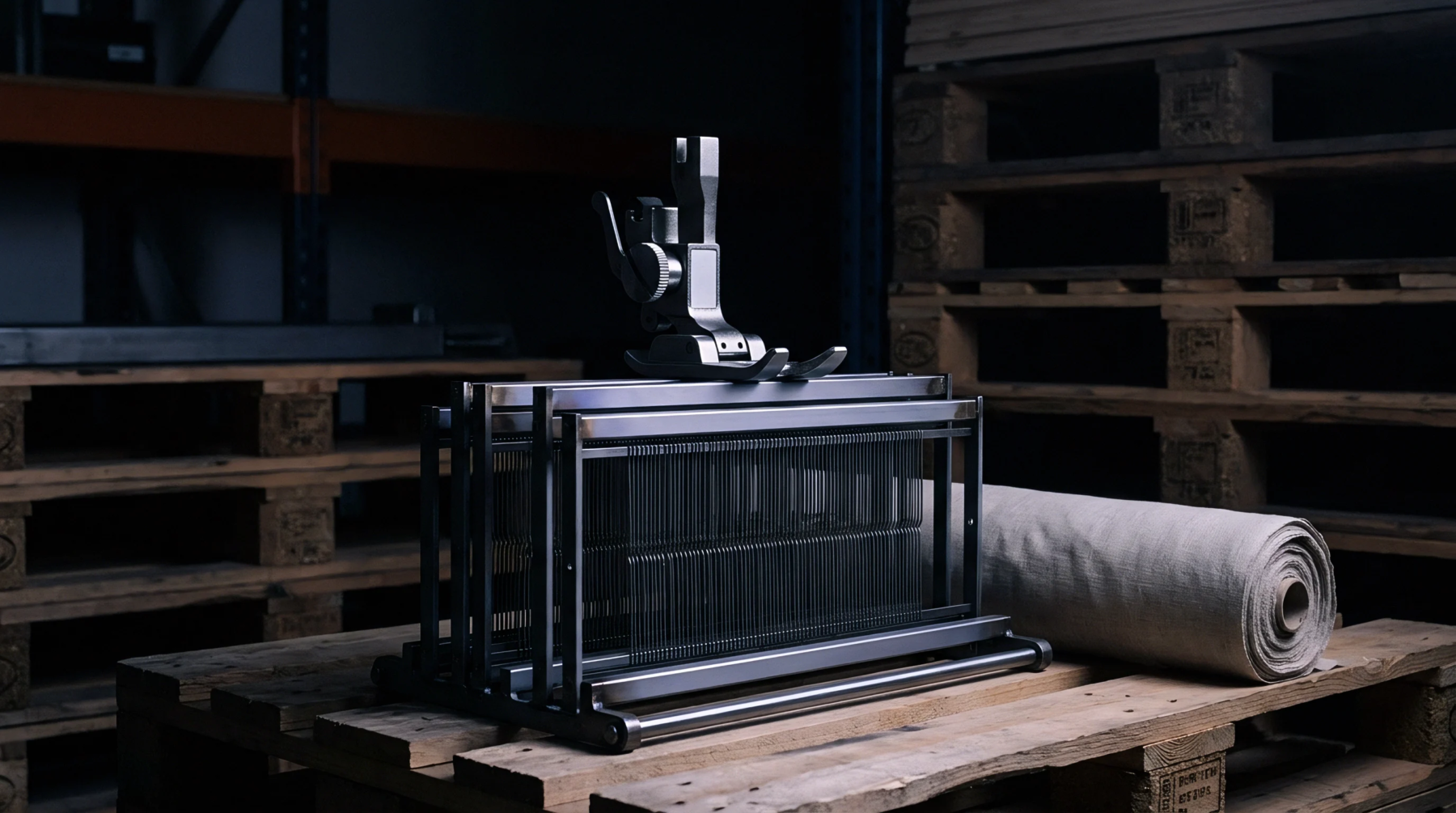
Limiting fine flax warp elongation below two percent through asymmetric shed geometry preserves loom speeds above five hundred picks per minute.

Determining secondary cell wall microfibril angles via wide-angle X-ray diffraction sets the physical tenacity limit for wet-spun flax yarn.

Optimizing enzymatic pectinase retting to 1.2-1.6% residual pectin stabilizes wet drafting dynamics and enables high count Nm 80-120 line yarn spinning.

Controlled drafting and chemical middle-lamella pectin extraction convert raw hackled flax sliver into boiled roving engineered for wet spinning attenuation.

Adjusting backrest height and shed crossover timing reduces peak tension spikes, directly lowering warp end break rates on high-speed looms.
Expertise is a utility, not a secret. sentiention™ publishes its working knowledge as open reference: intelligence layer covering the materials it sources, the markets it enters, and the reference that serves both.