Solvent Fractionation
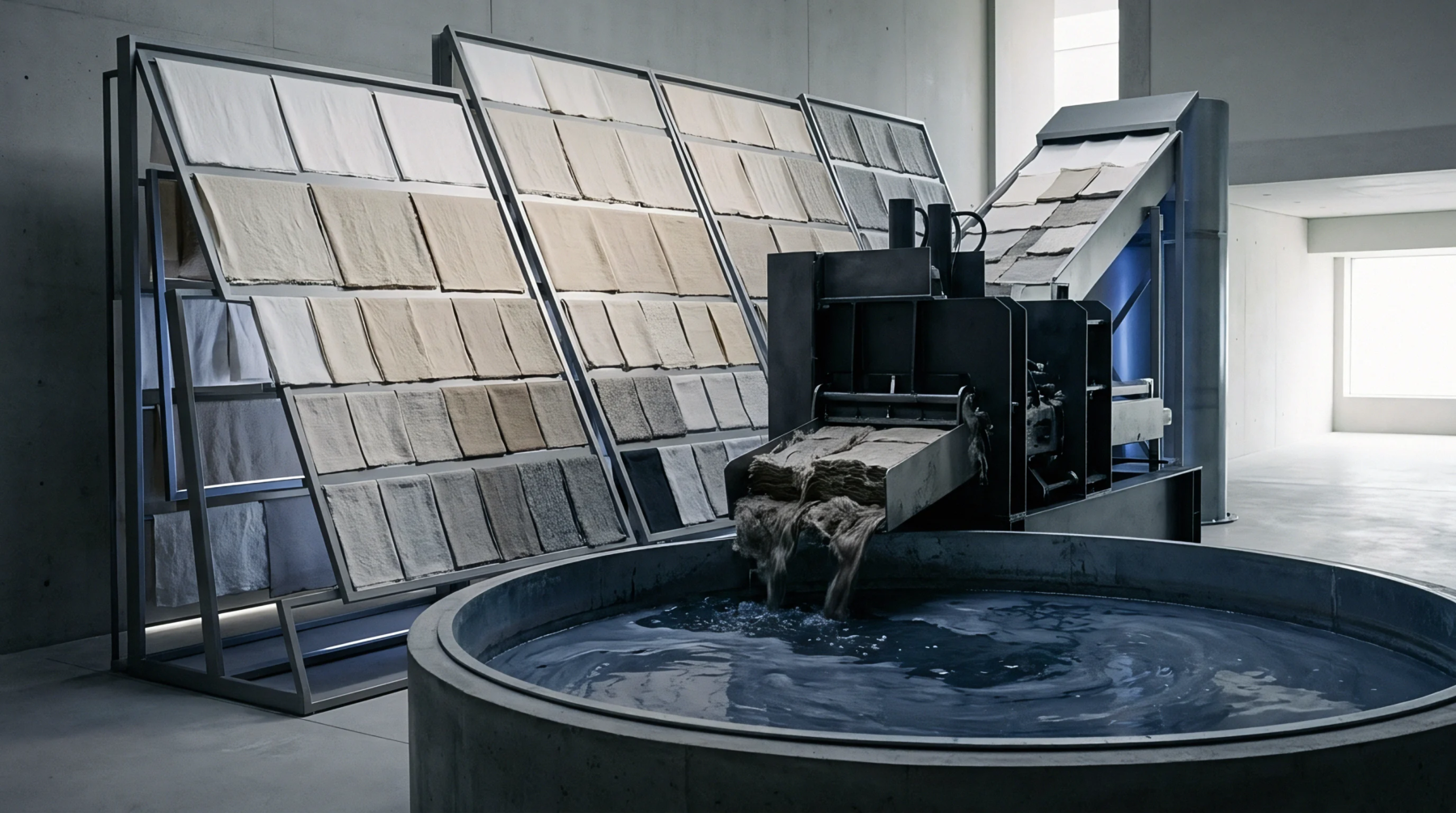
Chemical fractionation of plant biomass uses organic solvent mixtures under controlled thermal conditions to dissolve lignin and hemicellulose matrices. Advanced fibre processing plants use organosolv extraction to isolate high-purity cellulose bundles from raw flax straw without relying on traditional microbial water retting. Process logs record solvent concentration and digestion temperature parameters during processing cycles.
The process separates aromatic polymers from structural carbohydrates, marking the boundary where high-purity technical fibres are recovered while dissolved organic fractions enter solvent recovery systems.
Lignin Removal
Aqueous organic solvent mixtures, such as ethanol or acetic acid solutions, penetrate the woody core and bast tissues inside pressurized reactor vessels. Processing plants monitor organosolv extraction yield data to maximize technical fibre bundle length while minimizing carbohydrate degradation. Elevated temperatures break ether linkages within the lignin macromolecule, causing soluble fragments to dissolve into the liquid liquor.
Operators separate the cellulose fibre pulp from the liquor via filtration, washing the recovered bast fibres with fresh solvent to remove re-precipitated compounds. Distillation columns recover organic solvents for continuous closed-loop reuse, recording recovery efficiency percentages on environmental compliance reports.
Fibre Preservation
Excessive digestion temperatures degrade cellulose polymer chains, lowering yarn tensile performance. Process controls maintain strict temperature limits to preserve fibre length and crystal structure. Quality reports document residual lignin content using Klason analytical procedures.