Definitional Verification
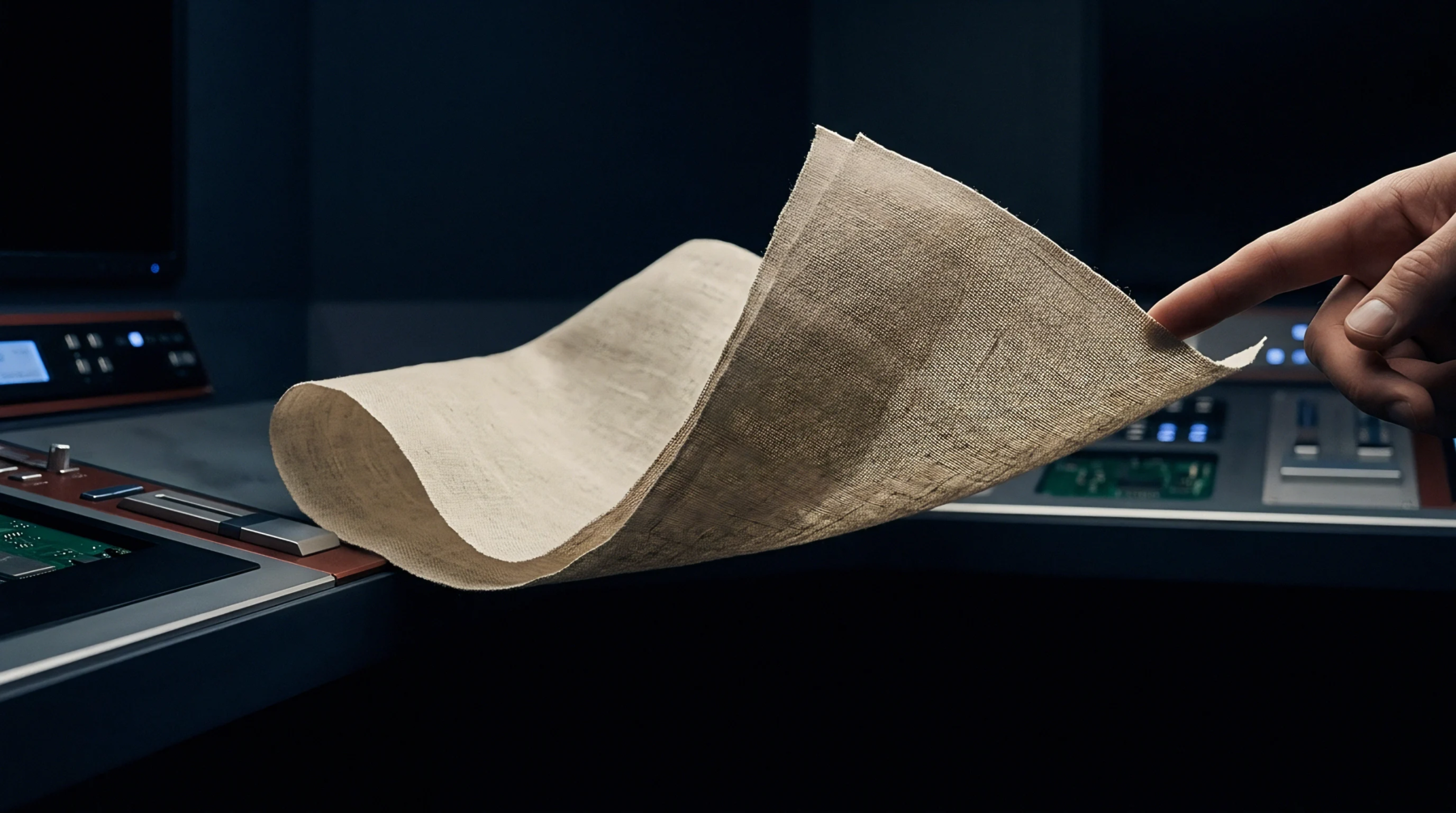
Quality control protocols verify raw linen consistency immediately after the loom and before chemical processing. Greige fabric inspection evaluates unbleached, uncolored textiles for loom-related defects such as broken ends, pick variations, or oil stains. Inspectors assign a point value to each flaw based on an established grading system like the four-point standard.
This classification process separates damaged goods from mill-ready stock for subsequent bleaching or dyeing. Quantitative data derived from this procedure determines if a batch meets the predefined quality thresholds set by the purchasing agreement.
Operational Procedure
Trained personnel move the length of a flat table while light sources illuminate the top surface. Operators identify flaws and mark them with physical indicators on the selvedge. Technicians calculate the total point count for a specific length to reach an acceptance decision.
Variations in the width or density of the flax fibers trigger an investigation into the mechanical calibration of the weaving machinery.
Traceability Documentation
Logbooks record the defect frequency and intensity for every production run to ensure compliance with export requirements. Mill managers compare these records against historical data to adjust spinning or weaving speeds. Consistent monitoring of these documents provides the objective evidence required for clearing shipments through customs or settling commercial disputes over damaged property.
Accurate reporting confirms whether the technical specifications align with the final product delivered to the buyer.