
Optimizing Warp Preparation Parameters for High Count Linen Yarns
Control unwinding tension below 12 cN, apply 12% modified starch-PVA size at 35 mPa·s, and beam at 70 Shore D with 8% moisture to maintain shed efficiency.

Control unwinding tension below 12 cN, apply 12% modified starch-PVA size at 35 mPa·s, and beam at 70 Shore D with 8% moisture to maintain shed efficiency.

Thermal mechanical compaction of high lea linen requires precise moisture control to enable crimp interchange without crushing fine bast yarn structures.

Compensate multi-cycle linen contraction by compounding loom take-up, wet finishing, and five-cycle wash factors to expand reed width and derate loom speeds.
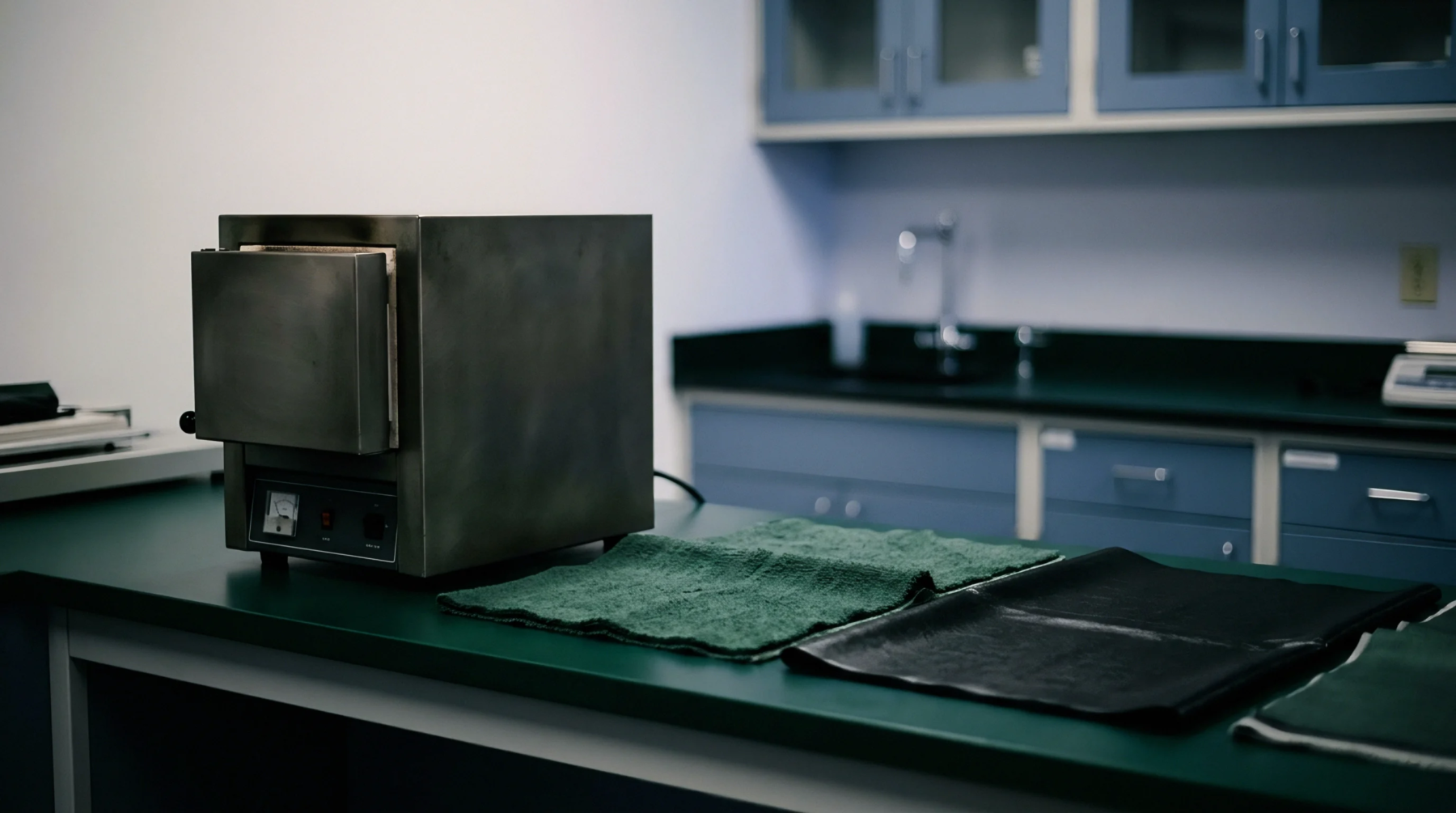
Standard testing limits allow 3 to 4 percent relaxation shrinkage in high lea linen only when reed allocations provide sufficient off-loom width margins.

Misdeclared origin in imported linen blends triggers compounding Section 301 duties and statutory civil penalties that multiply unpaid duties up to fourfold.

Profile air jets induce resonance fatigue in fine linen warps, requiring strict pulse windowing and modified tunnel profiling to avert catastrophic end breaks.

High syringyl lignin enables uniform hot-water fibre attenuation; guaiacyl-rich lots trigger stick-slip drafting surges, spiking yarn defects and spinning costs.

Reconciling Transaction Certificates with customs origin rules requires declaring the weaving mill country as origin while citing certificates for fibre provenance.

Agricultural origin of raw European flax depends on linking farm lot weighbridge tickets to scutcher yield ratios and isotopic soil chemistry proofs.

Middle lamella pectin and calcium levels dictate scutched flax hackling yield, wet-spinning trough plasticization, and maximum achievable yarn count.

Unmeasured pectin loss in wet spinning creates phantom certified mass credits that inflate ledger volumes and permit uncertified fiber substitution.

Dynamic peak tension for wet spun linen air jet insertion must stay below 2.1 cN/tex to prevent catastrophic yarn cleavage and maintain shed efficiency.

Formulating wet spun linen size with hydroxyethylated starch and ester lubricant cuts kinetic friction to zero point two two and maximizes loom efficiency.

Reconciling European Flax in Chinese wet mills demands tracing intake weights through hackling loss and trough dissolution directly to verified yarn certificates.

Audit flax mass balance by verifying moisture-adjusted fiber intake, mechanical hackling yields, and temporal credit allocations against Transaction Certificates.

Enzyme retting targeted at non-covalent lignin-pectin cross-links reduces bundle linear density to 3 dtex, enabling wet spinning up to Nm 80 fine yarn counts.

Elevated Klason lignin above 3.2 percent blocks wet trough plasticization, causing drafting tension spikes and soaring spindle break rates in fine linen spinning.

Predictive dynamic load modeling prevents brittle flax end breakage in asymmetrical shedding by optimizing backrest offset and late shedding timing.

Standardizing dew-retted flax fineness requires combining ISO 2370 airflow with optical image analysis to control lot variance and secure spinning yields

Irrigated non European flax alters oxygen and hydrogen isotope baselines through evapotranspiration enrichment requiring hydraulic correction models for valid origin proof.

Autoclave steam above 120 C strips calcium cross-links from bast pectin, degrading bundle tenacity and shifting line fibre yield into short tow waste.
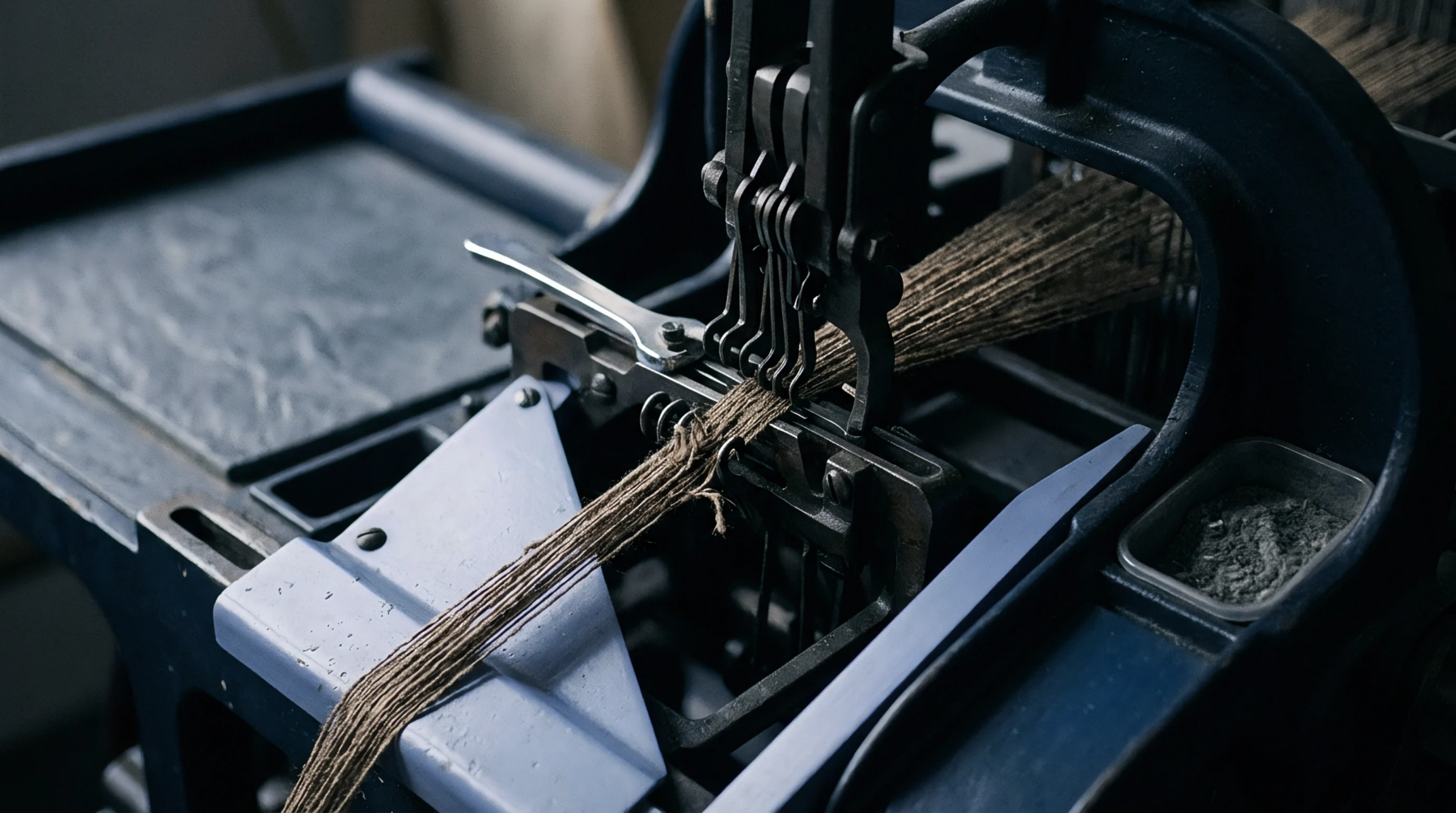
Optimizing wet spinning steam cycles plasticizes bast pectins, lowering drafting force, reducing Uster CV% mass variation, and enabling finer yarn counts.

Thermal beta-elimination above 75°C cleaves methylated middle lamella pectin, reducing bundle cohesion, yarn tenacity under ISO 2062, and spinnable count limits.

Oven drying overstates flax regain by volatilizing stem waxes, while near infrared underestimates core moisture in dense sliver without deep spectral calibration.

Commercial weight adjustments reconcile raw flax scale weight to the standard 12% moisture regain, eliminating phantom water costs on cross-border shipments.

Active ease-off calibration couples positive mechanical linkages to shed timing, absorbing shedding peaks to keep low-extension flax warps below yarn break limits.
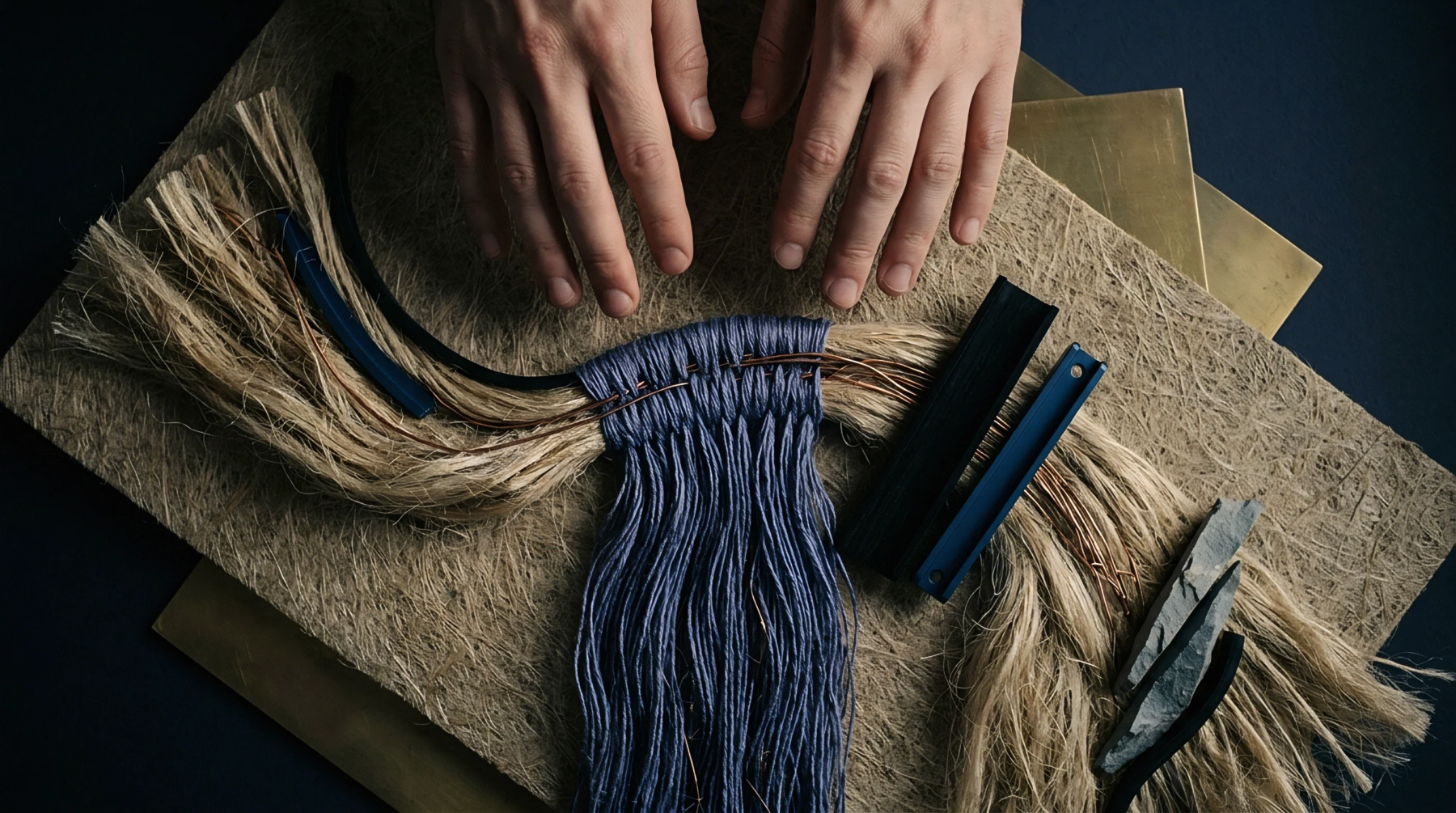
Bayesian multi-element unmixing models resolve co-mingled scutcher fibre origins, converting ICP-MS trace profiles into legal proof of raw material composition.
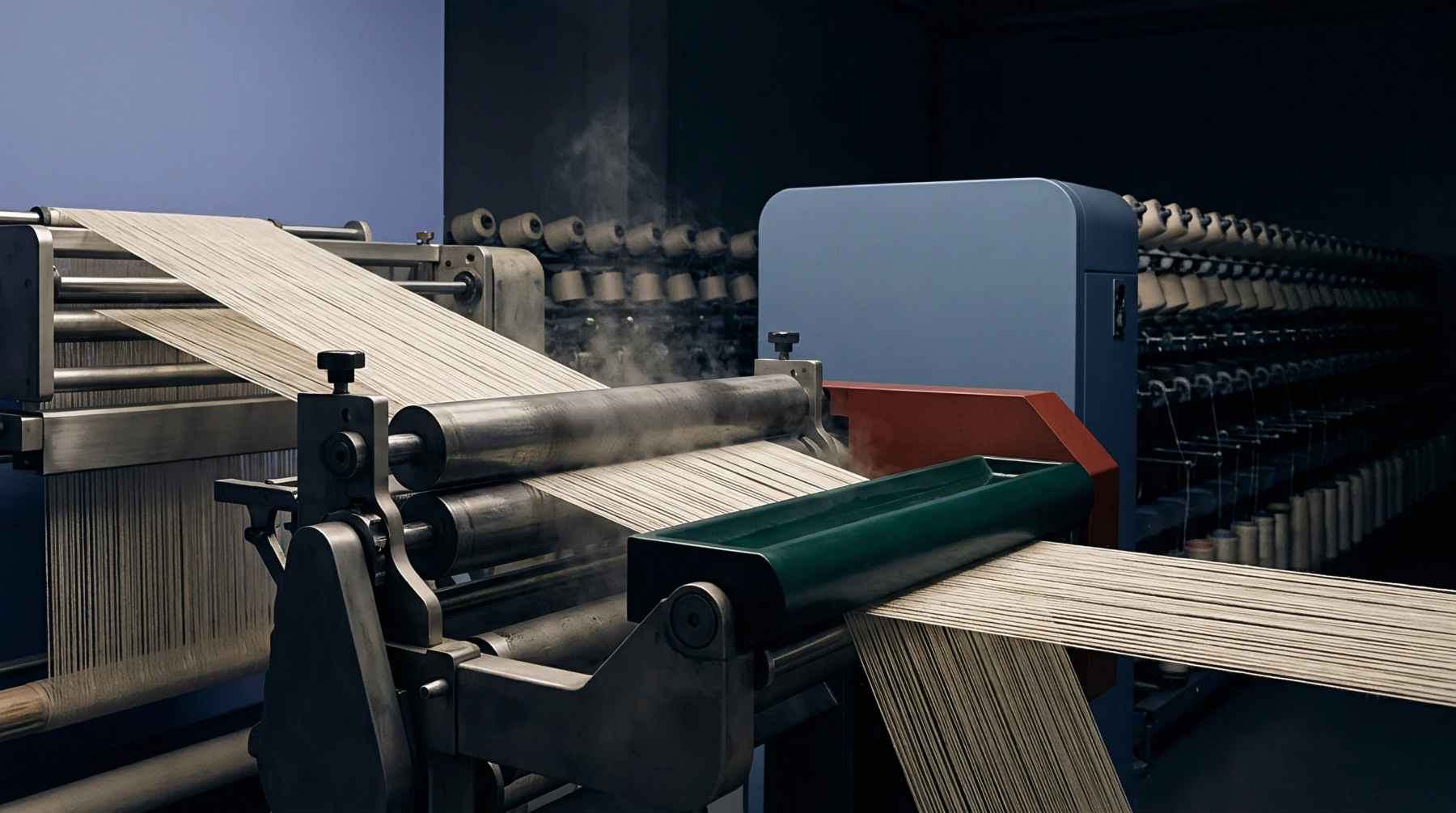
Active back-rest damping, controlled sizing regain, and synchronized electronic let-off suppress peak dynamic strain on low-elongation flax warps.

Dynamic ease off calibration reduces wet spun linen peak strain by sync motion to shed opening, protecting yarn tenacity and loom efficiency.

Stable isotope analysis validates raw flax geographic claims by matching plant chemical profiles against regional soil and hydrological baselines.
Expertise is a utility, not a secret. sentiention™ publishes its working knowledge as open reference: intelligence layer covering the materials it sources, the markets it enters, and the reference that serves both.