
Spectroscopic Quantification of Middle Lamella Pectin Degradation in Retting Evaluation
ATR-FTIR carbonyl absorbance ratios quantify flax middle lamella pectin degradation to predict hackling line yield and prevent spinning floor end breaks.
ATR-FTIR carbonyl absorbance ratios quantify flax middle lamella pectin degradation to predict hackling line yield and prevent spinning floor end breaks.
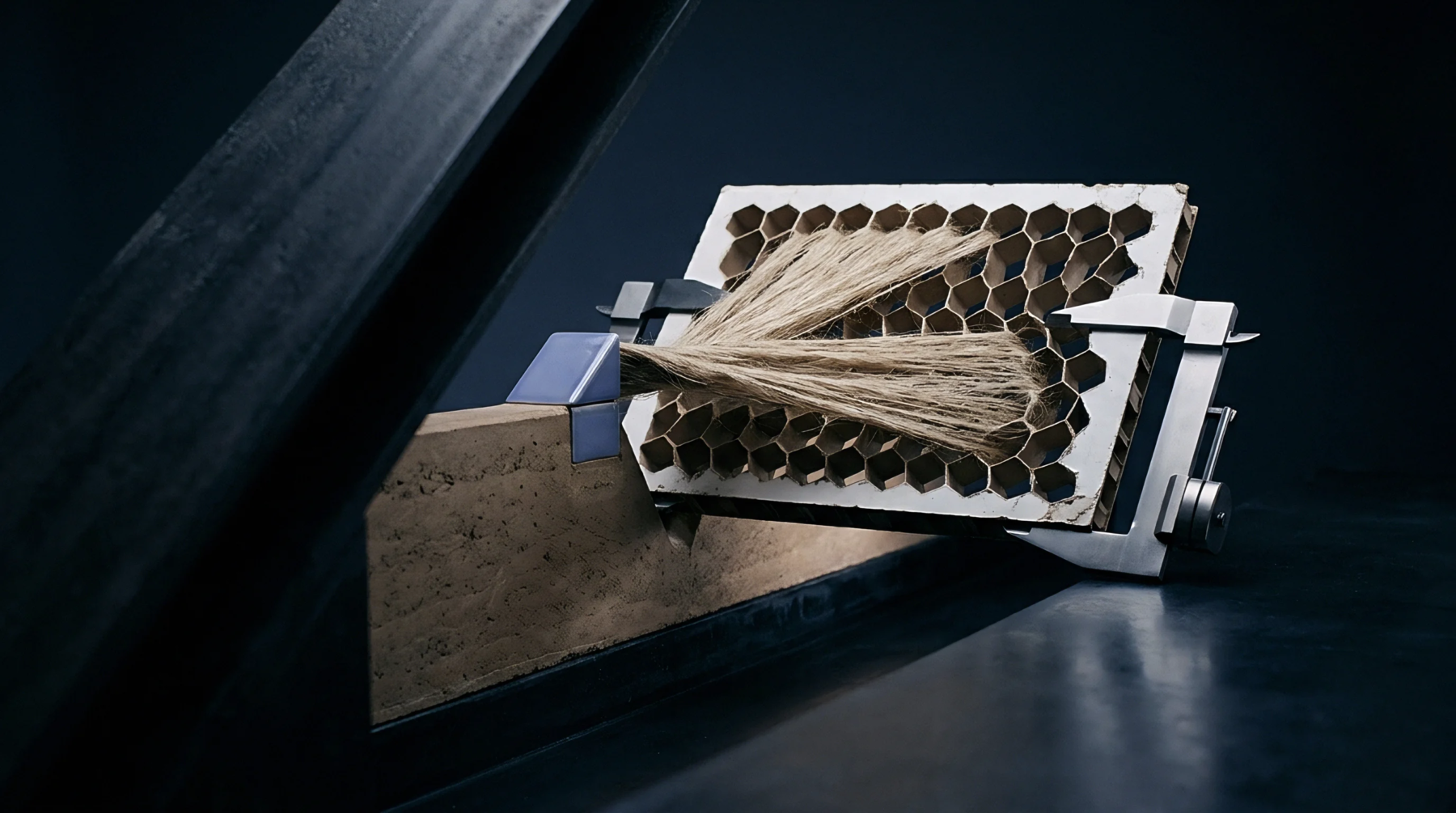
Radial cell wall swelling compresses bed voids non-linearly, requiring sorption-corrected Kozeny-Carman transforms to prevent false coarse grading in line flax.

Gravimetric moisture regain and airflow porous plug corrections align actual bast fiber mass with spinnable yarn count standards across long flax processing.

Cross-polarised telecentric filtration isolates pectin glare to hold bast bundle diameter measurements within two microns across decortication lines.

Dynamic beater telemetry preserves flax microfibrillar integrity during scutching, maintaining fiber tenacity and validating auditable provenance documentation.

Hermans orientation factor screening via wide-angle diffraction isolates high-tenacity scutched flax lots before hackling, protecting wet-spun yarn yield.

Non-uniform microfibril angle distributions in flax cell walls reduce wet-spun yarn tenacity and drive end-breakage during fine-count draft.
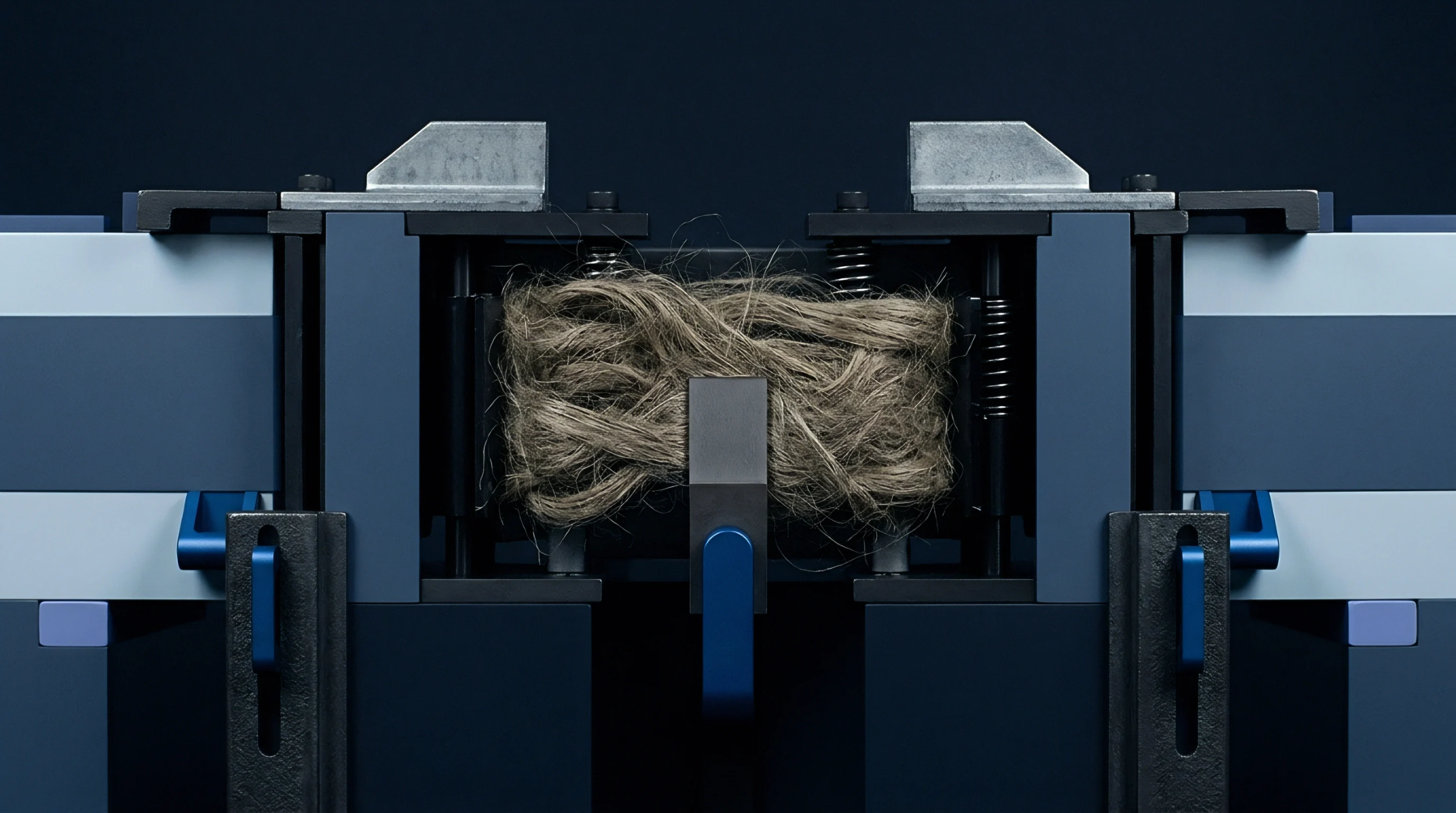
Single-end tensile testing at 500 mm gauge length isolates yarn weak spots to prevent warp breaks and costly loom stoppages in wet spun linen cloth production.

Spectrophotometric galacturonic acid assay sets an objective retting ceiling at 1.4% dry weight, securing 50%+ line yield and high-count wet-spinning stability.

Carbazole colorimetry isolates anhydrogalacturonic acid in hackled flax slivers to control residual middle lamella pectin between 1.10 and 1.45 percent.

Thermodynamic moisture regain and internal porosity skew bast linear density; true tex demands oven-dry cut-and-weigh testing plus standard commercial allowance.
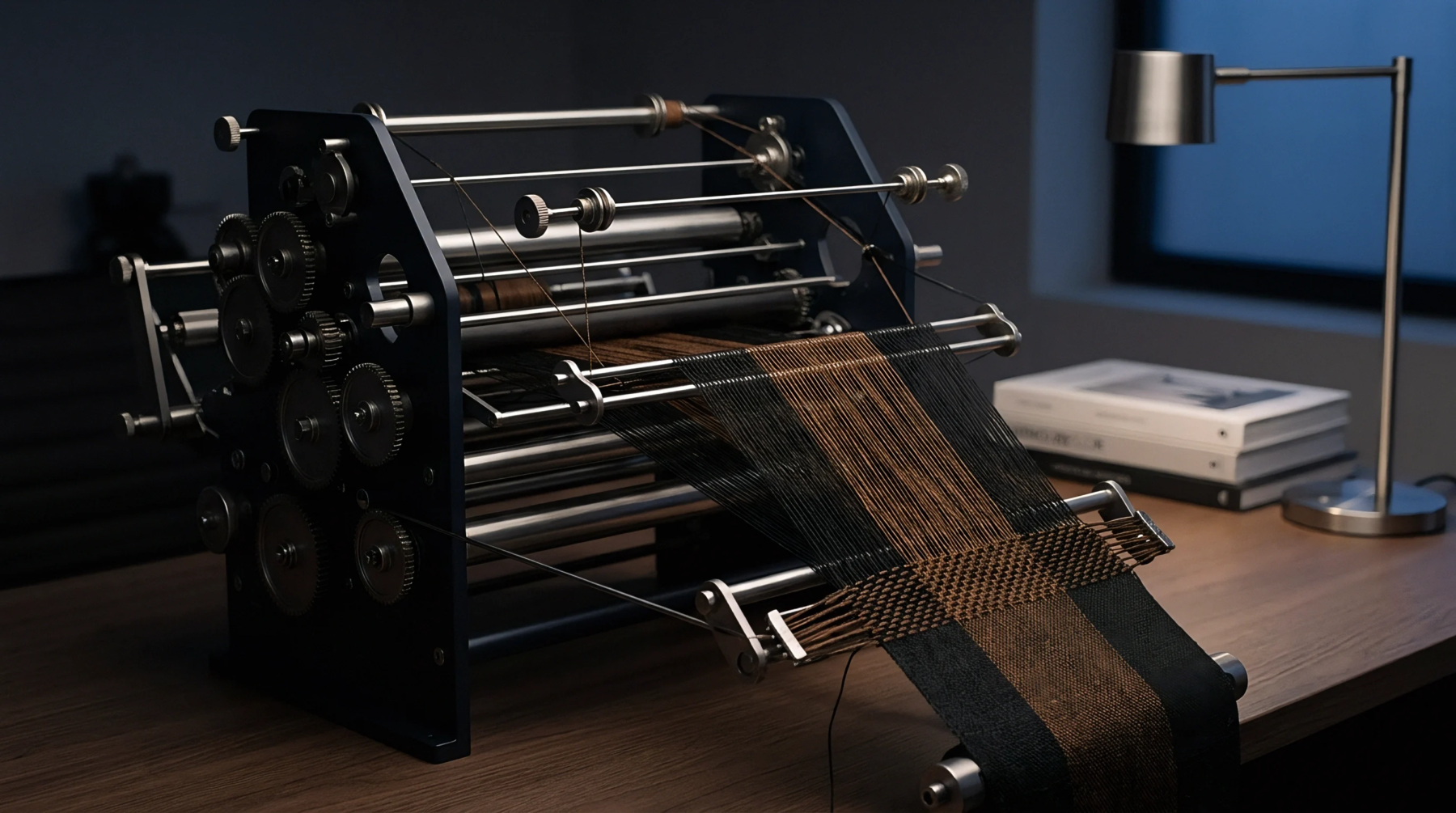
Marker-controlled watershed and U-Net boundary penalties resolve adjoining cell walls, preventing false fineness grading and wet-spinning roving breakage.
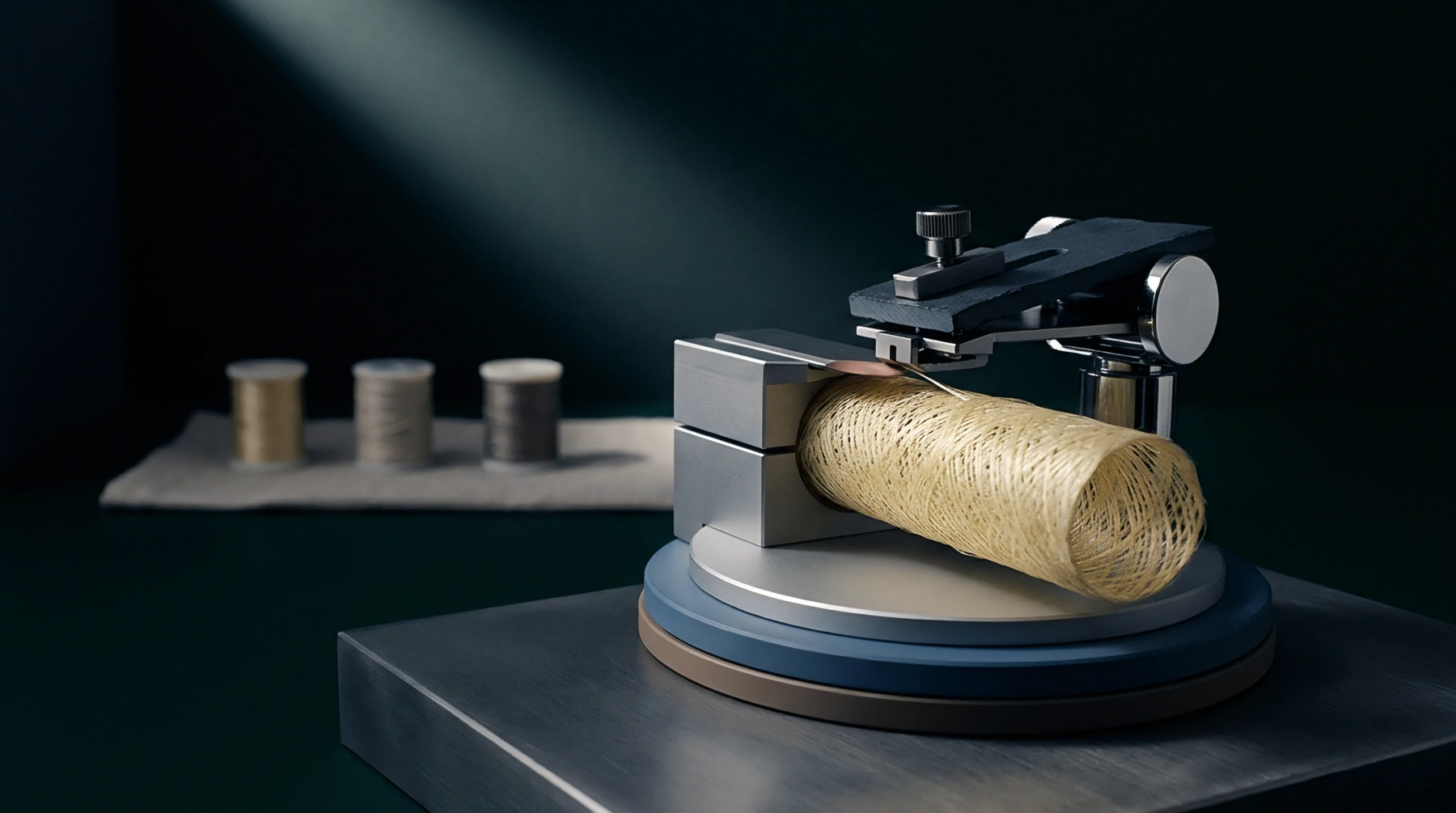
Optical cross section analysis determines true flax bundle diameter by calculating equivalent circle dimensions from segmented polygon areas in cured epoxy mounts.

Calibrating flax hackling requires balancing pin density against bundle retting depth, directly fixing spinnable line yield and finished metre costs.
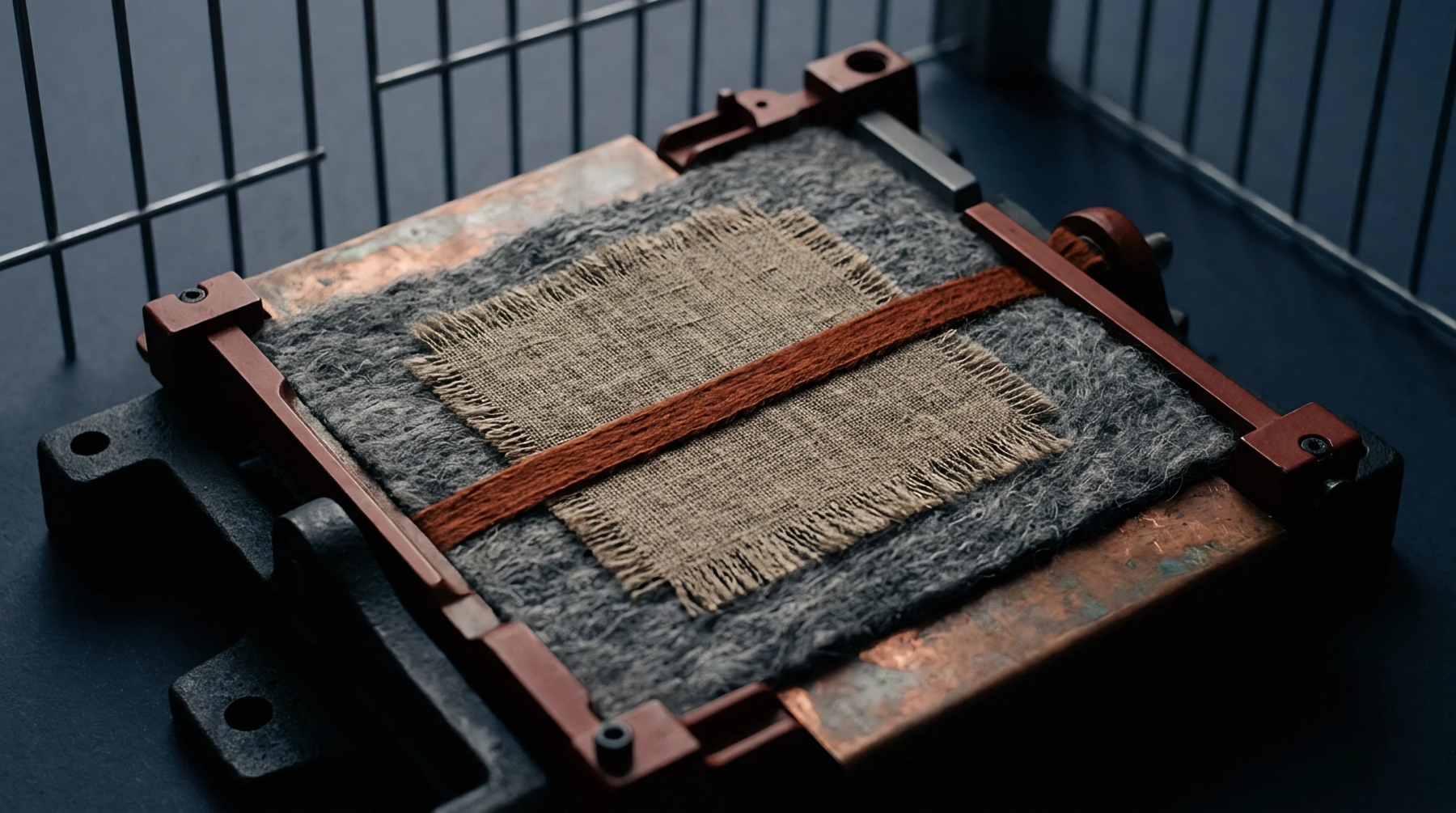
Gravimetric cut-length flax linear density testing converts as-tested bundle mass to official twelve percent commercial regain to prevent drafting and count errors.

Standard bundle cut gravimetry determines line flax linear density by sectioning combed parallel strands to fixed length and weighing conditioned mass per ISO 2370.
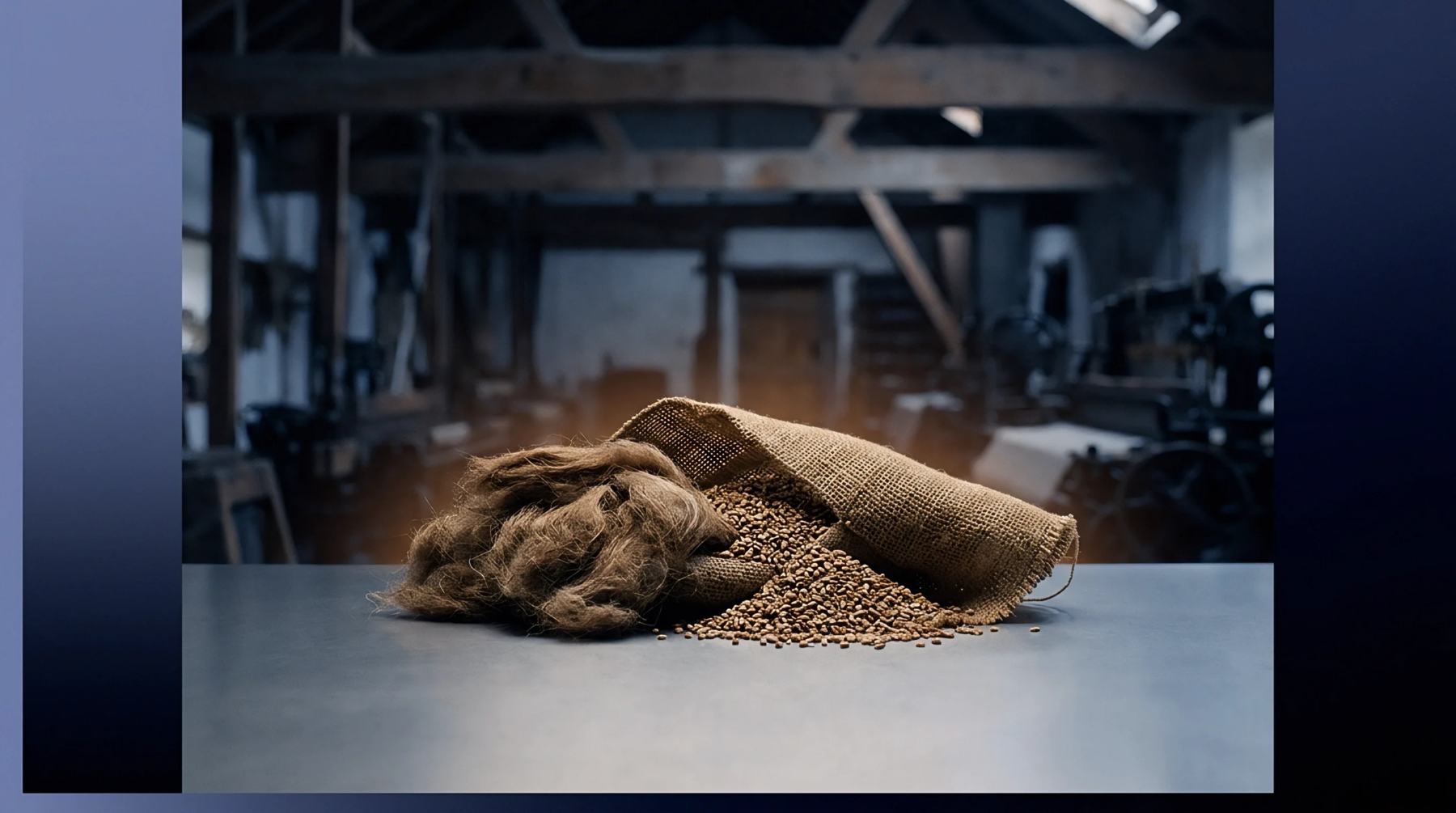
ISO gravimetric fineness testing measures cut bundle mass and length to establish decitex, directly dictating spinnable yarn count and fabric yield.

Hot ammonium oxalate extraction isolates calcium-bound middle lamella pectins to quantify sliver spinning limits and drafting cohesion.

Gravimetric flax fineness testing requires correcting bone dry bundle mass to 12% standard regain to prevent count errors and landed cost distortions

Optical image analysis of overlapping flax bundles demands controlled sample dispersion, distance transform segmentation, and microtome cross-sectional correction.
Detect short-staple flax blends in combed line sliver using comb sorter mass arrays and ISO 2370 air permeability tests to stop drafting breaks.

Verify flax linear density using ISO 1973 cut-and-weigh gravimetry at standard 12% regain to accurately forecast wet-spinning limits and enforce contract pricing.
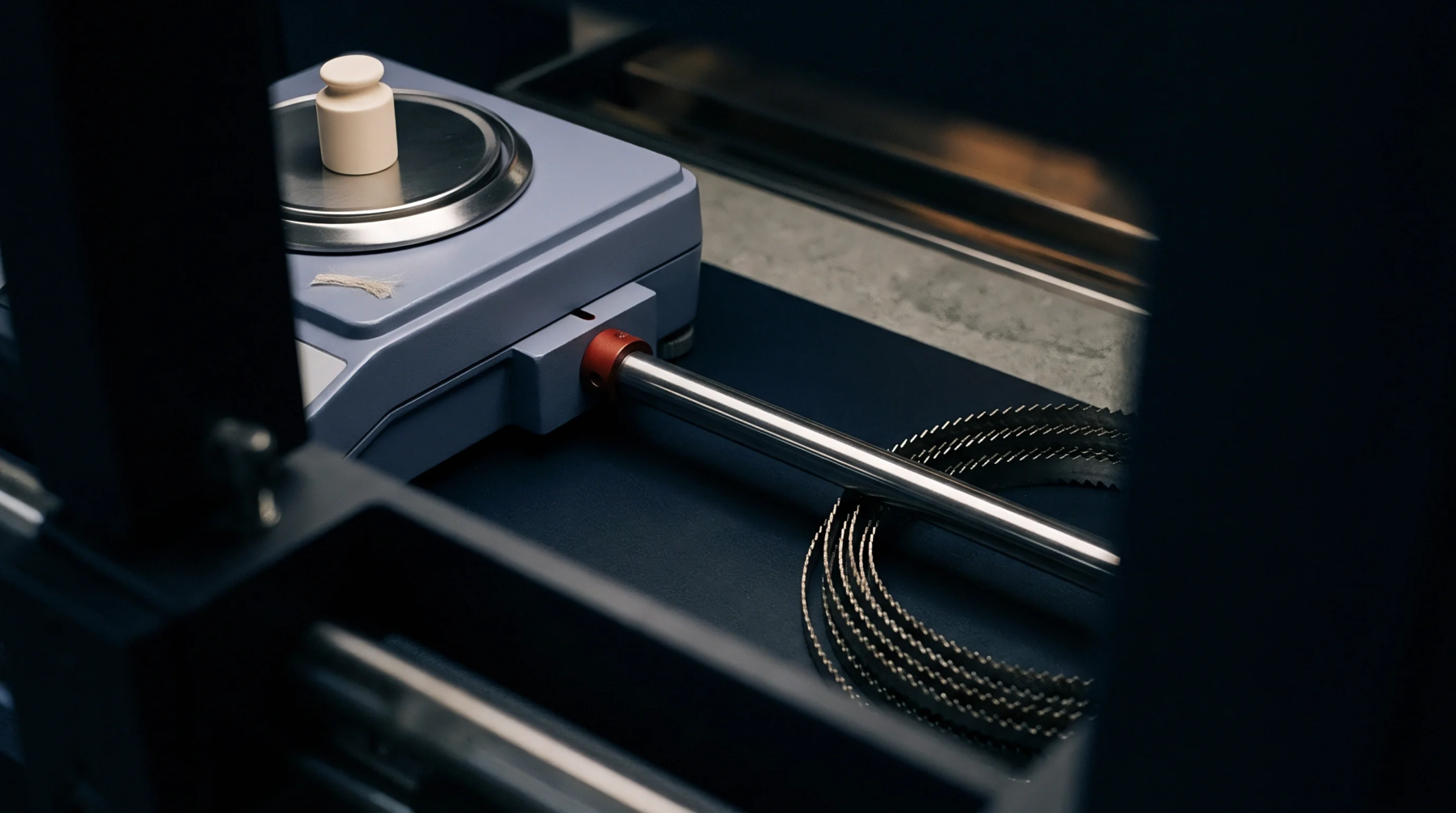
Conditioned middle-cut bundle weighing under ISO 2370 delivers precise flax line fibre linear density data for wet-spinning count calculations.
Expertise is a utility, not a secret. sentiention™ publishes its working knowledge as open reference: intelligence layer covering the materials it sources, the markets it enters, and the reference that serves both.