Material Requirement
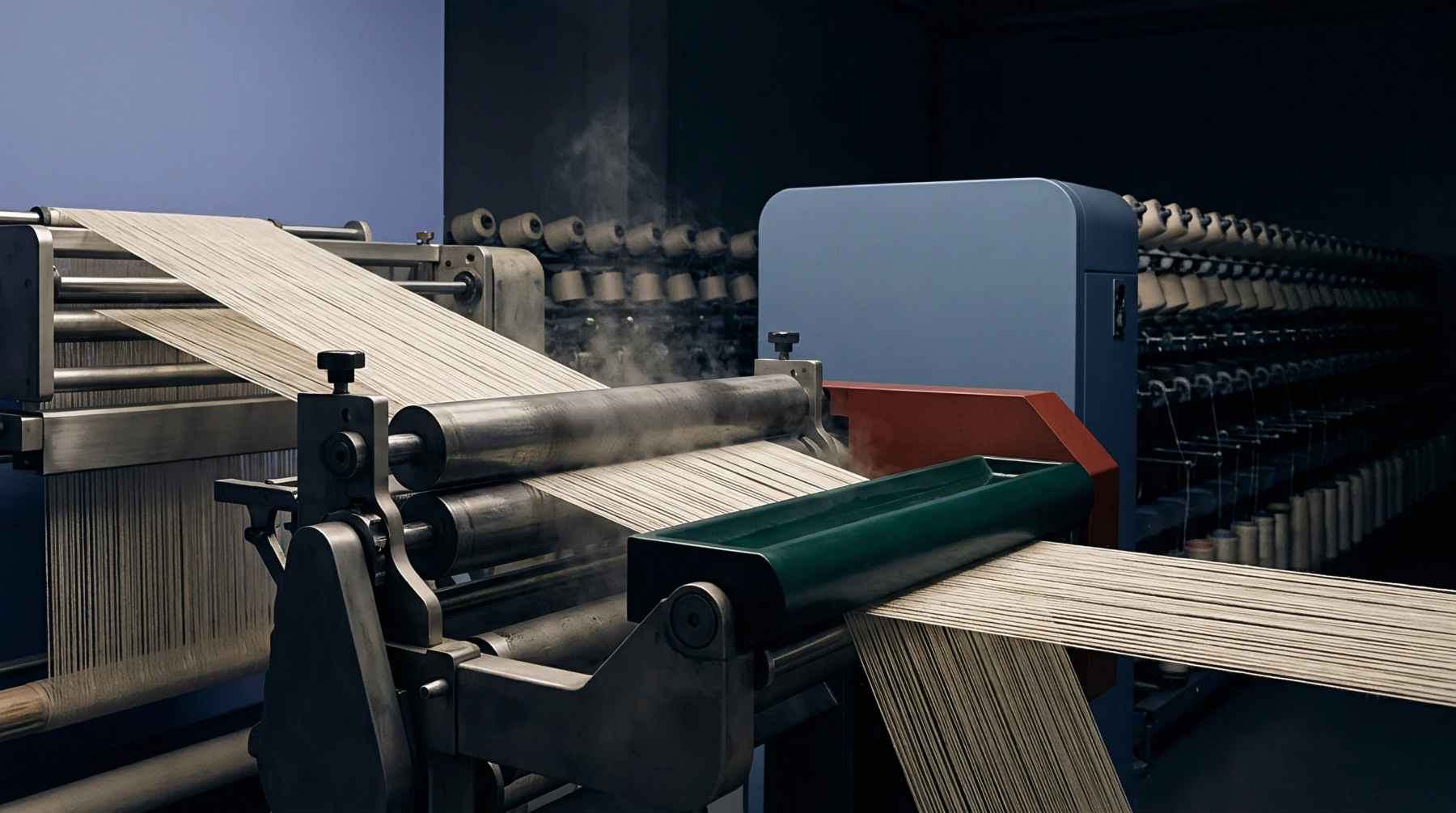
Total length of longitudinal yarns required for a specific fabric run accounts for both the finished dimensions and the physical loss during weaving. Calculating warp yarn consumption is the first step in the procurement process for any linen production order. This figure includes the length needed for the main body of the cloth and the extra material used for machine tie-in and selvages.
Process Allowance
Calculation of the total yarn weight must include the crimp factor which represents the extra length used as the warp interlaces with the weft. When the yarns curve over and under each other, they occupy more length than the flat measurement of the fabric suggests. Mill managers add a percentage for waste caused by yarn breakage and the unusable ends at the start and finish of a beam.
A high-density weave with a complex structure will have a higher crimp percentage than a simple plain weave. Monitoring these figures allows the mill to order the exact amount of flax roving needed to avoid shortages.
Economic Yield
Efficient use of materials is verified by comparing the actual weight of the finished warp with the initial estimates. Large discrepancies indicate problems with the warping tension or excessive breakage on the loom floor. Accurate forecasting prevents the accumulation of dead stock at the mill.