
Moisture Regain Corrections and Structural Crimp Contraction Calculation Methods
Commercial cloth settlement requires correcting raw lot weight to standard regain and adjusting reed width for structural crimp take-up.
Commercial cloth settlement requires correcting raw lot weight to standard regain and adjusting reed width for structural crimp take-up.

Determining commercial moisture regain in raw scutched flax uses 105 degree Celsius oven drying to adjust invoice mass to the standard 12 percent regain.

Standardize linen invoice billing to bone-dry mass plus official commercial regain to eliminate weight claims caused by mill psychrometric variance.
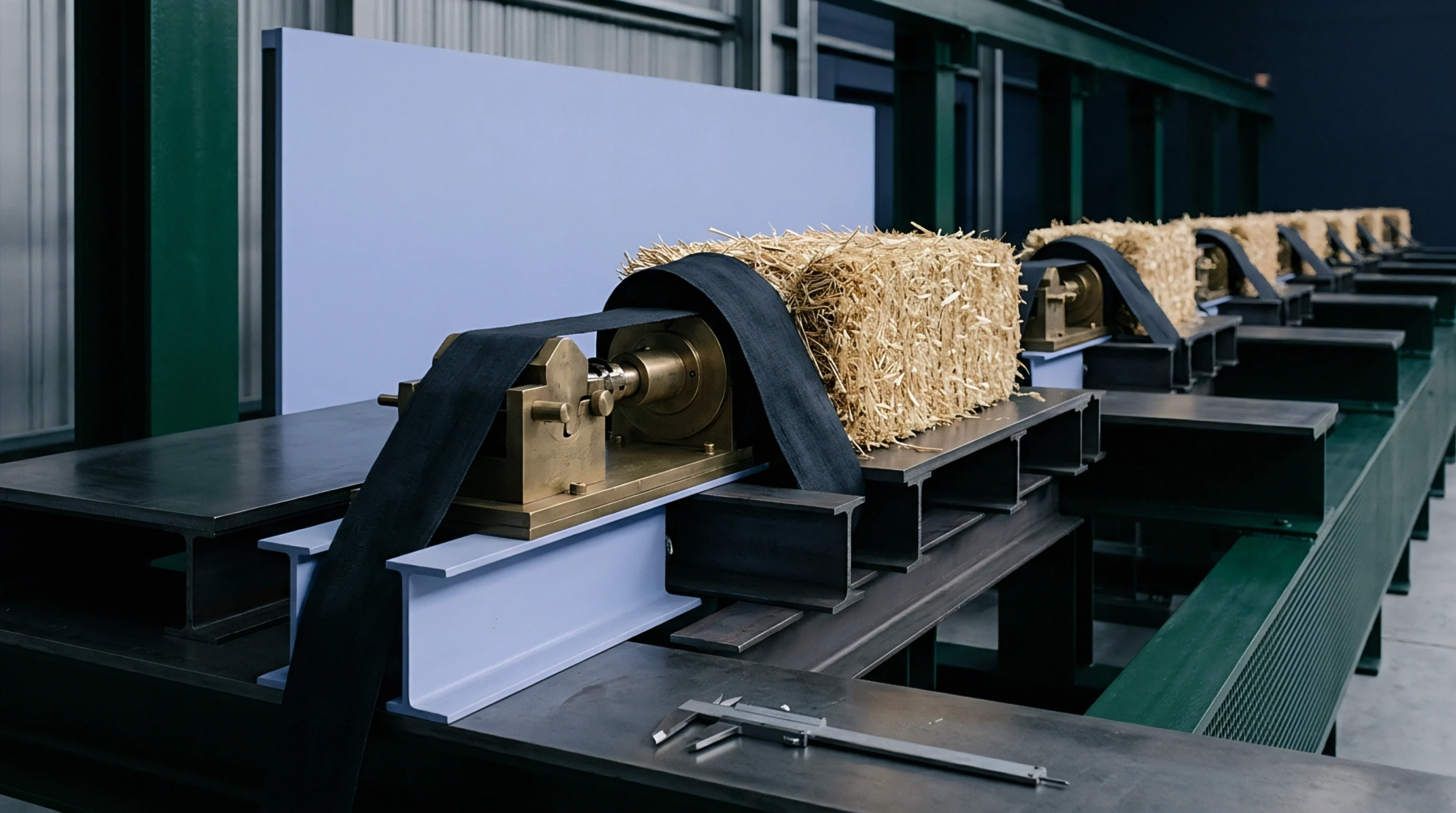
Commercial mass determination from desorption testing requires converting anhydrous dry mass to invoice weight using standard regain percentage allowances.

Enforce a 72-hour adsorption conditioning protocol with bone-dry mass normalization to eliminate pectin hysteresis drift in bast fibre linear density disputes.
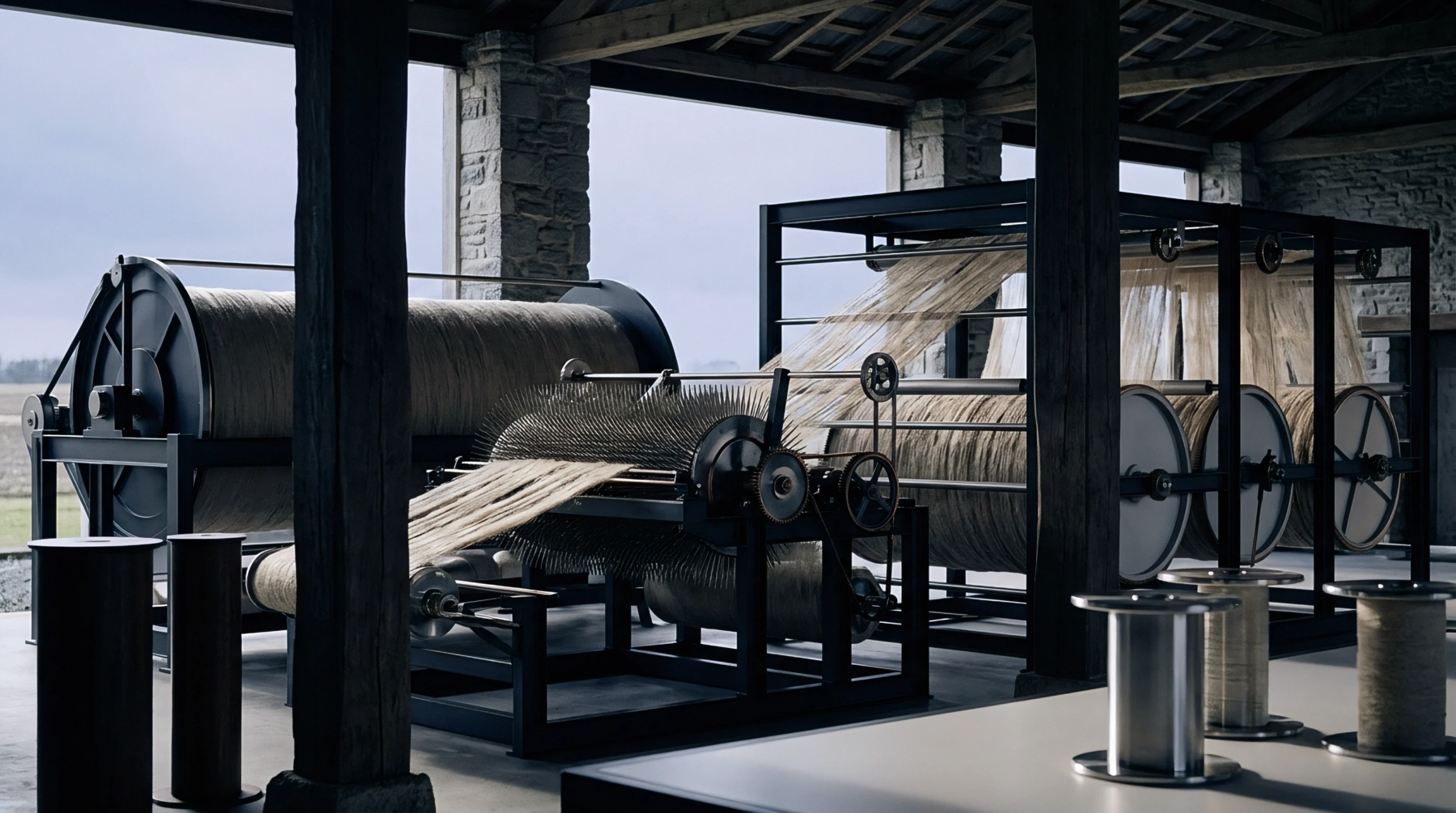
Verify flax roving dry mass at 105 degrees Celsius to bill strictly on the official 12.00 percent commercial regain allowance rather than humid scale weight.

Standardize bast fiber mass by calculating invoice weights from oven-dry determinations at 105 degrees Celsius adjusted to statutory 12 percent regain allowances.

Flax moisture disputes require oven-dry testing under ISO 6741, enforcing financial adjustments when measured regain exceeds contractual deadbands by over 0.50%.

Hackled flax sliver mass determination combines exact cut-length gravimetric sampling with oven-dry correction to verify linear density and commercial invoice mass.
Commercial regain standards fix raw scutched flax at 12.00 percent, converting certified oven-dry mass into legally binding invoice settlement weights.

Thermodynamic moisture regain and internal porosity skew bast linear density; true tex demands oven-dry cut-and-weigh testing plus standard commercial allowance.

Selecting an 11.8-millimetre Pressley clamp gauge over zero gauge measures inter-filament pectin shear, yielding tenacity figures that predict flax spinning performance.

Controlled moisture regain between 10.5 and 12.5 percent combined with dynamic load-cell let-off feedback prevents brittle warp breakage in high-speed linen weaving.

Optimizing bast fiber warp regain between 11.5 and 12.5 percent through targeted shed psychrometrics maximizes yarn elasticity, cutting warp breaks and loom downtime.
Ocean microclimates generate steep radial moisture gradients in dense flax bales, rendering single-core regain tests inaccurate for invoicing and spinning prep.

Standard commercial mass in scutched flax trading converts oven-dry weight to invoice mass using the agreed twelve percent moisture regain factor under ISO 6741.

Flax hackling yield hinges on sorption history; desorption-path fibers hold higher internal moisture, cutting brittle breakages and shifting line outturn by 3%.

Non-equilibrium container shipping drives sharp radial moisture gradients in dense flax bales, degrading hackling yield and distorting invoiced fiber weight.
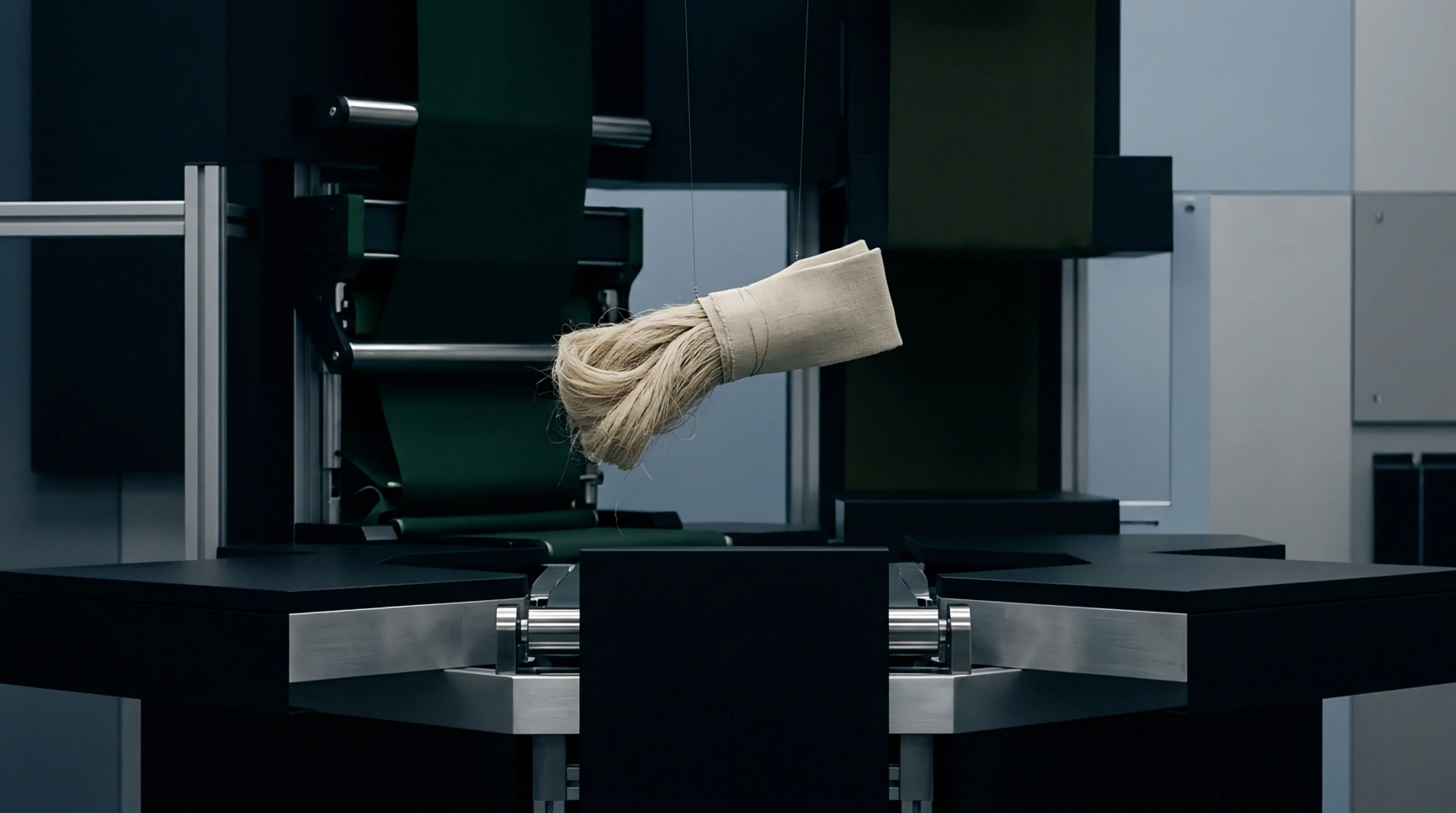
Sorption hysteresis alters landed fibre mass; import ledgers require ISO 6741-1 core dry-mass calculations to adjust raw invoice weights accurately.
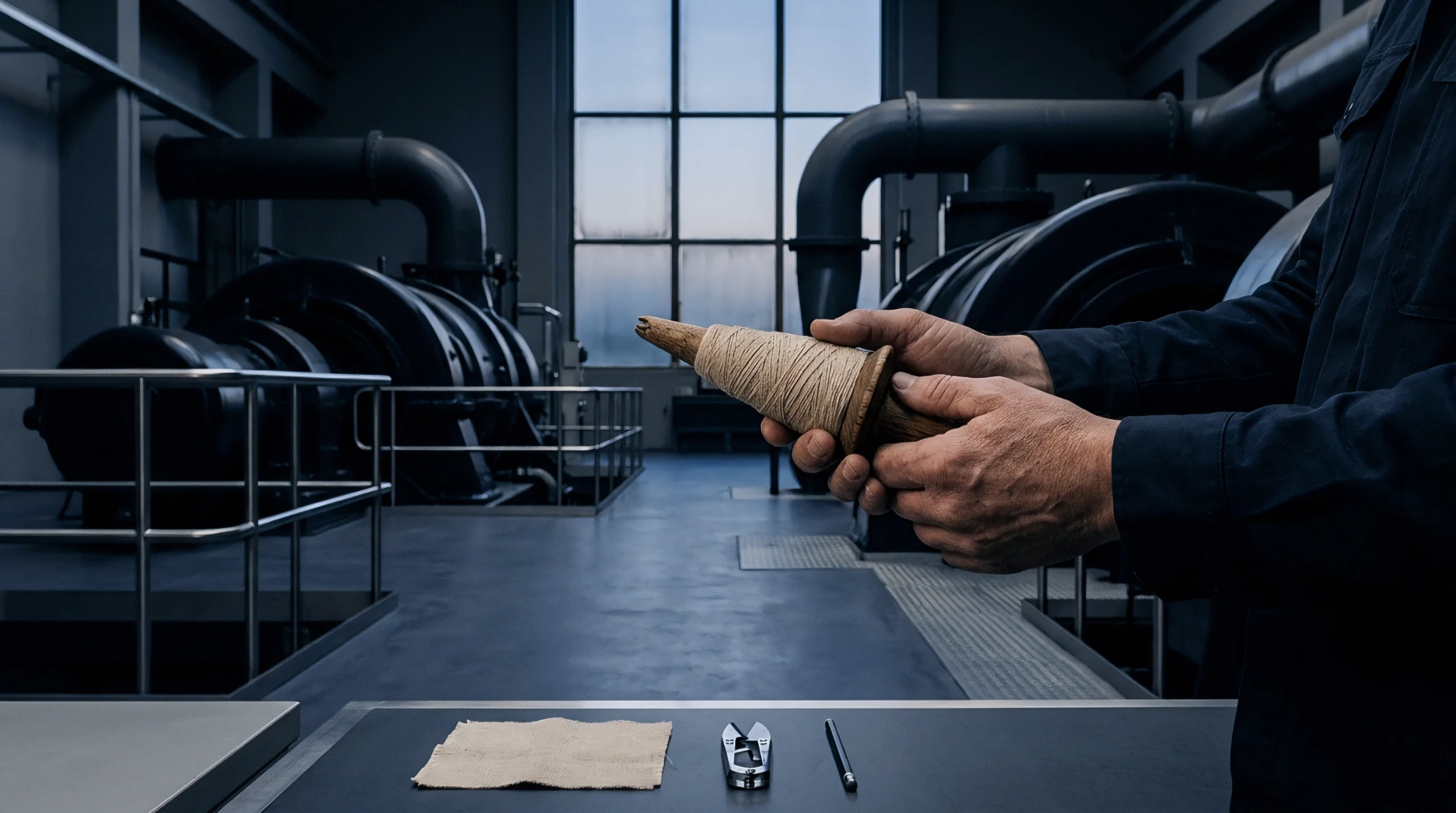
Calculating standard moisture regain corrections for hackled flax corrects raw mass readings to 12% standard regain, securing true tex and metric count.

Commercial moisture regain recalculations convert received damp flax mass to clean dry mass plus standard allowances, eliminating paid water weight from invoices.

Container thermal swings drive flax moisture desorption, requiring oven-dry mass reconciliation against the twelve percent standard regain to verify true fiber volume.

Maintain combing halls at 70% RH and control pectin esterification below 58% to maximize high count line flax hackling yields and lower metre costs.

Standard flax fiber corrections adjust billable consignment weight to a twelve percent regain baseline derived from laboratory-verified oven-dry mass.
Commercial mass adjustment corrects delivered flax invoice weight by calculating bone-dry mass via oven drying and applying standard regain allowances.

Resolve flax container intake mass discrepancies by oven drying core samples to recalculate invoiced weight against standard twelve percent commercial regain.
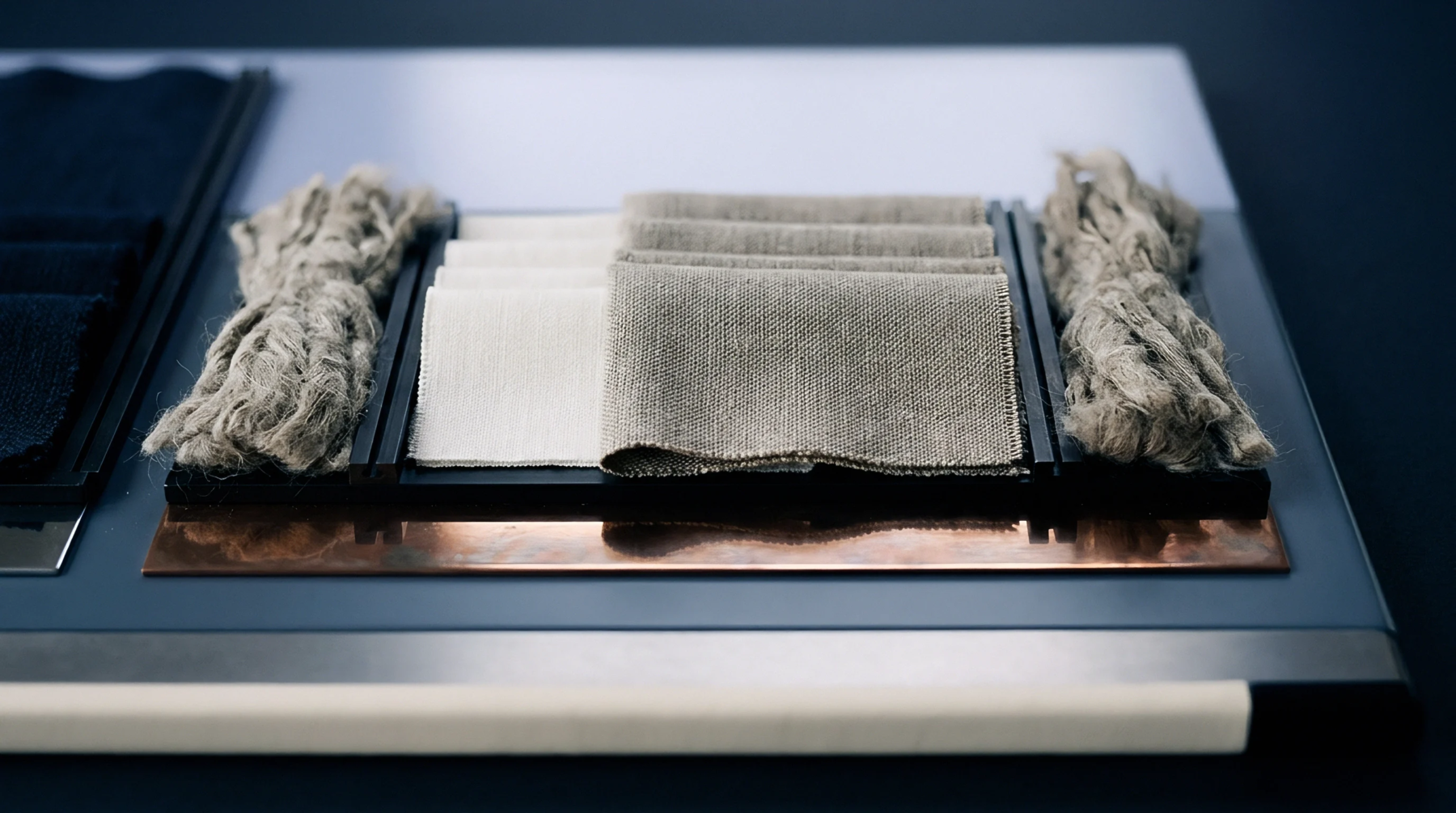
Balancing bast fiber loom shed humidity requires maintaining 76-80% RH to achieve 12% warp regain, preserving yarn elasticity and preventing size film dusting.
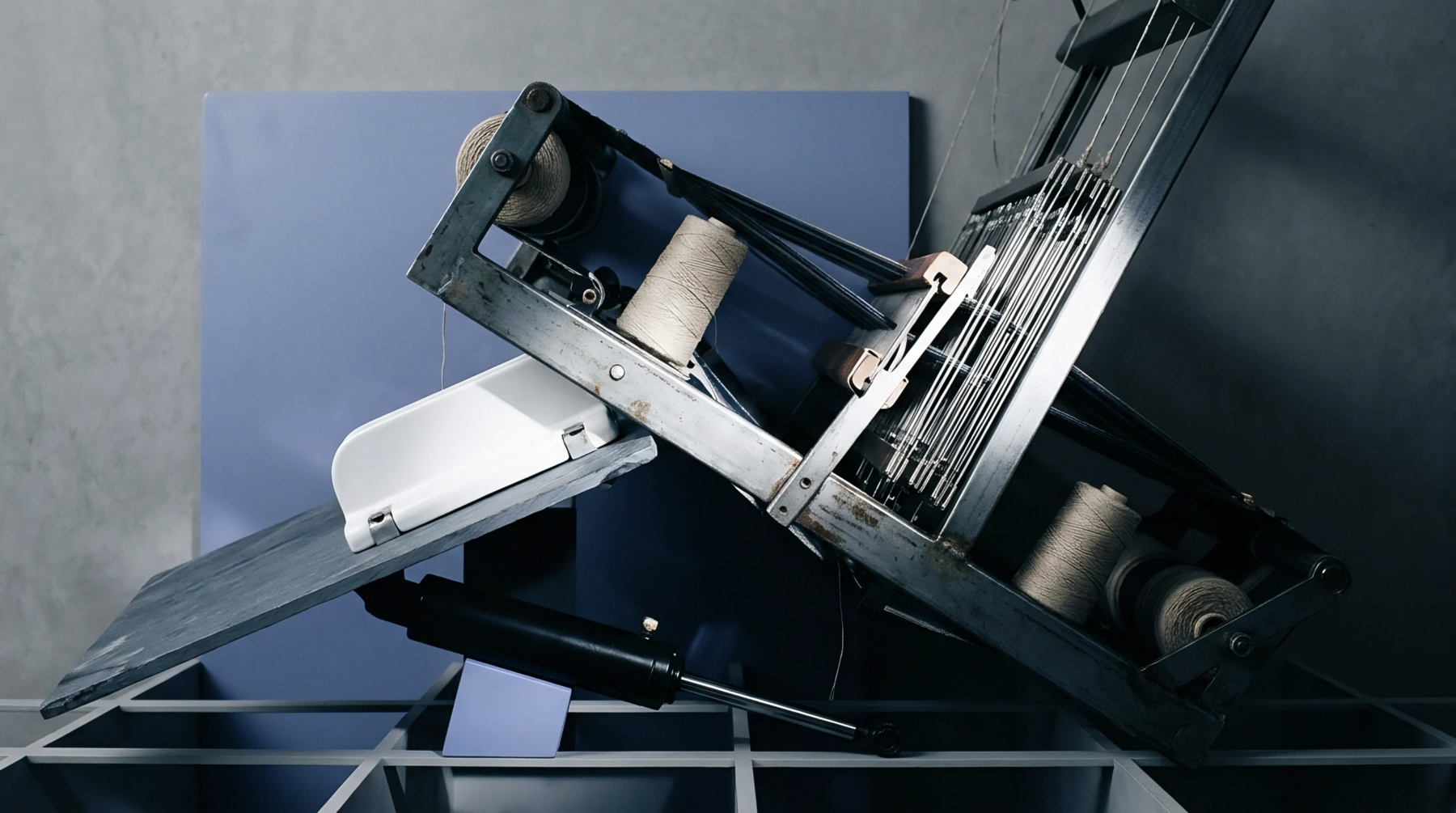
Optimizing warp sizing regain and loom shed humidity prevents brittle size film fracture, suppresses friction dusting, and maximizes high-speed weaving efficiency.
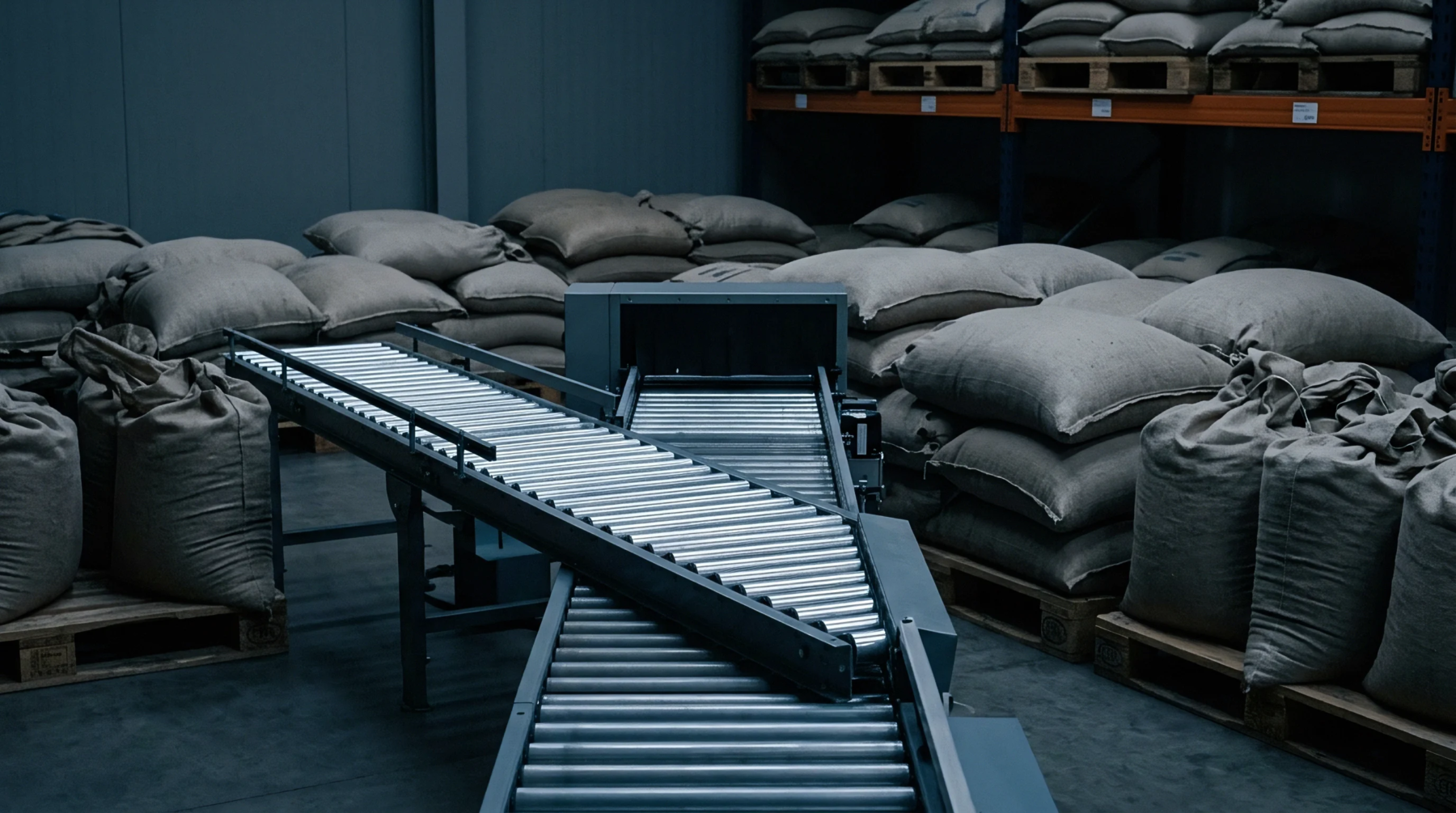
Linen yarn counts and cloth weight must be verified against dry fiber mass plus standard 12 percent moisture regain to eliminate costly moisture billing errors.
Expertise is a utility, not a secret. sentiention™ publishes its working knowledge as open reference: intelligence layer covering the materials it sources, the markets it enters, and the reference that serves both.